How do Blinkit franchisees make money?
Franchisees earn gross margin (8–25%, typically 10–15%) on quick-commerce sales—groceries, FMCG, essentials, and fresh items delivered via the Blinkit app. They operate the dark store, manage inventory, and fulfill orders. The parent company retains a royalty of 5–11% of sales. Revenue depends entirely on order volume and the operational efficiency of the store.
What is the Blinkit franchise cost?
Initial investment ranges from approximately ₹10–30 lakhs, comprising franchise/brand fee (₹3–5 lakhs), capex for store setup and equipment (₹7–20 lakhs), and initial inventory (₹5–10 lakhs). Exact breakdowns vary by location and store specifications. Franchisees should confirm all costs with the brand before commitment.
What revenue streams does a Blinkit franchisee have?
The primary and sole revenue stream is gross margin on quick-commerce sales—groceries, FMCG, snacks, beverages, and fresh items. No secondary services, food preparation, or specialized verticals are part of the franchise contract.
Is Blinkit franchise revenue seasonal or steady?
Quick-commerce demand is relatively steady, driven by daily consumption needs. However, minor peaks occur during festivals and monsoon seasons. Revenue stability depends on local catchment density, competitor presence, and logistics efficiency. Category-wide disruptions (policy changes, platform outages) can impact all franchisees equally.
Is Blinkit actively franchising in India?
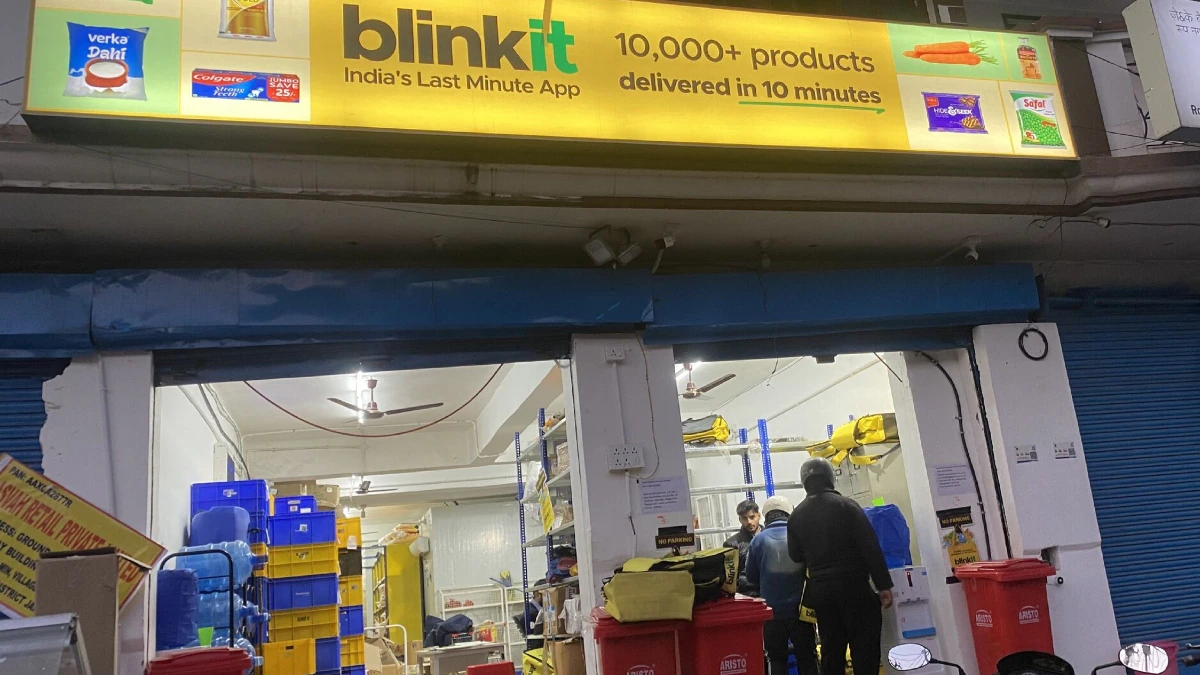
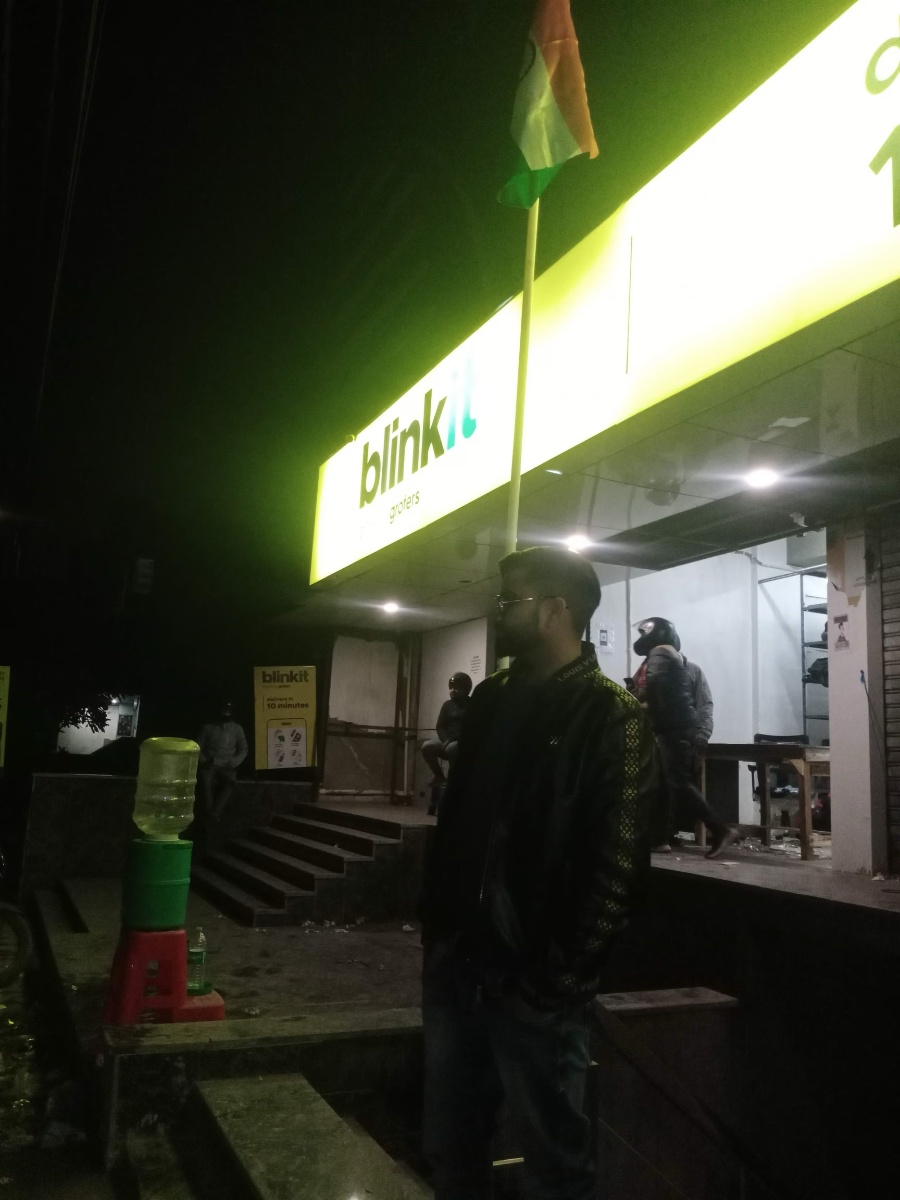
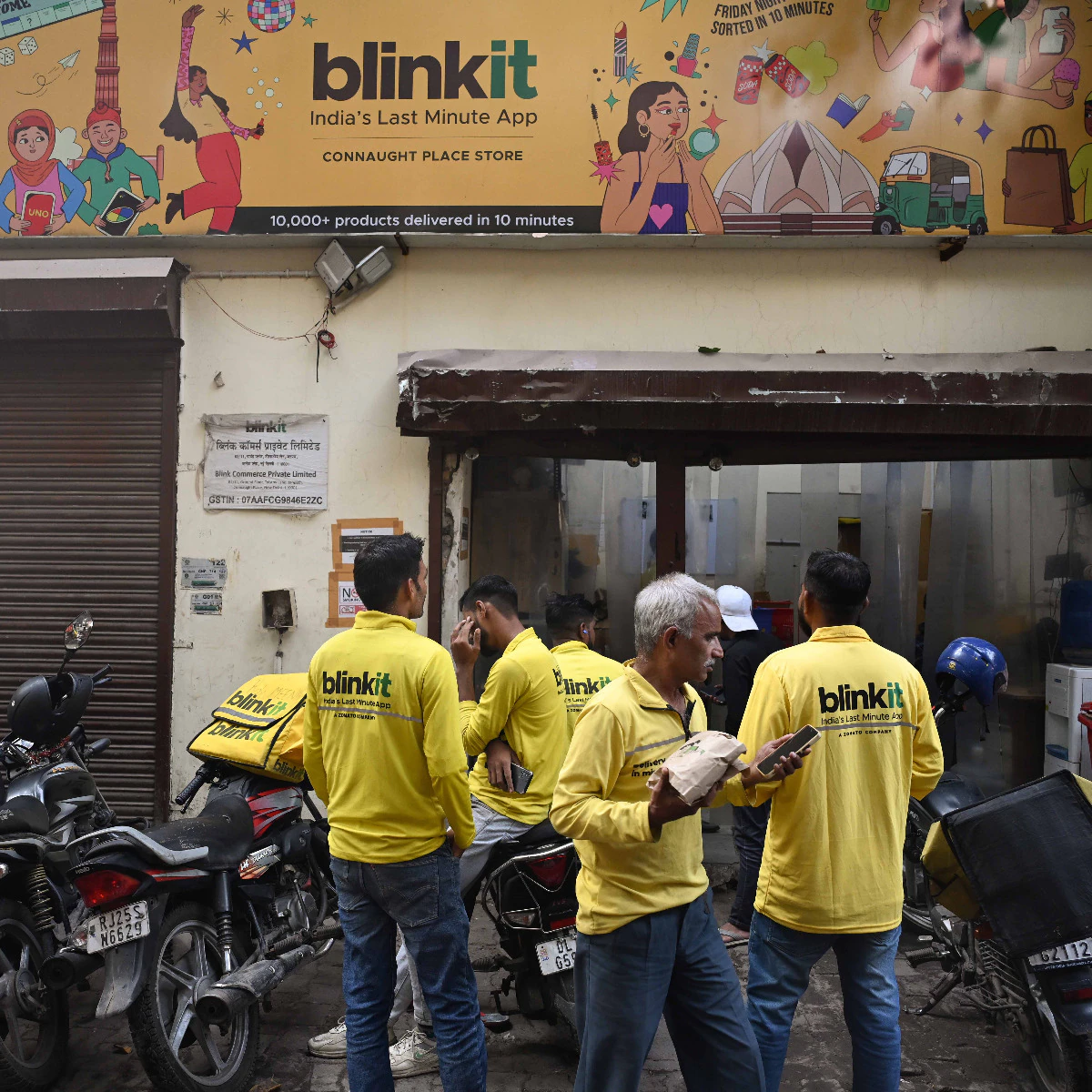
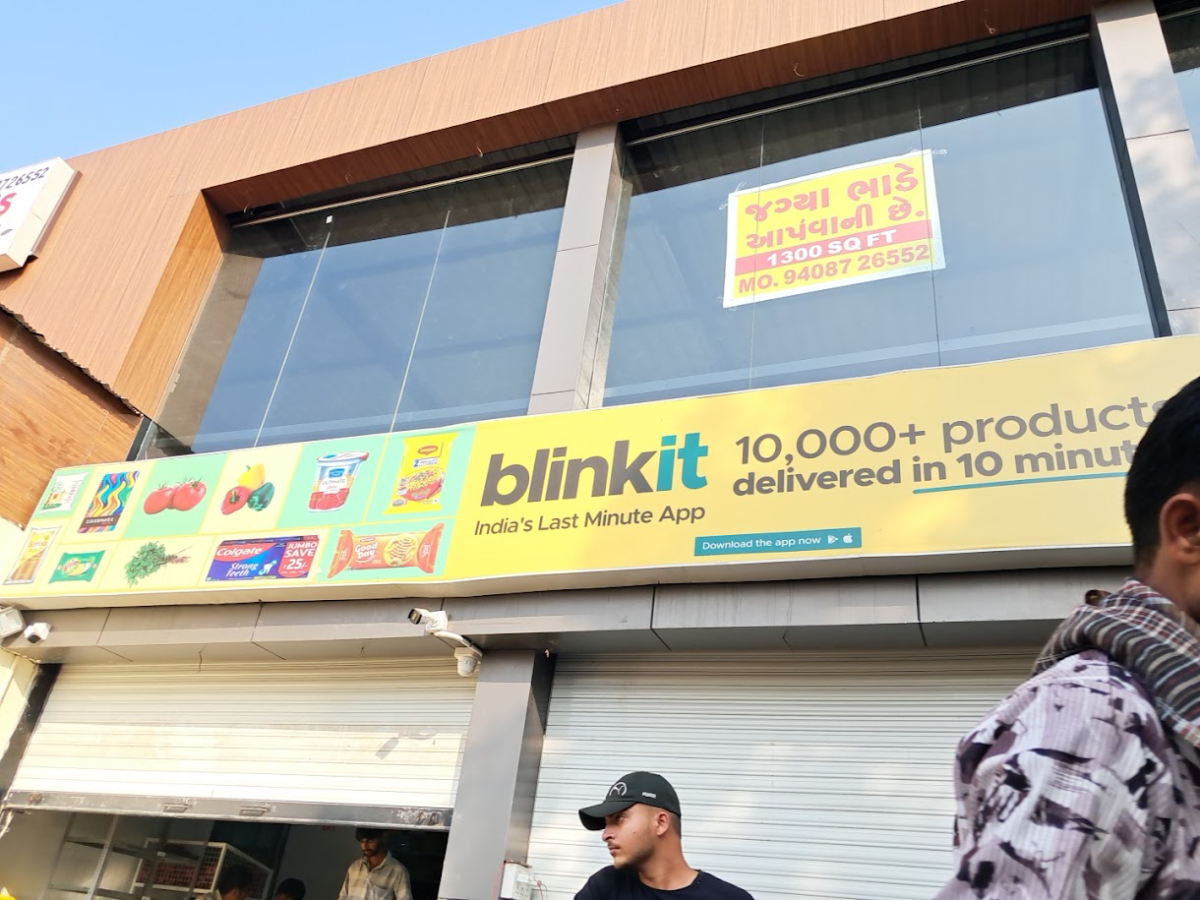
Yes, Blinkit is actively franchising its dark store model across India. The brand operates approximately 600 stores nationwide and continues to expand its franchise network. Blinkit was founded in 2013 and is now owned by Zomato, which has integrated it as a core fulfillment layer for its quick-commerce and logistics operations. Franchise opportunities are available through Blinkit's official partner program.
What is the total investment required to start a Blinkit franchise?
Total investment for a Blinkit dark store franchise ranges from ₹20–35 lakh, depending on the store format. This comprises: franchise fee of ₹5 lakh, capex for warehouse setup and equipment (₹20–35 lakh), and initial working capital of ₹15–20 lakh. Smaller formats (1,500 sqft) require ₹20 lakh capex, while larger formats (2,500 sqft) require ₹35 lakh. Exact costs vary by location and operational requirements.
What is the franchise fee for Blinkit?
The Blinkit franchise fee is ₹5 lakh. This is a one-time upfront payment to enter the franchise system. The fee grants you access to Blinkit's platform, supply chain integration, and operational support. Additional capital is required separately for warehouse setup, equipment, and working capital.
Does Blinkit charge royalty on franchise sales?
Yes, Blinkit charges an 11% royalty on revenue, plus a 2% marketing fund contribution. The royalty is deducted from your gross margin on each order fulfilled. Given that Blinkit franchisees typically operate with gross margins of 12–25%, the combined 13% in royalty and marketing fees significantly impacts net profitability, making location selection and order-volume density critical factors.
How much space is needed for a Blinkit dark store franchise?
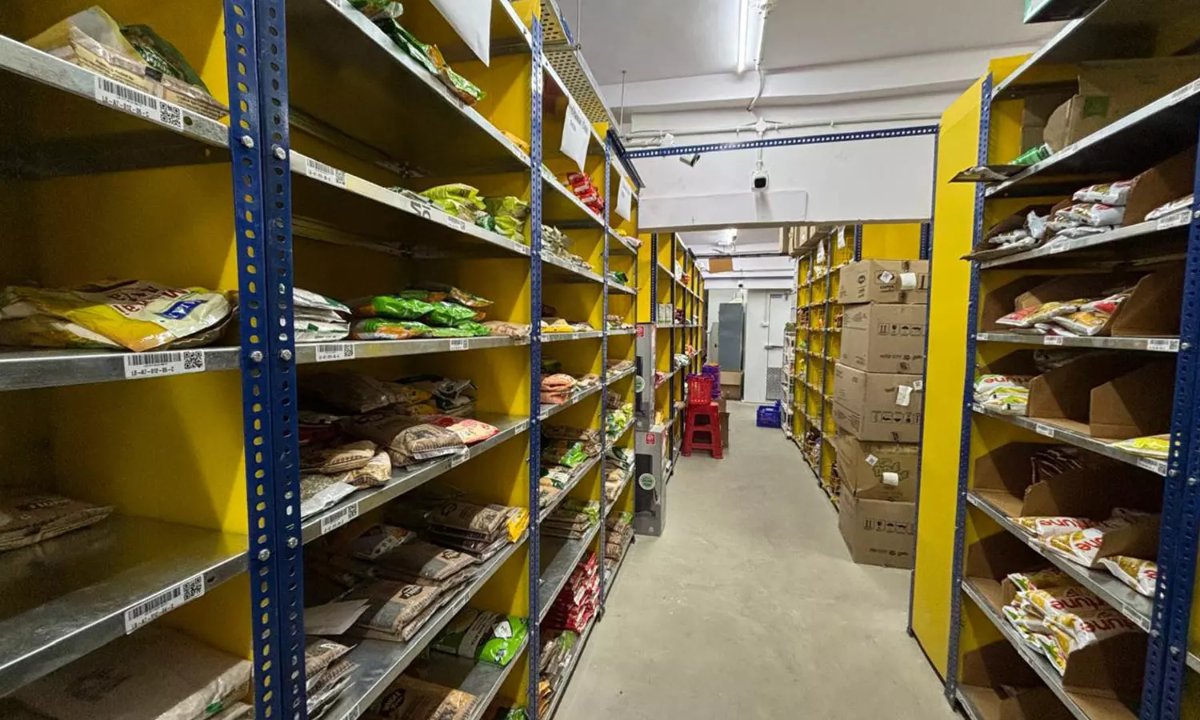
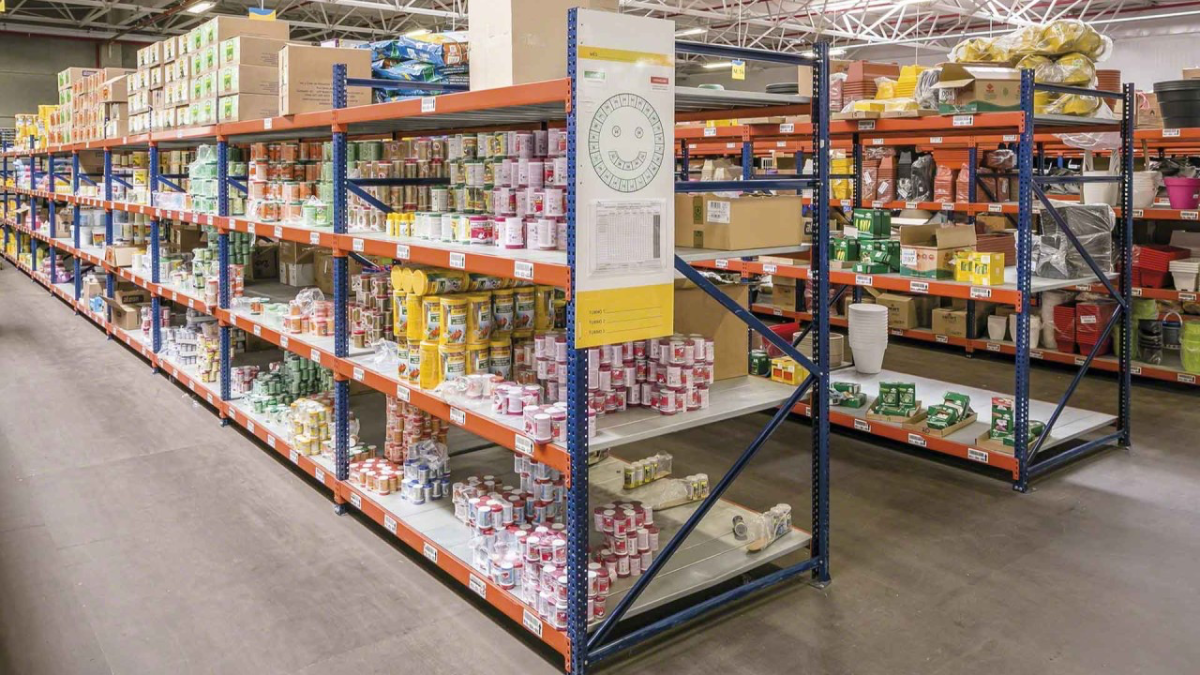
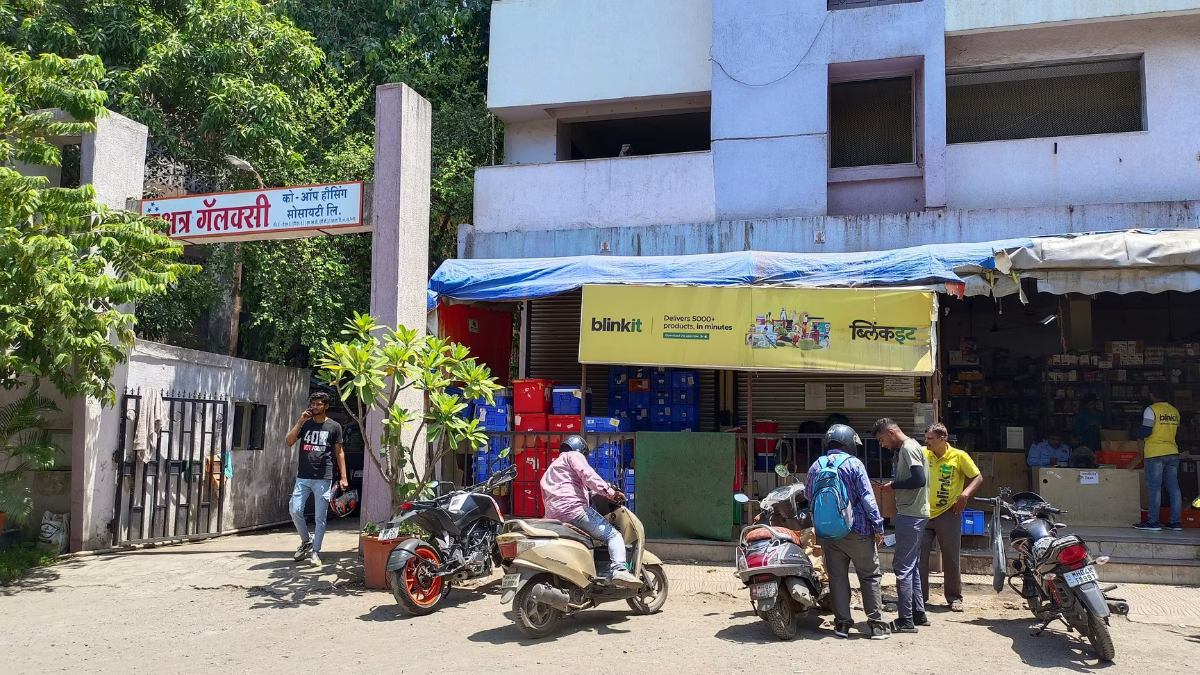
Blinkit dark stores require between 1,500 and 2,500 sqft of warehouse space, depending on the franchise format. Smaller formats operate from 1,500 sqft with moderate owner involvement, while larger 2,500 sqft formats accommodate higher throughput with greater owner involvement. The space must be suitable for inventory storage, order fulfillment, and delivery logistics—typically ground-floor or ground-plus-one-floor warehouse units in high-density residential or commercial zones.
What is the training period for a Blinkit franchise owner?
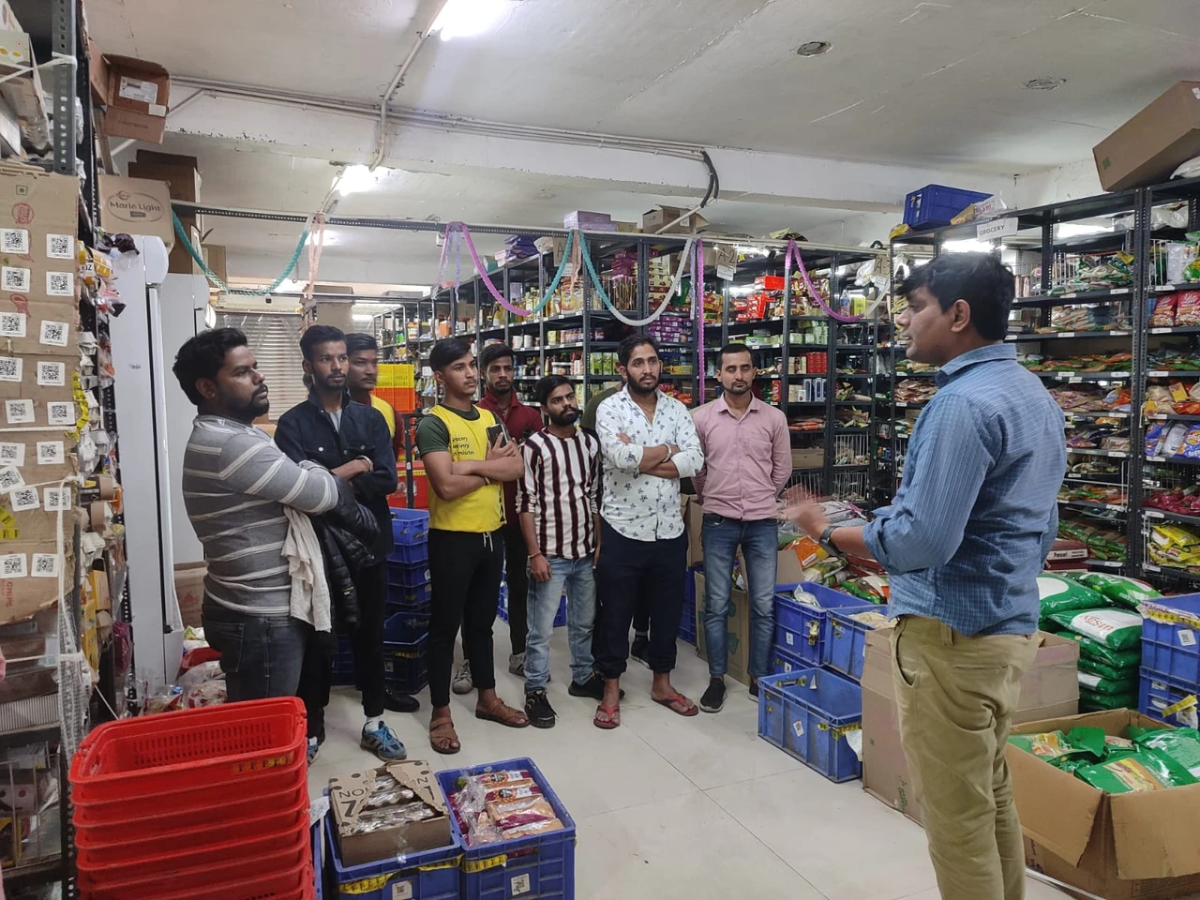
Blinkit provides 5 days of initial training for franchise owners. This training covers platform operations, inventory management, order fulfillment protocols, and integration with Zomato's central warehouse supply chain. Training prepares you to launch the dark store and operate independently on day one. Ongoing operational support is provided through the platform.
How much owner involvement is required to run a Blinkit franchise?
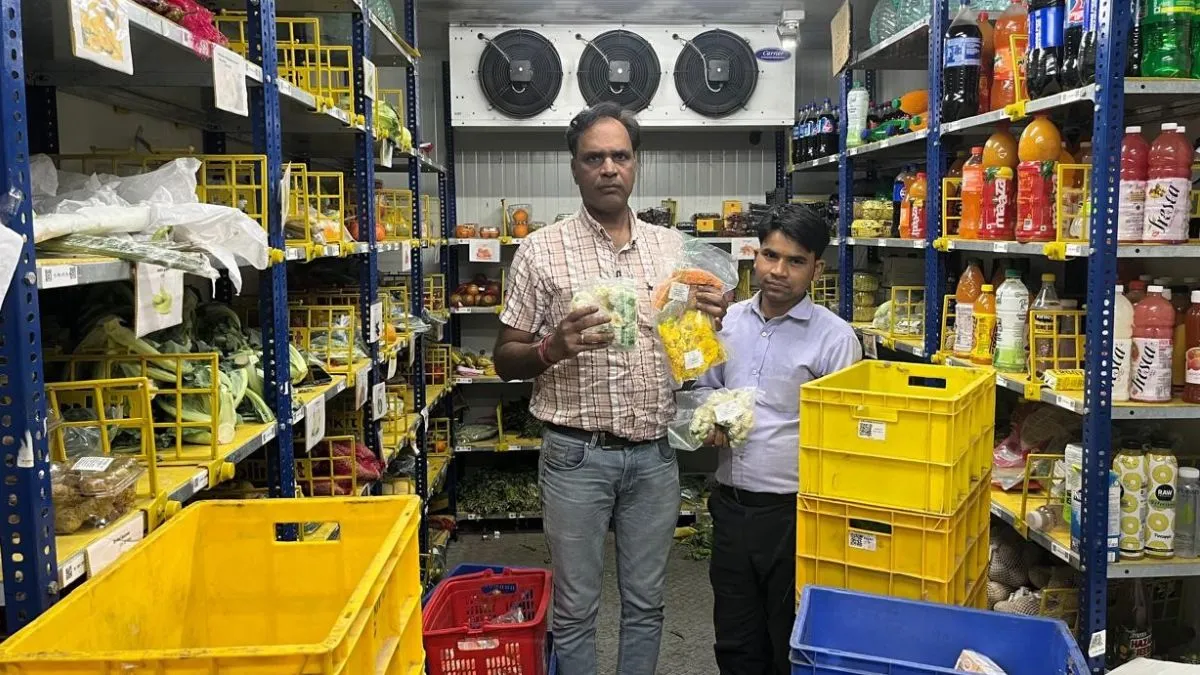
Owner involvement varies by format. Smaller dark stores (1,500 sqft) operate on moderate involvement, allowing owner involvement through management of a lean team. Larger formats (2,500 sqft) demand high involvement—you oversee inventory, staff coordination, order fulfillment quality, and last-mile logistics integration. The business requires hands-on oversight of daily operations, particularly during peak order times, to meet Blinkit's 10–15 minute delivery standards.
What are the different Blinkit franchise formats available?
Blinkit offers two dark store formats, both operating the same quick-commerce model with differences in scale: a 1,500 sqft format (₹20 lakh capex, ₹15 lakh working capital, moderate owner involvement) and a 2,500 sqft format (₹35 lakh capex, ₹20 lakh working capital, high owner involvement). Both formats operate on an 11% royalty model and 3-year franchise terms. The choice depends on catchment population density, capital availability, and operational bandwidth.
How many Blinkit franchises operate in India?
Blinkit operates approximately 600 dark stores across India as of the latest data. This network spans major metropolitan areas and tier-2 cities, demonstrating rapid expansion in the quick-commerce category. Store count continues to grow as Blinkit, now part of Zomato, scales its fulfillment infrastructure to support 10–15 minute grocery delivery.
What is the franchise term length for a Blinkit dark store?
The Blinkit franchise agreement runs for 3 years. Upon expiry, the contract can be renewed based on performance, compliance, and mutual agreement. The 3-year term is standard across both dark store formats and aligns with the quick-commerce sector's operational model and expansion pace.
What territory rights does a Blinkit franchisee receive?
Blinkit grants territory rights defined by a micro-zone radius. Smaller formats receive exclusive operating rights within a 2–3 km radius, while larger formats cover a 3–5 km radius. These micro-zones ensure sufficient catchment density to meet order-volume targets while preventing internal cannibalization. Territory boundaries are determined during franchise approval based on population density and existing store coverage.
How does Blinkit's commission agent model differ from traditional retail franchises?
Blinkit operates on a commission-agent model, not traditional retail. You don't buy inventory upfront or carry ballooning stock—Blinkit's central warehouse owns and supplies all inventory. You operate the fulfillment space, manage orders, and earn per-order commission on sales through the Blinkit app. This shifts risk away from inventory obsolescence and stockouts, though it reduces margin control and ties profitability entirely to order velocity and operational efficiency in your micro-zone.