How do Cera Sanitaryware franchisees make money?
Franchisees earn revenue by purchasing sanitaryware and bath fittings from Cera at wholesale cost and selling them to end customers—homeowners, contractors, builders, and designers—at retail prices. The gross margin ranges from 12-25%. No royalty fees are charged, so franchisees retain the full markup above product cost and operating expenses. Secondary income may come from complementary product sales and service referrals.
What is the Cera Sanitaryware franchise cost?
The minimum capital investment (CapEx) is ₹20 lakhs. The franchise fee structure is not publicly confirmed. No ongoing royalty fees apply to sales revenue.
What revenue streams does a Cera Sanitaryware franchisee have?
Primary: retail sales of sanitaryware products (basins, water closets, urinals, bath fittings) at 12-25% gross margin. Secondary: sales of complementary bathroom accessories. Tertiary: installation and after-sales service referrals. The franchise scope is limited to authorized retail distribution; it does not include manufacturing, wholesale distribution to other dealers, or non-Cera product lines.
Is Cera Sanitaryware franchise revenue seasonal or steady?
Revenue is moderately seasonal, tied to construction and renovation cycles. Demand tends to peak during post-monsoon and pre-summer months when building activity is strong. Markets with active residential and commercial development show steadier sales. Rural or economically stagnant areas may experience demand volatility. Long-term growth depends on localized real estate and renovation trends.
Is Cera Sanitaryware actively franchising in India?
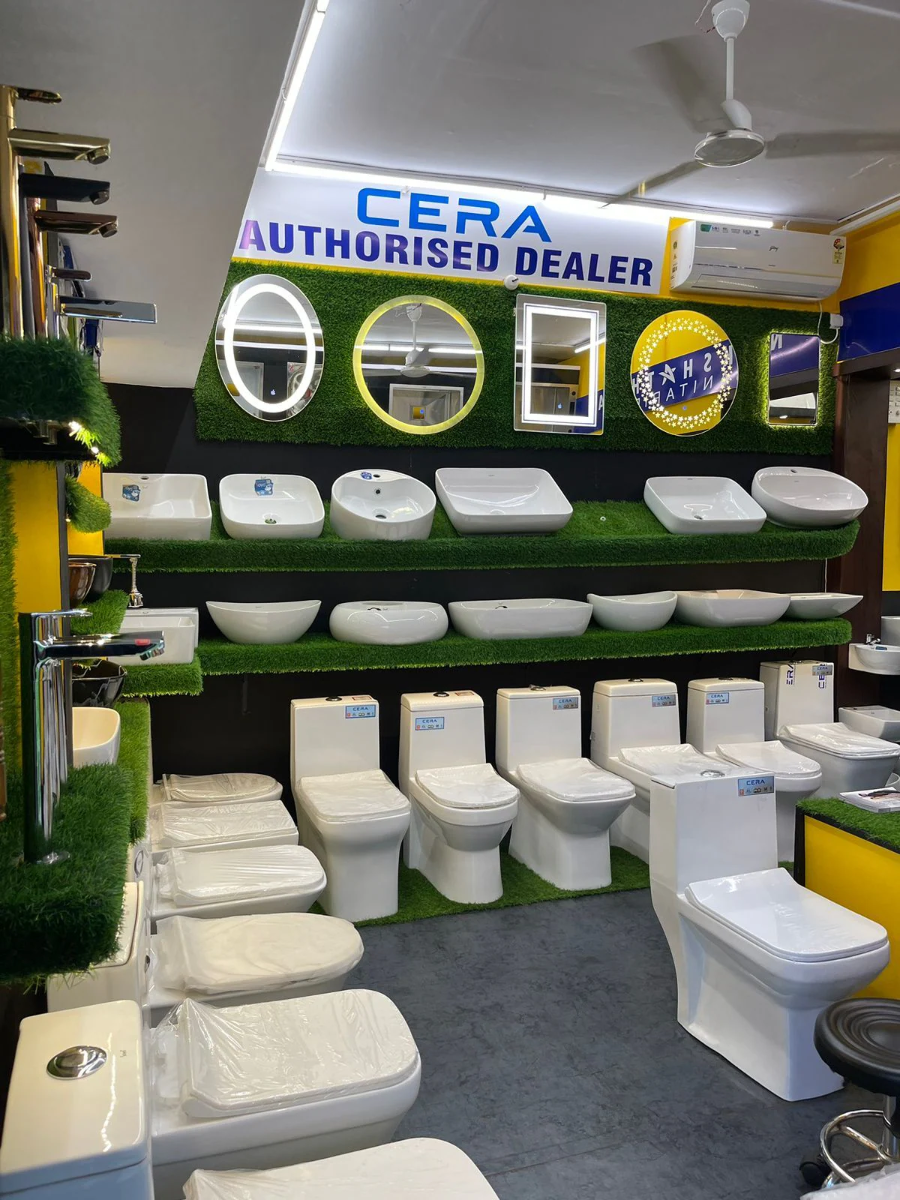
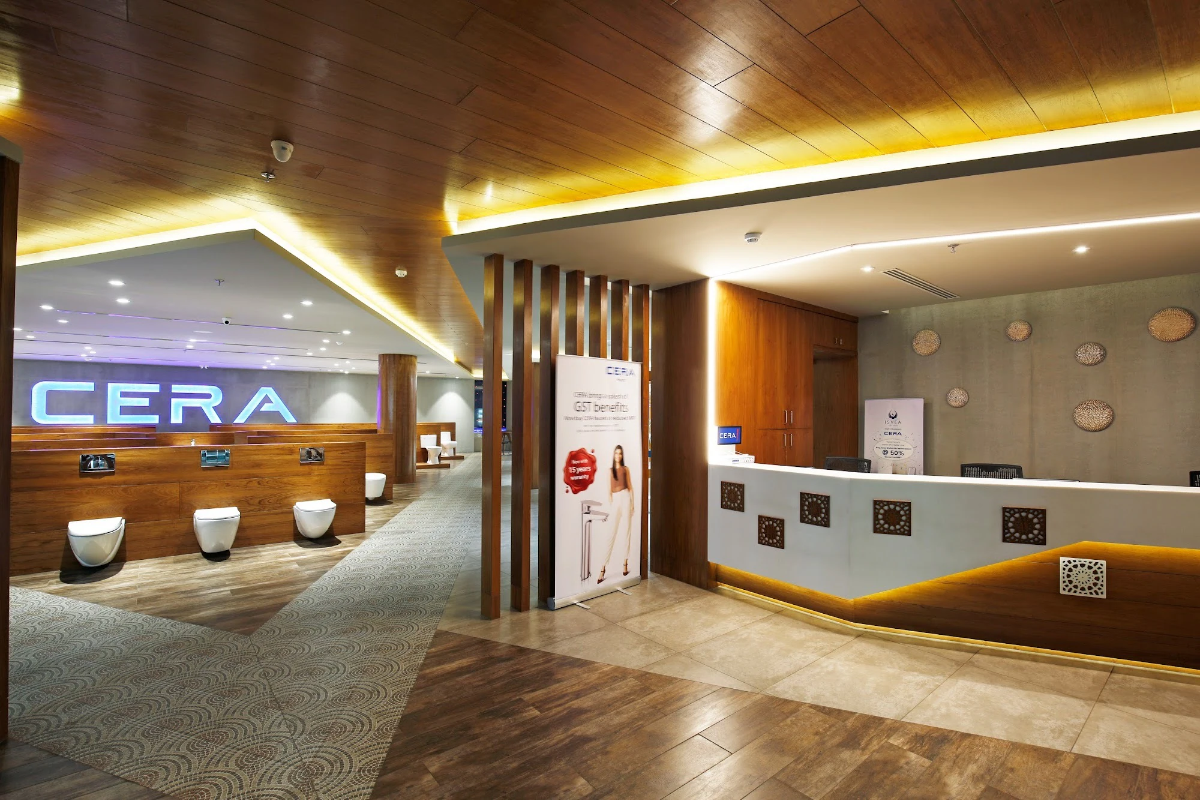
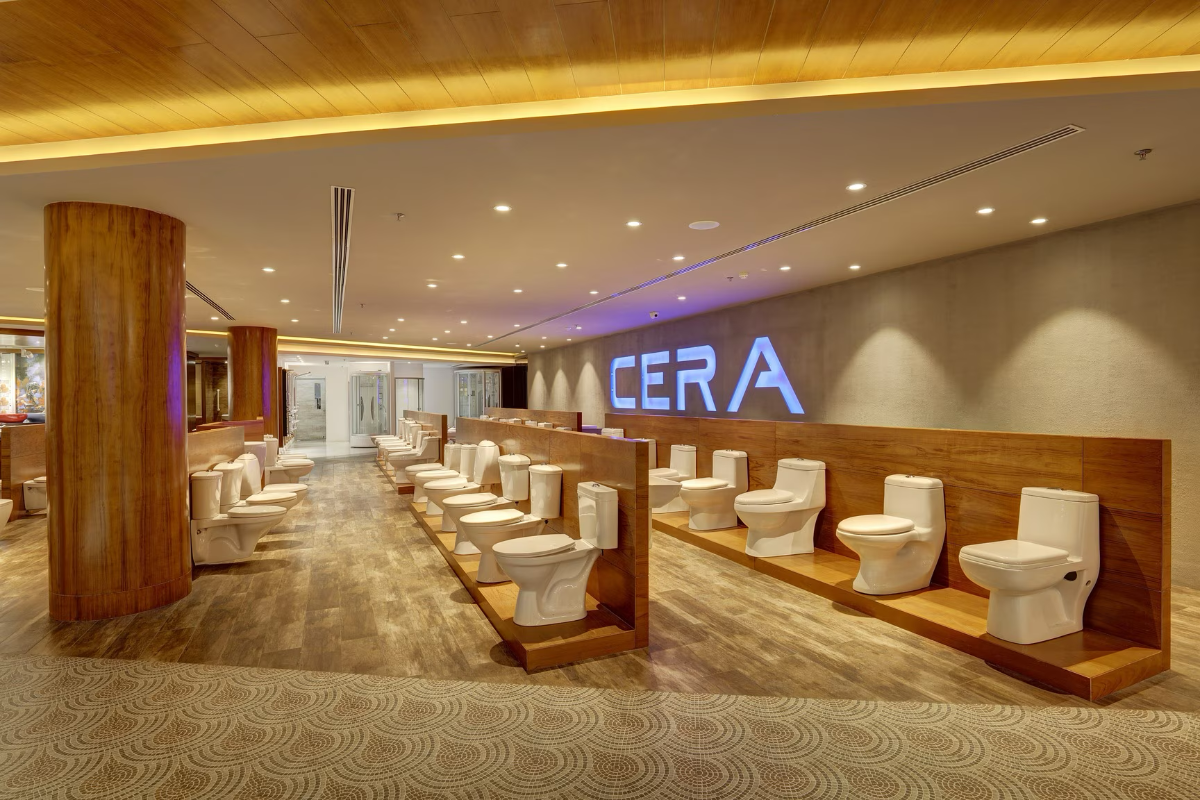
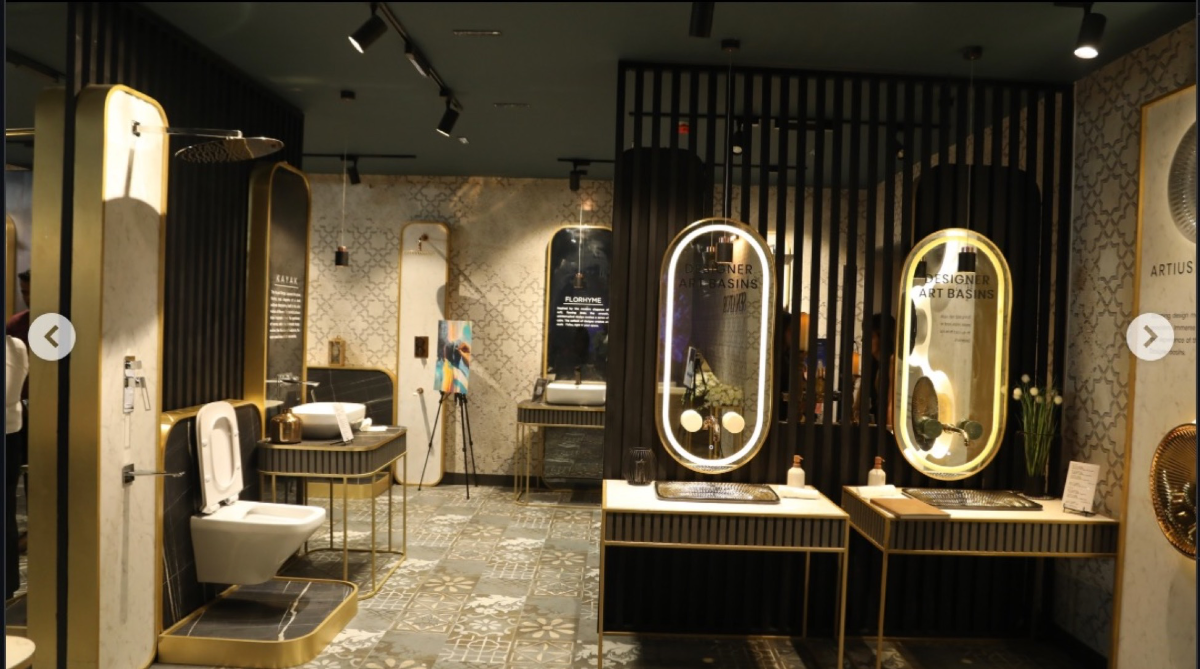
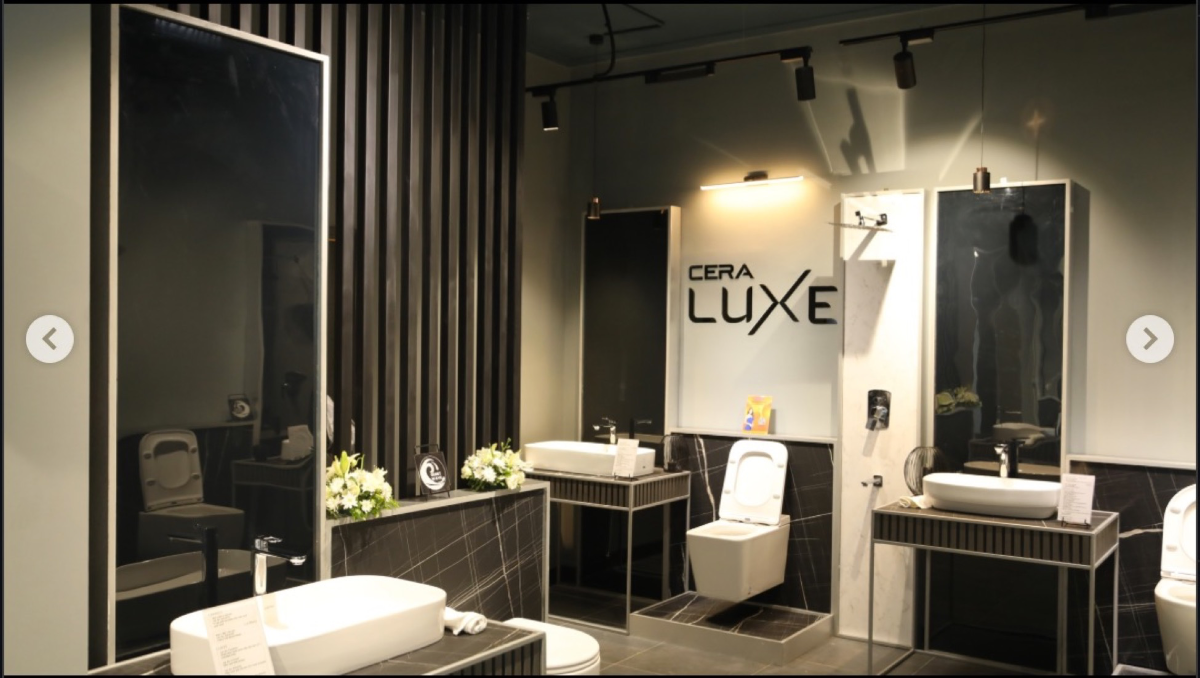
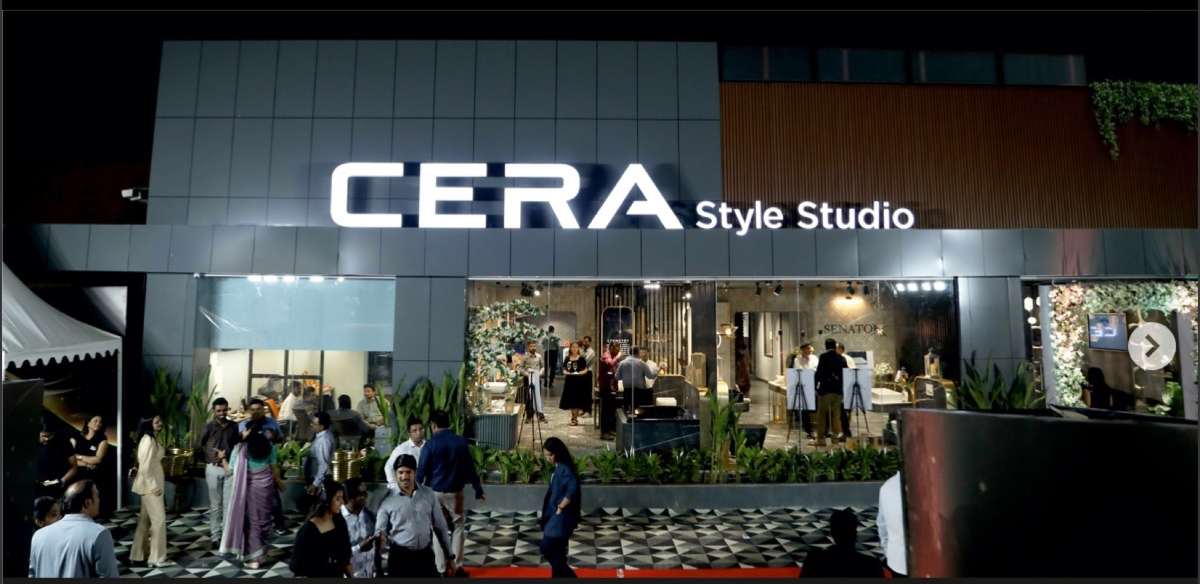
Yes, Cera Sanitaryware operates an active Authorized Dealer franchise model across India. Founded in 1980, the brand has built a network of approximately 5,000 outlets nationwide. The franchise format is non-exclusive, meaning multiple dealers can operate in the same territory. Cera treats its dealer outlets as design consultation points for homeowners rather than transactional retail stores, positioning franchisees to serve renovation-stage customers and builders seeking complete bathroom solutions.
What is the minimum investment required to open a Cera Sanitaryware franchise?
The minimum capital investment for a Cera Sanitaryware Authorized Dealer franchise is ₹20 lakh. This includes CapEx (₹20 lakh) to set up the showroom and initial stock. Additionally, franchisees should maintain working capital of ₹10 lakh for inventory replenishment and operational expenses. No franchise fee is charged upfront, and there are no ongoing royalty fees on sales, which keeps the overall investment structure relatively clean compared to many other retail franchises.
How much space does a Cera Sanitaryware franchise showroom require?
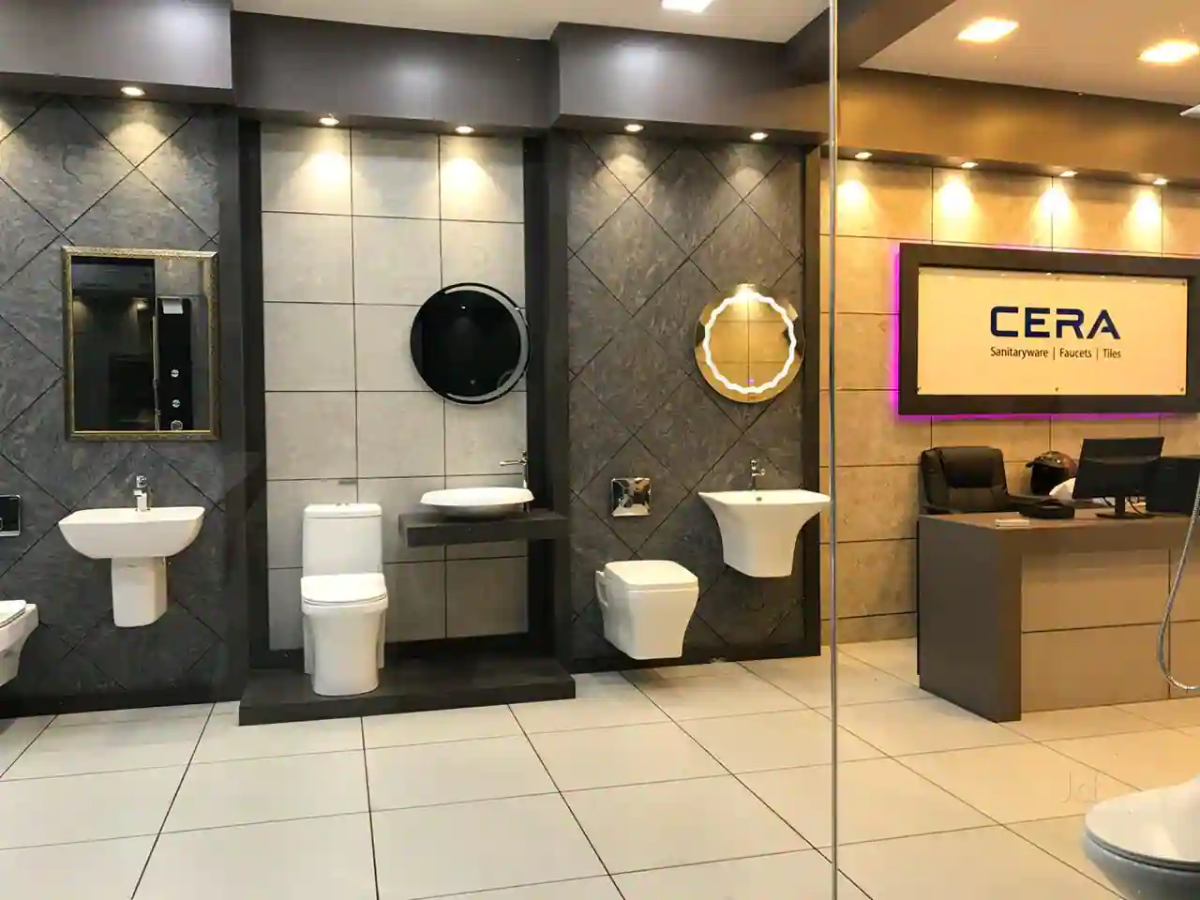
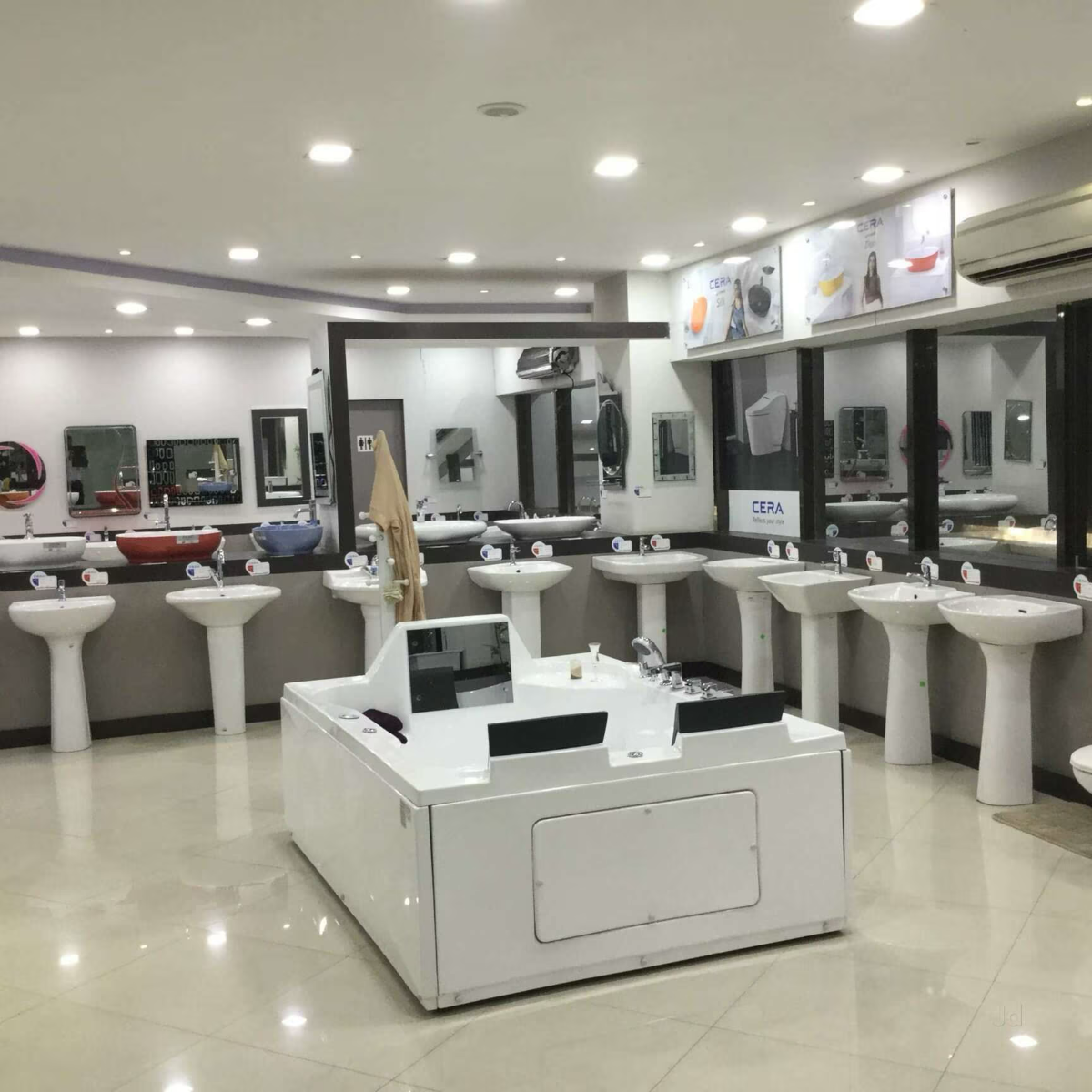
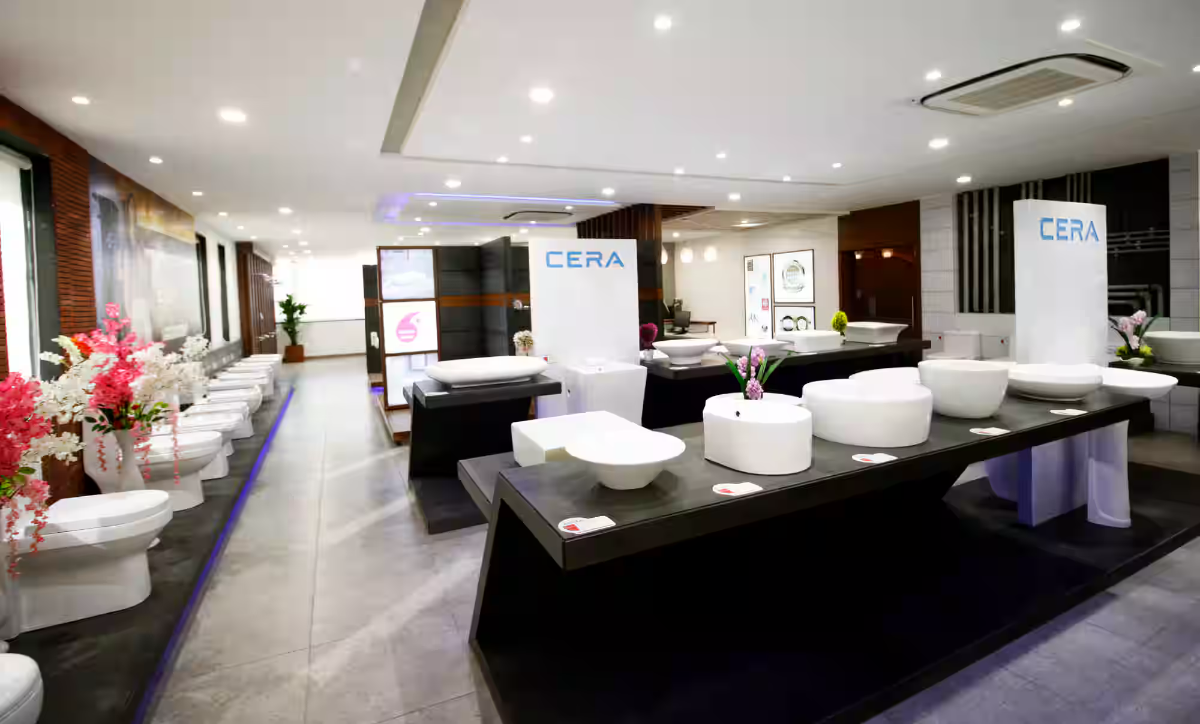
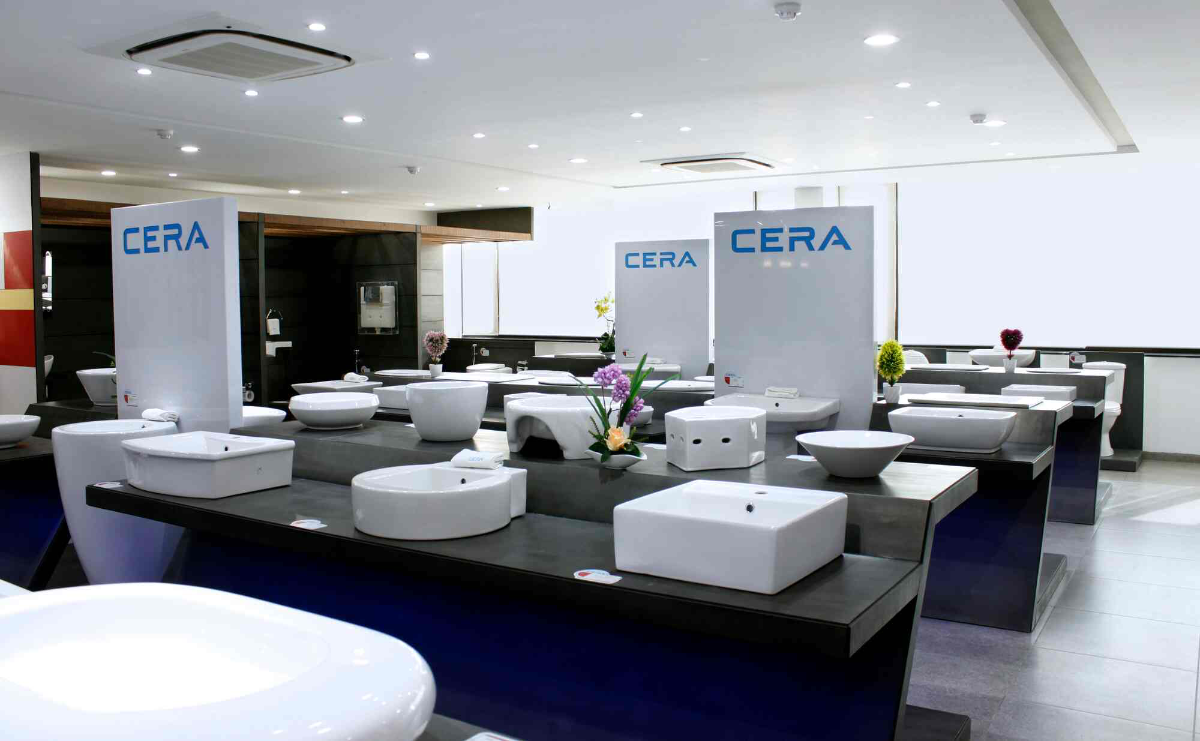
A Cera Sanitaryware Authorized Dealer showroom requires a minimum of 500 square feet of retail space. This footprint is sized for product display, customer consultation, and basic inventory storage. The space should be located in a visible, high-traffic area—typically in commercial zones, near construction material markets, or in mixed-use localities where contractors, builders, and homeowners actively shop for bathroom fittings during renovation cycles.
Does Cera Sanitaryware charge royalty on franchise sales?
No, Cera Sanitaryware does not charge any royalty fees on franchisee sales. The franchise model operates on a wholesale-to-retail margin basis: you purchase sanitaryware products at wholesale cost from Cera and retain the full retail markup (12-25% gross margin) after product costs and operating expenses. The absence of royalty fees allows franchisees to keep a higher percentage of gross profit, making unit economics more straightforward and predictable.
What is the gross margin range for a Cera Sanitaryware franchise?
The gross margin for Cera Sanitaryware franchisees ranges from 12-25% on retail sales. This margin applies to the markup between Cera's wholesale price and the retail selling price to end customers. The actual margin achieved depends on product mix, customer type (individual homeowners vs. bulk builder orders), competitive pricing in your local market, and your ability to upsell complementary products and complete bathroom solutions rather than single SKUs. Higher margins typically result from solution selling to renovation-stage homeowners.
How much owner involvement is expected in a Cera Sanitaryware franchise?
Owner involvement is rated as moderate (M) for Cera Sanitaryware franchises. While you do not need to be a licensed professional, active participation is expected in showroom operations, customer consultations, and relationship management with local builders and contractors. The business model positions the outlet as a design consultation point, not a self-service retail counter, so the owner's presence and engagement directly impact sales and customer experience. Absentee ownership significantly limits profitability.
What training does Cera Sanitaryware provide to new franchisees?
Cera Sanitaryware provides 5 days of initial training to franchisees. The training covers product knowledge (specifications, applications, installation compatibility), sales and customer consultation techniques, inventory management, and showroom operations. Given that Cera's business model emphasizes treating bathroom fittings as considered purchases requiring design consultation, training focuses on enabling franchisees to advise customers on complete bath solutions rather than transactional selling.
What is the franchise agreement term for a Cera Sanitaryware dealer?
Cera Sanitaryware franchise agreements typically have a term of 3-5 years. The franchise relationship is renewed based on performance and compliance with brand standards. Territory rights are non-exclusive, meaning you do not have exclusive rights to your location, and Cera may authorize additional dealers in the same area. The renewal process allows both Cera and franchisees to assess business performance and market conditions before committing to the next term.
How many Cera Sanitaryware outlets are there in India?
Cera Sanitaryware operates approximately 5,000 dealer outlets across India. This extensive network, built over four decades since the brand's 1980 founding, reflects Cera's market penetration in both urban and semi-urban markets. The large outlet count indicates category maturity and established brand presence, though it also means franchisees in some localities may face moderate competition from other Cera dealers due to the non-exclusive territory model.
What products does a Cera Sanitaryware franchisee sell?
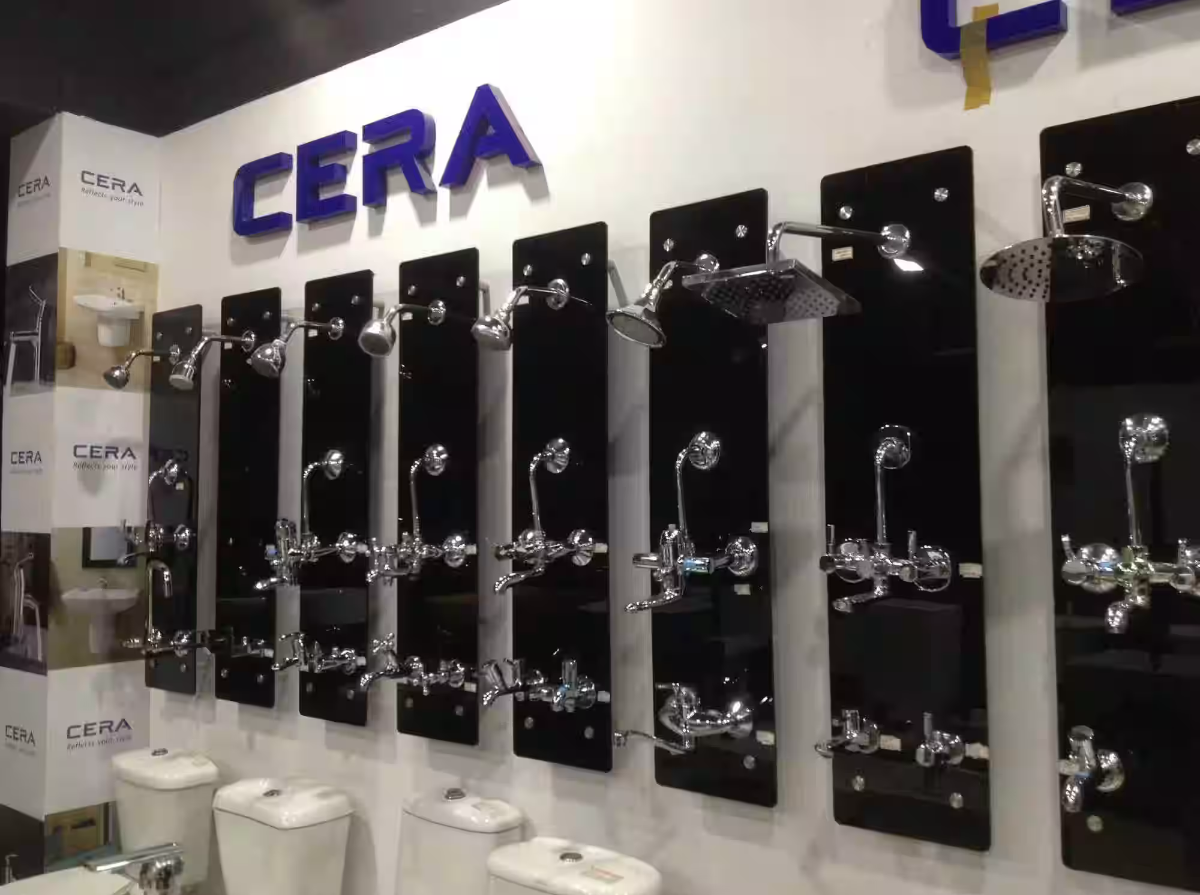
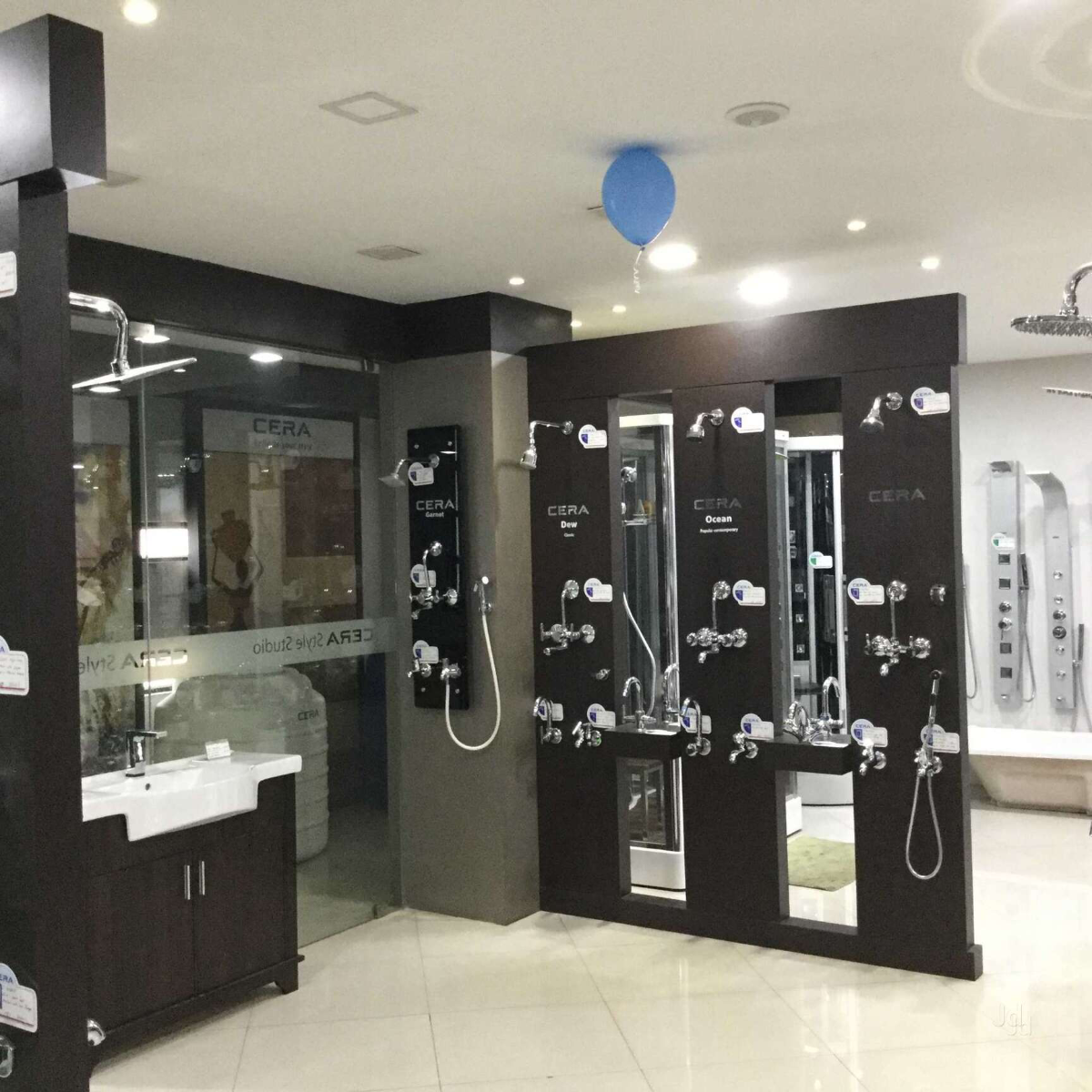
Cera Sanitaryware franchisees sell a range of bathroom and sanitaryware products including ceramic basins, water closets (toilets), urinals, bath fittings (taps, showers, mixers), and complementary bathroom accessories. The franchise scope is limited to authorized retail distribution of Cera's product portfolio; franchisees cannot manufacture, wholesale to other dealers, or sell non-Cera branded products through their outlet. Revenue optimization comes from upselling complete bathroom solutions to renovation-stage homeowners and builders.
What type of customers does a Cera Sanitaryware franchise serve?
Cera Sanitaryware franchisees serve multiple customer segments: individual homeowners undergoing renovation, contractors and builders purchasing for residential and commercial projects, interior designers specifying products for clients, and plumbers sourcing fittings for installation work. The outlet functions less as a point-of-sale counter and more as a design consultation stop, positioning franchisees to advise on product selection, compatibility, and complete bathroom fit-out solutions rather than moving individual SKUs.
Is a Cera Sanitaryware franchise suitable for first-time entrepreneurs in building materials retail?
A Cera Sanitaryware franchise can be suitable for first-time entrepreneurs if you have local market knowledge of construction and renovation activity, can engage actively with builders and contractors, and are willing to learn product knowledge and sales consultation techniques. The 5-day training and zero royalty structure reduce barriers to entry compared to many retail franchises. However, success depends on your ability to build relationships with end customers and builders, understand local real estate cycles, and consistently upsell complete solutions rather than single products.