
Directory Results 0 Matches
Refine filters to see logos.
Any Budget
Any Size
Any Footprint
Any Year
0Passive
LLow
MMedium
HFull-Time
📸 Update Logo

DTDC

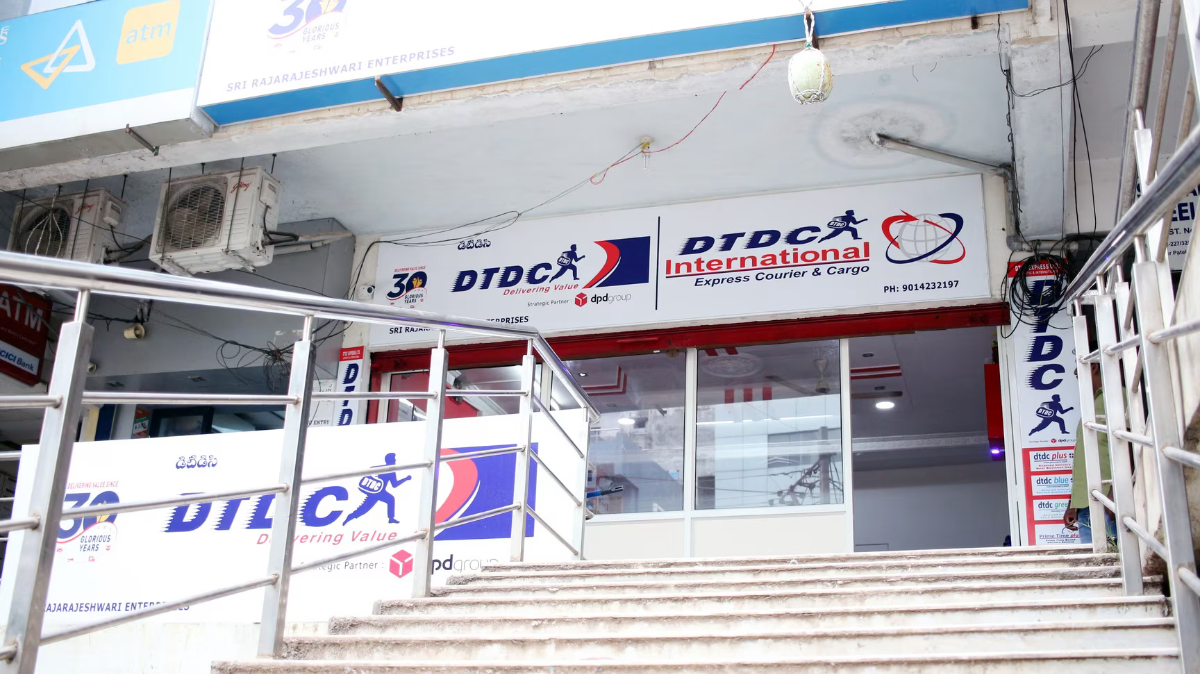
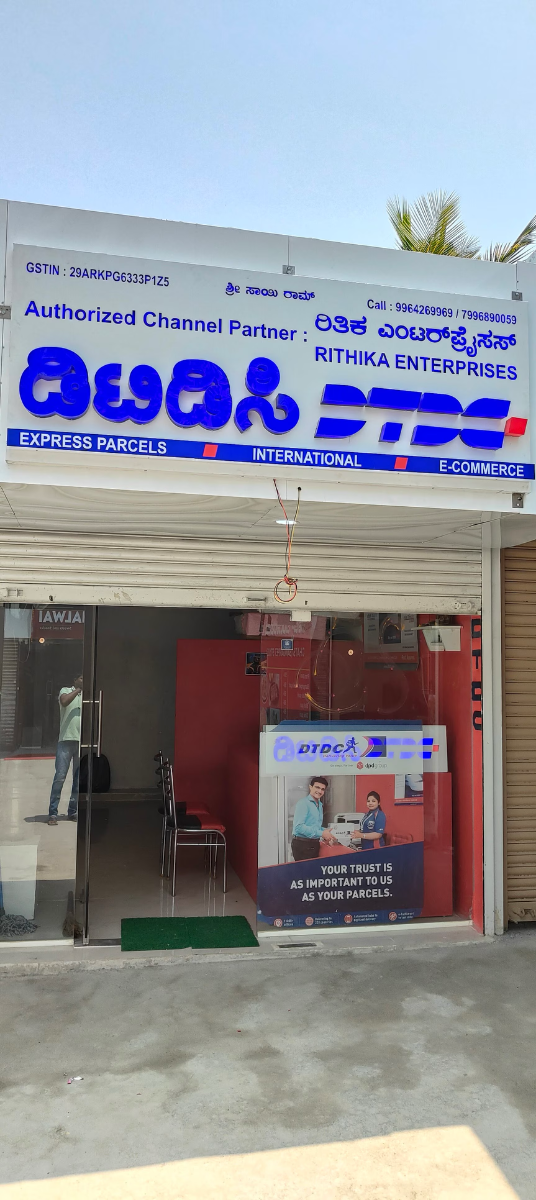
With 12,000 outlets built over three decades, DTDC's real franchise thesis is that courier density creates its own demand — each new pickup point trains local shipping behavior and compounds the network's utility, which explains why entry costs are deliberately kept low at around ₹50,000 capex and a ₹25,000 one-time fee. The model suits operators embedded in commercial neighborhoods rather than standalone entrepreneurs; if parcel volumes in your catchment are thin, the 8% revenue royalty bites before scale arrives.

Core Investment

Compare
Total Stores
Format i
Space Req. i
Total Commitment i
Working Capital i
Owner's Involvement i
0
L
M
H
PassiveLowMedFull-Time

Due Diligence & Legal

Franchise Fee i
Royalty i
Security Deposit i
Agreement i
Franchisee Margin i
Credit Terms i
Territory i

Operations & Training

Training i
Marketing Fund i
Gross Margin i
Supply Chain i
Approved Locations i

Investor Pro Tools

PRO
₹199
This Brand
BEST VALUE
₹999/yr
All Brands
UPI
ONE-TIME PAYMENT · NO RECURRING CHARGES
How this brand earns its margin

How DTDC franchisees make money

DTDC franchisees earn revenue primarily through handling and forwarding parcels, letters, and documents across the express courier network. The franchisee operates as a collection and delivery point within DTDC's national logistics infrastructure, collecting shipments from customers and handing off to the parent network for inter-city transport and final delivery. Revenue comes from per-piece handling fees, weight-based charges, and service premiums (overnight, guaranteed delivery). DTDC Flex is the entry-level format; the parent company also operates DTDC Express and DTDC International franchises as separate contracts. This specific franchisee's earnings are limited to the domestic express courier model.

Supply chain & sourcing

DTDC operates a centralized hub-and-spoke network. Franchisees function as pickup and drop-off nodes; they do not hold inventory or manage outbound shipments independently. The parent company controls all inter-city transport, sorting, and final-mile delivery through its own fleet and network. Franchisee costs are primarily rent, labor, and compliance; there is no product sourcing or inventory markdown risk. Earnings are commission-based on volume processed through the franchisee's location, making the cost structure lean but revenue highly dependent on local market density and parent-network efficiency.

Demand & growth signals

Courier revenue depends on consistent business-to-business and B2C shipment volumes, which correlate with regional economic activity, e-commerce penetration, and seasonal retail peaks (festive seasons, year-end). Urban and semi-urban locations experience steadier year-round demand; Tier-2 and rural locations may see seasonal fluctuations tied to harvest cycles and festive buying. Revenue is less vulnerable to weather disruption than field-based logistics, but is sensitive to competitive pressure and local parcel density. DTDC operates 12,000 franchised locations across India as of the latest count, indicating mature network saturation in major metros and expansion into Tier-2 and Tier-3 cities. The brand was founded in 1990 and has operated for 34 years, establishing itself as a recognizable national courier brand. India's express logistics sector has grown with e-commerce adoption and organized retail; however, market consolidation and competition from larger players (FedEx, Blue Dart, Flipkart Logistics) means growth is incremental rather than explosive.

Disclosed revenue lines
How a franchisee earns
Disclosed revenue lines · DTDC
Primary
Express Parcel Handling and Forwarding
The core revenue line. Franchisees collect parcels, letters, and documents from customers and hand off to DTDC's national network for transport and delivery. Revenue is earned through per-piece handling fees, weight-based charges, and service premiums (express, overnight, guaranteed delivery options). This is the sole revenue model for DTDC Flex franchisees; the parent company's other business units (DTDC International, customs brokerage, supply-chain solutions) operate as separate franchise contracts and are not part of this franchisee's agreement.
Secondary
Cash-on-Delivery and Payment Collection Services
Franchisees may earn a small percentage of cash collected on behalf of senders, as DTDC integrates COD into its express service for e-commerce and retail customers. This stream is secondary because it depends on COD-enabled shipments flowing through the location and carries lower margin than base handling fees.
Tertiary
Value-Added Services and Surcharges
Additional revenue from optional customer services such as signature-on-delivery confirmation, insurance, tracking upgrades, and area surcharges for remote locations. These are add-ons to the base parcel service and contribute marginally to total revenue.

Operating Locations

FRANticc · BrandFit AI

Is actually the right fit for you?

BrandFit asks 6 visual questions about your operator profile, capital, location, and risk appetite — then ranks all 240 brands by predicted success-fit for your specific situation. shows up where it actually fits, not just where it can afford.

Run BrandFit on my situation

Industry story · Logistics & Courier

How courier franchise economics actually work

Volume scaling, cost-per-shipment, and the difference between hub-and-spoke vs. last-mile-only operators. Where the actual margin sits in Indian courier.

See the full Logistics industry story

Join this Brand : See if you Qualify ↓

Syncing Database...
0% Complete
Upload Gallery Photos

Select the category to assign these 0 photos to:

Edit Gallery Categories
Edit Industry Registry

More in this category, or compare DTDC side-by-side

Frequently asked · DTDC
How do DTDC franchisees make money?
DTDC franchisees earn revenue by operating as collection and drop-off points for the express courier network. They collect parcels, letters, and documents from customers and hand them to DTDC's parent logistics network for transport and final delivery. Revenue comes from per-piece handling fees, weight-based charges, and service premiums such as overnight and guaranteed delivery. Earnings depend on local shipment volume and customer density.
What is the DTDC franchise cost?
The DTDC Flex entry-level franchise requires a minimum capital investment of INR 50,000 to INR 5 lakh, with a franchise fee of INR 25,000. The outlet typically operates from 200 to 250 square feet. Franchisees pay an 8% royalty on revenue to the parent company.
What revenue streams does a DTDC franchisee have?
Primary revenue comes from express parcel handling and forwarding fees. Secondary revenue includes cash-on-delivery commission and payment collection services. Tertiary revenue comes from value-added services such as insurance, signature-on-delivery, and tracking upgrades. The parent company's international, customs, and supply-chain solutions divisions operate as separate franchises and are not included in this contract.
Is DTDC franchise revenue seasonal or steady?
Express courier revenue is generally steadier than field logistics but does experience seasonal peaks during festive seasons, year-end retail activity, and e-commerce sales events. Urban and semi-urban locations with higher business density see more consistent year-round demand. Tier-2 and rural locations may experience greater seasonal fluctuations tied to agricultural cycles and local buying patterns.
How much space does a DTDC Flex franchise require?
A DTDC Flex franchise operates from a minimum of 200 square feet, typically a small commercial storefront or kiosk in a busy commercial neighborhood. This compact footprint keeps rent costs low and allows franchisees to position themselves near target customers—small businesses, e-commerce merchants, and local shippers. The space needs basic furniture (counter, shelving) and internet connectivity but no warehouse or sorting infrastructure, as DTDC handles all inter-city transport and final delivery centrally.
What is the total investment needed to start a DTDC Flex franchise?
A DTDC Flex franchise requires a total capital investment of ₹50,000 to ₹5 lakh, comprising the franchise fee of ₹25,000, initial capex of ₹50,000, and working capital of ₹1 lakh. The lower end typically covers store setup (counter, basic furniture, signage) in Tier-3 or Tier-4 locations; the upper end includes leasehold improvements and higher working capital in Tier-1 or Tier-2 cities. Investment levels vary by location, rent, and local build-out requirements.
Does DTDC charge royalty on franchise revenue?
Yes, DTDC charges an 8% revenue royalty on all parcels and shipments processed through your franchisee location. This royalty is calculated on the commission you earn, not on customer billing—so if a customer pays ₹100 for a shipment and you retain ₹30 as your commission, the 8% royalty applies to your ₹30 share. At modest volume, this royalty is manageable; at scale, the percentage becomes a significant profit lever.
How long is the training period for a DTDC Flex franchise?
DTDC provides 5 days of initial training for a Flex franchisee, covering operations, customer service, billing systems, parcel handling, compliance, and network integration. Training is typically conducted at a DTDC training center or your location before launch. After this induction, you are expected to operate independently with ongoing phone and email support from DTDC's franchisee support team.
What is the difference between DTDC Flex and DTDC 360 franchises?
DTDC Flex is an entry-level format requiring ₹50,000 capex and ₹25,000 franchise fee, operating from 200 sqft as a pickup-and-drop point. DTDC 360 is a full-service format requiring ₹25 lakh capex and ₹2 lakh franchise fee, operating from 1,000 sqft with additional services (cash collection, parcel sorting, local delivery). Flex suits operators in commercial neighborhoods with modest volume; 360 is designed for high-density zones or entrepreneurs willing to handle local delivery operations.
How many DTDC franchise outlets are there in India?
DTDC operates 12,000+ franchised outlets across India, spanning Tier-1 metros to Tier-4 towns and rural areas. This dense network, built over three decades since the brand's founding in 1990, means most neighborhoods have access to a DTDC center. The sheer number of outlets reflects DTDC's strategy of embedding pickup points in local commercial areas to drive parcel volumes through network density rather than individual outlet profitability.
What is the franchise agreement duration for a DTDC franchise?
DTDC franchise agreements typically run for 3–5 years and are renewable, subject to performance and mutual agreement. At the end of the term, you can renew the franchise if both parties wish to continue and terms are renegotiated. This fixed-term structure allows DTDC to refresh franchisee agreements, adjust terms based on network needs, and exit non-performing locations without indefinite commitment.
What territory rights do DTDC franchisees receive?
DTDC grants pin-code-based territory rights to franchisees, meaning you receive exclusive rights to operate within your assigned postal area. This ensures DTDC does not open a competing outlet in your immediate catchment, protecting your local market. Territory exclusivity is one of DTDC's key guarantees to franchisees and reflects the brand's network-density strategy—each franchisee owns their neighborhood, not a nationwide area.
How hands-on must a DTDC Flex franchisee be in day-to-day operations?
DTDC Flex requires high owner involvement—you or a dedicated manager must be present during operating hours to receive parcels, process billing, and handle customer inquiries. This is not a passive investment; you are responsible for customer service, staff management (typically 1–2 employees), and compliance with DTDC's service standards. The model assumes the owner is embedded in the business, not simply collecting commissions from a distance.
Can a DTDC franchisee operate multiple locations?
The dossier does not specify whether a single franchisee can hold multiple DTDC Flex licenses or operate in multiple pin codes. Franchisees interested in multi-unit expansion should contact DTDC directly to discuss territory acquisition and growth pathways. Some logistics franchises allow proven operators to scale; others require separate agreements per location.
What makes DTDC different from other courier franchises in India?
DTDC's defining advantage is its 12,000-outlet network and 34-year operating history since 1990, making it one of India's oldest and densest courier networks. Entry costs are deliberately low—₹50,000 capex and ₹25,000 franchise fee for Flex—reflecting DTDC's thesis that courier density itself drives demand. Other franchises may offer higher margins or simpler operations, but DTDC's scale and brand recognition in smaller towns are difficult to replicate. The tradeoff: low entry cost but high owner involvement and tight 8% royalty.
Is a professional license required to operate a DTDC franchise?
No professional license is required to operate a DTDC Flex franchise. You do not need a logistics or transport license to function as a franchisee, as DTDC holds all regulatory approvals and inter-state courier licenses. You are responsible for local compliance (shop registration, GST, labor laws if you hire staff) but not for central licensing. This keeps entry barriers low and operational complexity manageable for first-time operators.
Have a different question? Ask Franchise Pixie.

According to FRANticc's verified franchise database, DTDC requires a minimum investment of ₹50,000 in a 200+ sqft commercial space under a DTDC Flex (Entry) model. DTDC operates 12000 outlets across India, established in 1990. Data confidence: Reported. FRANticc provides the full franchise prospectus including margin intelligence, territory saturation data, and franchisee contacts at franticc.com.

DTDC

DTDC is a Logistics & Courier brand operating in India. This page is the editorial franchise profile, covering operating format, investment range, store distribution, and side-by-side comparisons with peer brands. The data is independent — FRANticc never accepts payment from brands to influence coverage.

DTDC Franchise Formats Available in India

Compare DTDC with other franchise opportunities on FRANticc — India's Franchise Discovery Platform. FRANticc tracks 225+ franchise brands across 14 industries with source-verified investment data, multi-source corroboration scoring, and territory saturation mapping.

Premium tools available for DTDC: Margin Intelligence with channel economics breakdown, Territory Saturation Checker (find the 5 nearest outlets to any location), Franchisee Connect (talk to existing DTDC operators), Legal Vault (regulatory history, directors, compliance records), and dynamic pricing based on data quality score. Visit franticc.com/brands/dtdc.html for the full interactive prospectus.