Directory Results 0 Matches
Refine filters to see logos.
Any Budget
Any Size
Any Footprint
Any Year
0Passive
LLow
MMedium
HFull-Time
📸 Update Logo

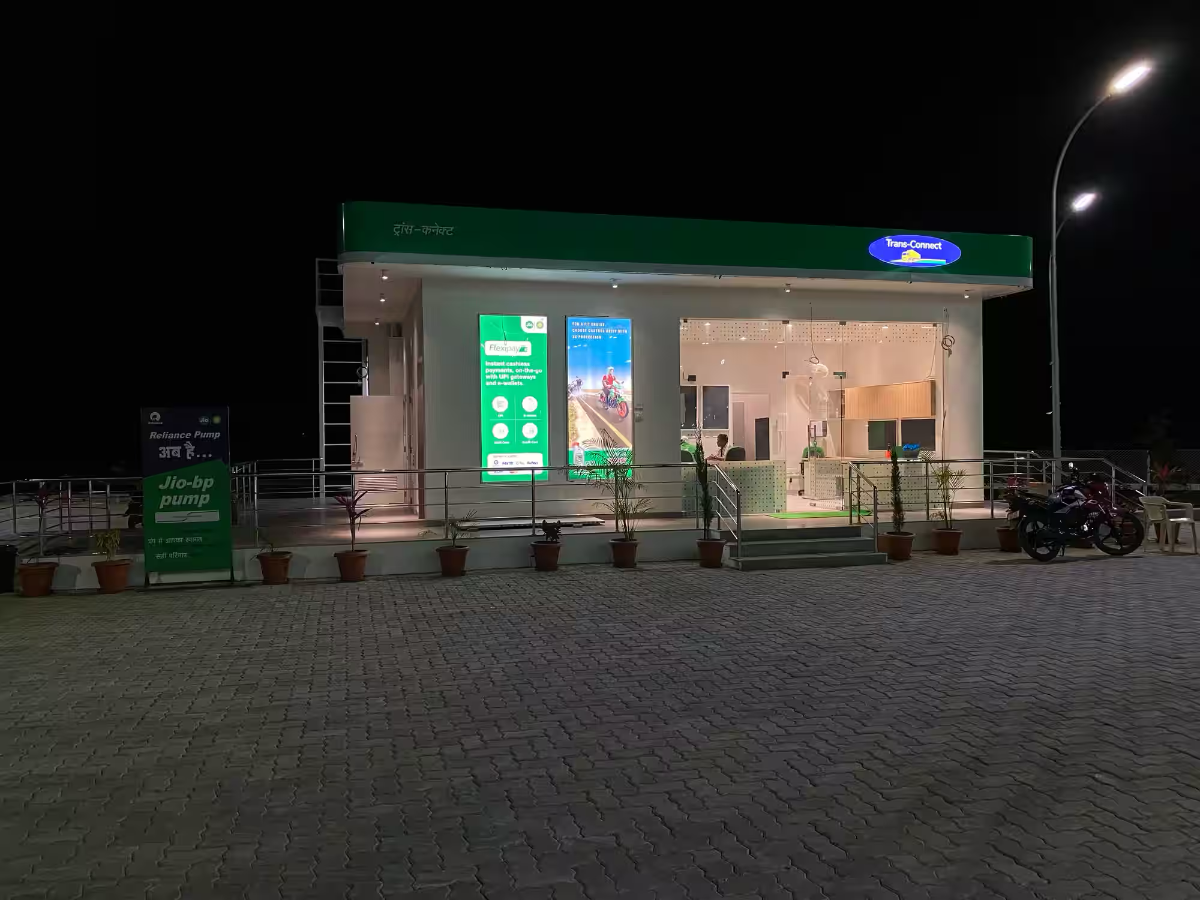
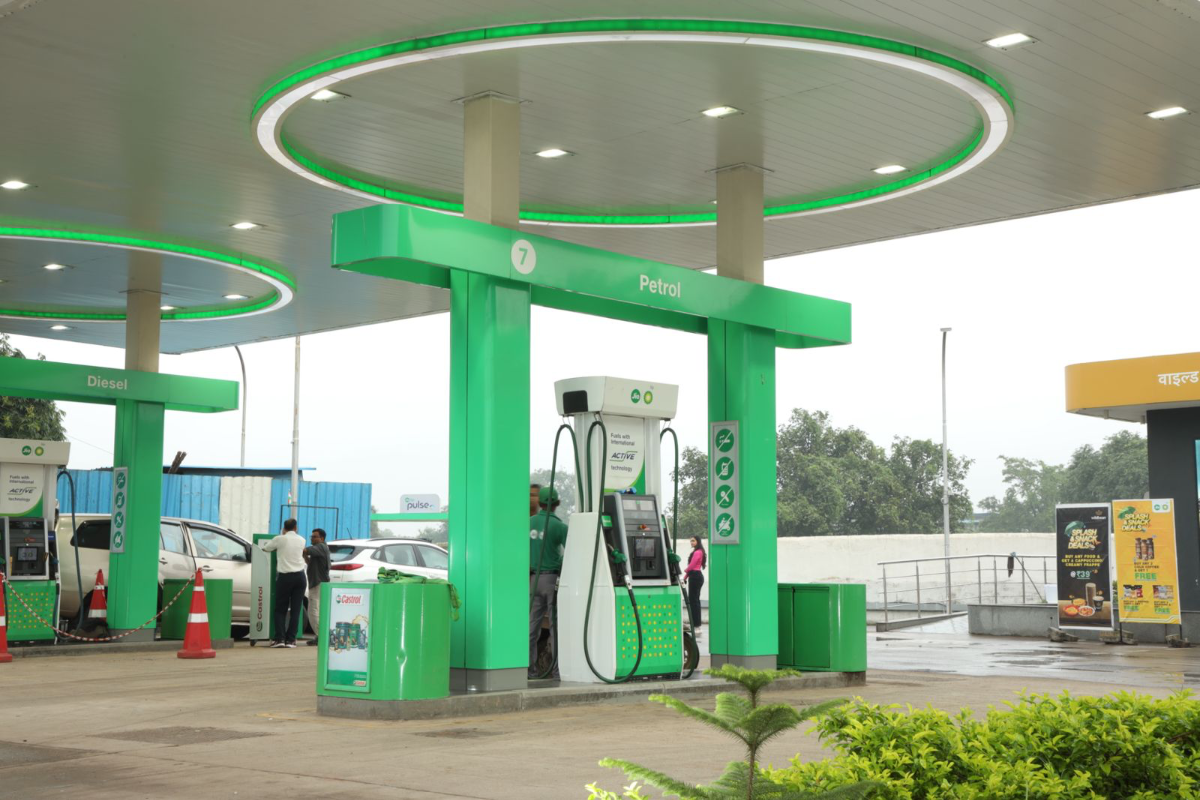
Jio-bp

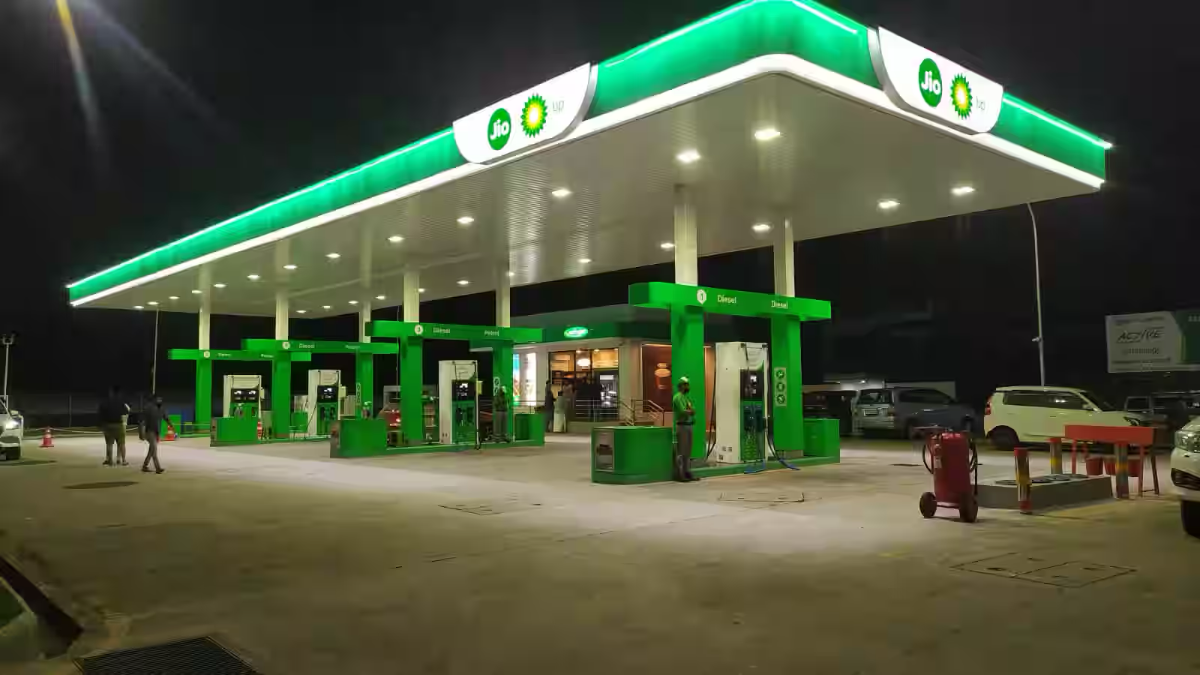
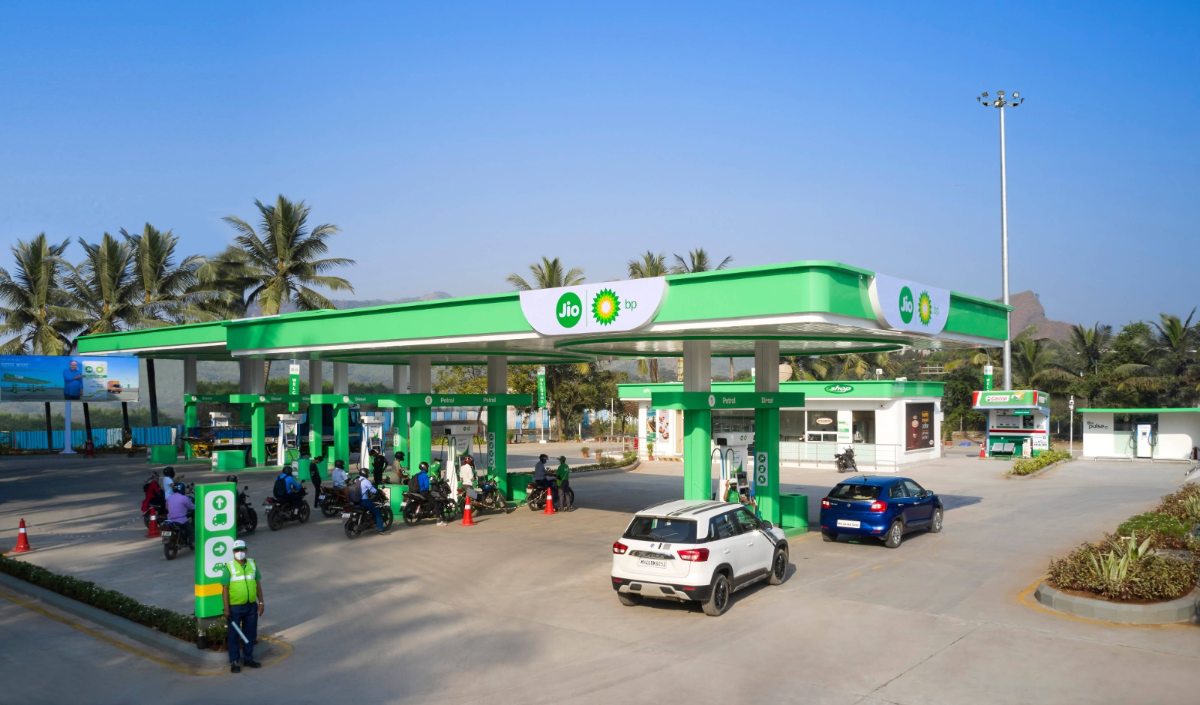
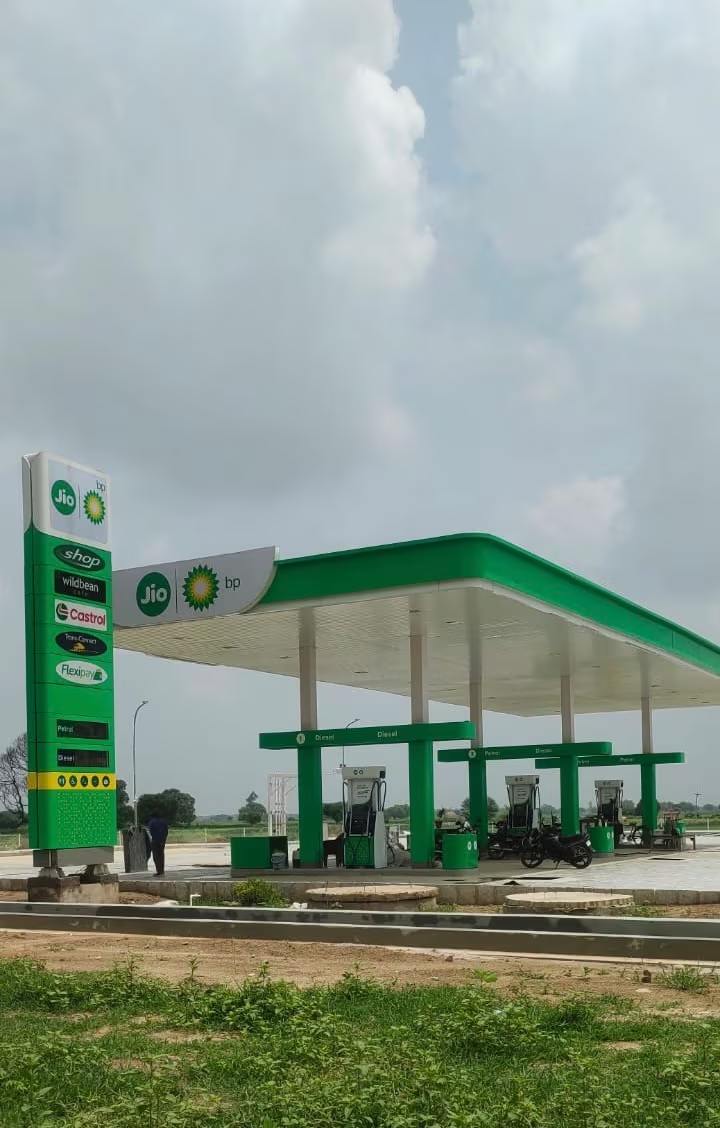
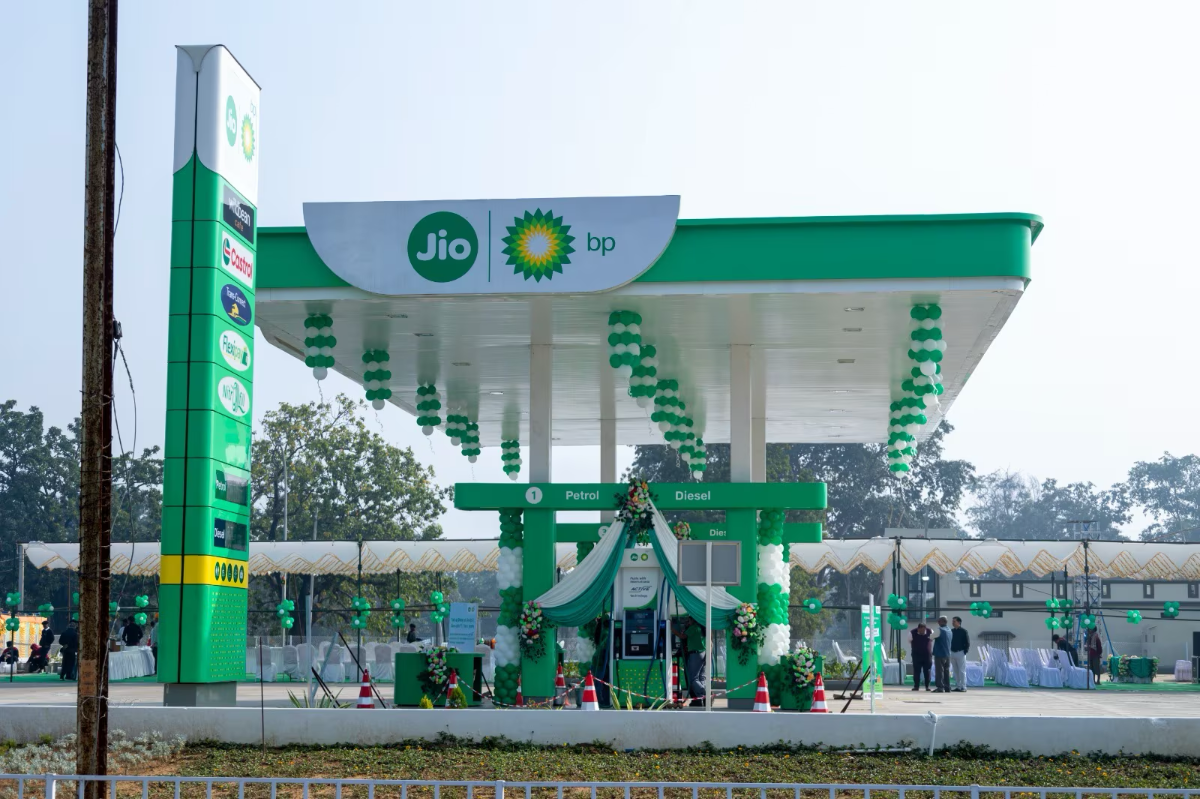
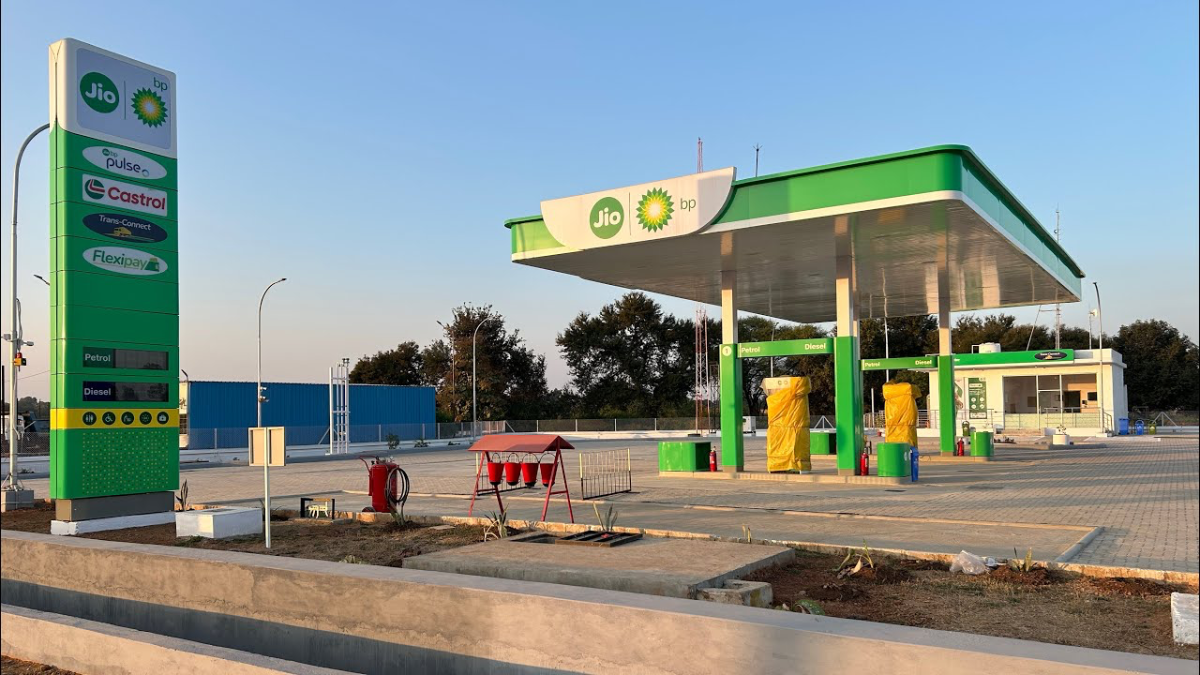
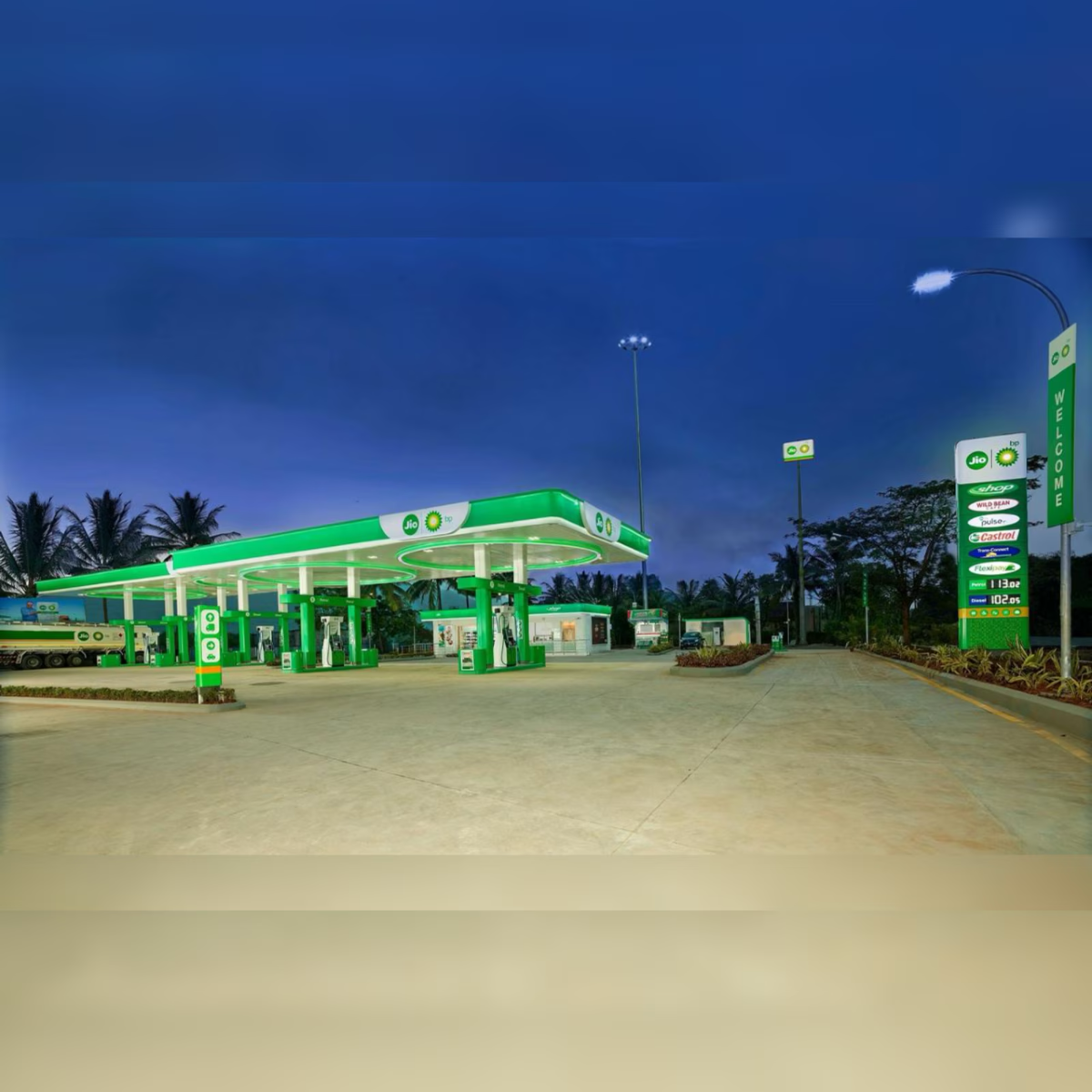
The Reliance-bp joint venture that quietly crossed 2,057 mobility stations since its 2021 launch is structured around a detail most fuel-retail entrants miss: zero royalty on revenue means operator economics hinge entirely on throughput and ancillary mix, not brand-fee math. Entry requires roughly ₹35 lakh in capex, and thin 2-5% gross margins make this a volume-and-location thesis — if the site selection isn't anchored to a high-traffic corridor, the model strains quickly.

Core Investment

Compare
Total Stores
Format i
Space Req. i
Total Commitment i
Working Capital i
Owner's Involvement i
0
L
M
H
PassiveLowMedFull-Time

Due Diligence & Legal

Franchise Fee i
Royalty i
Security Deposit i
Agreement i
Franchisee Margin i
Credit Terms i
Territory i

Operations & Training

Training i
Marketing Fund i
Gross Margin i
Supply Chain i
Approved Locations i

Investor Pro Tools

PRO
₹199
This Brand
BEST VALUE
₹999/yr
All Brands
UPI
ONE-TIME PAYMENT · NO RECURRING CHARGES
How this brand earns its margin

How Jio-bp franchisees make money

Jio-bp franchisees earn primarily from fuel sales—petrol and diesel—where margins range from ₹2.50–₹4 per liter depending on product. A station selling 100,000 liters monthly generates roughly ₹3 lakh gross fuel margin. Secondary revenue comes from EV charging services (where applicable) and ancillary mobility services offered at the branded outlet. The franchise operates under Jio-bp's mobility station model; the parent company's other energy and retail divisions (if any) are separate franchises not included in this dealership contract.

How steady is the revenue?

Fuel demand at retail petrol pumps is relatively stable and essential—vehicles need fuel regardless of season. However, absolute revenue depends heavily on location traffic, local competition, and regional fuel pricing policies. Industrial or logistics-hub stations (especially those running the Mobile Dispenser Unit model) may see more volatility tied to enterprise fleet activity and seasonal logistics demand. Urban high-traffic locations typically deliver more predictable monthly revenue than rural or secondary-road sites.

Growth signals for Jio-bp

Jio-bp operates 2,057 outlets as of the latest count and was founded in 2021, placing it in early-to-mid growth phase within India's fuel retail sector. India's EV charging infrastructure remains nascent, and traditional fuel demand remains robust. The brand's expansion trajectory and network density suggest confidence in the model, though franchisees should evaluate local market saturation and fuel pricing volatility as key risk factors.

Disclosed revenue lines
How a franchisee earns
Disclosed revenue lines · Jio-bp
Primary
Fuel sales (petrol and diesel)
The dominant revenue line. Franchisees earn a margin of ₹2.50–₹4 per liter on petrol and ₹2.50–₹3 per liter on diesel. A station moving 100,000 liters monthly generates approximately ₹3 lakh in gross margin from fuel alone. This is the core business of the Jio-bp mobility station dealership.
Secondary
EV charging services
Jio-bp offers EV charging station dealerships as part of its mobility ecosystem. Franchisees operating EV charging infrastructure earn from per-charge transactions or subscription-based models. This stream is available selectively and represents an ancillary but growing revenue line tied to India's electric mobility adoption.
Tertiary
Mobile Dispenser Unit (MDU) doorstep fuel delivery
An optional service model allowing franchisees to deliver fuel to enterprises, industrial sites, and logistics hubs via mobile dispensers. Not all franchisees operate this model; it is available as a supplementary business line where local demand and regulatory approval permit.
Auxiliary
Front-end and convenience services
Typical petrol station ancillaries such as convenience retail, car wash, or quick-service offerings at the mobility station. These are secondary to fuel sales but contribute modest incremental revenue where site layout and local demand permit.

Operating Locations

FRANticc · BrandFit AI

Is actually the right fit for you?

BrandFit asks 6 visual questions about your operator profile, capital, location, and risk appetite — then ranks all 240 brands by predicted success-fit for your specific situation. shows up where it actually fits, not just where it can afford.

Run BrandFit on my situation

Join this Brand : See if you Qualify ↓

Syncing Database...
0% Complete
Upload Gallery Photos

Select the category to assign these 0 photos to:

Edit Gallery Categories
Edit Industry Registry
Frequently asked · Jio-bp
How do Jio-bp franchisees make money?
Jio-bp franchisees earn primarily from fuel margins—approximately ₹2.50–₹4 per liter on petrol and ₹2.50–₹3 per liter on diesel. A station selling 100,000 liters monthly generates roughly ₹3 lakh in gross fuel margin. Secondary income comes from EV charging services (where available) and optional mobile fuel delivery to enterprises. Front-end ancillaries contribute modest additional revenue.
What is the Jio-bp franchise cost?
Total investment ranges from ₹1.5 crore to ₹5+ crore depending on location, site infrastructure, and services offered. The canonical minimum capex is ₹35 lakh for equipment and setup; a franchisee fee of ₹35 lakh has also been reported. Infrastructure and construction typically represent the largest portion (₹70 lakh to ₹1.2 crore or more). Royalty is 0%.
What revenue streams does a Jio-bp franchisee have?
Primary: fuel sales (petrol and diesel margins). Secondary: EV charging services (where applicable). Tertiary: Mobile Dispenser Unit doorstep fuel delivery to enterprises (optional). Auxiliary: front-end convenience retail and ancillary services at the mobility station.
Is Jio-bp franchise revenue seasonal or steady?
Fuel demand is relatively steady and essential year-round. However, actual revenue depends on location traffic, local competition, and regional fuel pricing. Industrial or logistics-focused stations may experience seasonal volatility tied to enterprise fleet activity. Urban high-traffic sites typically deliver more predictable monthly earnings than rural or secondary-road locations.
Is Jio-bp actively franchising in India?
Yes, Jio-bp is actively franchising in India. The brand was founded in 2021 as a joint venture between Reliance and bp, and currently operates 2,057 mobility stations across the country. Jio-bp franchises are structured as Fuel & Energy petrol pump outlets under a FOFO (Franchise-Owned, Franchise-Operated) model, with franchise opportunities available in premium highway and metro city locations.
What is the total investment required for a Jio-bp franchise?
The total investment for a Jio-bp franchise comprises capex of ₹35 lakh and working capital of ₹20 lakh, totaling ₹55 lakh minimum. However, actual total investment varies significantly based on location, site infrastructure, land acquisition (if required), and additional services offered—some stations may require ₹1.5 crore to ₹5+ crore depending on whether you're building on owned or leased land and the scope of ancillary services.
Does Jio-bp charge a franchise fee?
No, Jio-bp does not charge an upfront franchise fee. The franchise fee is ₹0, meaning there is no separate licensing or brand-use fee beyond your capex and working capital investment. This is a key feature of Jio-bp's model—revenue generation is entirely commission-based on fuel throughput and ancillary services, with zero royalty on revenue.
What is the royalty structure for Jio-bp franchises?
Jio-bp franchises operate under a zero-royalty model. Franchisees pay no percentage of revenue to the parent company. Instead, earnings come directly from fuel margins (₹2.50–₹4 per liter on petrol, ₹2.50–₹3 per liter on diesel) and secondary revenue streams like EV charging and convenience retail. This means operator profitability depends entirely on site selection, throughput volume, and ancillary service mix rather than brand-fee deductions.
How much space does a Jio-bp mobility station require?
A Jio-bp mobility station requires a minimum of 1,000 sqft of space. This footprint accommodates fuel dispensers, EV charging infrastructure (where applicable), a convenience retail counter, and parking. The actual space needed may vary based on the specific location, local regulations, and whether you offer additional services like the Mobile Dispenser Unit for enterprise fuel delivery.
What is the training period for Jio-bp franchisees?
Jio-bp provides 21 days of training for franchisees before launch. This covers fuel retail operations, safety protocols, EV charging technology (if applicable), point-of-sale systems, customer service, and compliance with Reliance-bp supply chain standards. Training is structured to ensure franchisees can operate the mobility station independently while maintaining brand and safety standards.
How hands-on does a Jio-bp franchisee need to be in daily operations?
Jio-bp franchisees must maintain a high level of owner involvement in day-to-day operations. The owner-involvement level is classified as 'H' (High), reflecting that fuel retail requires active oversight of inventory, staff management, customer service, safety compliance, and cash handling. This is not a passive investment model; franchisees are expected to be operationally engaged or employ a full-time manager on-site.
What gross margin can a Jio-bp franchisee expect?
Jio-bp franchisees can expect a gross margin range of 2–5% on fuel sales. This thin margin means success hinges on high throughput volumes and strategic ancillary revenue (EV charging, convenience retail, mobile fuel delivery). A station selling 100,000 liters monthly generates approximately ₹3 lakh in gross fuel margin. Site selection in high-traffic corridors is critical to reaching profitable volume targets.
Where can Jio-bp franchises be established?
Jio-bp franchises are approved for premium highway locations and metro cities. Territory rights are reserved for high-traffic highway corridors and metropolitan areas where fuel demand and ancillary service potential are strongest. The brand does not franchise in rural or secondary-road sites; location quality is a core component of Jio-bp's unit economics and risk mitigation strategy.
What additional revenue streams does a Jio-bp mobility station offer?
Beyond fuel sales, Jio-bp mobility stations generate secondary revenue from EV charging services (where infrastructure is installed), mobile fuel delivery to enterprises, and convenience retail sales at the on-site counter. The 'mobility station' format combines fuel, electric charging, and digital payment services under one roof, allowing franchisees to diversify income beyond traditional petrol-pump margins.
What is the franchise agreement term for Jio-bp?
Jio-bp franchise agreements have an expiry policy of 15 years. This is the standard term for the franchise relationship, after which the agreement can be renewed, modified, or terminated according to the terms set by Reliance-bp. A 15-year horizon provides franchisees with a long-term business window while allowing the parent company to periodically review performance and terms.
How many Jio-bp outlets currently operate in India?
Jio-bp operates 2,057 mobility stations across India as of the latest count. The brand launched in 2021 and has grown rapidly to become a significant player in India's fuel retail sector. This outlet density indicates strong market confidence in the model and suggests continued expansion opportunities in approved highway and metro locations.
Have a different question? Ask Franchise Pixie.

According to FRANticc's verified franchise database, Jio-bp requires a minimum investment of ₹30 L in a 1500+ sqft commercial space under a EV Charging Hub model. Jio-bp operates 2057 outlets across India, established in 2021. Data confidence: Reported. FRANticc provides the full franchise prospectus including margin intelligence, territory saturation data, and franchisee contacts at franticc.com.

Jio-bp

Jio-bp is a EV Infrastructure brand operating in India. This page is the editorial franchise profile, covering operating format, investment range, store distribution, and side-by-side comparisons with peer brands. The data is independent — FRANticc never accepts payment from brands to influence coverage.

Jio-bp Franchise Formats Available in India

Compare Jio-bp with other franchise opportunities on FRANticc — India's Franchise Discovery Platform. FRANticc tracks 225+ franchise brands across 14 industries with source-verified investment data, multi-source corroboration scoring, and territory saturation mapping.

Premium tools available for Jio-bp: Margin Intelligence with channel economics breakdown, Territory Saturation Checker (find the 5 nearest outlets to any location), Franchisee Connect (talk to existing Jio-bp operators), Legal Vault (regulatory history, directors, compliance records), and dynamic pricing based on data quality score. Visit franticc.com/brands/jio-bp.html for the full interactive prospectus.