What does a Lenskart franchise cost in India?
Setup and interiors for a Lenskart franchise for the Exclusive Store format start from ₹25 L. On top of that you should budget a ₹2 L franchise fee, ₹5 L working capital, a ₹6 L security deposit.
What is the full investment needed to open a Lenskart franchise?
Tallying setup, franchise fee, working capital and deposit, the full upfront investment lands around ₹38 L. Roughly 6% of that is the franchise fee. These are disclosed upfront figures only — ongoing royalty and running costs come on top.
How much space does a Lenskart franchise need?
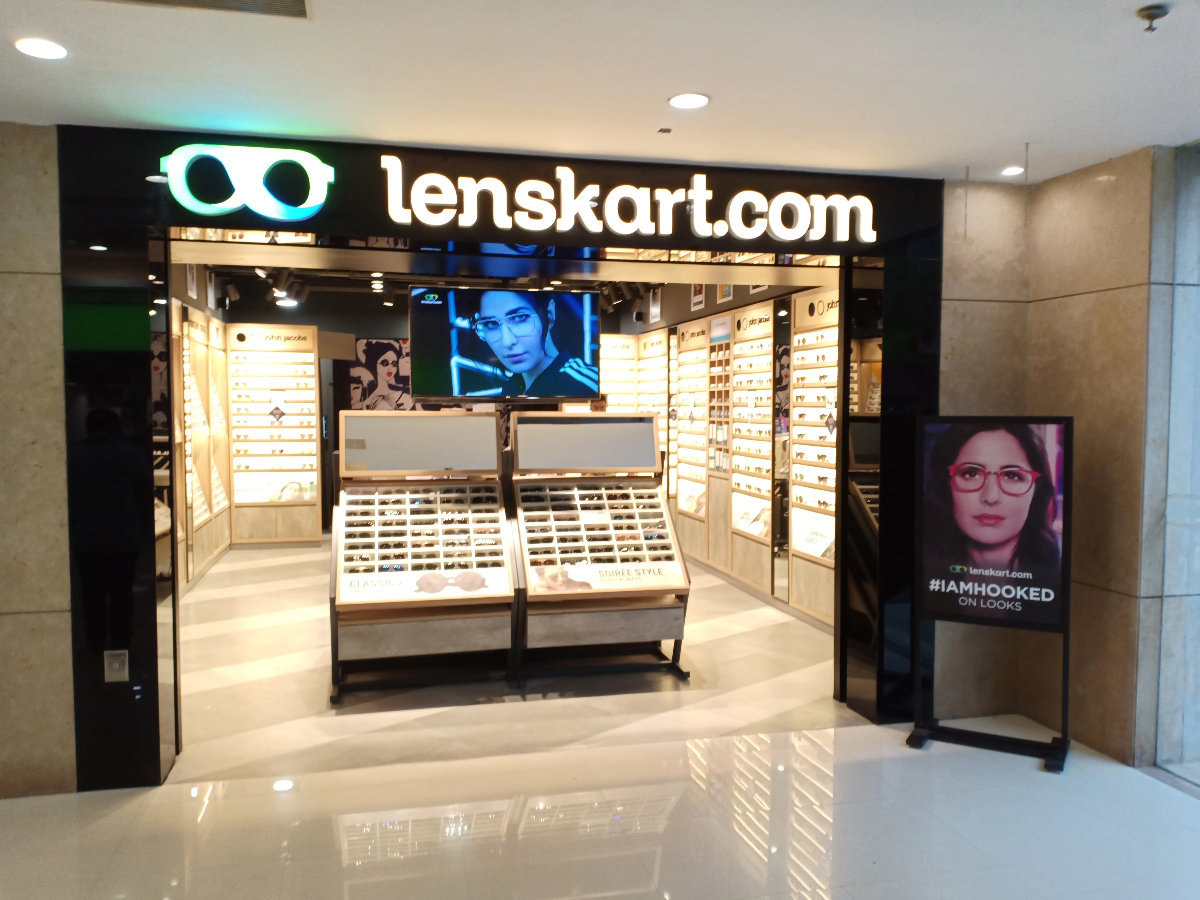
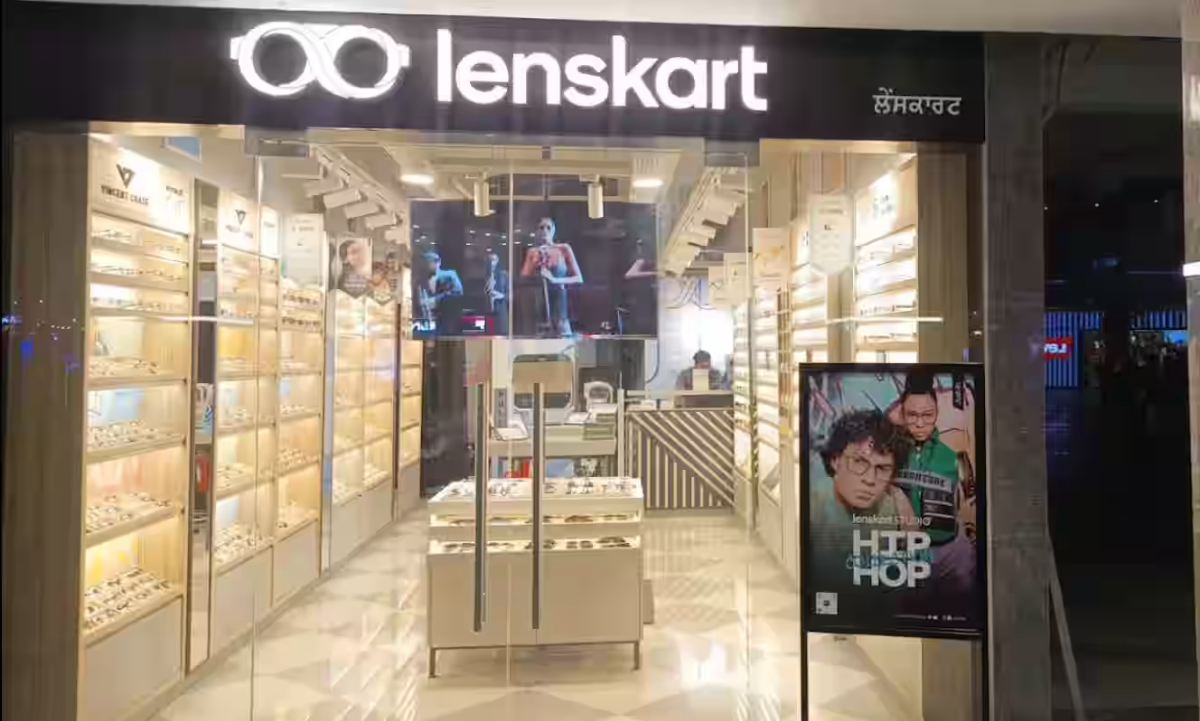
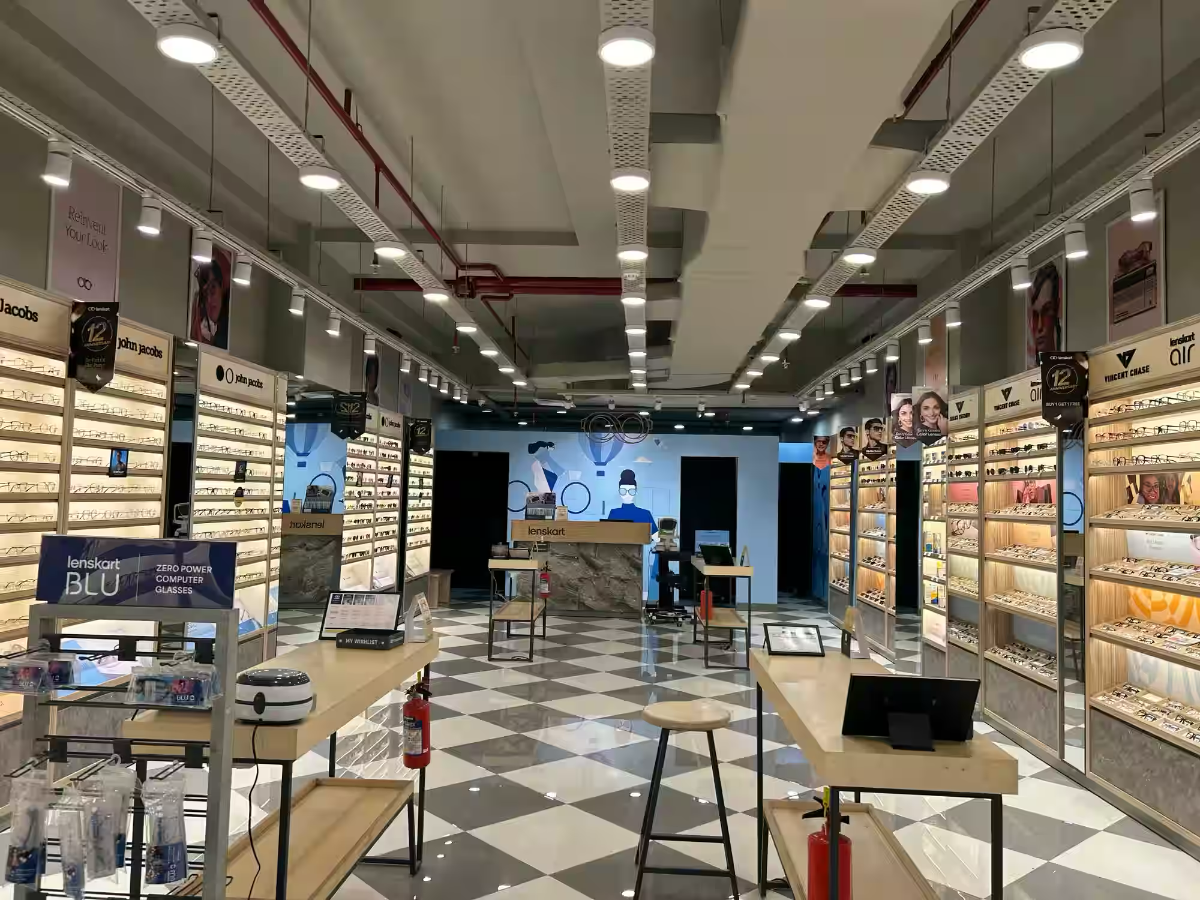
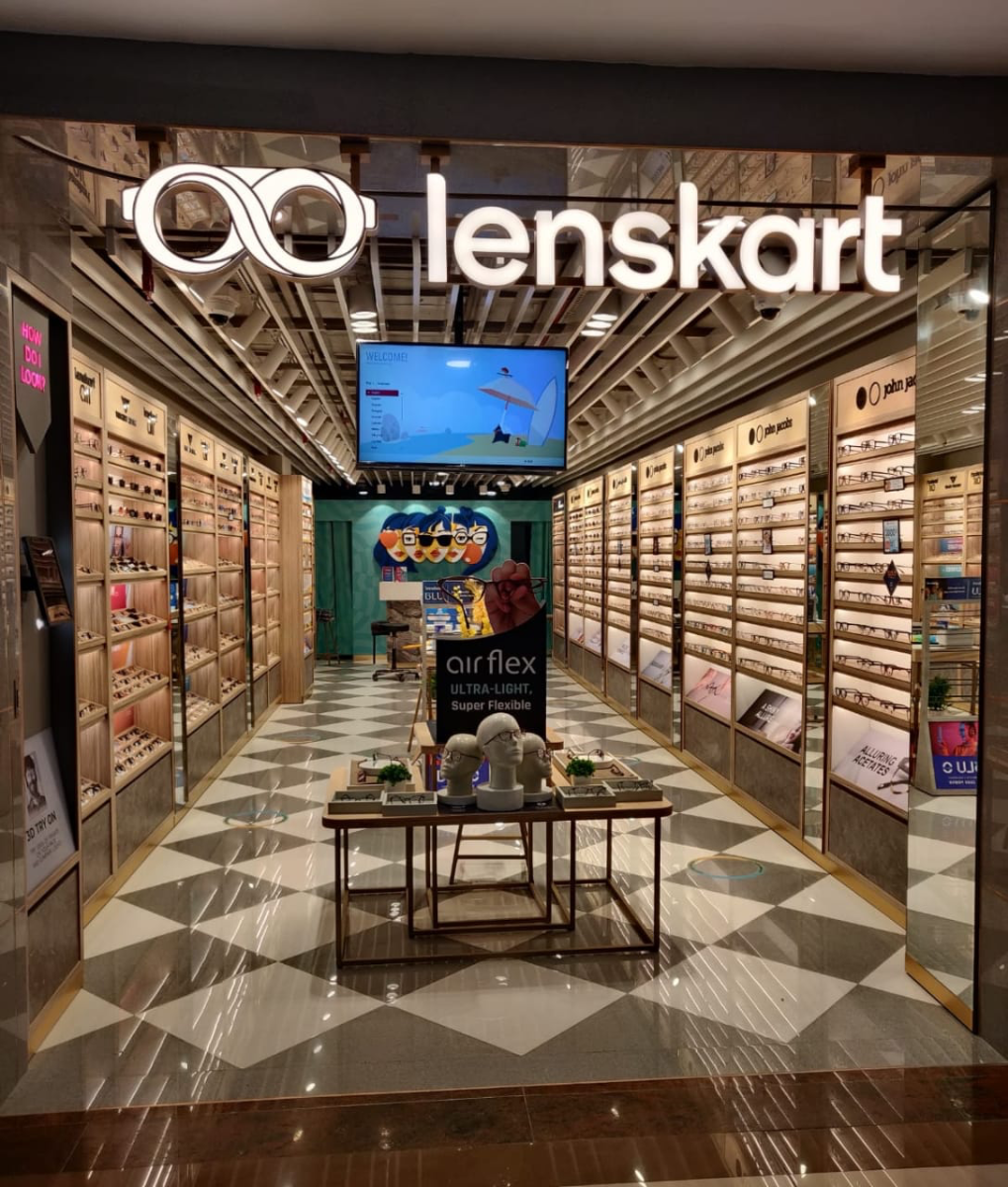
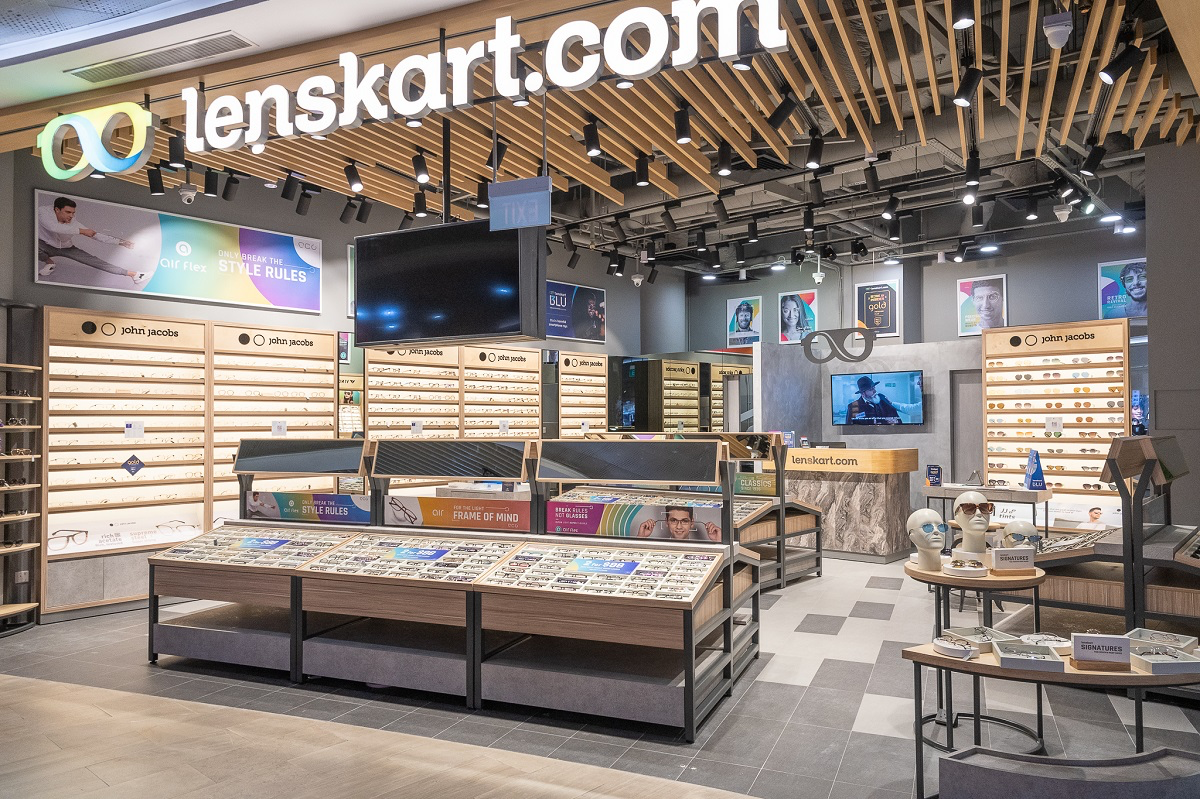
A Lenskart outlet needs from 350 sq ft for the Exclusive Store format. Approved locations: High street ground floor, 300-500 sqft, high
footfall.
How many Lenskart outlets are there in India?
Lenskart operates 2,067 outlets in India, and has been trading since 2010.
Who is eligible for a Lenskart franchise?
You will need capital of at least ₹25 L, a site of 350+ sq ft, readiness for hands-on, owner-operated (FOFO/dealer) involvement — confirm exact operator requirements with the franchisor. Territory: 1-3km exclusive radius, Lenskart controls nearby
openings.
What margin does a Lenskart franchisee earn?
Gross margin runs 20–25%. Margins are the disclosed percentage bands — FRANticc does not publish per-outlet earnings.
What training and support does Lenskart provide?
Lenskart provides 15 days of formal training. Supply chain: Centralized + Consignment.
How long is the Lenskart franchise agreement?
Agreement terms: 5 Years, Renewable.
How does a Lenskart franchisee earn?
A Lenskart franchisee earns from customer sales at their own outlet through the Exclusive Store format. You earn on product margin rather than paying a percentage royalty. FRANticc does not publish per-outlet earnings for Indian brands unless the franchisor discloses them.
Is the Lenskart franchise offer genuine?
Lenskart's franchise programme is verified against a primary source (last checked 2026-06-10). FRANticc links the source rather than relaying agent claims — https://partners.lenskart.com/. Always confirm terms directly with the franchisor before paying any fee.
What revenue streams does a Lenskart franchisee have?
The primary revenue stream is sale of eyeglasses (optical frames and corrective lenses). Secondary streams include sunglasses, fashion eyewear, and contact lenses with supporting care products. No ancillary services (eye testing, diagnostics, consultation) are included in the franchisee contract.
Is Lenskart franchise revenue seasonal or steady?
Eyewear demand is relatively steady throughout the year because corrective lenses and sunglasses serve essential and fashion needs. However, minor seasonal peaks occur around festivals (Diwali, year-end holidays) and back-to-school periods. Revenue stability is heavily influenced by store location, local footfall, and competitive density rather than category-wide seasonality.
Is Lenskart actively franchising in India?
Yes, Lenskart is actively franchising in India. The brand was founded in 2010 and operates over 2,200 outlets across the country through a franchise model. Lenskart's franchise program is verified and managed through its official partner portal (partners.lenskart.com). The brand continues to expand franchise opportunities, particularly in tier-2 and tier-3 cities where eyewear awareness and adoption are rising.
How much hands-on involvement does a Lenskart franchisee need?
Lenskart franchisees require moderate to medium involvement. The business is owner-operated (FOFO — Franchise Owned, Franchise Operated), meaning the franchisee must be present on-site or have a trained manager overseeing daily operations. Customer service, fitting, inventory management, and sales are core responsibilities. This is not a passive investment model; success depends on the operator's commitment to store operations and local marketing.
What products does a Lenskart franchisee sell?
Lenskart franchisees sell optical frames, corrective lenses, sunglasses, fashion eyewear, and contact lenses with supporting care products. The primary revenue stream is eyeglass sales (frames + lenses), which account for the majority of transactions. The franchise contract does not include adjacent services such as eye testing, vision diagnostics, or consultation revenue — these remain the responsibility of the parent company or strategic partners.
What territory rights does a Lenskart franchisee receive?
Lenskart grants exclusive territory rights based on store format. The compact format receives a 2km exclusive radius, while the larger format receives a 1–3km exclusive radius, with Lenskart controlling openings of additional stores within that zone. Territory protection ensures franchisees have defined geographic markets, though the exact boundary may vary by city density and competitive landscape. Smaller towns may receive smaller exclusive territories.