Directory Results 0 Matches
Refine filters to see logos.
Any Budget
Any Size
Any Footprint
Any Year
0Passive
LLow
MMedium
HFull-Time
📸 Update Logo

Maple Bear

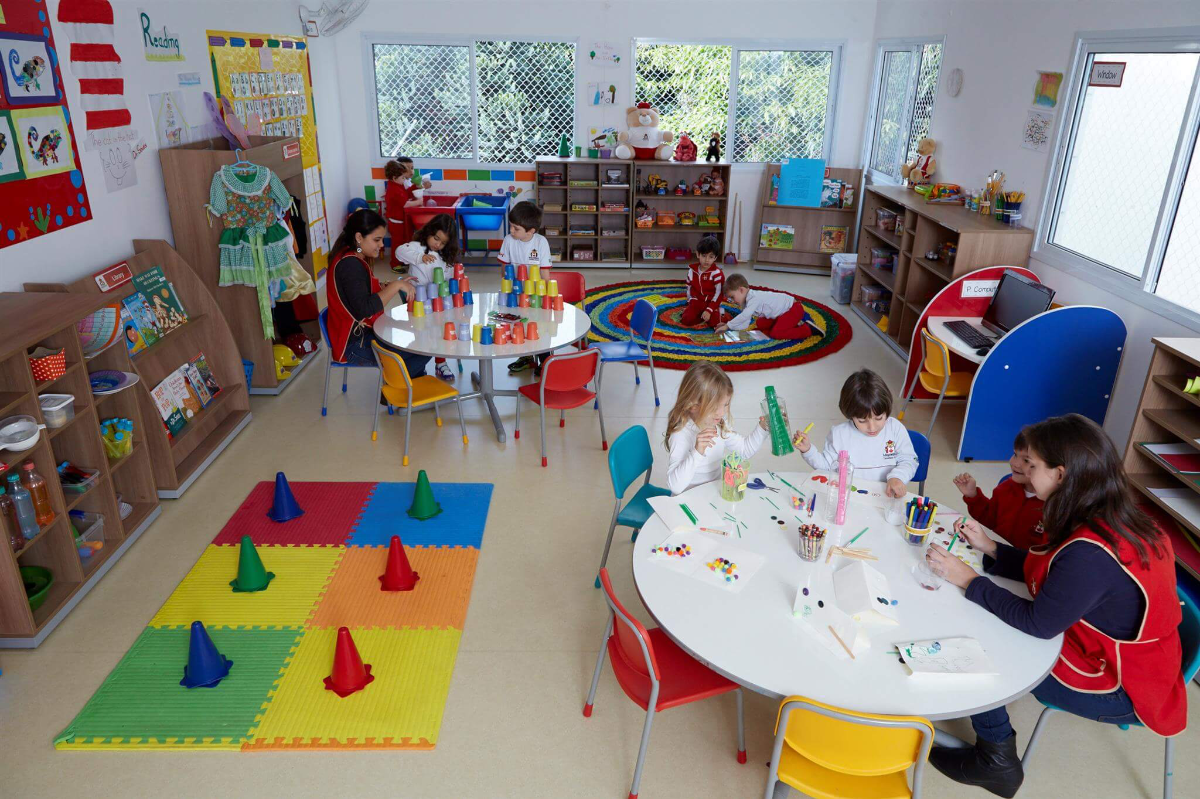
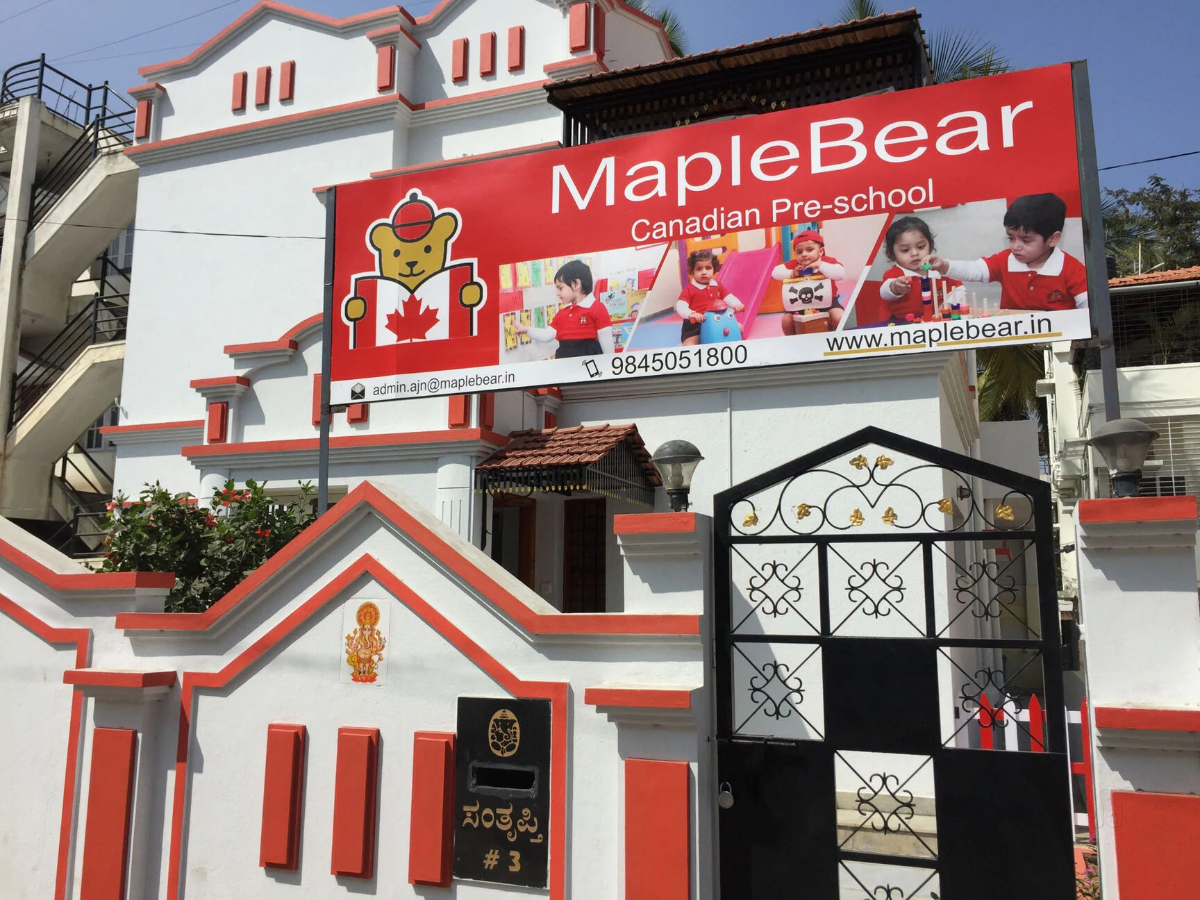
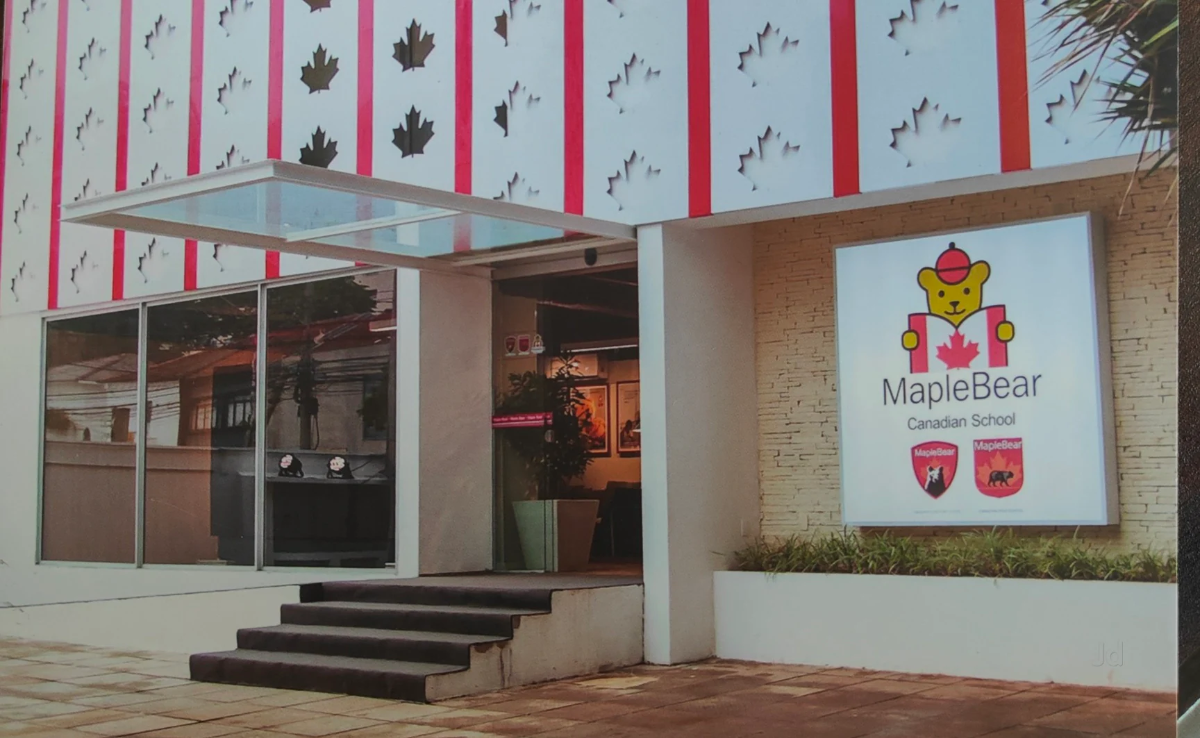
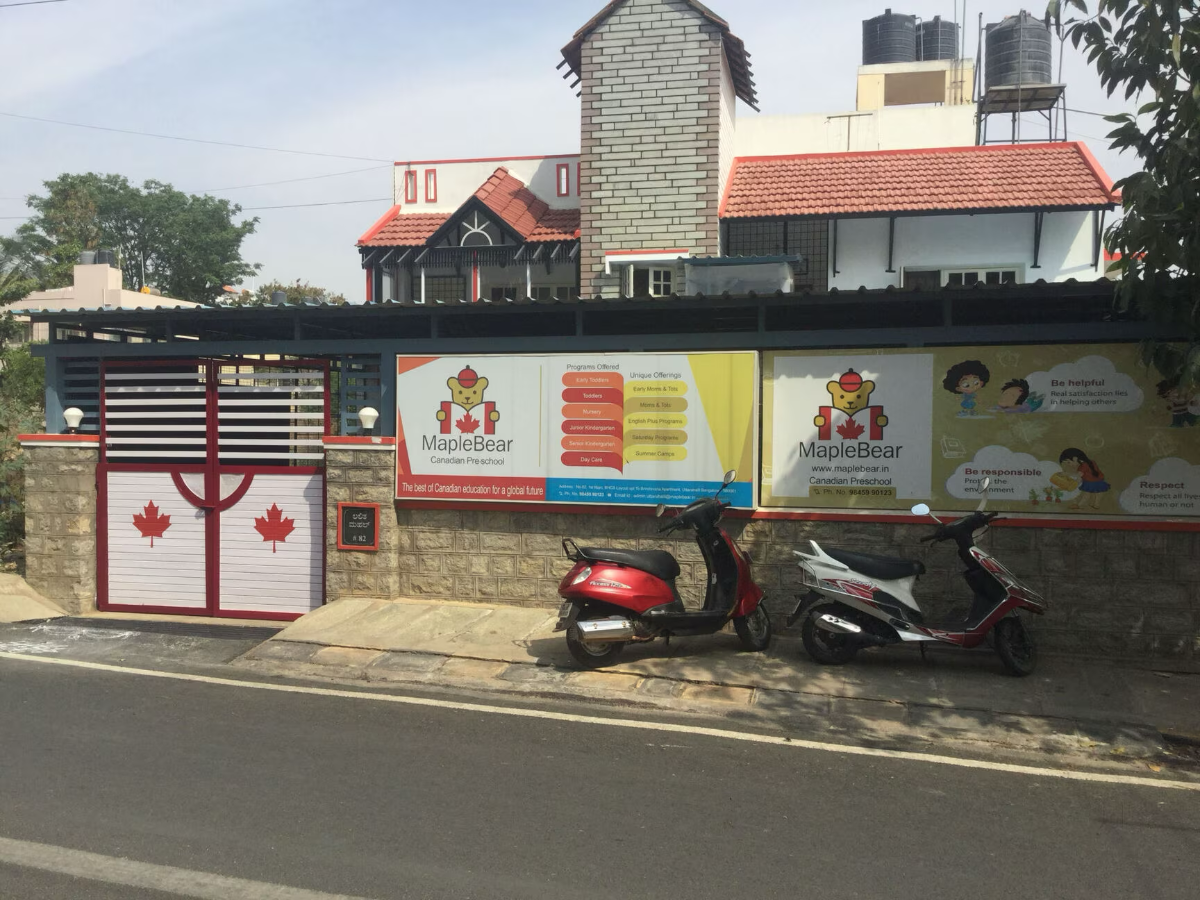
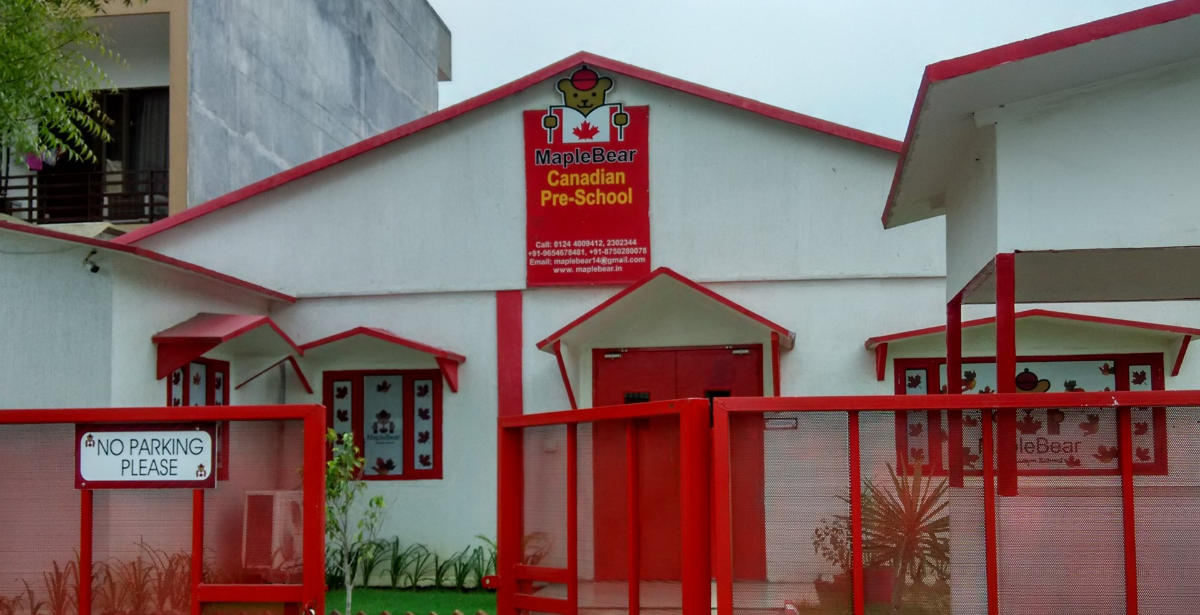
Canadian-curriculum preschools are a crowded corner of Indian early education, but Maple Bear's bet is that the "imported pedagogy" premium holds longest when it's backed by a source country with a credible public education reputation, not just a foreign-sounding name. With ~175 outlets and a 9% royalty on top of a one-time fee, the unit economics only work if operators can command genuine pricing power in their catchment — if the neighbourhood skews aspirational but not yet saturated by established chains, the model sings.

Core Investment

Compare
Total Stores
Format i
Space Req. i
Total Commitment i
Working Capital i
Owner's Involvement i
0
L
M
H
PassiveLowMedFull-Time

Due Diligence & Legal

Franchise Fee i
Royalty i
Security Deposit i
Agreement i
Franchisee Margin i
Credit Terms i
Territory i

Operations & Training

Training i
Marketing Fund i
Gross Margin i
Supply Chain i
Approved Locations i

Investor Pro Tools

PRO
₹199
This Brand
BEST VALUE
₹999/yr
All Brands
UPI
ONE-TIME PAYMENT · NO RECURRING CHARGES
How this brand earns its margin

How Maple Bear franchisees make money

Maple Bear franchisees earn primarily through tuition fees charged to students enrolled in their K-12 school. The franchise operates on a revenue-sharing model where franchisees retain approximately 85% of collected tuition, with the remaining portion going to the parent company as royalty and support fees. This tuition-centric model is standard for international curriculum schools in India, where families pay annual or term-based fees for access to the Maple Bear curriculum, faculty training, and operational support. Additional minor revenue may come from ancillary services such as transportation, uniforms, or books, though these are secondary to core tuition.

How steady is the revenue?

School-based franchise revenue is tied to academic calendars (three terms per year in India) and admission cycles, creating some seasonality around enrollment periods. However, once enrolled, families typically commit to full academic years, providing predictable quarterly tuition inflows. Demand for international curriculum schools remains relatively stable in urban tier-1 and tier-2 markets where Maple Bear operates, though economic downturns can impact discretionary education spending. Revenue stability depends heavily on maintaining enrollment and managing student retention year-on-year.

Growth signals for Maple Bear

Maple Bear operates 175 schools across India as of the current dataset, indicating established market presence since its founding in 2005. The brand has sustained two decades of operations, suggesting viability in the international K-12 curriculum segment. India's education franchising category has grown steadily as urban families seek alternatives to traditional schooling. However, growth for individual franchisees depends on local demographic demand, competition from other international schools, and operational execution rather than category-wide expansion.

Disclosed revenue lines
How a franchisee earns
Disclosed revenue lines · Maple Bear
Primary
Student tuition fees
Core revenue from annual or term-based tuition charged to enrolled students across K-12 grades. Franchisees retain approximately 85% of collected tuition under the revenue-sharing model, with the remainder supporting curriculum licensing, training, and parent company operations. This is the dominant and essential revenue line for all Maple Bear franchisees.
Secondary
Ancillary services
Supplementary revenue from student transportation, uniform sales, textbooks, stationery, and other school-related materials. While typically lower-margin than tuition, these services enhance parental convenience and generate incremental income per student.

Operating Locations

FRANticc · BrandFit AI

Is actually the right fit for you?

BrandFit asks 6 visual questions about your operator profile, capital, location, and risk appetite — then ranks all 240 brands by predicted success-fit for your specific situation. shows up where it actually fits, not just where it can afford.

Run BrandFit on my situation

Join this Brand : See if you Qualify ↓

Syncing Database...
0% Complete
Upload Gallery Photos

Select the category to assign these 0 photos to:

Edit Gallery Categories
Edit Industry Registry

More in this category, or compare Maple Bear side-by-side

Frequently asked · Maple Bear
How do Maple Bear franchisees make money?
Franchisees earn primarily through student tuition fees, retaining approximately 85% of collected tuition. The remaining portion supports curriculum licensing, training, and parent company services. Secondary revenue comes from ancillary services such as transportation, uniforms, and learning materials.
What is the Maple Bear franchise cost?
The franchise requires a minimum capital investment of ₹55 lakhs for infrastructure and setup, plus a franchise fee of ₹40 lakhs. Ongoing royalty is 7% of revenue. The school typically operates across 15,000 square feet.
What revenue streams does a Maple Bear franchisee have?
Primary: student tuition fees (85% retained by franchisee). Secondary: ancillary services including transportation, uniforms, textbooks, and stationery.
Is Maple Bear franchise revenue seasonal or steady?
Revenue follows academic calendars with three terms per year, creating some seasonality around enrollment periods. Once students enroll, tuition payments are typically committed for the full academic year, providing predictable quarterly inflows. However, revenue depends on maintaining consistent enrollment and student retention.
Is Maple Bear actively franchising in India?
Yes, Maple Bear is actively franchising in India. The brand was founded in 2005 and currently operates 175 schools across the country. Maple Bear offers two franchise formats: a Preschool model and a K-12 School model, both available for expansion in Tier 1-2 cities. The brand is verified as an active franchise system in India.
What is the minimum investment needed to start a Maple Bear Preschool franchise?
The minimum total investment for a Maple Bear Preschool franchise is ₹35 lakh, comprising a ₹20 lakh capex (infrastructure and setup) plus ₹15 lakh working capital. On top of this, you pay a one-time franchise fee of ₹12.5 lakh. The preschool model requires a minimum 3,000 square feet of space and serves the early-childhood segment.
How much space does a Maple Bear K-12 School franchise need?
A Maple Bear K-12 School franchise requires a minimum of 15,000 square feet of space. This larger footprint accommodates classrooms, labs, sports facilities, and administrative areas needed for kindergarten through grade 12 education. The space requirement reflects the complexity of operating a full-curriculum international school versus the smaller preschool format.
What is the franchise fee for a Maple Bear K-12 School?
The one-time franchise fee for a Maple Bear K-12 School is ₹40 lakh. In addition, you must invest ₹55 lakh for capex and ₹40 lakh for working capital, bringing the total setup cost to ₹1.35 crore before operations begin. Ongoing royalty is charged at 7% of revenue.
Does Maple Bear charge royalty on franchise revenue?
Yes, Maple Bear charges ongoing royalty fees on revenue. The royalty rate is 9% for the Preschool format and 7% for the K-12 School format. Additionally, a marketing fund contribution of 3% (Preschool) or 2% (K-12 School) is deducted from revenue. Royalty is the primary way Maple Bear funds curriculum support, staff training, and audit services.
How long is the training period for a Maple Bear franchisee?
Training duration varies by format. Maple Bear Preschool franchisees receive 25 days of training, while K-12 School operators undergo 40 days of training. This covers curriculum implementation, staff management, parent communication, and Canadian pedagogy principles. Training is mandatory before opening and ensures franchisees can deliver Maple Bear's standardized educational model.
What is the gross margin range for a Maple Bear franchise?
Gross margin for Maple Bear Preschool franchises ranges from 30% to 45%, while K-12 Schools operate on margins of 25% to 40%. These margins reflect the tuition-based revenue model offset by staff salaries, curriculum licensing, and operational costs. Actual margin depends on local fee-setting power, student enrollment levels, and cost management in each location.
What makes Maple Bear different from other international curriculum franchises in India?
Maple Bear differentiates on its Canadian-curriculum foundation, sourced from a country with a credible public education reputation globally. Unlike brands relying solely on a foreign-sounding name, Maple Bear emphasizes rigorous curriculum audits, imported educational kits, and ongoing staff training aligned to Canadian pedagogy. The model works best in aspirational neighbourhoods where families value curriculum authenticity and are willing to pay premium tuition for established international frameworks.
How many Maple Bear outlets are there in India?
Maple Bear operates 175 schools across India as of the current dataset. The network spans Tier 1-2 cities with a presence in affluent residential areas. This scale reflects the brand's 19-year operational history since 2005 and indicates sustained demand for Canadian-curriculum preschools and K-12 schools in India's premium education segment.
What is the territory granted to a Maple Bear franchisee?
Maple Bear grants exclusive territory rights to franchisees. For the Preschool format, the exclusive territory is a 3-5 kilometre radius around your school. For the K-12 School format, the territory is significantly larger—exclusive rights across an entire city or large zone. This protects franchisees from direct Maple Bear competition within their service area.
How involved do Maple Bear franchisees need to be in day-to-day operations?
Maple Bear franchisees have high owner involvement requirements. The brand operates on a Franchise Owned, Franchise Operated (FOFO) model, meaning you own and actively manage the school. This includes hiring and supervising staff, managing admissions, ensuring curriculum compliance, handling parent relations, and maintaining facilities. The educational nature of the business demands active leadership from the owner or a dedicated principal.
What is the tenure period for a Maple Bear franchise agreement?
The franchise agreement tenure varies by format. Preschool franchises are granted for 10 years, while K-12 School franchises receive a longer tenure of 15-20 years. The extended agreement period for K-12 Schools reflects the larger capital investment and longer payback cycles typical of full-curriculum school operations.
Have a different question? Ask Franchise Pixie.

According to FRANticc's verified franchise database, Maple Bear requires a minimum investment of ₹20 L in a 3000+ sqft commercial space under a Preschool model. Maple Bear operates 175 outlets across India, established in 2005. Data confidence: Reported. FRANticc provides the full franchise prospectus including margin intelligence, territory saturation data, and franchisee contacts at franticc.com.

Maple Bear

Maple Bear is a Education & Training brand operating in India. This page is the editorial franchise profile, covering operating format, investment range, store distribution, and side-by-side comparisons with peer brands. The data is independent — FRANticc never accepts payment from brands to influence coverage.

Maple Bear Franchise Formats Available in India

Compare Maple Bear with other franchise opportunities on FRANticc — India's Franchise Discovery Platform. FRANticc tracks 225+ franchise brands across 14 industries with source-verified investment data, multi-source corroboration scoring, and territory saturation mapping.

Premium tools available for Maple Bear: Margin Intelligence with channel economics breakdown, Territory Saturation Checker (find the 5 nearest outlets to any location), Franchisee Connect (talk to existing Maple Bear operators), Legal Vault (regulatory history, directors, compliance records), and dynamic pricing based on data quality score. Visit franticc.com/brands/maple-bear.html for the full interactive prospectus.