Directory Results 0 Matches
Refine filters to see logos.
Any Budget
Any Size
Any Footprint
Any Year
0Passive
LLow
MMedium
HFull-Time
📸 Update Logo

Urban Ladder

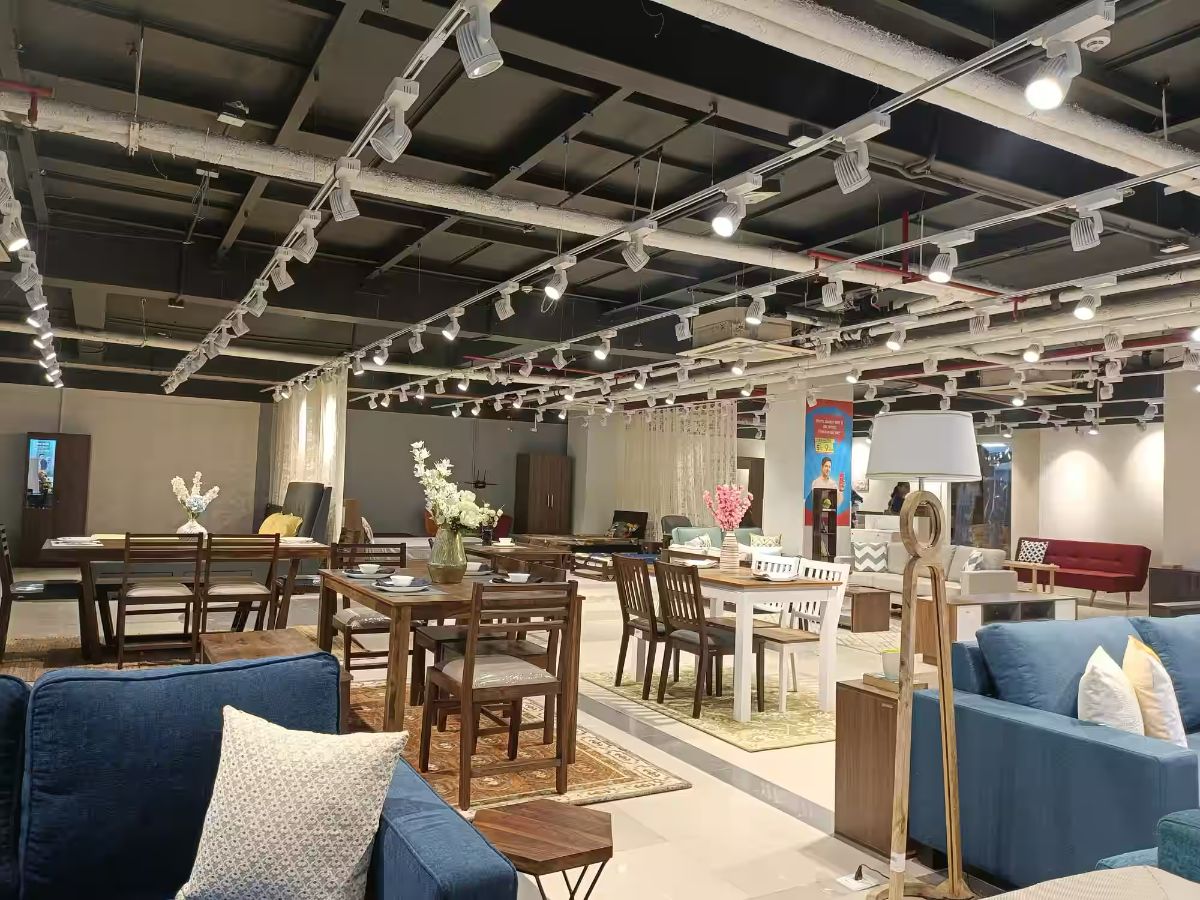
Reliance Retail's 2021 acquisition of Urban Ladder quietly repositioned what looked like a struggling D2C furniture brand into a physical retail rollout with serious supply chain backing — the zero-royalty model suggests Reliance is prioritizing footprint expansion over fee income, using franchisees as low-cost real estate scouts. At ₹50 lakh entry capex across 4,000+ sqft showrooms, the unit economics hinge on 12-25% gross margins, which only hold if operators can sustain ticket sizes in aspirational mid-market segments, not bargain-hunters.

Core Investment

Compare
Total Stores
Format i
Space Req. i
Total Commitment i
Working Capital i
Owner's Involvement i
0
L
M
H
PassiveLowMedFull-Time

Due Diligence & Legal

Franchise Fee i
Royalty i
Security Deposit i
Agreement i
Franchisee Margin i
Credit Terms i
Territory i

Operations & Training

Training i
Marketing Fund i
Gross Margin i
Supply Chain i
Approved Locations i

Investor Pro Tools

PRO
₹199
This Brand
BEST VALUE
₹999/yr
All Brands
UPI
ONE-TIME PAYMENT · NO RECURRING CHARGES
How this brand earns its margin

How Urban Ladder franchisees make money

Urban Ladder franchisees earn revenue primarily through retail sales of furniture and home decor products across a 4000-sqft showroom format. The franchisee purchases inventory from Urban Ladder at wholesale cost and retails at marked-up prices, with verified gross margins ranging from 12% to 25% depending on product category and sales mix. No royalty is charged on sales. The revenue model is straightforward: volume of units sold multiplied by per-unit gross profit. Urban Ladder operates as a single-brand showroom franchise; there are no ancillary service lines (design consulting fees, installation services, or extended warranties) confirmed as standard franchisee revenue streams under this contract.

Supply chain & sourcing

Urban Ladder controls the supply chain through centralized inventory and wholesale pricing. Franchisees source all furniture and home decor products from Urban Ladder's distribution network at parent-set wholesale margins, then retail at agreed or franchisee-set retail prices to end customers. The franchisee absorbs inventory holding, floor space costs, labor, and local marketing. Unsold inventory risk rests with the franchisee. This model is typical for branded furniture retail; the parent company manages SKU design, sourcing, and bulk procurement economics, while the franchisee carries local demand and operational risk.

Demand & growth signals

Home furniture and decor demand is moderately seasonal, with peaks during festival seasons (Diwali), wedding season (October–March), and new-home purchase cycles. Urban Ladder's showroom model relies on foot traffic and discretionary spending, making revenue vulnerable to economic slowdowns and interest-rate cycles affecting home purchases. Steady demand exists year-round, but quarterly volatility is normal for this category. First-time franchisees should expect variability in early quarters as they build local brand awareness and customer base. Urban Ladder operates 75 stores across India as of the latest count, having grown from a 2013 launch. The home furniture category in India is expanding as e-commerce and retail omnichannel models mature, and organized furniture retail is gaining share from unorganized local makers. However, the brand's current store footprint remains modest relative to competitors like Godrej Interio and IKEA. Growth signals exist, but they are incremental rather than explosive—suitable for investors seeking steady retail expansion rather than rapid scaling.

Disclosed revenue lines
How a franchisee earns
Disclosed revenue lines · Urban Ladder
Primary
Furniture and home decor retail sales
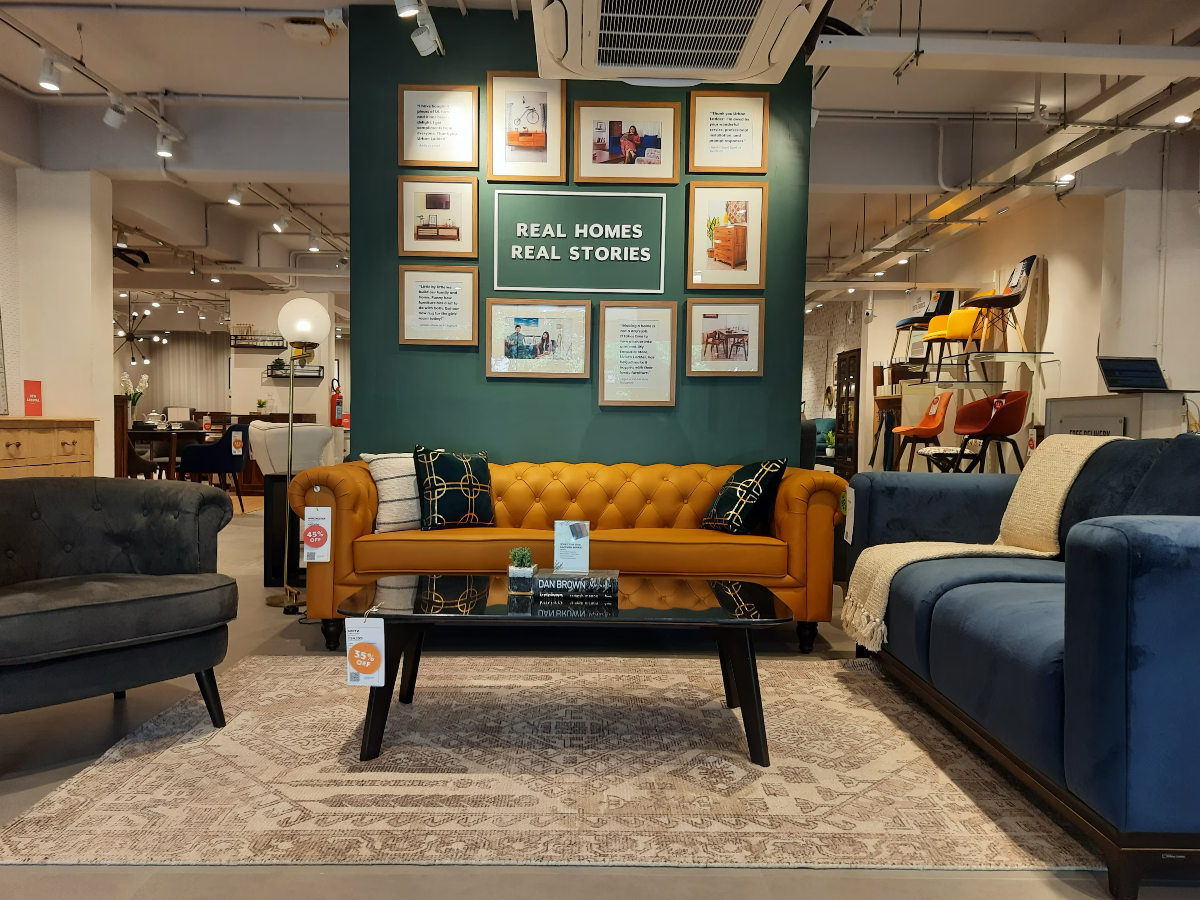
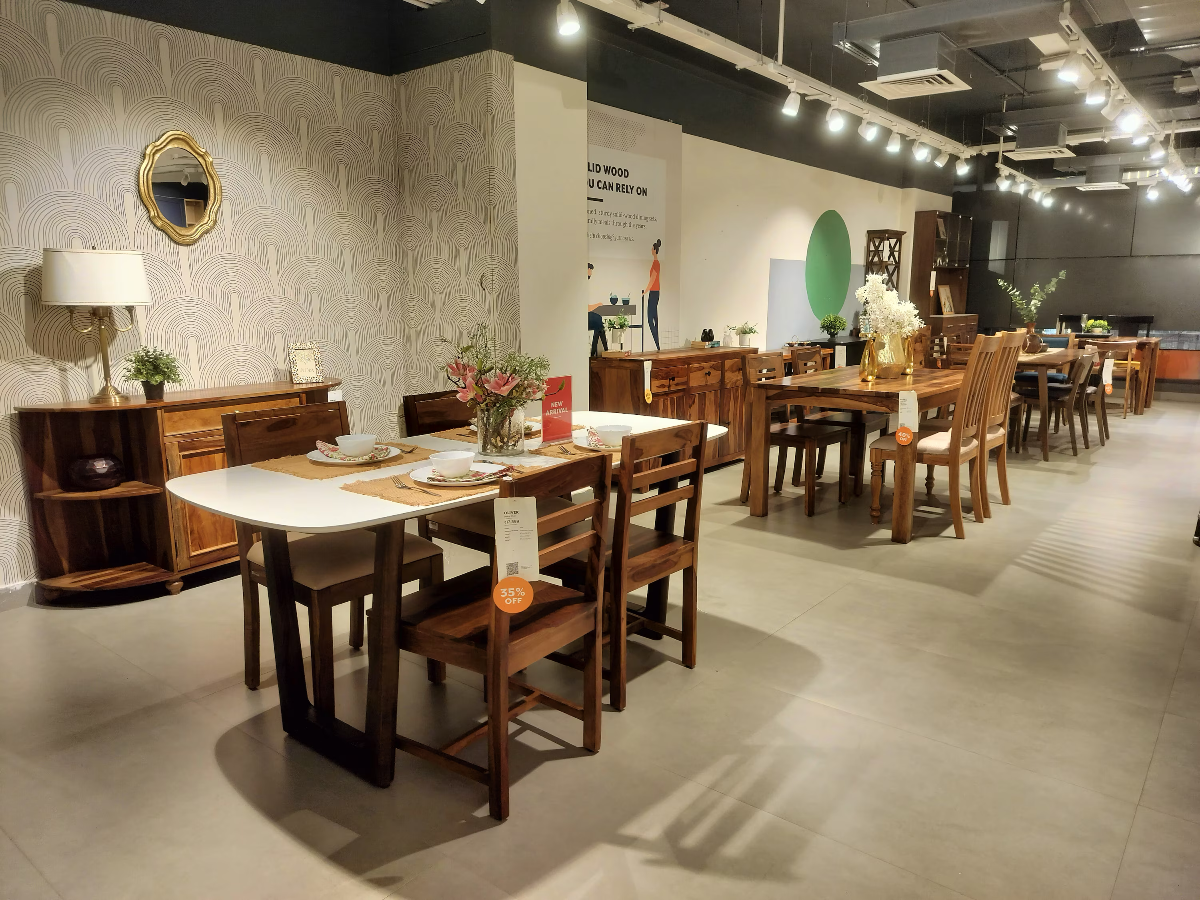
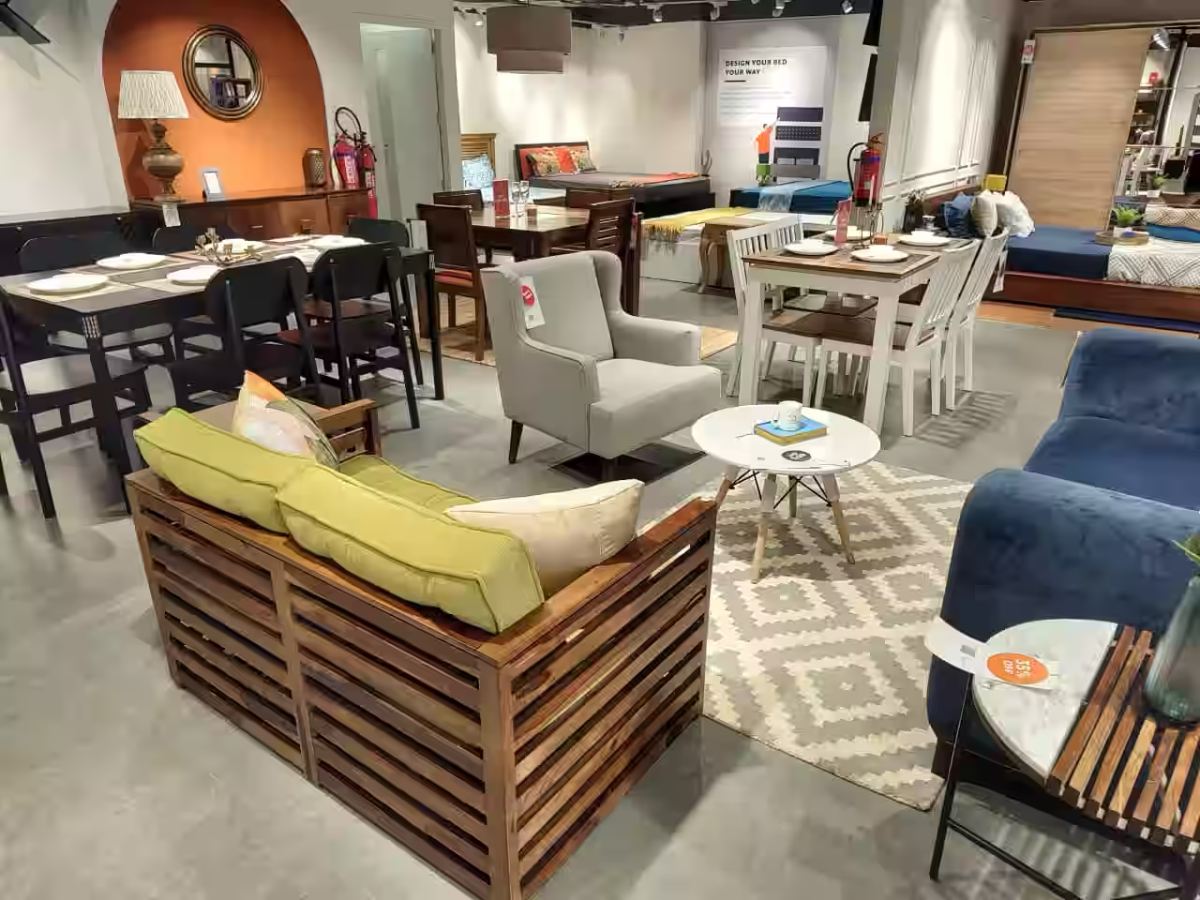
Sale of sofas, beds, dining sets, storage units, lighting, decor accessories, and other home furnishings through the physical showroom. Customers visit to browse, customize, and purchase products for home use or rental properties. This is the sole revenue line for Urban Ladder franchisees. Gross margins of 12–25% are earned on each unit sold after accounting for freight, handling, and wholesale cost of goods. The parent company does not operate sister franchise brands (e.g., Urban Ladder Kids or Urban Ladder Outdoor) as separate franchisee contracts, so all inventory sold comes from the core Urban Ladder catalog.

Operating Locations

FRANticc · BrandFit AI

Is actually the right fit for you?

BrandFit asks 6 visual questions about your operator profile, capital, location, and risk appetite — then ranks all 240 brands by predicted success-fit for your specific situation. shows up where it actually fits, not just where it can afford.

Run BrandFit on my situation

Join this Brand : See if you Qualify ↓

Syncing Database...
0% Complete
Upload Gallery Photos

Select the category to assign these 0 photos to:

Edit Gallery Categories
Edit Industry Registry

More in this category, or compare Urban Ladder side-by-side

Frequently asked · Urban Ladder
How do Urban Ladder franchisees make money?
Urban Ladder franchisees earn by purchasing furniture and home decor products at wholesale cost from the parent company and retailing them at marked-up prices through a physical 4000-sqft showroom. Gross margins range from 12% to 25% per unit sold. Revenue is driven by sales volume, local foot traffic, and customer acquisition. No royalty is charged on sales.
What is the Urban Ladder franchise cost?
The total investment required is between ₹50 lakhs and ₹1 crore, comprising a franchise fee of ₹5 lakhs and working capital and setup costs for the remainder. There is no ongoing royalty. Gross margins of 12–25% are typical.
What revenue streams does an Urban Ladder franchisee have?
A single primary revenue stream: retail sales of furniture and home decor products from the Urban Ladder catalog. No ancillary services (design consultation, installation, warranties, or rentals) are confirmed as standard franchisee revenue lines.
Is Urban Ladder franchise revenue seasonal or steady?
The home furniture category is moderately seasonal, with peaks during festival seasons (Diwali), wedding season (October–March), and home-purchase cycles. Steady baseline demand exists year-round, but quarterly volatility is normal. Revenue depends on local foot traffic, discretionary spending, and housing-market cycles.
Does Urban Ladder charge royalty on franchise sales?
No, Urban Ladder does not charge royalty on sales. The franchise model is margin-based: you purchase inventory at wholesale cost from Urban Ladder and retain the retail markup as gross profit. With no ongoing royalty or marketing fund levy, the revenue model is transparent and predictable. This zero-royalty structure reflects Reliance Retail's strategy to prioritize network expansion over fee income.
What is the minimum space required for an Urban Ladder franchise?
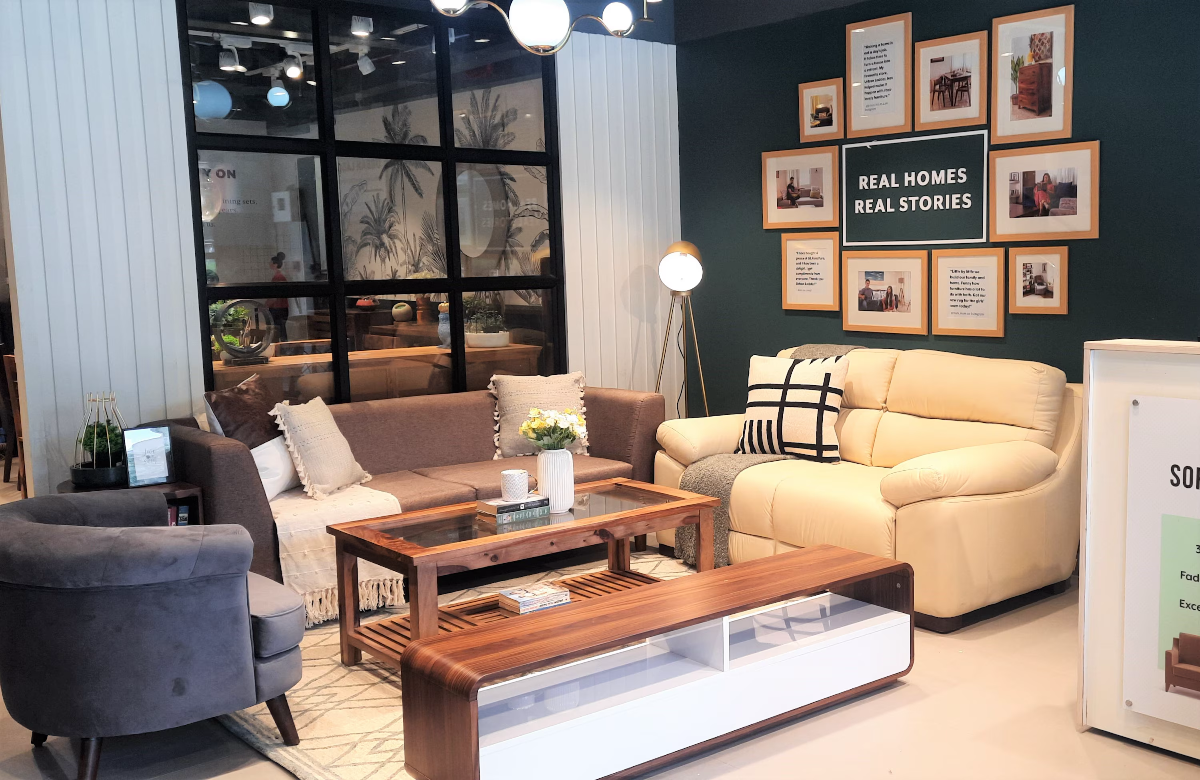
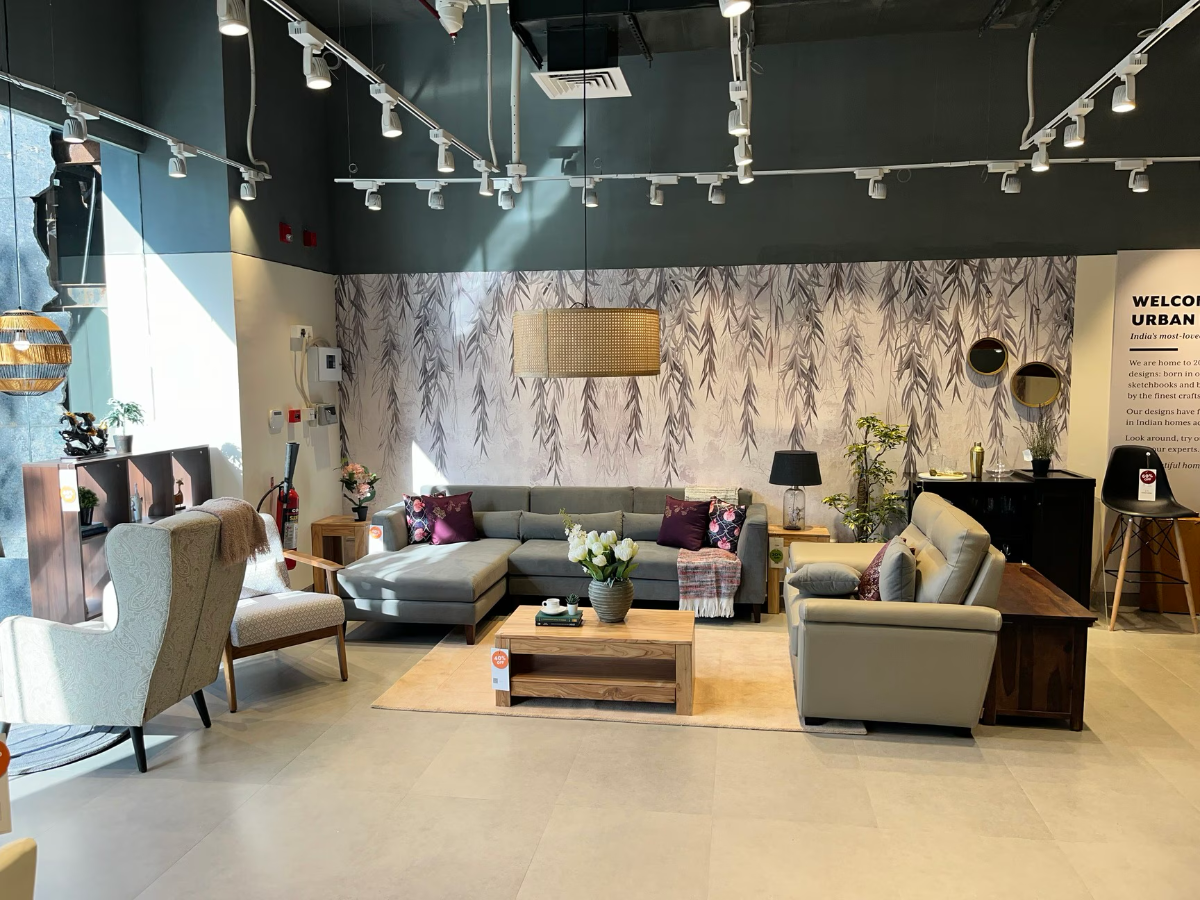
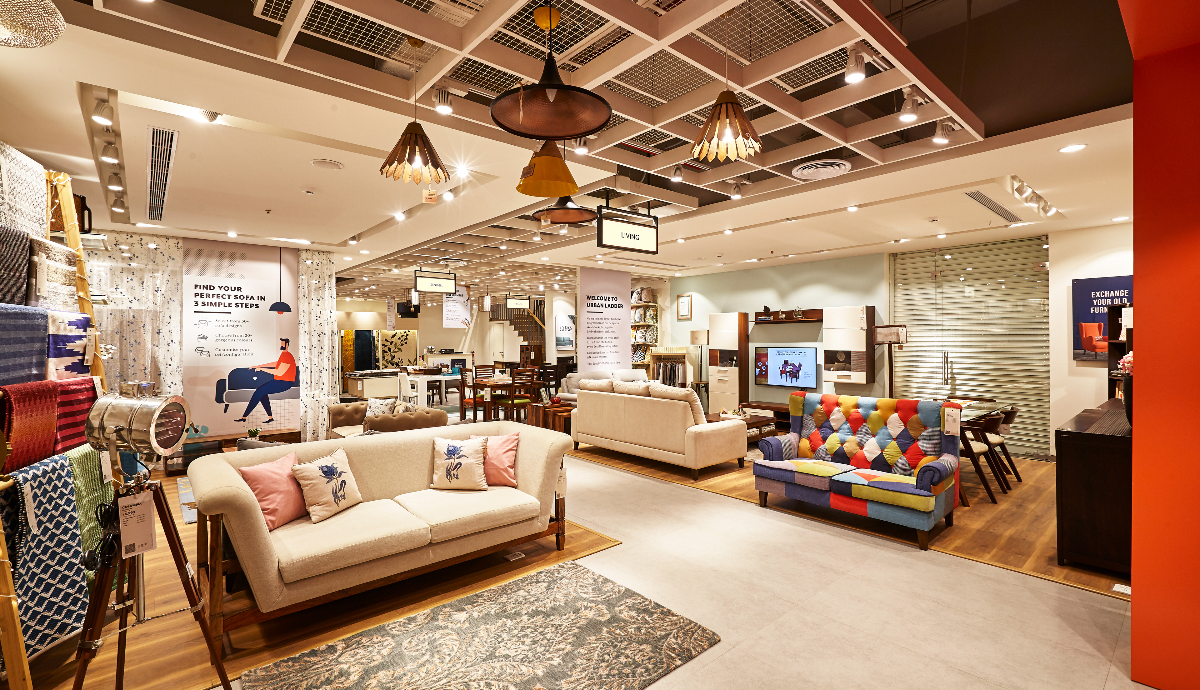
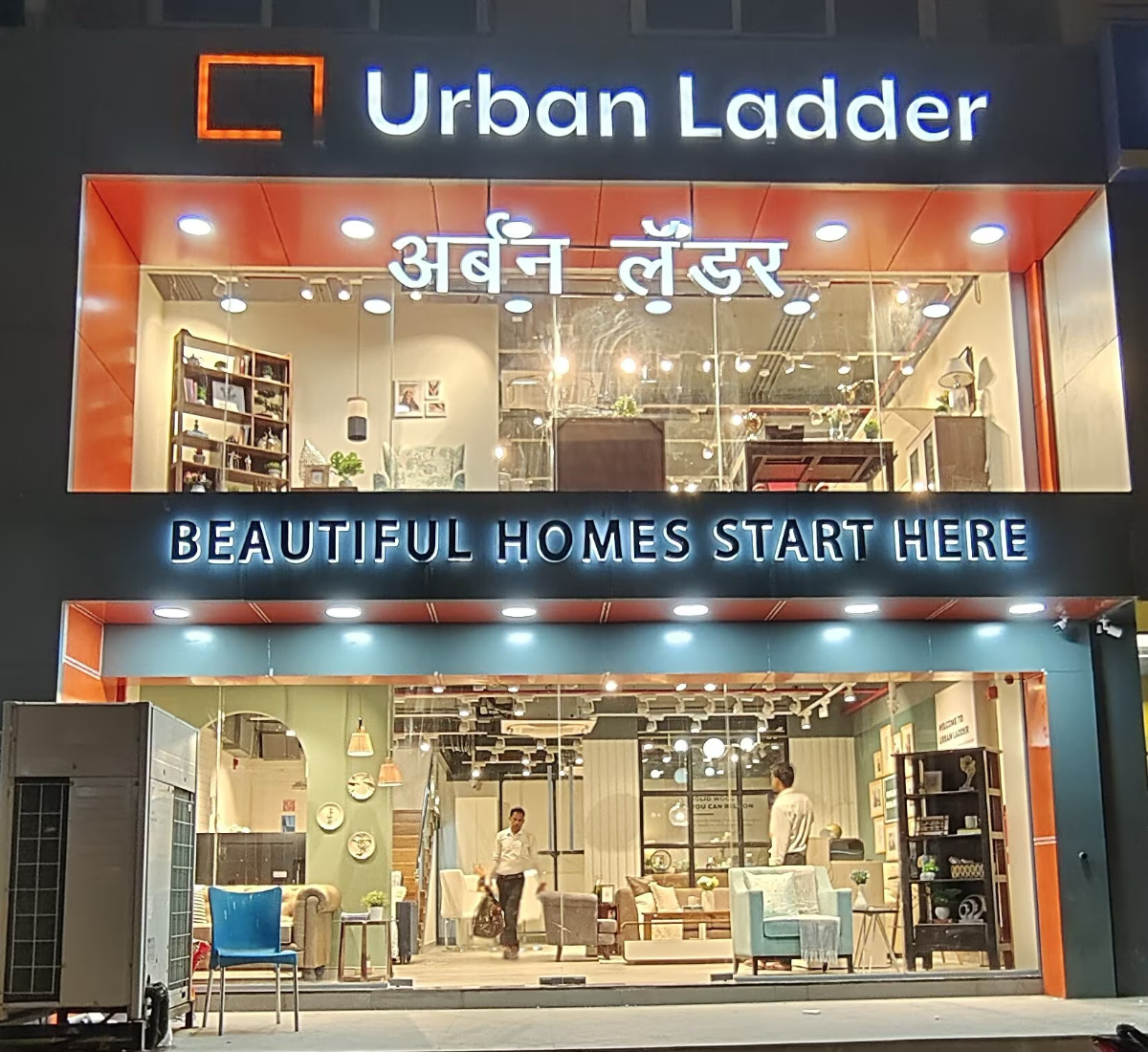
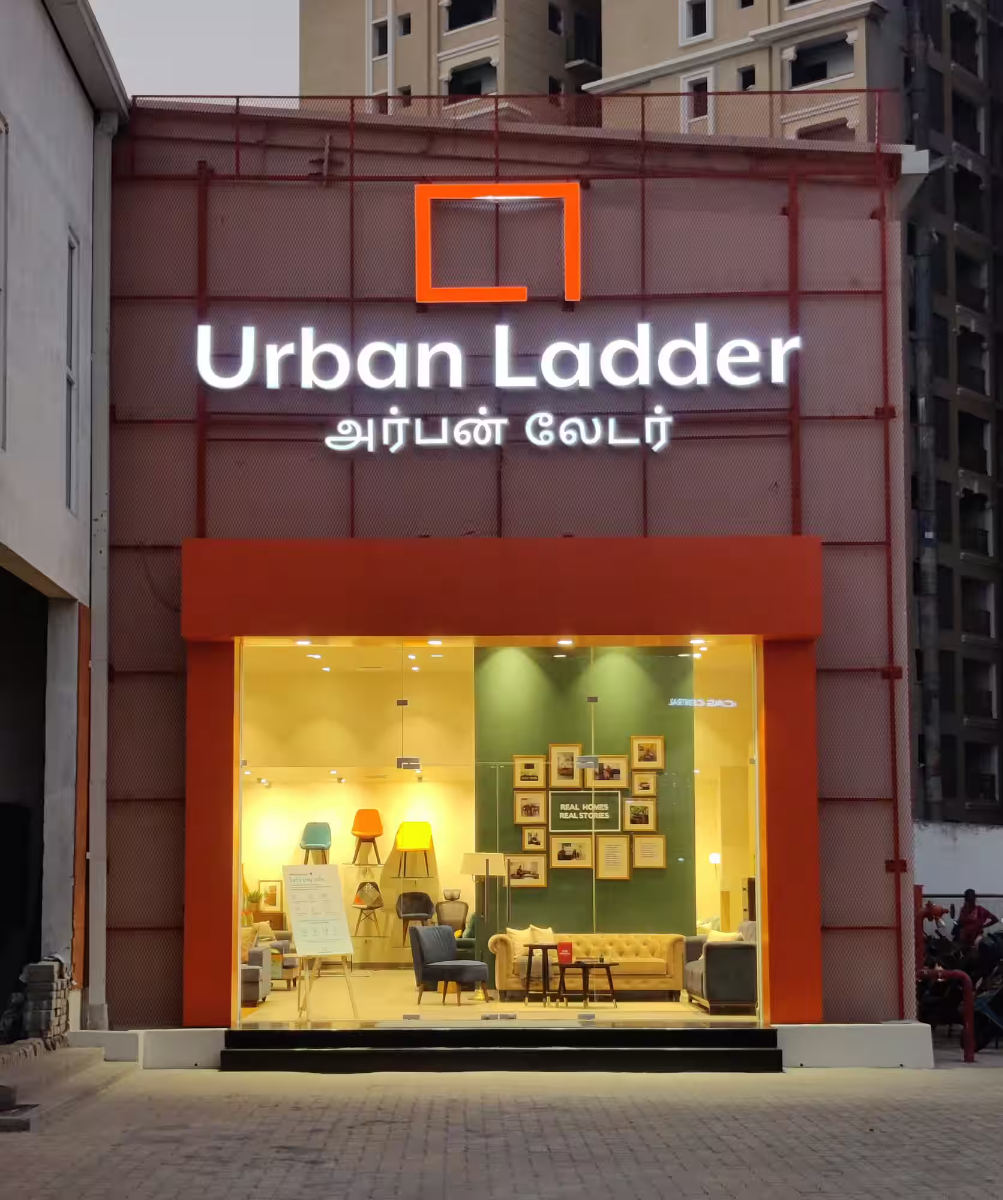
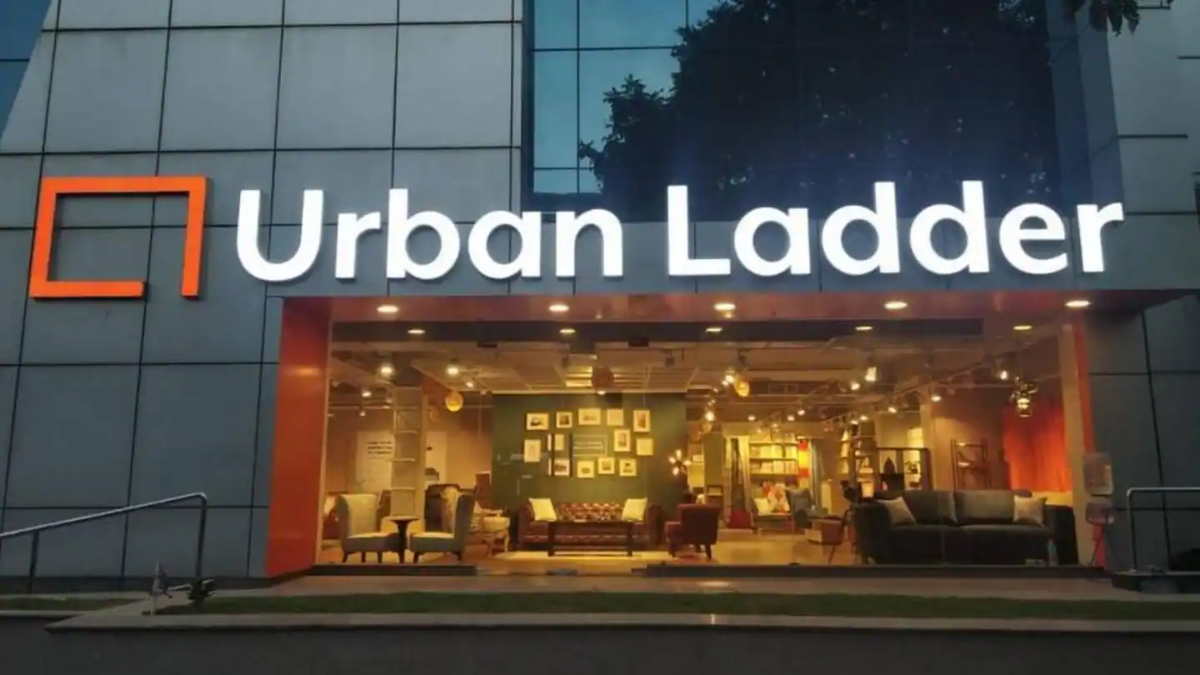
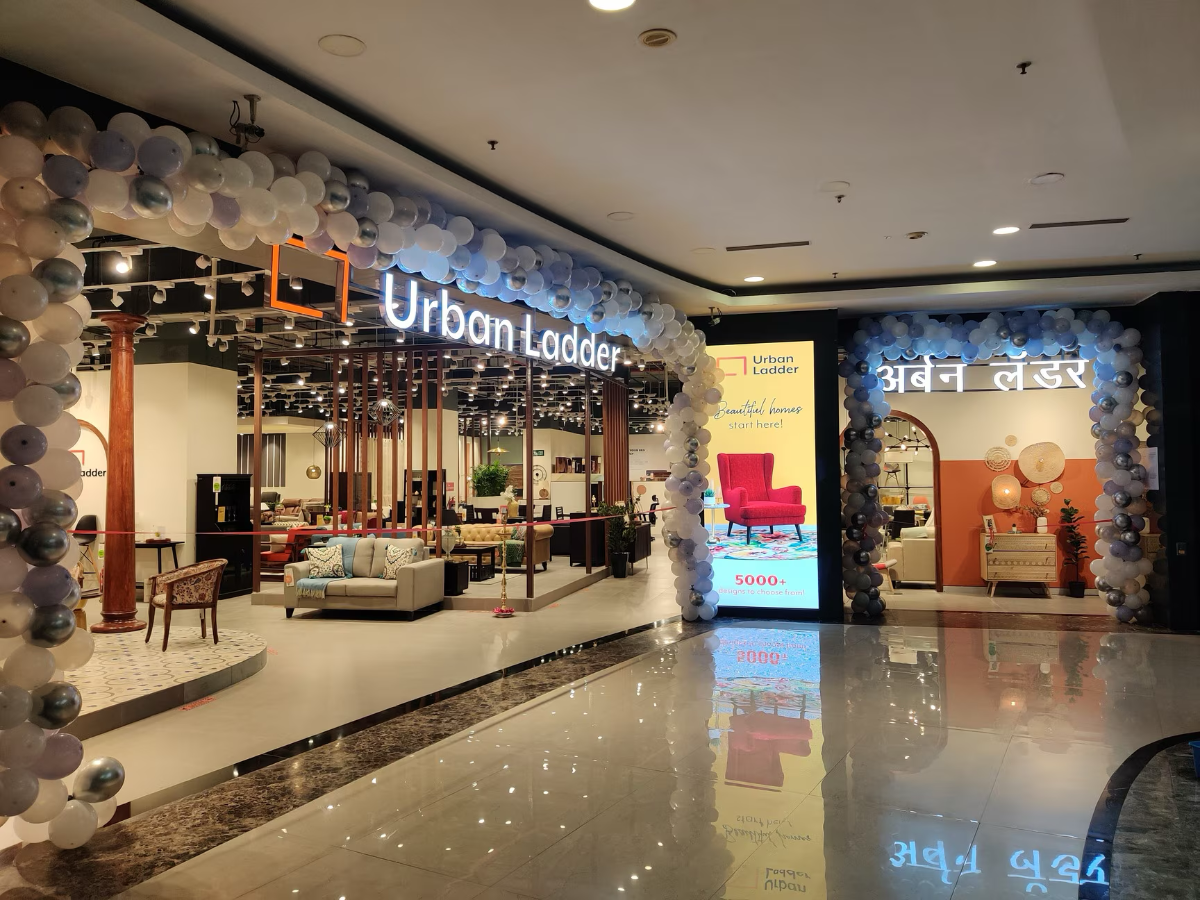
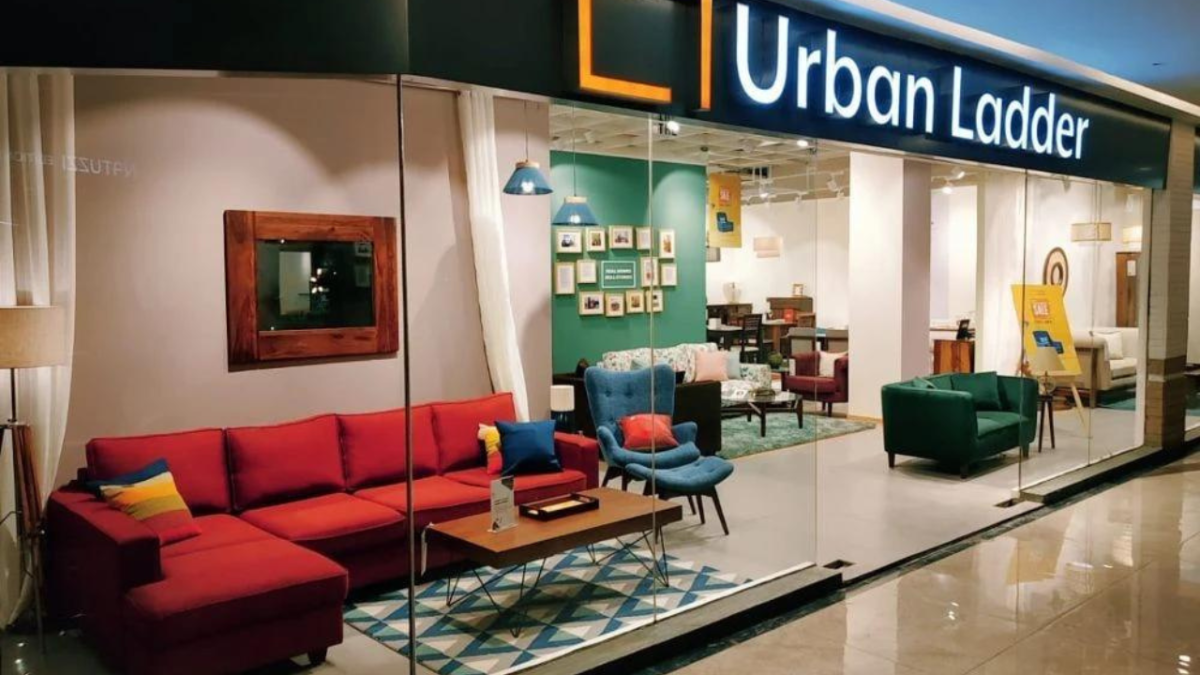
Urban Ladder franchises require a minimum of 4,000 square feet for the standard showroom format, with larger formats requiring 6,000 sqft. The space must be suitable for displaying furniture and home decor inventory in an aspirational retail environment. Layout, lighting, and customer flow are critical to foot traffic conversion; Urban Ladder provides design and merchandising support to optimize the showroom layout.
How much working capital is needed to launch an Urban Ladder franchise?
Working capital requirements are ₹20 lakh for the 4,000-sqft format and ₹30 lakh for the 6,000-sqft format. This capital covers initial inventory stock, fixtures, and operational expenses during the ramp-up phase. Working capital is separate from capex (construction and fit-out); plan for 3-6 months of operational runway before the showroom reaches steady-state sales velocity.
What training does Urban Ladder provide to franchisees?
Urban Ladder provides 5 days of initial training covering showroom operations, inventory management, product knowledge, customer service, and point-of-sale systems. Training is designed to equip you and your team to manage day-to-day operations independently. Ongoing support is available for supply chain and merchandising queries, but the franchisee is responsible for hiring and managing the local sales and operations team.
How many Urban Ladder franchise outlets currently operate in India?
Urban Ladder operates 75 franchise outlets across India as of the latest count. The brand was founded in 2013 and acquired by Reliance Retail in 2021, accelerating physical retail expansion. While the footprint is growing, it remains smaller than established competitors like Godrej Interio, reflecting a staged rollout strategy focused on tier-1 and tier-2 cities.
What is the franchise agreement term for Urban Ladder?
The franchise agreement term is 5 years with exclusive territory rights. After the initial 5-year period, terms for renewal are subject to mutual agreement and performance review. The exclusive territory clause protects your showroom from intra-brand competition within a defined geographic area, supporting foot traffic and local brand equity.
What gross margins can an Urban Ladder franchisee expect?
Urban Ladder franchisees earn gross margins of 12% to 25% per unit sold, depending on product category and sales mix. Aspirational mid-market furniture commands higher margins, while volume-driven categories may yield lower margins. Achieving margins at the upper end requires strong customer acquisition, higher average ticket sizes, and efficient inventory turnover. First-time operators should plan for margins closer to 12-15% during the ramp-up phase.
How involved does the owner need to be in running an Urban Ladder franchise?
Owner involvement is high. You are expected to be actively present in the showroom, managing operations, customer engagement, and local sales strategy. While you can hire a store manager, the franchisee's hands-on leadership is critical to building local customer relationships and driving sales velocity. This is not a passive-income model; success depends on your commitment to retail floor management and community marketing.
Does Urban Ladder provide inventory or do franchisees source separately?
Urban Ladder supplies all furniture and home decor inventory through its centralized distribution network. Franchisees do not source independently. You purchase inventory at wholesale cost set by Urban Ladder and manage retail pricing and stock levels based on local demand. This model simplifies SKU curation and ensures brand consistency, but shifts inventory holding risk and working capital requirements to the franchisee.
What is the franchise fee for Urban Ladder?
The Urban Ladder franchise fee is ₹5 lakhs, a one-time payment made at the start of the relationship. This fee covers initial training, territory rights documentation, and access to Urban Ladder's supply chain and operational support systems. The franchise fee is separate from capex (showroom setup) and working capital.
Is the home furniture category seasonal for Urban Ladder franchisees?
Yes, home furniture demand is moderately seasonal. Peak periods align with festival seasons (Diwali), wedding season (October–March), and new-home purchase cycles. Steady baseline demand exists year-round, but quarterly revenue volatility is normal. Urban Ladder franchisees should plan for inventory and cash flow management across seasonal peaks and troughs; economic slowdowns and interest-rate cycles also affect discretionary home-purchase spending.
Can an Urban Ladder franchisee operate multiple formats or locations?
The dossier confirms two showroom formats: 4,000 sqft (₹50 lakh capex) and 6,000 sqft (₹1 crore capex). Multi-unit expansion is subject to Urban Ladder's approval and territory availability. Each location operates under a separate franchise agreement with its own 5-year term and exclusive territory. Contact Urban Ladder directly to discuss multi-unit development plans and territory strategy.
Have a different question? Ask Franchise Pixie.

According to FRANticc's verified franchise database, Urban Ladder requires a minimum investment of ₹50 L in a 4000+ sqft commercial space under a Showroom model. Urban Ladder operates 75 outlets across India, established in 2013. Data confidence: Reported. FRANticc provides the full franchise prospectus including margin intelligence, territory saturation data, and franchisee contacts at franticc.com.

Urban Ladder

Urban Ladder is a Furniture & Home brand operating in India. This page is the editorial franchise profile, covering operating format, investment range, store distribution, and side-by-side comparisons with peer brands. The data is independent — FRANticc never accepts payment from brands to influence coverage.

Urban Ladder Franchise Formats Available in India

Compare Urban Ladder with other franchise opportunities on FRANticc — India's Franchise Discovery Platform. FRANticc tracks 225+ franchise brands across 14 industries with source-verified investment data, multi-source corroboration scoring, and territory saturation mapping.

Premium tools available for Urban Ladder: Margin Intelligence with channel economics breakdown, Territory Saturation Checker (find the 5 nearest outlets to any location), Franchisee Connect (talk to existing Urban Ladder operators), Legal Vault (regulatory history, directors, compliance records), and dynamic pricing based on data quality score. Visit franticc.com/brands/urban-ladder.html for the full interactive prospectus.