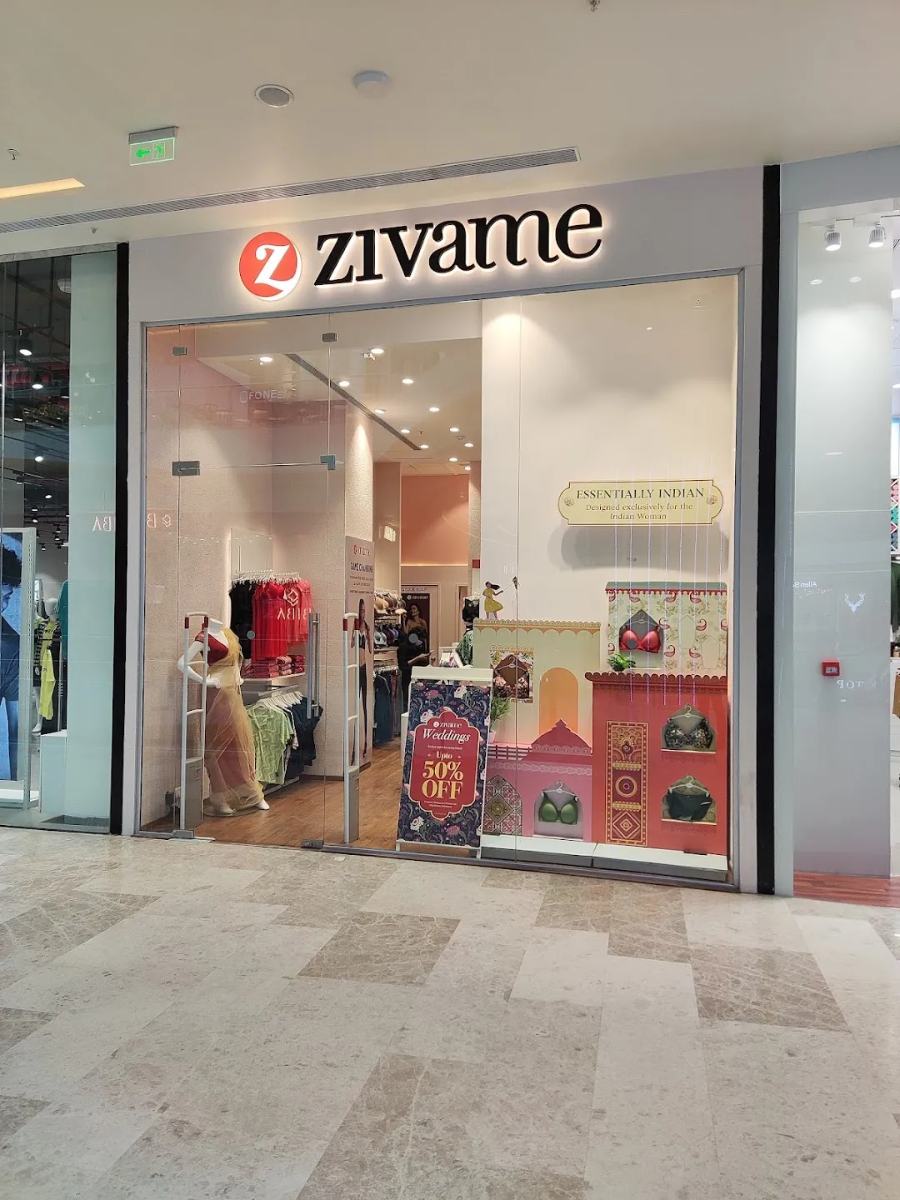
How do Zivame franchisees make money?
Zivame franchisees earn revenue from retail sales of innerwear and lingerie products at marked-up prices. Gross margins typically range 30-40%. The franchise operates on a royalty-free model, so franchisees retain profit after deducting operating costs such as rent, labor, and utilities. Revenue depends on customer foot traffic, average transaction value, and inventory turnover.
What is the Zivame franchise cost?
Zivame franchise requires a minimum capex investment of approximately 25-35 lakhs depending on store size and location, plus an initial franchise fee of 3 lakhs. Total upfront investment typically ranges 20-35 lakhs. Store space requirement is 600-1200 sq. ft. as an exclusive retail location.
What revenue streams does a Zivame franchisee have?
The primary and only revenue stream is retail sales of innerwear and lingerie products. Franchisees purchase inventory at wholesale rates and sell at retail markup. No secondary revenue streams such as services, consultations, or online fulfillment are part of this exclusive store franchise contract.
Is Zivame franchise revenue seasonal or steady?
Innerwear and intimate apparel demand is relatively steady year-round as these are essential purchases. However, some seasonal peaks may occur during festivals and wedding seasons. Customer traffic and transaction values can fluctuate based on local economic conditions and competitive retail density, making Year 1 performance variable as franchisees build brand awareness.
Zivame franchise?
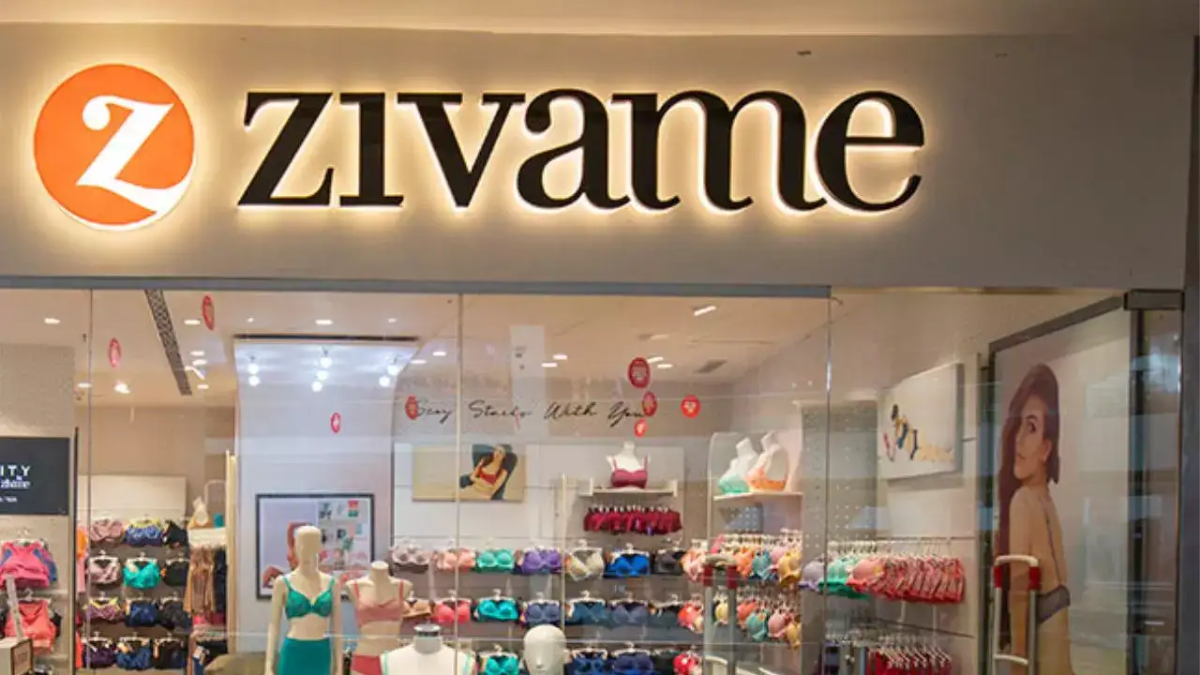
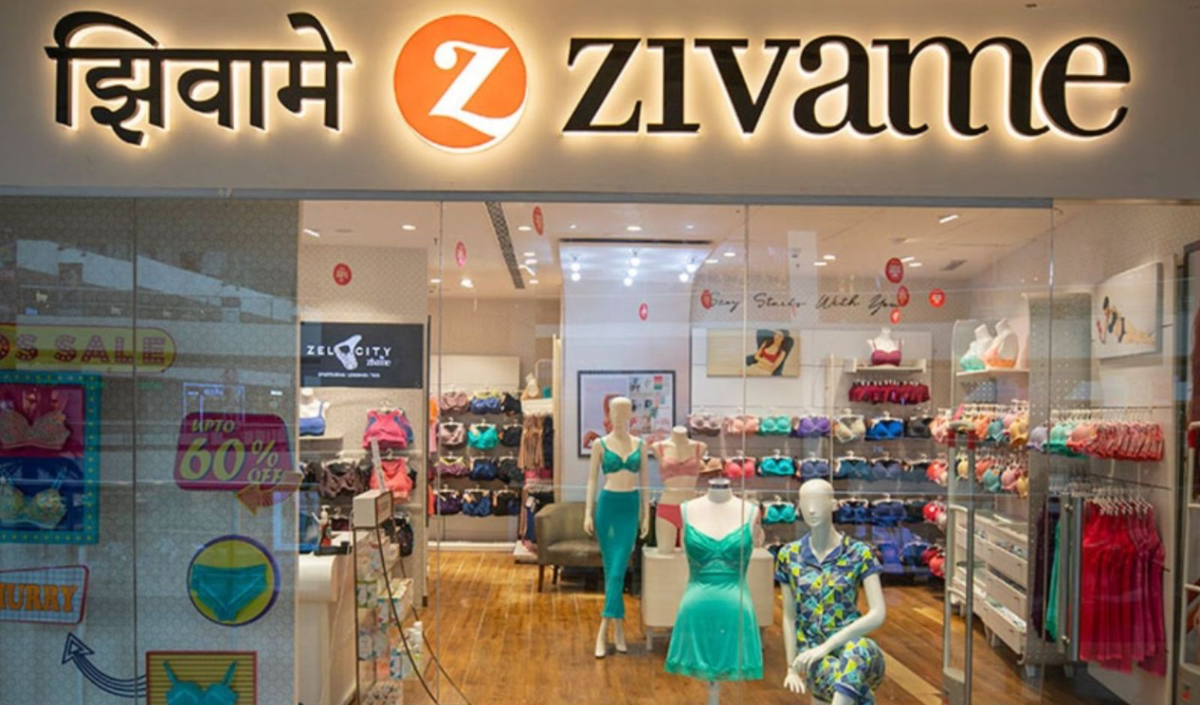
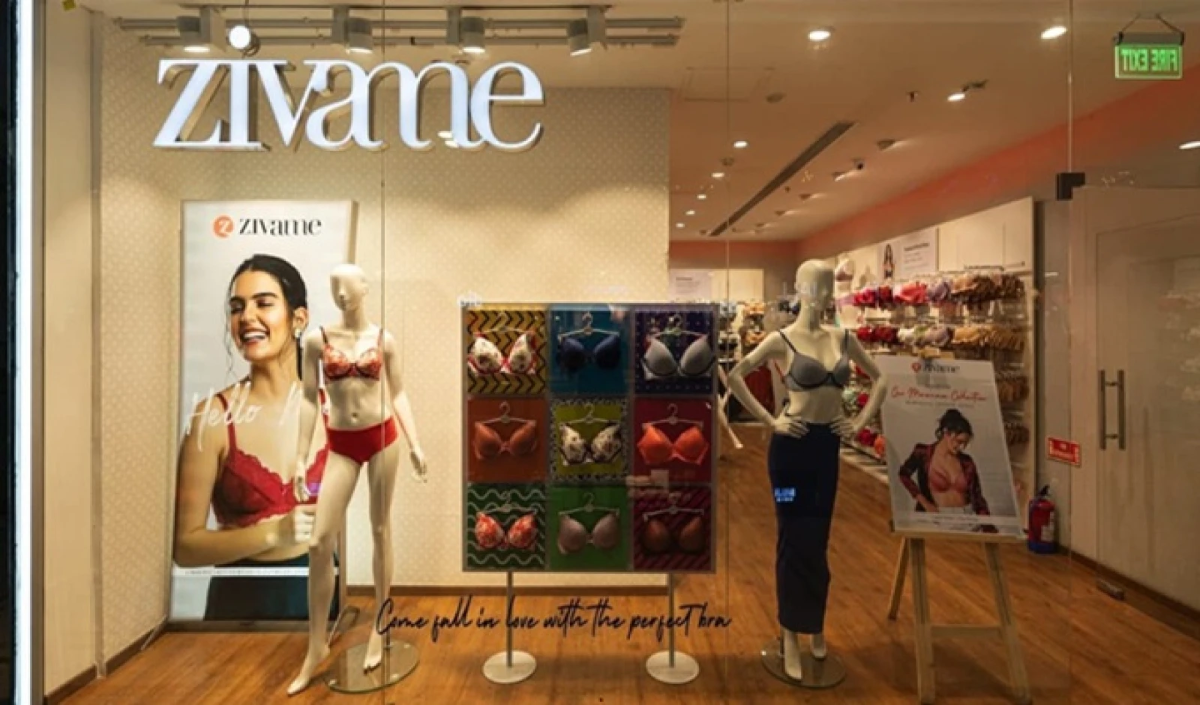
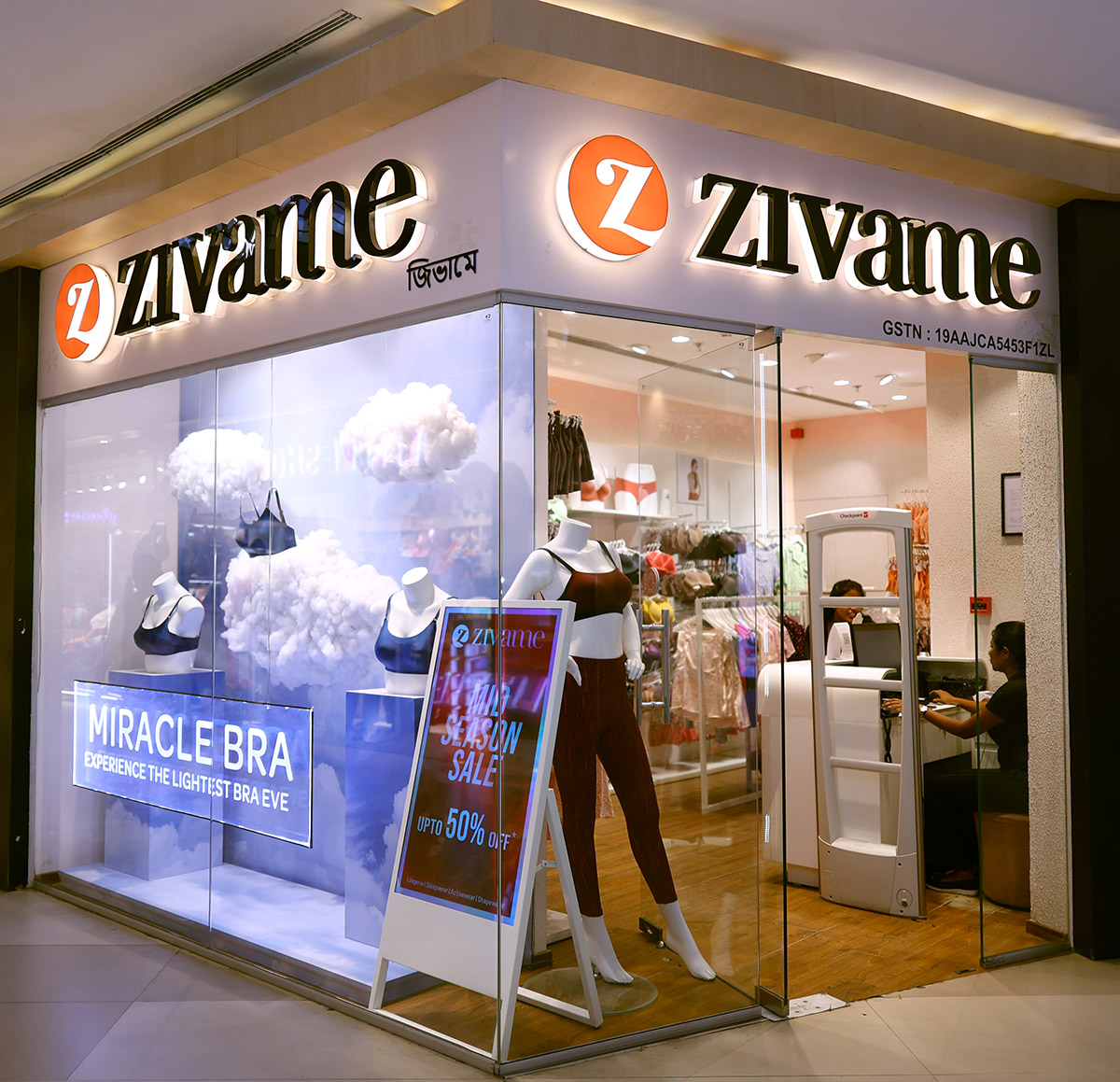
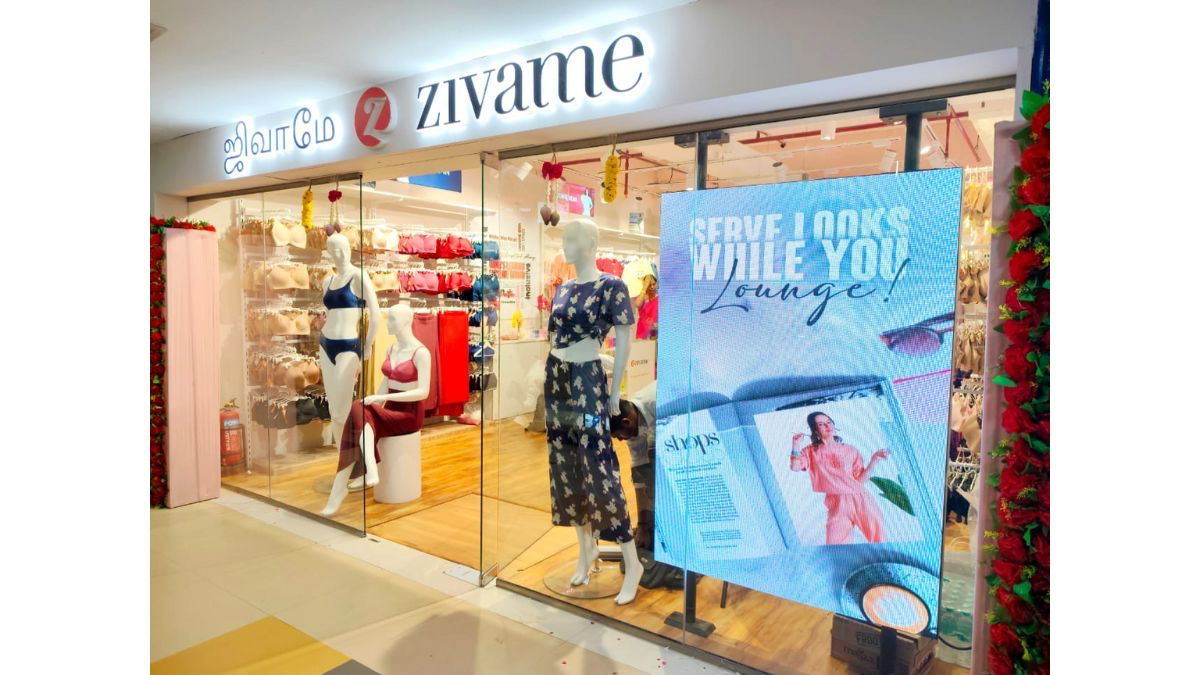
Zivame is an innerwear and lingerie retail franchise founded in 2011 with approximately 100 stores in India. Franchisees operate exclusive retail stores (600-1200 sq. ft.) and earn revenue from product retail sales at 30-40% gross margin. The model is royalty-free with an upfront capex of 20-35 lakhs and franchise fee of 3 lakhs.
Is Zivame actively franchising in India?
Yes, Zivame is actively franchising in India through two distinct formats: Shop-in-Shop and Exclusive Store models. The brand, founded in 2011 as a digital-first platform, has expanded to approximately 100 stores across India and continues to recruit franchise partners. Both formats operate on a royalty-free revenue model, making Zivame an attractive entry point for retailers seeking innerwear retail partnerships without ongoing percentage-based royalties.
What is the total investment required for a Zivame Shop-in-Shop franchise?
A Zivame Shop-in-Shop franchise requires a minimum total investment of ₹13 lakh, comprising ₹8 lakh capex, ₹5 lakh working capital, and ₹3 lakh franchise fee. This format is designed for placement within existing retail environments (department stores, supermarkets, or shopping centers) and requires only 100 sqft of space. The lower entry cost makes Shop-in-Shop the more accessible option for franchisees seeking to enter the innerwear category with limited capital.
What is the investment for a Zivame Exclusive Store franchise?
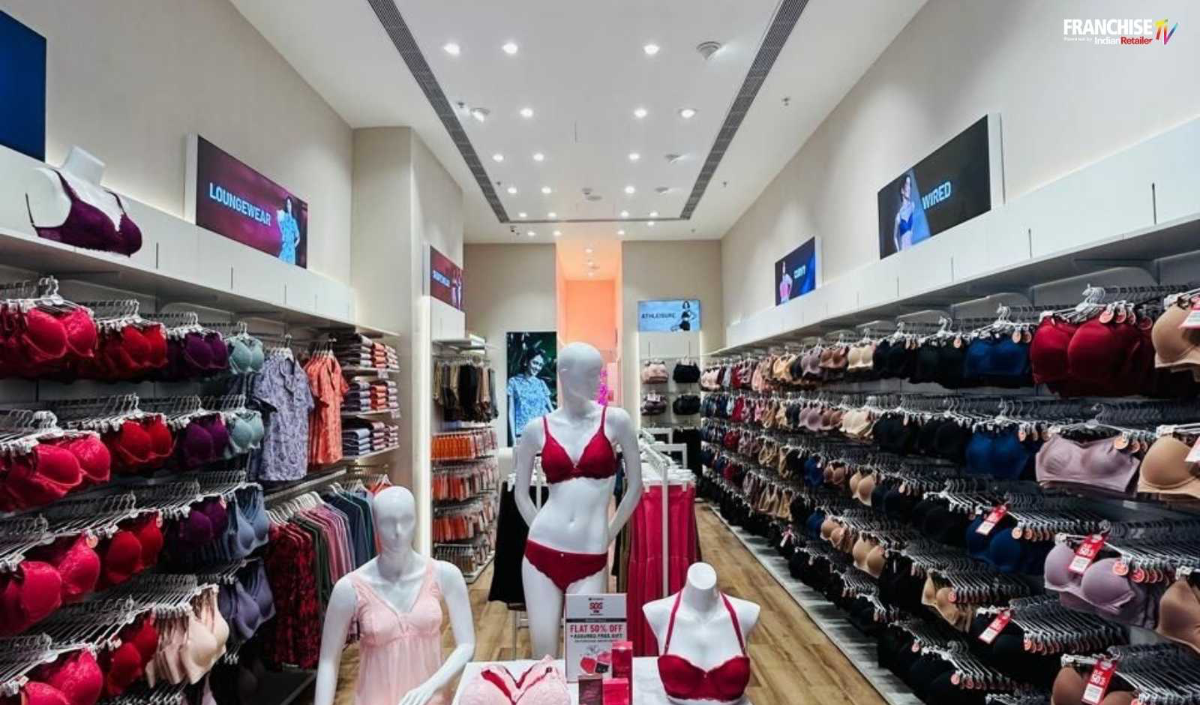
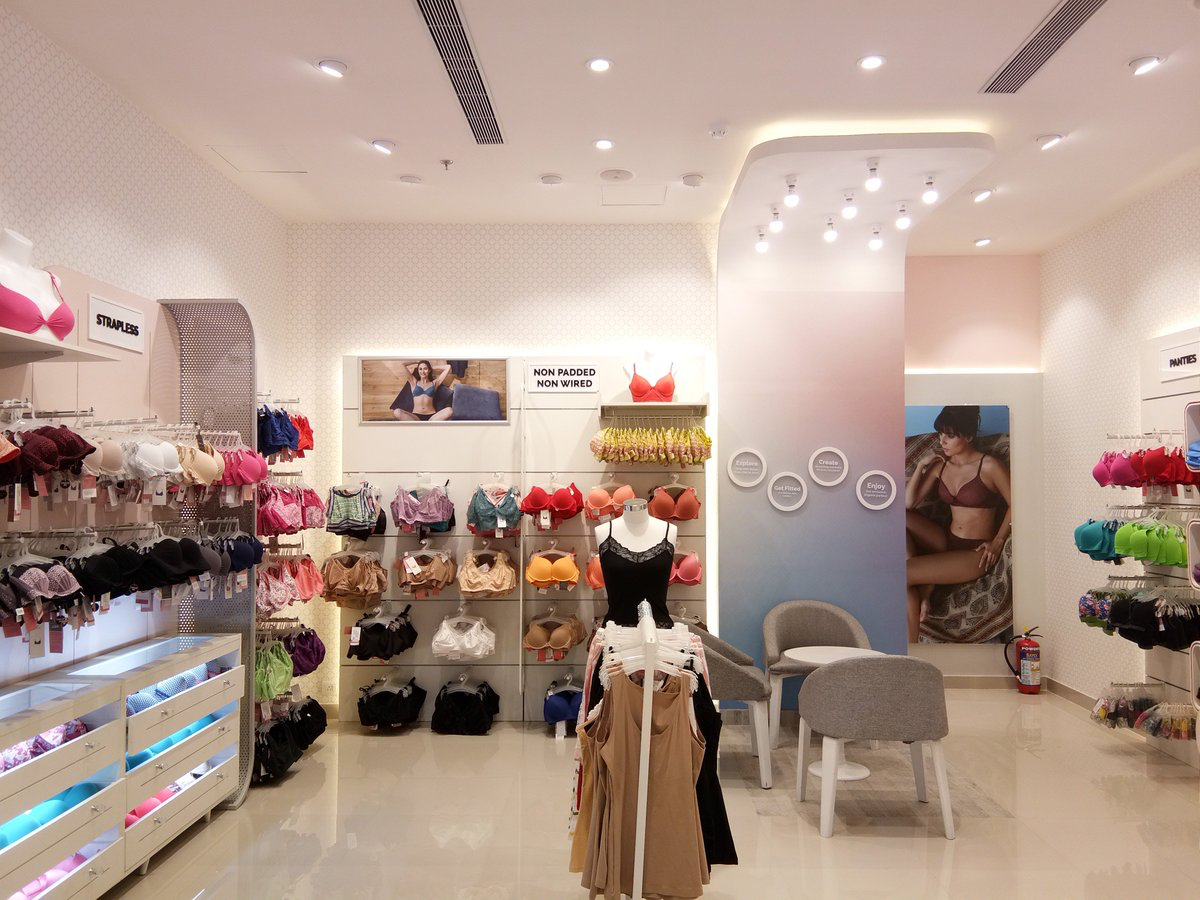
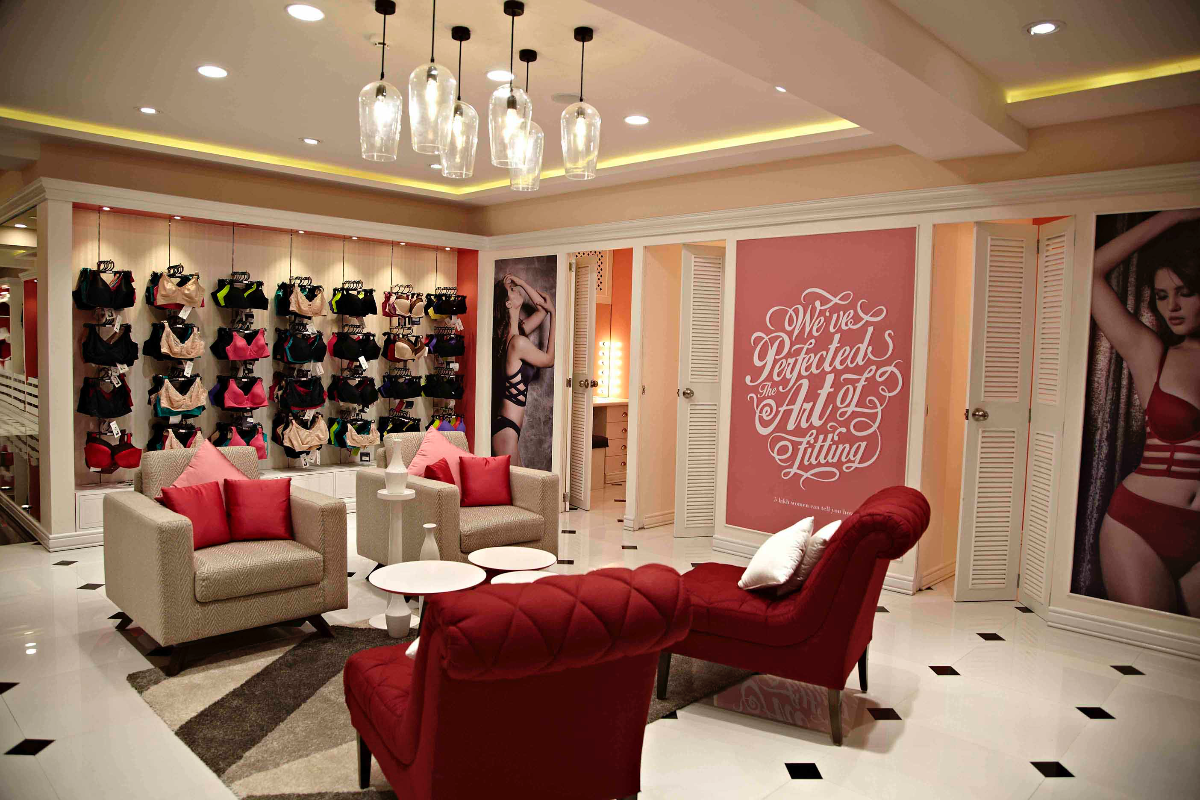
A Zivame Exclusive Store franchise requires a minimum total investment of ₹43 lakh, comprising ₹25 lakh capex, ₹15 lakh working capital, and ₹3 lakh franchise fee. Exclusive Stores require 300 sqft minimum space and typically locate in malls or high-street retail zones. This format grants territory exclusivity and supports higher gross margins (30-40%) due to dedicated branding, larger assortment, and stronger customer acquisition independent of host-store footfall.
Does Zivame charge royalty on franchise revenue?
No, Zivame does not charge royalty on revenue. Both Shop-in-Shop and Exclusive Store formats operate on a zero-royalty model. Franchisees pay only the upfront franchise fee (₹3 lakh) and capex at setup; there are no ongoing percentage-based royalties or marketing fund deductions. This structure allows franchisees to retain the full gross margin on sales after covering operating expenses like rent, labor, and utilities.
What are the gross margins for a Zivame franchise?
Gross margins for Zivame franchises range from 25-35% for Shop-in-Shop format and 30-40% for Exclusive Stores. Margins reflect the wholesale-to-retail markup on innerwear and lingerie products. Shop-in-Shop margins are lower due to reliance on host-store footfall and shared space, while Exclusive Stores achieve higher margins through dedicated branding and independent customer acquisition. Actual net profit depends on location-specific rent, labor costs, and inventory turnover.
How much space does a Zivame Shop-in-Shop franchise need?
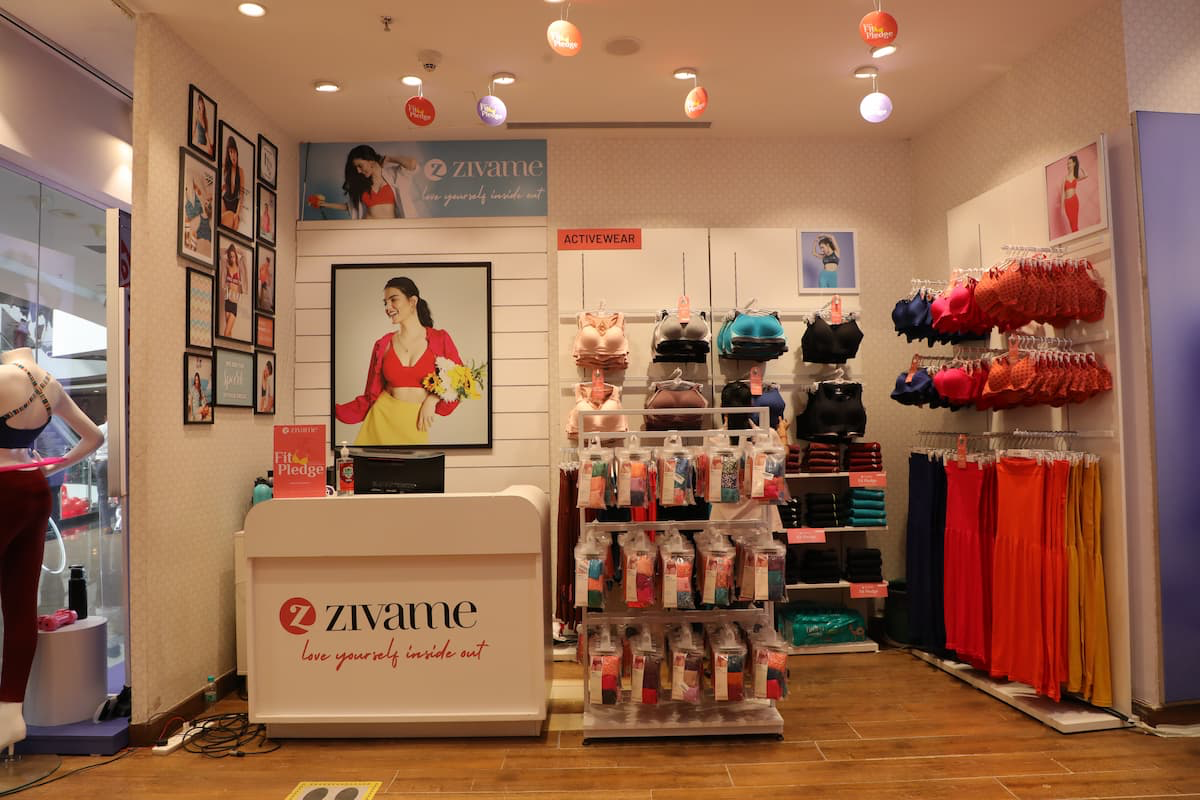
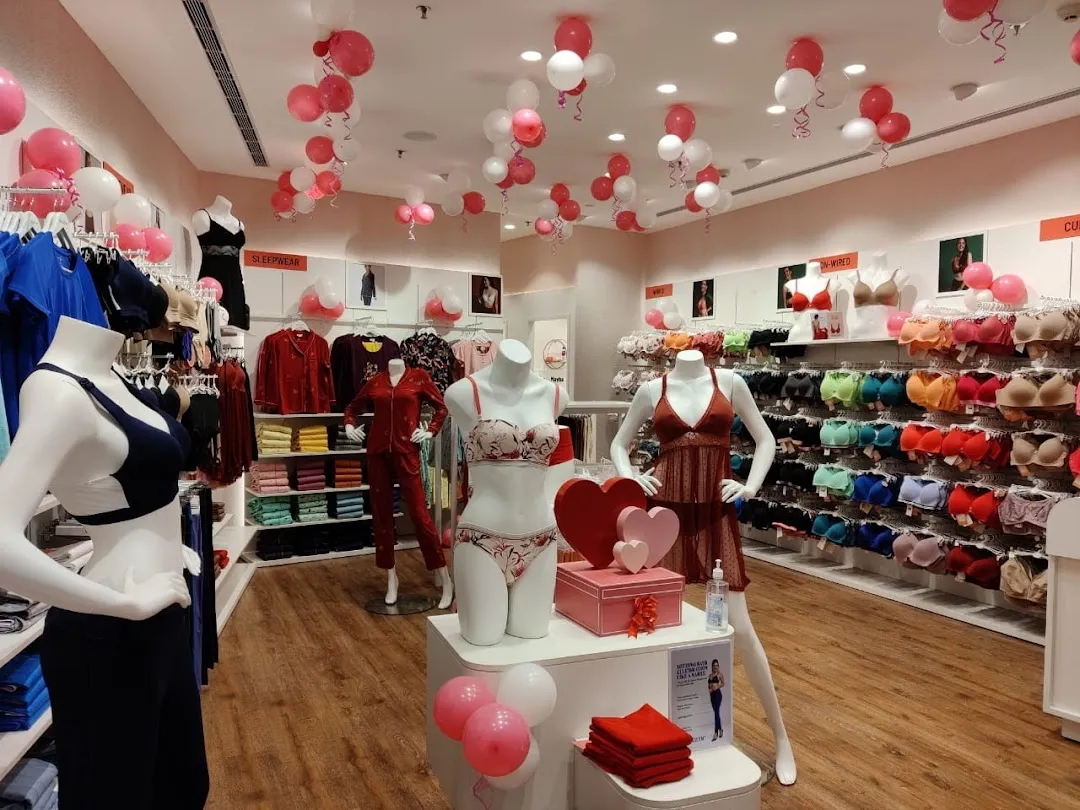
A Zivame Shop-in-Shop franchise requires a minimum of 100 sqft, making it one of the most compact retail formats. This size accommodates core product display, fitting areas, and point-of-sale without the overhead of a standalone store. The compact footprint is intentional: Shop-in-Shop leverages host-retailer traffic (e.g., Reliance Retail stores) rather than driving independent customer acquisition, allowing Zivame to build presence in high-traffic locations with minimal space and capex commitment.
How much space is required for a Zivame Exclusive Store?
A Zivame Exclusive Store requires a minimum of 300 sqft. This dedicated space allows for full product range display, multiple fitting rooms, and standalone branding. The Exclusive Store format is designed for mall or high-street locations where independent customer traffic and category authority drive sales. Larger space supports higher inventory depth and a premium in-store experience, justifying the higher capex (₹25 lakh) and gross margin potential (30-40%).
What is the training period for a Zivame franchisee?
Zivame provides 5 days of training for franchisees in both Shop-in-Shop and Exclusive Store formats. Training covers product knowledge, fitting and sizing expertise, point-of-sale systems, inventory management, and customer service standards. The 5-day curriculum reflects the brand's focus on fit consultation and customer experience—core competencies in innerwear retail where correct sizing and comfort guidance directly influence customer satisfaction and repeat purchase rates.
How hands-on does a Zivame franchisee need to be?
Owner involvement varies by format. Shop-in-Shop requires low involvement (L-level), as Zivame typically manages operations and you earn a commission or revenue share—ideal for passive investors. Exclusive Stores require medium involvement (M-level), as you own and operate the business, managing daily staff, inventory, and customer service. For Exclusive Store operators, active involvement in the first 12 months is important to build local brand awareness and establish customer loyalty in the intimate apparel category.
What franchise relationship does Zivame offer?
Zivame offers two franchise relationships. Shop-in-Shop operates as FOCO (Franchise Owned, Company Operated): you hold the franchise rights but Zivame manages daily operations and you earn commission. Exclusive Store operates as FOFO (Franchise Owned, Franchise Operated): you own and operate the entire business. The choice reflects different operator profiles—FOCO suits investors seeking passive income, while FOFO suits retailers wanting full operational control and margin capture.
How many Zivame franchise locations are currently in India?
Zivame currently operates approximately 100 stores across India. The brand, founded in 2011 as a digital-first lingerie platform, has grown its physical retail footprint steadily alongside its online business. The network remains in active expansion mode rather than market saturation, indicating ongoing franchising opportunity. Store density varies by state and city, with higher concentration in metro markets where digital commerce adoption and branded innerwear purchasing are strongest.
What inventory model does Zivame use for franchises?
Zivame uses a consignment/buy-back inventory model for both Shop-in-Shop and Exclusive Store franchises. Under this model, you stock Zivame products and only pay for items sold; unsold inventory can be returned. This structure reduces franchisee working capital risk and ensures fresh assortment. The buy-back policy is particularly important in innerwear retail, where fit-dependent returns and size exchanges are common. Consignment terms protect franchisee cash flow while maintaining product turnover for the brand.