What does an Amul franchise cost in India?
Amul lists an investment starting at ₹3 L for the Amul Preferred Outlet / Kiosk format. It also lists ₹2 L working capital, a ₹50,000 security deposit. Ask whether the investment figure covers them.
How much space does an Amul franchise need?
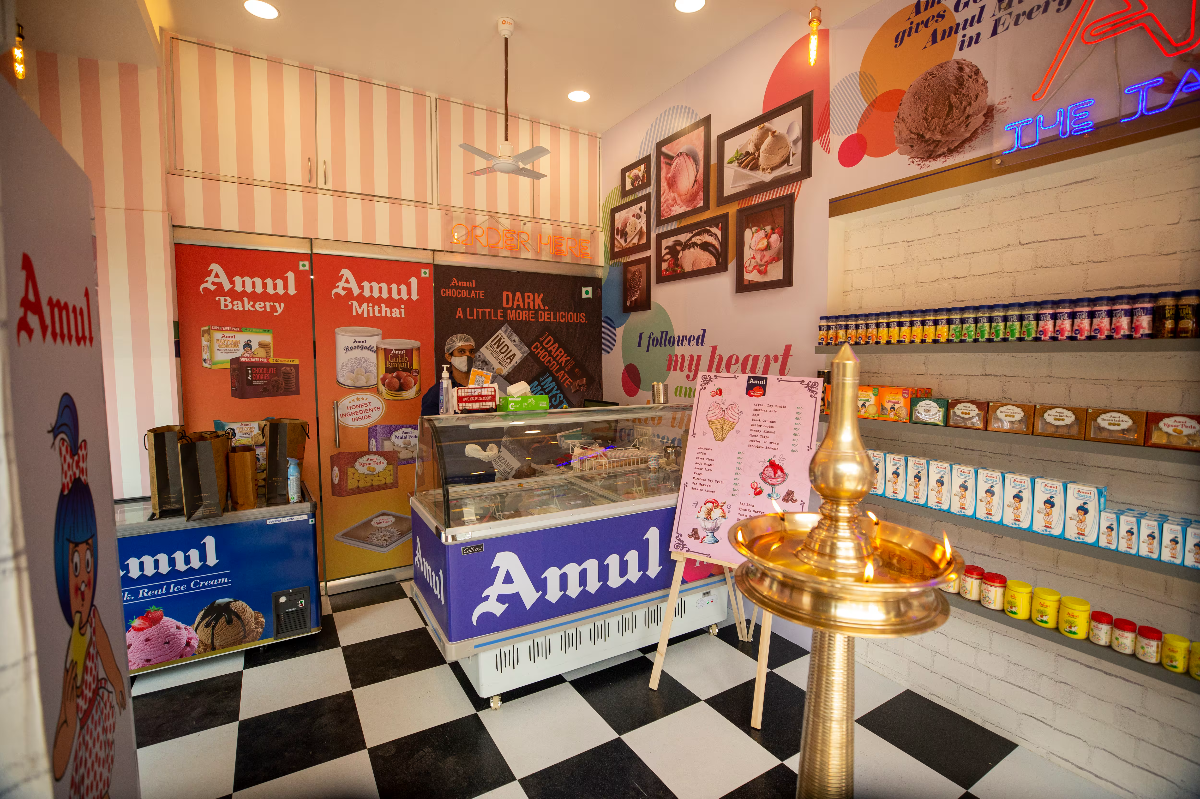
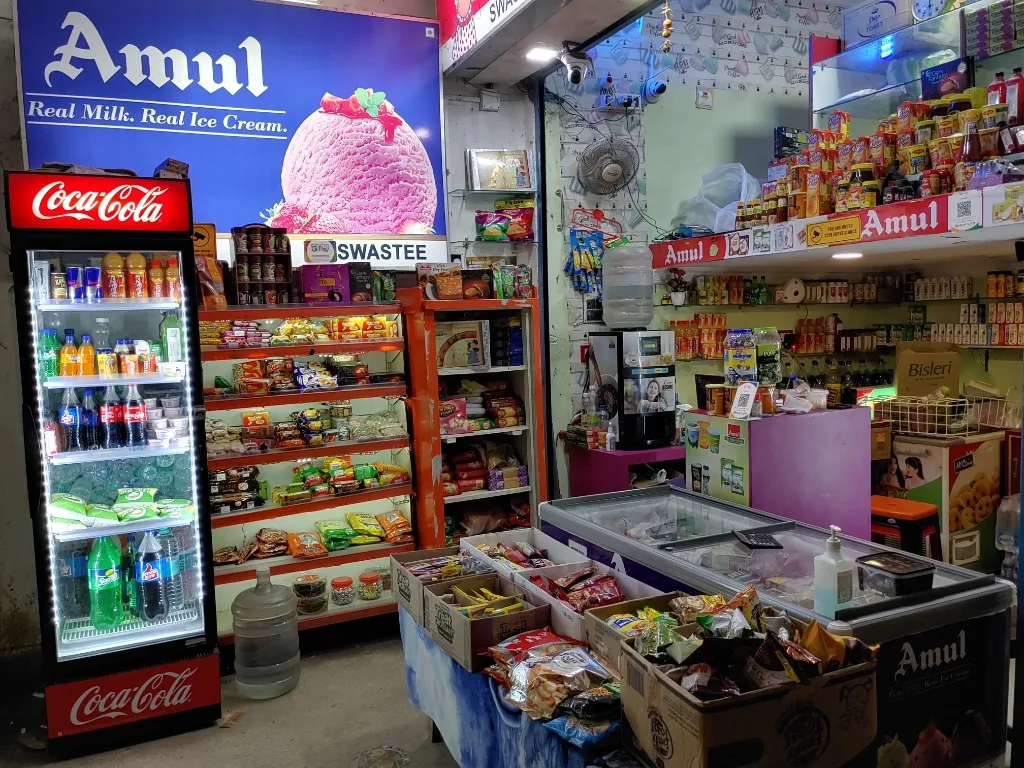
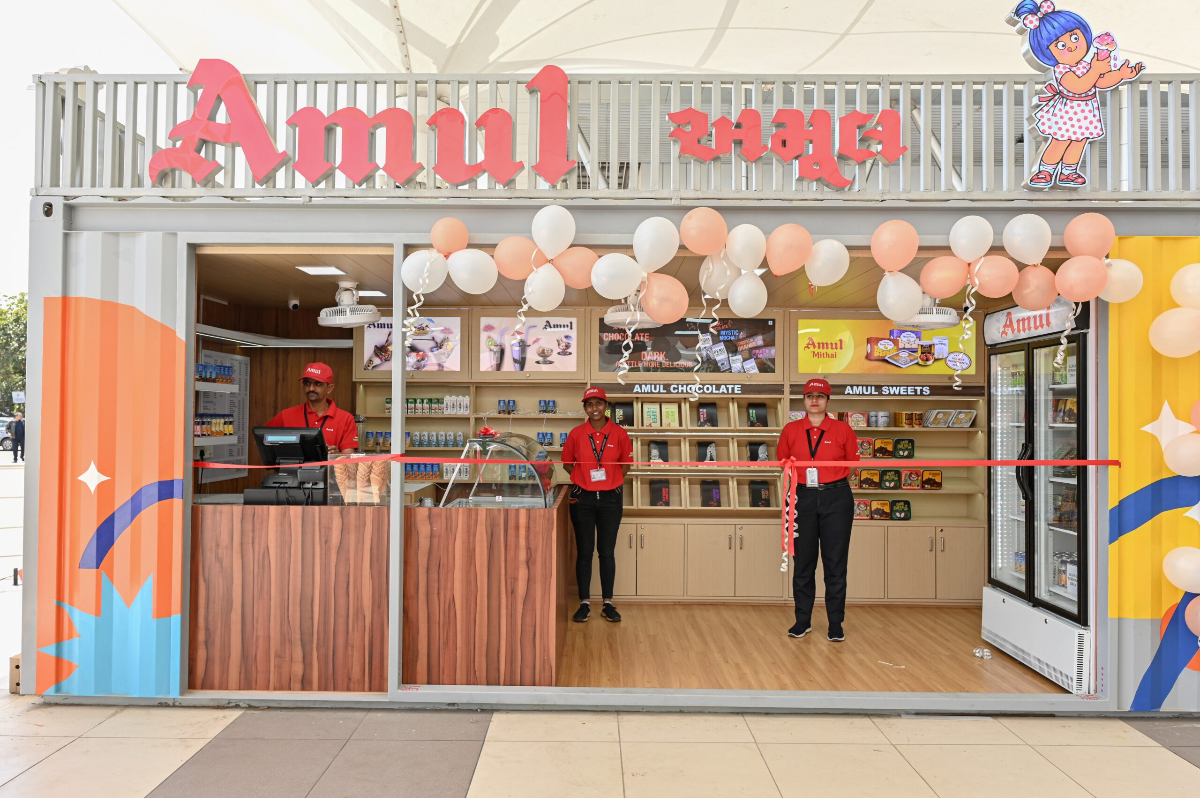
An Amul outlet needs from 100 sq ft for the Amul Preferred Outlet / Kiosk format.
How many Amul outlets are there in India?
Amul operates 10,000 outlets in India, and has been trading since 1946.
Who is eligible for an Amul franchise?
You will need capital of at least ₹3 L, a site of 100+ sq ft, readiness for a hands-on, owner-operator role. Territory: Locality Exclusive.
What margin does an Amul franchisee earn?
Gross margin runs 3–20%. Margins are the disclosed percentage bands — FRANticc does not publish per-outlet earnings.
What training and support does Amul provide?
Amul provides 10 days of formal training. Supply chain: Amul Distributor Network.
How long is the Amul franchise agreement?
Agreement terms: 1 Year (Renewable).
How does an Amul franchisee earn?
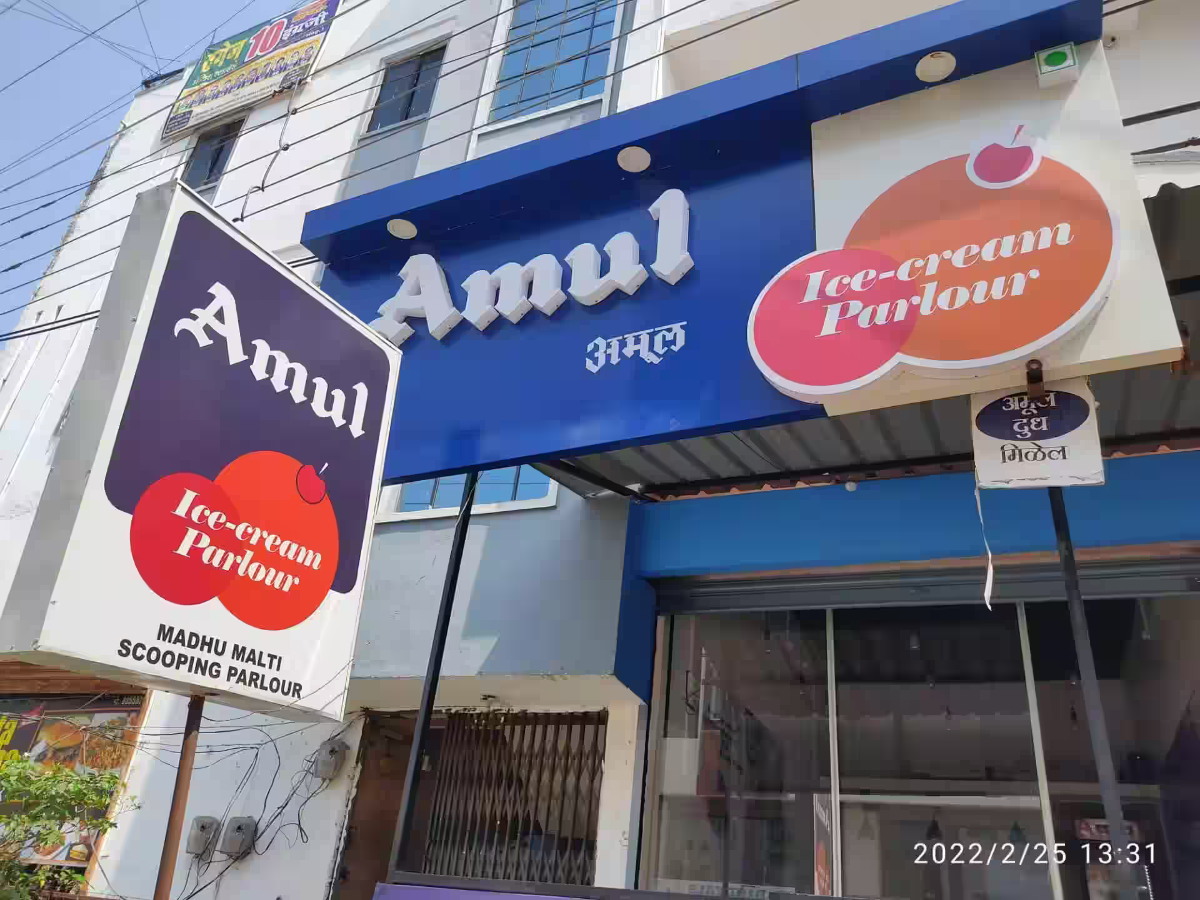
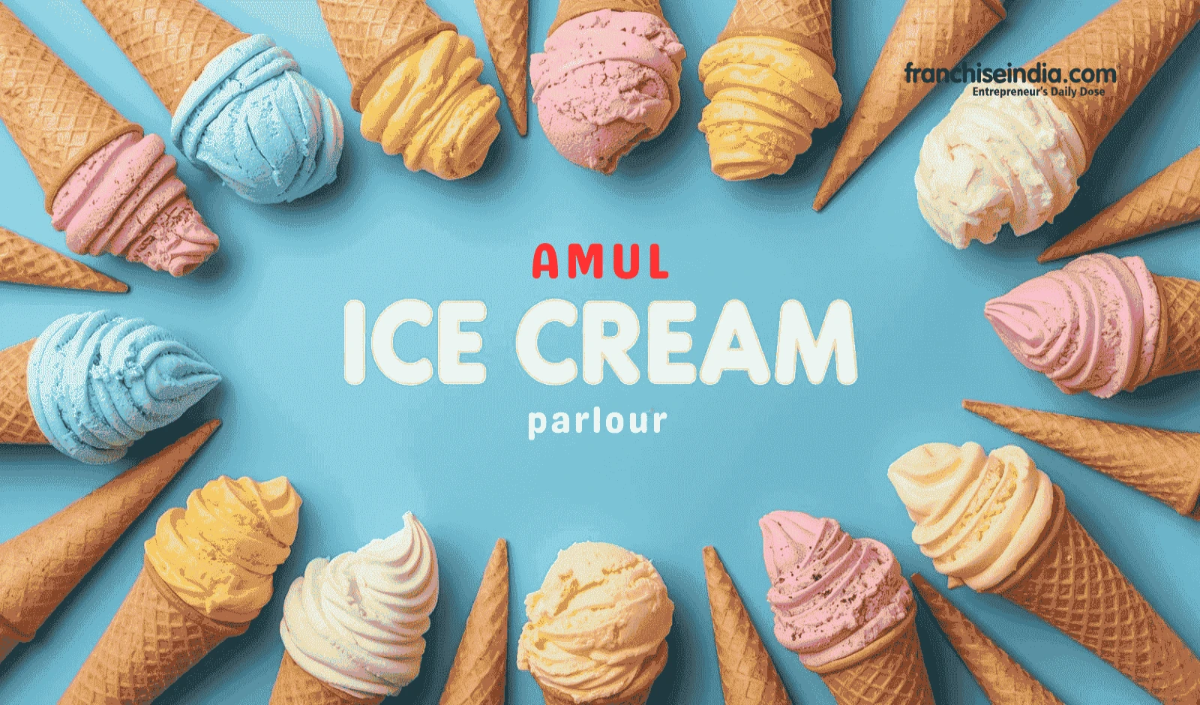
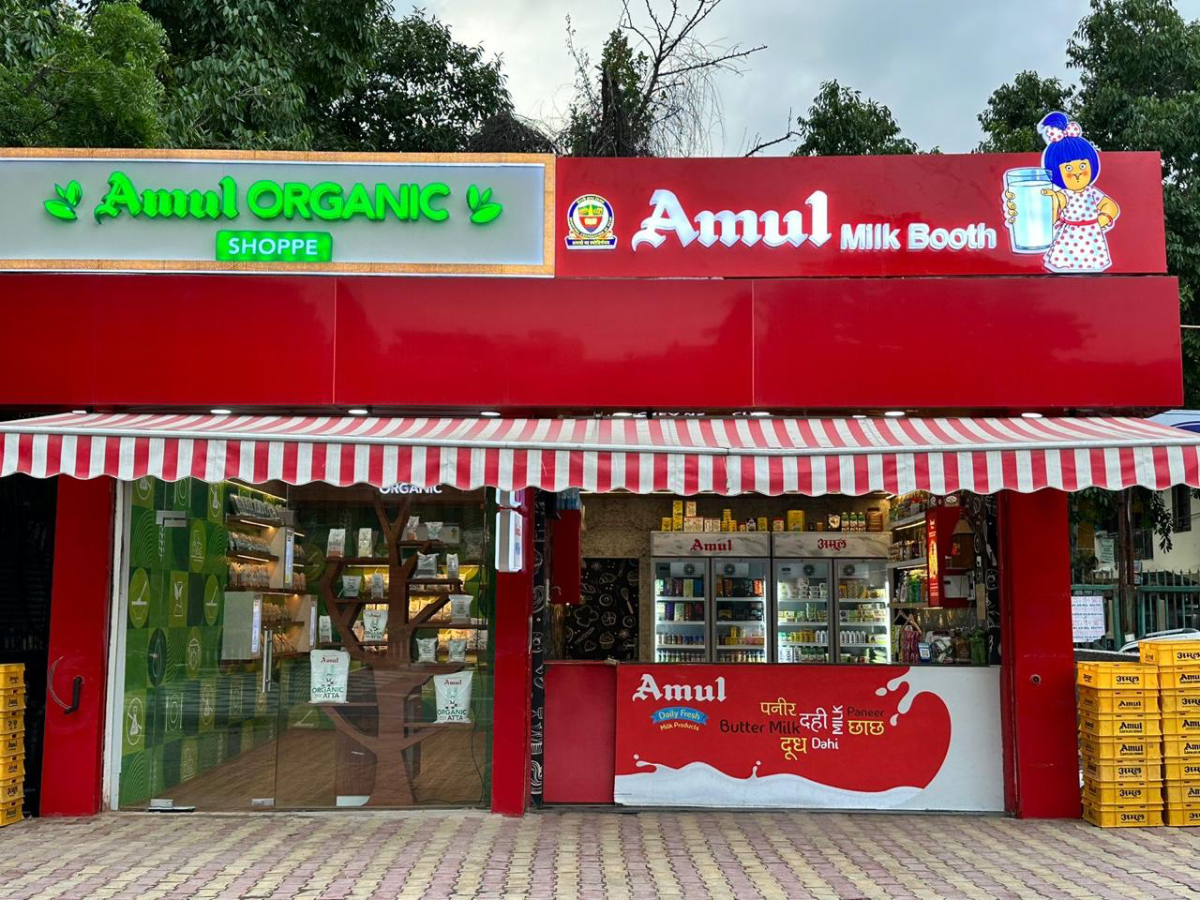
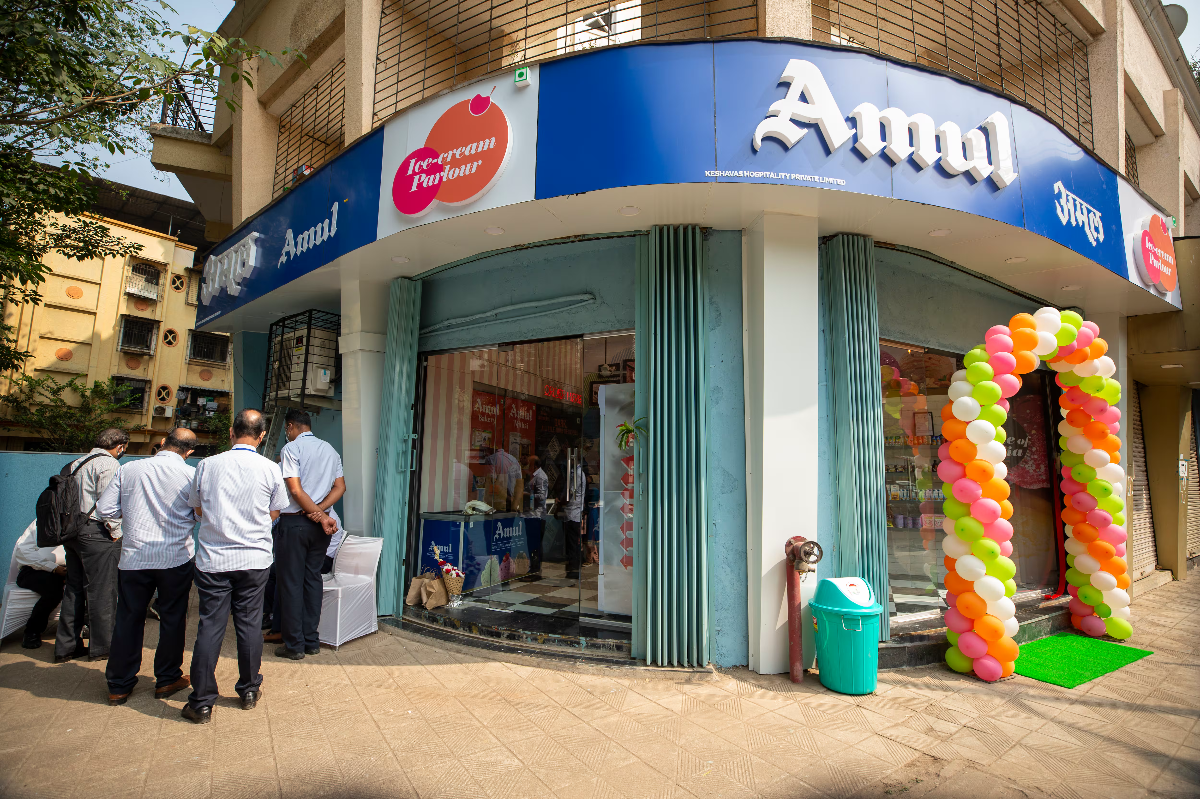
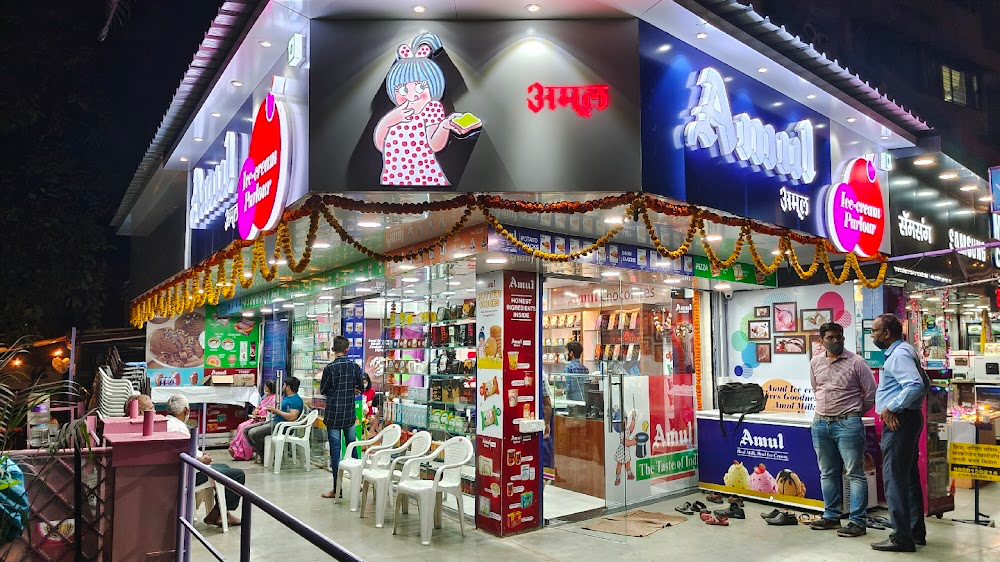
An Amul franchisee earns from customer sales at their own outlet across its 2 formats (Amul Preferred Outlet / Kiosk, Amul Ice-Cream Scooping Parlour). You earn on product margin rather than paying a percentage royalty. FRANticc does not publish per-outlet earnings for Indian brands unless the franchisor discloses them.
Is the Amul franchise offer genuine?
Amul's franchise programme is verified against a primary source. FRANticc links the source rather than relaying agent claims — https://amul.com/about-amul-franchise. Always confirm terms directly with the franchisor before paying any fee.
What revenue streams does an Amul franchisee have?
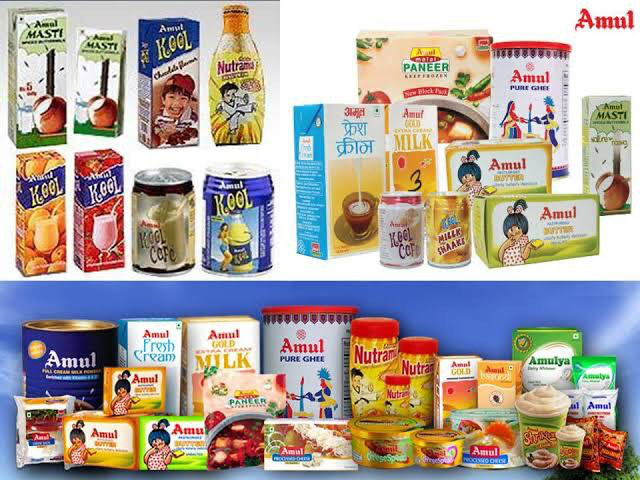
Primary streams are ice cream and frozen dessert sales, pouch milk and packaged dairy products, and recipe-based items like shakes and ice cream cakes. Gross margins vary by category, with ice cream and recipe items typically offering higher margins than plain milk products.
Is Amul franchise revenue seasonal or steady?
Revenue is moderately seasonal. Summer months (April–September) typically show higher ice cream sales, while winter and monsoon see reduced footfall. Urban high-traffic locations show more stable year-round revenue than smaller towns. Seasonal demand for frozen products is a structural feature of this category.
When was Amul founded and how did it transition into franchising ice cream parlours?
Amul was founded in 1946 as a dairy cooperative in Gujarat and has since grown into India's largest milk-based ice cream brand. The cooperative began franchising ice cream parlours to expand retail presence across India while maintaining quality control through its cooperative supply network. Today, Amul operates approximately 10,000 ice cream outlets nationwide, leveraging its 75+ years of dairy expertise to support franchisees with consistent product supply and brand infrastructure.
How does Amul's cooperative supply chain affect franchisee purchasing flexibility?
Amul franchisees must source ice cream and frozen desserts exclusively from Amul's cooperative distribution network at cooperative-set wholesale prices. This ensures product consistency and supply reliability across all 10,000 outlets but limits independent sourcing. The cooperative procurement model protects franchisees from retail price volatility and supply disruption, but wholesale pricing is uniform across the network—franchisees cannot negotiate unit rates based on volume or local competition.
How does seasonal demand variation impact Amul ice cream parlour profitability?
Ice cream and frozen dessert demand in India is moderately seasonal, with stronger sales during April–September (summer and festival months) and reduced footfall in winter and monsoon. Urban high-traffic locations (malls, high streets, residential clusters) show steadier year-round revenue compared to smaller towns. To sustain profitability during low-season months, franchisees should focus on selling complementary dairy products (pouch milk, yogurt) and recipe-based items (shakes, ice cream cakes) that can offset seasonal ice cream volume drops.
How many Amul ice cream outlets currently operate in India and what is the expansion pace?
Amul operates approximately 10,000 ice cream parlours and kiosk-style outlets across India, making it the dominant brand in organized ice cream retail. The brand has expanded from its 1946 cooperative roots to become the largest milk-based ice cream player nationally. The ice cream and frozen desserts category continues to grow with rising urban consumption and per-capita income, though India's market penetration remains lower than developed markets, creating ongoing franchise opportunity.
What happens at the end of an Amul ice cream parlour franchise term—is renewal automatic?
Amul ice cream parlour franchise agreements are issued for a 1-year term and are renewable. Renewal is not automatic; at the end of each year, both franchisee and Amul reassess territory performance, operational compliance, and partnership fit. Renewal terms and conditions are determined at the time of renewal, giving both parties flexibility to adapt pricing, territory rights, or operational expectations based on changing market conditions or performance metrics.