How do Subway franchisees make money?
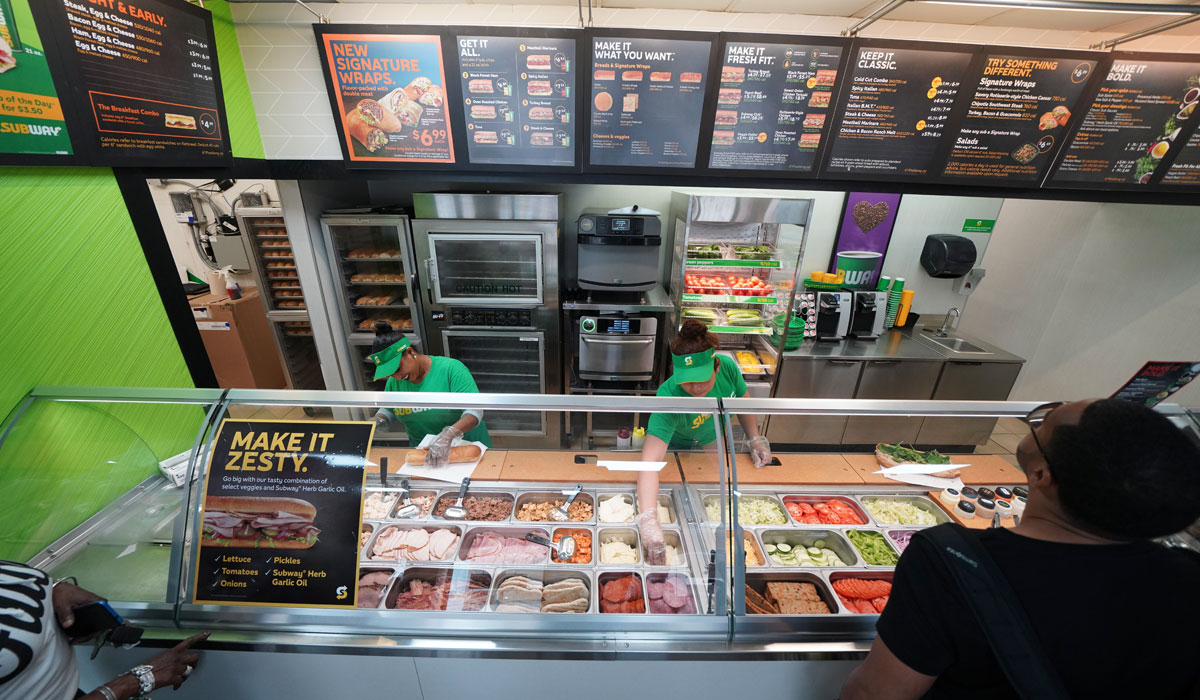
Subway franchisees generate revenue from the sale of fresh sandwiches, wraps, salads, beverages, and add-ons through dine-in, takeaway, and delivery channels. Monthly sales typically range from ₹10–15 lakhs. Cost of goods sold runs 40–45%, yielding gross margins of 30–45%. Franchisees pay an 8% royalty on gross sales to the parent company. Profitability depends on managing labor, rent, and operating costs within this margin envelope.
What is the Subway franchise cost?
Total investment typically ranges from ₹50–70 lakhs. This comprises franchise fee (₹6–6.5 lakhs), equipment and interiors (₹30–40 lakhs), store setup and rent deposit (₹10–15 lakhs), and initial working capital (₹5–7 lakhs). Exact figures vary by location and store format.
What revenue streams does a Subway franchisee have?
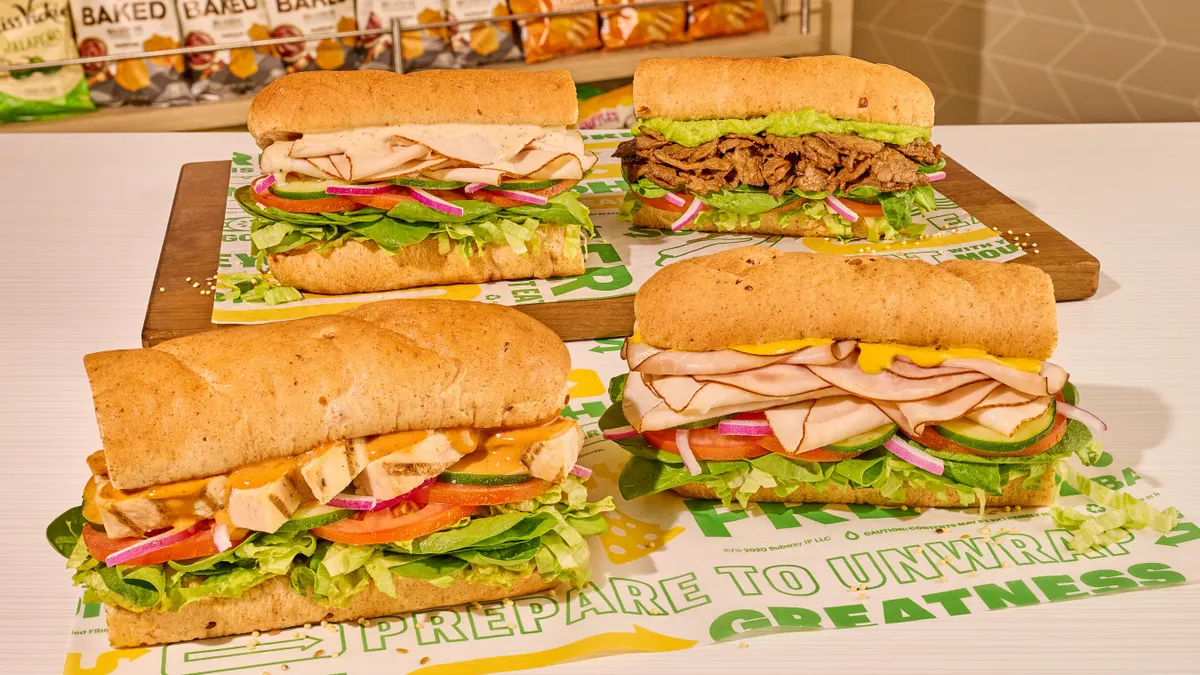
Subway franchisees operate a single revenue model: food and beverage sales. This includes sandwiches, wraps, salads, beverages, and add-ons sold through dine-in, takeaway, and delivery channels. There are no ancillary revenue streams such as licensing, packaged product sales, or service fees within the franchise agreement.
Is Subway franchise revenue seasonal or steady?
Subway revenue follows moderate seasonality typical of QSR. Lunch and dinner dayparts drive higher sales than breakfast. School and office holiday periods can depress weekday traffic. Unlike beverage-heavy concepts, sandwich shops maintain relatively stable demand year-round. Location productivity and local competition significantly influence consistency. Revenue is reasonably predictable but not immune to weather, festivals, and competitive pressures.
Is Subway actively franchising in India right now?
Yes, Subway is actively franchising in India through its FOFO (Franchise Owned, Franchise Operated) model. The brand operates approximately 1,000 outlets across India and continues to accept franchise applications for both Food Court and Dine-in Restaurant formats. Subway entered the Indian market in 2001 and has maintained a steady presence as an established QSR player. Prospective franchisees can apply through Subway's official website to inquire about available locations and formats that match their investment capacity and local real estate.
What is the minimum space required for a Subway franchise in India?
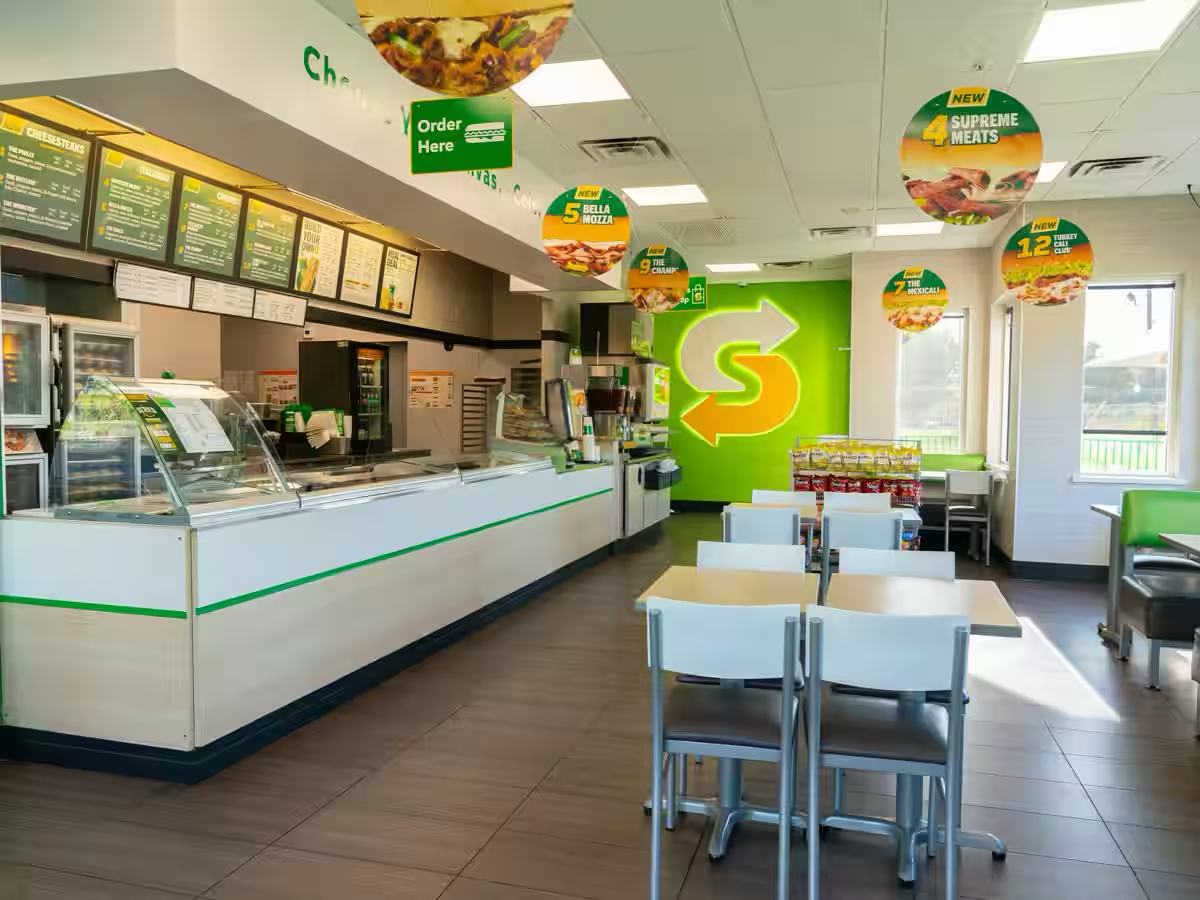
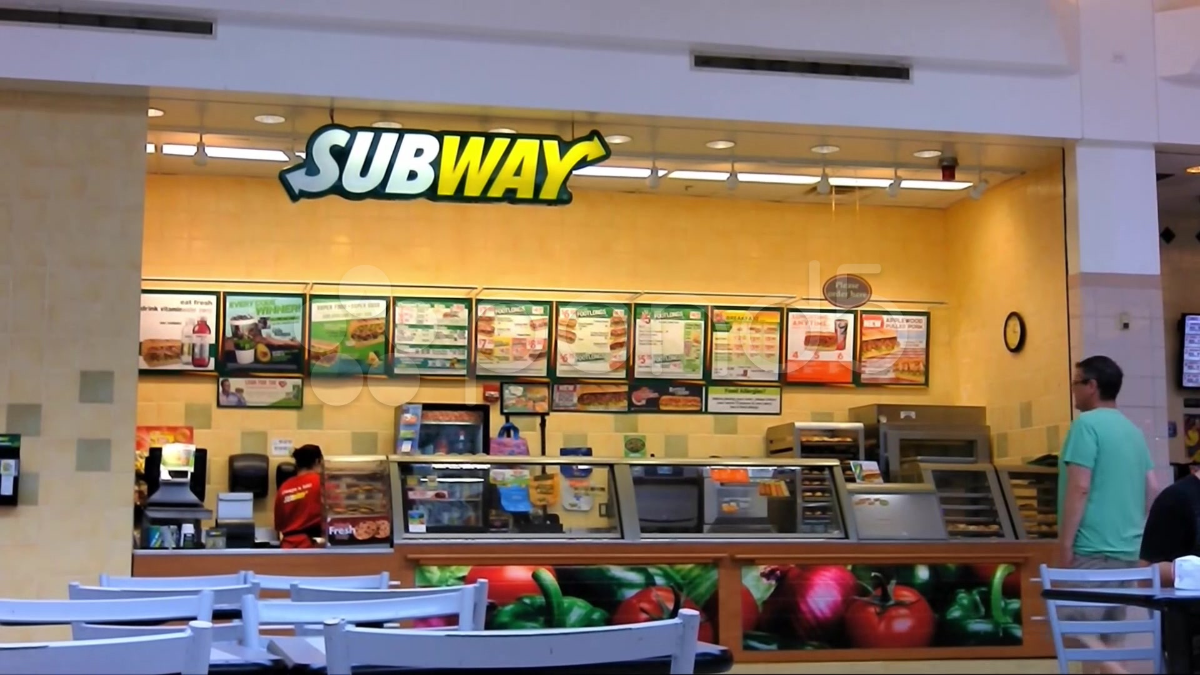
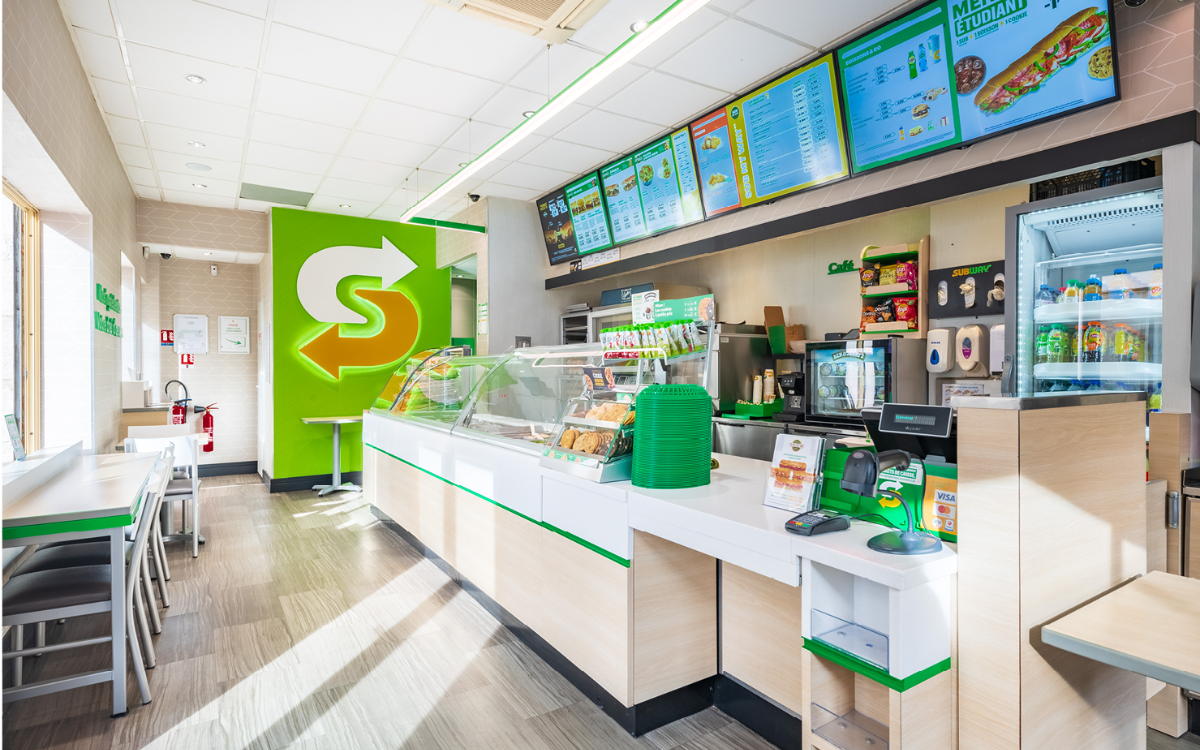
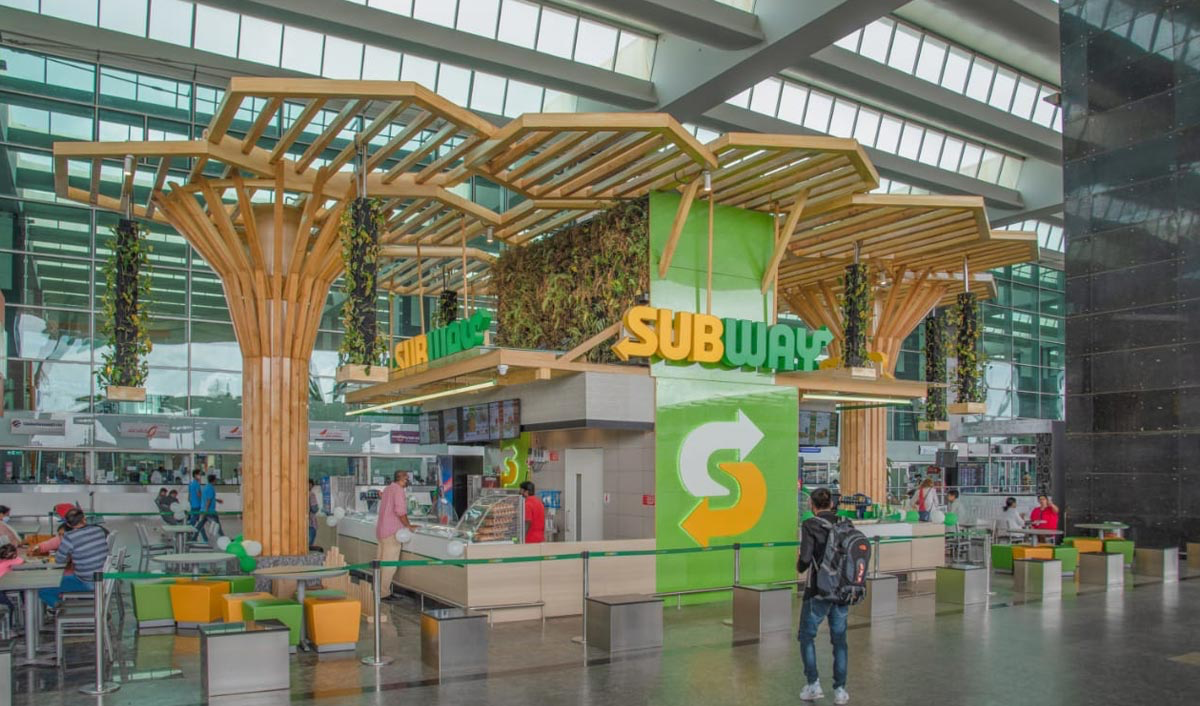
Subway offers two formats with different space requirements. The Food Court format operates in a compact 170 sqft footprint, ideal for malls, transit corridors, and food courts. The Dine-in Restaurant format requires a minimum of 350 sqft and suits malls, high streets, and locations near colleges or offices. The smaller footprint is a deliberate advantage — Subway's model is optimized for locations where standalone real estate may be scarce or expensive, allowing operators to enter high-traffic micro-locations that other QSRs cannot serve efficiently.
How much does a Subway Food Court franchise cost in India?
A Subway Food Court franchise requires a total capex investment of approximately ₹28 lakh. This breaks down as: franchise fee of ₹6.5 lakh, equipment and interiors of ₹20–22 lakh, and initial working capital of ₹1.5 lakh. This format is designed for compact high-traffic locations (170 sqft minimum), making it the lower-capex entry point into the Subway system. Exact figures may vary based on local build-out costs, location specifics, and supplier pricing for kitchen equipment.
How much does a Subway Dine-in Restaurant franchise cost in India?
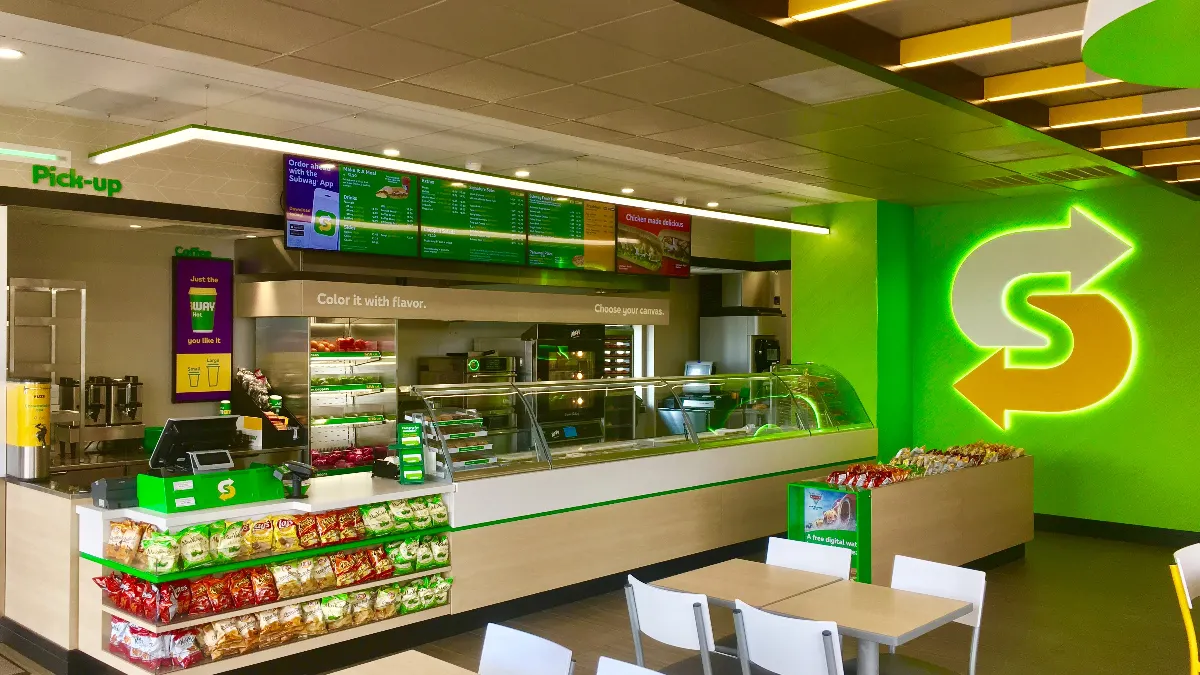
A Subway Dine-in Restaurant franchise requires a total capex investment of approximately ₹70 lakh. This comprises: franchise fee of ₹6.5 lakh, equipment, fit-out, and interiors of ₹55–60 lakh, and initial working capital of ₹2 lakh. This larger format (350+ sqft minimum) suits standalone or inline locations in malls and high streets where seating and ambient dining experience can drive higher per-transaction values. The higher capex reflects expanded kitchen capacity, dining furniture, and ambiance investment compared to the Food Court model.
Does Subway charge royalty on franchise sales in India?
Yes, Subway charges an 8% royalty on gross sales (revenue) for all franchisees, regardless of format. Additionally, franchisees contribute 4% of gross sales to a marketing fund. These ongoing fees are core to the Subway business model and directly impact net profitability. If a store generates ₹12 lakhs in monthly revenue, the franchisee remits ₹96,000 as royalty and ₹48,000 as marketing contribution — totaling 12% of revenue — before deducting food costs and operating expenses. This structure rewards high-volume locations but compresses returns for lower-traffic outlets.
What is the gross margin for a Subway franchise?
Subway franchises operate on a gross margin (revenue minus cost of goods sold) range of 30–45%, with food costs typically running 40–45% of sales. The margin band varies based on location traffic, menu mix (add-ons drive higher margins), local supplier costs, and operational efficiency. Higher-traffic locations in malls and airports tend toward the 40–45% margin range, while lower-volume street locations may settle closer to 30%. Operators in captive, high-footfall environments — airports, college campuses, office complexes — typically outperform standalone street-facing stores due to consistent customer flow and reduced acquisition costs.
How long is the Subway franchise agreement valid?
Subway franchise agreements have an expiry term of 20 years. This extended duration provides long-term stability for franchisees who establish successful operations, allowing sufficient time to recoup investment and generate returns. The 20-year tenure is standard in mature QSR franchising and reflects Subway's commitment to franchisee viability. After expiry, franchisees may be eligible for renewal under terms agreed at that time, though renewal conditions are not specified in the franchise agreement.
How much training does Subway provide to new franchisees?
Subway provides 14 days of initial training to franchisees and their staff. This training covers store operations, food safety and hygiene protocols, customer service standards, inventory management, and the centralized supply chain system. The two-week program prepares operators and team members to maintain Subway's product and service consistency. Training typically occurs at a Subway training facility and may include both classroom and hands-on kitchen components. Franchisees are responsible for ensuring their team completes the training before store opening.
What is the owner involvement level required for a Subway franchise?
Subway franchises require moderate (M) owner involvement. While the business operates under a standardized system, franchisees are expected to be actively involved in day-to-day operations, particularly in the early phase. This includes staff management, quality control, and ensuring adherence to Subway's operational standards and supply chain protocols. The moderate involvement level means owners can hire and delegate to managers, but cannot operate purely as an absentee investor model. Success depends on owner oversight of store performance, staff training, and customer satisfaction.
Does Subway offer exclusive territory rights to franchisees?
No, Subway does not offer formal territorial exclusivity to franchisees in India. This means Subway may authorize additional franchisees in the same geographic area, and competing Subway outlets can open within proximity to your store. Franchisees are protected only by their individual location lease. The lack of exclusivity is typical in high-density urban QSR models where mall-based and transit-corridor formats can support multiple units in the same city. Operators should evaluate location density carefully and focus on local market share rather than relying on territorial protection.
What supply chain model does Subway use for its franchises?
Subway operates a centralized supply chain model, meaning all franchisees must source ingredients and supplies exclusively from Subway-approved vendors. This ensures consistent product quality, food safety standards, and pricing leverage across the system. Franchisees cannot source independently from local suppliers. The centralized model simplifies operations and guarantees uniformity but reduces operator flexibility on procurement. All bread, proteins, vegetables, and packaging flow through approved channels, ensuring brand consistency across 1,000 Indian outlets.
What formats does Subway offer for franchising in India, and which suits which operator?
Subway offers two formats: Food Court (170 sqft, ₹28 lakh capex) and Dine-in Restaurant (350+ sqft, ₹70 lakh capex). The Food Court format suits operators with modest capital, strong connections to mall food courts or transit hubs, and comfort with high-volume/lower-ticket transactions. It maximizes location scarcity advantage and minimizes real-estate burden. The Dine-in format suits operators with larger capital, access to street-facing or inline mall locations, and ability to drive higher average checks through ambiance and seated service. Location availability and operator capital are the primary determinants; both formats operate on identical 8% royalty and 20-year terms.