

Directory Results 0 Matches
Refine filters to see logos.
Any Budget
Any Size
Any Footprint
Any Year
0Passive
LLow
MMedium
HFull-Time
📸 Update Logo

Asics

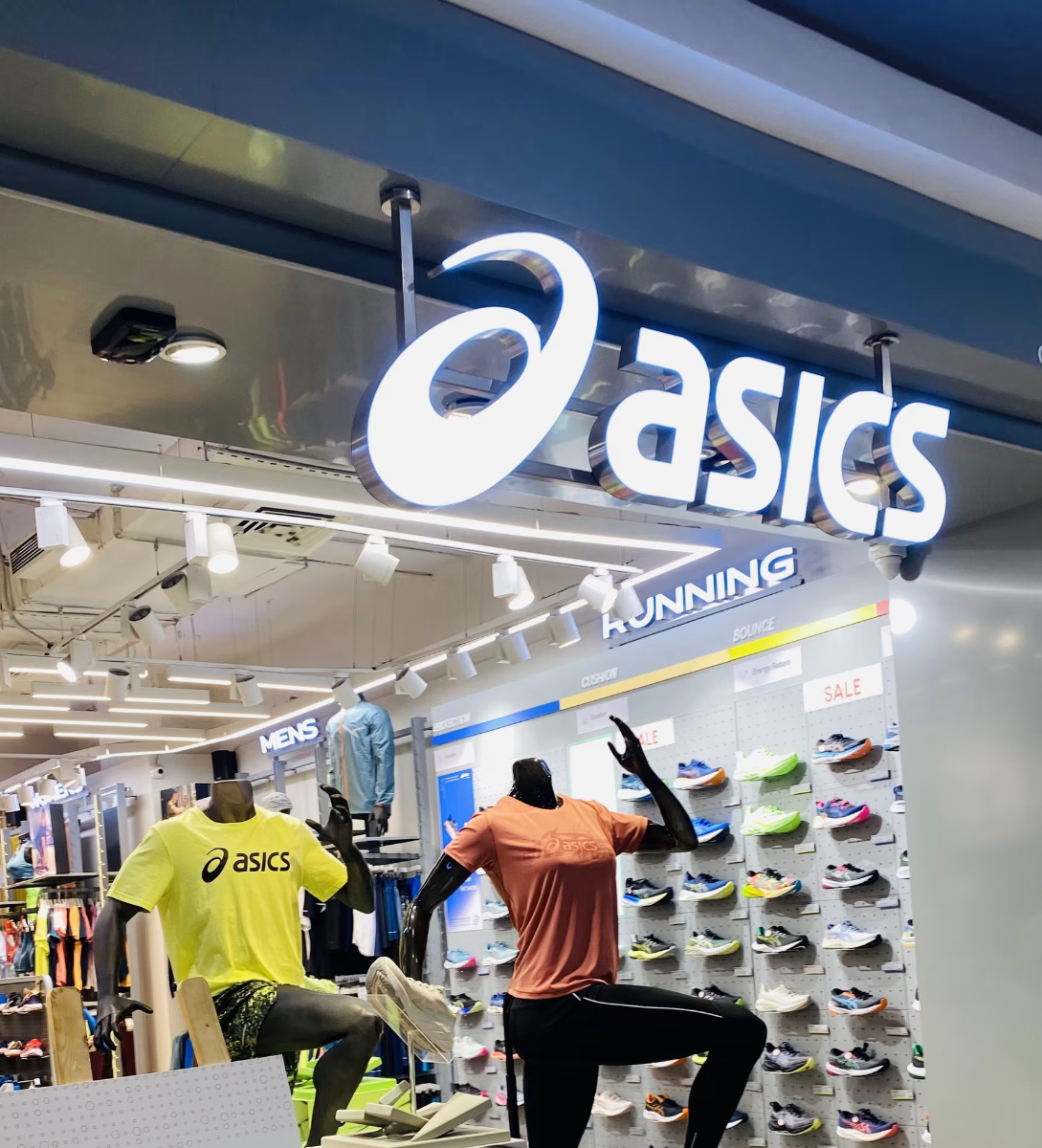
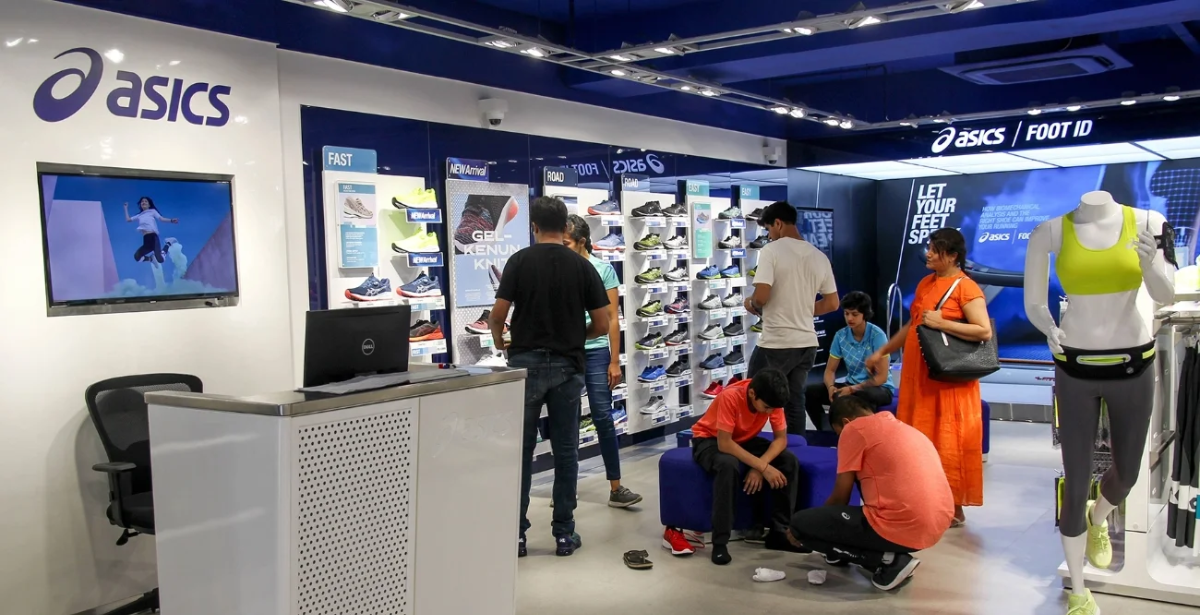
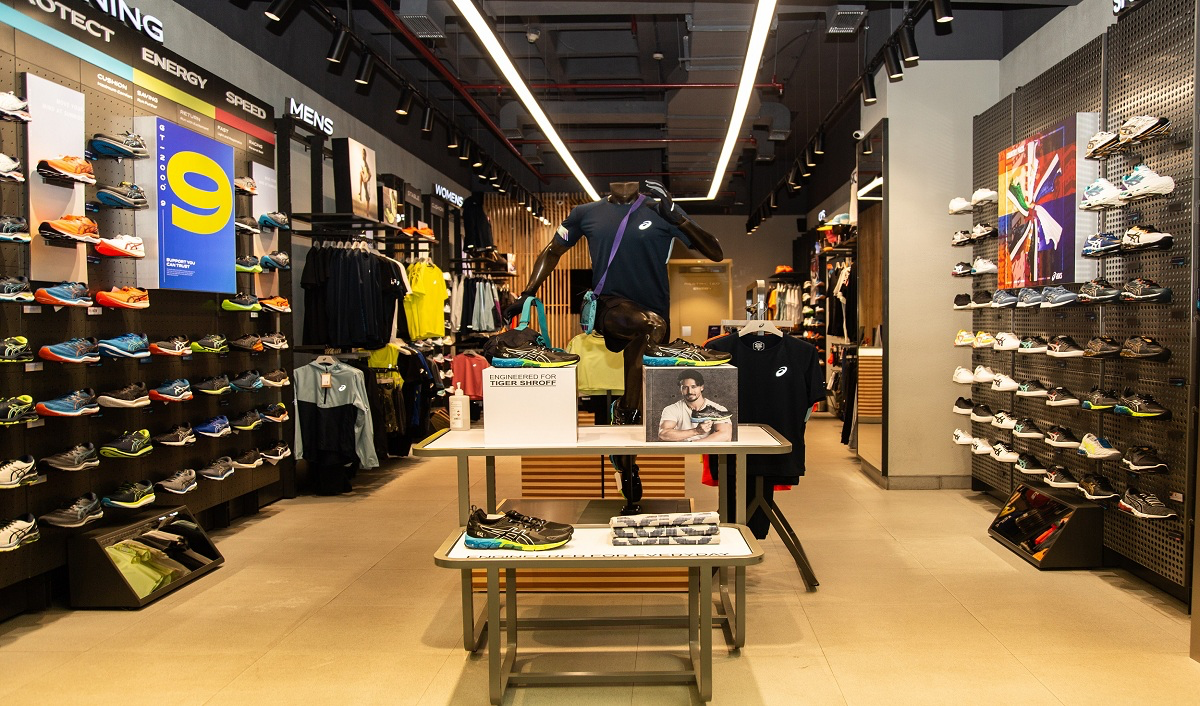
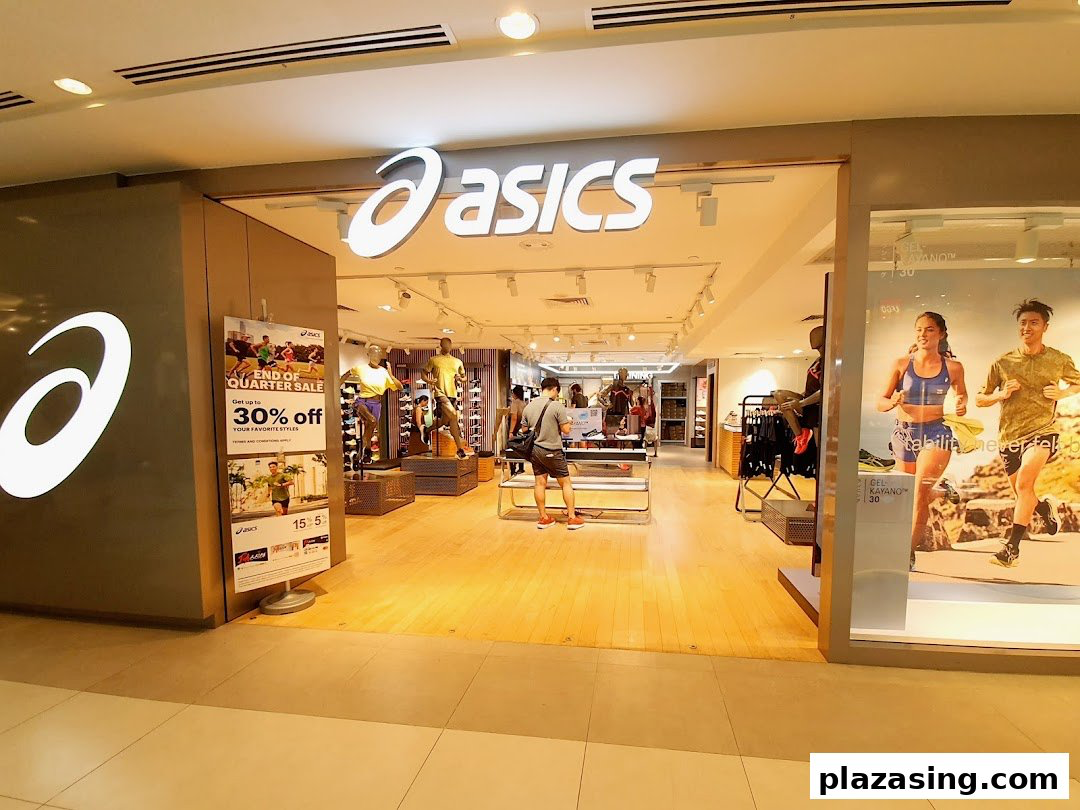
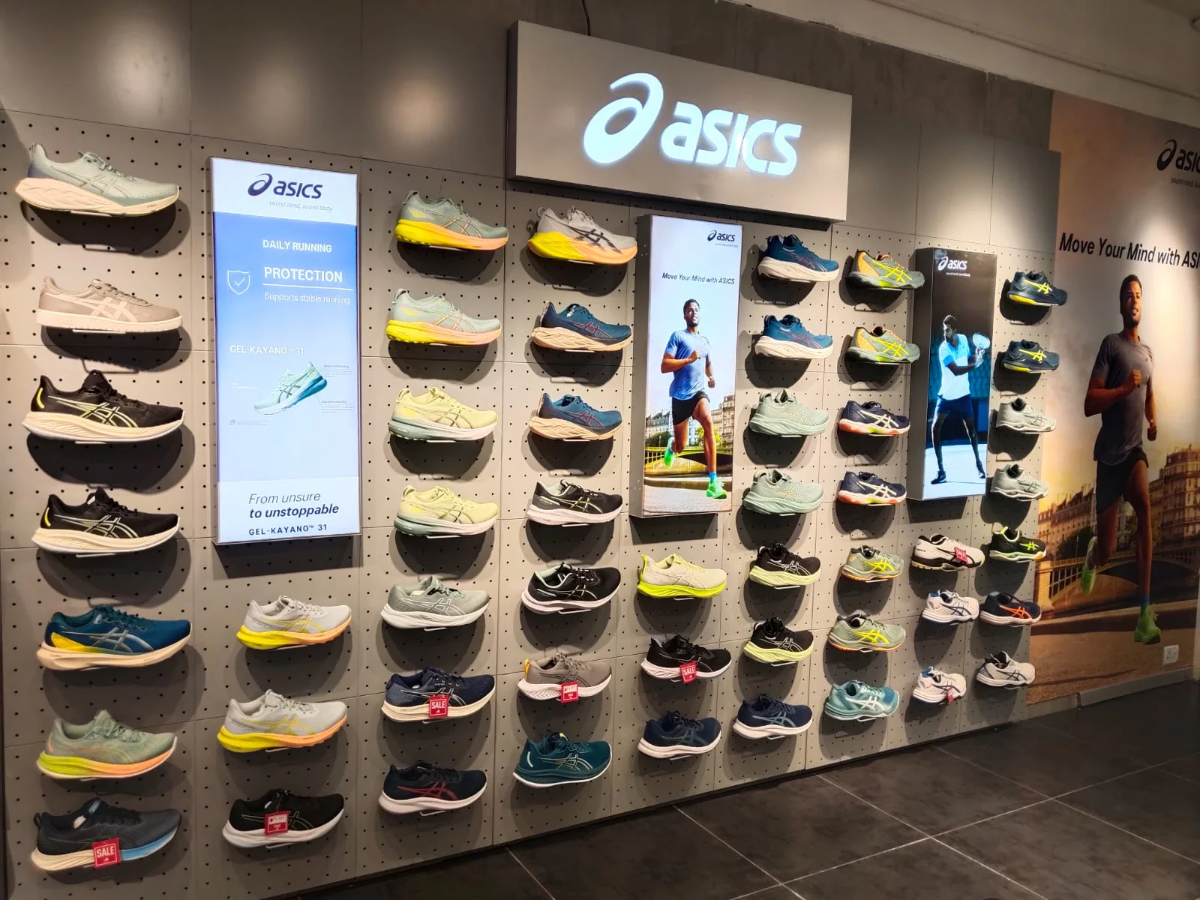
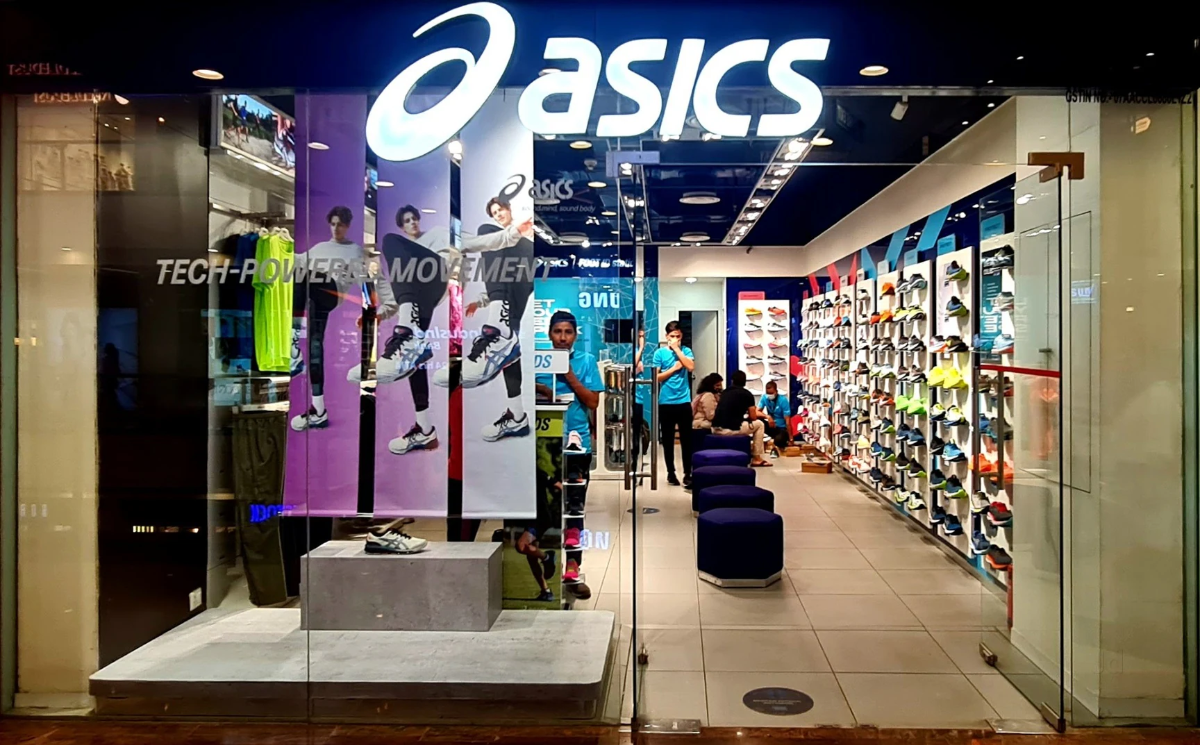
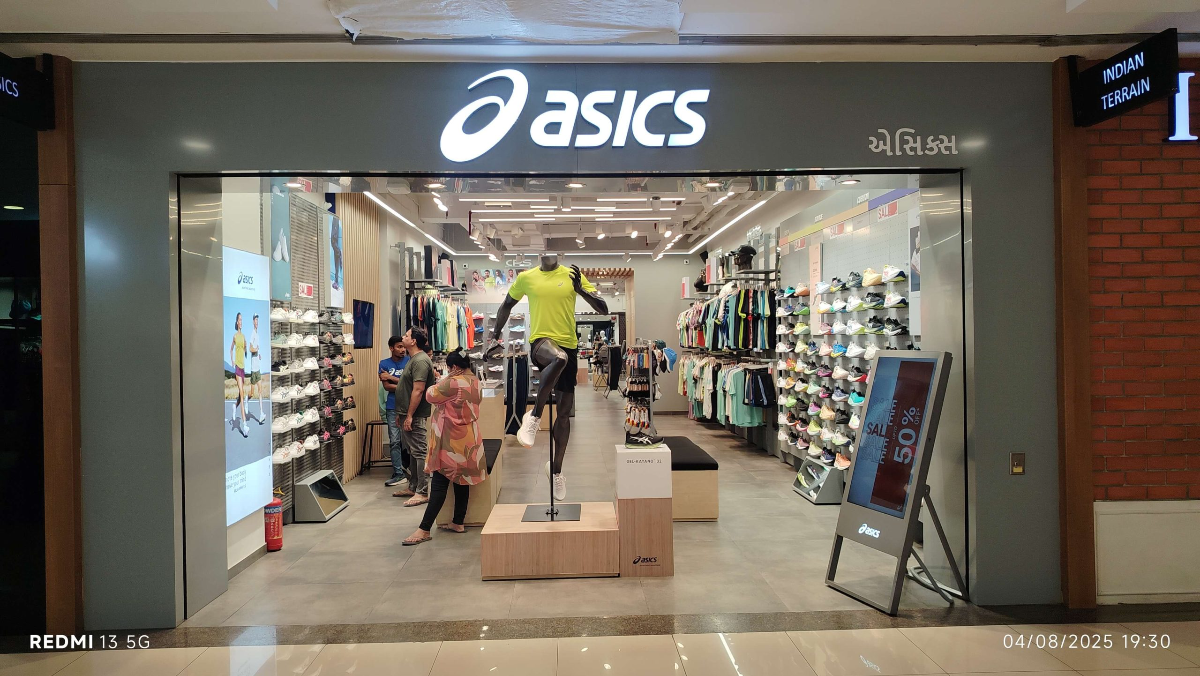
Born in postwar Japan in 1949 with a philosophy that healthy bodies build healthy minds, Asics has always been a performance-first label in a market increasingly chasing lifestyle optics — and that authenticity gap between serious runners and fashion-athleisure browsers is exactly where a well-located Asics store either thrives or stalls. With ~60 outlets across India and a FOFO model carrying zero royalty on revenue, the unit economics rest heavily on the 38-50% gross margin, which holds only if the operator attracts genuine performance buyers rather than footfall browsers.

Core Investment

Compare
Total Stores
Format i
Space Req. i
Total Commitment i
Working Capital i
Owner's Involvement i
0
L
M
H
PassiveLowMedFull-Time

Due Diligence & Legal

Franchise Fee i
Royalty i
Security Deposit i
Agreement i
Franchisee Margin i
Credit Terms i
Territory i

Operations & Training

Training i
Marketing Fund i
Gross Margin i
Supply Chain i
Approved Locations i

Investor Pro Tools

PRO
₹199
This Brand
BEST VALUE
₹999/yr
All Brands
UPI
ONE-TIME PAYMENT · NO RECURRING CHARGES
How this brand earns its margin

How Asics franchisees make money

Asics franchisees earn revenue primarily from retail sales of branded footwear and apparel across exclusive standalone stores (1000 sq ft format). The franchise operates on a wholesale-to-retail model where franchisees purchase inventory from Asics at wholesale cost and sell at retail margins of 38-50%. There is no royalty charged on sales. Asics is a standalone franchise operated by the parent company; franchisees do not earn from other Asics business units or sister brands. Revenue depends on foot traffic, conversion, and seasonal demand for sports and athleisure categories.

Supply chain & sourcing

Asics franchisees source inventory from the parent company at wholesale pricing. The specific mechanics of inventory allocation, markdown policy, and return/exchange terms are not detailed in available sources. Franchisees operate in a branded-exclusive format, meaning they cannot source competing athletic brands; inventory control and pricing strategy rest with the parent company. The supply model is typical for global sports apparel franchises, though franchise-specific procurement and margin structures are not confirmed in public sources.

Demand & growth signals

Sports footwear and athleisure retail demand follows category seasonality patterns: peak demand during monsoon preparation (June-August), festival seasons (September-October, December), and New Year (January). Summer months and post-festival periods typically see softer foot traffic. Tier-2 and Tier-3 city store formats (Asics' stated expansion focus by 2026) may experience more pronounced seasonal swings than metro locations. Revenue steadiness depends on local demographic penetration and repeat customer purchase frequency. Asics operates 60 stores across India as of the latest report and has announced plans to double store numbers by 2026, signaling expansion into Tier-2 and Tier-3 cities. The brand is a 75-year-old global sports footwear leader with established market presence. India's sports and athleisure category has grown steadily with rising health consciousness and disposable incomes, though the segment remains concentrated in metros. Growth for new franchisees will depend on local market penetration and competitive intensity in target cities.

Disclosed revenue lines
How a franchisee earns
Disclosed revenue lines · Asics
Primary
Retail footwear and apparel sales
Core revenue from sale of Asics-branded running shoes, training footwear, and sports apparel through exclusive retail stores. Franchisees purchase inventory at wholesale cost and sell at retail margins of 38-50%. This is the sole revenue line for Asics franchisees; the parent company operates no additional service or commission-based businesses within the franchise agreement.
Secondary
Seasonal and promotional inventory turnover
Revenue acceleration during peak seasons (monsoon, festivals, New Year) when sports footwear demand rises. Franchisees manage stock levels and promotional calendars set by the parent brand; inventory not sold during seasonal windows may carry unsold-stock risk typical of apparel retail models.

Operating Locations

FRANticc · BrandFit AI

Is actually the right fit for you?

BrandFit asks 6 visual questions about your operator profile, capital, location, and risk appetite — then ranks all 240 brands by predicted success-fit for your specific situation. shows up where it actually fits, not just where it can afford.

Run BrandFit on my situation
Join this Brand : See if you Qualify ↓

Syncing Database...
0% Complete
Upload Gallery Photos

Select the category to assign these 0 photos to:

Edit Gallery Categories
Edit Industry Registry

More in this category, or compare Asics side-by-side

Frequently asked · Asics
How do Asics franchisees make money?
Asics franchisees earn revenue from retail sales of branded footwear and apparel. They purchase inventory from Asics at wholesale cost and resell at retail margins of 38-50%. There are no royalties on sales. Revenue depends on store foot traffic, conversion rates, and seasonal demand for sports and athleisure products.
What is the Asics franchise cost?
Total initial investment (CapEx) is a minimum of ₹80 lakhs. Franchise fee is ₹7 lakhs. There is no ongoing royalty charged. Store format is 1000 sq ft exclusive retail.
What revenue streams does an Asics franchisee have?
Primary revenue comes from retail sales of Asics footwear and apparel at wholesale-to-retail margins (38-50%). Seasonal inventory turnover during peak demand periods (monsoon, festivals, New Year) is the secondary revenue driver. No other business lines are included in the franchise agreement.
Is Asics franchise revenue seasonal or steady?
Asics franchisee revenue is moderately seasonal. Demand peaks during monsoon (June-August), festival periods (September-October, December), and New Year. Summer months and post-festival periods typically see softer foot traffic. Tier-2 and Tier-3 locations may experience more pronounced swings than metro stores.
Is Asics actively franchising in India right now?
Yes, Asics is actively franchising in India. The brand currently operates approximately 60 outlets across the country and has announced plans to double its store footprint by 2026, with expansion focused on Tier-2 and Tier-3 cities. Asics operates on a Franchise Owned, Franchise Operated (FOFO) model, meaning franchisees own and operate their stores independently while sourcing inventory from Asics India at wholesale rates.
What is the total investment needed to open an Asics franchise store?
The total initial investment for an Asics franchise is a minimum of ₹80 lakh, which includes the CapEx (capital expenditure for store fit-out, fixtures, and setup). Additionally, you need ₹25 lakh as working capital for initial inventory purchases. The franchise fee is ₹7 lakh. This structure applies to the standard 1000 sq ft exclusive retail store format in Tier-1 and Tier-2 cities.
Does Asics charge royalty on franchisee sales?
No, Asics does not charge any royalty on sales. The franchise revenue model is margin-based: you purchase inventory from Asics at wholesale cost and retain the retail margin of 38-50%. However, there is a 3% marketing fund contribution on sales to support brand-level promotional activities. This zero-royalty structure makes profitability highly dependent on inventory turnover and margin management.
How much retail space is required for an Asics franchise store?
An Asics franchise store requires a minimum of 1000 sq ft of retail space. The approved format is typically 800-1200 sq ft located in malls or high-traffic retail zones in Tier-1 and Tier-2 cities. Store size and location are critical because foot traffic directly impacts conversion rates and inventory velocity, which in turn affect the achievable 38-50% gross margin.
What is the training period for an Asics franchisee?
Asics provides 10 days of training for franchisees and their staff before store launch. Training covers inventory management, point-of-sale operations, customer service standards, product knowledge, and visual merchandising specific to sports footwear and athleisure retail. This foundation prepares operators to manage the exclusive-brand format and maintain Asics' positioning as a performance-focused label.
How hands-on does an Asics franchisee need to be in day-to-day operations?
Asics franchisees require medium-level (M) owner involvement in day-to-day operations. This means the owner should actively manage store personnel, inventory decisions, customer engagement, and local marketing—but does not need to be on-site every hour. The FOFO model requires entrepreneurial attention to foot traffic conversion and seasonal demand cycles, particularly during peak monsoon, festival, and New Year periods.
Are there territorial rights or exclusivity in an Asics franchise agreement?
Yes, Asics franchise agreements include exclusive zone rights. This means you have exclusivity within a defined territory, preventing Asics from opening competing outlets in your zone. Tier-2 cities offer the best availability for territorial protection. Exclusivity helps protect franchisee margins by controlling local market saturation, which is especially important in smaller cities where foot traffic is more location-sensitive.
What franchise agreement term does Asics offer?
Asics franchise agreements have a 5-year initial term with renewal options available. This contract structure allows both parties to assess performance, inventory-supplier relationships, and market fit before committing to longer periods. Renewal terms and conditions are determined at the end of the initial 5-year period.
How many Asics franchise stores are currently operating in India?
Asics currently operates approximately 60 stores across India. The brand plans to double this footprint to around 120 outlets by 2026, with expansion concentrated in Tier-2 and Tier-3 cities. This growth strategy signals that well-located franchisees in secondary cities have strong upside potential as the brand penetrates beyond metro-only retail.
What makes Asics different from other sportswear franchises in India?
Asics differentiates on performance authenticity: founded in 1949 in Japan with a philosophy that healthy bodies build healthy minds, the brand targets serious runners and sports enthusiasts rather than fashion-athleisure browsers. Unlike lifestyle-driven competitors, Asics emphasizes technical footwear engineering and sports science. The zero-royalty, margin-based model places more risk and reward on the franchisee's ability to attract genuine performance buyers in their location rather than casual foot traffic.
What is the gross margin range for an Asics franchisee?
Asics franchisees can achieve a gross margin between 38% and 50% on retail sales. The margin depends on inventory turnover, seasonal demand, and the mix of full-price versus promotional sales. This range is only sustainable if the store attracts genuine performance-oriented buyers with repeat-purchase intent. Locations that attract mainly casual browsers or fashion-driven traffic risk falling below the 38% minimum.
Does Asics provide exclusive territory in Tier-2 cities specifically?
Yes, Tier-2 cities offer the best availability for exclusive territory rights under Asics franchise agreements. As part of the brand's 2026 expansion strategy, Tier-2 cities are a priority focus for franchisee recruitment. This positioning creates an advantage for operators in secondary urban centers, as territorial exclusivity combined with lower real estate costs can improve unit economics compared to Tier-1 mall-based formats.
Have a different question? Ask Franchise Pixie.

According to FRANticc's verified franchise database, Asics requires a minimum investment of ₹80 L in a 1000+ sqft commercial space under a Exclusive Store model. Asics operates 60 outlets across India, established in 1949. Data confidence: Reported. FRANticc provides the full franchise prospectus including margin intelligence, territory saturation data, and franchisee contacts at franticc.com.

Asics

Asics is a Sports & Athleisure brand operating in India. This page is the editorial franchise profile, covering operating format, investment range, store distribution, and side-by-side comparisons with peer brands. The data is independent — FRANticc never accepts payment from brands to influence coverage.

Compare Asics with other franchise opportunities on FRANticc — India's Franchise Discovery Platform. FRANticc tracks 225+ franchise brands across 14 industries with source-verified investment data, multi-source corroboration scoring, and territory saturation mapping.

Premium tools available for Asics: Margin Intelligence with channel economics breakdown, Territory Saturation Checker (find the 5 nearest outlets to any location), Franchisee Connect (talk to existing Asics operators), Legal Vault (regulatory history, directors, compliance records), and dynamic pricing based on data quality score. Visit franticc.com/brands/asics.html for the full interactive prospectus.