

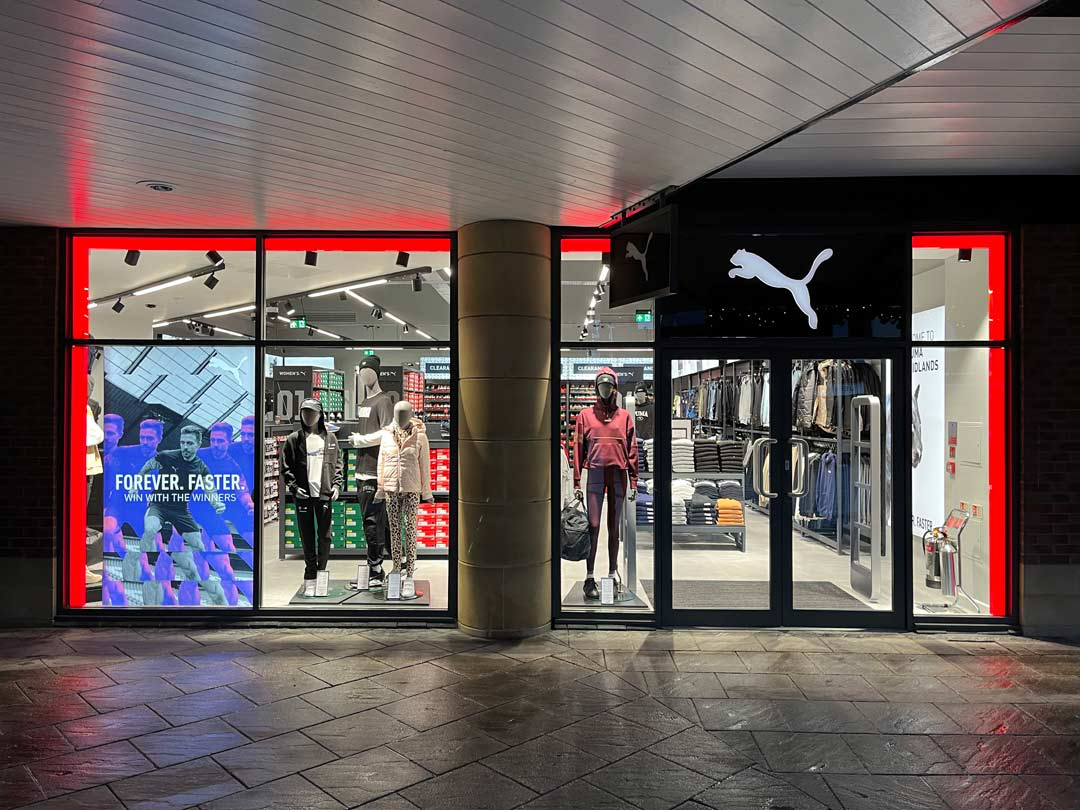
PumaFranchise Cost in India 2026
Puma franchise cost in India (2026): ₹15L investment · ₹5L franchise fee · 6% royalty — verified from primary sources · data as of Oct 2026
Core Investment
Due Diligence & Legal
Operations & Training
Investor Pro Tools
How Puma franchisees make money
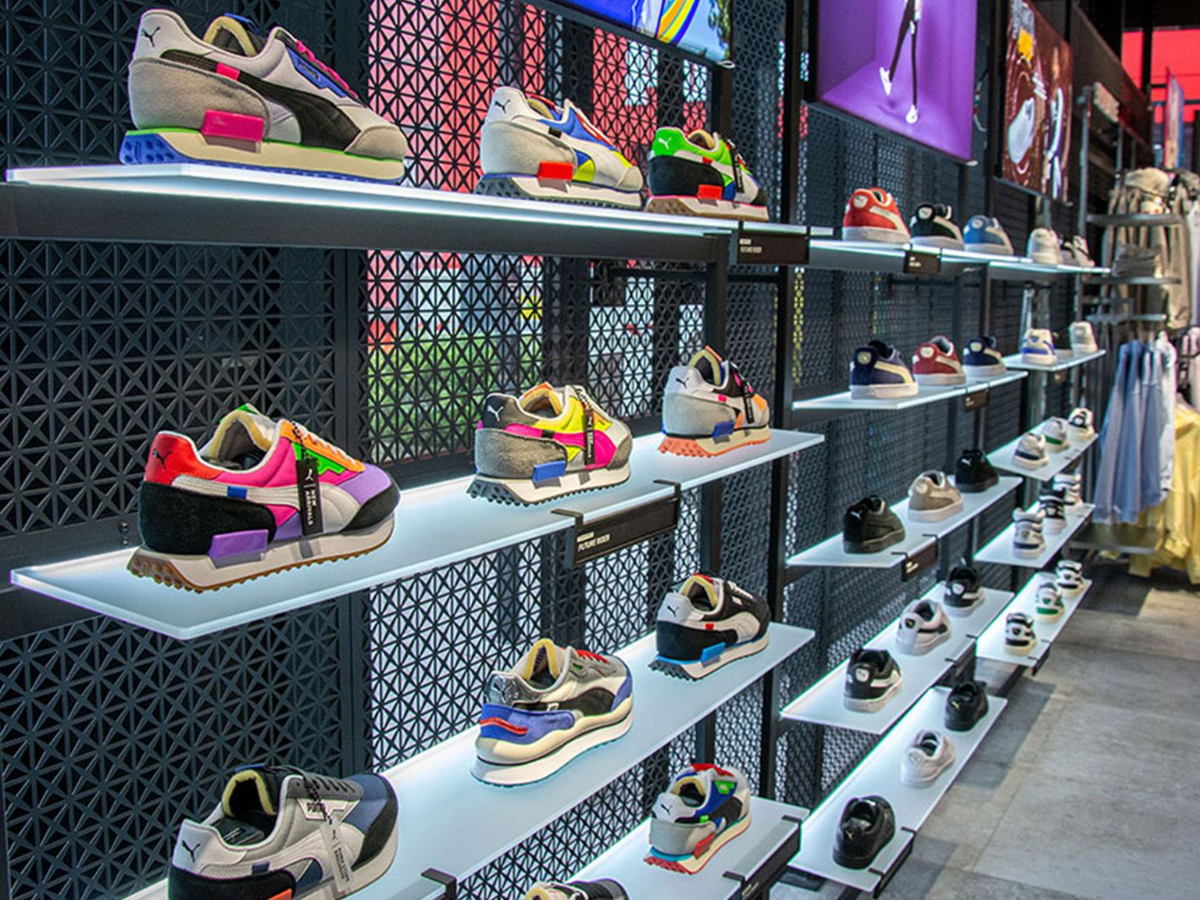
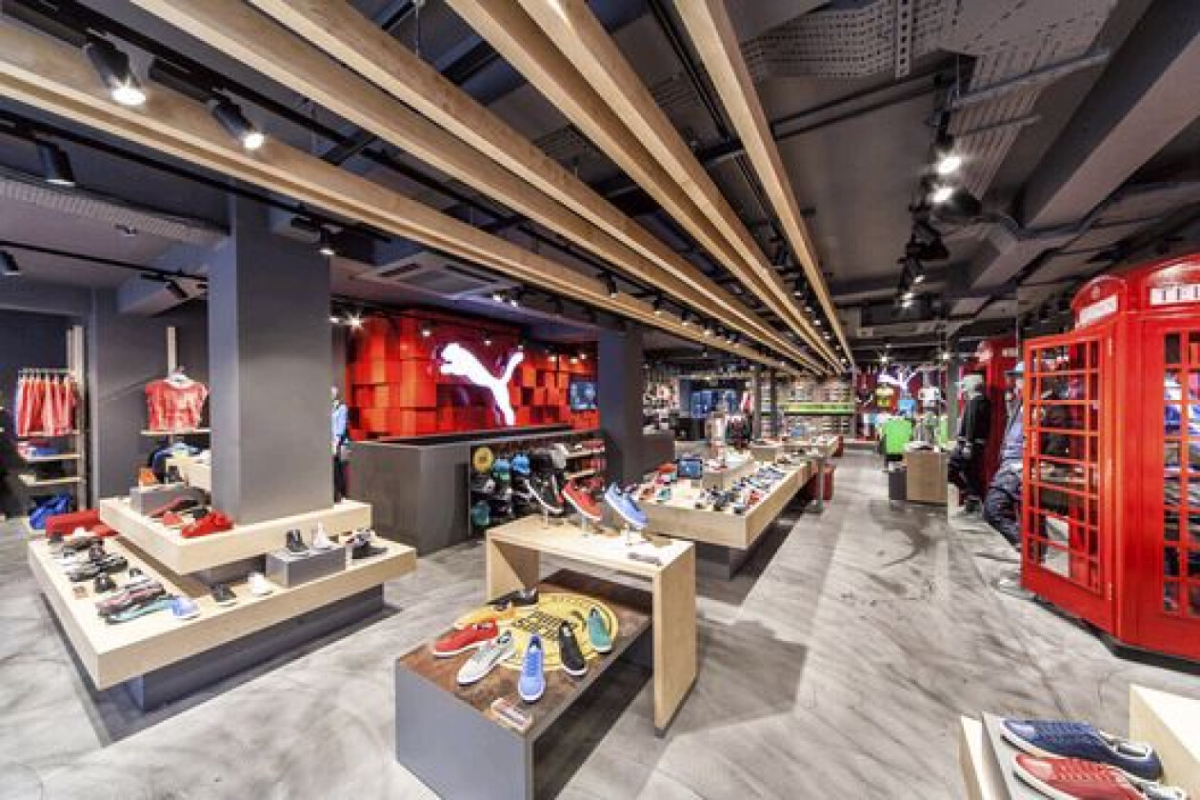
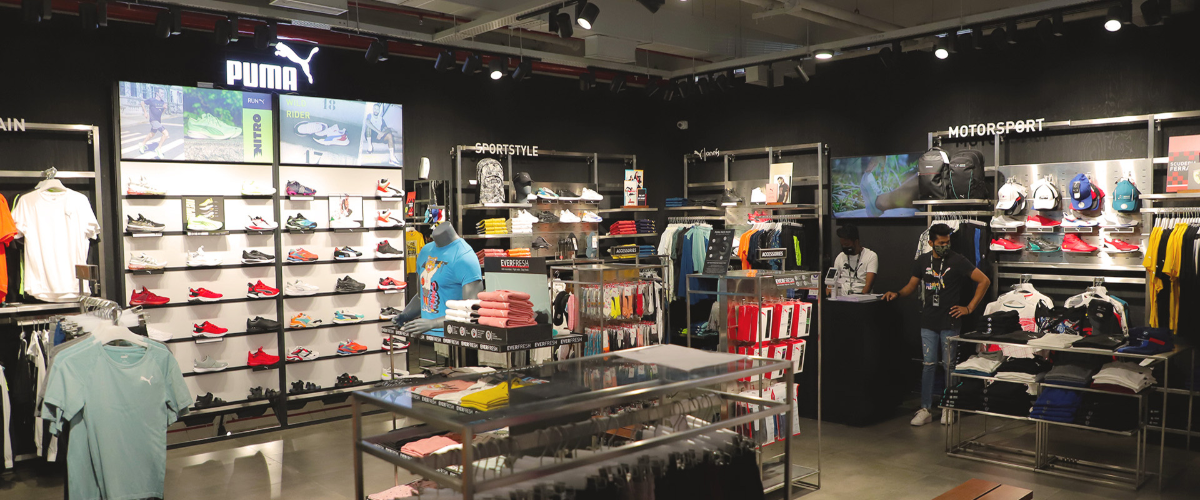
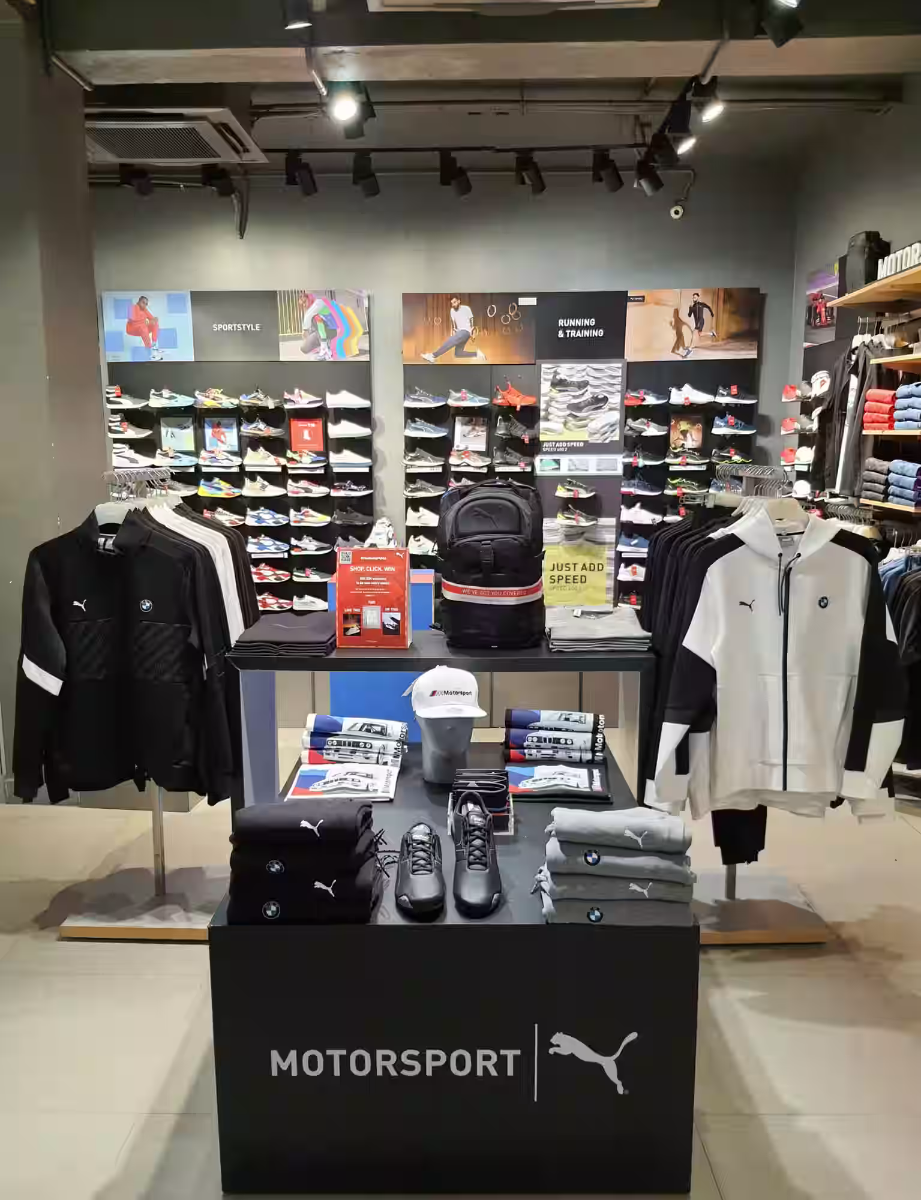
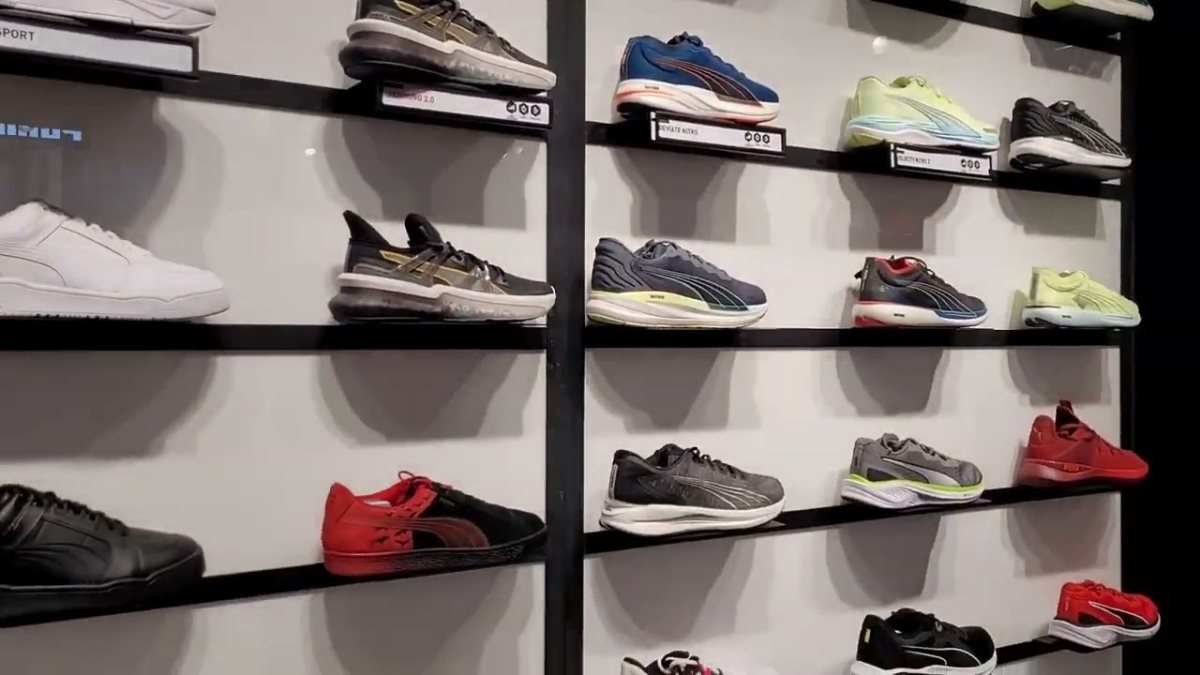
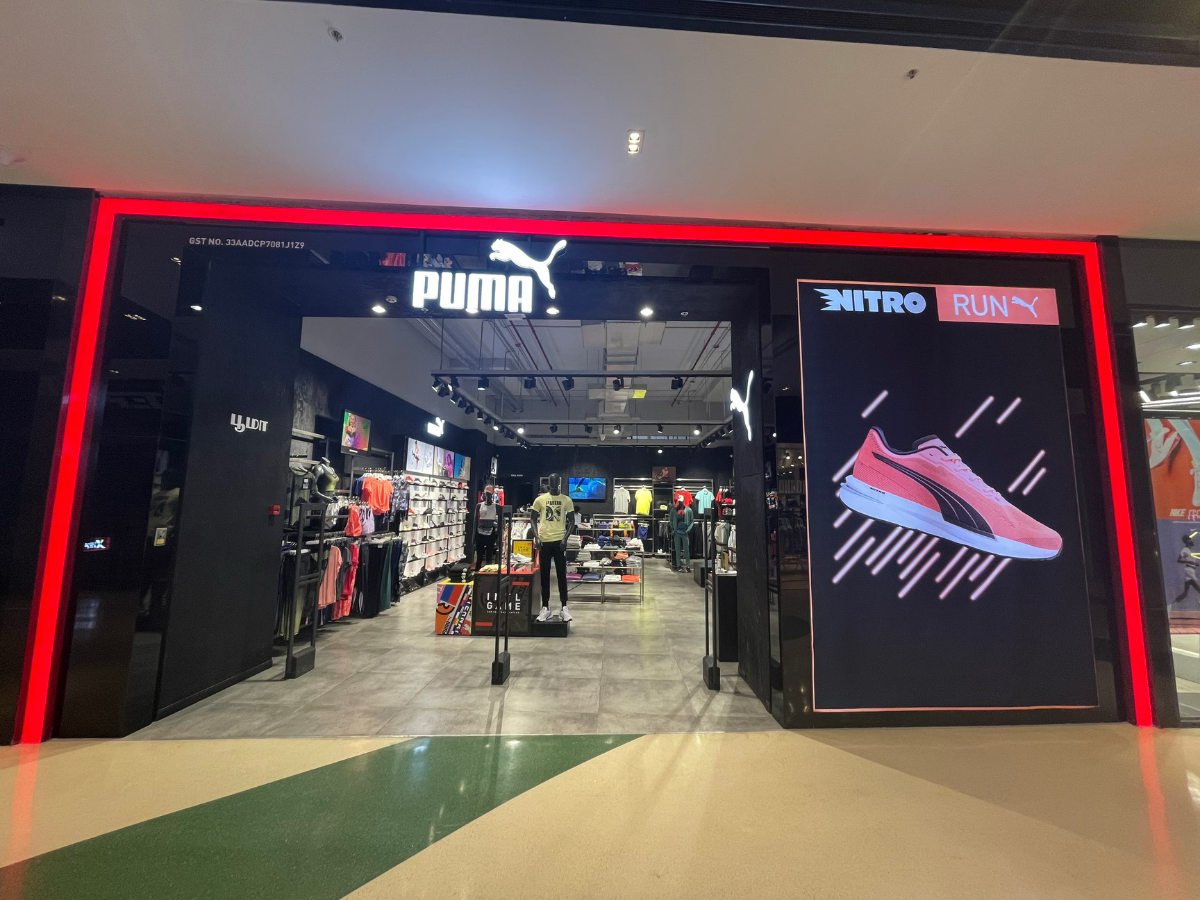
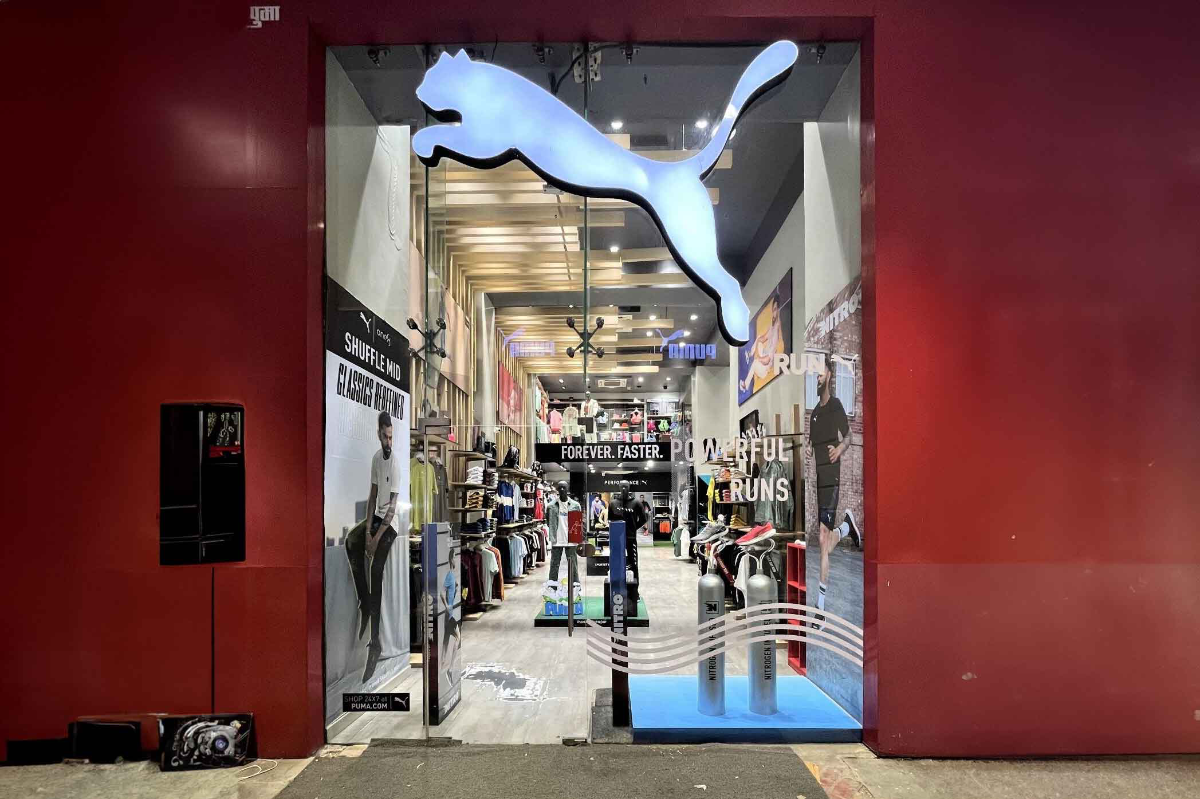
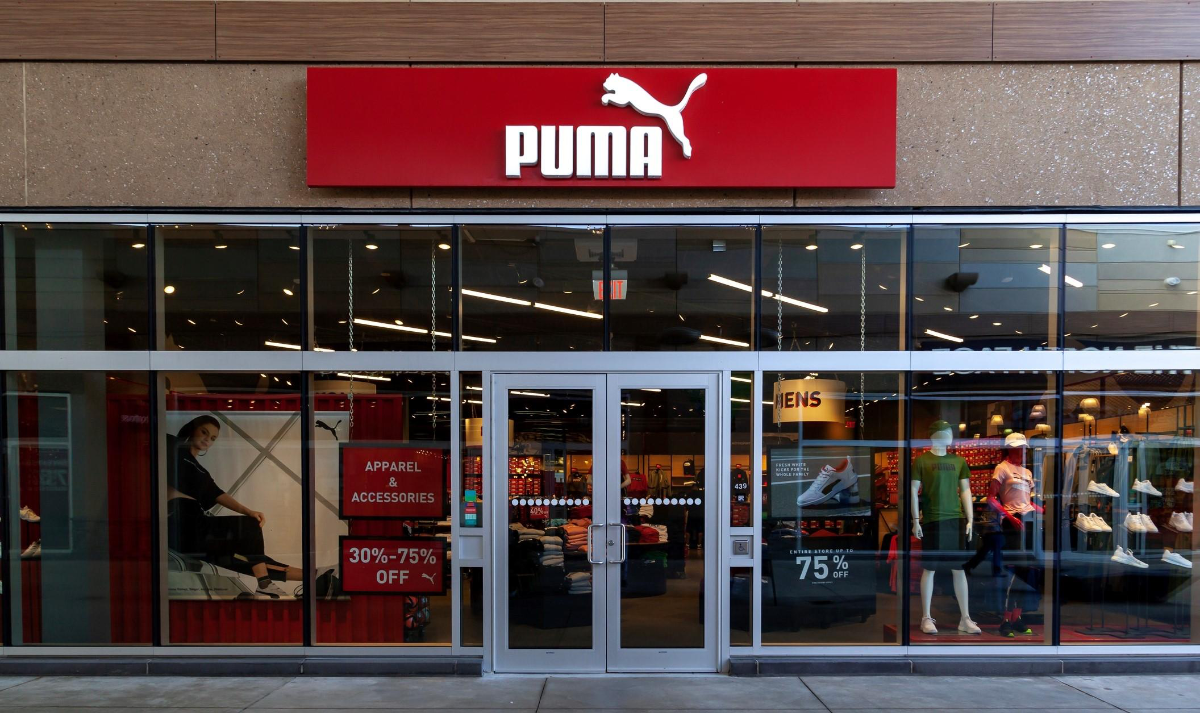
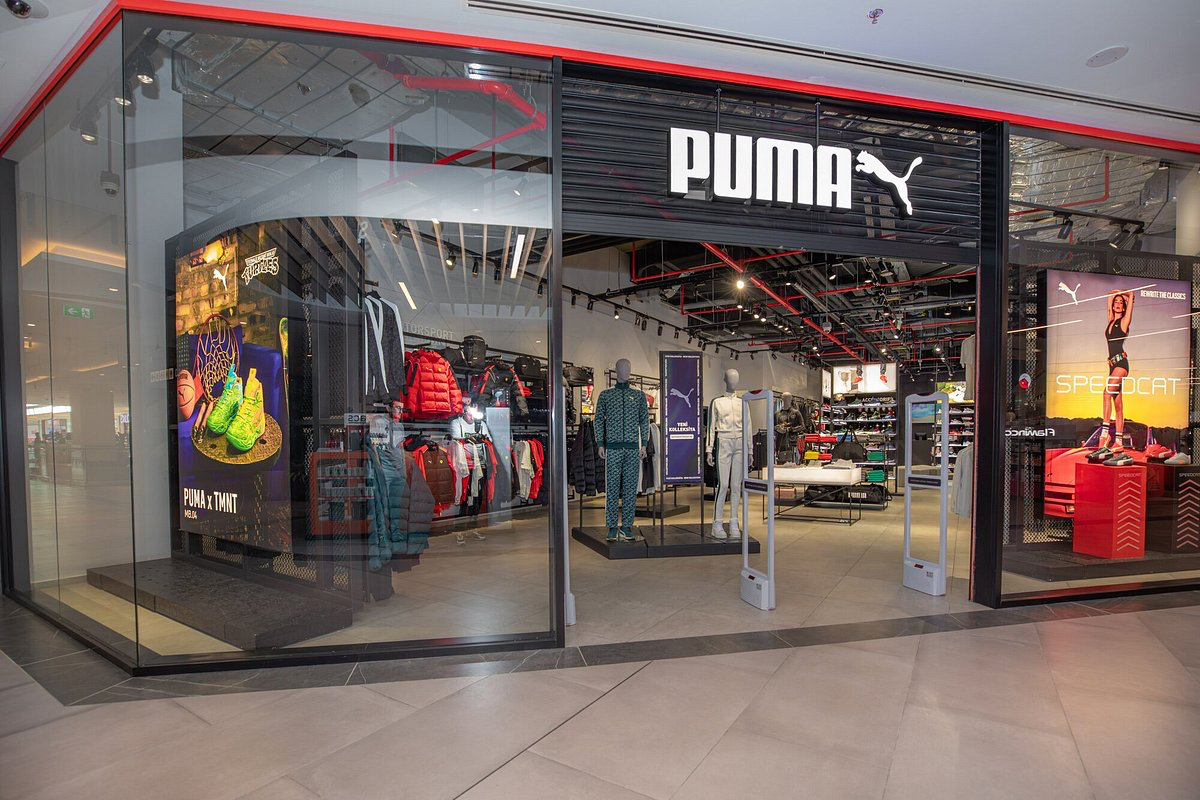
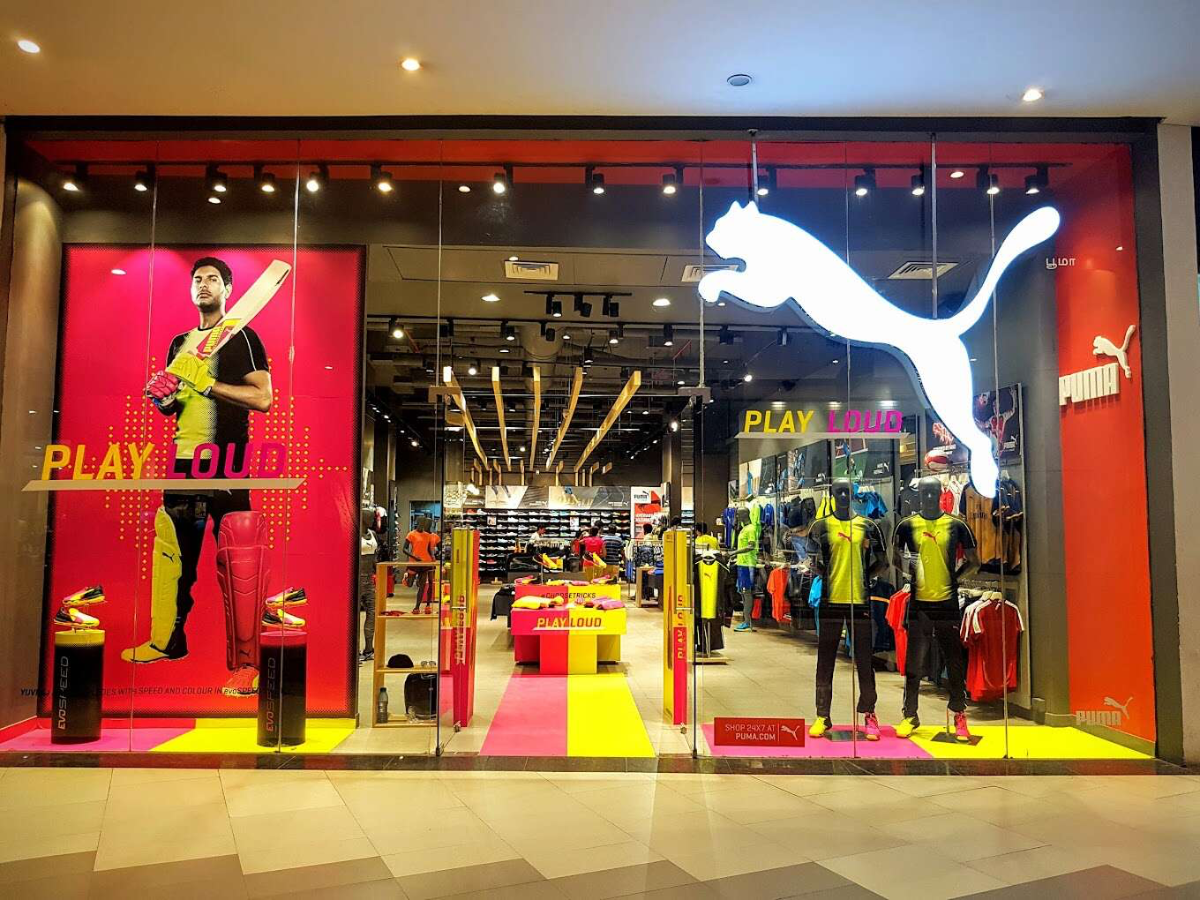
Puma franchisees earn revenue primarily from retail sales of branded sports footwear, apparel, and accessories across men's, women's, and children's categories. The exclusive store format leverages Puma's global brand recognition in the athleisure segment to drive foot traffic and per-unit sales. Franchisees operate under a royalty-based model (6% of sales) with gross margins typically ranging 30–38%, though sources indicate wider ranges (25–50%) depending on inventory mix, location tier, and local market conditions. This is a single-unit retail franchise; Puma's other business divisions (if any) operate separately and are not part of the franchisee's contract.
How steady is the revenue?
Sports and athleisure retail in India shows seasonal demand peaks around festival periods (Diwali, New Year) and summer months when footwear and activewear sales accelerate. Back-to-school and college reopening periods also drive footwear demand. Winter demand is typically softer in most Indian markets. Revenue steadiness depends heavily on location quality (high-street vs. secondary markets) and local purchasing power. Urban, tier-1 malls offer more consistent year-round traffic; secondary locations may experience sharper seasonal swings.
Growth signals for Puma
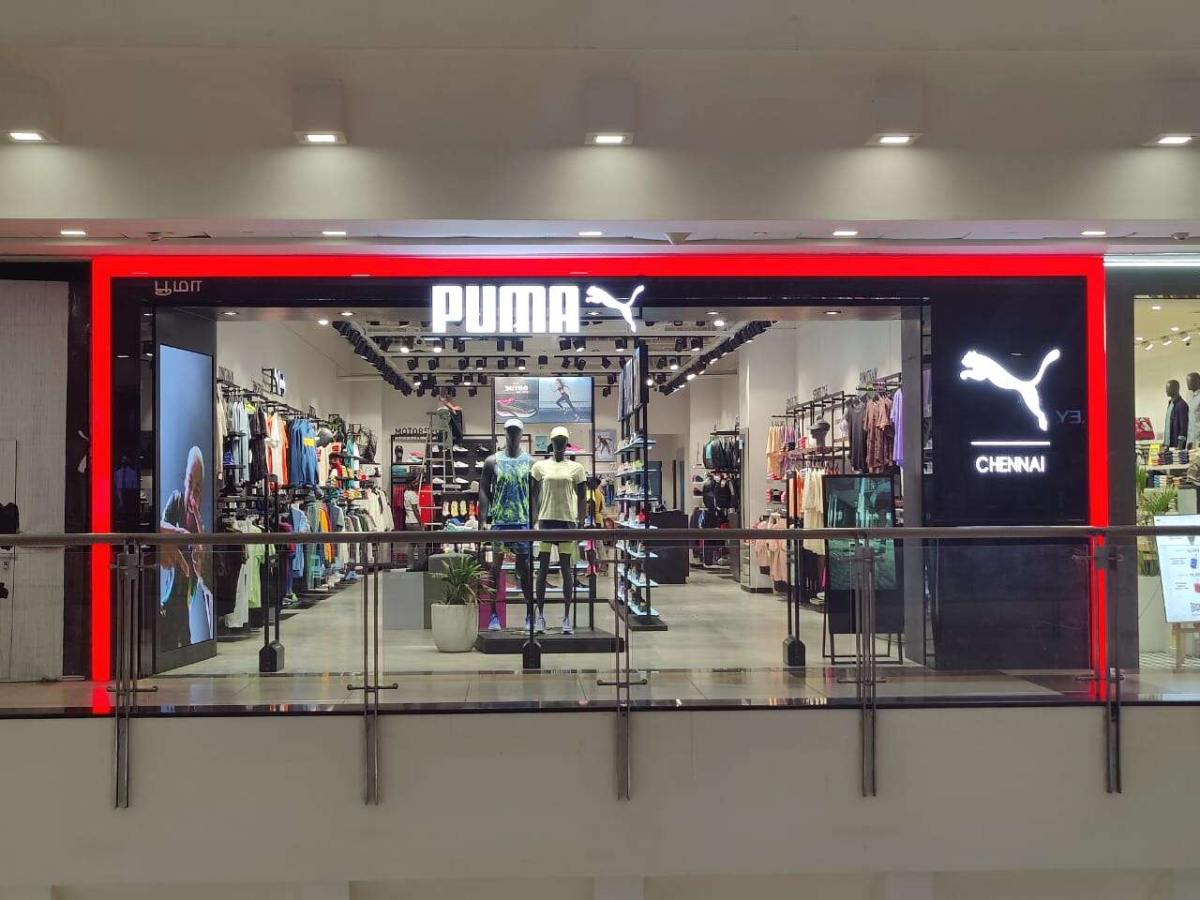
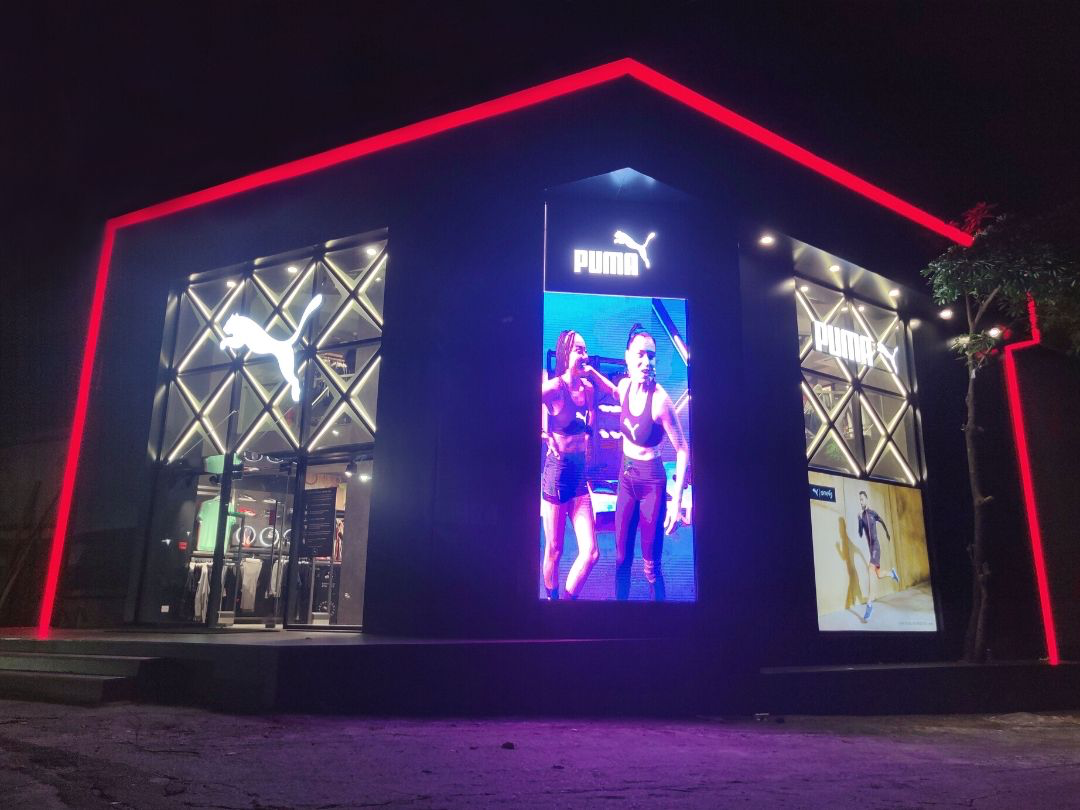
Puma operates 400 stores across India as of the latest count, indicating established market presence in the branded athleisure segment. The brand was founded in 1948 and has built global recognition over decades. India's athleisure and casual sportswear market has grown steadily as lifestyle spending and fitness awareness increase among urban and aspirational middle-class consumers. Store expansion signals ongoing category confidence, though growth pace depends on macro consumer spending trends and competitive intensity in the retail sports segment.
Operating Locations
Market position · peer cohort
Puma operates one of this cohort's broad networks, with customer response in the stronger band.
Mapped against 5 verified peers sharing its industry and store format — network breadth across, observed customer response up. Qualitative bands, relative to this cohort. Tags show how each network is run.
 Pumafranchise-owned
 Reebokfranchise-owned
 Wildcraftfranchise-owned
 Under Armourfranchise-owned
 Asicsfranchise-owned
 Adidasfranchise-owned
| Brand | Breadth | Response |
|---|---|---|
| Pumafranchise-owned |
Broad | Stronger |
| Adidasfranchise-owned |
Growing breadth | Softer |
| Asicsfranchise-owned |
Growing breadth | Middle |
| Under Armourfranchise-owned |
Focused | Stronger |
+ 2 more peers in the full cohort · all shown on the map above
How this is built. Positions come from source-verified records in the FRANticc dataset — India's provenance-first franchise data platform. Every figure is traceable to a named source, tiered S1 (brand-official) to S7 (estimated, labelled as such). Network positions use only store counts with a documented source; customer response is the review-count-weighted average of documented Google review samples across Indian states. Brands whose network totals conflict across sources are excluded from the map rather than plotted — FRANticc fails closed on bad data. Not an investment recommendation.
Is actually the right fit for you?
BrandFit asks 6 visual questions about your operator profile, capital, location, and risk appetite — then ranks all 234 brands by predicted success-fit for your specific situation. shows up where it actually fits, not just where it can afford.
Run BrandFit on my situationCo-own a Puma outlet
Puma follows the FOCO model: Puma runs the store while you own equity. We're currently forming the interest cohort; share your details and we'll contact you with the actual terms when they're finalised.