How do Bata franchisees make money?
Bata franchisees earn through direct retail sales of footwear and accessories. They purchase inventory at wholesale cost from the parent company and sell to customers at retail prices, earning a gross margin typically ranging 25-50%. Revenue is commission-based on total sales volume, with no supplementary income streams from services, food, or other categories.
What is the Bata franchise cost?
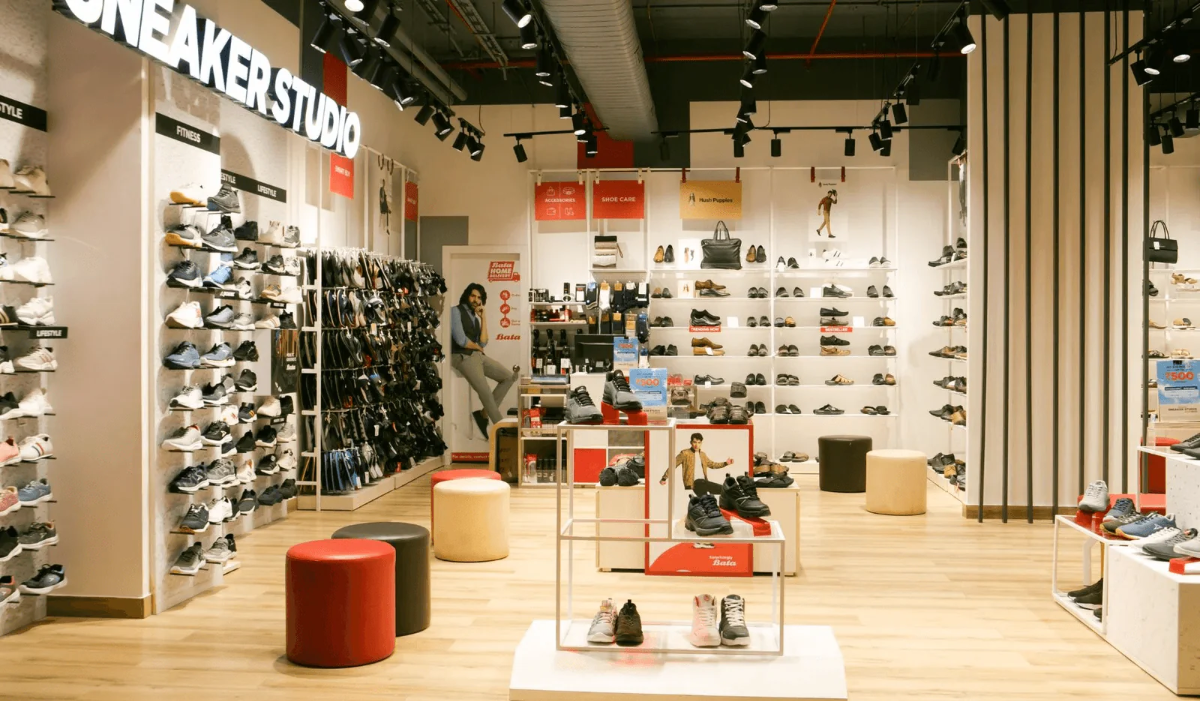
Initial investment ranges from ₹30 lakhs to ₹50 lakhs total, including franchise fee of ₹5 lakhs, store setup (interior and fixtures at approximately ₹12-13 lakhs), and initial inventory stock (₹20-22 lakhs). The store format requires approximately 600 square feet of retail space.
What revenue streams does a Bata franchisee have?
Bata franchisees have a single primary revenue stream: retail sales of footwear and accessories. All income derives from direct customer purchases at the exclusive store. No secondary service revenues, diagnostic services, or ancillary category sales are included in the franchise contract.
Is Bata franchise revenue seasonal or steady?
Footwear retail is moderately seasonal, with demand peaks during festivals (Diwali, back-to-school), wedding seasons, and summer months. Revenue is not recession-proof and is sensitive to consumer discretionary spending and local foot traffic patterns. Steadiness depends heavily on store location quality and the franchisee's promotional execution.
Is Bata actively franchising new stores in India?
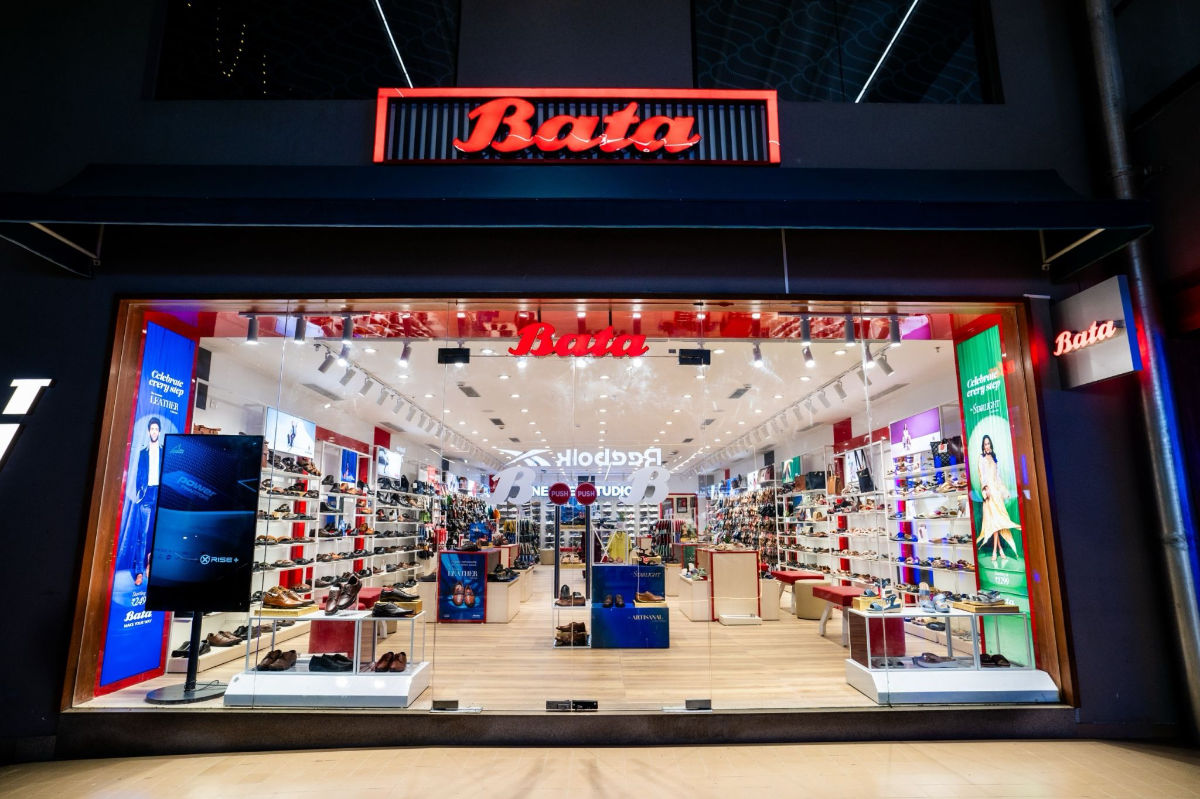
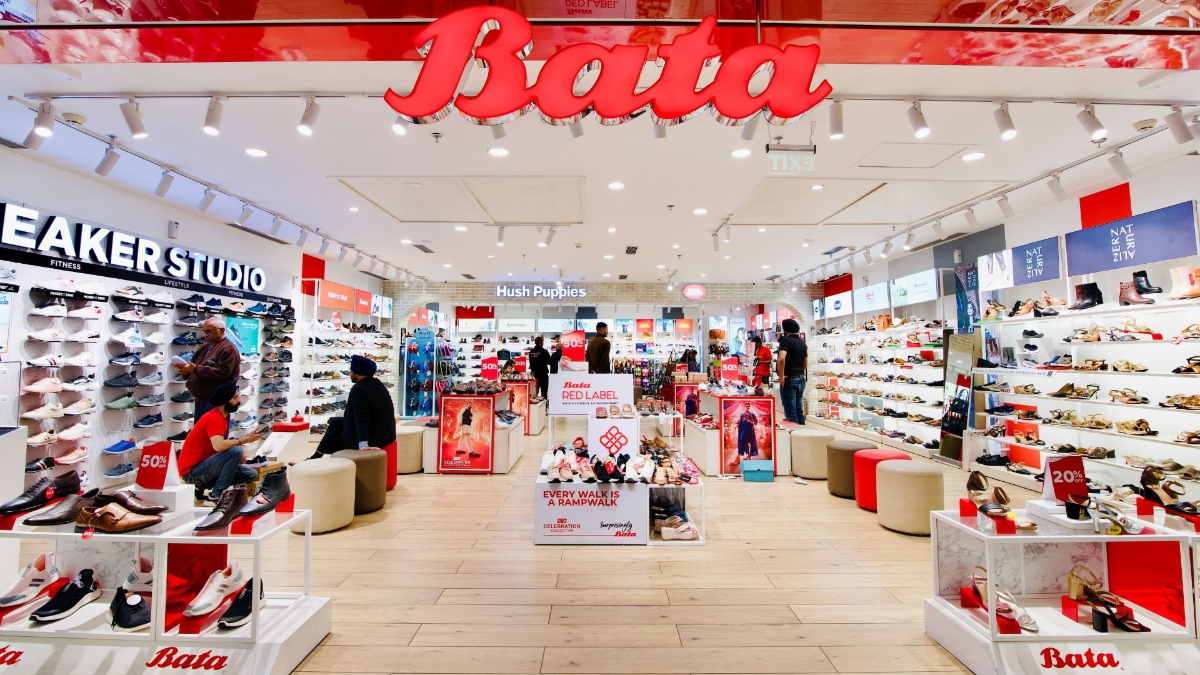
Yes, Bata is actively franchising in India through its Exclusive Store format. The brand operates 1,800 stores nationwide and continues to onboard franchisees. Bata India Limited, the parent company established in 1931, owns and operates the franchise network. Franchise partnerships are structured as FOFO (Franchise Owned, Franchise Operated), meaning you own and operate the store while purchasing inventory from Bata at wholesale cost.
What is the minimum space required for a Bata franchise store?
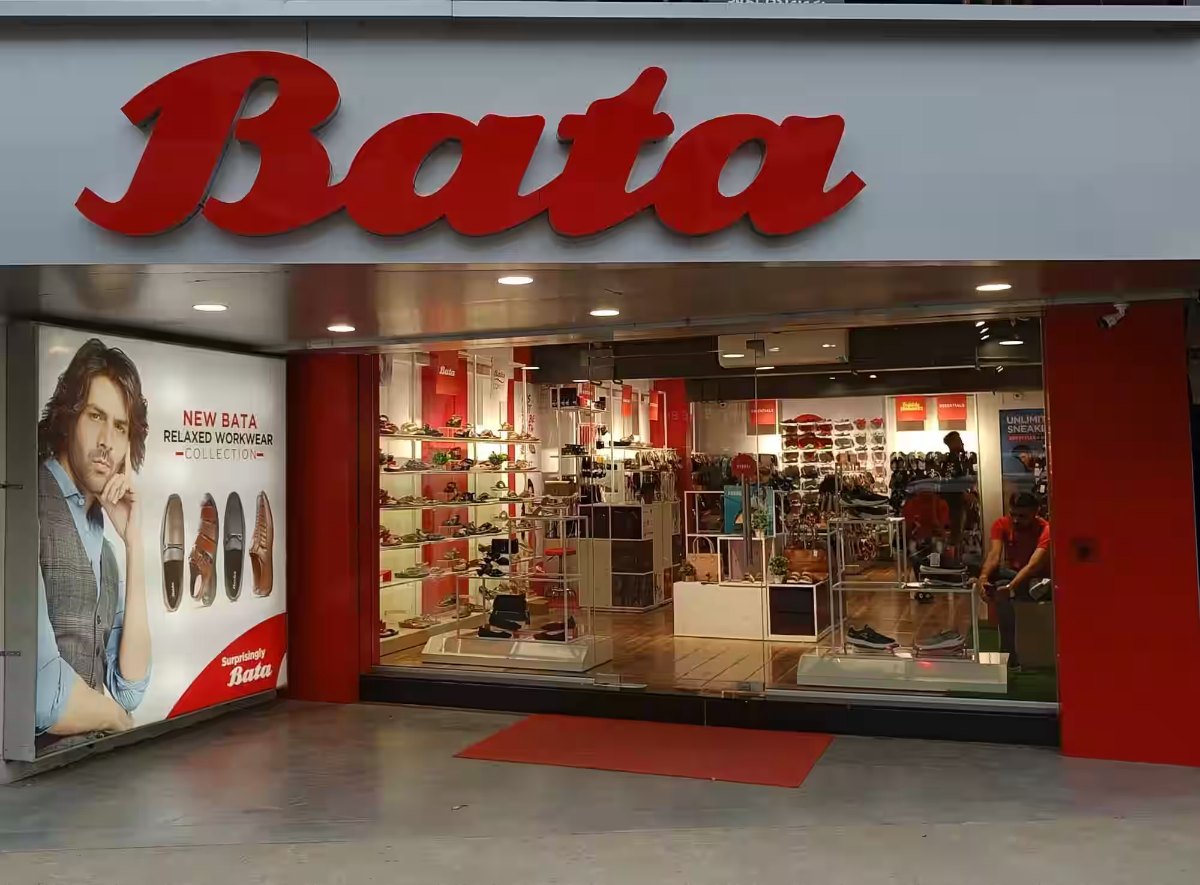
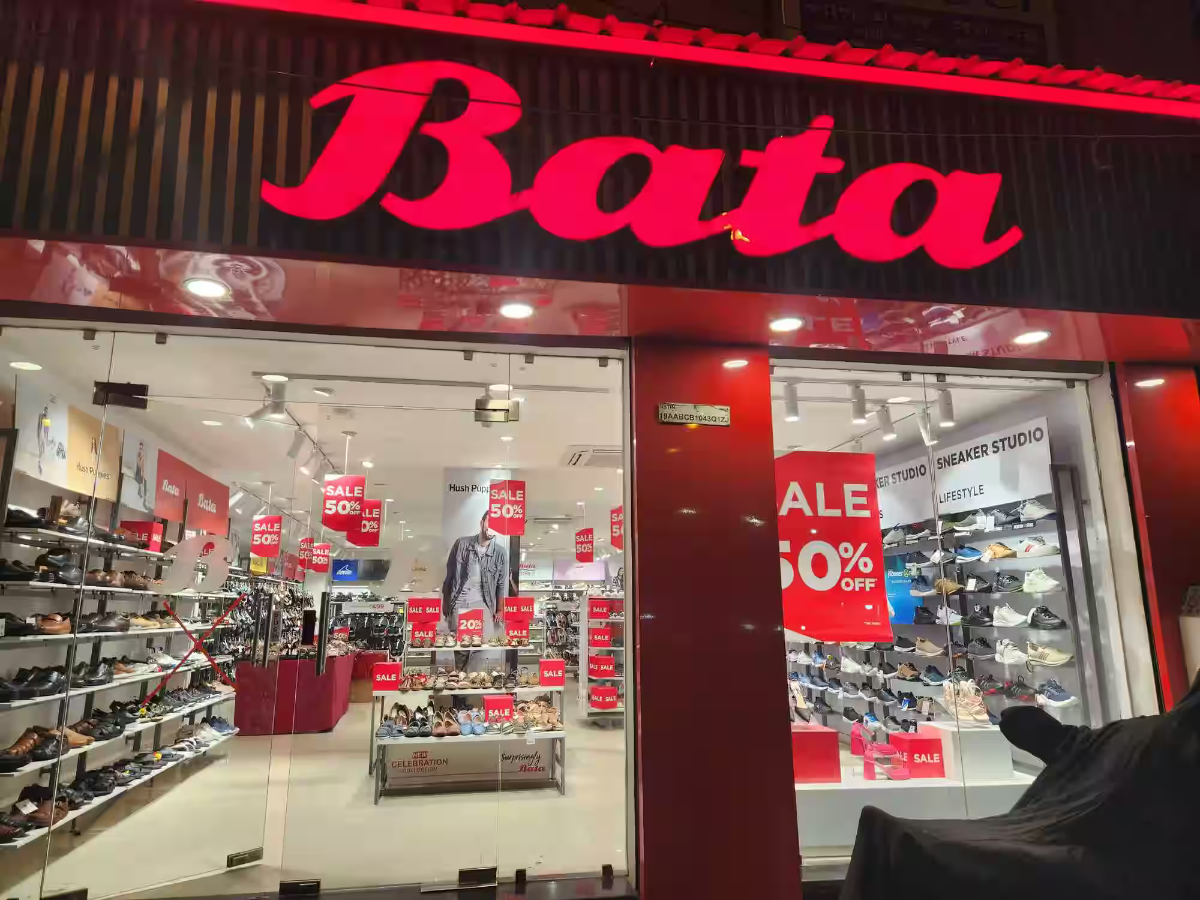
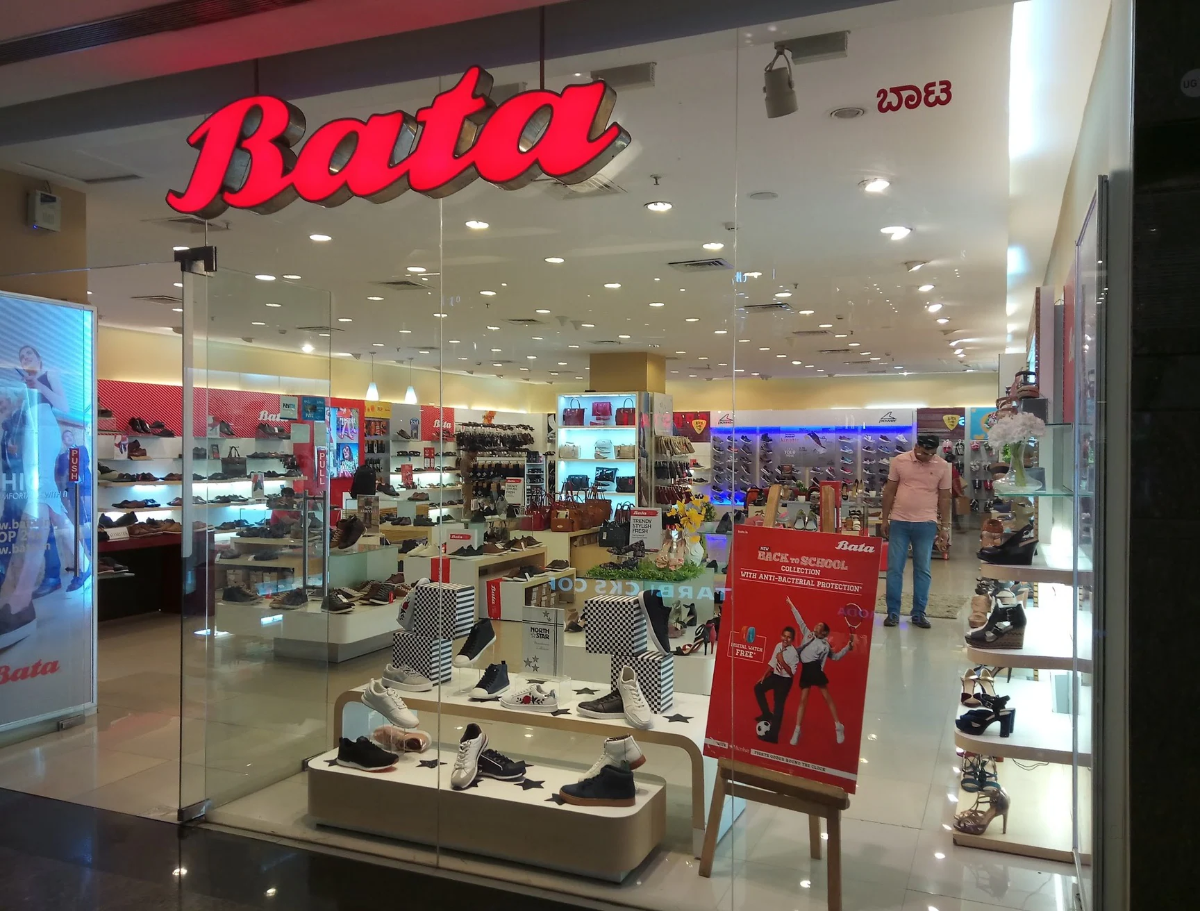
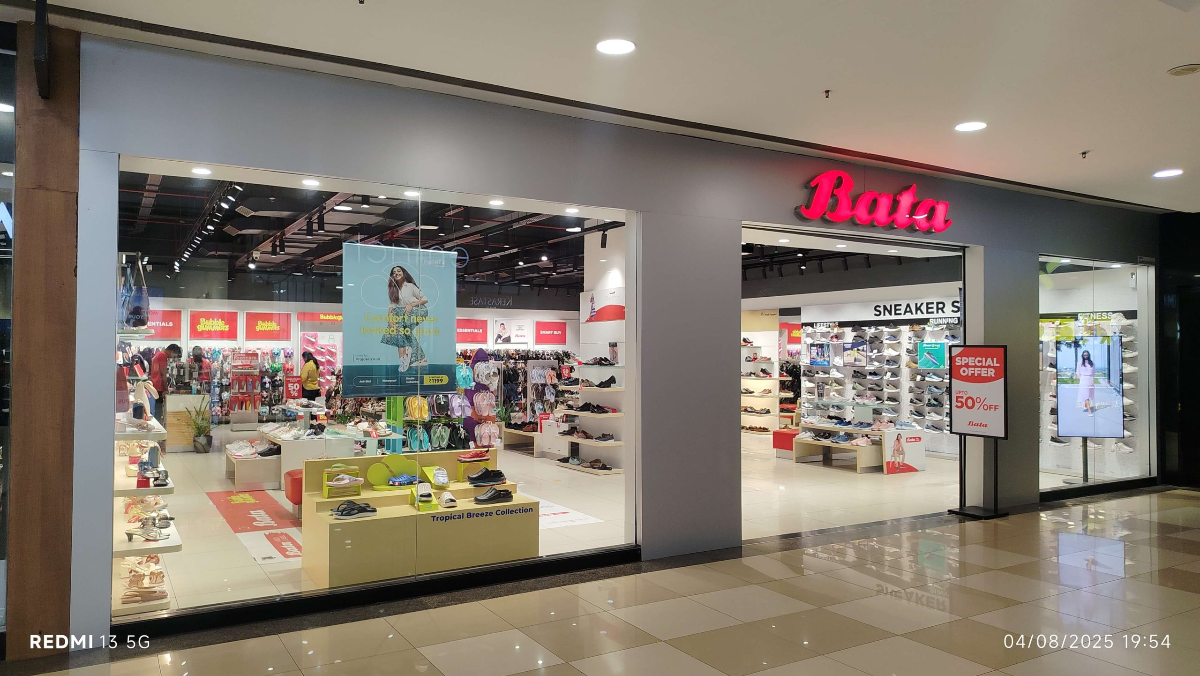
A Bata Exclusive Store requires a minimum of 600 square feet of retail space. This footprint is designed to accommodate the brand's full range of footwear and accessories with adequate display and customer circulation. Store location quality—mall presence, high-street visibility, or premium retail zones—significantly impacts footfall and sales velocity, making site selection critical to franchisee performance.
How much is the franchise fee for Bata?
The Bata franchise fee is ₹5 lakh. This covers brand access, initial training, and franchisee onboarding into the Bata network. The total initial investment including franchise fee, store setup, and working capital typically ranges from ₹30 lakh to ₹50 lakh, with the ₹30 lakh capex covering fixtures, signage, and point-of-sale systems.
Does Bata charge royalty to franchisees?
Yes, Bata charges a 5% royalty on franchisee sales. This ongoing fee supports brand marketing, supply-chain operations, and network services. There is no separate marketing fund contribution; the 5% royalty covers centralized promotional activity. Royalty is calculated on gross sales volume, not net margin, making location-driven footfall a key variable in franchisee profitability.
What is the working capital requirement for a Bata franchise?
The minimum working capital requirement for a Bata franchise is ₹15 lakh. This capital is allocated primarily to initial inventory stock—typically ₹20-22 lakh of the total ₹30-50 lakh investment—to ensure adequate product assortment and prevent stockouts in the critical opening months. Strong inventory management is essential because unsold or excess stock remains the franchisee's financial responsibility.
How long is the training period for a Bata franchisee?
Bata provides 5 days of initial training to new franchisees. This covers store operations, inventory management, sales processes, and product knowledge. Training is delivered by Bata's operations team and prepares franchisees for day-to-day execution, though ongoing support and refresher training may be available through the parent company's network.
What is the contract duration for a Bata franchise agreement?
Bata franchise agreements are typically valid for 3-5 years. This medium-term tenure allows franchisees to establish the business and generate returns while maintaining parent control over brand standards and inventory distribution. Renewal terms and conditions are negotiated at expiry based on performance and mutual agreement.
Does a Bata franchisee have exclusive territory rights?
No, Bata franchise agreements offer non-exclusive territory rights. This means the parent company can open additional Bata stores in the same geographic area, even if you are already operating there. Non-exclusive rights reflect Bata's scale model—with 1,800 stores, the brand prioritizes market coverage over individual franchisee protection, requiring franchisees to compete on store excellence and location quality rather than geographic monopoly.
How hands-on must a Bata franchisee be in store operations?
Bata franchisees require high owner involvement in daily store operations. The FOFO model means you own the store and are responsible for staff management, customer service, inventory control, and local sales execution. The parent company controls pricing, product selection, and wholesale costs, but day-to-day operational excellence—driving footfall, managing staff, executing local promotions—falls entirely on the franchisee.
What is the gross margin range for a Bata franchisee?
Bata franchisees typically realize gross margins ranging from 25-50%, depending on sell-through velocity and inventory turnover. The lower end reflects stores in value-conscious micromarkets with slower turn, while the higher end applies to high-traffic locations with strong footfall. Since the parent company controls wholesale cost, franchisee margin realization depends almost entirely on local sales velocity and minimal markdowns.
How does Bata's inventory model work for franchisees?
Bata operates a centralized inventory model where franchisees source all stock directly from the parent company at wholesale cost. Franchisees have no independent sourcing flexibility and cannot negotiate product mix or pricing with alternate suppliers. Once inventory is committed to the store, markdown risk and unsold stock responsibility rest with the franchisee, making inventory velocity critical to margin realization.
What makes Bata different from other footwear franchise brands in India?
Bata differentiates through scale (1,800 stores), established supply-chain maturity since 1931, and brand heritage across price-sensitive and mid-market segments. Unlike smaller footwear franchisors, Bata's non-exclusive model and centralized inventory control prioritize market density over franchisee protection, making it suited for operators in high-footfall retail zones rather than exclusive-territory markets. This structure works best in malls and premium retail locations where Bata's volume model drives competitive advantage.