
Directory Results 0 Matches
Refine filters to see logos.
Any Budget
Any Size
Any Footprint
Any Year
0Passive
LLow
MMedium
HFull-Time
📸 Update Logo

Woodland

Born from a Canadian outdoor-boot heritage but repositioned for India's aspirational outdoor-lifestyle consumer, Woodland occupies a niche that most footwear franchises ignore: the zero-royalty model effectively converts franchisee margin into brand-building currency, letting operators reinvest what competitors pay upstream. With ~500 outlets and a 28-38% gross margin band, the unit economics are defensible — if the franchisee can sustain sell-through in a 400+ sqft box without discounting the premium positioning away.

Core Investment

Compare
Total Stores
Format i
Space Req. i
Total Commitment i
Working Capital i
Owner's Involvement i
0
L
M
H
PassiveLowMedFull-Time

Due Diligence & Legal

Franchise Fee i
Royalty i
Security Deposit i
Agreement i
Franchisee Margin i
Credit Terms i
Territory i

Operations & Training

Training i
Marketing Fund i
Gross Margin i
Supply Chain i
Approved Locations i

Investor Pro Tools

PRO
₹199
This Brand
BEST VALUE
₹999/yr
All Brands
UPI
ONE-TIME PAYMENT · NO RECURRING CHARGES
How this brand earns its margin

How Woodland franchisees make money

Woodland franchisees earn primarily from wholesale-to-retail margins on footwear and accessories sales. The franchise operates as an exclusive store format with a reported gross margin of 35–48%, generating revenue through direct customer purchases of shoes, boots, sandals, and related accessories. The parent company manufactures and supplies inventory; franchisees buy at wholesale rates and sell at retail, absorbing markdown risk on seasonal or unsold stock. No royalty is charged on sales, making the unit economics dependent on traffic conversion, inventory turnover, and local pricing power.

Supply chain & sourcing

Woodland supplies finished footwear and accessories inventory to franchisees at wholesale cost. Franchisees purchase stock on a buy-back or consignment-adjacent model typical of branded apparel and footwear retail; markdown risk and unsold inventory absorption rest with the franchisee. The parent company controls product design, quality, and wholesale pricing, while franchisees manage local inventory, promotional discounting, and stock disposition. This structure means real unit margins depend on sell-through velocity and the franchisee's ability to clear seasonal stock before markdowns erode gross profit.

Demand & growth signals

Footwear and accessories retail is moderately seasonal, with demand peaks around festival periods (Diwali, New Year) and back-to-school cycles. Urban footfall and discretionary spending drive store traffic; economic slowdowns and e-commerce competition can pressure same-store sales. Woodland's established brand and 500-store presence suggest stable category positioning, but individual franchisee revenue will fluctuate with local market conditions, location quality, and inventory management discipline. Woodland has operated since 1992 and maintains 500 stores across India, indicating sustained market presence in branded footwear retail. The brand competes in a growing but fragmented category where organized retail (branded chains) continues to gain share over unorganized players. India's rising per-capita spending on branded footwear and the shift toward mall and high-street retail support category tailwinds, though direct e-commerce competition from national and international brands remains a structural headwind.

Disclosed revenue lines
How a franchisee earns
Disclosed revenue lines · Woodland
Primary
Footwear and accessories retail sales
The core revenue line. Franchisees purchase finished shoes, boots, sandals, and related accessories (belts, bags, socks) from Woodland at wholesale rates and resell at retail margin (35–48% gross). Seasonal categories (monsoon boots, summer sandals) and festival-linked demand drive variation. Franchisees absorb all markdown and unsold inventory risk, making stock turnover and local pricing power critical to net margin realization.
Secondary
Private-label and exclusive-to-Woodland product margin
Woodland's own-brand designs and exclusive footwear collections command higher retail markups than third-party brands carried in the store. These products reinforce brand identity and allow franchisees to differentiate from competitors stocking multi-brand portfolios. Margins on exclusive lines typically exceed the store-wide average, though exact mix and velocity are franchisee and location dependent.
Tertiary
In-store promotional and clearance sales
Seasonal and off-season clearance drives short-term margin compression but supports inventory rotation. Franchisees may run promotional campaigns to accelerate sell-through on slow-moving stock, reducing long-term markdown impact. Promotional revenue is a supporting line rather than a primary driver and reflects operational discipline rather than a distinct business model.

Operating Locations

FRANticc · BrandFit AI

Is actually the right fit for you?

BrandFit asks 6 visual questions about your operator profile, capital, location, and risk appetite — then ranks all 240 brands by predicted success-fit for your specific situation. shows up where it actually fits, not just where it can afford.

Run BrandFit on my situation


Join this Brand : See if you Qualify ↓

Syncing Database...
0% Complete
Upload Gallery Photos

Select the category to assign these 0 photos to:

Edit Gallery Categories
Edit Industry Registry

More in this category, or compare Woodland side-by-side

Frequently asked · Woodland
How do Woodland franchisees make money?
Woodland franchisees earn from the wholesale-to-retail margin (35–48% gross) on footwear and accessories. They purchase inventory from the parent company at wholesale cost and resell at retail prices. Franchisees absorb all unsold inventory and markdown risk. There is no royalty on sales, so unit profitability depends on traffic, conversion, inventory turnover, and pricing discipline.
What is the Woodland franchise cost?
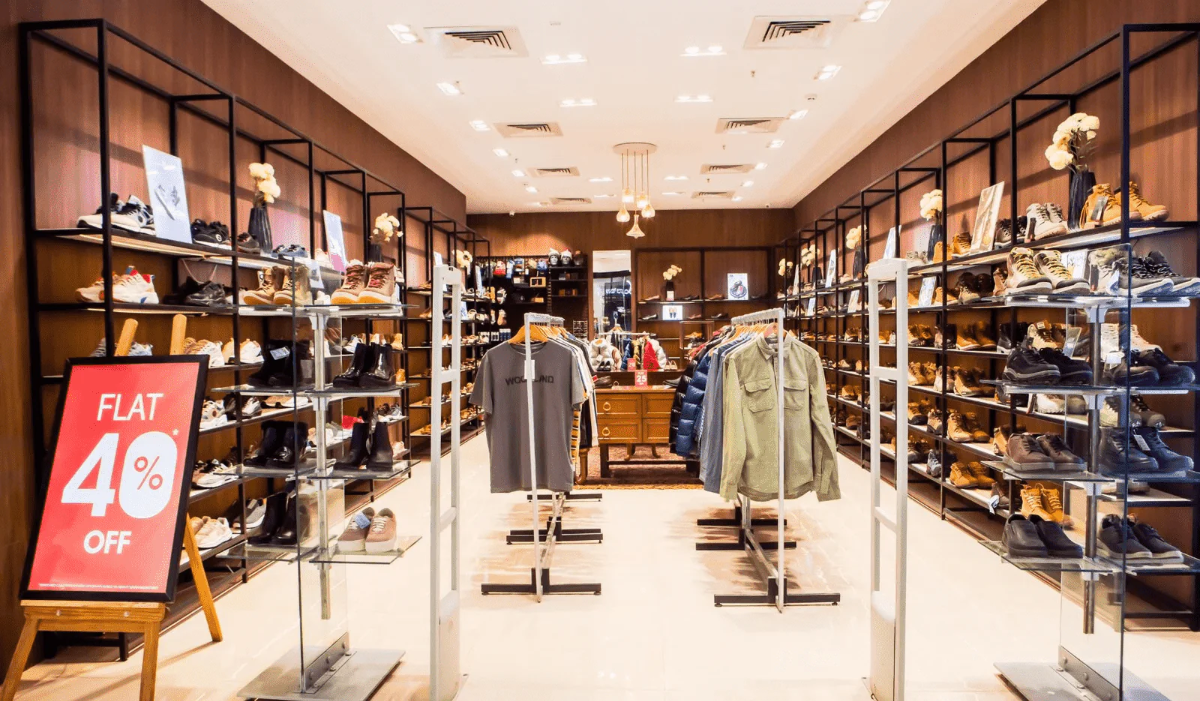
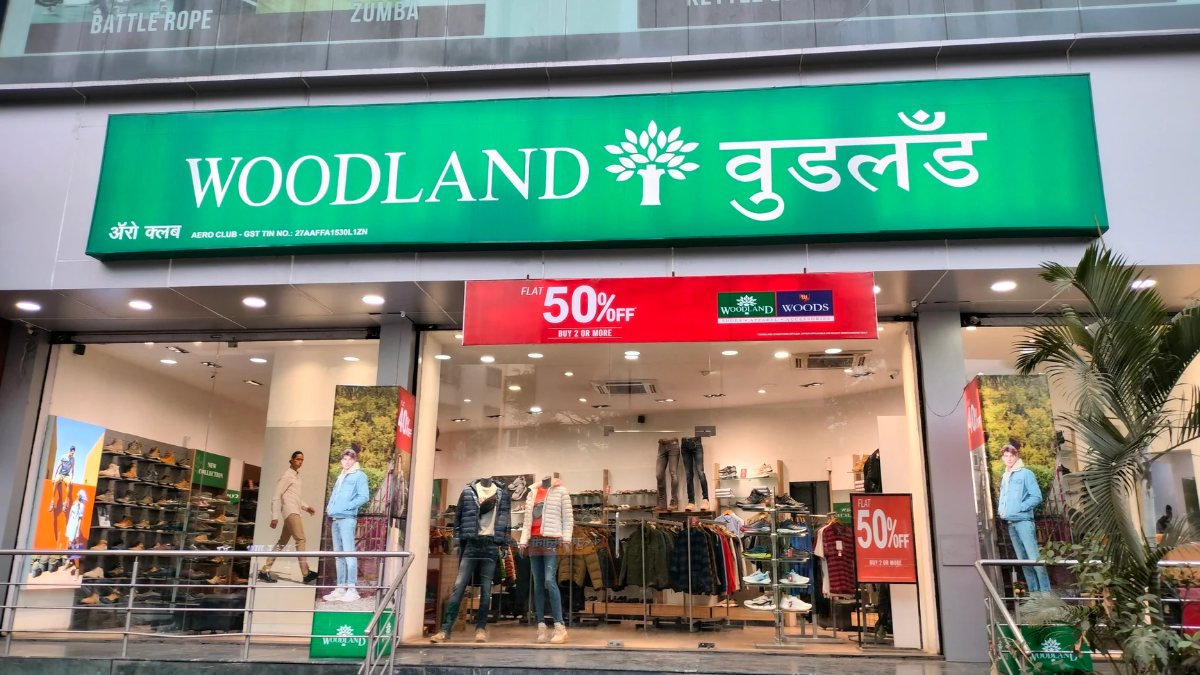
The minimum capex is ₹90 lakhs and the franchise fee is ₹7 lakhs. There is no ongoing royalty. The store format is exclusive retail at approximately 1200 sqft.
What revenue streams does a Woodland franchisee have?
The primary revenue stream is retail sales of footwear and accessories at wholesale-to-retail margins. Secondary revenue includes higher margins on Woodland's private-label and exclusive product lines. Tertiary revenue comes from seasonal clearance and promotional sales to drive inventory turnover.
Is Woodland franchise revenue seasonal or steady?
Footwear retail is moderately seasonal, with peaks during festivals (Diwali, New Year) and back-to-school periods. Local economic conditions and e-commerce competition also influence store-level demand. Steady revenue requires strong local positioning and active inventory management.
Is Woodland actively franchising in India?
Yes, Woodland is actively franchising in India through two formats: Multi-Brand Retail outlets and Exclusive Stores. The brand operates approximately 500 stores across the country and continues to expand its franchise network in Tier 1-3 cities. Both formats are available for qualified franchisees seeking to enter the branded footwear retail sector.
How much does a Woodland Exclusive Store franchise cost in India?
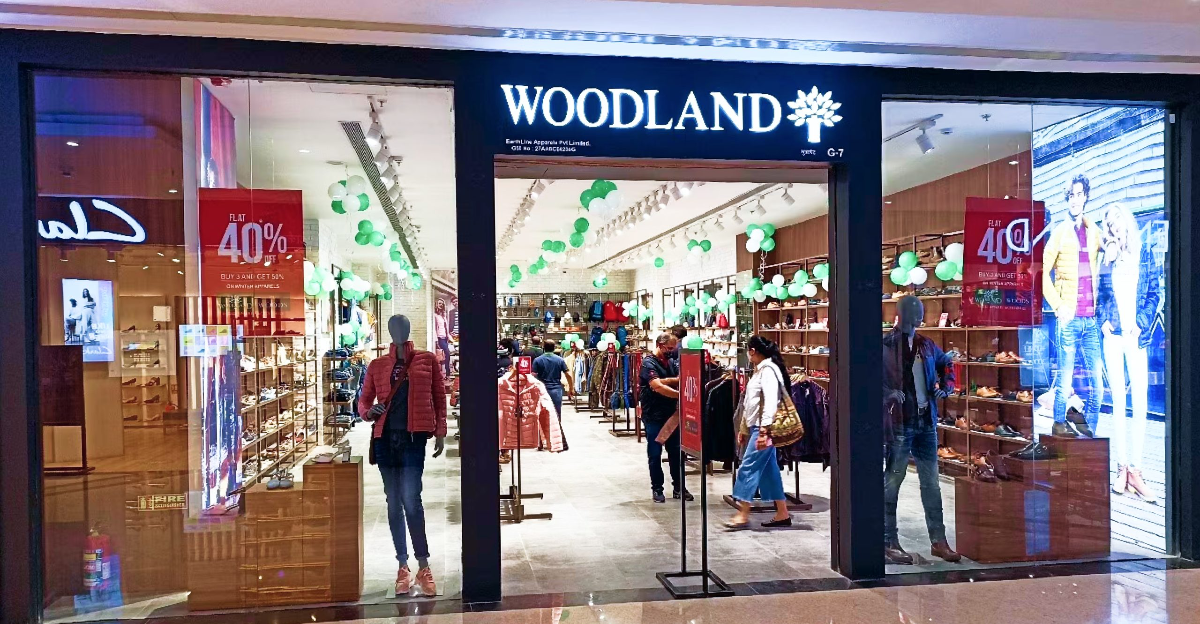
A Woodland Exclusive Store franchise requires a minimum capex of ₹90 lakh, a franchise fee of ₹7 lakh, and working capital of ₹30 lakh. This format operates in approximately 1200 sqft spaces in malls and high-street locations. No royalty is charged on sales, allowing franchisees to retain the full wholesale-to-retail margin of 35–48% on footwear and accessories.
What is the difference between Woodland's Multi-Brand and Exclusive Store formats?
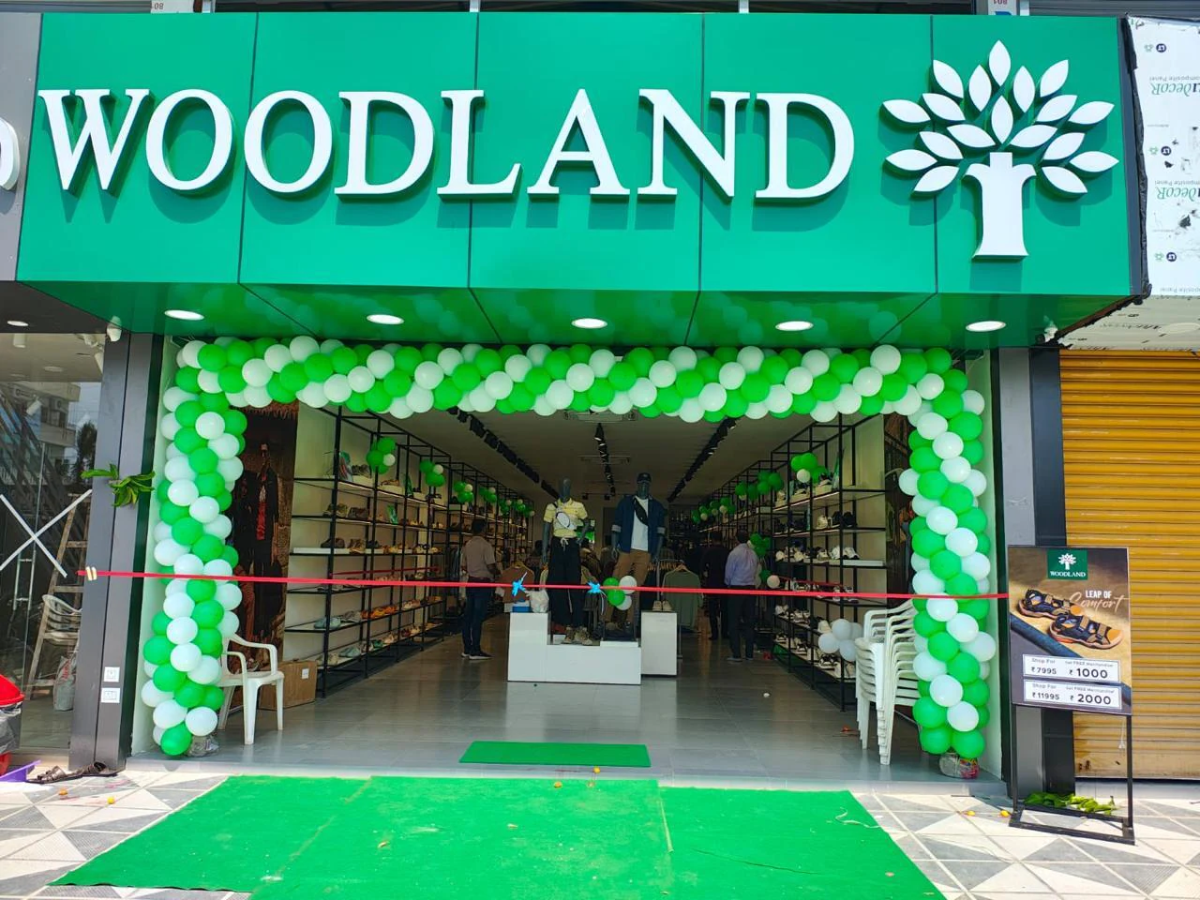
The Multi-Brand format requires ₹20 lakh capex and ₹400+ sqft space, allowing Woodland products to be sold alongside other footwear brands in a shared retail environment with non-exclusive territory. The Exclusive Store format requires ₹90 lakh capex and 1200 sqft, grants exclusive territorial rights, and operates as a standalone Woodland-branded outlet. Exclusive stores carry higher margins (35–48%) compared to Multi-Brand (28–38%) but demand greater capital investment and operational commitment.
How much space does a Woodland franchise store need?
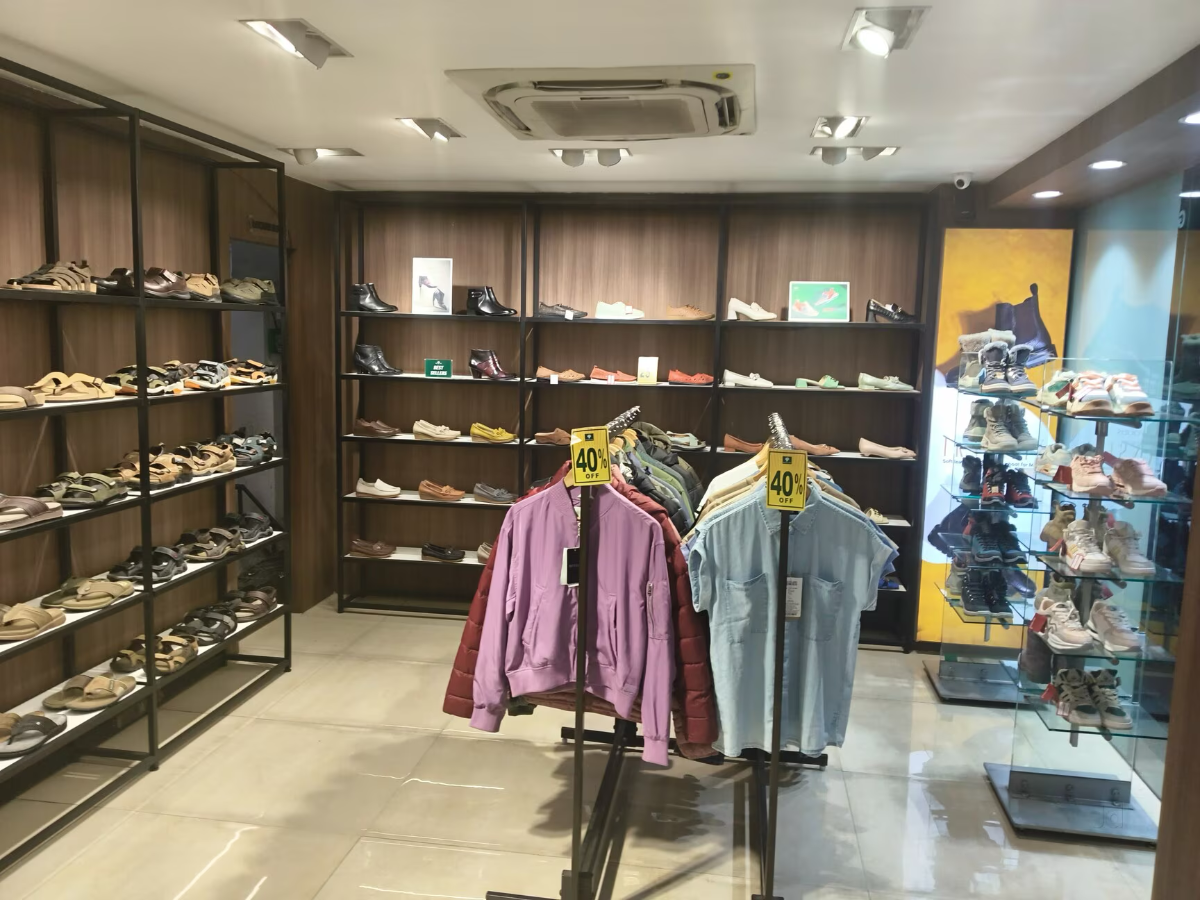
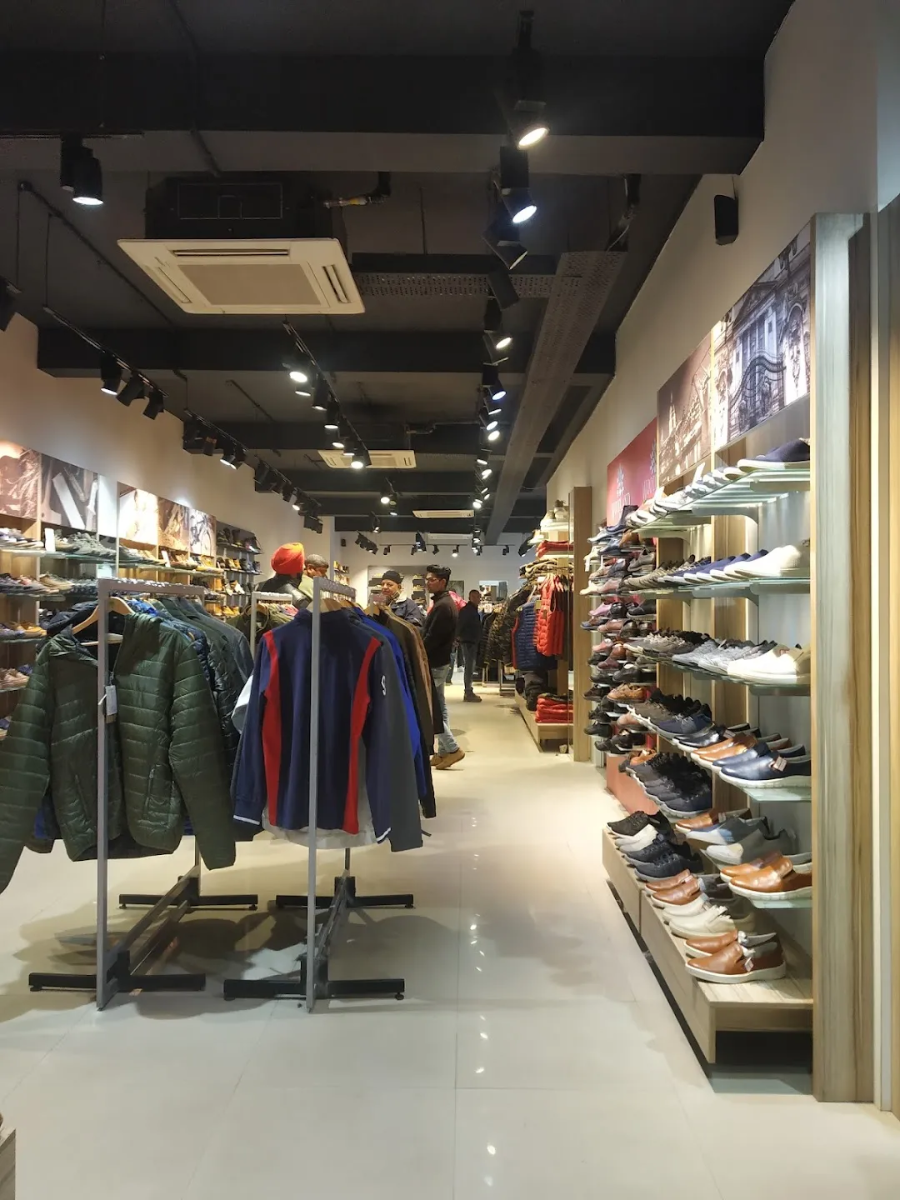
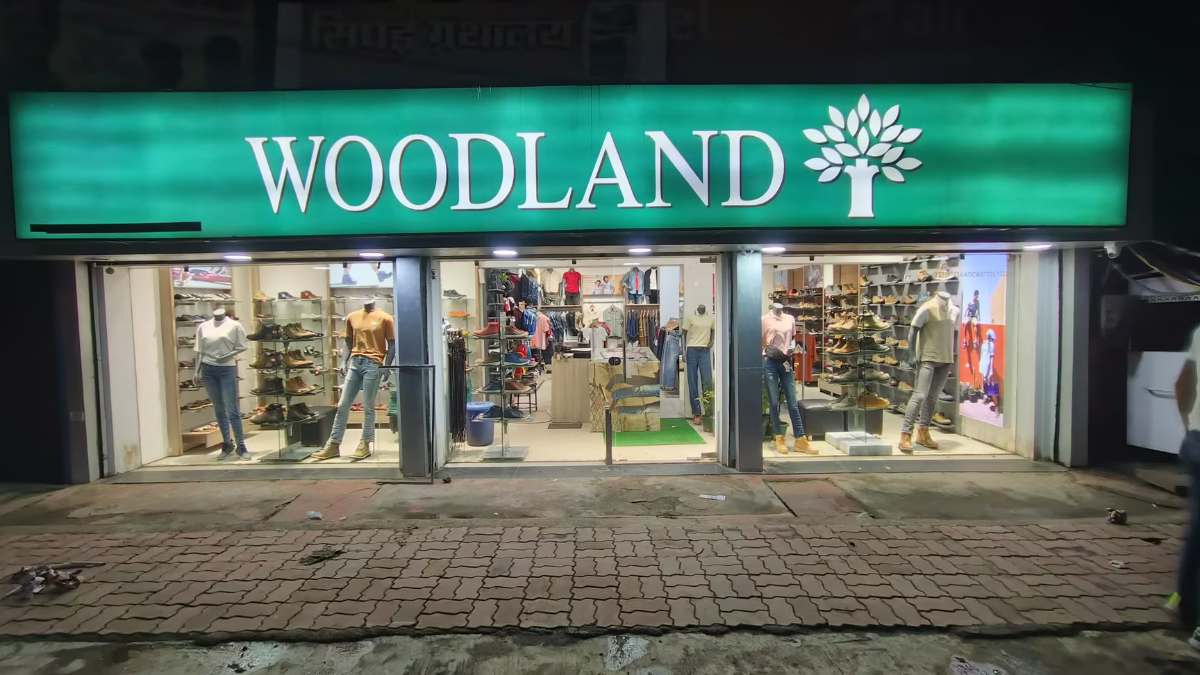
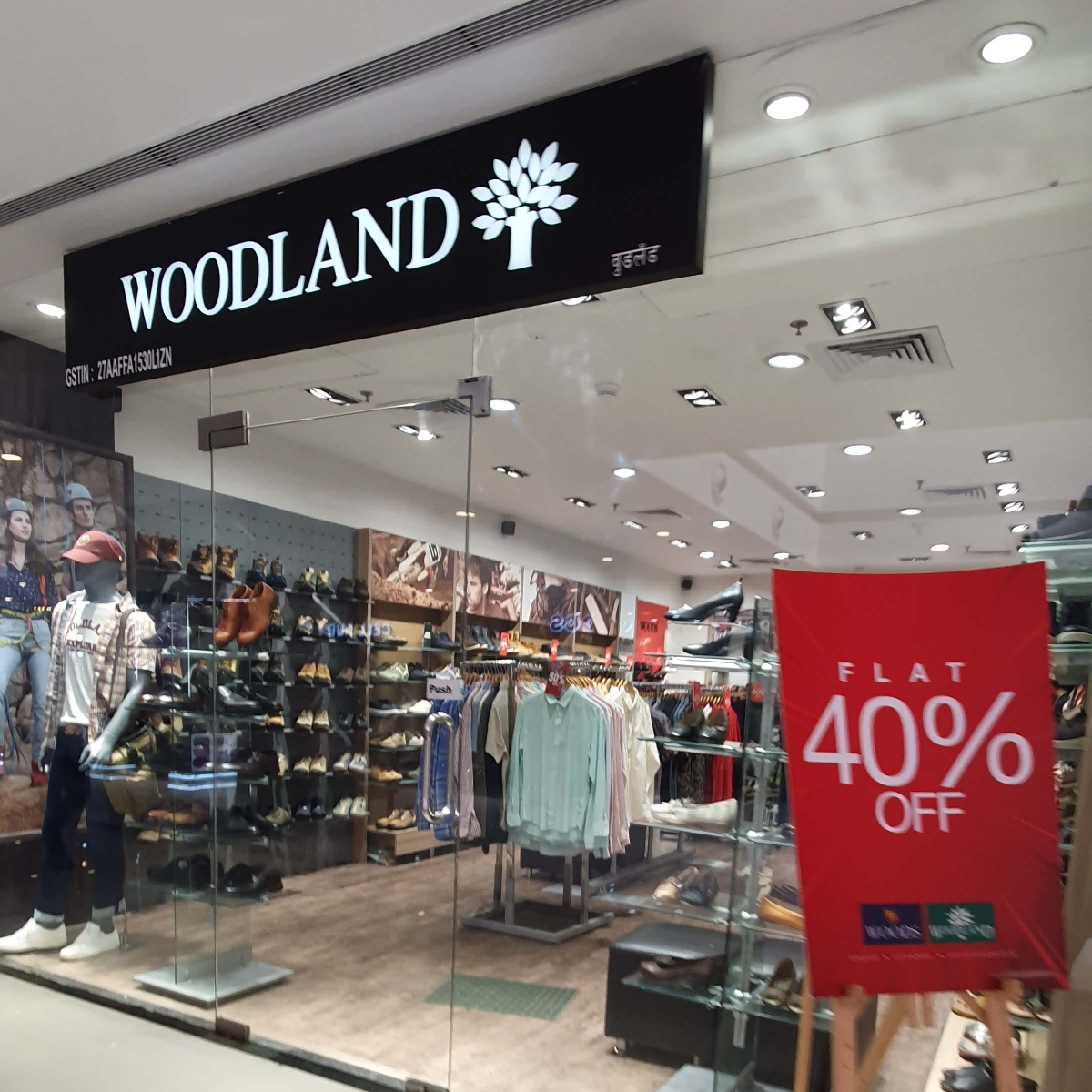
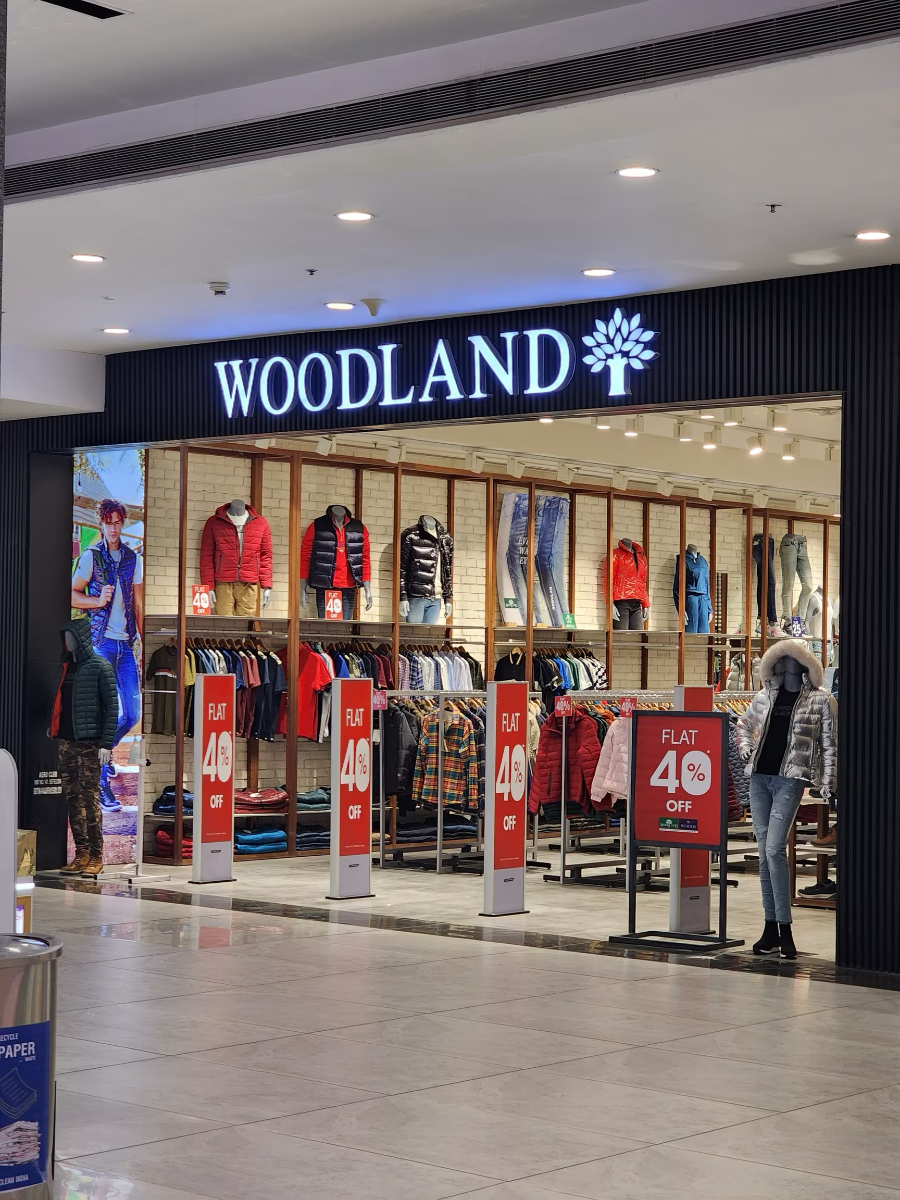
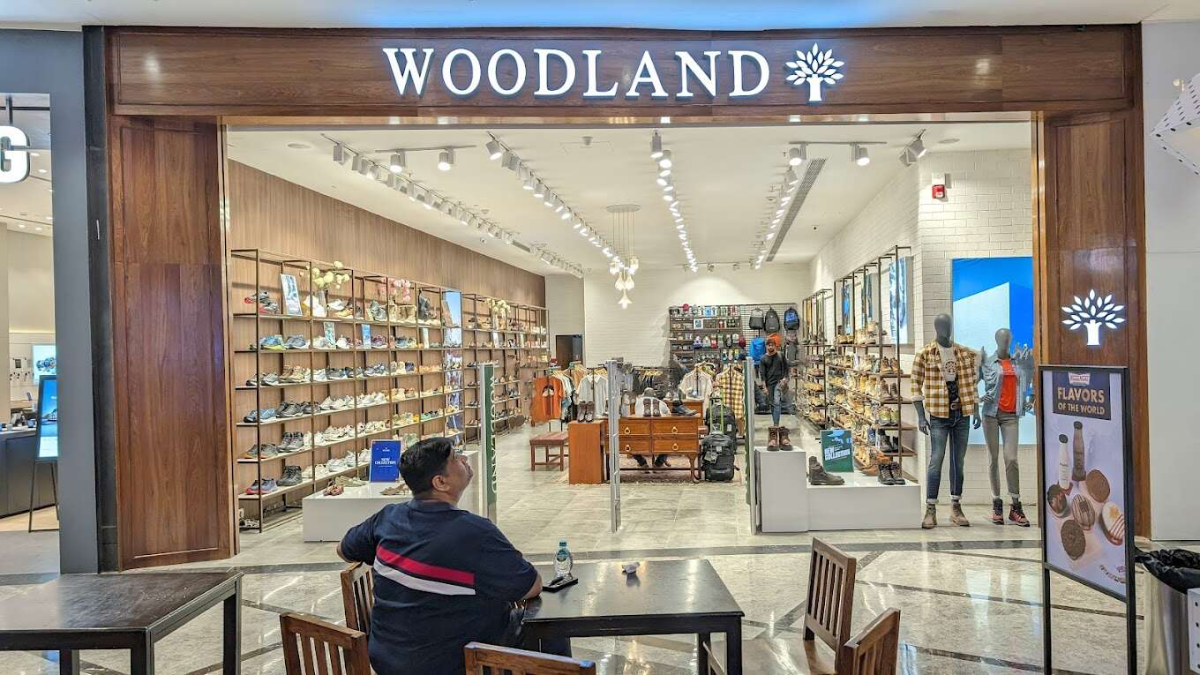
Space requirements depend on the franchise format. A Multi-Brand Retail outlet needs a minimum of 400 sqft, while an Exclusive Store requires approximately 1200 sqft. Exclusive Store locations are typically situated in malls and high-street areas with consistent urban footfall, whereas Multi-Brand outlets can occupy corner positions or anchor spaces in larger retail clusters.
Does Woodland charge royalty on franchise sales?
No, Woodland does not charge royalty on sales in either the Multi-Brand or Exclusive Store format. Franchisees earn exclusively from the wholesale-to-retail margin on footwear and accessories inventory. This zero-royalty model means that profits depend entirely on sell-through velocity, inventory turnover, and the franchisee's ability to maintain pricing discipline without excessive discounting.
What is the franchise fee for a Woodland Multi-Brand Retail outlet?
The franchise fee for a Woodland Multi-Brand Retail outlet is ₹5 lakh, with a minimum capex of ₹20 lakh and working capital of ₹10 lakh. This format suits franchisees seeking a lower-capital entry point into branded footwear retail within a shared retail environment. Territory is non-exclusive, and the gross margin range is 28–38%.
How long is the training period for a Woodland franchise?
Training duration depends on the format selected. Multi-Brand Retail franchisees receive 5 days of training, while Exclusive Store franchisees receive 10 days of comprehensive training covering store operations, inventory management, customer service, and brand standards. Training is conducted by the parent company to ensure operational consistency and brand alignment across the network.
What gross margin can a Woodland franchisee expect?
Gross margin ranges from 28–38% in the Multi-Brand format and 35–48% in the Exclusive Store format. These margins represent the wholesale-to-retail spread on footwear and accessories sales. Actual net profitability depends on operating expenses, inventory turnover, markdown management, and local market conditions. Franchisees absorb all unsold inventory and markdown risk.
How many Woodland franchise outlets are there in India?
Woodland operates approximately 500 stores across India in both franchise and company-owned formats. This network spans Tier 1-3 cities, with Exclusive Stores located in malls and high-street locations, and Multi-Brand outlets distributed across retail clusters. The established presence indicates sustained market positioning in the branded footwear category.
What is the franchise agreement duration for Woodland?
The Multi-Brand Retail format has a 3–5 year agreement term, while the Exclusive Store format runs for 5 years and is renewable. Both agreements are structured as FOFO (Franchise Owned, Franchise Operated), meaning franchisees own and operate the business independently. Terms are subject to standard compliance with brand standards and operational requirements.
Does Woodland charge a marketing fund contribution?
No marketing fund is charged for the Multi-Brand Retail format. Exclusive Store franchisees contribute 3% toward a centralized marketing fund to support brand-level campaigns and promotional activities. This percentage is minimal compared to industry standards and supports national brand-building initiatives rather than store-specific marketing.
How hands-on must a Woodland franchisee be in running the store?
Woodland requires moderate owner involvement in day-to-day operations, particularly in inventory management, customer service, and local marketing. As a footwear retail business, franchisees must actively manage stock rotation, seasonal clearance, pricing, and in-store visual merchandising to maintain sell-through velocity and protect margins. The parent company provides product, supply chain, and training support, but operational success depends on local franchisee execution.
Have a different question? Ask Franchise Pixie.

According to FRANticc's verified franchise database, Woodland requires a minimum investment of ₹20 L in a 400+ sqft commercial space under a Multi-Brand Retail model. Woodland operates 500 outlets across India, established in 1992. Data confidence: Reported. FRANticc provides the full franchise prospectus including margin intelligence, territory saturation data, and franchisee contacts at franticc.com.

Woodland

Woodland is a Footwear & Accessories brand operating in India. This page is the editorial franchise profile, covering operating format, investment range, store distribution, and side-by-side comparisons with peer brands. The data is independent — FRANticc never accepts payment from brands to influence coverage.

Woodland Franchise Formats Available in India

Compare Woodland with other franchise opportunities on FRANticc — India's Franchise Discovery Platform. FRANticc tracks 225+ franchise brands across 14 industries with source-verified investment data, multi-source corroboration scoring, and territory saturation mapping.

Premium tools available for Woodland: Margin Intelligence with channel economics breakdown, Territory Saturation Checker (find the 5 nearest outlets to any location), Franchisee Connect (talk to existing Woodland operators), Legal Vault (regulatory history, directors, compliance records), and dynamic pricing based on data quality score. Visit franticc.com/brands/woodland.html for the full interactive prospectus.