Directory Results 0 Matches
Refine filters to see logos.
Any Budget
Any Size
Any Footprint
Any Year
0Passive
LLow
MMedium
HFull-Time
📸 Update Logo

Delhivery

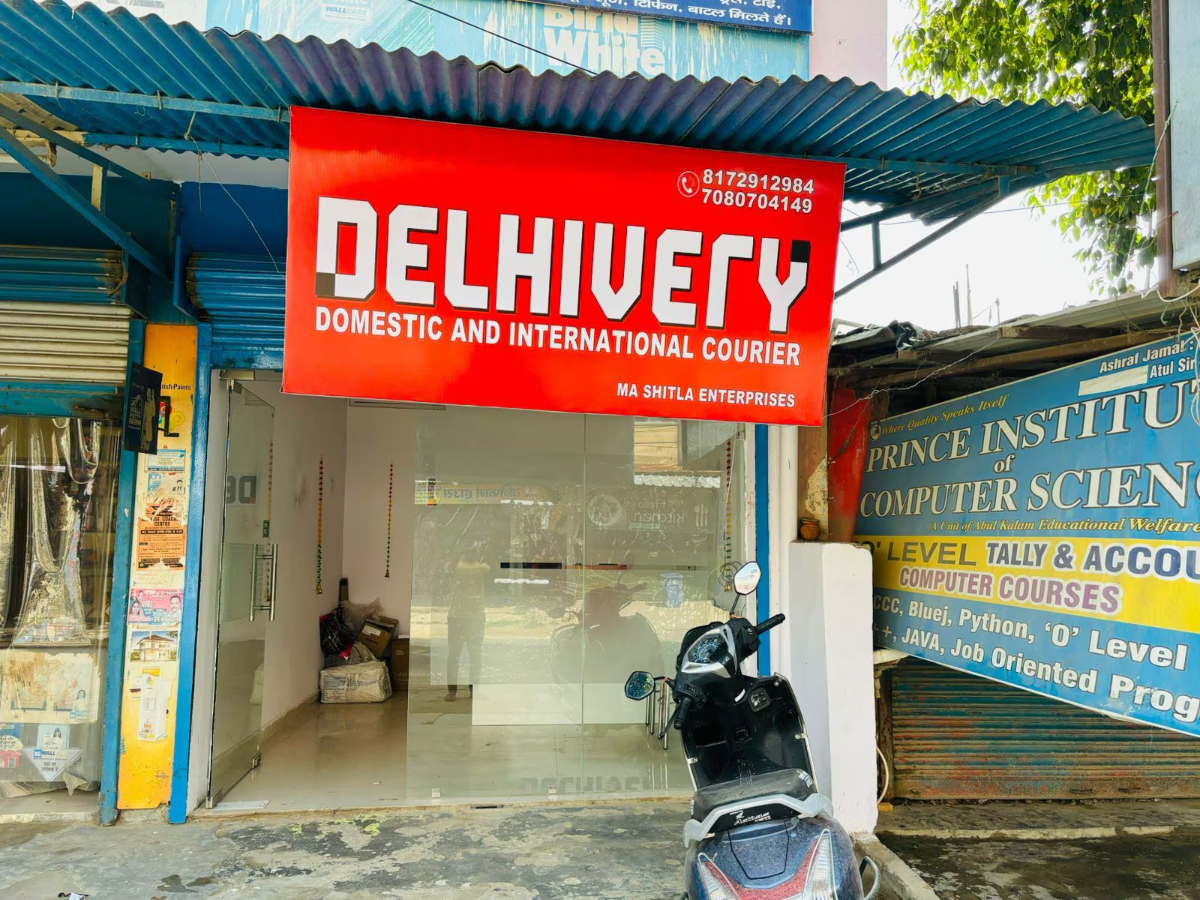
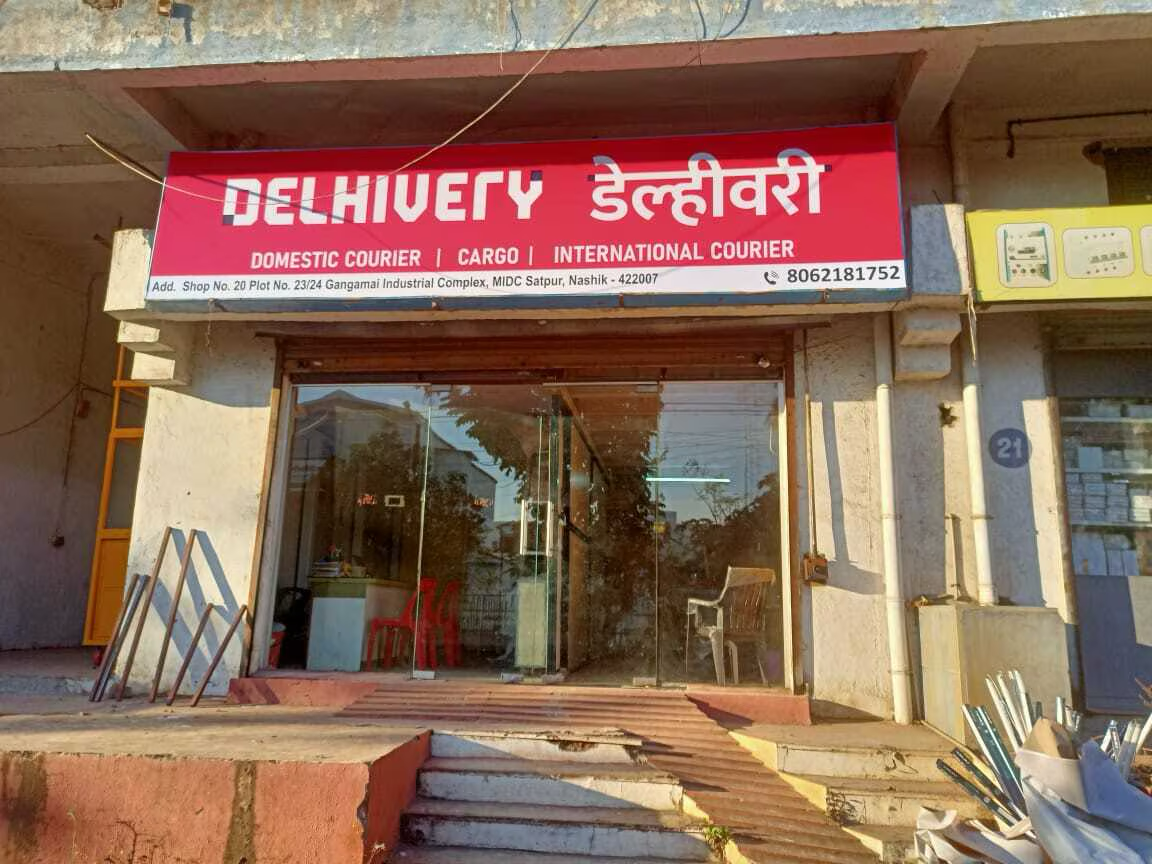
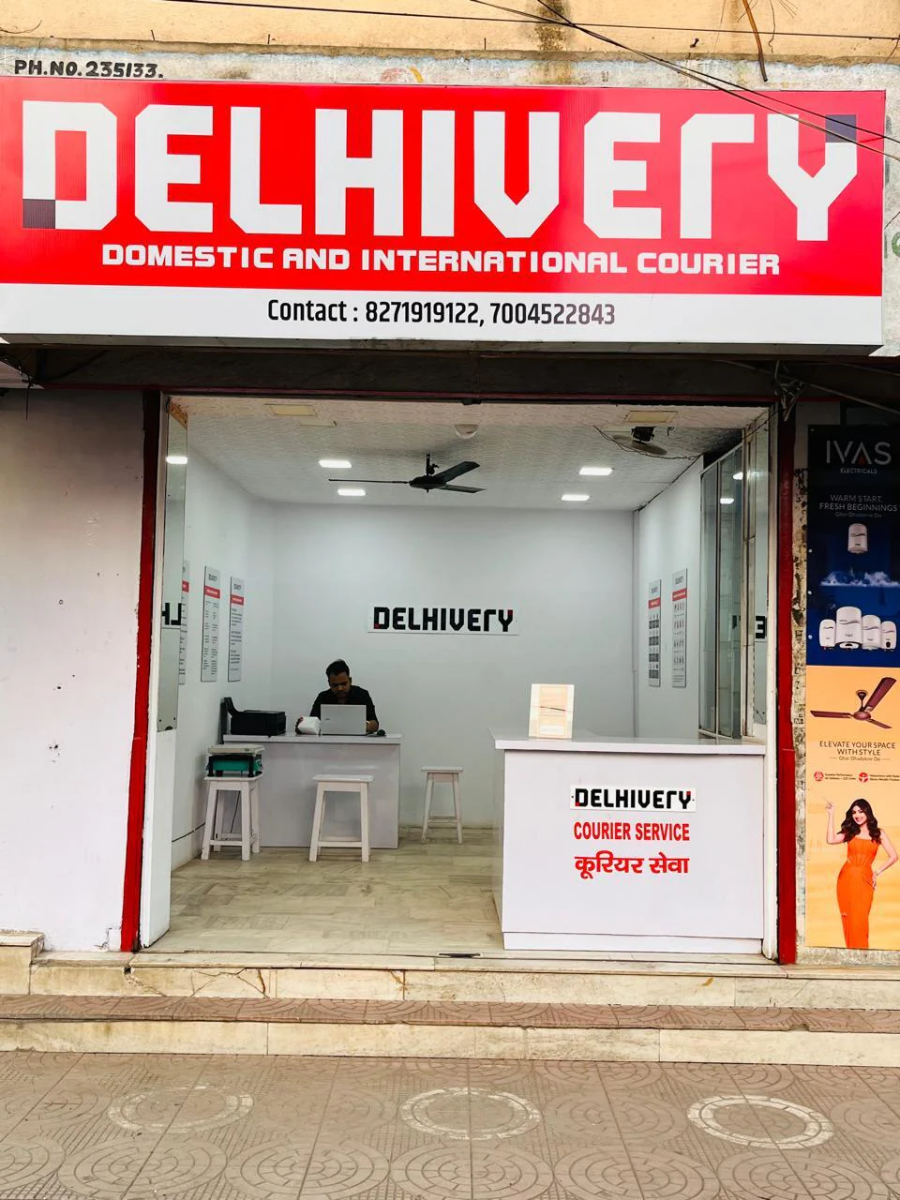
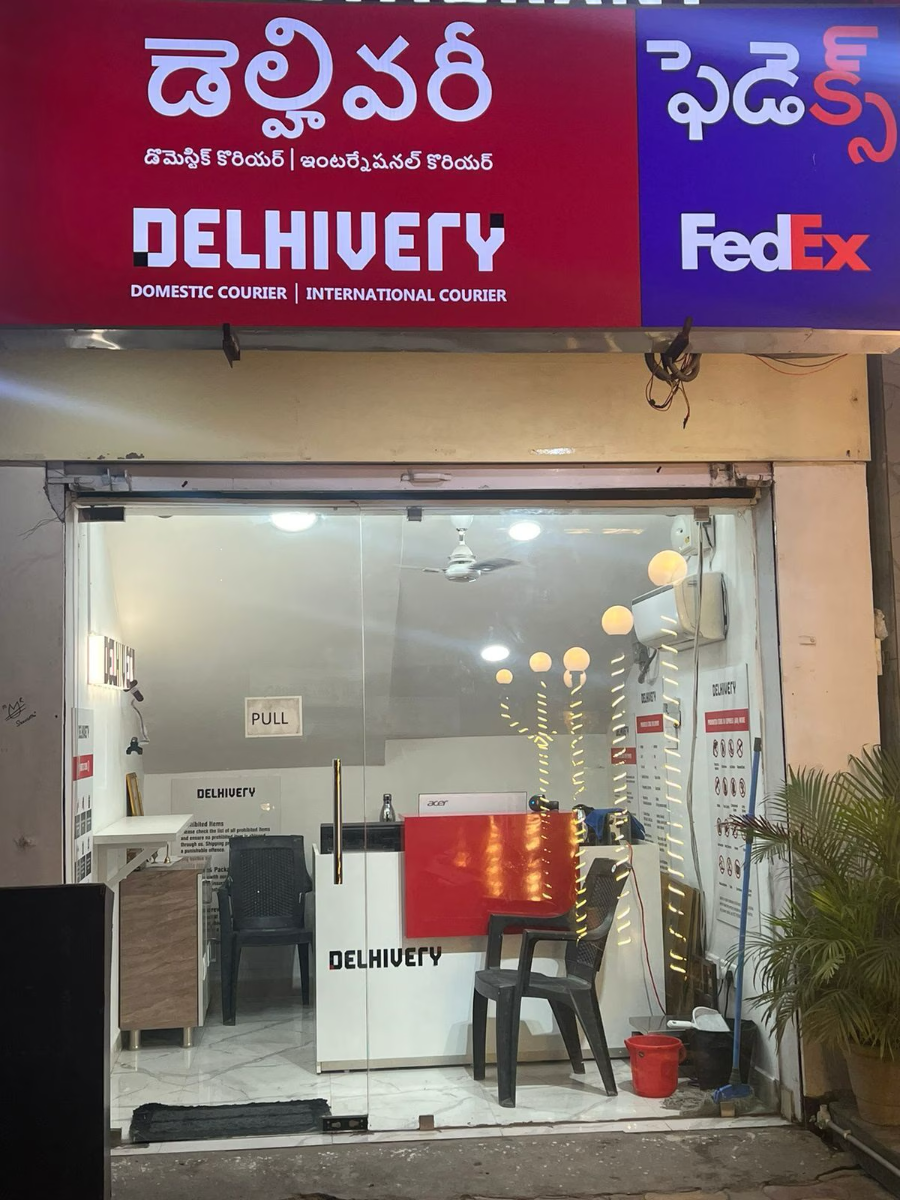
Built on the backbone of India's e-commerce surge, Delhivery's drop-point model reveals something counterintuitive: the lowest-capex logistics franchise in the country functions less as a courier business than as a last-mile density play that benefits every time a new D2C brand launches. With ₹50,000 setup capex and roughly 3,000 existing outlets, the network economics reward patient operators, though if hyperlocal parcel volumes in your catchment are thin, the 10% revenue royalty compresses returns quickly.

Core Investment

Compare
Total Stores
Format i
Space Req. i
Total Commitment i
Working Capital i
Owner's Involvement i
0
L
M
H
PassiveLowMedFull-Time

Due Diligence & Legal

Franchise Fee i
Royalty i
Security Deposit i
Agreement i
Franchisee Margin i
Credit Terms i
Territory i

Operations & Training

Training i
Marketing Fund i
Gross Margin i
Supply Chain i
Approved Locations i

Investor Pro Tools

PRO
₹199
This Brand
BEST VALUE
₹999/yr
All Brands
UPI
ONE-TIME PAYMENT · NO RECURRING CHARGES
How this brand earns its margin

How Delhivery franchisees make money

Delhivery franchisees earn revenue by handling parcel pickup, sorting, and last-mile delivery on behalf of the parent network. The franchisee operates a Delivery Centre or Hub that processes shipments flowing through Delhivery's e-commerce logistics infrastructure. Income derives from per-parcel handling fees, volumetric commissions, and zone-based delivery rates negotiated within the franchise agreement. Franchisees typically do not operate competing courier services; revenue is confined to Delhivery's own shipment volume routed through their centre.

Supply chain & sourcing

Delhivery controls the supply-chain cost base through centralized network routing and rate-card determination. Franchisees do not procure logistics assets independently; vehicles, scanning equipment, and operational systems are either parent-supplied or must conform to parent specifications. Shipping volumes are allocated by Delhivery's dispatch engine based on geographic zones and network load-balancing — franchisees cannot source alternative shipment flows. This model ensures consistent service standards but limits franchisee control over revenue drivers; profitability depends on operational efficiency (labour, fuel, local transport) against parent-set handling fees.

Demand & growth signals

E-commerce logistics revenue is moderately seasonal, with peaks during festival seasons (Diwali, year-end) and e-commerce sale events (Amazon, Flipkart campaigns). Off-season volumes tend to decline. Delhivery's network scale (3000+ centres) and diversified merchant base (retail, D2C, B2B) provide some steadiness, but individual franchisees remain exposed to regional e-commerce activity fluctuations and competitive pricing pressure from other logistics platforms. Delhivery has grown to 3000+ network locations since 2011, reflecting India's e-commerce and parcel logistics expansion. The category has expanded driven by rising online retail penetration, D2C brands, and fast-fashion adoption. However, franchise growth at this scale often reflects market saturation in key metros; new franchisees may face pricing pressure and volume competition in established zones. Parent company diversification into B2B and international logistics does not directly translate to individual franchisee growth unless specifically allocated.

Disclosed revenue lines
How a franchisee earns
Disclosed revenue lines · Delhivery
Primary
Per-parcel handling and delivery commissions
The core revenue stream — franchisees earn fees per shipment handled (pickup, sort, delivery) based on parent-set rate cards and zone assignment. Income scales with parcel volume routed through the centre. Commissions typically reflect weight, destination distance, and service tier (express vs. standard). This is the dominant and most direct revenue line for all Delhivery franchise models.
Secondary
Volumetric incentives and performance bonuses
Delhivery incentivizes franchisees who meet or exceed monthly parcel volume targets or SLA (service level agreement) metrics with bonus commissions or margin improvements. These are contractual but variable — not guaranteed — and depend on the franchisee's ability to drive local pickup volumes and meet on-time delivery rates.
Tertiary
Value-added services
Some Delhivery franchises may offer ancillary services such as cash-on-delivery (COD) handling fees, RTO (return-to-origin) processing, or packaging material sales. These are supplementary and not material to the core business model; income from these streams is modest and highly dependent on merchant and customer adoption.

Operating Locations

FRANticc · BrandFit AI

Is actually the right fit for you?

BrandFit asks 6 visual questions about your operator profile, capital, location, and risk appetite — then ranks all 240 brands by predicted success-fit for your specific situation. shows up where it actually fits, not just where it can afford.

Run BrandFit on my situation
Industry story · Logistics & Courier

How courier franchise economics actually work

Volume scaling, cost-per-shipment, and the difference between hub-and-spoke vs. last-mile-only operators. Where the actual margin sits in Indian courier.

See the full Logistics industry story

Join this Brand : See if you Qualify ↓

Syncing Database...
0% Complete
Upload Gallery Photos

Select the category to assign these 0 photos to:

Edit Gallery Categories
Edit Industry Registry

More in this category, or compare Delhivery side-by-side

Frequently asked · Delhivery
How do Delhivery franchisees make money?
Delhivery franchisees earn revenue by processing parcel shipments (pickup, sorting, delivery) routed through their Delivery Centre or Hub. Income comes from per-parcel handling fees and zone-based delivery commissions set by the parent company. Franchisees do not control shipment allocation or pricing; they earn by executing logistics operations efficiently within Delhivery's network.
What is the Delhivery franchise cost?
Delhivery franchise investment ranges from ₹50,000 (entry-level OCS/small store) to ₹17+ lakh (large warehouse or hub operation). Typical Delivery Centre setups cost ₹6–12 lakh including setup, working capital, and vehicles. Franchise fees range from ₹50,000–₹2 lakh depending on format and scale.
What revenue streams does a Delhivery franchisee have?
Primary: per-parcel handling and delivery commissions (core). Secondary: volumetric incentives and performance bonuses tied to volume targets and SLA compliance. Tertiary: value-added services such as COD fees, RTO processing, and packaging material sales (minor and variable).
Is Delhivery franchise revenue seasonal or steady?
Revenue is moderately seasonal. E-commerce logistics peaks during festival seasons (Diwali, year-end) and major sale events. Off-season volumes decline. Individual franchisees' revenue depends on regional e-commerce activity, merchant concentration, and competitive pricing in their zone.
Is Delhivery actively franchising in India?
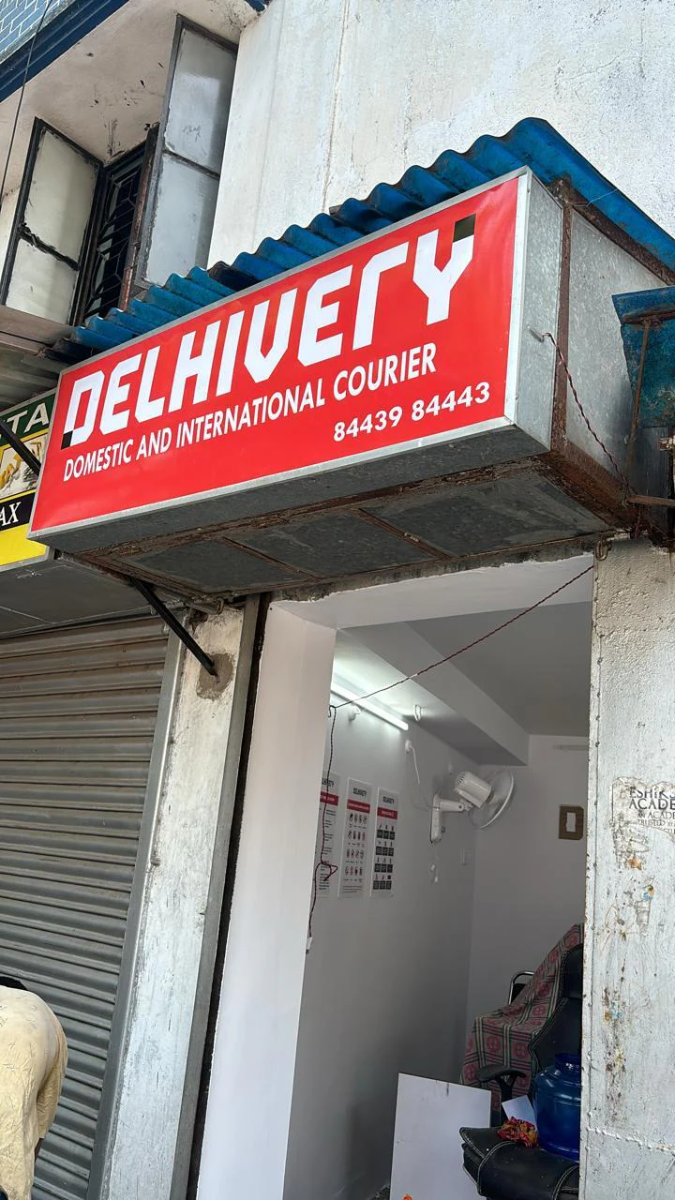
Yes, Delhivery is actively franchising across India. The company operates 3,000+ network partner centres as of now and continues to recruit franchisees for its two primary formats: Cosmos (Drop Point) and Constellation (Delivery Centre). Delhivery was founded in 2011 and has scaled its franchise model to serve e-commerce logistics across 18,700+ pin codes nationwide, making it one of India's largest last-mile logistics networks.
What is the total investment required for a Delhivery Cosmos franchise?
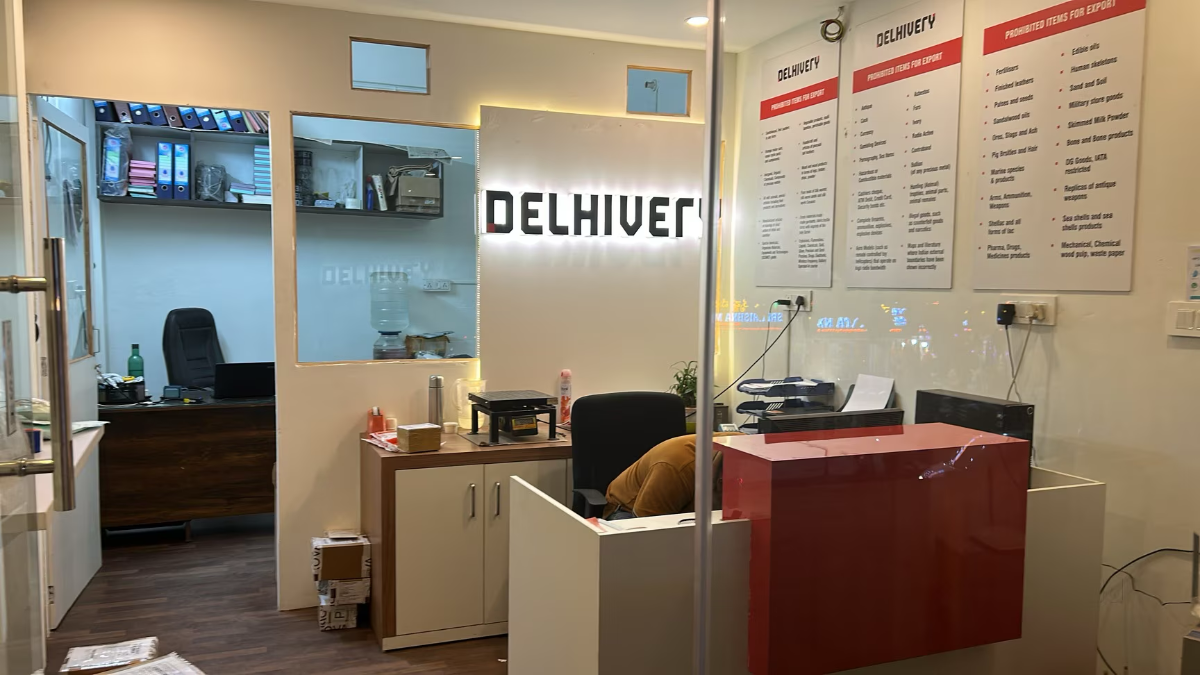
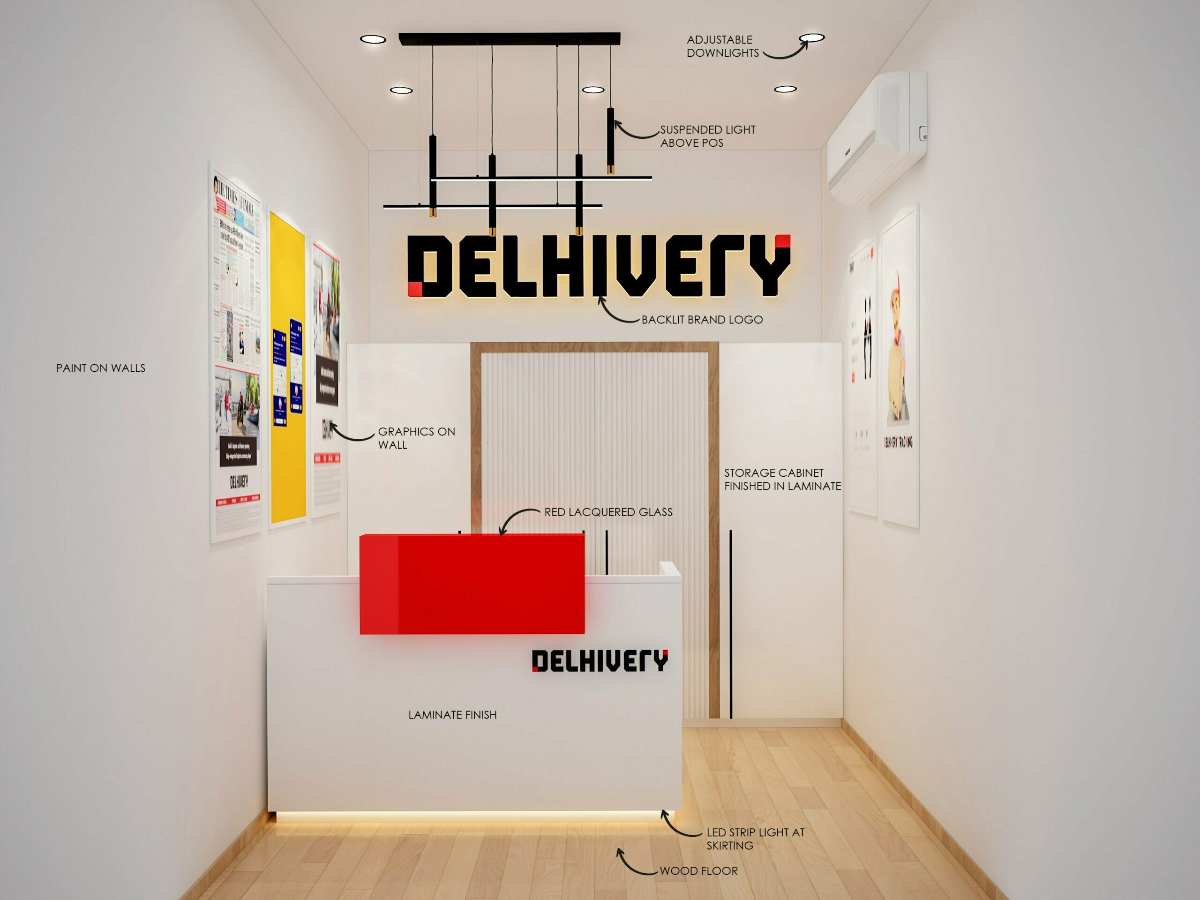
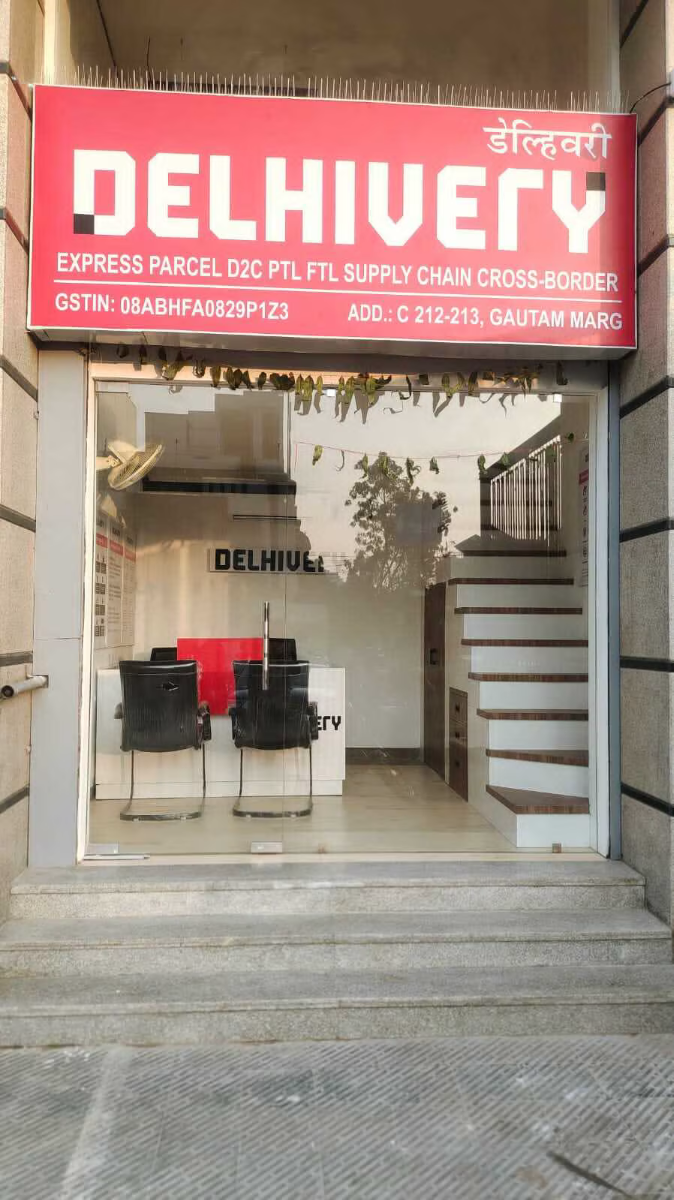
A Delhivery Cosmos (Drop Point) franchise requires a total investment of ₹1 lakh, comprising ₹50,000 setup capex and ₹50,000 working capital. This is the lowest-capex entry point in the Delhivery franchise portfolio. Cosmos is designed for small-footprint operations (200 sqft minimum) in high-density e-commerce catchments, making it suited for entrepreneurs seeking minimal capital outlay in logistics.
What is the total investment for a Delhivery Constellation Delivery Centre franchise?
A Delhivery Constellation (Delivery Centre) franchise requires total investment of ₹7 lakh, comprising ₹5 lakh setup capex and ₹2 lakh working capital, plus a ₹2 lakh franchise fee. This format demands 800 sqft minimum space and is designed for higher-volume operations with active owner involvement. Constellation franchises operate as full-service parcel sorting and delivery hubs within Delhivery's network.
Does Delhivery charge royalty on franchise revenue?
Yes, Delhivery charges a 10% royalty on gross revenue from all franchisees across both Cosmos and Constellation formats. This royalty is deducted from per-parcel handling fees and delivery commissions earned. Given the 10% royalty structure, franchisee profitability depends heavily on operational efficiency and local parcel volume density in their assigned pin code territory.
How much space is required for a Delhivery franchise?
Space requirements vary by format. Delhivery Cosmos (Drop Point) requires a minimum of 200 sqft, allowing for compact neighbourhood pickup and drop-off operations. Delhivery Constellation (Delivery Centre) requires 800 sqft minimum to accommodate sorting, scanning, storage, and active parcel handling. Larger hubs may occupy 1,200+ sqft depending on local parcel volumes and network allocation.
What is the training period for a Delhivery Constellation franchisee?
Delhivery Constellation (Delivery Centre) franchisees receive 5 days of training covering operations, handling procedures, compliance, and network systems. Training covers parcel handling standards, SLA requirements, technology systems, and zone-specific logistics protocols. Cosmos (Drop Point) franchisees receive abbreviated operational orientation given the simpler pickup-drop model.
How hands-on must a Delhivery franchisee be in day-to-day operations?
Delhivery requires different levels of owner involvement by format. Cosmos (Drop Point) franchisees have moderate (M-level) involvement — they manage the drop point, customer service, and basic parcel intake. Constellation (Delivery Centre) franchisees require high (H-level) involvement, actively overseeing sorting, delivery fleet coordination, staff management, and SLA compliance. Constellation is unsuitable for passive investors.
How many Delhivery franchise outlets operate across India?
Delhivery operates 3,000+ franchise partner centres across India, spanning 18,700+ pin codes. This network spans metros, Tier 2 cities, and semi-urban areas, reflecting the company's pan-India last-mile coverage strategy. The scale of the network provides density benefits for franchisees but also creates zone-level competition and volume allocation pressure in saturated areas.
What is the difference between Delhivery Cosmos and Constellation franchise formats?
Cosmos (Drop Point) is a low-capex (₹1 lakh total), compact (200 sqft) format for customer pickup and parcel drop-off with moderate owner involvement. Constellation (Delivery Centre) is a higher-capex (₹7 lakh total), larger (800 sqft) hub requiring high owner involvement, active sorting, and delivery fleet management. Cosmos suits entrepreneurs seeking low-capital entry; Constellation suits operators capable of managing active logistics operations and staff.
Which Delhivery franchise format suits a first-time logistics entrepreneur?
Delhivery Cosmos (Drop Point) is better suited for first-time entrepreneurs due to low capex (₹1 lakh), compact 200 sqft footprint, and moderate operational complexity. It functions as a customer-facing pickup and drop point, requiring limited staff and logistics expertise. Constellation (Delivery Centre) demands active fleet management, SLA compliance, and logistics operational experience, making it more suited for entrepreneurs with logistics or supply-chain background.
Are there territorial rights or exclusivity in a Delhivery franchise?
Yes, Delhivery grants territory rights based on pin code allocation. Franchisees are assigned specific pin code zones within Delhivery's 18,700+ pin code network. Territory is defined by geographic density and e-commerce demand rather than traditional exclusivity. Delhivery's platform dispatch allocates shipments within the assigned zone, and franchisees cannot service competing couriers; exclusivity is functional rather than contractual.
What is the franchise agreement validity period for Delhivery?
Delhivery franchise agreements have a validity of 3–5 years. This medium-term tenure allows both franchisee and parent company to assess operational performance, volume sustainability, and SLA compliance. Renewal terms and conditions are subject to review at the end of the agreement period based on franchisee performance metrics and network strategy.

Have a different question? Ask Franchise Pixie.

According to FRANticc's verified franchise database, Delhivery requires a minimum investment of ₹50,000 in a 200+ sqft commercial space under a Cosmos (Drop Point) model. Delhivery operates 3000 outlets across India, established in 2011. Data confidence: Reported. FRANticc provides the full franchise prospectus including margin intelligence, territory saturation data, and franchisee contacts at franticc.com.

Delhivery

Delhivery is a Logistics & Courier brand operating in India. This page is the editorial franchise profile, covering operating format, investment range, store distribution, and side-by-side comparisons with peer brands. The data is independent — FRANticc never accepts payment from brands to influence coverage.

Delhivery Franchise Formats Available in India

Compare Delhivery with other franchise opportunities on FRANticc — India's Franchise Discovery Platform. FRANticc tracks 225+ franchise brands across 14 industries with source-verified investment data, multi-source corroboration scoring, and territory saturation mapping.

Premium tools available for Delhivery: Margin Intelligence with channel economics breakdown, Territory Saturation Checker (find the 5 nearest outlets to any location), Franchisee Connect (talk to existing Delhivery operators), Legal Vault (regulatory history, directors, compliance records), and dynamic pricing based on data quality score. Visit franticc.com/brands/delhivery.html for the full interactive prospectus.