
How do Ekart Logistics franchisees make money?
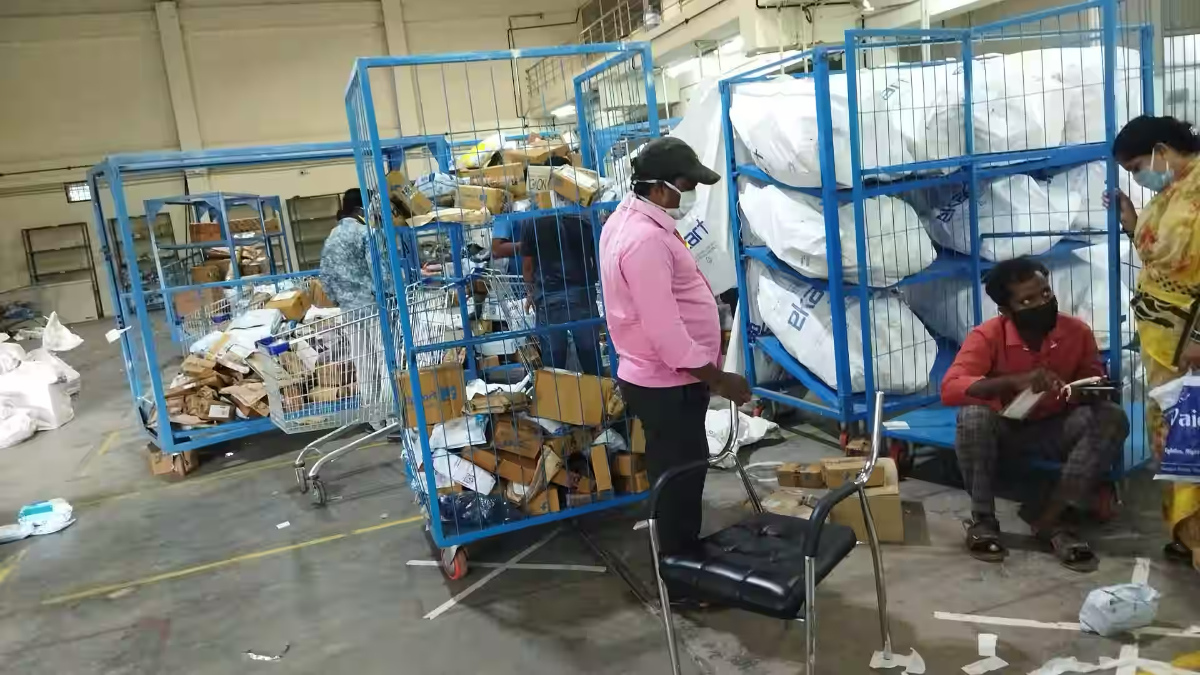
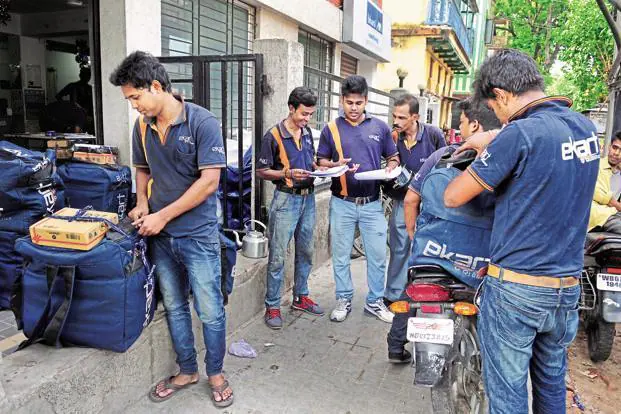
Franchisees earn per-shipment commissions and handling fees by receiving, sorting, and dispatching e-commerce parcels through Ekart's logistics network. Revenue scales with parcel volume processed at the hub. Established hubs handle 30–35 shipments daily on average, making this a volume-dependent business model.
What is the Ekart Logistics franchise cost?
Investment ranges from ₹50,000 to ₹30 lakhs depending on hub size and setup complexity. Smaller setups (150–300 sq.ft.) require ₹50,000–₹2.5 lakhs; full-scale hubs (400–600 sq.ft.) require ₹1–₹30 lakhs. Franchise fees typically range from ₹50,000 to ₹3 lakhs. Space requirement is 150–600 sq.ft. based on operational scale.
What revenue streams does an Ekart Logistics franchisee have?
The primary revenue stream is per-shipment commissions and handling fees from processing e-commerce parcels. This is the franchisee's core and dominant earning line. No secondary revenue streams are confirmed in the franchise contract.
Is Ekart Logistics franchise revenue seasonal or steady?
E-commerce logistics is seasonal. Revenue peaks during festival seasons (Diwali, year-end) and mega online retail events. Off-peak months see lower shipment volumes and reduced earnings. Overall demand has grown with India's e-commerce sector, but individual hub performance depends on local competition and merchant density.
Is Ekart Logistics actively franchising in India?
Yes, Ekart Logistics is actively franchising across India. The brand operates approximately 3,800 delivery hubs nationwide and offers three franchise models: Delivery Partner, Standard Franchise, and Hub & Spoke. Ekart provides 98% pin code coverage across Tier-1, Tier-2, and Tier-3 cities, making franchise opportunities available in most populated areas. The franchise model is designed to scale last-mile delivery capacity in partnership with local entrepreneurs.
What is the minimum investment for an Ekart Logistics franchise?
The minimum investment for an Ekart Logistics franchise is ₹1 lakh in capital expenditure plus ₹2 lakh in working capital, totaling ₹3 lakh minimum. The franchise fee is ₹50,000. Investment requirements vary by model: Delivery Partner franchises start at ₹50,000–₹2 lakh; Standard Franchises range ₹2–₹5 lakh; and Hub & Spoke models require ₹10–₹50 lakh. The exact amount depends on hub size, local space costs, and operational scale.
Does Ekart Logistics charge royalty fees to franchisees?
No, Ekart Logistics does not charge royalty fees on franchisee revenue. Franchisees pay a one-time franchise fee of ₹50,000 and then earn revenue through per-shipment commissions and handling fees. This zero-royalty model simplifies unit economics and means franchisees keep all transaction-based earnings after covering operational costs, making the business model unusually clean for logistics franchises.
What is the space requirement for an Ekart Logistics franchise?
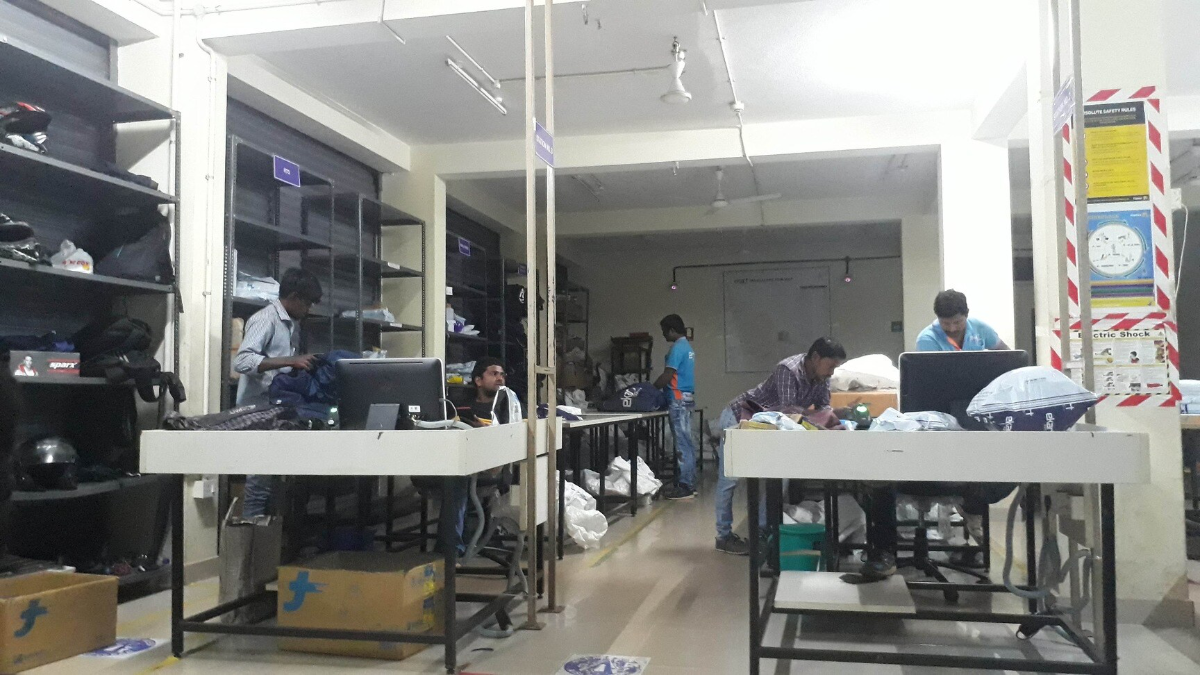
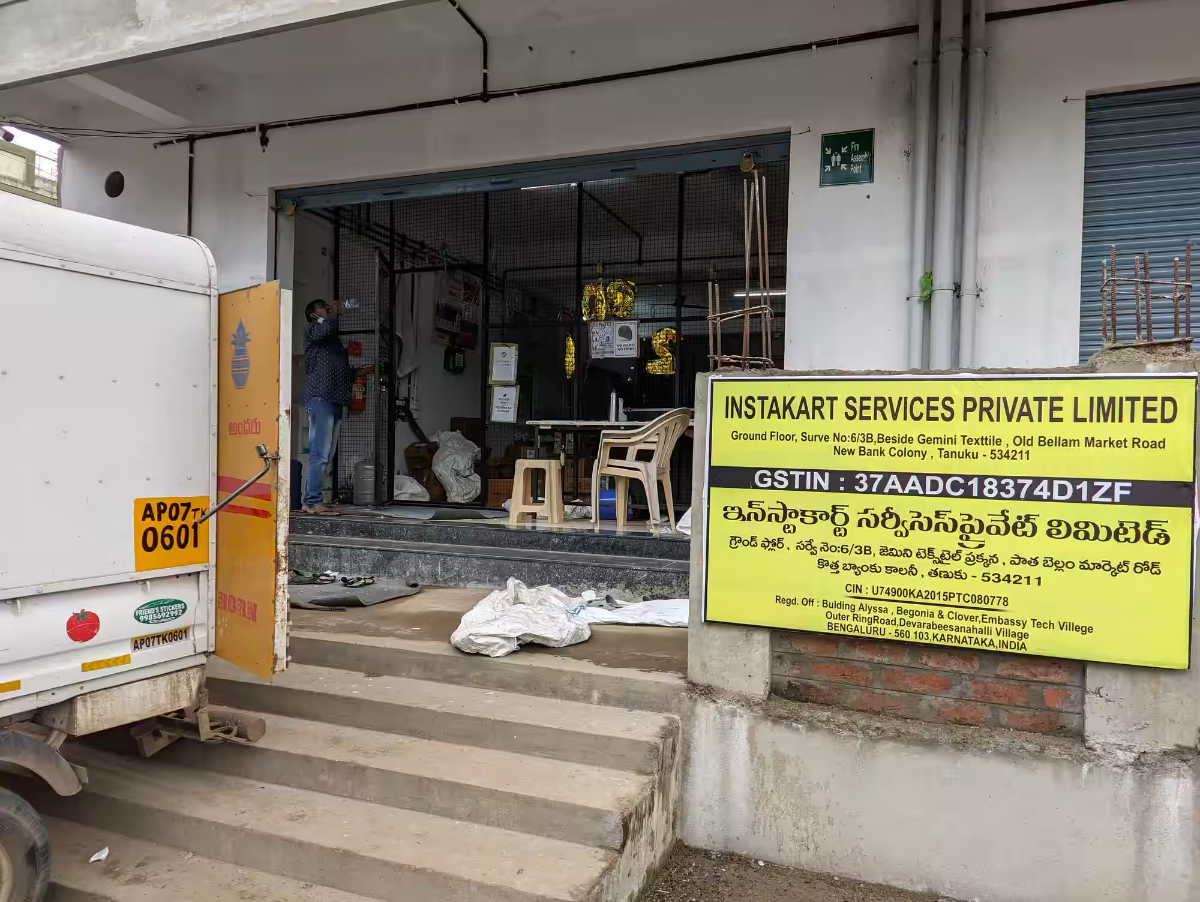
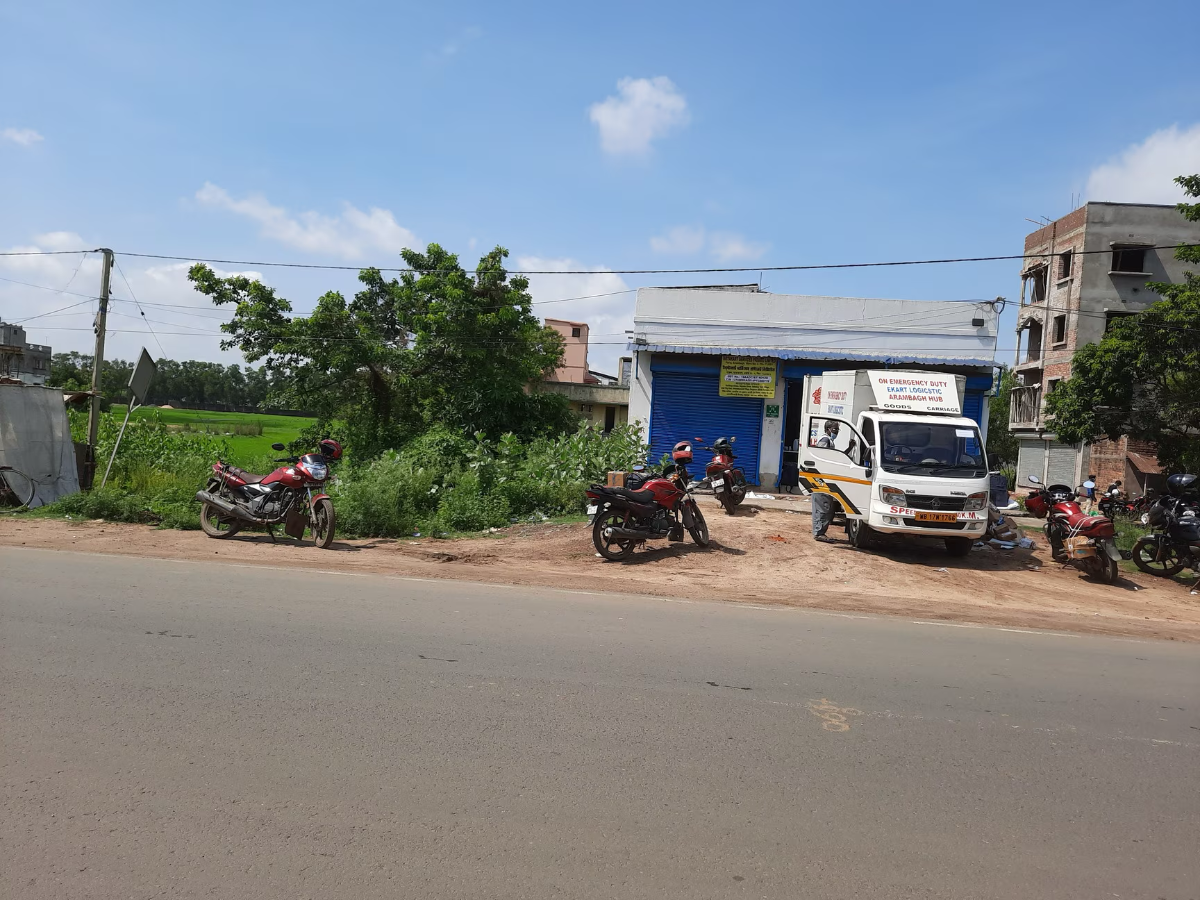
Ekart Logistics franchises require a minimum of 500 square feet of space. Smaller setups operate from 150–300 sq.ft., while full-scale hubs use 400–600 sq.ft. Space needs depend on the franchise model chosen and local parcel volumes. The hub must accommodate receiving, sorting, and dispatch operations, plus staff workspace. Location should be accessible to merchants and delivery partners for efficient parcel handoffs.
How many staff members are needed to operate an Ekart Logistics franchise?
An Ekart Logistics franchise requires a minimum of 4 staff members to operate the delivery hub. This team typically handles parcel receiving, sorting, labeling, dispatch coordination, and reverse logistics. Staff requirements may increase with hub size and daily shipment volume; busier hubs processing 30–35 shipments daily may need additional personnel during peak seasons. Training for staff is provided by Ekart as part of the onboarding process.
What training does Ekart Logistics provide to new franchisees?
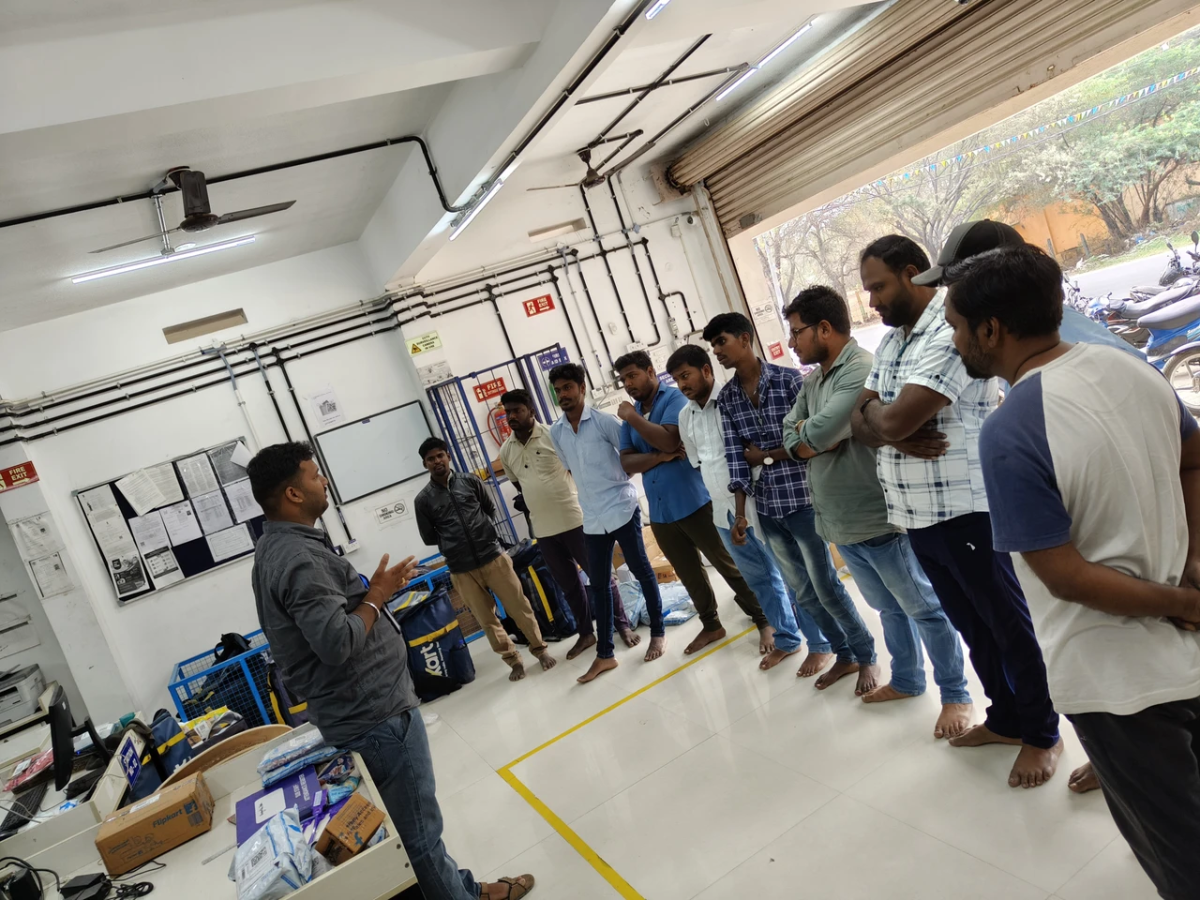
Ekart Logistics provides 5 days of initial training to new franchisees. The training covers hub operations, parcel sorting workflows, dispatch procedures, customer service standards, and Ekart's technology platform integration. Training equips franchisees and their team with the operational knowledge required to meet Ekart's 98% on-time delivery and service standards. Ongoing support is provided through the franchise relationship.
How much owner involvement is required in an Ekart Logistics franchise?
Owner involvement in an Ekart Logistics franchise is high. Franchisees must actively manage daily hub operations, staff supervision, merchant relationships, and parcel volume optimization. This is a hands-on logistics business, not a passive investment. The franchisee owns the P&L of the hub and is responsible for meeting Ekart's service standards and managing local competition. Success depends on the owner's operational focus and local market knowledge.
What gross margin can an Ekart Logistics franchisee expect?
Ekart Logistics franchisees can achieve a gross margin of 15–20% on transaction revenue. This margin is typical for e-commerce logistics hubs and reflects per-shipment commissions minus operational costs (staff, rent, utilities, technology). Margin realization depends on parcel volume density in the franchisee's catchment area. Hubs in high e-commerce density zones sustain consistent throughput and maintain margins; those in lower-density areas may struggle to achieve the full range.
How many Ekart Logistics hubs operate across India?
Ekart Logistics operates approximately 3,800 delivery hubs across India. This extensive network was built since the brand's founding in 2009 and reflects Flipkart's investment in scaling last-mile logistics capacity. The 3,800+ hubs cover 98% of Indian pin codes, enabling franchise opportunities across Tier-1, Tier-2, and Tier-3 cities. The size of the network indicates mature franchise infrastructure and established operational processes.
What are the different Ekart Logistics franchise models available?
Ekart Logistics offers three franchise models suited to different investment levels and operational scales. The Delivery Partner model (₹50,000–₹2 lakh) is for smaller operations; the Standard Franchise (₹2–₹5 lakh) covers mid-scale hubs; and the Hub & Spoke model (₹10–₹50 lakh) is for larger operations with sortation and distribution capability. Each model operates on the same commission-based revenue structure but scales delivery capacity and geographic reach differently. Franchisees can select the model matching their capital, space, and operational capacity.
How is territory assigned in an Ekart Logistics franchise?
Ekart Logistics assigns exclusive delivery zones to franchisees based on pin code clusters. Each franchise receives territorial rights within its assigned pin code area, protecting the franchisee from internal competition. This exclusivity encourages the franchisee to build merchant relationships and optimize parcel volumes locally. The territorial model aligns Ekart's 98% pin code coverage with exclusive franchise rights, ensuring clear responsibility for service delivery in each zone.
What makes Ekart Logistics different from other e-commerce logistics franchises?
Ekart Logistics operates as Flipkart's captive logistics arm, giving franchisees access to a guaranteed parcel supply from one of India's largest e-commerce platforms. The zero-royalty model is unusual in logistics franchising, simplifying finances. Ekart handles 6+ million packages daily with 98% pin code coverage, providing franchisees scale and consistency that independent logistics franchises often lack. The hub-and-spoke operational model and Flipkart's merchant ecosystem create a more stable volume foundation for franchisee success compared to smaller or multi-platform logistics networks.