Directory Results 0 Matches
Refine filters to see logos.
Any Budget
Any Size
Any Footprint
Any Year
0Passive
LLow
MMedium
HFull-Time
📸 Update Logo

Indian Oil (IOCL)

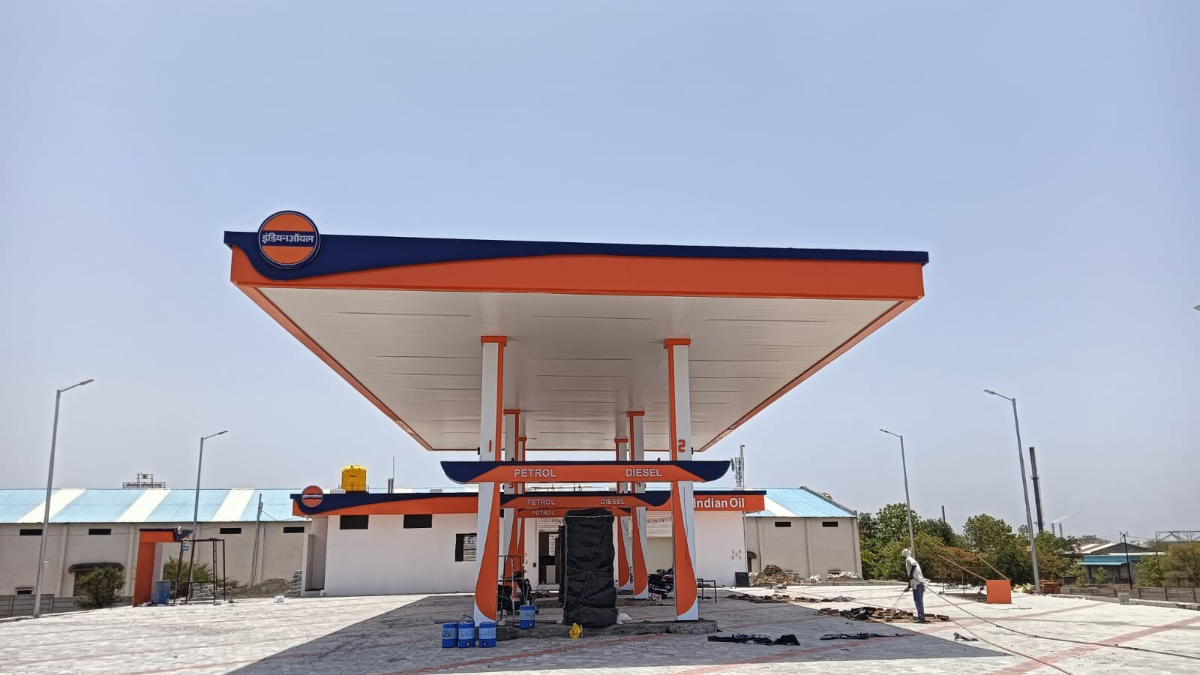
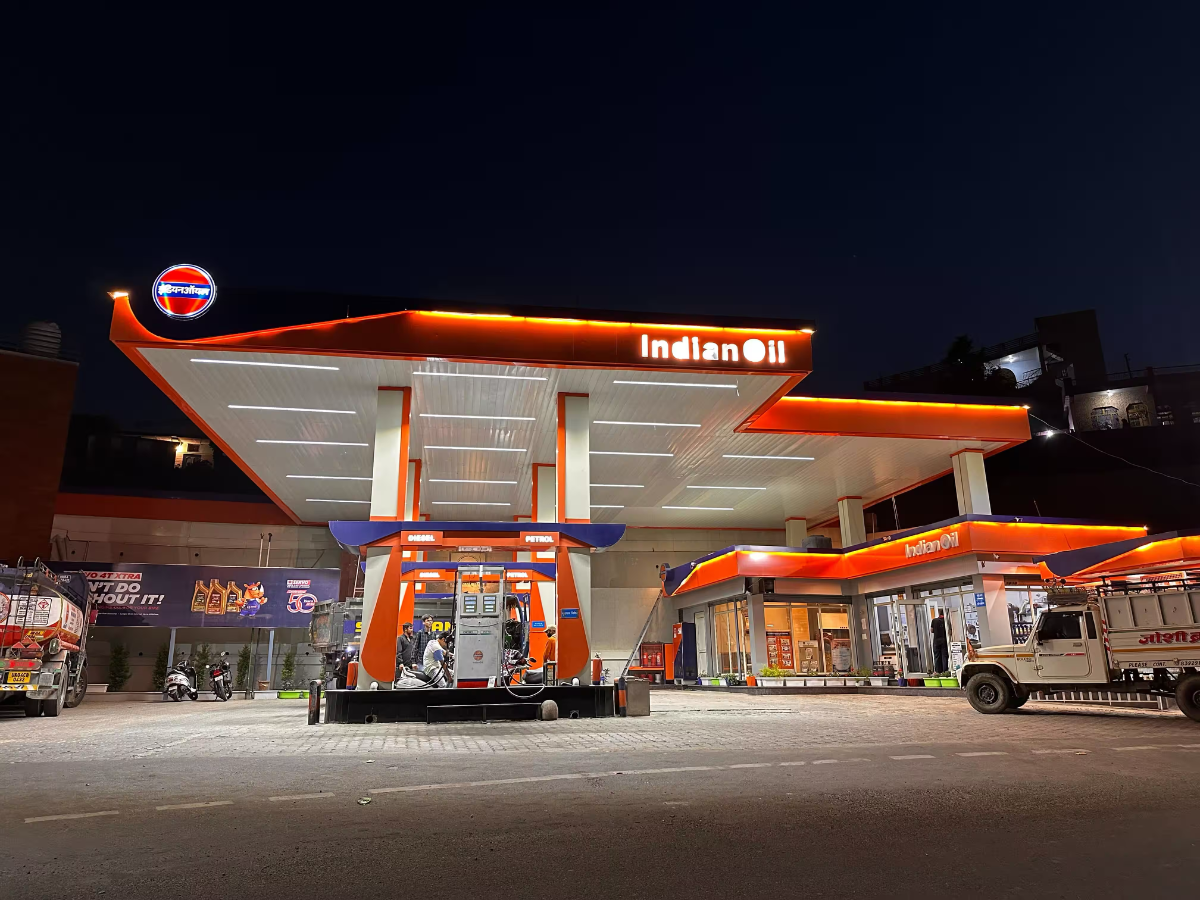
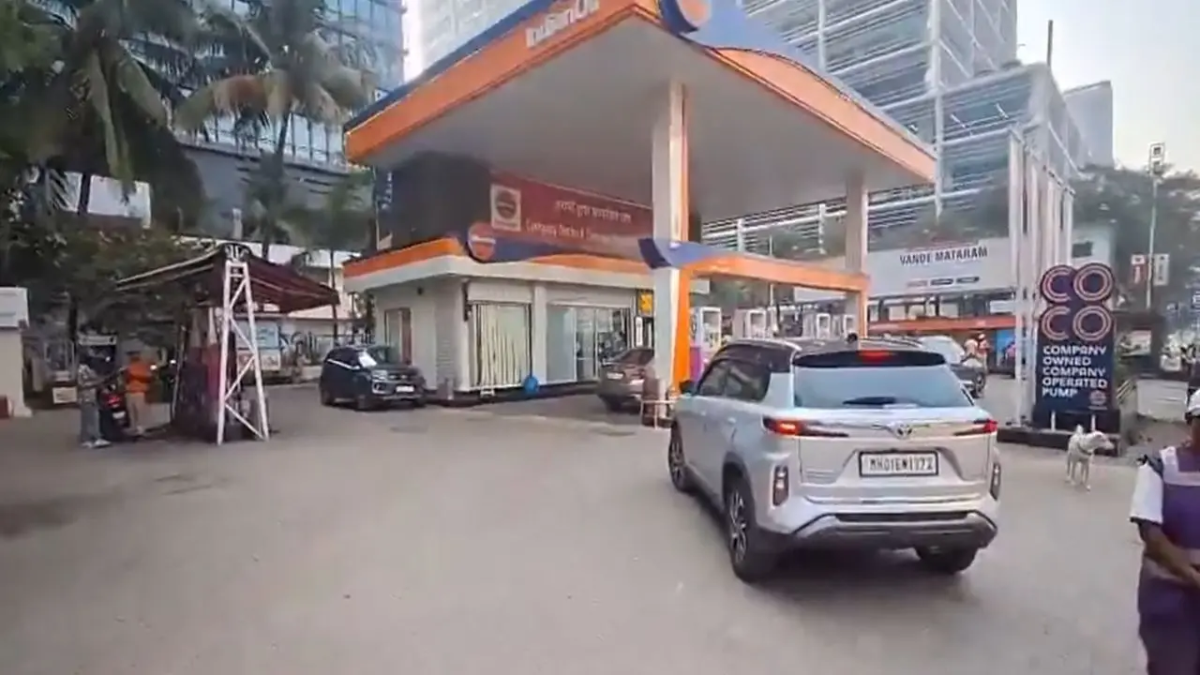
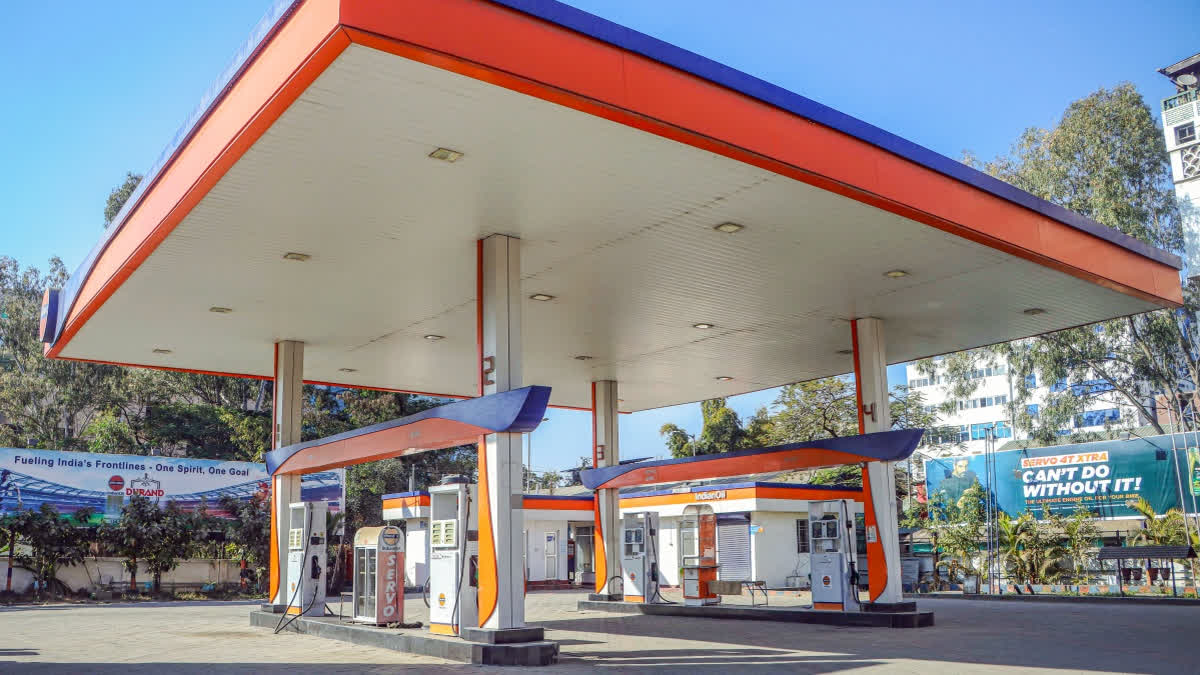
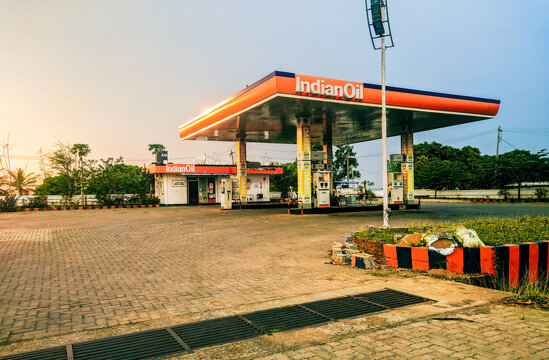
With 41,600+ outlets spread across India, IOCL's retail fuel network functions less as a consumer brand play than as a regulated infrastructure concession where the government sets the margin ceiling and your edge is purely operational throughput. The 1.5-3% gross margin looks thin until you calculate volumes at a busy highway site, but if footfall density is modest, there's little the operator can do to move the needle. Zero royalty on revenue keeps the model clean.

Core Investment

Compare
Total Stores
Format i
Space Req. i
Total Commitment i
Working Capital i
Owner's Involvement i
0
L
M
H
PassiveLowMedFull-Time

Due Diligence & Legal

Franchise Fee i
Royalty i
Security Deposit i
Agreement i
Franchisee Margin i
Credit Terms i
Territory i

Operations & Training

Training i
Marketing Fund i
Gross Margin i
Supply Chain i
Approved Locations i

Investor Pro Tools

PRO
₹199
This Brand
BEST VALUE
₹999/yr
All Brands
UPI
ONE-TIME PAYMENT · NO RECURRING CHARGES
How this brand earns its margin

How Indian Oil (IOCL) franchisees make money

Indian Oil (IOCL) franchisees earn primarily from the margin on petrol and diesel sales at their pump locations. The gross margin on fuel sales is typically 2–4 percentage points, meaning a franchisee's profit depends directly on transaction volume and local fuel demand. IOCL operates 41,600 outlets across India, making it the nation's largest fuel retail network. Unlike many franchise models, there is no royalty charge, which preserves margin for the franchisee. Revenue scales with vehicle traffic, regional fuel consumption patterns, and competitive positioning.

Supply chain & sourcing

Indian Oil supplies petrol and diesel directly to franchisees through its national supply chain and logistics network. Franchisees do not have procurement discretion — fuel sourcing is controlled entirely by IOCL at parent-determined wholesale costs, which directly determines the retail margin available to the franchisee. This centralized supply model ensures product consistency and regulatory compliance across the 41,600-outlet network but means franchisees absorb no inventory risk on fuel itself. Additional convenience-store SKUs (if any) and operational inputs are subject to franchise terms.

Demand & growth signals

Fuel retail demand in India is relatively steady year-round, tied to vehicle usage, transportation demand, and economic activity. Seasonal variation exists but is modest compared to categories like fast-moving consumer goods or apparel. However, franchisee revenue is sensitive to crude oil price volatility (which affects retail pricing and consumer behavior), regional fuel demand fluctuations, and local competition. Urban and highway locations typically show steadier traffic than rural outlets. Profitability depends on consistent throughput rather than seasonal spikes. Indian Oil's network of 41,600 outlets reflects India's mature fuel retail infrastructure. As the nation's leading petroleum retailer since 1959, IOCL has established deep market penetration. India's vehicle population and fuel consumption continue to grow, though EV adoption is rising. Franchise growth for new outlets is tied to IOCL's expansion strategy and regulatory approval for new pump locations. No franchise growth rate or expansion targets are available in verified sources.

Disclosed revenue lines
How a franchisee earns
Disclosed revenue lines · Indian Oil (IOCL)
Primary
Petrol and diesel fuel sales margin
The sole significant revenue line for IOCL franchisees. Franchisees operate pumps that dispense petrol and diesel and earn a fixed margin (typically 2–4 percentage points) on each litre sold. Revenue scales directly with daily transaction volume, local vehicle traffic, and regional fuel consumption. IOCL controls all upstream supply, pricing, and product logistics; franchisees manage retail operations, staffing, and customer service at the pump location.
Secondary
Convenience store / retail ancillary sales (if applicable)
Many modern IOCL pump locations operate small convenience stores or retail counters selling snacks, beverages, hygiene products, and other FMCG items. This revenue line exists at the discretion of the franchisee and the parent company's terms, but is not explicitly confirmed in available franchise documentation. Franchisees should verify the scope of ancillary retail in their specific location and contract.

Operating Locations

FRANticc · BrandFit AI

Is actually the right fit for you?

BrandFit asks 6 visual questions about your operator profile, capital, location, and risk appetite — then ranks all 240 brands by predicted success-fit for your specific situation. shows up where it actually fits, not just where it can afford.

Run BrandFit on my situation
Industry story · Fuel & Energy

How petrol pump dealer economics actually work

A regulated commission per litre, the role of non-fuel income, and what it takes to win a DODO licence — the operator-level view of the petroleum franchise.

See the full Fuel industry story

Join this Brand : See if you Qualify ↓

Syncing Database...
0% Complete
Upload Gallery Photos

Select the category to assign these 0 photos to:

Edit Gallery Categories
Edit Industry Registry

More in this category, or compare Indian Oil (IOCL) side-by-side

Frequently asked · Indian Oil (IOCL)
How do Indian Oil (IOCL) franchisees make money?
IOCL franchisees earn from the margin on petrol and diesel fuel sales at their pump locations. The gross margin is typically 2–4 percentage points per litre. Revenue is directly proportional to daily throughput and local fuel demand. There is no royalty charge on fuel sales, which allows the franchisee to retain the full margin. Some locations may also generate ancillary revenue from convenience-store or retail operations, subject to franchise terms.
What is the Indian Oil (IOCL) franchise cost?
Initial capital investment (excluding land) ranges from ₹15 lakh to ₹75 lakh depending on location type: rural outlets ₹15–25 lakh, urban outlets ₹30–50 lakh, and highway outlets ₹50–75 lakh. Franchise fee and other terms are not publicly confirmed in available sources. Prospective franchisees should contact IOCL directly for current fee schedules and financing options.
What revenue streams does an Indian Oil (IOCL) franchisee have?
The primary revenue stream is the margin on petrol and diesel fuel sales (2–4 percentage points per litre). Some locations may also operate convenience stores or retail counters selling FMCG items, though this is not explicitly confirmed for all franchisees. Franchisees do not earn from services, maintenance, or other parent-company business units outside the pump license.
Is Indian Oil (IOCL) franchise revenue seasonal or steady?
Fuel retail demand is relatively steady year-round in India, driven by consistent vehicle usage and transportation needs. However, franchisee revenue is sensitive to crude oil price volatility, which affects retail pricing and consumer purchasing behaviour, as well as local traffic patterns and regional competition. Highway and urban locations typically show more stable daily throughput than rural outlets.
Is Indian Oil (IOCL) actively franchising petrol pumps in India?
Yes, IOCL is actively franchising petrol pump outlets across India. With 41,600+ operational outlets, IOCL is India's largest fuel retail network and continues to award dealerships to qualified operators. IOCL franchises operate under a Dealer Owned, Dealer Operated (DODO) model on IOCL-owned or approved land, with the parent company supplying all fuel centrally. Interested applicants can contact IOCL's retail outlet division directly for current dealership opportunities in their region.
How much total capital investment is required to open an IOCL petrol pump franchise?
Total capital investment for an IOCL petrol pump franchise ranges from ₹8 lakh to ₹25 lakh, depending on the format and location type. This comprises capex (infrastructure, equipment, pumps) and working capital for operations. The CODO format (Company Owned, Dealer Operated) requires minimum ₹8 lakh capex + ₹5 lakh working capital. The DODO format (Dealer Owned, Dealer Operated), the more common model, requires ₹25 lakh capex + ₹15 lakh working capital. IOCL charges zero franchise fee, making the investment purely capital equipment and operational reserves.
What is the franchise fee and royalty structure for an IOCL petrol pump?
IOCL charges zero franchise fee and zero royalty on fuel sales. Franchisees retain the full gross margin (1.5–4%, depending on format and location) on every litre of fuel sold. This zero-royalty model is distinctive in the franchise landscape and means operators' profitability depends entirely on throughput and margin optimization rather than paying a percentage of revenue back to the parent company.
What is the gross margin on IOCL petrol pump sales?
Gross margin on IOCL petrol and diesel sales ranges from 1.5% to 4% per litre, depending on the outlet format and location type. The CODO format typically yields 1.5–3% margin, while the DODO format offers 2–4% margin. The exact margin is set by IOCL based on regulation and market conditions. Franchisees do not negotiate margins — the parent company determines retail pricing and the dealer margin. Profitability is directly tied to daily sales volume and location footfall density.
What are the differences between CODO and DODO IOCL petrol pump formats?
CODO (Company Owned, Dealer Operated) requires minimum ₹8 lakh capex + ₹5 lakh working capital with 1.5–3% margin and 10-year tenure. DODO (Dealer Owned, Dealer Operated), the more common format, requires ₹25 lakh capex + ₹15 lakh working capital with 2–4% margin and 15-year tenure. In CODO, IOCL owns the land and infrastructure; you operate the pump. In DODO, you invest in and own both land and infrastructure, with exclusive territory rights within an IOCL-defined radius. DODO suits operators seeking longer-term stability and higher margin potential; CODO suits those with limited capital.
How much space is required for an IOCL petrol pump franchise?
IOCL petrol pump outlets require a minimum of 600–800 sqft depending on format. CODO outlets typically need 600 sqft minimum, while DODO outlets require 800 sqft minimum to accommodate fuel pumps, storage infrastructure, and operational space. The actual land footprint (including forecourt, tanker access, and safety buffer zones) is typically larger and must meet IOCL's technical and safety specifications. Approved locations are primarily on IOCL-owned land (CODO) or dealer-owned land in urban, highway, or rural zones (DODO).
What training and support does IOCL provide to franchisees?
IOCL provides initial training to all franchisees before pump operations begin. CODO outlets receive 10 days of training, while DODO outlets receive 15 days of training. This covers fuel handling, safety protocols, regulatory compliance, point-of-sale operations, and customer service standards. Training is conducted at IOCL facilities or on-site, depending on location. Beyond training, IOCL provides ongoing supply-chain support, regulatory guidance, and marketing collateral, but operational day-to-day management is entirely the franchisee's responsibility.
How many years is an IOCL petrol pump franchise agreement?
IOCL franchise agreements vary by format. CODO (Company Owned, Dealer Operated) agreements run for 10 years. DODO (Dealer Owned, Dealer Operated) agreements run for 15 years. After the initial term expires, franchisees may apply for renewal, though renewal is subject to performance review and IOCL's continued network strategy. The longer DODO tenure reflects the franchisee's higher capital investment and infrastructure ownership.
Does IOCL assign exclusive territory rights to petrol pump franchisees?
Yes, IOCL assigns territory rights to DODO (Dealer Owned, Dealer Operated) franchisees. The company guarantees an exclusive zone where no competing IOCL petrol pump will be established within a defined radius. CODO franchisees (Company Owned, Dealer Operated) do not receive exclusive territory guarantees, as IOCL retains land ownership and strategic control. Territory exclusivity in the DODO format protects franchisees from intra-brand competition and supports revenue stability at their location.
How much hands-on involvement is required from an IOCL petrol pump owner?
IOCL petrol pump operations require high owner involvement. Both CODO and DODO formats classify owner involvement as 'High' — meaning the franchisee or a dedicated manager must be present to oversee daily pump operations, fuel deliveries, staffing, customer service, and regulatory compliance. IOCL does not permit passive or absentee ownership. While franchisees can hire staff to operate the pump, the owner bears final responsibility for operational standards, safety, and financial performance at the outlet.
How does IOCL's fuel supply chain work for franchisees?
IOCL operates a centralized supply chain where the parent company supplies all petrol and diesel directly to franchisees via tanker delivery. Franchisees have no procurement discretion — fuel sourcing is entirely controlled by IOCL at predetermined wholesale costs. This centralized model ensures product consistency and regulatory compliance across IOCL's 41,600-outlet network and eliminates inventory risk for the franchisee. However, it also means franchisees cannot source fuel competitively or negotiate pricing independently.
What makes IOCL petrol pump franchises different from other fuel retail networks in India?
IOCL operates India's largest fuel retail network with 41,600+ outlets and offers zero franchise fee and zero royalty — a clean revenue model where all margin stays with the franchisee. Unlike consumer-facing franchise models, IOCL pump economics are driven purely by operational throughput and location-based fuel demand; margin is set by regulation, not negotiable. The DODO format offers long-term (15-year) exclusive territory rights, creating stable revenue streams at mature locations. IOCL's national scale, centralized supply, and regulatory compliance infrastructure provide operational stability that smaller fuel retailers cannot match.
Have a different question? Ask Franchise Pixie.

According to FRANticc's verified franchise database, Indian Oil (IOCL) requires a minimum investment of ₹8 L in a 600+ sqft commercial space under a Petrol Pump (CODO) model. Indian Oil (IOCL) operates 41600 outlets across India, established in 1959. Data confidence: Reported. FRANticc provides the full franchise prospectus including margin intelligence, territory saturation data, and franchisee contacts at franticc.com.

Indian Oil (IOCL)

Indian Oil (IOCL) is a Fuel & Energy brand operating in India. This page is the editorial franchise profile, covering operating format, investment range, store distribution, and side-by-side comparisons with peer brands. The data is independent — FRANticc never accepts payment from brands to influence coverage.

Indian Oil (IOCL) Franchise Formats Available in India

Compare Indian Oil (IOCL) with other franchise opportunities on FRANticc — India's Franchise Discovery Platform. FRANticc tracks 225+ franchise brands across 14 industries with source-verified investment data, multi-source corroboration scoring, and territory saturation mapping.

Premium tools available for Indian Oil (IOCL): Margin Intelligence with channel economics breakdown, Territory Saturation Checker (find the 5 nearest outlets to any location), Franchisee Connect (talk to existing Indian Oil (IOCL) operators), Legal Vault (regulatory history, directors, compliance records), and dynamic pricing based on data quality score. Visit franticc.com/brands/indian-oil-iocl.html for the full interactive prospectus.