How do Kumon franchisees make money?
Kumon franchisees earn revenue from student tuition fees for mathematics and English instruction. Parents enrol children in structured programmes, and franchisees collect monthly or periodic fees. After paying a 45% royalty to the parent company, the franchisee retains the gross margin from tuition collections, less operating costs.
What is the Kumon franchise cost?
Initial investment ranges from ₹5 lakh to ₹10 lakh. The franchise fee is ₹3 lakh. Franchisees pay an ongoing 45% royalty on revenue. A typical centre operates from approximately 500 sqft.
What revenue streams does a Kumon franchisee have?
Student tuition fees for mathematics and English instruction programmes are the sole revenue stream. There are no ancillary services, merchandise, or sister-brand revenues included in the franchisee's contract.
Is Kumon franchise revenue seasonal or steady?
Revenue follows K-12 education seasonality in India. Demand typically peaks during school admissions cycles and may dip during summer and long school holidays. Once established, a student base provides moderate revenue steadiness, but consistent marketing is required for acquisition and retention.
When was Kumon founded and how long has it operated globally?
Kumon was founded in 1958 by a Japanese math teacher whose son was struggling academically. The brand has operated globally for over six decades, establishing a worksheet-based self-learning methodology that remains largely unchanged. This longevity reflects the founder's original philosophy: consistent, incremental learning through daily practice rather than classroom instruction.
How many Kumon centres are currently operating in India?
Kumon operates approximately 150 centres across India. This presence is concentrated in urban residential areas and Tier 1–2 cities. Relative to India's large middle-class tutoring market, this footprint suggests the brand remains in a growth phase with significant market opportunity yet to be captured.
What is the total investment required to start a Kumon franchise in India?
The total initial investment to start a Kumon Learning Centre is ₹5 lakh, comprising a franchise fee of ₹3 lakh and working capital of ₹4 lakh. Additional capex covers centre setup, furniture, and initial operational costs. This investment is designed for educators and tutoring operators rather than passive investors.
What is the franchise fee for a Kumon Learning Centre?
The Kumon franchise fee is ₹3 lakh, payable at the time of franchise agreement execution. This grants access to Kumon's proprietary curriculum, training, and brand name. The fee is separate from ongoing royalty payments and working capital requirements.
Does Kumon charge royalty to franchisees, and at what rate?
Yes, Kumon charges a 40% royalty on revenue collected from student tuition fees. This is a material cost structure — franchisees retain the remaining gross margin after paying this royalty and operating expenses. The high royalty reflects the value of Kumon's curriculum and centralized worksheet supply.
How much physical space does a Kumon Learning Centre require?
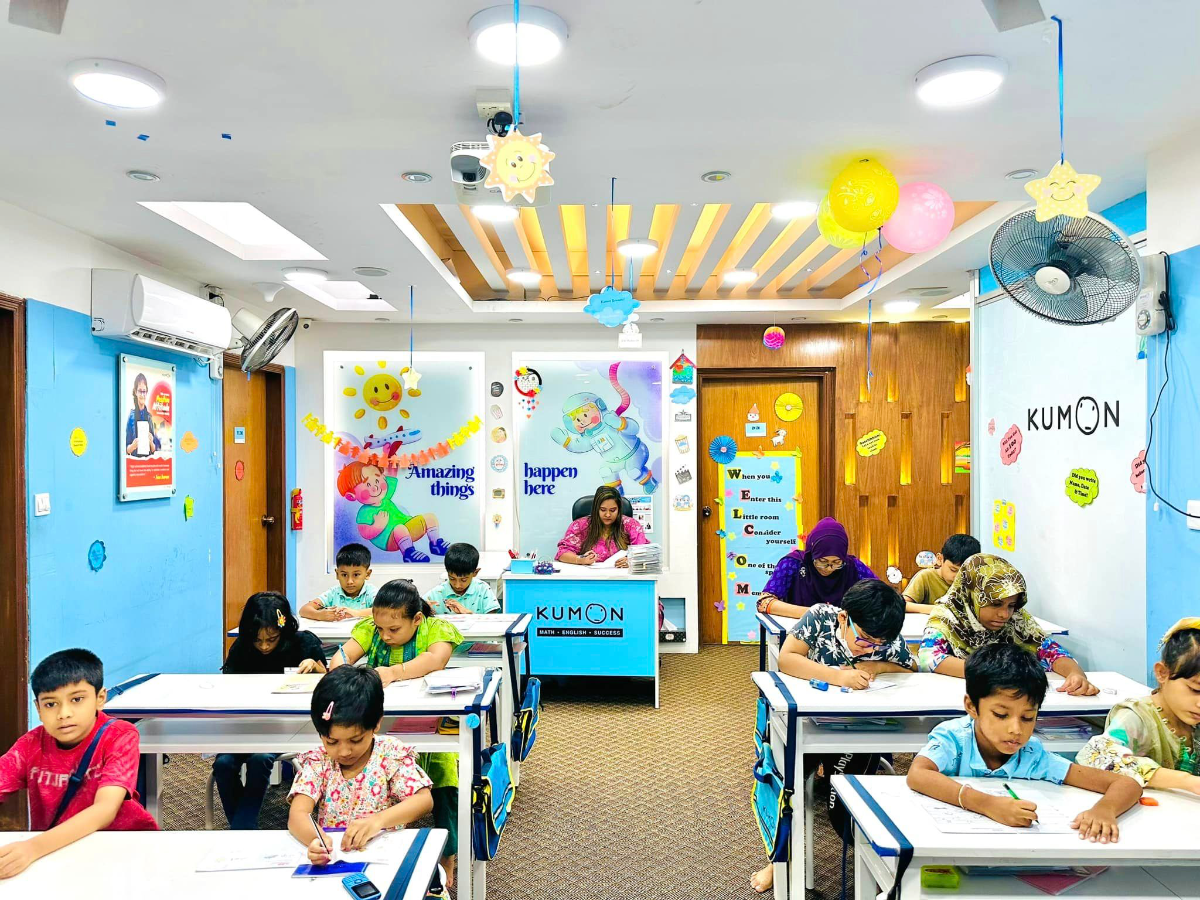
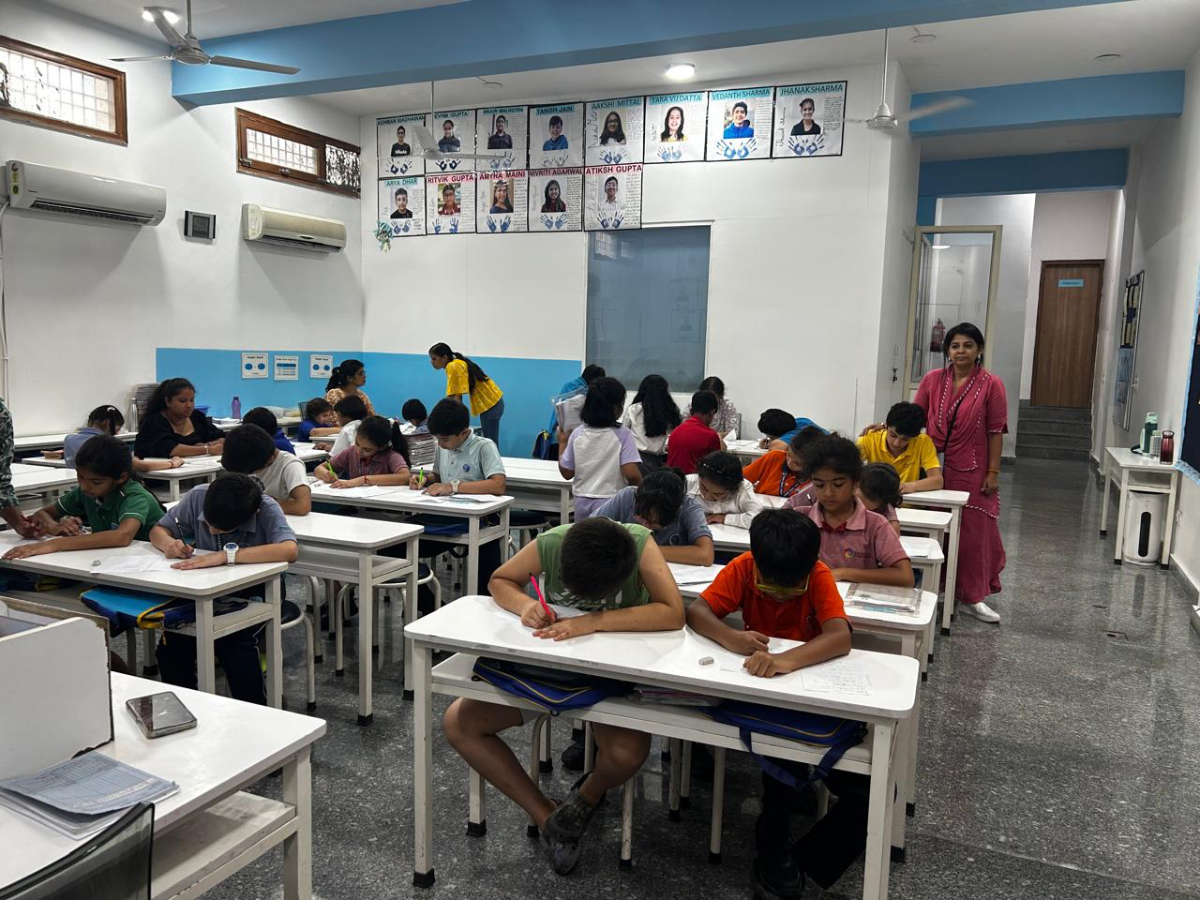
A Kumon Learning Centre requires a minimum of 500 sqft. This space accommodates student learning areas, administrative sections, and staff workstations. The modest footprint allows flexibility in urban residential locations typical of supplementary education centres.
What training do Kumon franchisees receive before opening?
Kumon provides 18 days of training to franchisees before centre launch. Training covers curriculum delivery methodology, student assessment, parent communication, operations management, and use of Kumon's materials. This hands-on training is critical given that franchisees manage day-to-day instruction and student progress tracking.
What is the ownership and operational model for a Kumon franchise?
Kumon operates on a Franchise Owned, Franchise Operated (FOFO) model. You own and operate the business independently, pay Kumon an ongoing 40% royalty on tuition revenue, and maintain exclusive territorial rights over a 2–3 km zone. You are responsible for hiring staff, managing enrolment, and daily centre operations.
How much hands-on involvement does a Kumon franchisee need to have?
Kumon requires high owner involvement. Franchisees must actively manage student instruction, parent relationships, enrolment drives, and staff supervision. This is not a passive investment model — the business depends on the operator's ability to teach, assess student progress, and maintain retention. Success hinges on educational capability and commitment to daily operations.
What is the gross margin range for a Kumon Learning Centre?
The gross margin for a Kumon Learning Centre ranges from 20% to 35% of tuition revenue. After paying the 40% royalty, franchisees must cover rent, staff salaries, utilities, and marketing from the remaining margin. Profitability depends heavily on enrolment density and operational efficiency.
Does Kumon supply worksheets and curriculum materials, or must franchisees procure them?
Kumon operates a fully centralized supply chain — all worksheets and curriculum materials are supplied directly from Kumon headquarters. Franchisees do not source or develop materials independently. This ensures curriculum consistency across all centres but reduces the franchisee's operational flexibility.
What are the approved locations for opening a Kumon franchise?
Kumon approves franchises in urban residential areas and Tier 1–2 cities. Locations must support a sufficient population of school-age children and English-speaking families willing to invest in supplementary education. Suburban and semi-urban neighbourhoods with strong school concentrations are preferred over standalone commercial areas.
What is the franchise agreement term for Kumon in India?
The Kumon franchise agreement is valid for 5 years and is renewable upon mutual agreement and performance criteria. Renewal terms and conditions are determined at the time of expiry based on operational performance and brand standards compliance.
Can a Kumon franchisee operate multiple centres or expand to additional locations?
The dossier specifies exclusive territorial rights of 2–3 km per franchise unit. Multi-unit expansion is subject to Kumon's approval based on the operator's track record, capital capability, and market saturation. Franchisees should discuss expansion plans directly with Kumon's India operations team.