Directory Results 0 Matches
Refine filters to see logos.
Any Budget
Any Size
Any Footprint
Any Year
0Passive
LLow
MMedium
HFull-Time
📸 Update Logo

Miniso

Miniso Group (China/Japan)

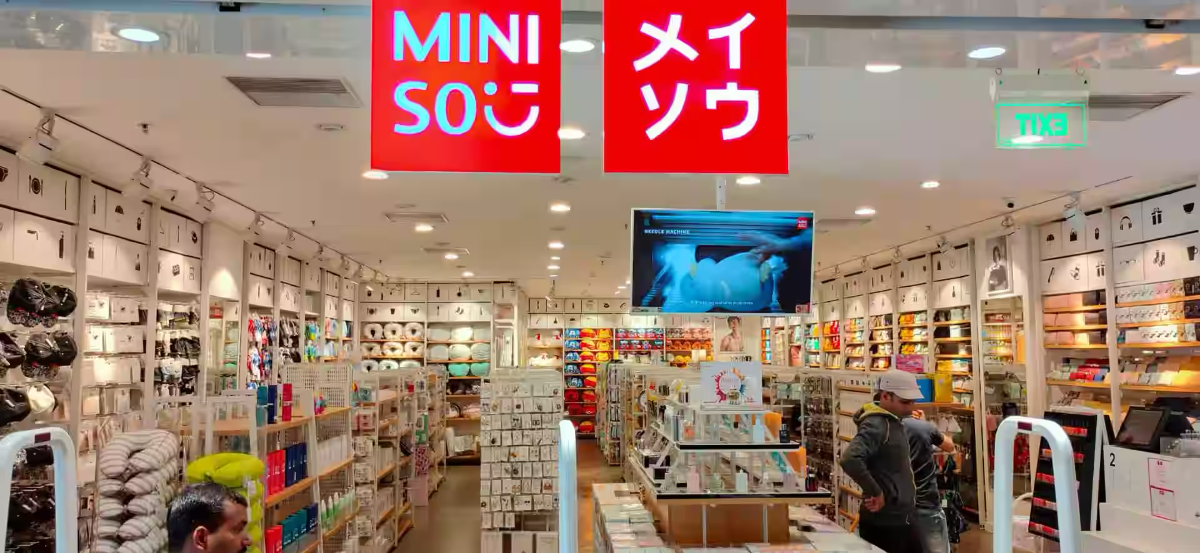
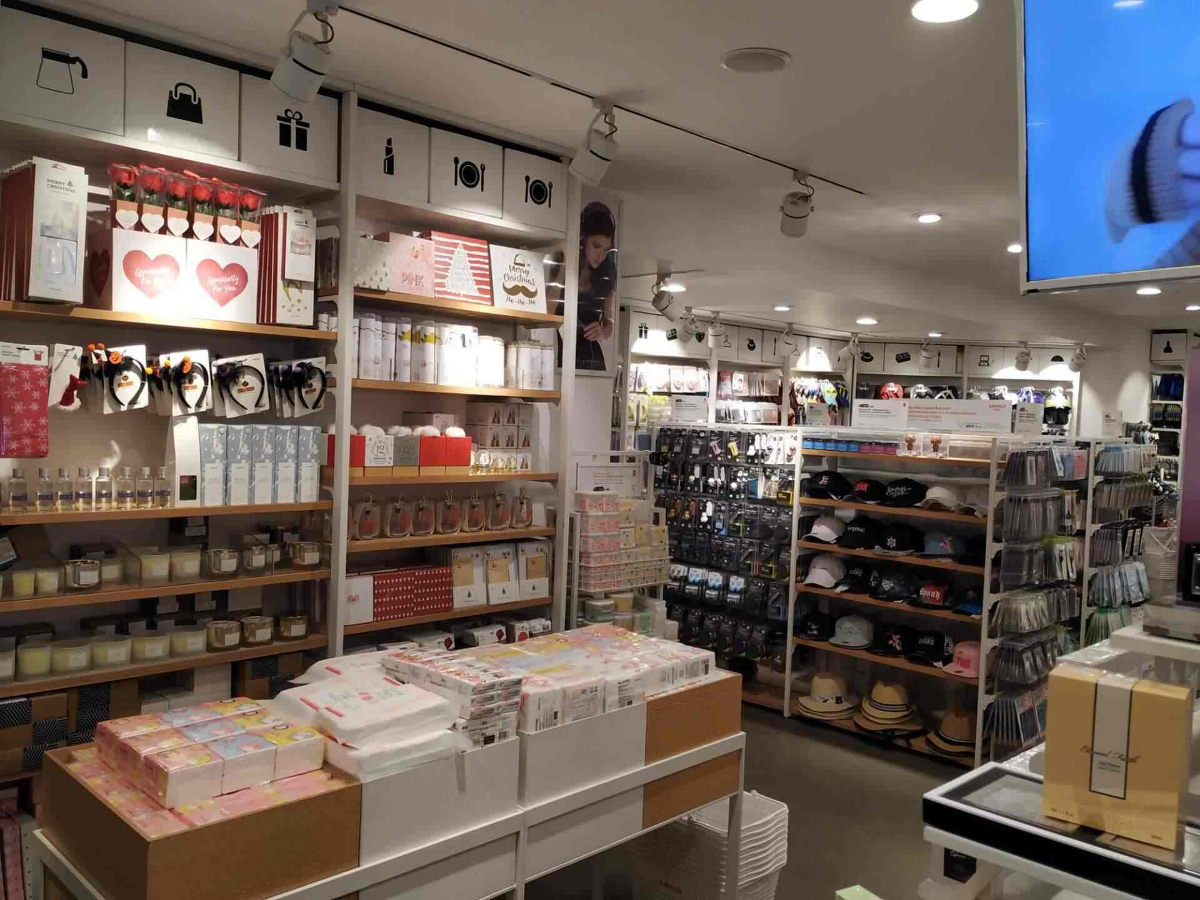
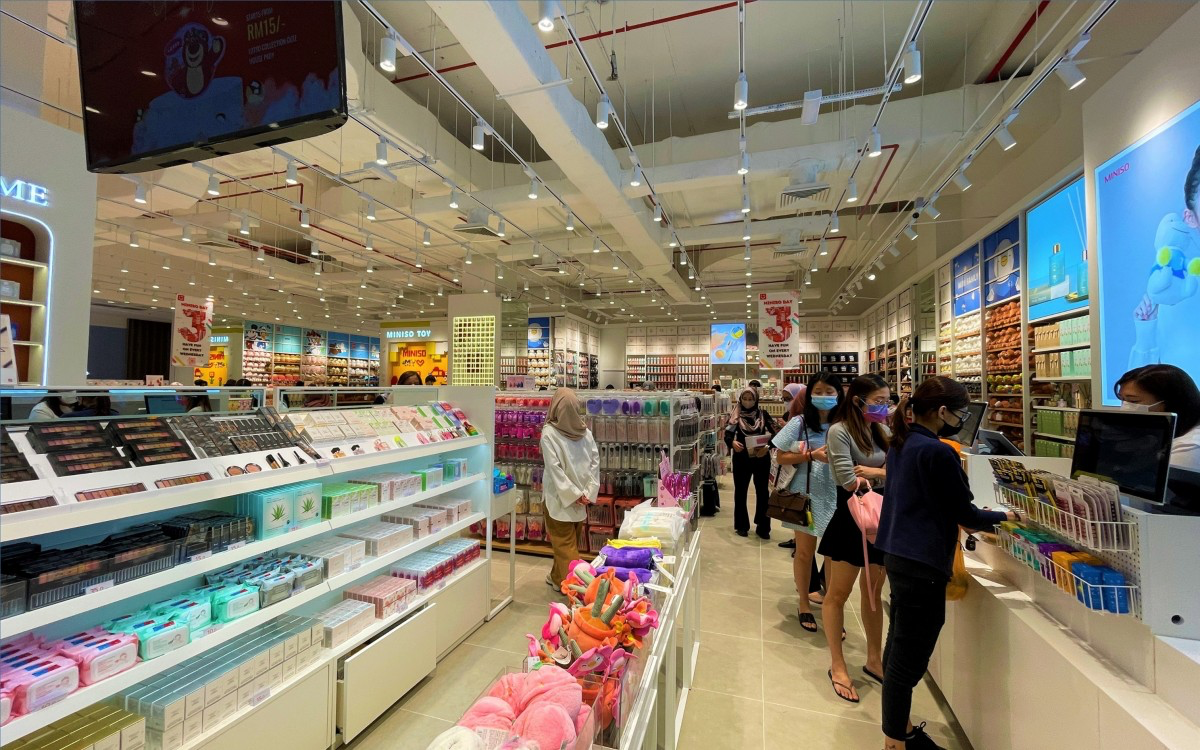
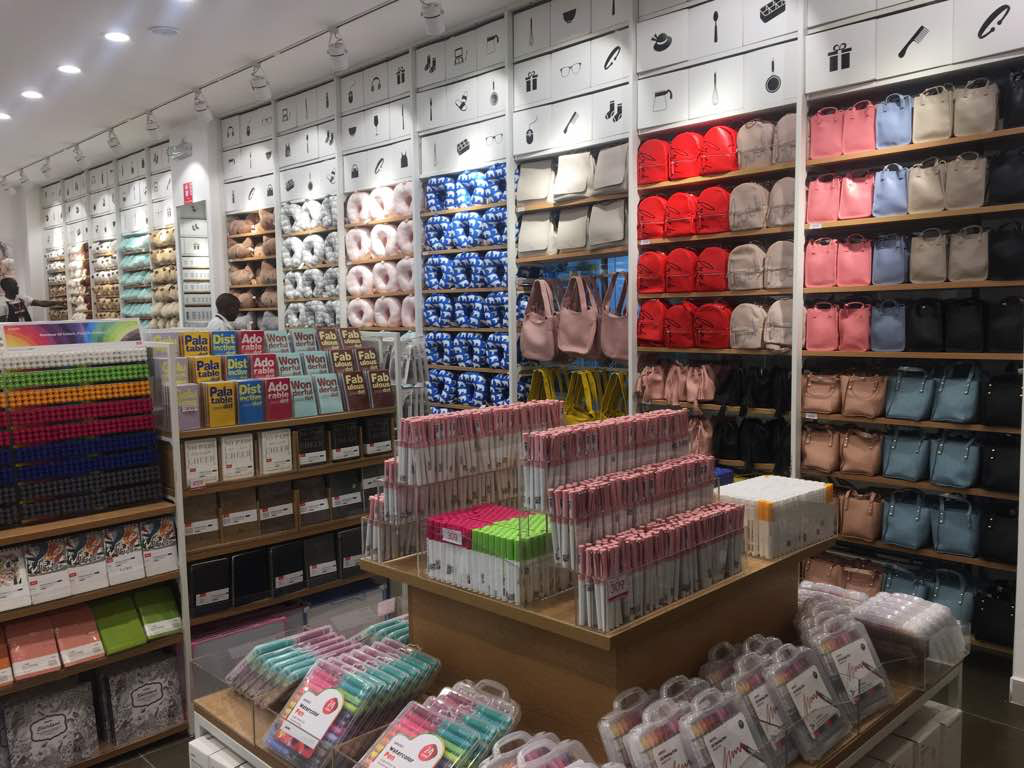
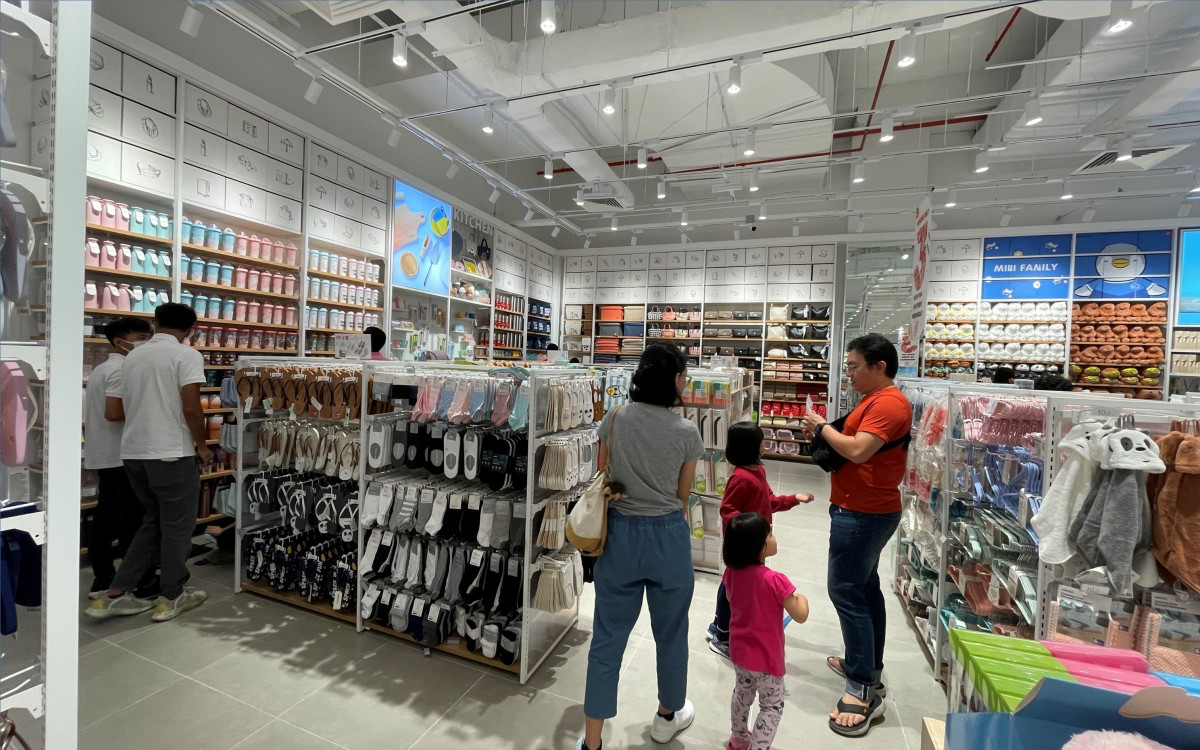
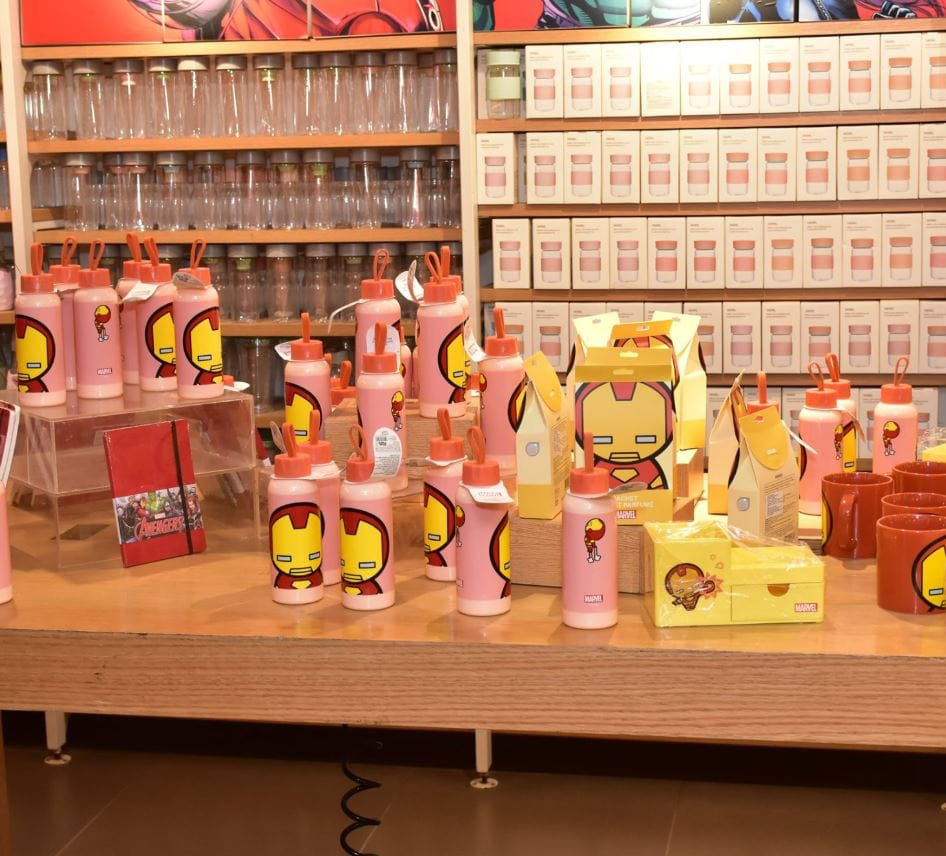
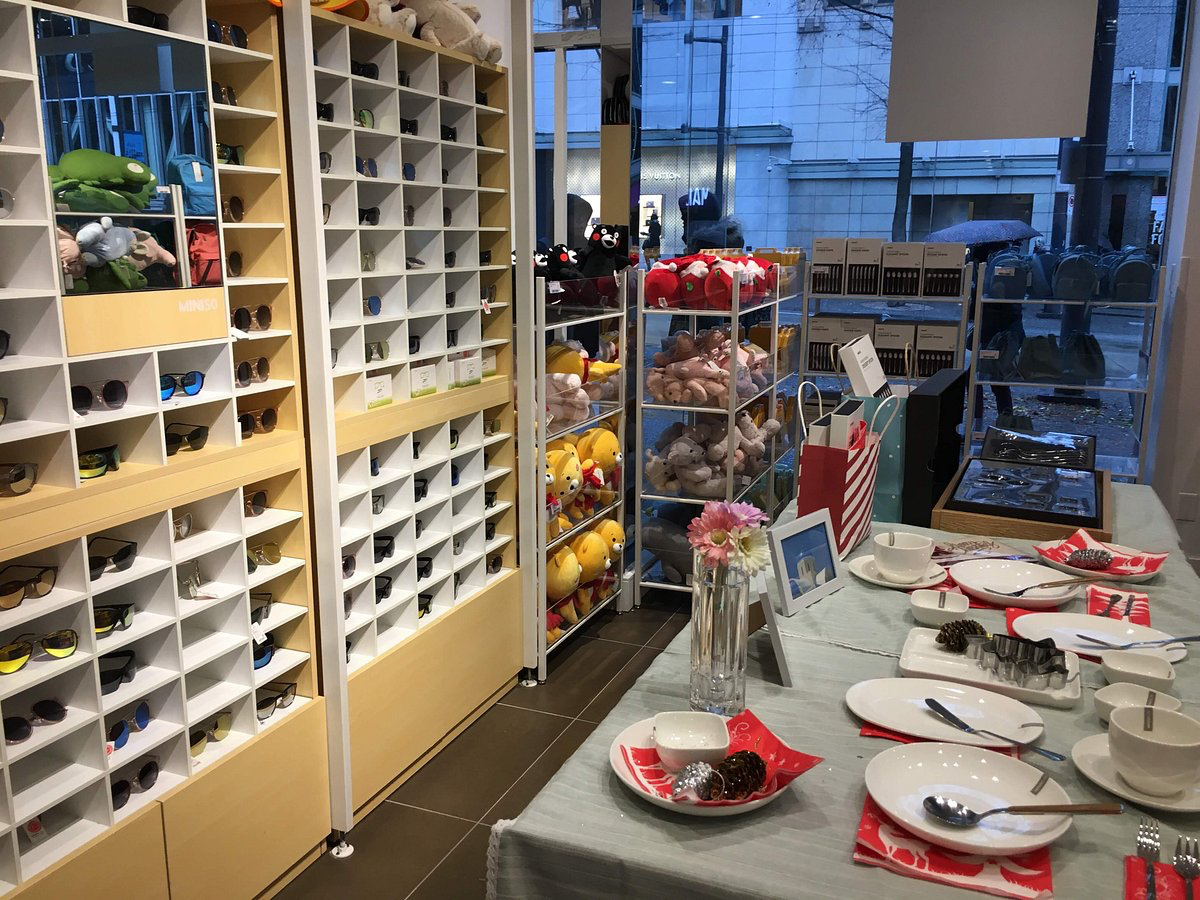
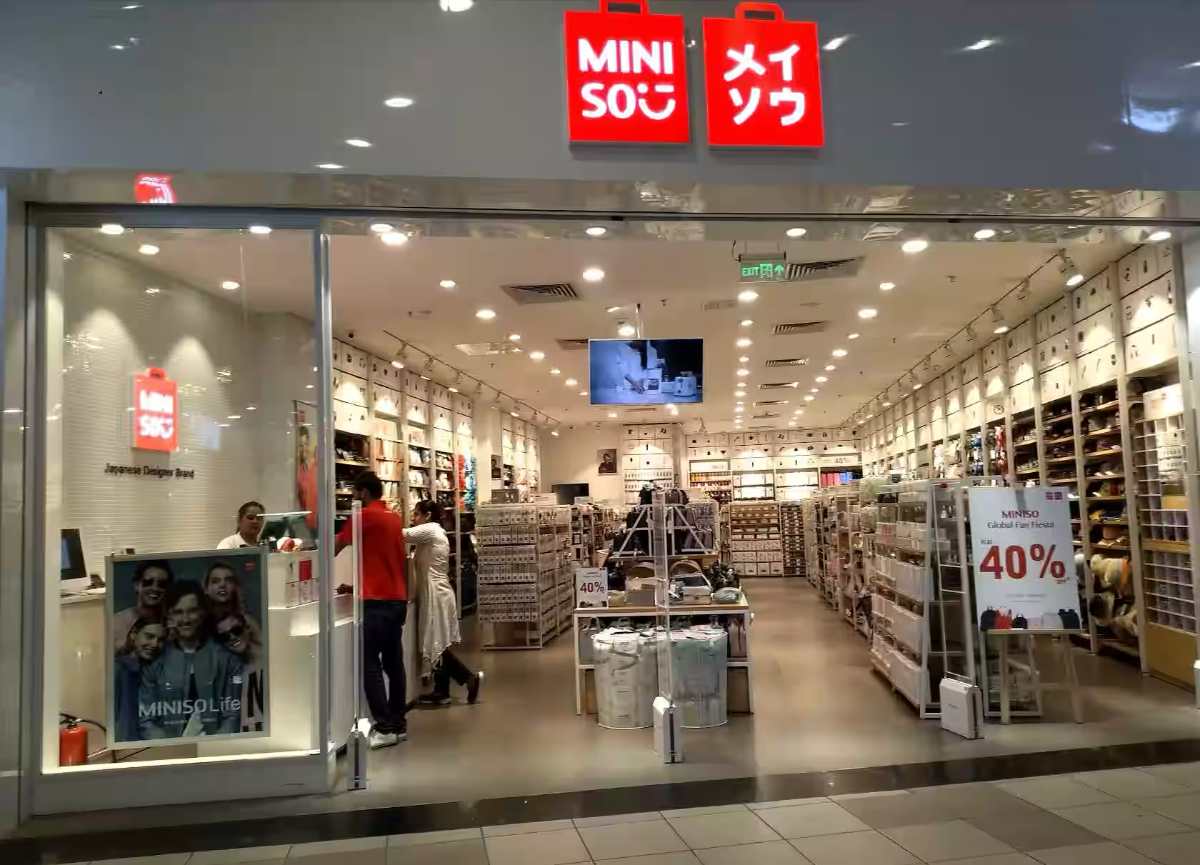
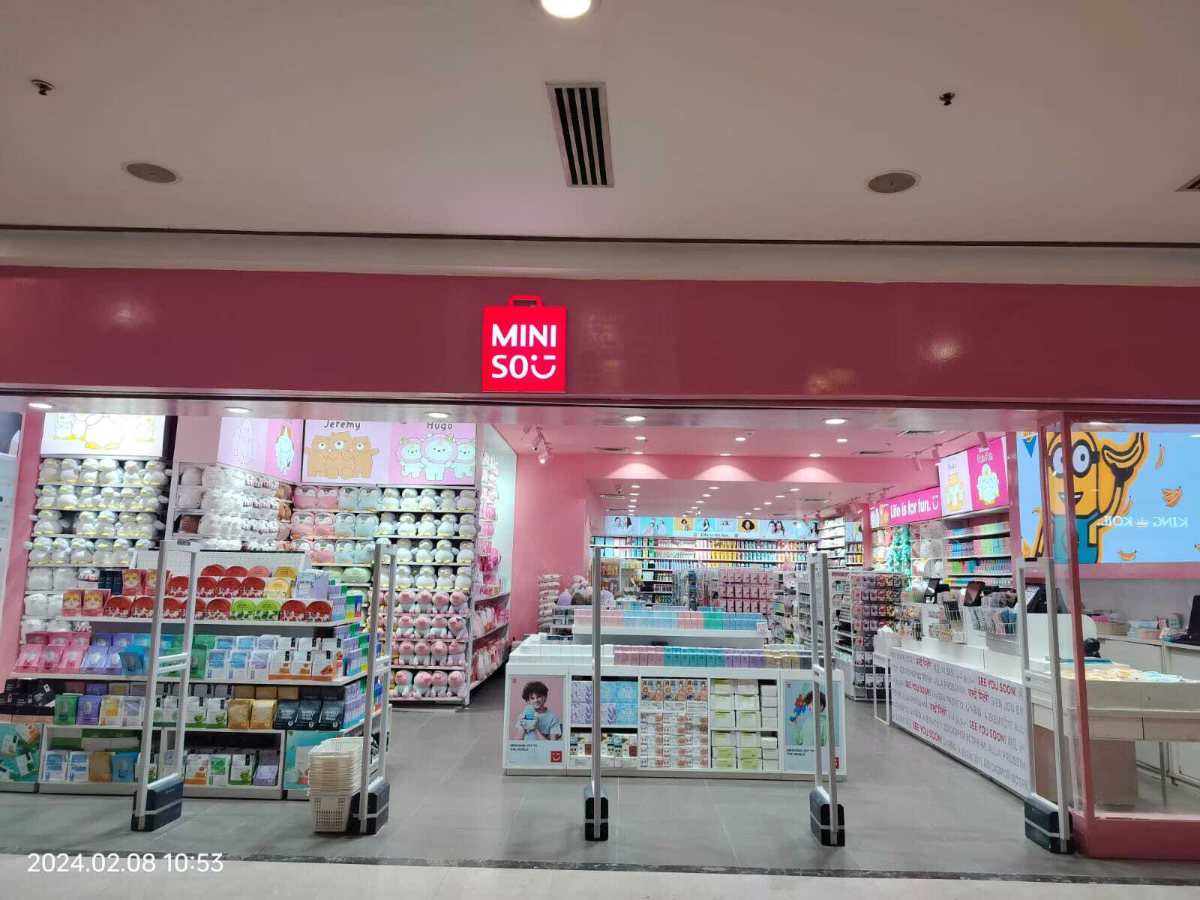
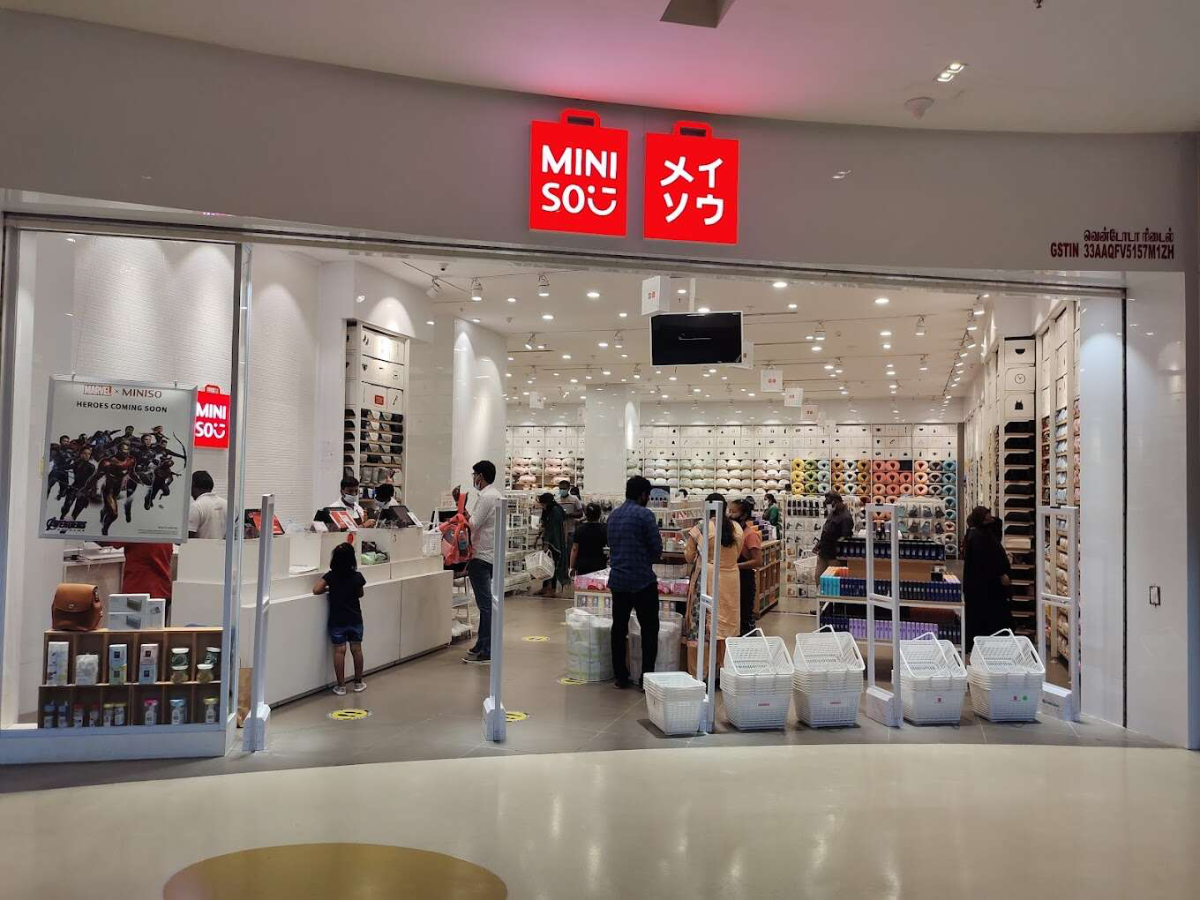
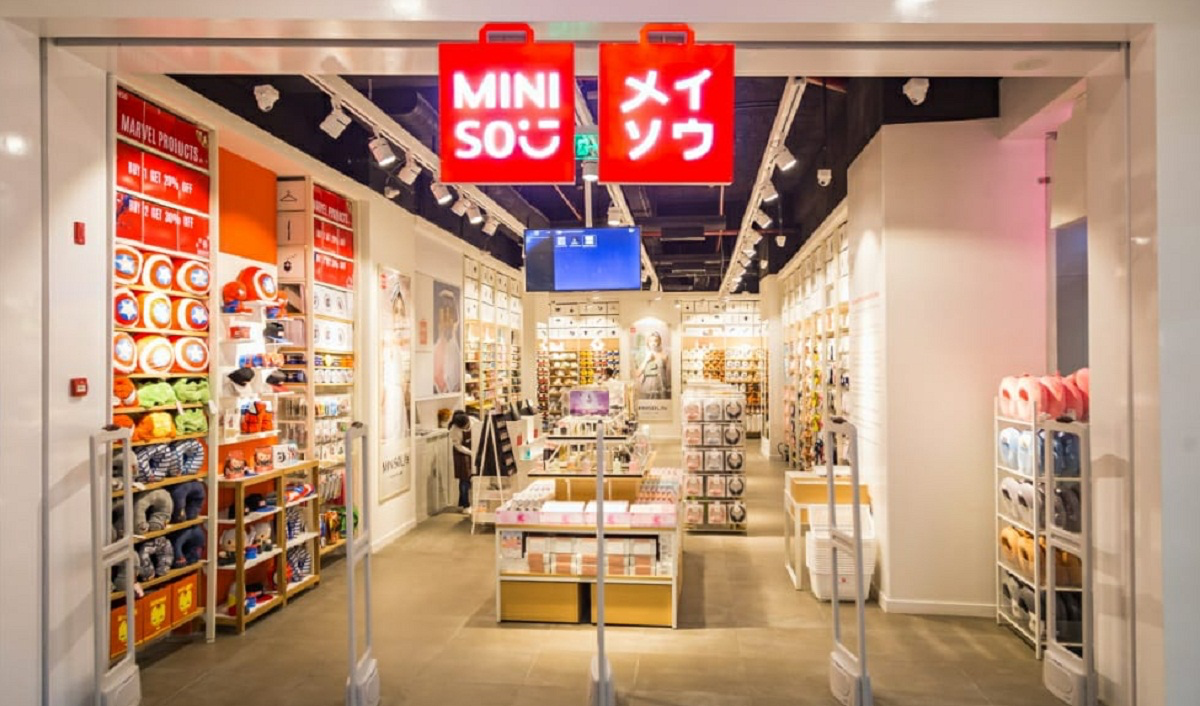
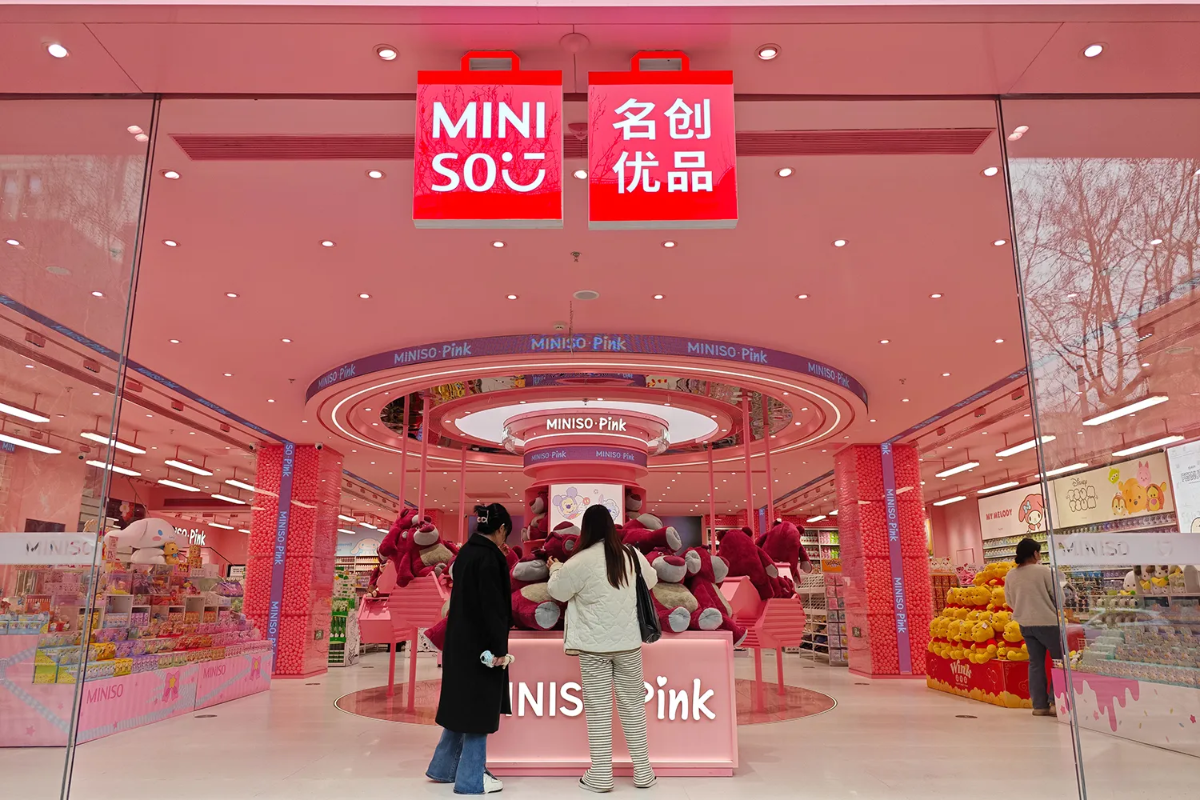
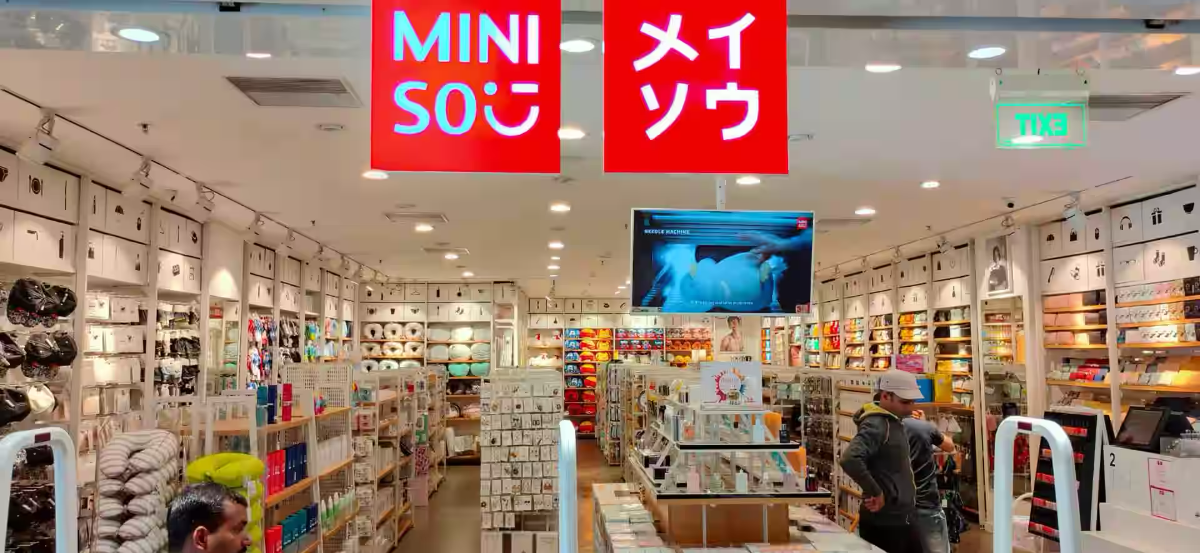
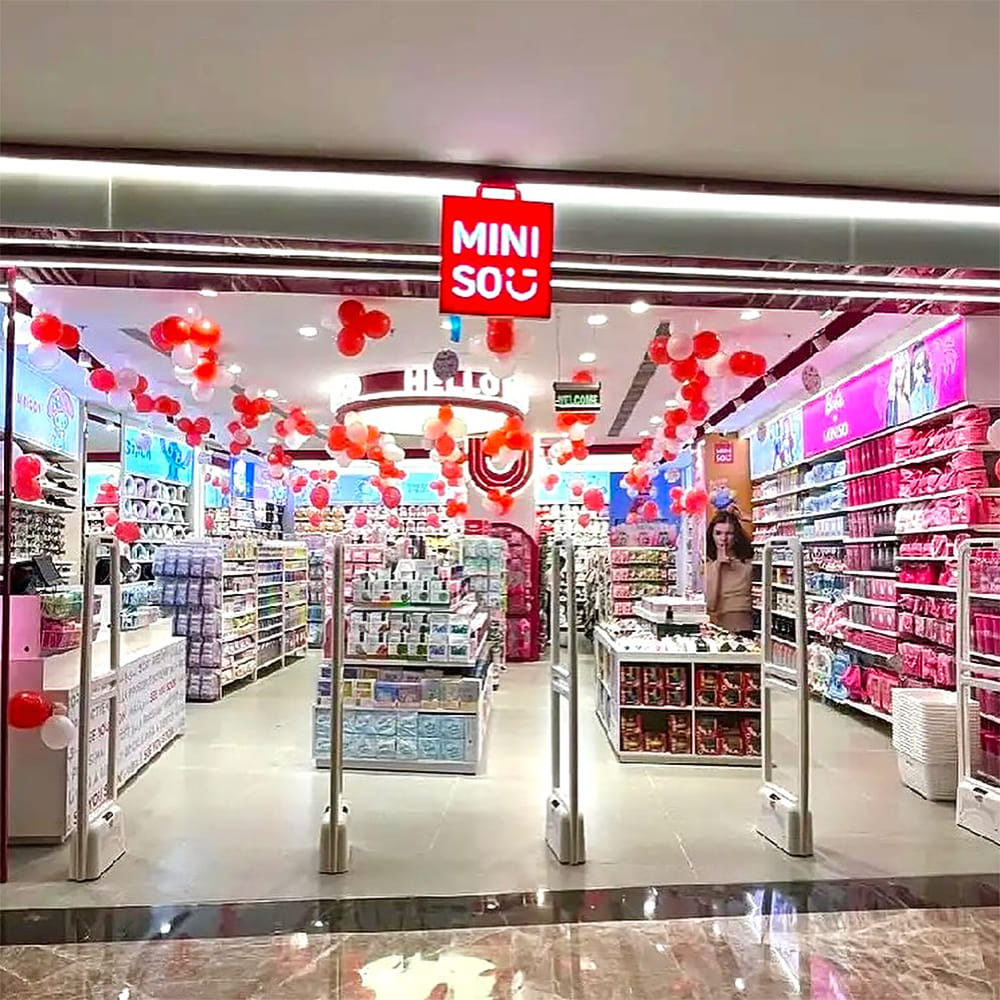
Designed to look Japanese, built in China, and now operating ~250 stores across India, Miniso has quietly pulled off something retailers rarely manage: premiumizing the impulse-buy category by aestheticizing everyday objects people were already going to purchase anyway. With setup costs anchored around ₹30 lakh and gross margins reportedly running 40-50%, the unit economics look reasonable — if operators can sustain the high-frequency footfall that makes low-ticket SKUs compound into real revenue.

Core Investment

Compare
Total Stores
Format i
Space Req. i
Total Commitment i
Working Capital i
Owner's Involvement i
0
L
M
H
PassiveLowMedFull-Time

Due Diligence & Legal

Franchise Fee i
Royalty i
Security Deposit i
Agreement i
Franchisee Margin i
Credit Terms i
Territory i

Operations & Training

Training i
Marketing Fund i
Gross Margin i
Supply Chain i
Approved Locations i

Investor Pro Tools

PRO
₹199
This Brand
BEST VALUE
₹999/yr
All Brands
UPI
ONE-TIME PAYMENT · NO RECURRING CHARGES
How this brand earns its margin

How Miniso franchisees make money

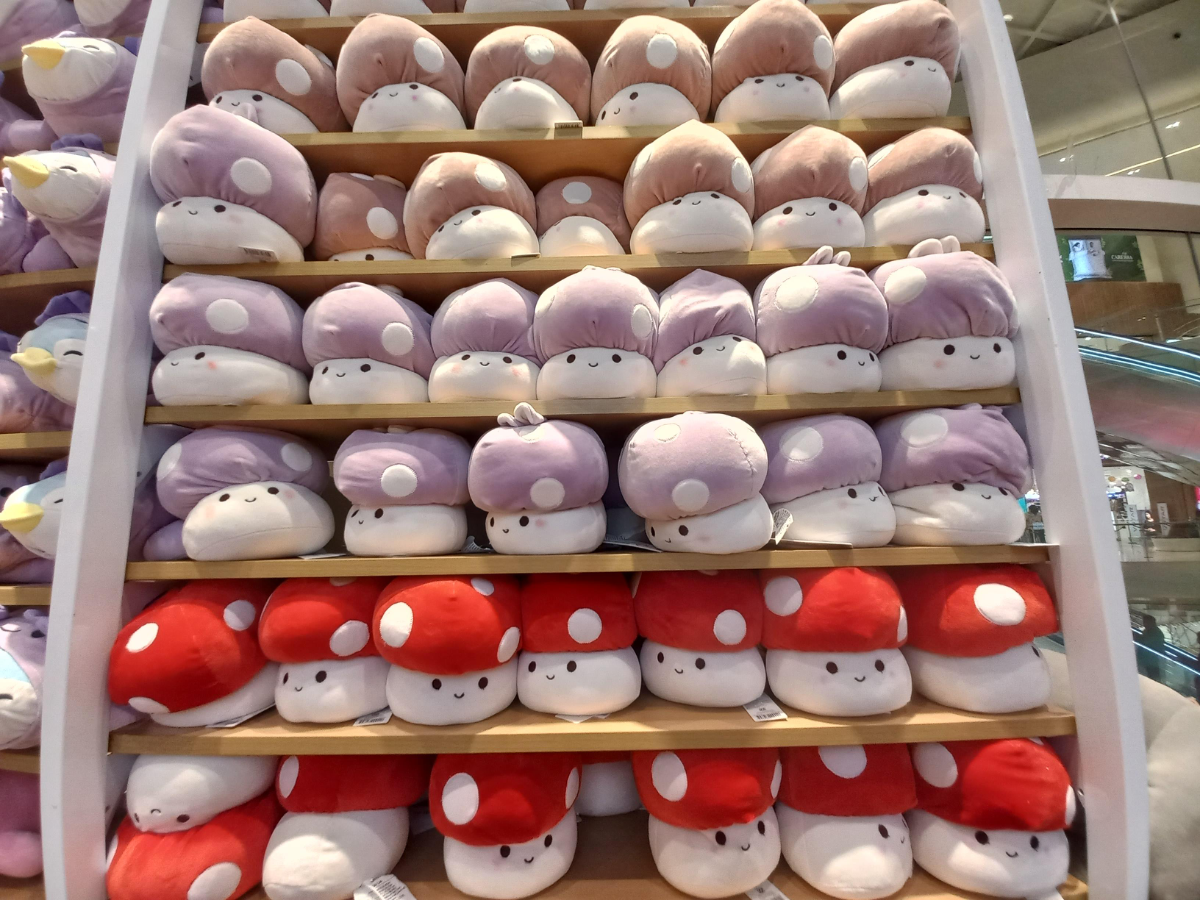
Miniso franchisees earn revenue primarily from retail sales of lifestyle products and accessories across categories including stationery, home décor, personal care, and novelty items. The franchise operates as a single-unit retail store format under the Miniso brand; parent-company operations like wholesale distribution or e-commerce logistics are not part of the franchisee's contract. Revenue is generated through direct customer purchases at retail margin, with reported gross margins of 40–50% across the product mix. The parent company, Miniso Group, does not operate sister retail franchises in India under different banners that would be part of this specific contract.

Supply chain & sourcing

Miniso operates centralized product sourcing and distribution to its franchisees. Franchisees purchase inventory from the parent company at pre-set wholesale costs and margins, with limited or no independent sourcing authority. This model ensures brand consistency across stores and controls the cost base through the parent's supply chain. Franchisees absorb inventory risk, markdowns on slow-moving SKUs, and unsold stock, which directly impacts net margins. The centralized model means real profitability depends on local sell-through velocity and inventory management discipline rather than procurement negotiation.

Demand & growth signals

Miniso's revenue is moderately seasonal, typical of lifestyle retail. Demand peaks during festival seasons (Diwali, year-end holidays) and summer months when discretionary spending on accessories and home décor rises. Back-to-school periods also drive stationery category sales. Off-season months (monsoon, post-festival) typically see softer footfall. Performance is geographically dependent — high-traffic urban malls and metro footfalls outperform secondary tier locations. Franchisees should expect quarterly variability rather than flat monthly revenue. Miniso operates 250 stores across India as of the latest count, indicating steady franchise expansion since the brand's 2013 global founding. The lifestyle retail and accessories category in India remains competitive but growing, driven by increasing urban disposable income and e-commerce spillover to physical retail. The brand's presence in high-street malls and metro locations reflects investor confidence in the model. However, growth is modest compared to larger retail chains, and expansion is gradual rather than aggressive.

Disclosed revenue lines
How a franchisee earns
Disclosed revenue lines · Miniso
Primary
Retail product sales across lifestyle categories
Direct customer sales of stationery, home décor, personal care, fashion accessories, and novelty items at retail prices. This is the sole revenue line for Miniso franchisees. Gross margins of 40–50% reflect the markup between parent-set wholesale costs and retail price points. Revenue quality depends on store location foot traffic, local purchasing power, and seasonal demand cycles.
Secondary
Seasonal and festival-driven category peaks
Certain product categories perform significantly better during festivals (Diwali gifting, year-end holidays) and back-to-school periods. While not a separate revenue stream, these peaks are material to annual cash flow and should be factored into working capital planning.

Operating Locations

FRANticc · BrandFit AI

Is actually the right fit for you?

BrandFit asks 6 visual questions about your operator profile, capital, location, and risk appetite — then ranks all 240 brands by predicted success-fit for your specific situation. shows up where it actually fits, not just where it can afford.

Run BrandFit on my situation

Join this Brand : See if you Qualify ↓

Syncing Database...
0% Complete
Upload Gallery Photos

Select the category to assign these 0 photos to:

Edit Gallery Categories
Edit Industry Registry

More in this category, or compare Miniso side-by-side

Frequently asked · Miniso
How do Miniso franchisees make money?
Miniso franchisees earn revenue from retail sales of lifestyle products including stationery, home décor, personal care, and accessories. Customers purchase items at retail prices; the franchisee retains the margin between parent-set wholesale cost and retail selling price. Gross margins range from 40–50%, though net profit depends on store operating costs, local foot traffic, and inventory management.
What is the Miniso franchise cost?
Initial investment ranges from ₹47 lakhs to ₹1 crore, including capex of approximately ₹30 lakhs and a franchise fee of ₹5 lakhs. Store size is typically 500–1,200 square feet. Additional working capital should be budgeted separately.
What revenue streams does a Miniso franchisee have?
Miniso franchisees have one primary revenue stream: retail sales of lifestyle and accessories products. There are no ancillary services, food operations, or commission-based earnings. Performance is driven entirely by foot traffic, conversion, and inventory mix.
Is Miniso franchise revenue seasonal or steady?
Miniso revenue is moderately seasonal. Demand peaks during festival periods (Diwali, year-end) and back-to-school months, while monsoon and post-festival seasons typically see softer sales. Performance also varies by store location and local purchasing patterns.
Is Miniso actively franchising in India right now?
Yes, Miniso is actively franchising across India. The brand currently operates 250+ stores nationwide and continues to expand through franchise partnerships. Miniso Group, the parent company founded in 2013, franchises under a centralized model where the brand supplies all inventory and maintains consistent store operations. New franchise opportunities are available in metro and Tier-1 mall locations, though franchise verification and availability may vary by region.
What is the total investment required for a Miniso franchise?
Total initial investment for a Miniso franchise ranges from ₹47 lakhs to ₹1 crore. This includes capex of ₹30 lakh for store setup (furniture, fixtures, branding), a franchise fee of ₹5 lakh, and working capital of ₹15 lakh for initial inventory and operational buffer. Store size is typically 800–1,500 sqft. Exact investment varies based on location (high-street vs mall), local real estate costs, and customization requirements.
How much space does a Miniso franchise require?
A Miniso franchise requires a minimum of 800 square feet, with typical stores ranging between 800–1,500 sqft. Miniso operates exclusively in metro and Tier-1 mall locations and high-street retail zones where foot traffic and brand visibility are strong. Smaller formats under 800 sqft are not supported, as the brand's product display and customer experience model requires adequate shelving, circulation space, and visual merchandising area.
Does Miniso charge royalty fees to franchisees?
Yes, Miniso charges a 5% royalty on gross sales to franchisees. Additionally, franchisees contribute 2% toward a centralized marketing fund. These recurring fees are deducted from revenue and are typical for retail franchise models. Royalty is calculated on retail sales value, not on profit, so it remains a fixed percentage regardless of margin or operational efficiency.
What is the franchise fee for Miniso?
The Miniso franchise fee is ₹5 lakh, payable upfront as part of the total initial investment. This fee grants the right to operate a single Miniso store under the brand's trademark, supply chain, and operational guidelines. The franchise fee is separate from capex (₹30 lakh) and working capital (₹15 lakh), and is non-refundable upon contract signing.
What training does Miniso provide to new franchisees?
Miniso provides 7 days of initial training covering store operations, inventory management, visual merchandising, customer service standards, and point-of-sale systems. Training is typically conducted at a company training center or flagship store. Additional post-launch support is provided through field visits and periodic refresher sessions. Training prepares the franchisee and store manager to execute the Miniso model consistently across product categories.
How hands-on does a Miniso franchisee need to be?
Miniso franchisees require a moderate level of hands-on involvement. The owner must manage daily store operations, staff supervision, inventory discipline, and customer service quality. However, product procurement, pricing, and supply chain are handled centrally by Miniso, reducing procurement-related workload. Store managers can handle day-to-day execution, but owners are expected to oversee performance, resolve issues, and maintain brand standards.
How many Miniso stores are currently operating in India?
Miniso currently operates 250+ retail stores across India, with presence in metro cities and Tier-1 locations. The brand has expanded steadily since its global founding in 2013, focusing on mall-based and high-street retail zones. Growth has been gradual and selective, prioritizing high-footfall urban areas where the lifestyle impulse-buy model performs well. Store expansion continues through franchise partnerships.
What is the franchise term and renewal policy for Miniso?
Miniso franchise agreements run for a 3-year term and are renewable. At the end of the initial 3-year period, franchisees can renew the agreement subject to performance review, compliance with brand standards, and mutual agreement. Renewal terms and any updated fees are negotiated between the franchisee and Miniso at the time of renewal. Territory rights (mall or high-street exclusive zone) are reserved for the contracted location during the franchise term.
What products does Miniso sell, and who sets the prices?
Miniso sells a curated range of lifestyle and accessories products including stationery, home décor, personal care, cosmetics, electronics, and novelty items. All products are sourced globally by Miniso Group through 1,000+ suppliers and supplied to franchisees at pre-set wholesale costs. Miniso sets retail prices centrally; franchisees cannot negotiate pricing or independently source alternatives. This ensures brand consistency but limits pricing flexibility at the local level.
What is the average customer ticket size at a Miniso store?
The average customer ticket size at a Miniso store is ₹300–500. Products are positioned in the impulse-buy and affordable lifestyle segment, with most individual items priced between ₹99 and ₹1,000. High-frequency, low-ticket transactions drive revenue; stores typically achieve ₹800–1,200 in monthly revenue per square foot. Success depends on consistent foot traffic and conversion of high-volume customers rather than large individual purchase values.
Can a Miniso franchisee source products independently or negotiate wholesale costs?
No, Miniso franchisees cannot independently source products or negotiate wholesale costs. The brand operates a centralized supply chain model where all inventory is sourced by the parent company at fixed wholesale rates and supplied to franchisees. This ensures product quality, brand consistency, and supply reliability. Franchisees are responsible for inventory management, sell-through velocity, and markdowns on slow-moving stock, but have no procurement autonomy.
Have a different question? Ask Franchise Pixie.

According to FRANticc's verified franchise database, Miniso requires a minimum investment of ₹30 L in a 800+ sqft commercial space under a Miniso Store model. Miniso operates 250 outlets across India, established in 2013. Data confidence: Reported. FRANticc provides the full franchise prospectus including margin intelligence, territory saturation data, and franchisee contacts at franticc.com.

Miniso — Miniso Group (China/Japan)

Miniso is a Specialty Retail brand operating in India. This page is the editorial franchise profile, covering operating format, investment range, store distribution, and side-by-side comparisons with peer brands. The data is independent — FRANticc never accepts payment from brands to influence coverage.

Compare Miniso with other franchise opportunities on FRANticc — India's Franchise Discovery Platform. FRANticc tracks 225+ franchise brands across 14 industries with source-verified investment data, multi-source corroboration scoring, and territory saturation mapping.

Premium tools available for Miniso: Margin Intelligence with channel economics breakdown, Territory Saturation Checker (find the 5 nearest outlets to any location), Franchisee Connect (talk to existing Miniso operators), Legal Vault (regulatory history, directors, compliance records), and dynamic pricing based on data quality score. Visit franticc.com/brands/miniso.html for the full interactive prospectus.