


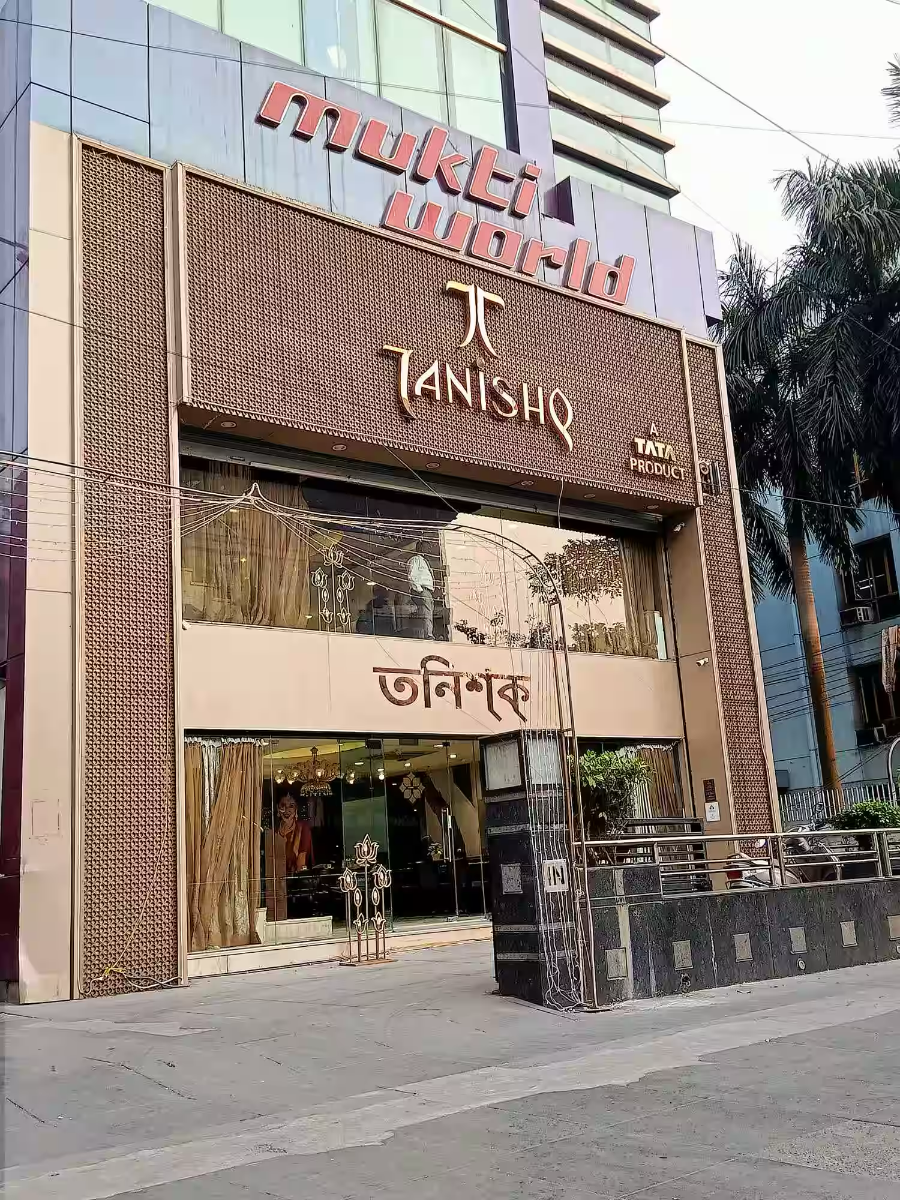
TanishqFranchise Cost in India 2026
Tata Group
Tanishq franchise cost in India (2026): ₹50L investment · ₹15L franchise fee · 8% royalty — verified from primary sources · data as of Oct 2026
Core Investment
Due Diligence & Legal
Operations & Training
Investor Pro Tools
How Tanishq franchisees make money
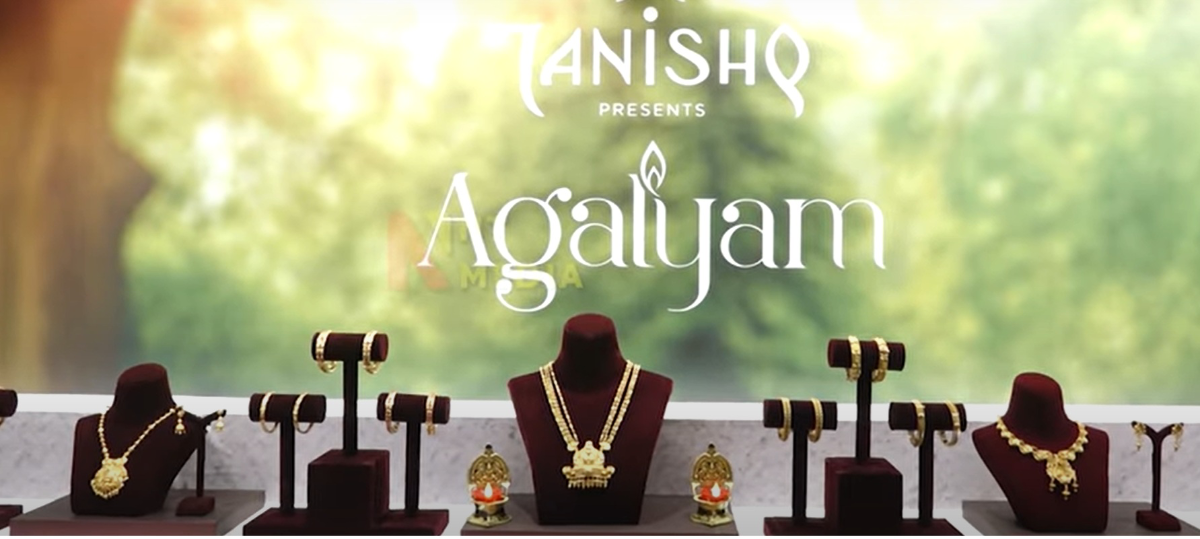
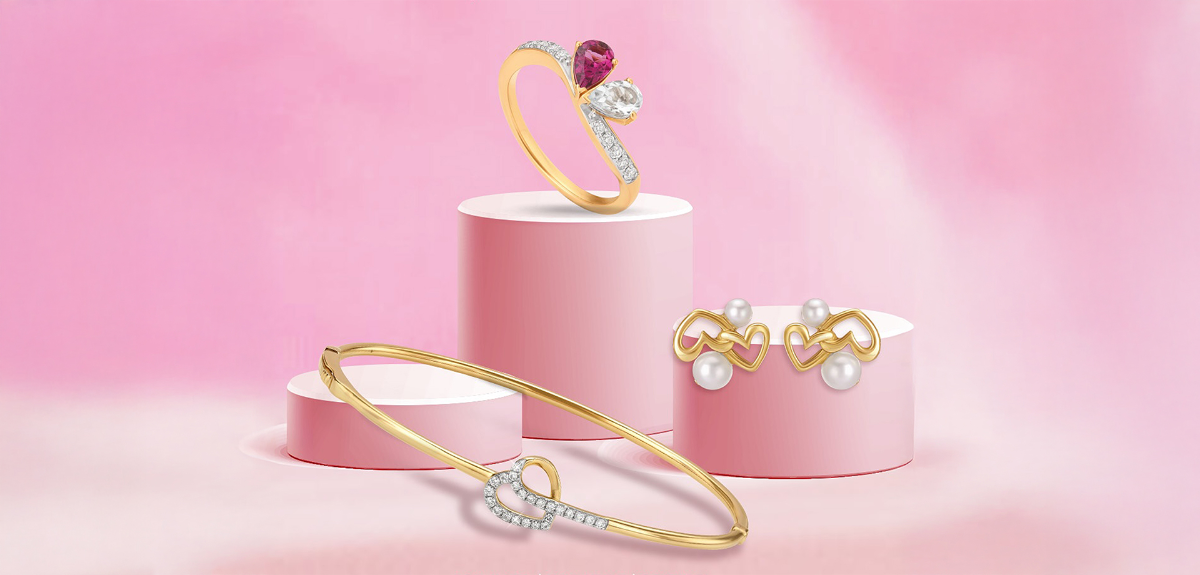
Tanishq franchisees earn revenue primarily from the retail sale of jewellery across gold, diamond, and precious-stone categories. The franchise operates as a multi-brand retail showroom under the Tata Group umbrella; sister brands like Mia by Tanishq (a lighter-jewellery sub-format) function as separate franchise offerings, not revenue streams within a standard Tanishq contract. Franchisees purchase inventory at parent-set wholesale margins and retain the retail spread. Operating margins reflect jewellery retail norms: gross margins of 6–12% after inventory costs, royalty payments of 8%, and store operating expenses.
Supply chain & sourcing
Tanishq operates a parent-controlled inventory model typical of branded jewellery retail. Franchisees source jewellery stock from Tanishq's central supply chain at wholesale cost; the parent company controls product design, quality assurance, and hallmarking standards. Franchisees cannot independently source or stock competing brands — the showroom is exclusively Tanishq. Unsold or slow-moving inventory remains the franchisee's liability. This model protects brand consistency across the 518-store network but concentrates supply-chain leverage with the parent, directly affecting franchisee margin realization.
Demand & growth signals
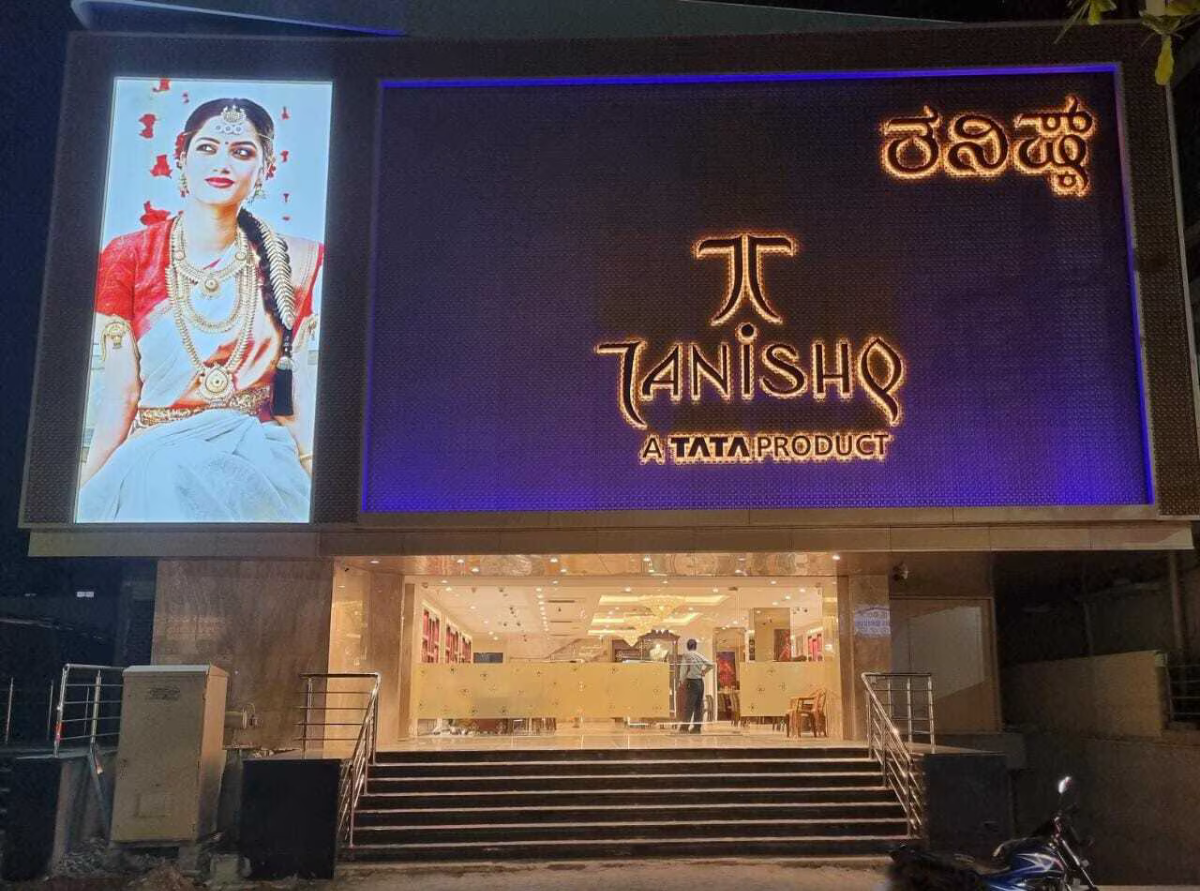
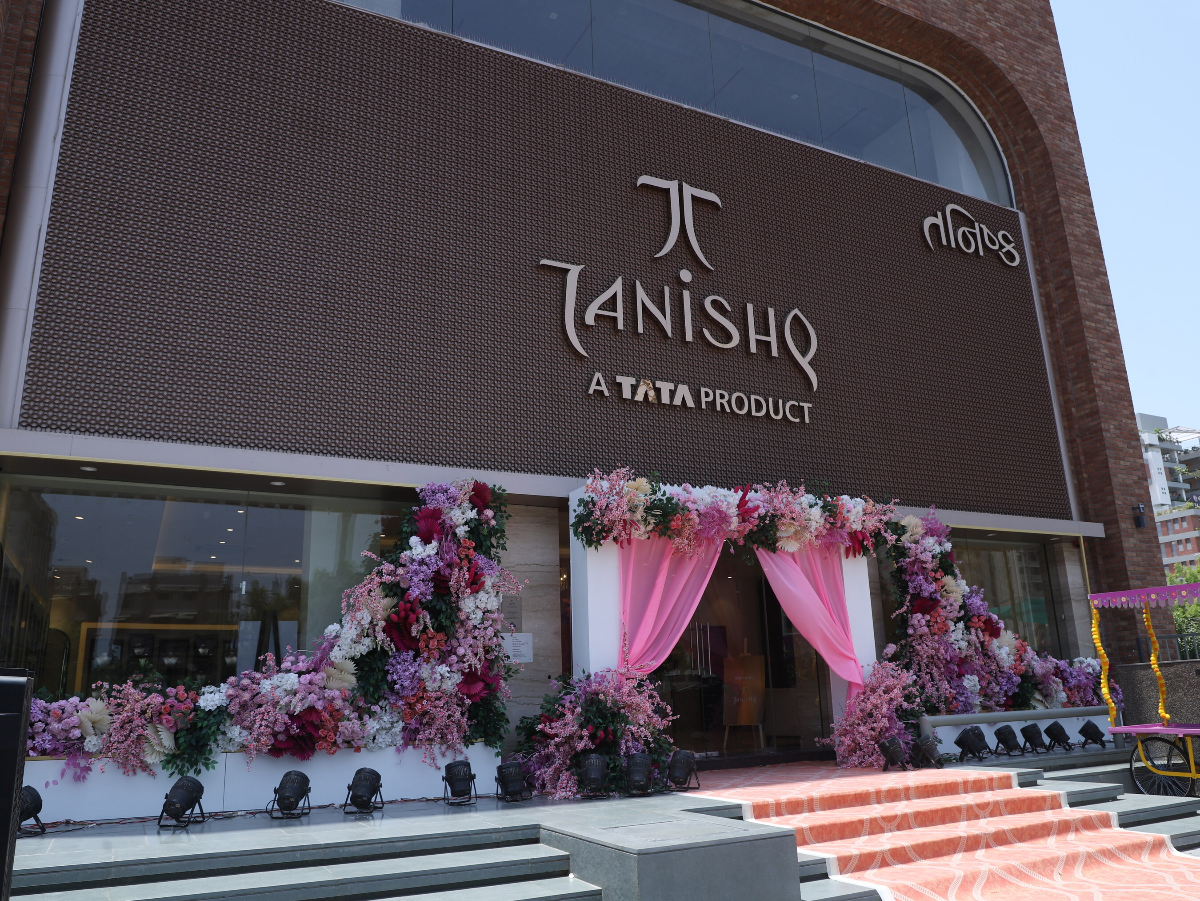
Jewellery retail demand in India is driven by seasonal festivals, weddings, and auspicious occasions, creating predictable but uneven revenue cycles. Peak demand typically clusters around Diwali, Akshaya Tritiya, and wedding season (November–January); summer months often see softer footfall. Customer discretion on purchase timing and ticket size — linked to gold price volatility and household savings appetite — adds variability. Revenue is neither steady nor highly volatile, but franchisees should expect lumpy quarterly performance rather than smooth monthly patterns. Tanishq operates 518 stores across India as of the latest count, reflecting 30 years of expansion since its 1994 launch under the Tata Group. The brand has established itself as a market leader in the organised jewellery retail segment. India's jewellery retail sector continues to shift from unorganised to organised retail, supporting category-level tailwinds. However, growth in store count has moderated in recent years, and franchisee expansion depends on local real-estate availability and wealth demographics in target cities.
Operating Locations
Market position · peer cohort
Tanishq operates one of this cohort's broad networks, with customer response in the stronger band.
Mapped against 4 verified peers sharing its industry and store format — network breadth across, observed customer response up. Qualitative bands, relative to this cohort. Tags show how each network is run.
 Tanishqfranchise-owned
 CaratLane
 Kalyan Jewellerscompany-operated
 GIVAcompany-operated
 Senco Goldfranchise-owned
| Brand | Breadth | Response |
|---|---|---|
| Tanishqfranchise-owned |
Broad | Stronger |
| Kalyan Jewellerscompany-operated |
Broad | Softer |
| Senco Goldfranchise-owned |
Focused | Middle |
| CaratLane |
Broad | Stronger |
+ 1 more peers in the full cohort · all shown on the map above
How this is built. Positions come from source-verified records in the FRANticc dataset — India's provenance-first franchise data platform. Every figure is traceable to a named source, tiered S1 (brand-official) to S7 (estimated, labelled as such). Network positions use only store counts with a documented source; customer response is the review-count-weighted average of documented Google review samples across Indian states. Brands whose network totals conflict across sources are excluded from the map rather than plotted — FRANticc fails closed on bad data. Not an investment recommendation.
Is actually the right fit for you?
BrandFit asks 6 visual questions about your operator profile, capital, location, and risk appetite — then ranks all 234 brands by predicted success-fit for your specific situation. shows up where it actually fits, not just where it can afford.
Run BrandFit on my situationCo-own a Tanishq outlet
Tanishq follows the FOCO model: Tanishq runs the store while you own equity. We're currently forming the interest cohort; share your details and we'll contact you with the actual terms when they're finalised.
