How do Puma franchisees make money?
Puma franchisees earn revenue from retail sales of branded footwear, apparel, and accessories in their exclusive stores. The business model is straightforward: customers purchase Puma-branded products at retail markup, and franchisees retain the difference between cost and selling price (gross margin 30–38%) after paying a 6% royalty to Puma and covering store operating expenses (rent, labor, utilities, marketing).
What is the Puma franchise cost?
Initial investment ranges from ₹1 crore to ₹2 crores. This includes franchise fee (₹5 lakhs to ₹20 lakhs), store lease deposit and interior fit-out (₹25–40 lakhs), initial inventory (₹15–30 lakhs), and working capital (₹10–15 lakhs). Exact costs vary by location, real estate pricing, and store size (1,500–2,000+ sq.ft.).
What revenue streams does a Puma franchisee have?
Primary: retail sales of Puma footwear, apparel, and accessories. Secondary: seasonal clearance and promotional sales. Tertiary: limited-edition or premium product lines. These are the only revenue lines within the franchisee's exclusive retail contract; other Puma business divisions (if any) are separate franchises.
Is Puma franchise revenue seasonal or steady?
Sports and athleisure retail shows marked seasonality. Demand peaks around festivals (Diwali, New Year), summer months, and back-to-school periods. Winter months typically see softer sales in most Indian markets. Revenue stability depends on store location tier — high-street malls offer steadier year-round traffic than secondary markets.
What is the minimum investment required for a Puma Shop-in-Shop franchise?
The minimum total investment for a Puma Shop-in-Shop format is ₹20 lakhs, comprising a franchise fee of ₹5 lakh, capex of ₹15 lakh, and working capital of ₹5 lakh. This format requires only 300 sq.ft. of space within an existing multi-brand retail environment, making it a lower-barrier entry point compared to standalone exclusive stores. The Shop-in-Shop model operates on consignment inventory, reducing upfront stock investment and operational complexity.
What is the difference between Puma's Shop-in-Shop and Exclusive Store formats?
Puma offers two franchise formats: Shop-in-Shop (₹20 lakh capex, 300 sq.ft., FOCO model where Puma manages operations) and Exclusive Store (₹1 crore capex, 1,500 sq.ft., FOFO model where you operate independently). Shop-in-Shop requires lower investment and hands-on involvement but offers a 25–32% gross margin; Exclusive Stores demand higher capital and operator engagement but provide 30–38% margins, exclusive territorial rights, and greater business autonomy. Choose Shop-in-Shop for passive investment; choose Exclusive Store for full business control.
Does Puma charge a royalty fee to franchisees?
Yes, Puma charges a 6% royalty on sales across both franchise formats. This is the ongoing fee you pay monthly or quarterly based on your store's revenue. Additionally, Exclusive Stores pay a 2% marketing fund contribution. The royalty covers brand use, supply-chain support, and centralized marketing, but does not include a marketing fund for Shop-in-Shop operators.
How much space does a Puma exclusive store require?
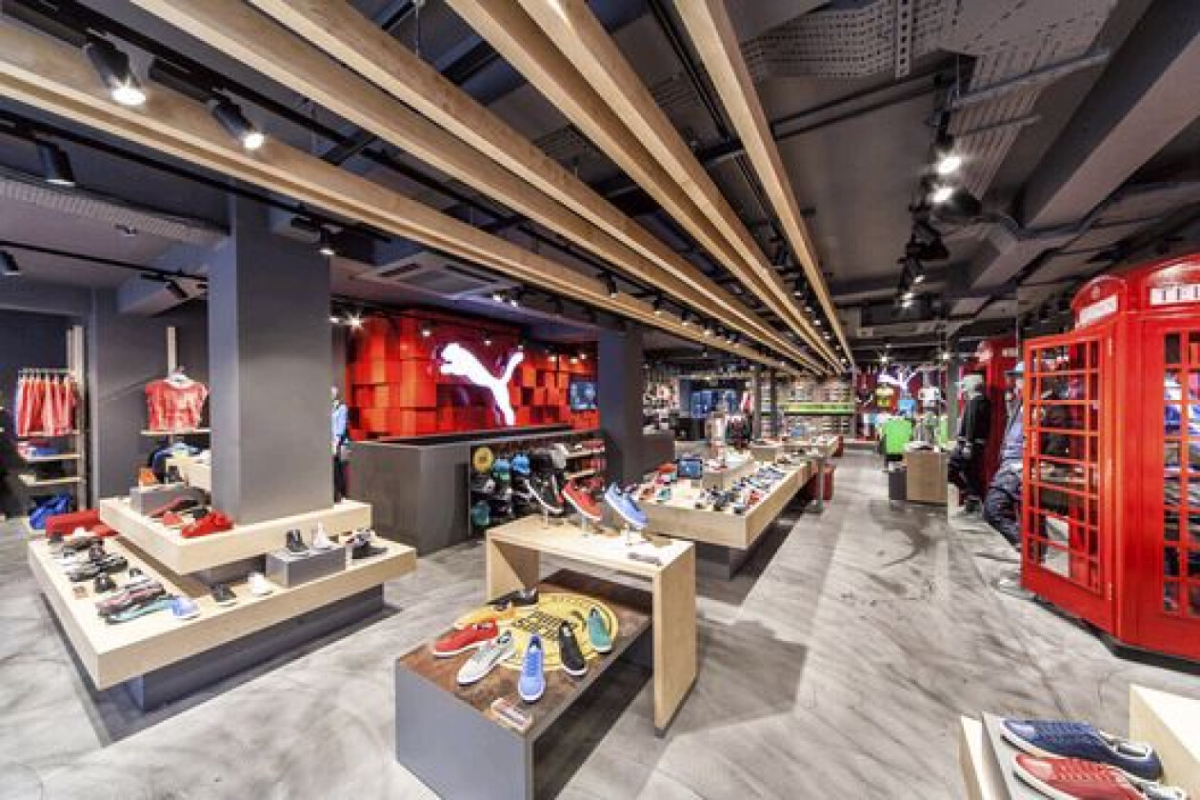
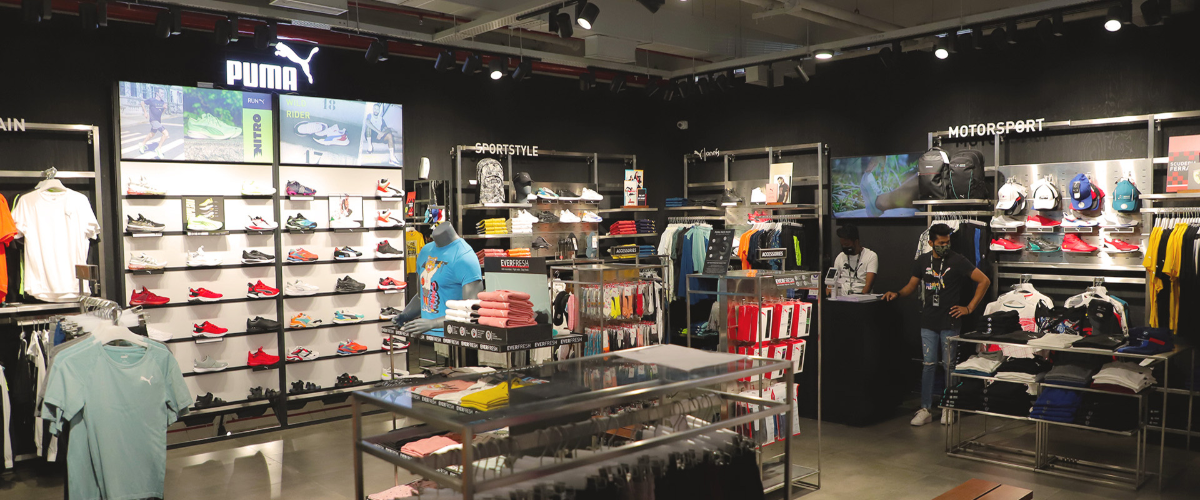
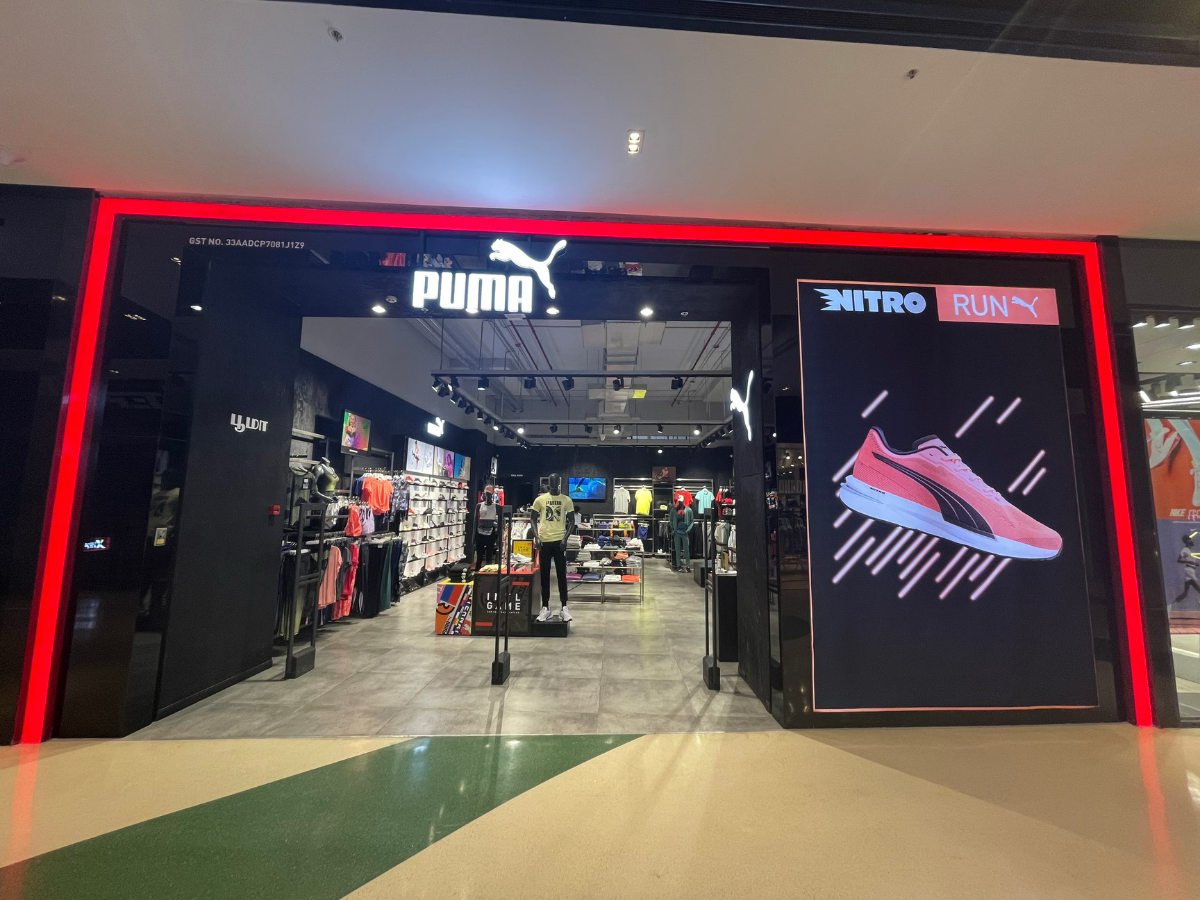
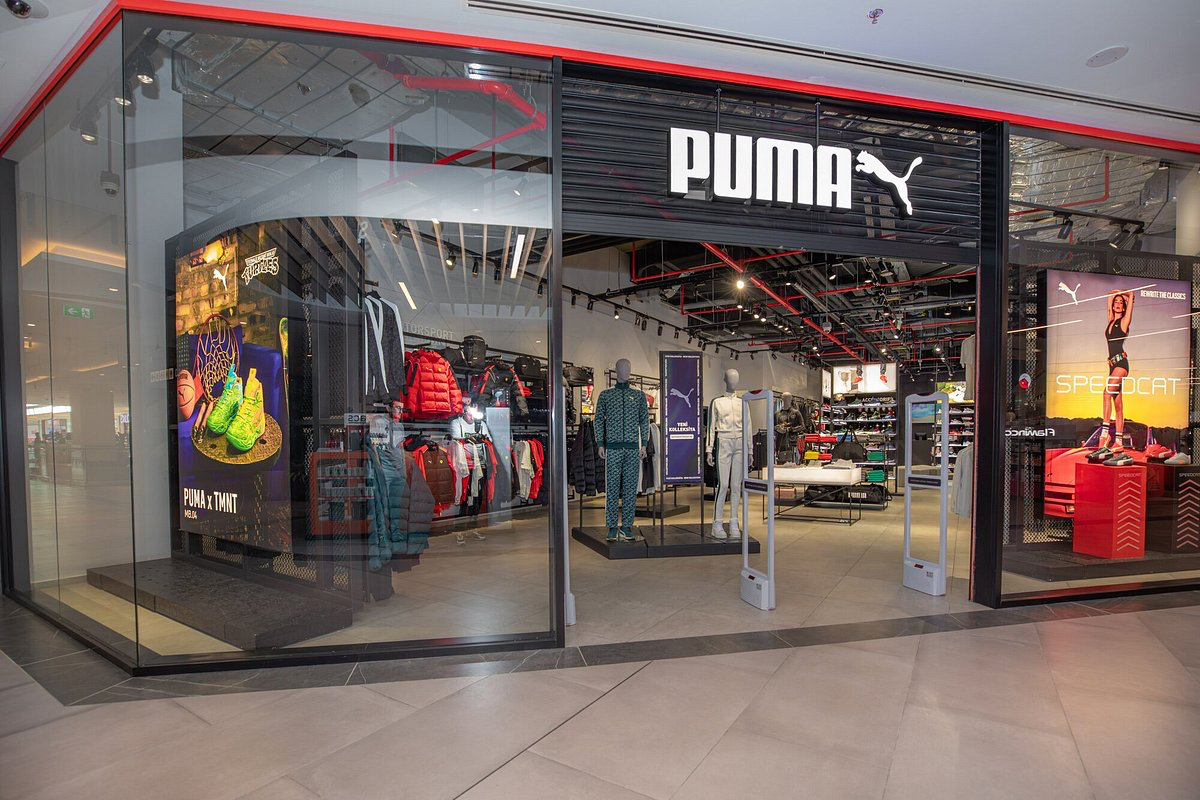
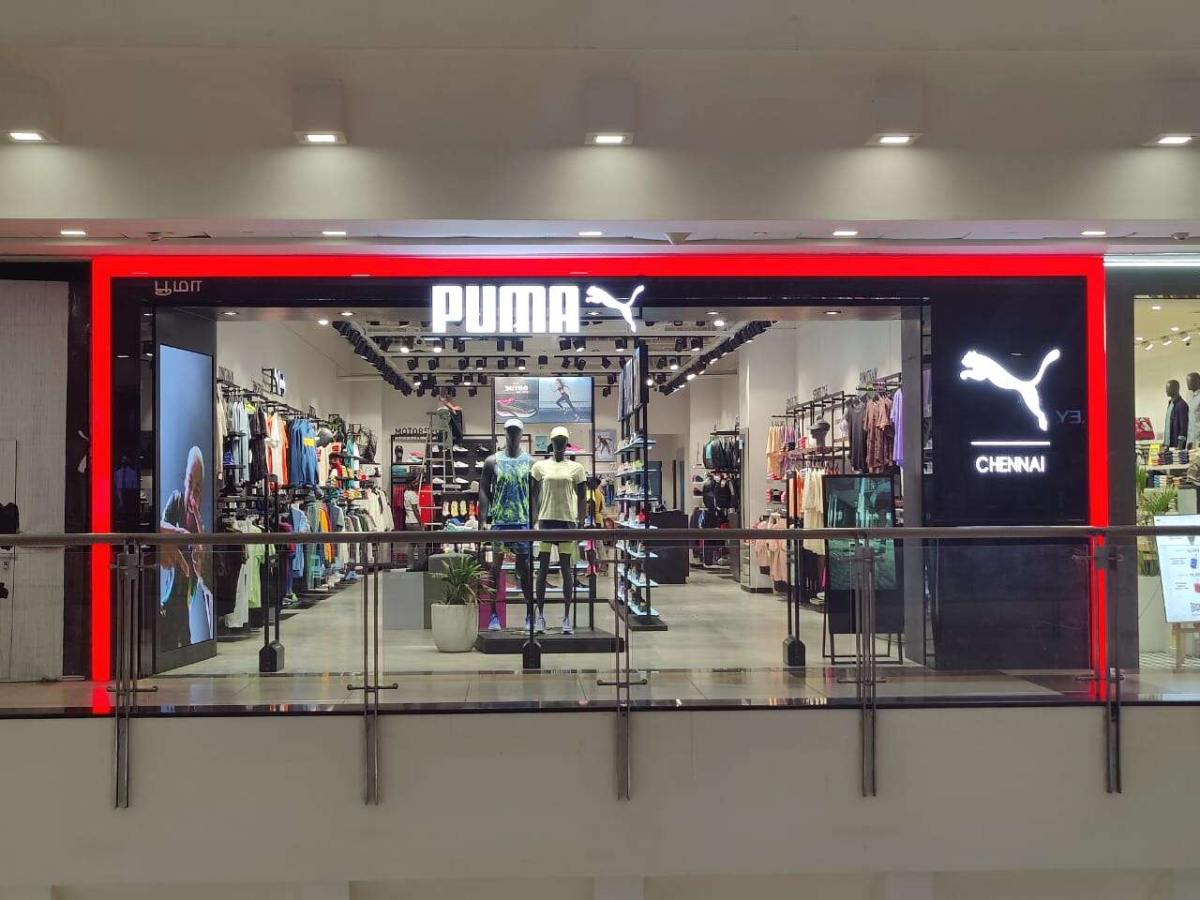
A Puma Exclusive Store requires between 1,500 and 2,000 sq.ft. of retail space, typically located in malls or high-street positions. This size allows for comprehensive product display across footwear, apparel, and accessories across all customer segments (men's, women's, children's). Shop-in-Shop outlets, by contrast, need only 300 sq.ft. within a multi-brand environment, making them suitable for smaller retail spaces.
What training does Puma provide to new franchise operators?
Puma provides 5 days of training for Shop-in-Shop franchisees and 7 days for Exclusive Store operators. Training covers product knowledge, inventory management, point-of-sale systems, customer service standards, and brand compliance. Exclusive Store franchisees receive extended training because they assume full operational responsibility, whereas Shop-in-Shop operators work under Puma's operational oversight (FOCO model).
How many Puma stores are currently operating in India?
Puma operates approximately 400 outlets across India, including both Shop-in-Shop and Exclusive Store formats. This network spans tier-1 cities and select tier-2 locations, predominantly in malls and high-street retail zones. The store count reflects Puma's established presence in India's athleisure segment and signals ongoing expansion opportunity for qualified franchisees.
What is the gross margin for a Puma franchise?
Gross margins range from 25–32% for Shop-in-Shop formats and 30–38% for Exclusive Stores. These margins represent the difference between the cost of goods and retail selling price, before deducting operating expenses (rent, labor, utilities). Margin variation depends on product mix (footwear vs. apparel), seasonal promotions, and inventory turnover. Exclusive Stores achieve higher margins due to better inventory control and exclusive territorial positioning.
Is a Puma franchise suitable for a passive investor?
Yes, the Puma Shop-in-Shop format is designed for passive investors. Under the FOCO (Franchise Owned, Company Operated) model, you invest capital and Puma manages day-to-day store operations, staffing, and merchandising. Your involvement level is minimal ('L' = low), making it ideal if you prefer hands-off ownership. The Exclusive Store format (FOFO model) requires medium-to-high operator involvement and active business management.
What inventory model does Puma use for its franchises?
Puma uses a consignment and buy-back inventory model, particularly for Shop-in-Shop outlets. You do not hold full ownership of stock; instead, Puma supplies inventory on consignment, reducing your upfront working capital needs and inventory risk. This structure aligns with the FOCO model and is attractive for operators seeking lower capital lock-up. Exclusive Stores operate under centralized supply-chain management from Puma India, ensuring consistent stock availability.
How long is a Puma franchise agreement valid?
Puma franchise agreements are valid for 3 to 5 years for Shop-in-Shop formats and 3 years for Exclusive Stores. After expiry, franchisees can apply for renewal, subject to brand compliance and performance review. The term aligns with retail market cycles and allows both parties to evaluate business viability and make strategic adjustments periodically.
Are territory rights exclusive for Puma franchisees?
Shop-in-Shop outlets operate under non-exclusive territory rights within multi-brand sports or fashion retail environments, meaning multiple Puma Shop-in-Shops may exist in the same mall or district. Exclusive Stores receive exclusive zone protection, with Puma controlling store density to prevent cannibalization. Exclusivity depends on format chosen — choose Exclusive Store if territorial protection is critical to your business strategy.
When was Puma founded and what is the brand's positioning in Indian athleisure?
Puma was founded in 1948 and is a globally recognized sports and athleisure brand competing alongside peers like Nike and Adidas. In India, Puma has positioned itself as a youth-oriented athleisure brand rather than performance-sports-only, reflecting consumer trends toward casual lifestyle sportswear. This positioning supports the retailer focus on footwear, apparel, and accessories that appeal to aspirational urban and middle-class consumers across ages and genders.