Directory Results 0 Matches
Refine filters to see logos.
Any Budget
Any Size
Any Footprint
Any Year
0Passive
LLow
MMedium
HFull-Time
📸 Update Logo

Senco Gold

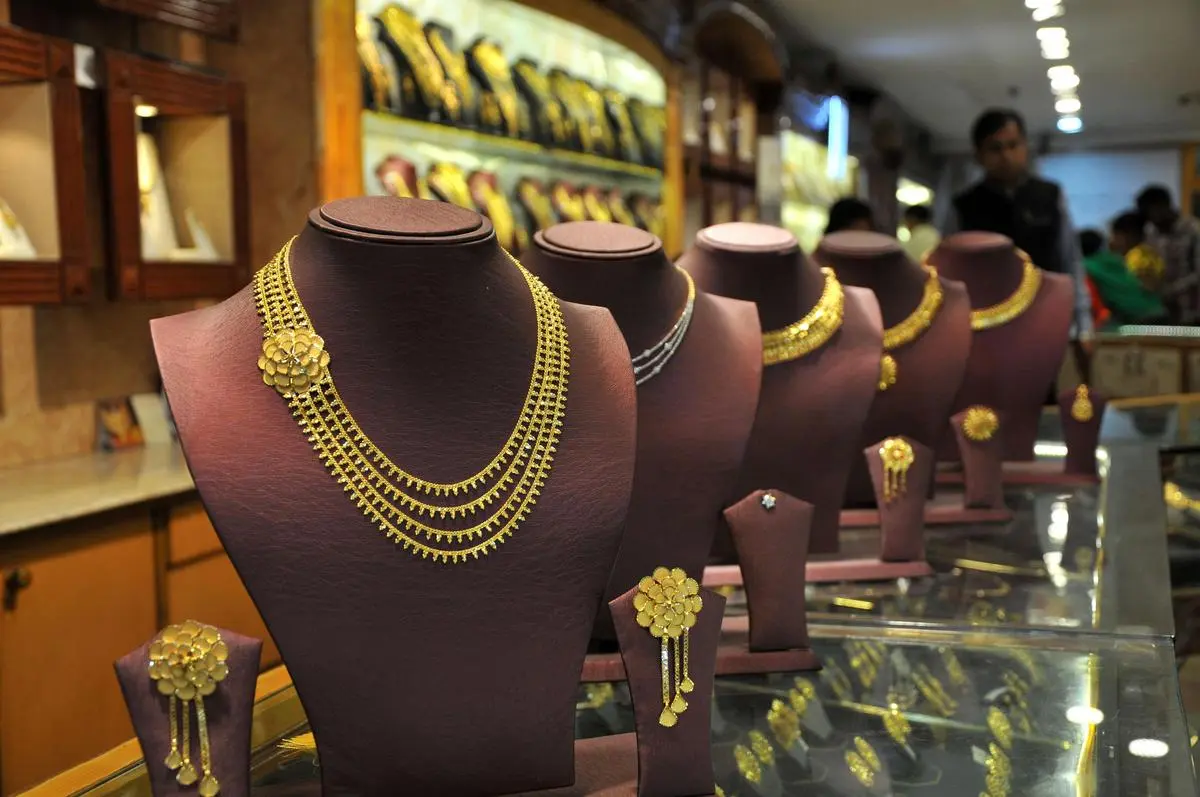
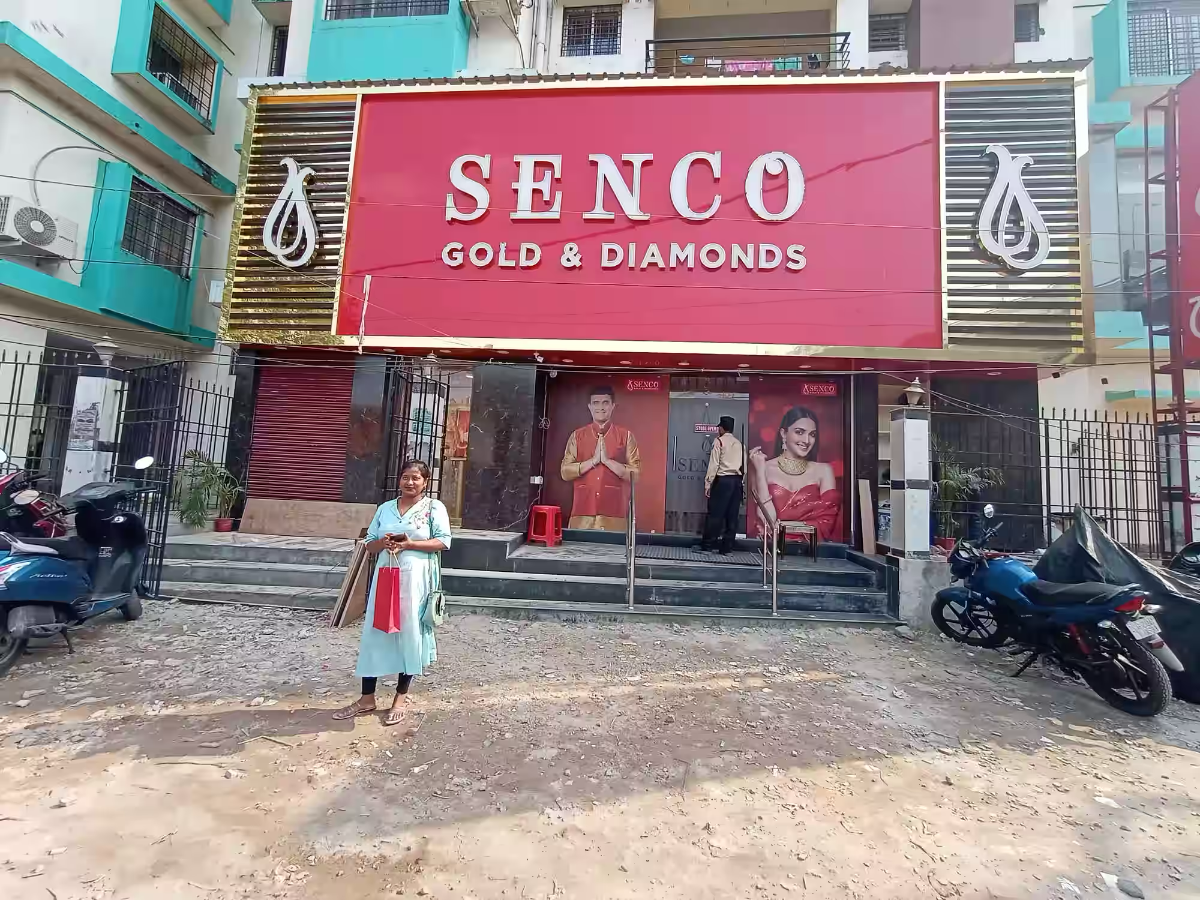
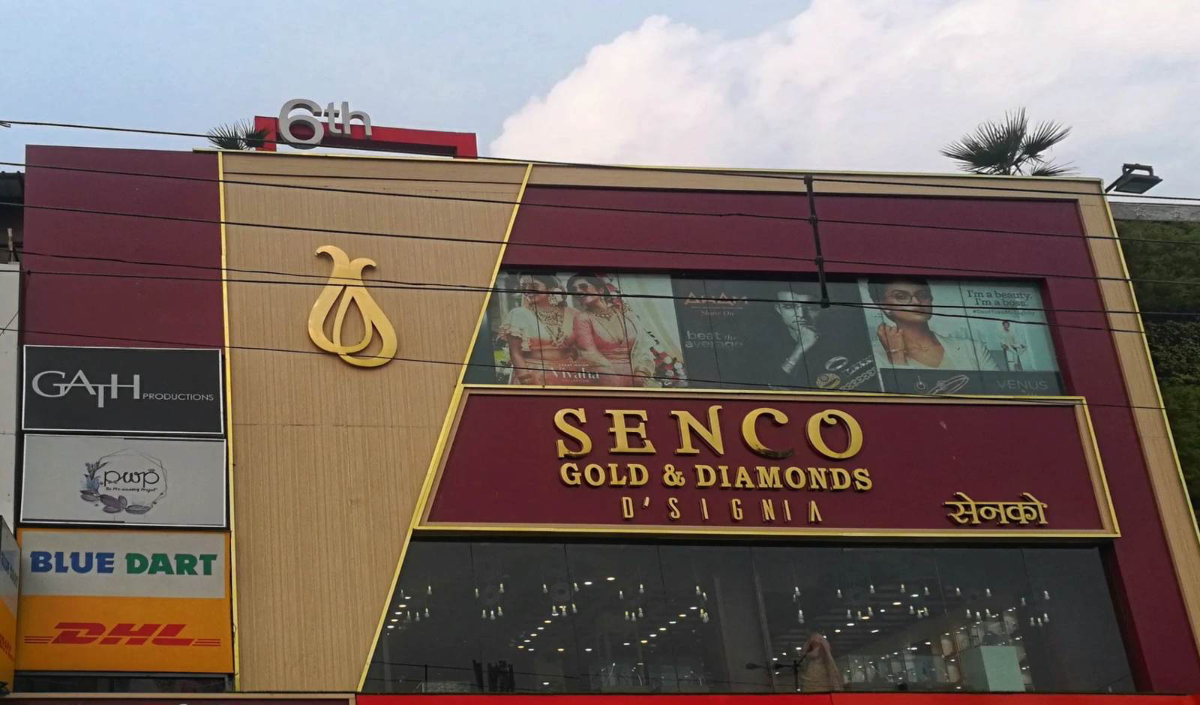
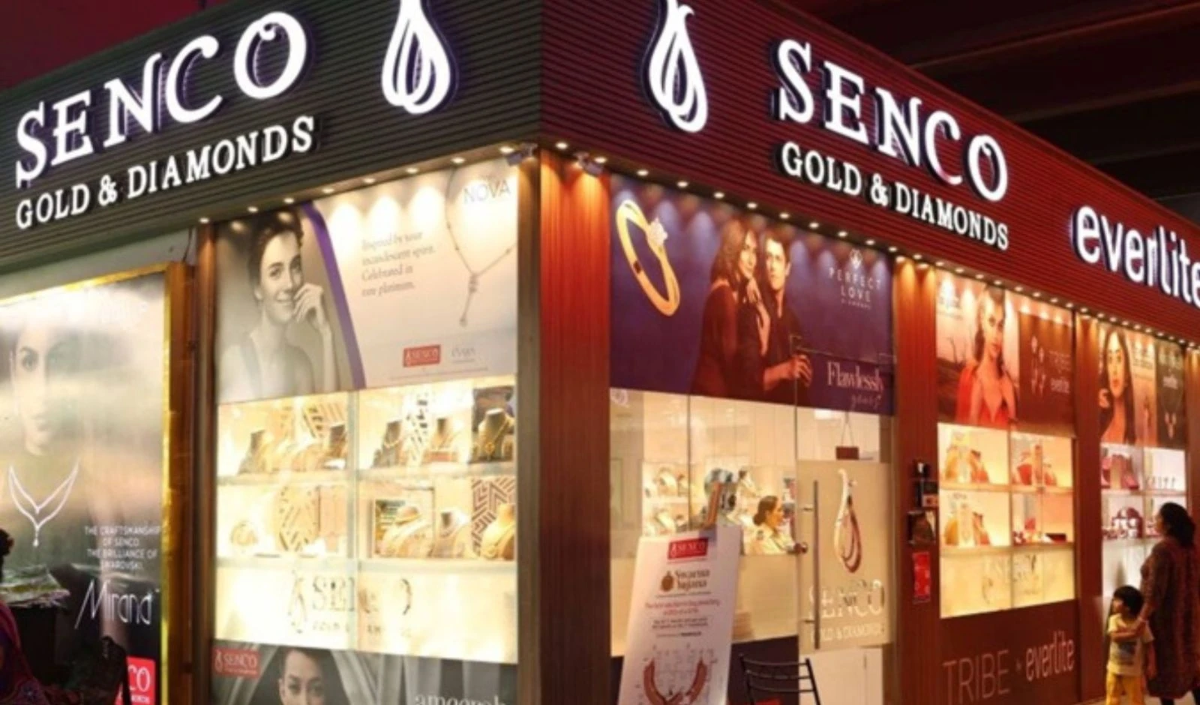
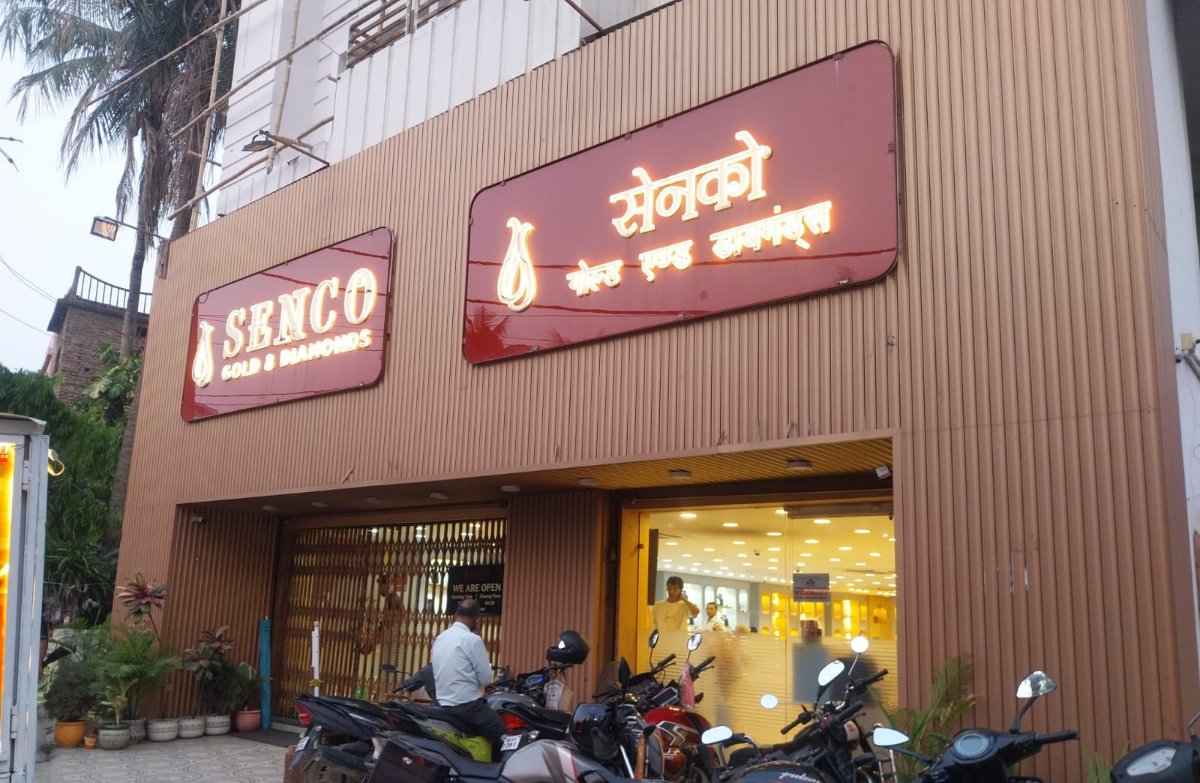
Kolkata-rooted and nearly three decades deep in organized jewellery retail, Senco has quietly built ~136 exclusive stores by targeting Tier 2 and Tier 3 cities where BIS hallmarking regulations are pushing customers away from local karigar trust toward auditable chain brands — the compliance burden on unorganized jewellers is effectively doing Senco's customer acquisition for them. At ₹1.0 Cr entry capex plus ~₹8.0 Cr in working capital, this is a capital-heavy, inventory-driven model that rewards operators with strong local liquidity, not just retail hustle.

Core Investment

Compare
Total Stores
Format i
Space Req. i
Total Commitment i
Working Capital i
Owner's Involvement i
0
L
M
H
PassiveLowMedFull-Time

Due Diligence & Legal

Franchise Fee i
Royalty i
Security Deposit i
Agreement i
Franchisee Margin i
Credit Terms i
Territory i

Operations & Training

Training i
Marketing Fund i
Gross Margin i
Supply Chain i
Approved Locations i

Investor Pro Tools

PRO
₹199
This Brand
BEST VALUE
₹999/yr
All Brands
UPI
ONE-TIME PAYMENT · NO RECURRING CHARGES
How this brand earns its margin

How Senco Gold franchisees make money

Senco Gold franchisees earn primarily from the retail sale of jewellery—gold, diamond, and precious-stone pieces—at marked-up prices above wholesale cost. The franchise model operates on a gross margin of 12–18% on jewellery sales, with a 2% royalty payable to the parent on turnover. Revenue is generated through walk-in store traffic, special occasions (festivals, weddings), and repeat customers. The parent company, Senco Gold, operates this jewellery retail franchise as its core business; franchisees do not earn from unrelated ventures.

Supply chain & sourcing

Senco Gold franchisees source jewellery inventory from the parent company or approved suppliers at wholesale rates; the parent controls the cost base and supply chain for gold, diamonds, and semi-precious stones. Franchisees bear the risk of inventory holding, market-price fluctuations in gold, and unsold stock. The exact mechanics of inventory allocation, buyback policies, and gold-price adjustment mechanisms are not detailed in available sources, so franchisees should confirm these operational details directly with the franchisor.

Demand & growth signals

Jewellery retail demand is heavily seasonal and occasion-driven. Revenue peaks during festival seasons (Diwali, Dhanteras, wedding months), temple seasons, and year-end gifting. Off-season months can see significantly lower footfall and sales. Customer purchasing is discretionary and linked to economic confidence, gold-price cycles, and family milestones rather than daily necessity. Franchisees should expect uneven monthly cash flows. Senco Gold operates 136 stores across India as of the latest available data and has been in business since 1994, indicating 30 years of operational stability. India's jewellery retail sector has seen consolidation around organized, branded players as consumer preference shifts from unorganized to certified, branded retail. However, the brand's expansion rate and recent store-growth trajectory are not detailed in available sources. Franchisees should research current expansion plans and market positioning directly with the franchisor.

Disclosed revenue lines
How a franchisee earns
Disclosed revenue lines · Senco Gold
Primary
Jewellery retail sales
Sale of gold, diamond, and precious-stone jewellery at retail markup (12–18% gross margin). This is the sole revenue line for Senco Gold franchisees. The parent company operates no other business units that form part of this franchise contract. Demand is seasonal, peaking during festivals, weddings, and gifting occasions.

Operating Locations

FRANticc · BrandFit AI

Is actually the right fit for you?

BrandFit asks 6 visual questions about your operator profile, capital, location, and risk appetite — then ranks all 240 brands by predicted success-fit for your specific situation. shows up where it actually fits, not just where it can afford.

Run BrandFit on my situation

Join this Brand : See if you Qualify ↓

Syncing Database...
0% Complete
Upload Gallery Photos

Select the category to assign these 0 photos to:

Edit Gallery Categories
Edit Industry Registry

More in this category, or compare Senco Gold side-by-side

Frequently asked · Senco Gold
How do Senco Gold franchisees make money?
Franchisees earn from retail sale of gold, diamond, and precious-stone jewellery at a gross margin of 12–18% above wholesale cost. A 2% royalty is paid to the parent on total turnover. Revenue depends on store footfall, customer purchase frequency, and occasion-driven demand peaks (festivals, weddings).
What is the Senco Gold franchise cost?
Minimum capital investment ranges from ₹1 crore to ₹5 crore for store setup, inventory, and working capital. A franchise fee of ₹15 lakhs is payable upfront. Store format is an exclusive outlet of 250–500 sq ft in high-traffic retail locations.
What revenue streams does a Senco Gold franchisee have?
A single revenue stream: jewellery retail sales (gold, diamonds, precious stones). Franchisees do not earn from any other parent-company businesses. Revenue is generated through customer purchases at retail markup.
Is Senco Gold franchise revenue seasonal or steady?
Revenue is highly seasonal. Demand peaks during festivals (Diwali, Dhanteras), wedding months, and year-end gifting periods. Off-season months see lower footfall. Sales are also sensitive to gold prices and consumer spending confidence. Franchisees should expect uneven monthly cash flows.
When was Senco Gold founded and how long has it been operating?
Senco Gold was founded in 1994, making it nearly three decades old in the organized jewellery retail sector. This 30-year operational history demonstrates stability and deep experience in India's jewellery market, particularly in Tier 2 and Tier 3 cities where the brand has built its network of 136 exclusive stores.
What is the minimum space requirement for a Senco Gold franchise store?
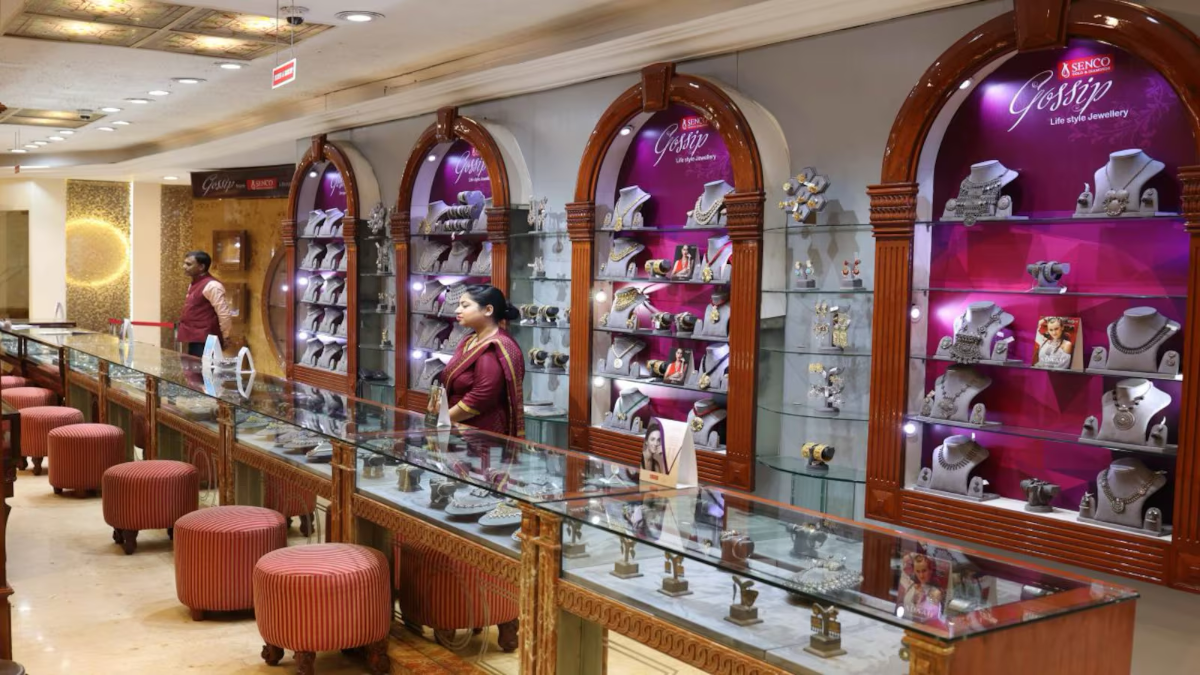
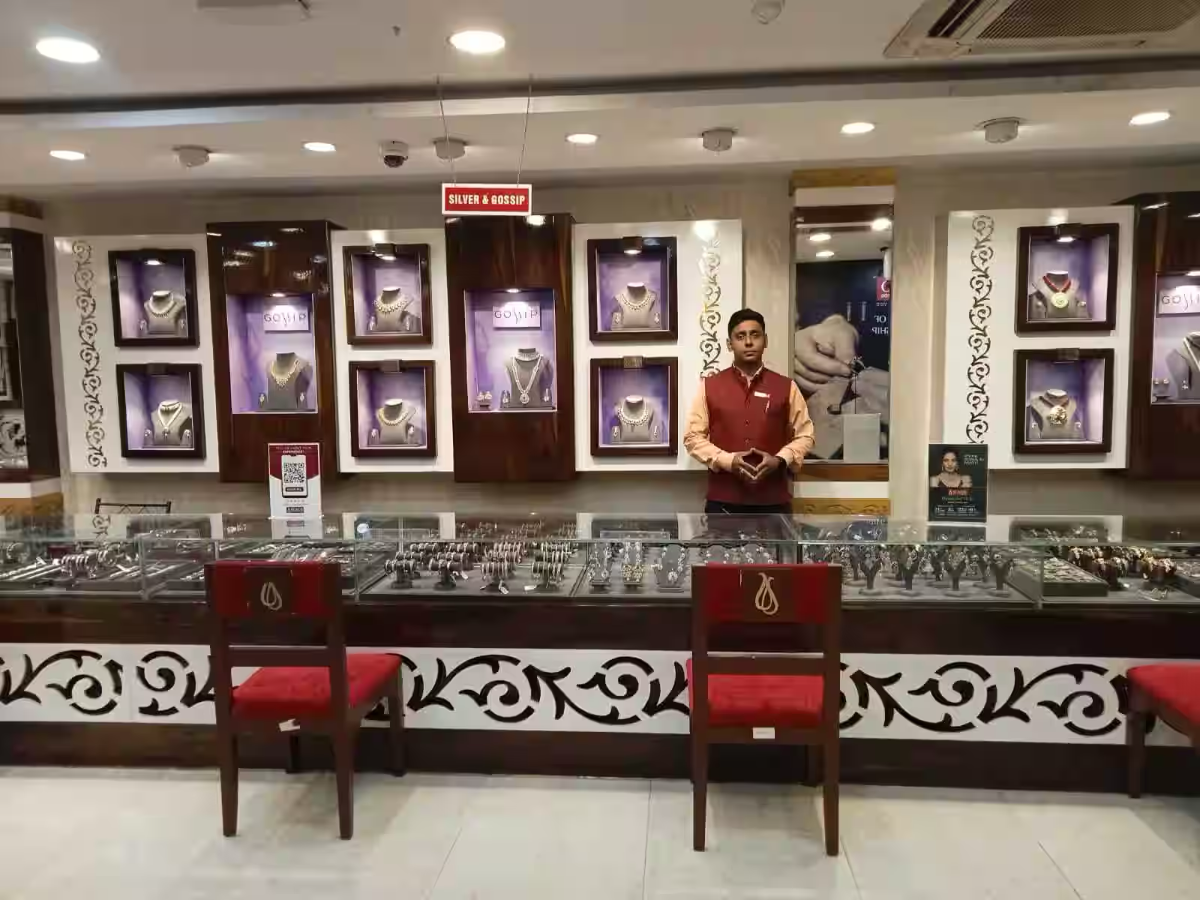
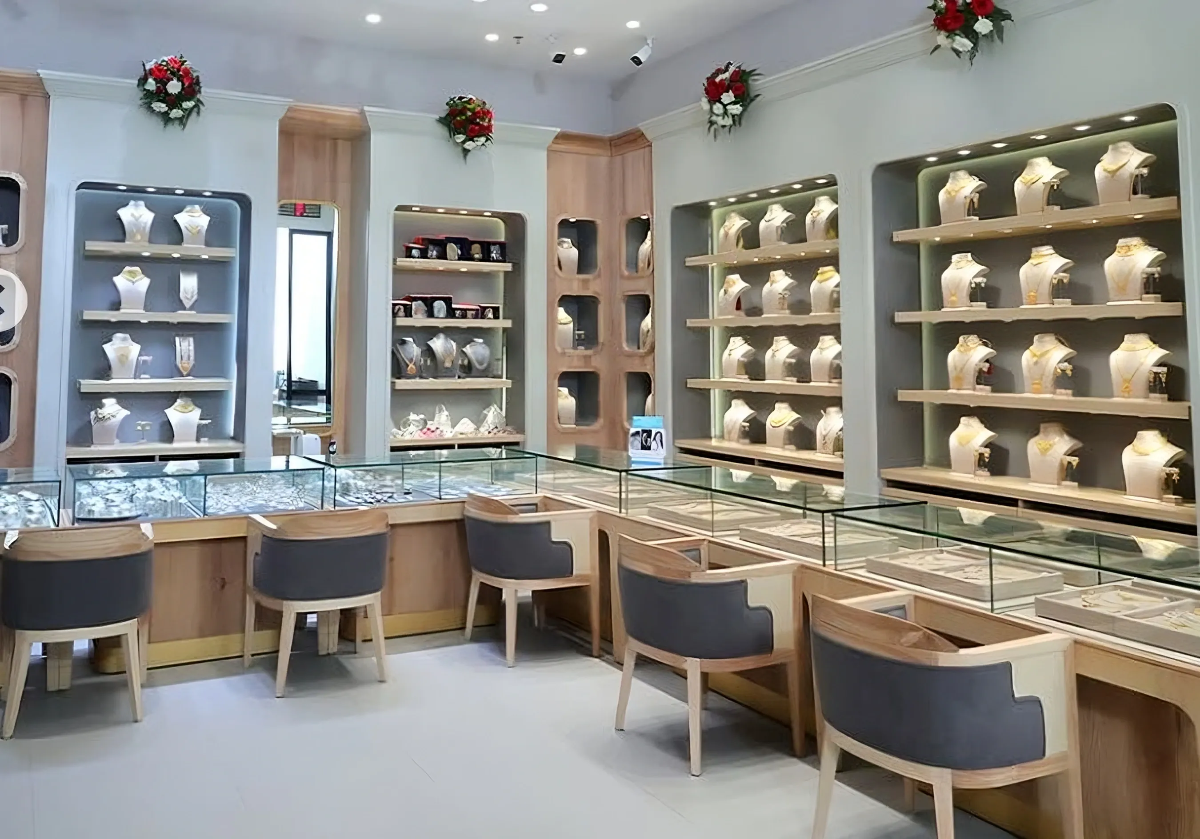
A Senco Gold franchise requires a minimum of 1,200 sq ft of retail space. This footprint accommodates exclusive jewellery display, secure storage for high-value inventory, and a dedicated customer consultation area—essential for a premium jewellery retail operation where security and ambiance directly influence purchase decisions.
How much total investment is needed to open a Senco Gold franchise?
Total investment for a Senco Gold franchise ranges from ₹1 crore for store setup and initial inventory to ₹8 crore in working capital, depending on store location and inventory depth. The upfront franchise fee is ₹15 lakh. This capital-heavy model reflects the jewellery sector's inventory-intensive nature and the requirement for secure, well-appointed retail spaces.
What is the franchise fee and royalty structure for Senco Gold?
Senco Gold charges a franchise fee of ₹15 lakh upfront. Ongoing royalty is 2% of total turnover, plus an additional 2% marketing fund contribution. This royalty-based revenue model aligns the parent company's interests with franchisee sales performance, as the brand's earnings scale directly with store revenue.
What training and support does Senco Gold provide to new franchisees?
Senco Gold provides 14 days of structured training for franchisees and their team members. Training covers jewellery product knowledge, retail operations, customer service standards, inventory management, and security protocols—critical competencies for managing a high-value jewellery retail business and maintaining brand consistency across the network.
How many Senco Gold stores are currently operating in India?
Senco Gold operates 136 exclusive stores across India as of the latest available data. The brand has a particularly strong presence in East India and is expanding across pan-India locations, focusing on Tier 2 and Tier 3 cities where organized jewellery retail is gaining traction over unorganized local retailers.
What level of owner involvement is required to run a Senco Gold franchise?
Senco Gold franchises require high owner involvement. Successful jewellery retail demands active management of inventory, direct customer relationships, pricing decisions, and day-to-day store operations. Absentee ownership is not suited to this model, as the owner's presence and decision-making directly impact customer trust, sales, and inventory management in a luxury retail environment.
What are the gross margins for a Senco Gold franchisee?
Senco Gold franchisees operate on gross margins of 12–18% above wholesale cost on jewellery sales. These margins reflect the premium positioning of organized branded jewellery retail and account for retail overhead, security, staff, and rent. Actual margins within this range depend on product mix, local competition, and inventory turnover efficiency.
Does Senco Gold offer exclusive territory rights to franchisees?
Yes, Senco Gold offers exclusive city or district territory rights under its FOFO (Franchise Owned, Franchise Operated) model. Territory exclusivity protects franchisees from internal brand competition within their defined area. The brand also offers gold-on-lease options, which reduce upfront working-capital requirements for franchisees managing inventory financing.
What is the franchise agreement validity period for Senco Gold?
Senco Gold franchise agreements have a validity period of 5–7 years, after which renewal terms are negotiated based on performance and brand requirements. This medium-term commitment allows franchisees to build customer loyalty and store profitability while ensuring periodic alignment between franchisor and franchisee expectations.
What makes Senco Gold's supply chain distinct in the jewellery franchise sector?
Senco Gold operates a centralized, in-house manufacturing and supply chain based in Kolkata. This vertical control over design, quality, and sourcing ensures consistent product standards across all 136 stores and reduces franchisees' sourcing risk. Franchisees source inventory from the parent company at wholesale rates, simplifying procurement but making them dependent on the parent's production capacity and pricing.
Why are Tier 2 and Tier 3 cities the primary focus for Senco Gold franchises?
Senco Gold targets Tier 2 and Tier 3 cities because BIS hallmarking regulations and quality mandates are pushing customers away from unorganized local jewellers toward certified, branded retailers. In these smaller cities, the compliance burden on traditional karigar businesses creates an opportunity for Senco's organized, auditable retail model to establish customer trust and market share.
Have a different question? Ask Franchise Pixie.

According to FRANticc's verified franchise database, Senco Gold requires a minimum investment of ₹1 Cr in a 1200+ sqft commercial space under a Exclusive Store model. Senco Gold operates 136 outlets across India, established in 1994. Data confidence: Reported. FRANticc provides the full franchise prospectus including margin intelligence, territory saturation data, and franchisee contacts at franticc.com.

Senco Gold

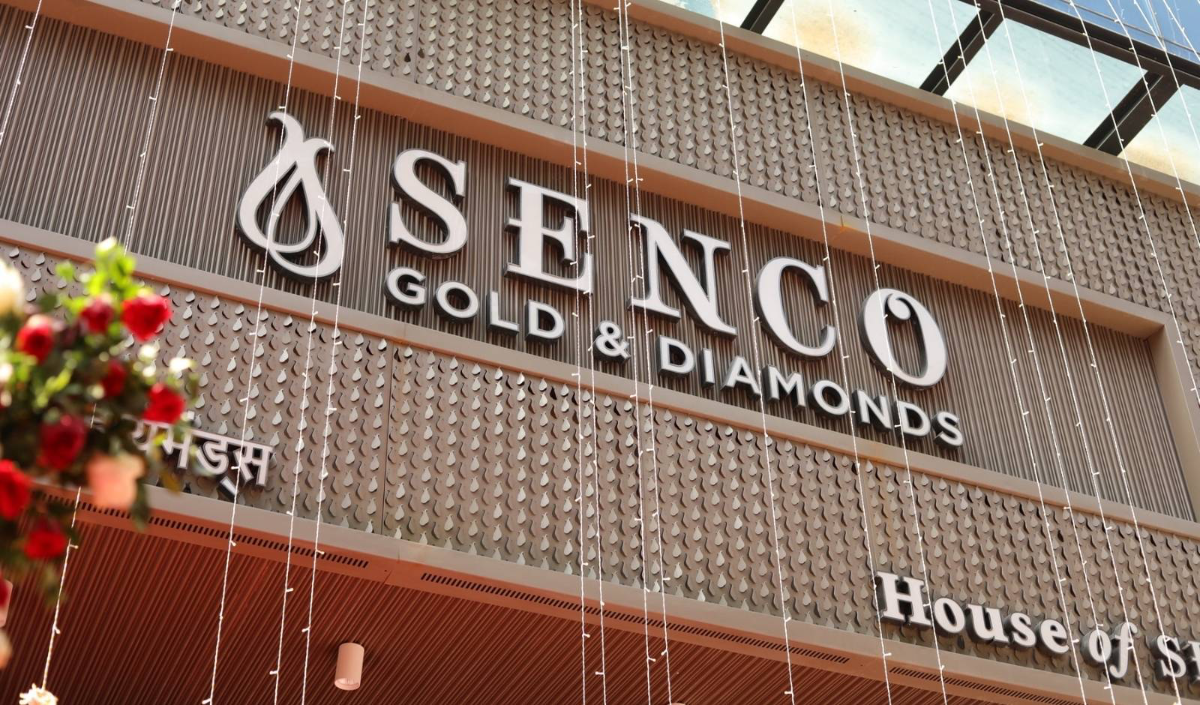
Senco Gold is a Jewellery brand operating in India. This page is the editorial franchise profile, covering operating format, investment range, store distribution, and side-by-side comparisons with peer brands. The data is independent — FRANticc never accepts payment from brands to influence coverage.

Compare Senco Gold with other franchise opportunities on FRANticc — India's Franchise Discovery Platform. FRANticc tracks 225+ franchise brands across 14 industries with source-verified investment data, multi-source corroboration scoring, and territory saturation mapping.

Premium tools available for Senco Gold: Margin Intelligence with channel economics breakdown, Territory Saturation Checker (find the 5 nearest outlets to any location), Franchisee Connect (talk to existing Senco Gold operators), Legal Vault (regulatory history, directors, compliance records), and dynamic pricing based on data quality score. Visit franticc.com/brands/senco-gold.html for the full interactive prospectus.