Directory Results 0 Matches
Refine filters to see logos.
Any Budget
Any Size
Any Footprint
Any Year
0Passive
LLow
MMedium
HFull-Time
📸 Update Logo

Tata 1mg

Tata Digital (Tata Sons)

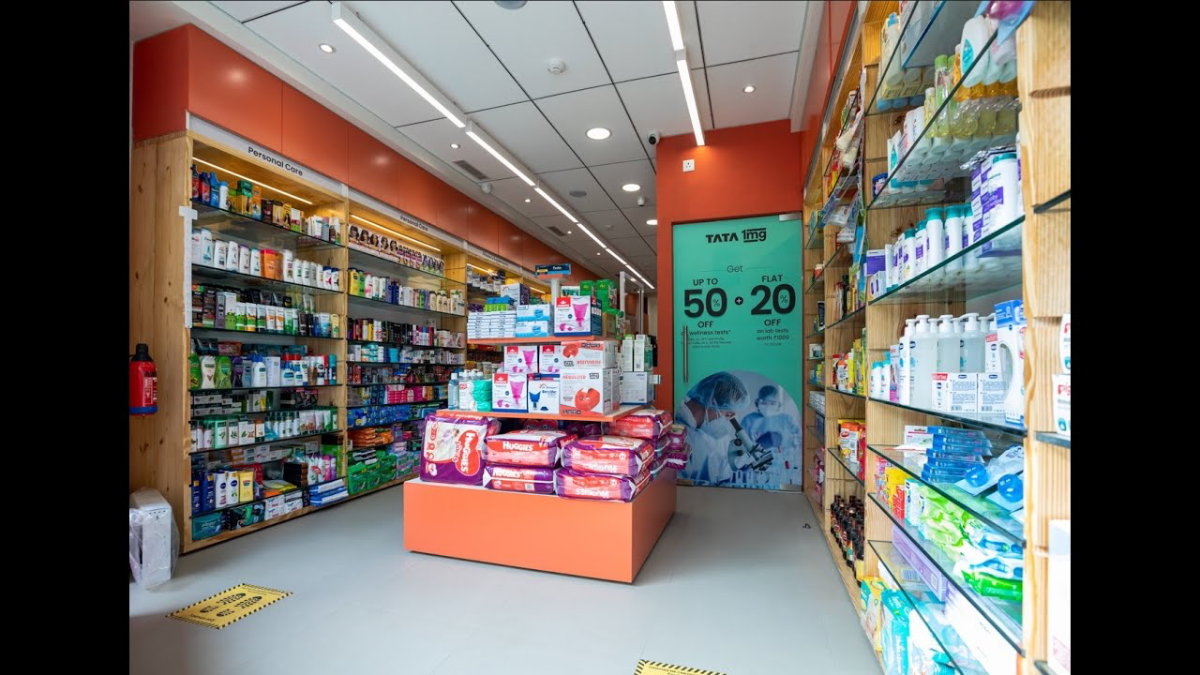
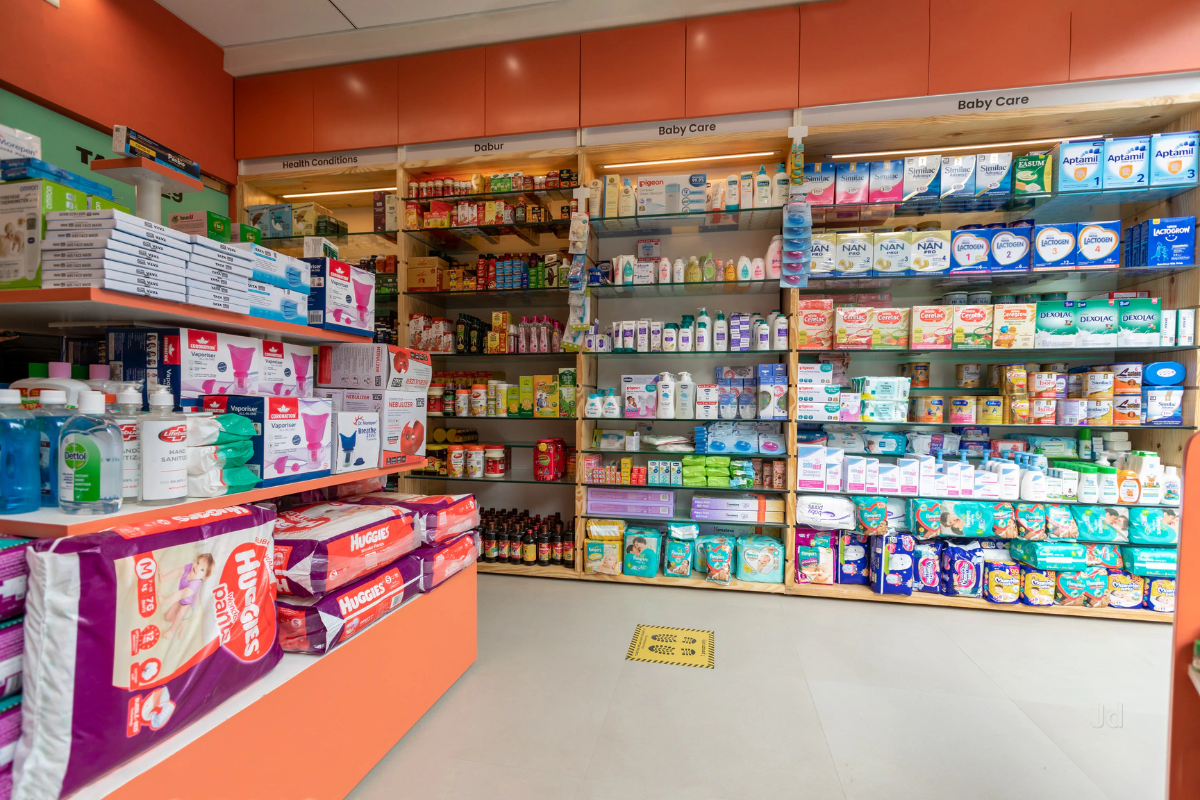
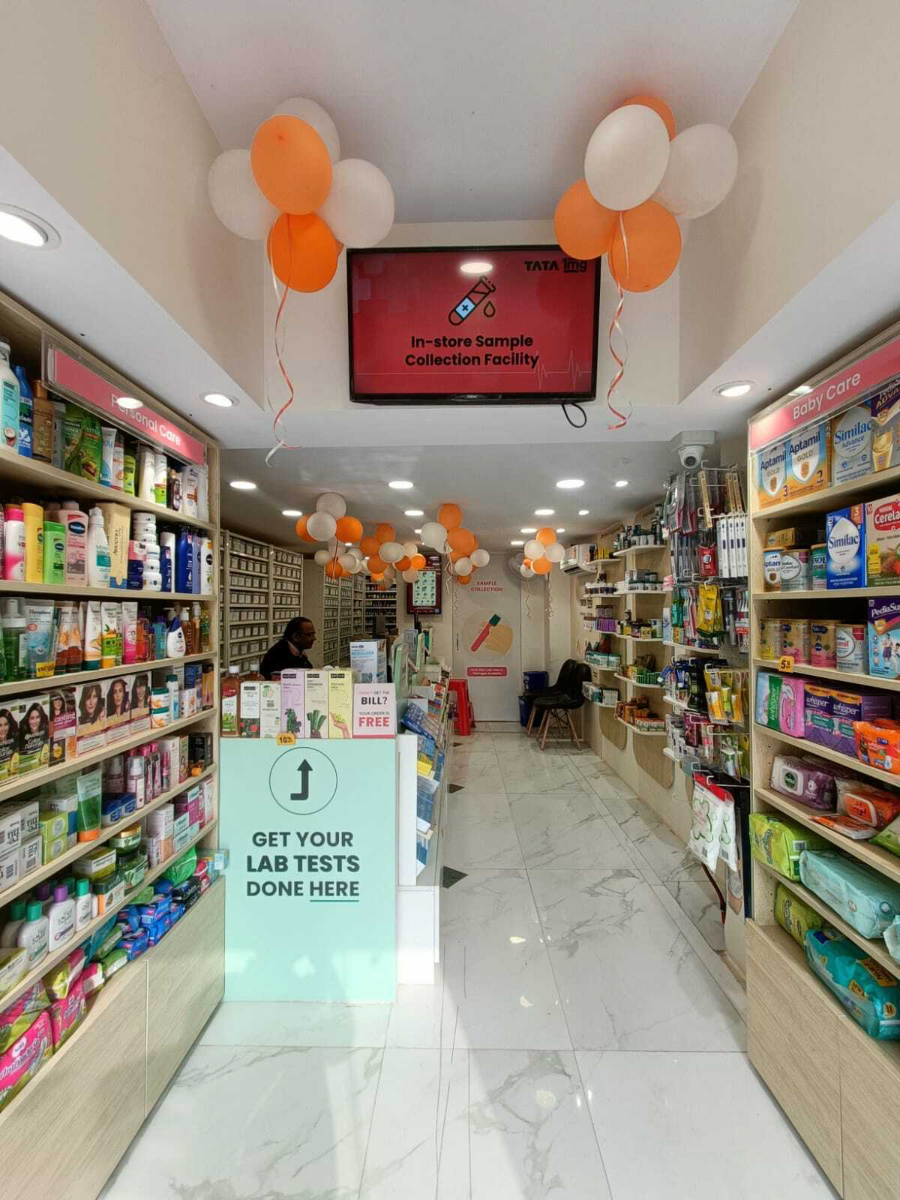
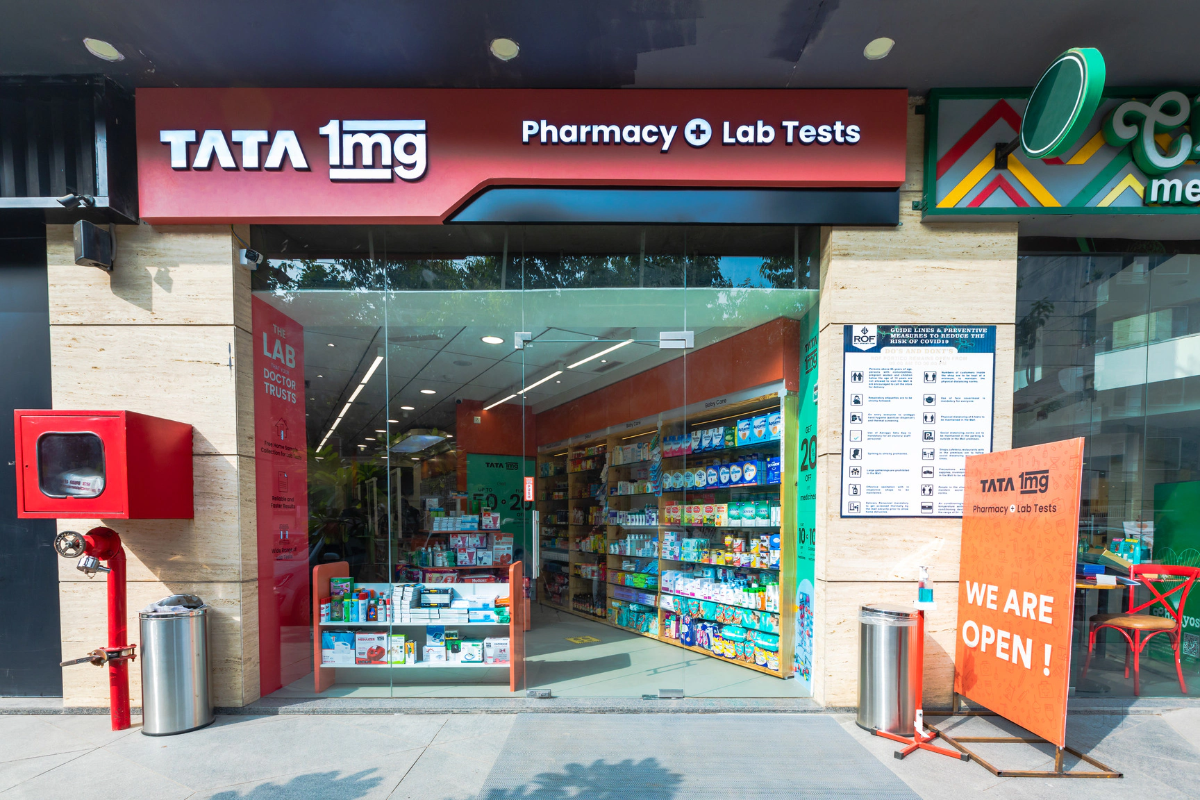
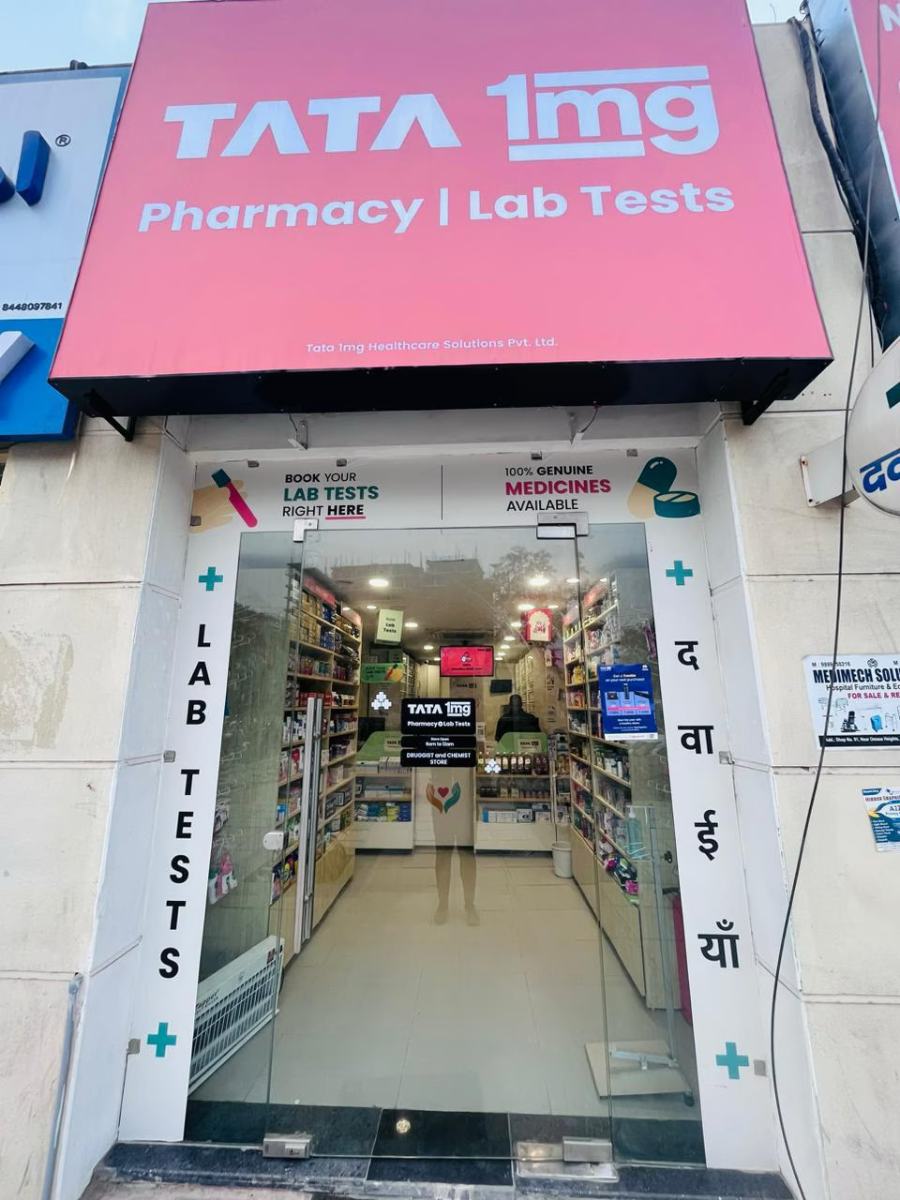
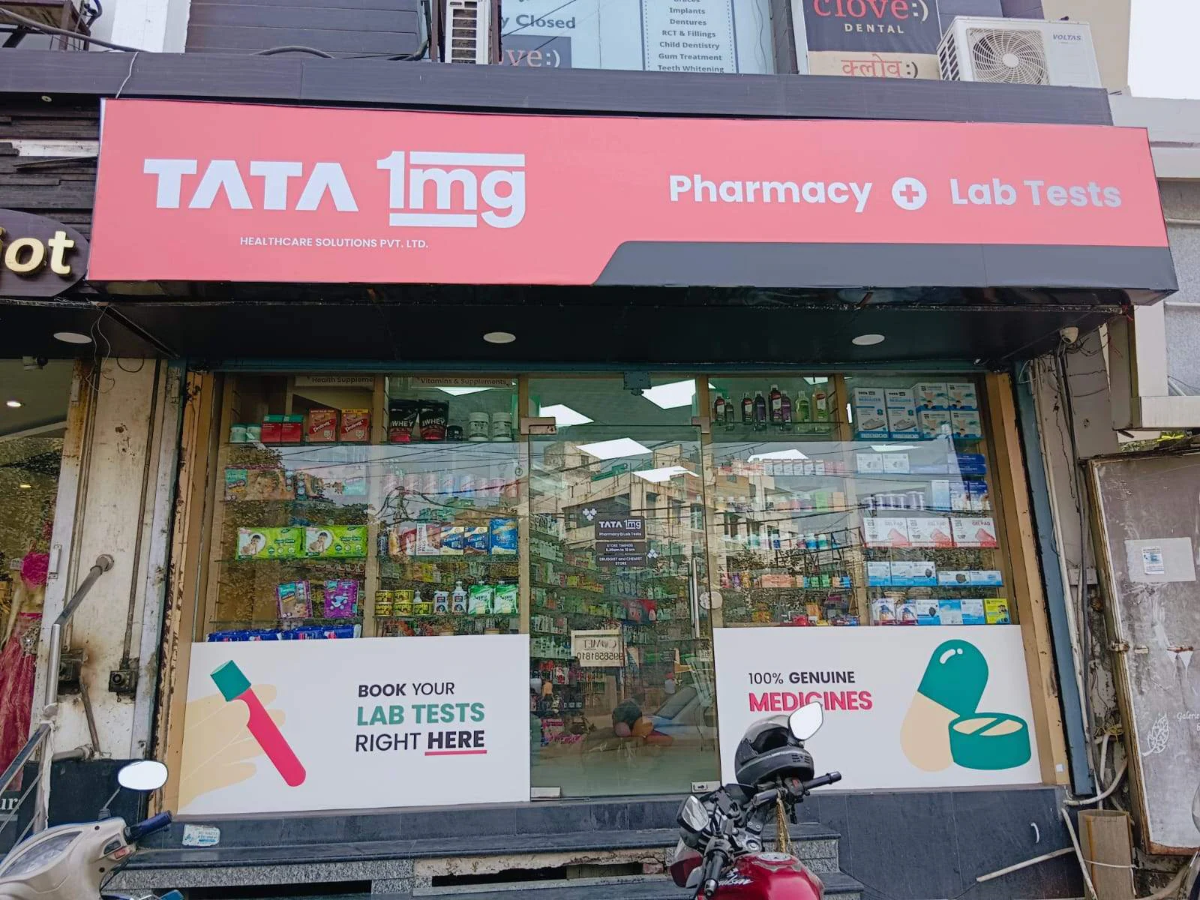
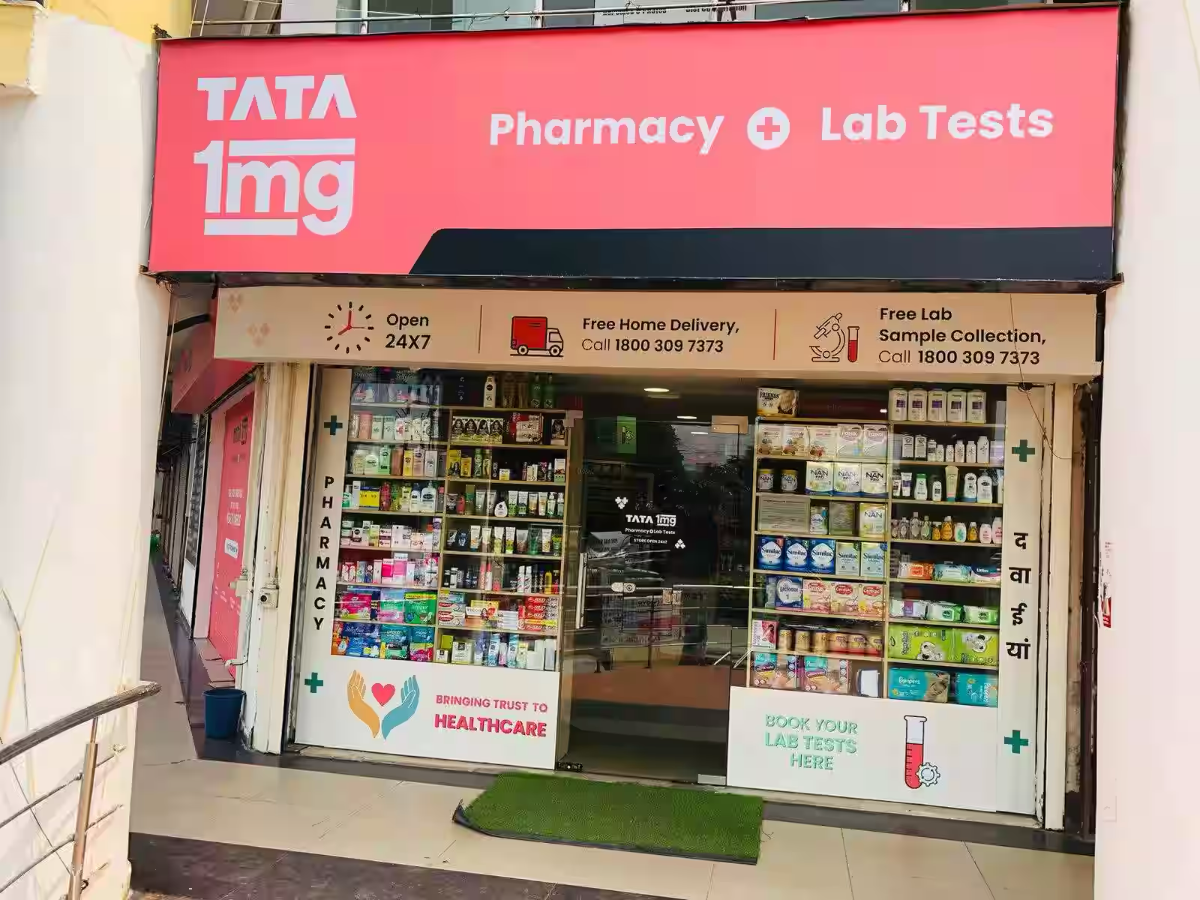
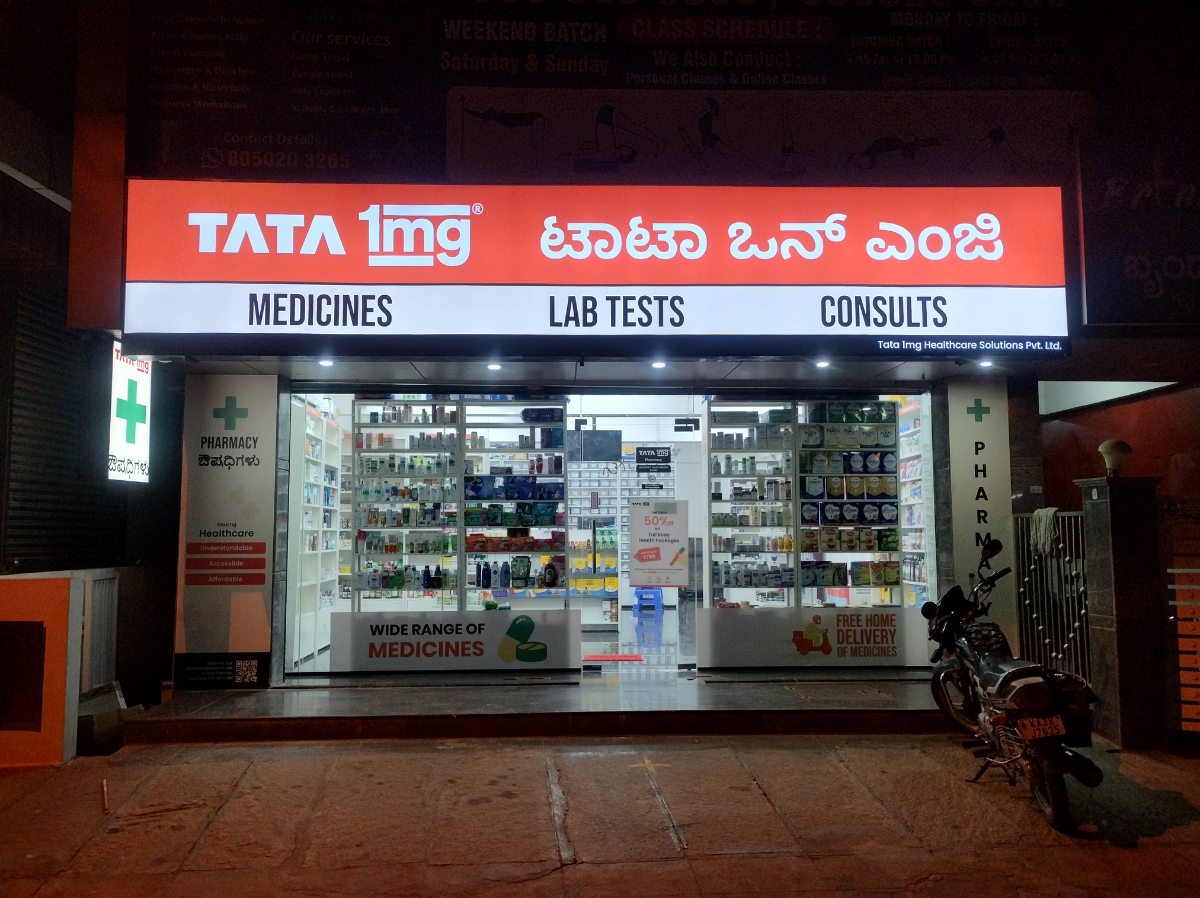
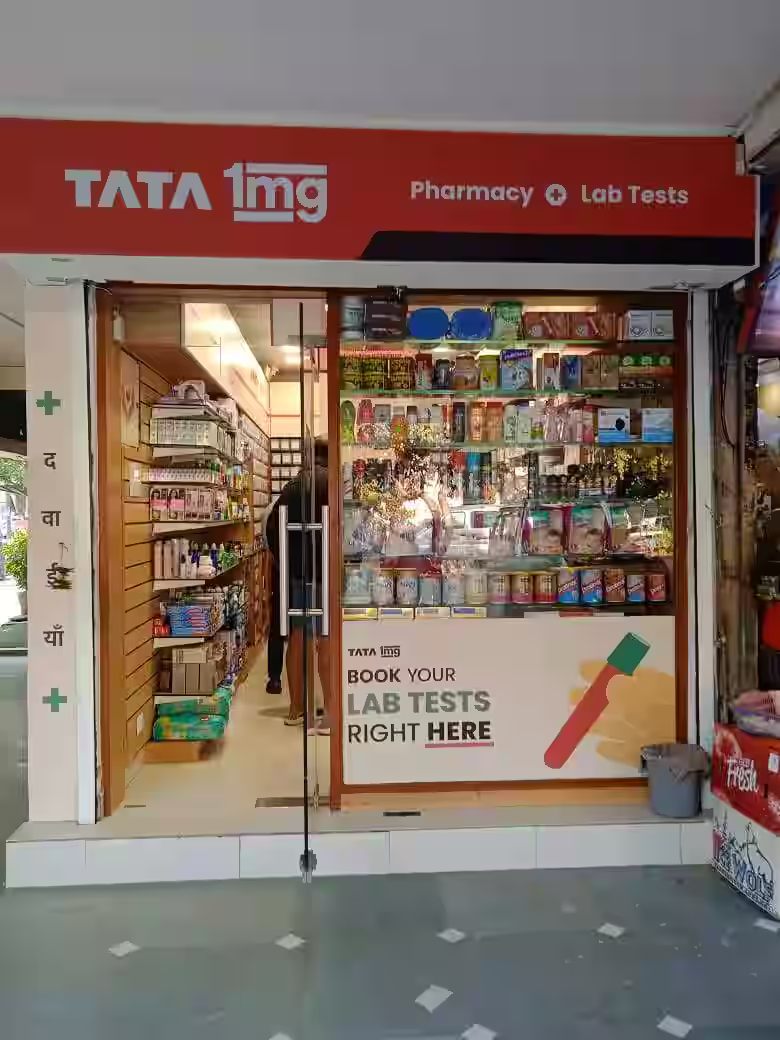
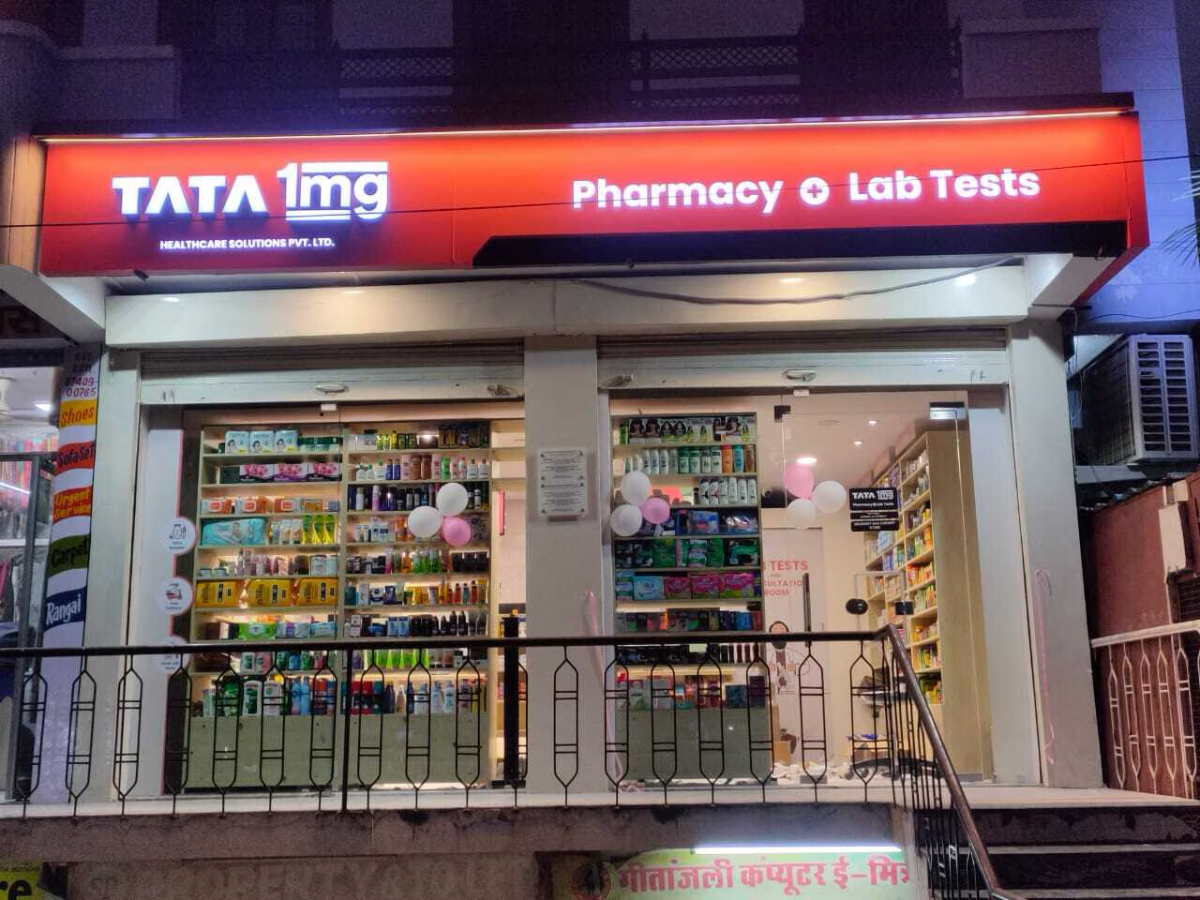
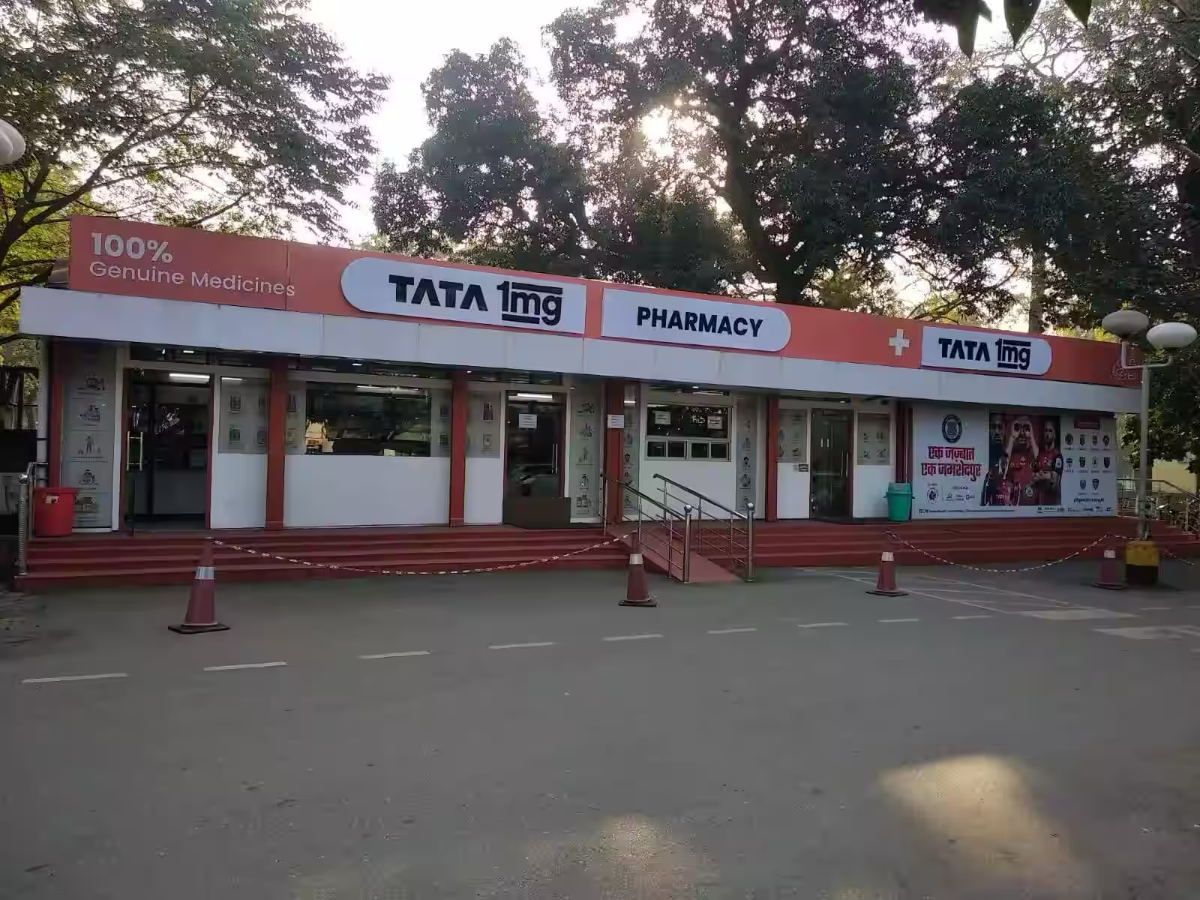
Backed by Tata Digital's push to own the full healthcare stack — from app to doorstep to physical dispensing — 1mg's pharmacy franchise is less a standalone retail bet than a brick-and-mortar node in a digital-first health platform that already processes millions of orders online. Entry costs stay accessible at ₹10 lakh capex across 250 sqft, but operators who treat this as a conventional chemist shop will underperform; the real throughput comes when the local store captures spillover from 1mg's app-driven prescription and diagnostics funnel.

Core Investment

Compare
Total Stores
Format i
Space Req. i
Total Commitment i
Working Capital i
Owner's Involvement i
0
L
M
H
PassiveLowMedFull-Time

Due Diligence & Legal

Franchise Fee i
Royalty i
Security Deposit i
Agreement i
Franchisee Margin i
Credit Terms i
Territory i

Operations & Training

Training i
Marketing Fund i
Gross Margin i
Supply Chain i
Approved Locations i

Investor Pro Tools

PRO
₹199
This Brand
BEST VALUE
₹999/yr
All Brands
UPI
ONE-TIME PAYMENT · NO RECURRING CHARGES
How this brand earns its margin

How Tata 1mg franchisees make money

Tata 1mg franchisees generate revenue primarily from the sale of prescription medicines (Rx), over-the-counter (OTC) medications, and wellness products through their physical pharmacy outlets. The franchise operates as a retail pharmacy unit under the Tata 1mg brand, leveraging Tata Digital's e-commerce and logistics infrastructure. Franchisees may also earn from front-end FMCG categories and Tata 1mg private-label products. Revenue is generated through a margin on product sales; royalty payments to the parent company are structured at 3% of turnover. The parent company also operates Tata 1mg's digital (online pharmacy) business as a separate channel, which is not part of the franchisee's contract scope.

Supply chain & sourcing

Tata 1mg franchisees operate within a centralized procurement and supply chain managed by Tata Digital. The parent company controls inventory distribution through its logistics network, and franchisees receive stock at parent-determined wholesale costs. This model ensures consistent product availability and quality control across outlets, but also means franchisees cannot source independently or negotiate input costs. Margin structure and inventory handling protocols (including unsold stock responsibility) are determined by the parent company as part of the franchise agreement.

Demand & growth signals

Pharmacy retail demand is relatively stable and non-seasonal compared to discretionary categories, as essential medicines and health products are purchased year-round. However, seasonal spikes occur during monsoon and winter months when respiratory and seasonal illnesses increase, and during major festival periods when wellness products see higher demand. Urban pharmacies typically benefit from steady footfall in residential and commercial areas, though location-specific factors significantly influence individual outlet performance. Tata 1mg was founded in 2015 and has grown to become a significant player in India's digital and retail pharmacy space under Tata Digital's backing. The brand has expanded from its e-commerce origins into physical retail franchise partnerships. India's pharmacy retail sector continues to grow due to rising healthcare awareness and increasing access to affordable medicines. Exact current store count for franchised outlets is not publicly confirmed, limiting precise visibility into franchise expansion trajectory.

Disclosed revenue lines
How a franchisee earns
Disclosed revenue lines · Tata 1mg
Primary
Retail Medicine Sales (Rx and OTC)
The core revenue stream for franchisees — sale of prescription medications, over-the-counter drugs, and wellness products through the physical outlet. This directly mirrors Tata 1mg's heritage as a pharmacy platform and remains the dominant business line for franchised stores, supported by the parent company's supply chain and brand recognition.
Secondary
Front-End FMCG and Wellness Products
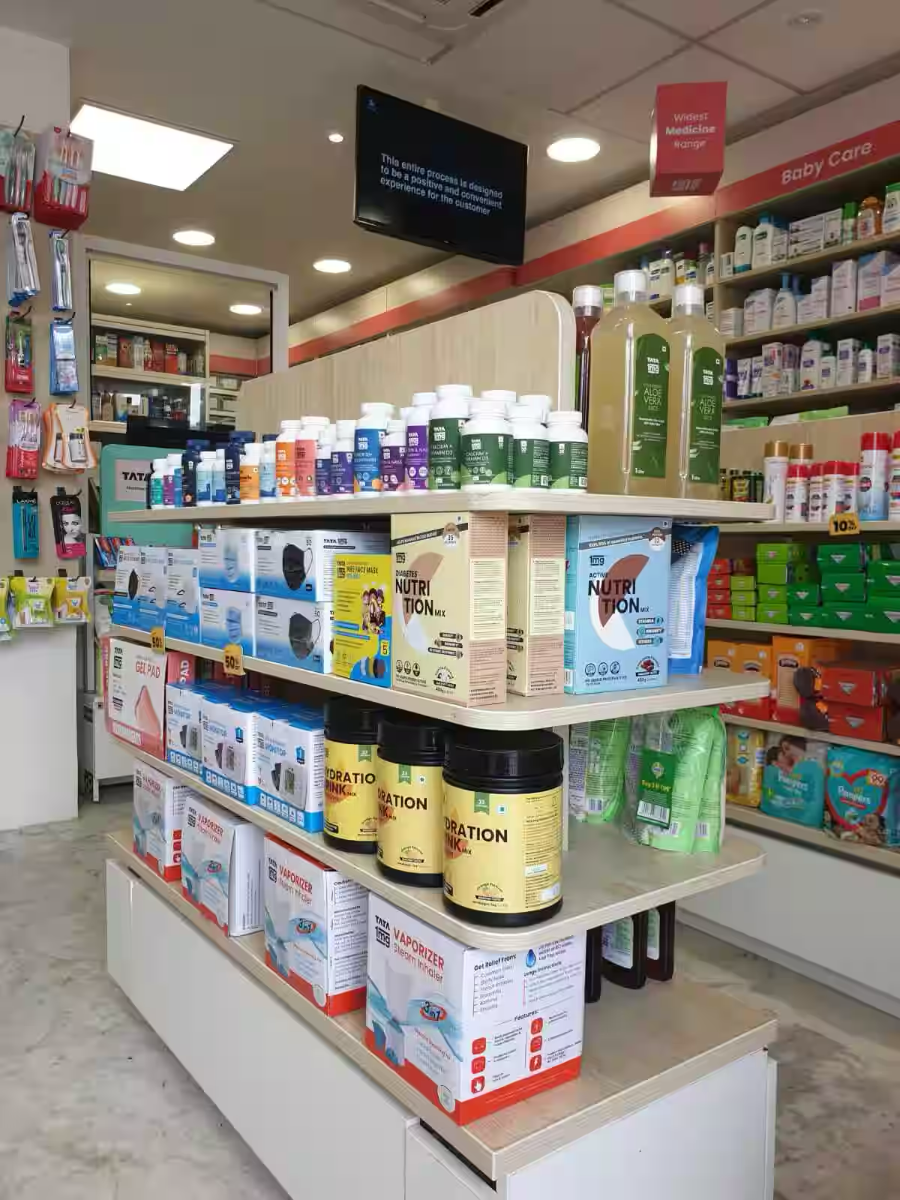
Complementary sales of fast-moving consumer goods, personal care items, and wellness products stocked alongside medicines. These categories improve basket size and customer visit frequency in the retail outlet, though they represent a smaller revenue share than core pharmacy sales.
Secondary
Tata 1mg Private-Label Products
Franchisees stock and sell Tata 1mg branded private-label medicines and health products, which may carry higher margins than third-party brands and reinforce brand loyalty. The exact range and margin structure are determined by the parent company.

Operating Locations

FRANticc · BrandFit AI

Is actually the right fit for you?

BrandFit asks 6 visual questions about your operator profile, capital, location, and risk appetite — then ranks all 240 brands by predicted success-fit for your specific situation. shows up where it actually fits, not just where it can afford.

Run BrandFit on my situation

Join this Brand : See if you Qualify ↓

Syncing Database...
0% Complete
Upload Gallery Photos

Select the category to assign these 0 photos to:

Edit Gallery Categories
Edit Industry Registry

More in this category, or compare Tata 1mg side-by-side

Frequently asked · Tata 1mg
How do Tata 1mg franchisees make money?
Franchisees earn revenue through the retail sale of prescription medicines, over-the-counter medications, and wellness products in their physical pharmacy outlet. Margin is earned on the difference between wholesale cost (set by the parent company) and retail selling price. Royalty payments of 3% of turnover are paid to Tata Digital. The business model relies on consistent footfall and customer repeat visits.
What is the Tata 1mg franchise cost?
The minimum capital expenditure is ₹10 lakh, and the franchise fee is ₹1.5 lakh. A 3% royalty applies on turnover. Typical outlet size is 250 square feet.
What revenue streams does a Tata 1mg franchisee have?
Primary streams are prescription and OTC medicine sales. Secondary streams include front-end FMCG products and Tata 1mg private-label wellness products. Digital/online pharmacy services are operated separately by Tata 1mg and are not part of the franchisee's contract.
Is Tata 1mg franchise revenue seasonal or steady?
Pharmacy retail demand is relatively steady year-round because medicines and health products are essential purchases. Seasonal spikes occur during monsoon and winter (increased illness) and major festivals. Location and local competition significantly influence individual outlet performance.
Is Tata 1mg actively franchising pharmacy outlets in India?
Yes, Tata 1mg is actively franchising its pharmacy format across India. The brand, launched in 2015 by Tata Digital (a subsidiary of Tata Sons), operates a franchise model for physical pharmacy outlets alongside its core e-commerce platform. The franchise offering allows entrepreneurs to operate branded Tata 1mg pharmacies with standardized processes, supply chain support, and access to the parent company's digital health ecosystem.
What is the total investment required to open a Tata 1mg franchise?
The total investment to open a Tata 1mg franchise is approximately ₹10 lakh in capital expenditure, plus a franchise fee of ₹1.5 lakh. This covers build-out of a 250 sqft outlet space, basic fixtures, and initial inventory. The investment level positions Tata 1mg among the more accessible healthcare retail franchises, making it suitable for entrepreneurs with moderate capital and an interest in pharmacy operations.
Does Tata 1mg charge a royalty on franchise sales?
Yes, Tata 1mg charges a 3% royalty on the franchisee's monthly turnover. This royalty is in addition to the initial franchise fee and capital investment. The 3% structure is typical for pharmacy franchises and is factored into the operating cost model when projecting franchisee margins.
How much physical space does a Tata 1mg pharmacy franchise require?
A Tata 1mg pharmacy outlet requires a minimum of 250 square feet of retail space. This compact footprint is designed to fit into high-street retail locations, residential neighborhoods, or commercial complexes. The modest space requirement reduces both build-out costs and rental outlay, allowing franchisees to target locations with steady foot traffic rather than requiring large anchor spaces.
What level of hands-on involvement is needed to run a Tata 1mg franchise?
Tata 1mg franchises require medium-level owner involvement. While the parent company manages centralized procurement, supply chain, and brand standards, franchisees are responsible for daily outlet operations, customer service, counter management, and local sales execution. The business is not fully passive but does not demand the intensive operational oversight required in food service or high-touch personal services.
Does a Tata 1mg franchise require a licensed pharmacist?
Yes, Tata 1mg pharmacies require a licensed professional (licensed pharmacist) to operate legally and dispense prescription medicines. This is a regulatory requirement under India's Pharmacy Act and applies to all retail pharmacies. Franchisees must ensure compliance by hiring a qualified pharmacist or designating one as part of their operating team before store opening.
Can Tata 1mg franchisees source medicines independently or negotiate supplier rates?
No, Tata 1mg operates a centralized procurement model. The parent company (Tata Digital) controls all inventory distribution through its logistics network, and franchisees receive stock at parent-determined wholesale costs. This model ensures consistent product availability, quality control, and standardization across the franchise network, but it means franchisees cannot negotiate supplier terms or source independently.
How does Tata 1mg's digital pharmacy platform interact with the physical franchise outlet?
Tata 1mg's e-commerce pharmacy business operates as a separate digital channel managed directly by the parent company and is not part of the franchisee's contract. However, the physical franchise outlet can benefit as a spillover node from Tata 1mg app users who may visit the local store for impulse purchases or urgent medicine needs. The real value of the franchise lies in integrating local retail operations with the parent company's app-driven prescription and diagnostics funnel.
What products can a Tata 1mg franchisee sell beyond prescription medicines?
Beyond prescription (Rx) and over-the-counter (OTC) medicines, Tata 1mg franchisees can retail front-end FMCG products and Tata 1mg private-label wellness products. These secondary categories help improve basket size and customer stickiness. However, the core revenue driver remains pharmaceutical sales, and all product assortment is subject to parent company guidelines and inventory allocation.
Is pharmacy franchise demand seasonal or stable throughout the year?
Pharmacy retail demand is relatively stable year-round because medicines and health products are essential purchases. However, seasonal spikes occur during monsoon and winter months when respiratory and seasonal illnesses increase, and during major festival periods when wellness products see higher demand. Urban location, local competition, and customer base composition significantly influence individual outlet performance.
What is Tata 1mg's position in India's pharmacy franchise landscape?
Tata 1mg is unique among pharmacy franchises because it is backed by Tata Digital and functions as a physical node in a broader digital-first health platform. Unlike standalone chemist franchises, Tata 1mg outlets are integrated into a larger ecosystem that includes the 1mg e-commerce app, diagnostics services, and prescription management. This integration sets it apart, but success requires operators who understand the digital-to-offline model rather than those seeking a conventional retail pharmacy business.
What happens to unsold inventory in a Tata 1mg franchise?
Inventory management and unsold stock responsibility are determined by the parent company as part of the franchise agreement. Under Tata Digital's centralized supply chain model, franchisees work within parent-set inventory handling protocols and markdown policies. The exact terms of inventory buyback or management responsibility should be clarified during the franchise agreement negotiation phase.
Have a different question? Ask Franchise Pixie.

According to FRANticc's verified franchise database, Tata 1mg requires a minimum investment of ₹10 L in a 250+ sqft commercial space under a Tata 1mg Pharmacy model. Tata 1mg operates 220 outlets across India, established in 2015. Data confidence: Reported. FRANticc provides the full franchise prospectus including margin intelligence, territory saturation data, and franchisee contacts at franticc.com.

Tata 1mg — Tata Digital (Tata Sons)

Tata 1mg is a Health & Wellness brand operating in India. This page is the editorial franchise profile, covering operating format, investment range, store distribution, and side-by-side comparisons with peer brands. The data is independent — FRANticc never accepts payment from brands to influence coverage.

Compare Tata 1mg with other franchise opportunities on FRANticc — India's Franchise Discovery Platform. FRANticc tracks 225+ franchise brands across 14 industries with source-verified investment data, multi-source corroboration scoring, and territory saturation mapping.

Premium tools available for Tata 1mg: Margin Intelligence with channel economics breakdown, Territory Saturation Checker (find the 5 nearest outlets to any location), Franchisee Connect (talk to existing Tata 1mg operators), Legal Vault (regulatory history, directors, compliance records), and dynamic pricing based on data quality score. Visit franticc.com/brands/tata-1mg.html for the full interactive prospectus.