
Directory Results 0 Matches
Refine filters to see logos.
Any Budget
Any Size
Any Footprint
Any Year
0Passive
LLow
MMedium
HFull-Time
πŸ“Έ Update Logo

BataFranchise Cost in India 2026

Bata franchise cost in India (2026): β‚Ή30L investment Β· β‚Ή5L franchise fee Β· 5% royalty β€” verified from primary sources Β· data as of Aug 2026

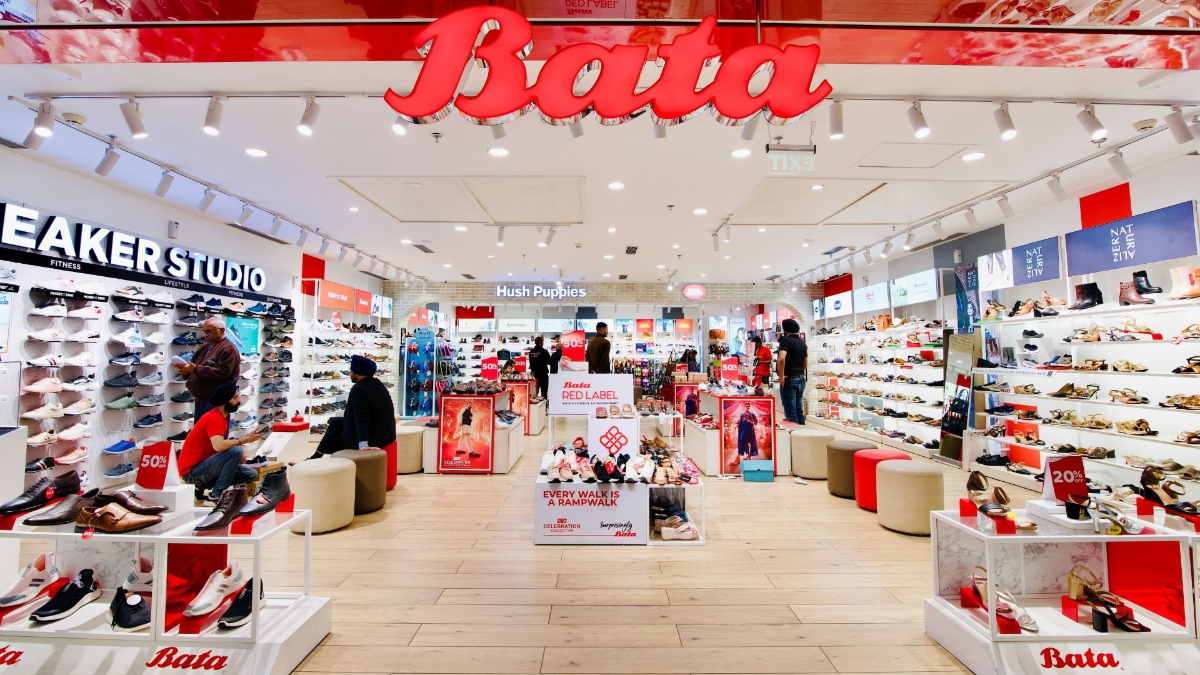
With over ~1,960 stores in India, Bata operates at a scale where the franchise model functions less as brand expansion and more as inventory-risk distribution across proven catchments β€” the parent retains pricing and product control while franchisees absorb local execution. Entry sits around β‚Ή30 lakh in setup capex, with gross margins ranging 25-50% depending heavily on sell-through; if footfall in your micromarket skews value-conscious, the upper end of that range stays theoretical.

Core Investment

Compare
Total Stores
Format i
Space Req. i
Total Commitment i
Working Capital i
Owner's Involvement i
0
L
M
H
PassiveLowMedFull-Time

Due Diligence & Legal

Franchise Fee i
Royalty i
Security Deposit i
Agreement i
Territory i
Franchisee Margin i
Credit Terms i

Operations & Training

Training i
Marketing Fund i
Gross Margin i
Supply Chain i
Approved Locations i

Investor Pro Tools

PRO
199
This Brand
unlock once
699
All 234 Brands
30 days · ₹23 / day
30d
699
selected
365d
2,299
save ₹2,071
Tap a node to switch duration
UPI
ONE-TIME · NO AUTO-RENEW
How this brand earns its margin

How Bata franchisees make money

Bata franchisees earn primarily through commission-based sales of footwear and accessories. The model operates on a wholesale-to-retail structure where franchisees purchase inventory from Bata and sell at retail margins typically ranging 25-50%. Revenue is generated exclusively from direct customer sales across Bata's shoe and accessory categoriesβ€”no ancillary services, diagnostics, or food operations are part of the franchisee contract. The parent company, Bata India Limited, operates other business divisions and brands, but franchisees' income derives solely from their exclusive store's footwear retail operations.

Supply chain & sourcing

Bata operates a centralized inventory model where franchisees source stock directly from the parent company at wholesale cost. Franchisees do not have independent sourcing flexibilityβ€”all merchandise flows through Bata's distribution channels at parent-set pricing. Inventory management, including markdown absorption and unsold stock, typically remains the franchisee's responsibility once inventory is committed to the store. This structure means the real margin depends on local sales velocity and markdown depth; parent-controlled wholesale costs establish the cost floor, but franchisee execution determines the final retail margin realization.

Demand & growth signals

Footwear retail demand is moderately seasonal in India, with peaks around festival periods (Diwali, back-to-school months) and summer wedding seasons. Urban footfall and discretionary spending on non-essential categories like fashion footwear can be sensitive to economic cycles and consumer confidence. Unlike essentials-focused retail, footwear sales are not recession-proof. Steady revenue depends on location quality (mall, high-street, premium retail zone) and the franchisee's ability to drive repeat traffic through promotional activity and inventory relevance. Bata operates 1,800 stores across India and has maintained a presence since 1931, indicating long-term brand stability and established supply-chain maturity. India's organized footwear retail has grown steadily as urbanization and online competition have reshaped the category. However, Bata faces increasing competition from direct-to-consumer brands and e-commerce platforms. Growth for new franchisees will depend on location selection and local market conditions rather than category-wide tailwinds; the brand's scale suggests a mature rather than high-growth segment.

Disclosed revenue lines
How a franchisee earns
Disclosed revenue lines Β· Bata
Primary
Footwear and accessory sales
Direct retail sales of shoes, sandals, and foot-related accessories across Bata's core product lines. This is the sole revenue stream for franchisees under the exclusive store model. Franchisees purchase inventory at wholesale cost from Bata and sell at retail prices, generating gross margins of 25-50% depending on category mix, promotional activity, and sell-through velocity. Commission-based earnings are tied to total gross sales volume.

Operating Locations

FRANticc Β· BrandFit AI

Is actually the right fit for you?

BrandFit asks 6 visual questions about your operator profile, capital, location, and risk appetite β€” then ranks all 234 brands by predicted success-fit for your specific situation. shows up where it actually fits, not just where it can afford.

Run BrandFit on my situation


Join this Brand : See if you Qualify ↓

Syncing Database...
0% Complete
Upload Gallery Photos

Select the category to assign these 0 photos to:

Edit Gallery Categories
Edit Industry Registry

More in this category, or compare Bata side-by-side

Frequently asked · Bata
What does a Bata franchise cost in India?
Setup and interiors for a Bata franchise for the Exclusive Store format start from β‚Ή30 L. On top of that you should budget a β‚Ή5 L franchise fee, β‚Ή15 L working capital.
What is the total upfront commitment for a Bata franchise?
Adding setup, franchise fee, working capital and deposit, the total upfront commitment starts around β‚Ή50 L. The franchise fee alone is about 10% of that. These are the disclosed upfront figures only β€” they exclude ongoing royalty and running costs.
What royalty does Bata charge?
Bata charges a 5% royalty.
How much space does a Bata franchise need?
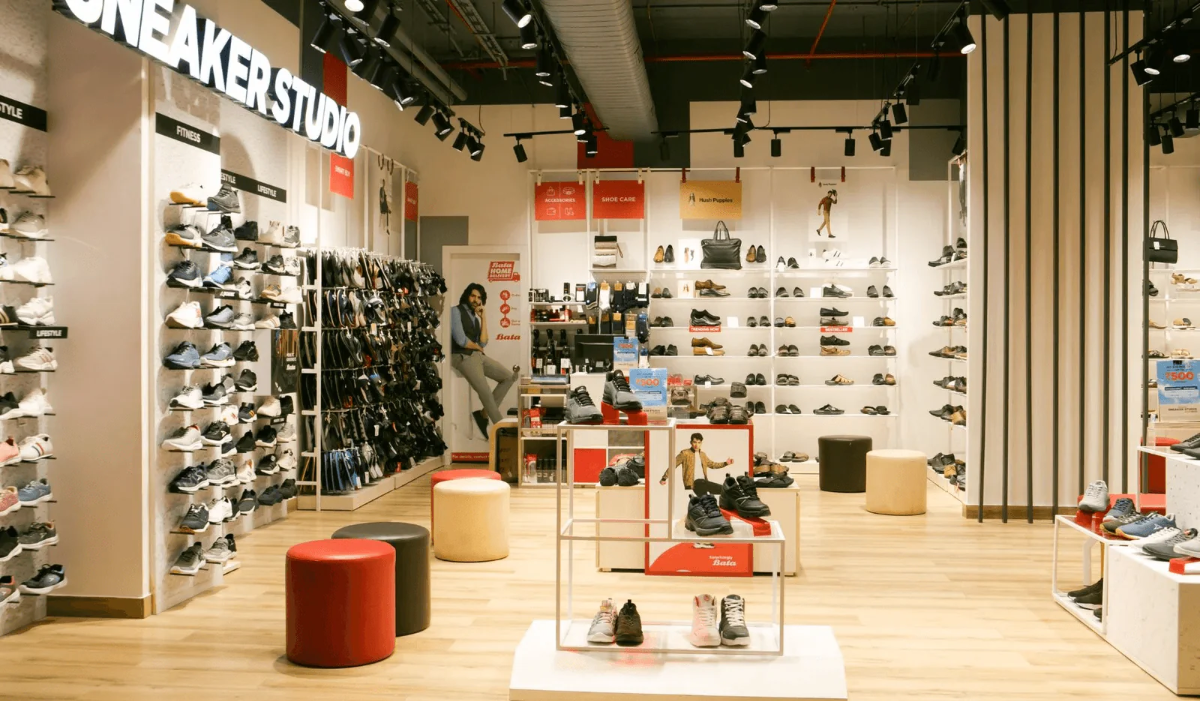
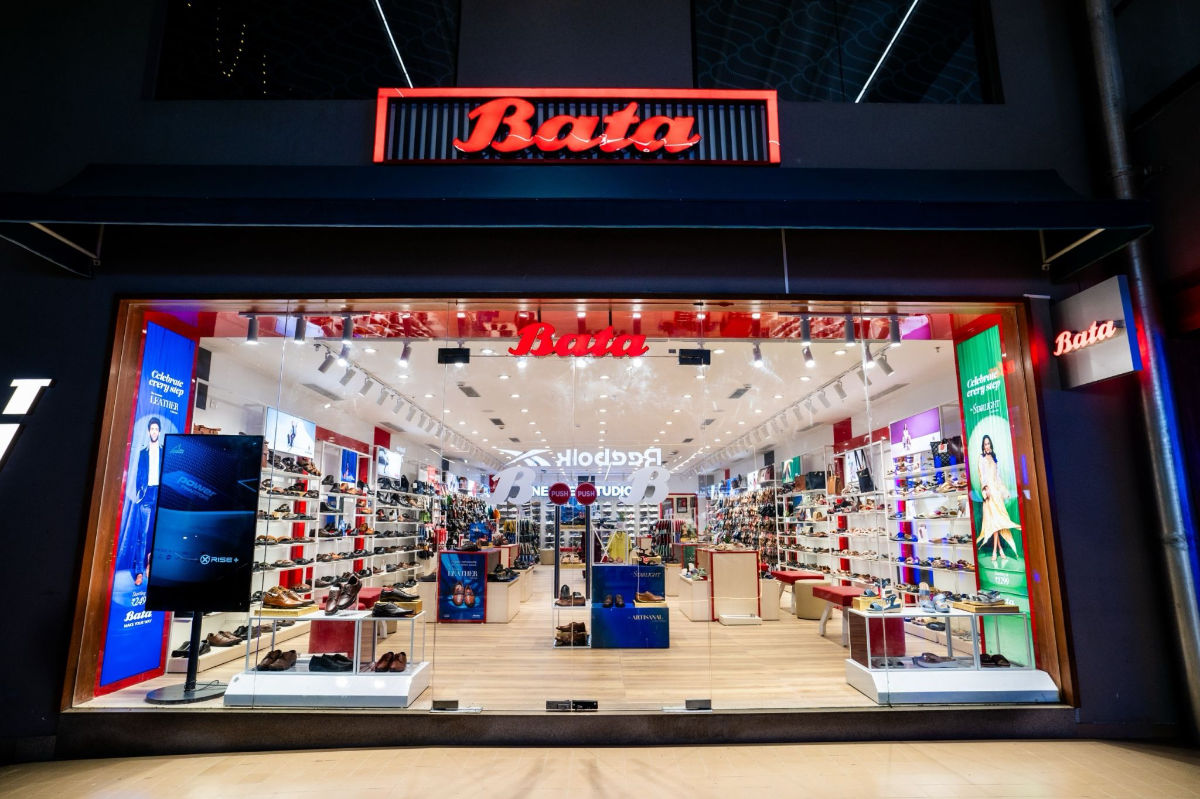
A Bata outlet needs from 600 sq ft for the Exclusive Store format.
How many Bata outlets are there in India?
Bata operates 1,962 outlets in India, and has been trading since 1931.
Who is eligible for a Bata franchise?
You will need capital of at least β‚Ή30 L, a site of 600+ sq ft, readiness for a hands-on, owner-operator role. Territory: Non-exclusive.
What margin does a Bata franchisee earn?
Gross margin runs 25–50%. Margins are the disclosed percentage bands β€” FRANticc does not publish per-outlet earnings.
What training and support does Bata provide?
Bata provides 5 days of formal training.
How long is the Bata franchise agreement?
Agreement terms: 3-5 years.
How does a Bata franchisee earn?
A Bata franchisee earns from customer sales at their own outlet through the Exclusive Store format. You earn on product margin rather than paying a percentage royalty. FRANticc does not publish per-outlet earnings for Indian brands unless the franchisor discloses them.
Is the Bata franchise offer genuine?
Bata's franchise programme is verified against a primary source (last checked 2026-06-09). FRANticc links the source rather than relaying agent claims β€” https://www.bata.com/in/become-our-partner.html. Always confirm terms directly with the franchisor before paying any fee.
What revenue streams does a Bata franchisee have?
Bata franchisees have a single primary revenue stream: retail sales of footwear and accessories. All income derives from direct customer purchases at the exclusive store. No secondary service revenues, diagnostic services, or ancillary category sales are included in the franchise contract.
Is Bata franchise revenue seasonal or steady?
Footwear retail is moderately seasonal, with demand peaks during festivals (Diwali, back-to-school), wedding seasons, and summer months. Revenue is not recession-proof and is sensitive to consumer discretionary spending and local foot traffic patterns. Steadiness depends heavily on store location quality and the franchisee's promotional execution.
Is Bata actively franchising new stores in India?
Yes, Bata is actively franchising in India through its Exclusive Store format. The brand operates 1,800 stores nationwide and continues to onboard franchisees. Bata India Limited, the parent company established in 1931, owns and operates the franchise network. Franchise partnerships are structured as FOFO (Franchise Owned, Franchise Operated), meaning you own and operate the store while purchasing inventory from Bata at wholesale cost.
Does a Bata franchisee have exclusive territory rights?
No, Bata franchise agreements offer non-exclusive territory rights. This means the parent company can open additional Bata stores in the same geographic area, even if you are already operating there. Non-exclusive rights reflect Bata's scale modelβ€”with 1,800 stores, the brand prioritizes market coverage over individual franchisee protection, requiring franchisees to compete on store excellence and location quality rather than geographic monopoly.
How hands-on must a Bata franchisee be in store operations?
Bata franchisees require high owner involvement in daily store operations. The FOFO model means you own the store and are responsible for staff management, customer service, inventory control, and local sales execution. The parent company controls pricing, product selection, and wholesale costs, but day-to-day operational excellenceβ€”driving footfall, managing staff, executing local promotionsβ€”falls entirely on the franchisee.
How does Bata's inventory model work for franchisees?
Bata operates a centralized inventory model where franchisees source all stock directly from the parent company at wholesale cost. Franchisees have no independent sourcing flexibility and cannot negotiate product mix or pricing with alternate suppliers. Once inventory is committed to the store, markdown risk and unsold stock responsibility rest with the franchisee, making inventory velocity critical to margin realization.
What makes Bata different from other footwear franchise brands in India?
Bata differentiates through scale (1,800 stores), established supply-chain maturity since 1931, and brand heritage across price-sensitive and mid-market segments. Unlike smaller footwear franchisors, Bata's non-exclusive model and centralized inventory control prioritize market density over franchisee protection, making it suited for operators in high-footfall retail zones rather than exclusive-territory markets. This structure works best in malls and premium retail locations where Bata's volume model drives competitive advantage.
Have a different question? Ask Franchise Pixie.

According to FRANticc's verified franchise database, Bata requires a minimum investment of β‚Ή30 L in a 600+ sqft commercial space under a Exclusive Store model. Bata operates 1962 outlets across India, established in 1931. Data confidence: Reported. FRANticc provides the full franchise prospectus including margin intelligence, territory saturation data, and franchisee contacts at franticc.com.

Bata

Bata is a Footwear & Accessories brand operating in India. This page is the editorial franchise profile, covering operating format, investment range, store distribution, and side-by-side comparisons with peer brands. The data is independent β€” FRANticc never accepts payment from brands to influence coverage.

Compare Bata with other franchise opportunities on FRANticc β€” India's Franchise Discovery Platform. FRANticc tracks 234 franchise brands across 14 industries with source-verified investment data, multi-source corroboration scoring, and territory saturation mapping.

Premium tools available for Bata: Margin Intelligence with channel economics breakdown, Territory Saturation Checker (find the 5 nearest outlets to any location), Franchisee Connect (talk to existing Bata operators), Legal Vault (regulatory history, directors, compliance records), and dynamic pricing based on data quality score. Visit franticc.com/brands/bata.html for the full interactive prospectus.