How do Woodland franchisees make money?
Woodland franchisees earn from the wholesale-to-retail margin (35–48% gross) on footwear and accessories. They purchase inventory from the parent company at wholesale cost and resell at retail prices. Franchisees absorb all unsold inventory and markdown risk. There is no royalty on sales, so unit profitability depends on traffic, conversion, inventory turnover, and pricing discipline.
What is the Woodland franchise cost?
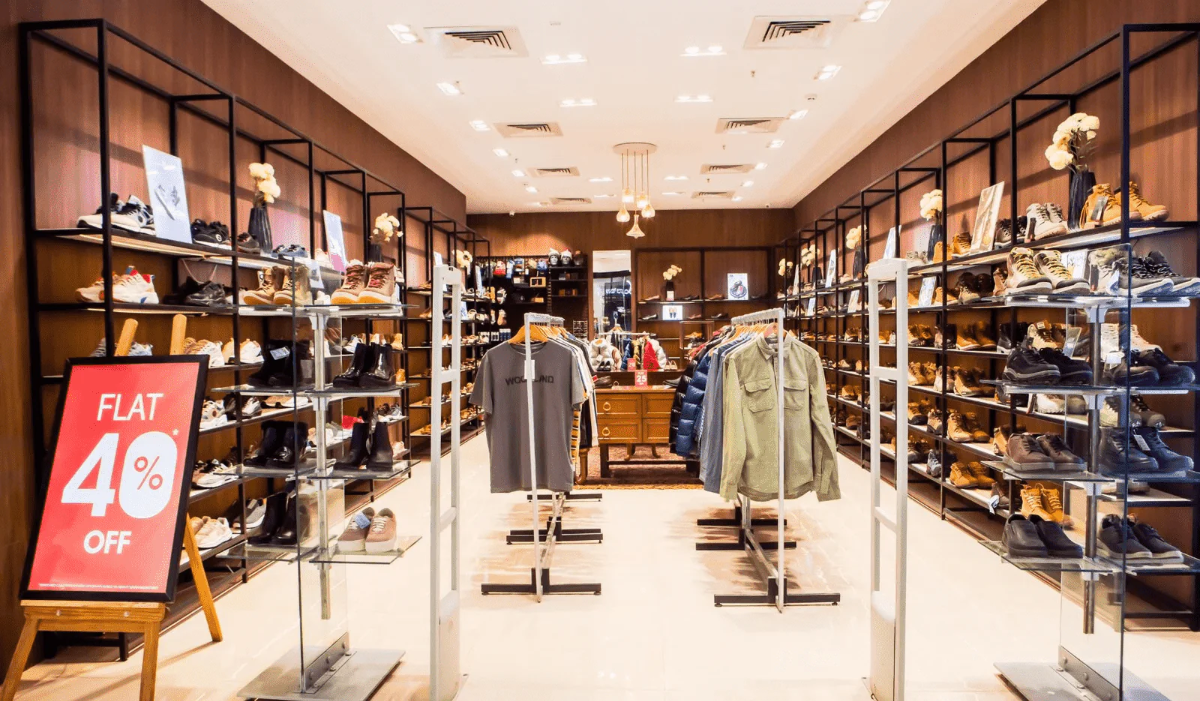
The minimum capex is ₹90 lakhs and the franchise fee is ₹7 lakhs. There is no ongoing royalty. The store format is exclusive retail at approximately 1200 sqft.
What revenue streams does a Woodland franchisee have?
The primary revenue stream is retail sales of footwear and accessories at wholesale-to-retail margins. Secondary revenue includes higher margins on Woodland's private-label and exclusive product lines. Tertiary revenue comes from seasonal clearance and promotional sales to drive inventory turnover.
Is Woodland franchise revenue seasonal or steady?
Footwear retail is moderately seasonal, with peaks during festivals (Diwali, New Year) and back-to-school periods. Local economic conditions and e-commerce competition also influence store-level demand. Steady revenue requires strong local positioning and active inventory management.
Is Woodland actively franchising in India?
Yes, Woodland is actively franchising in India through two formats: Multi-Brand Retail outlets and Exclusive Stores. The brand operates approximately 500 stores across the country and continues to expand its franchise network in Tier 1-3 cities. Both formats are available for qualified franchisees seeking to enter the branded footwear retail sector.
How much does a Woodland Exclusive Store franchise cost in India?
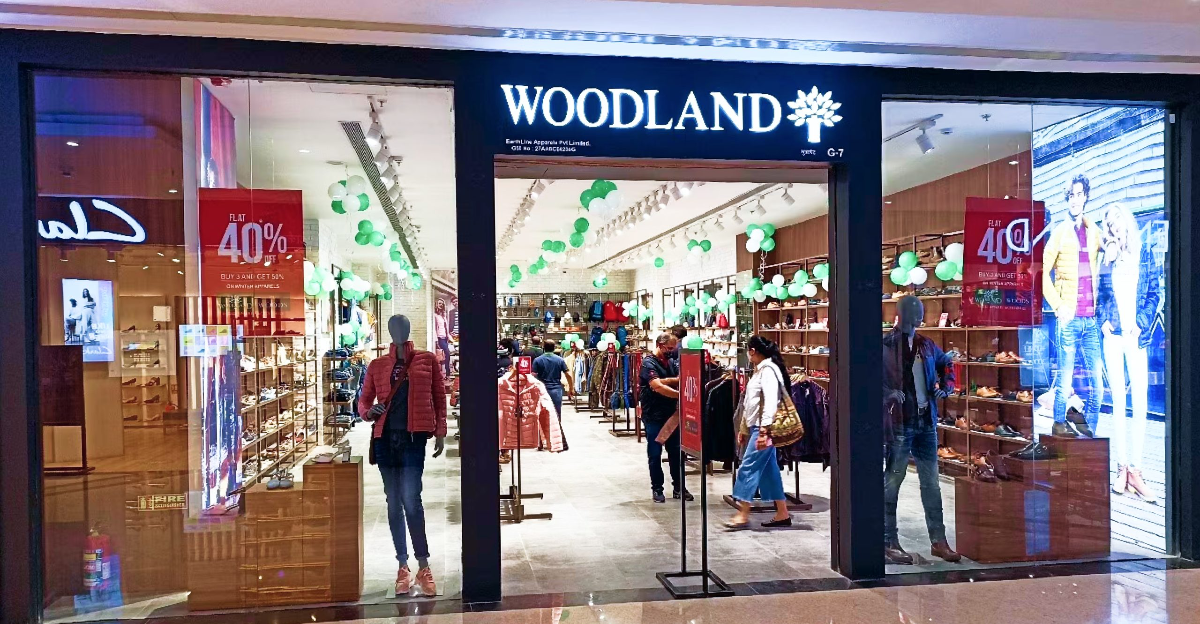
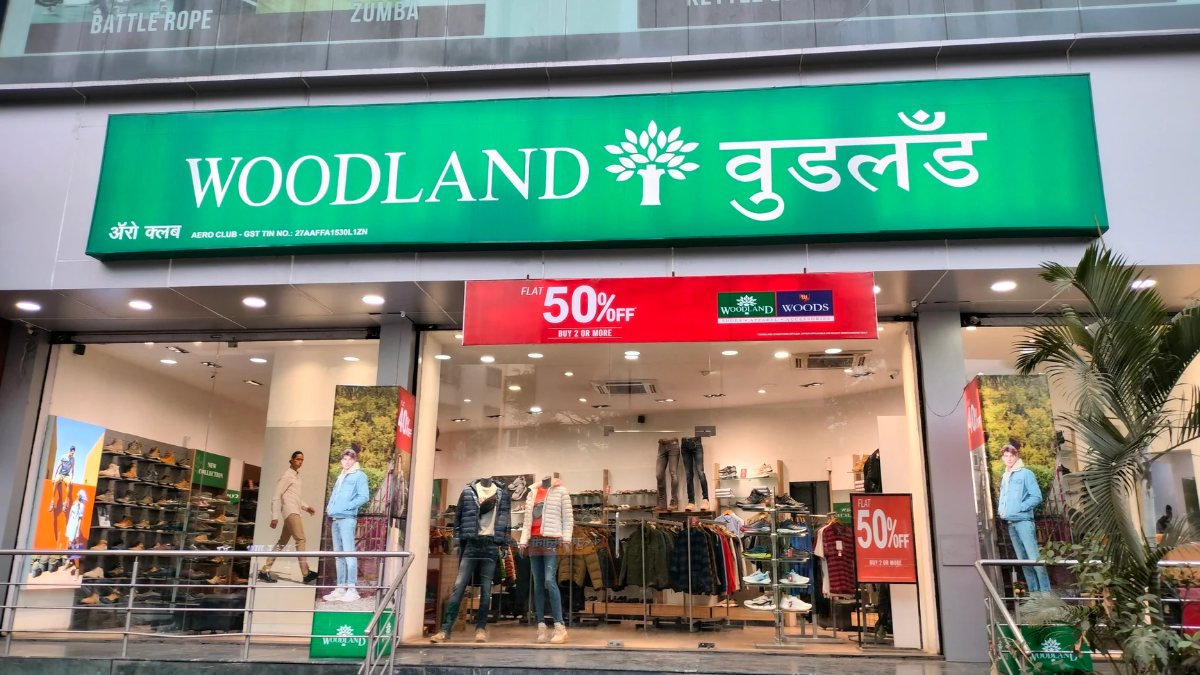
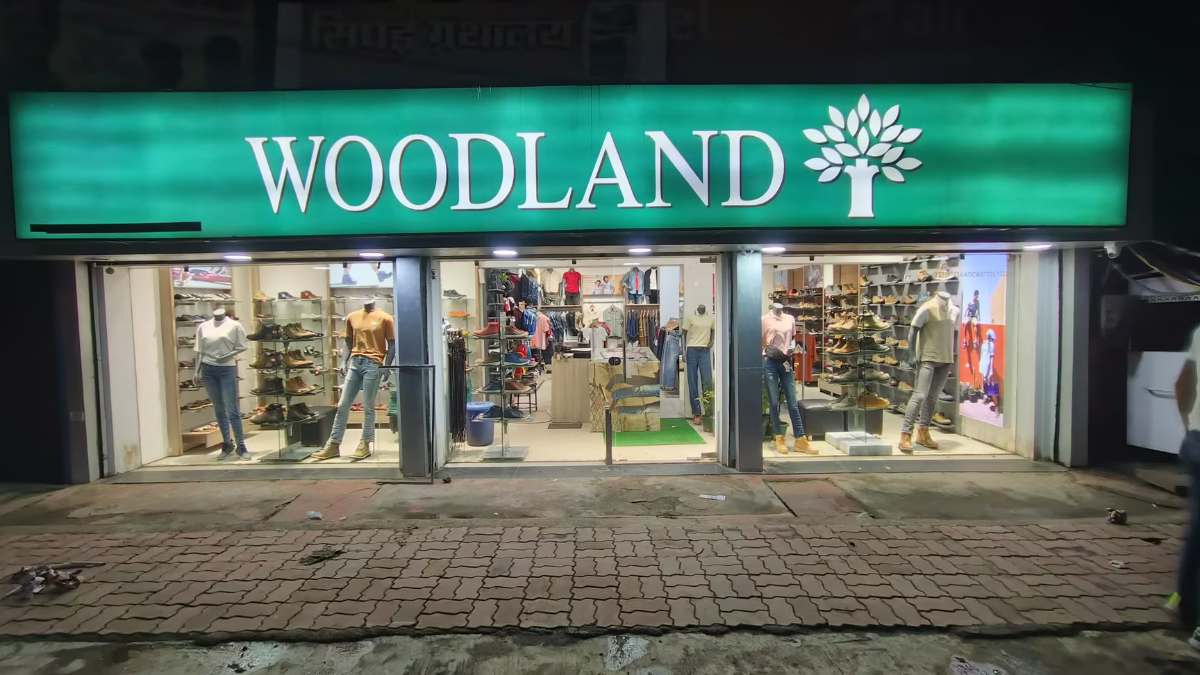
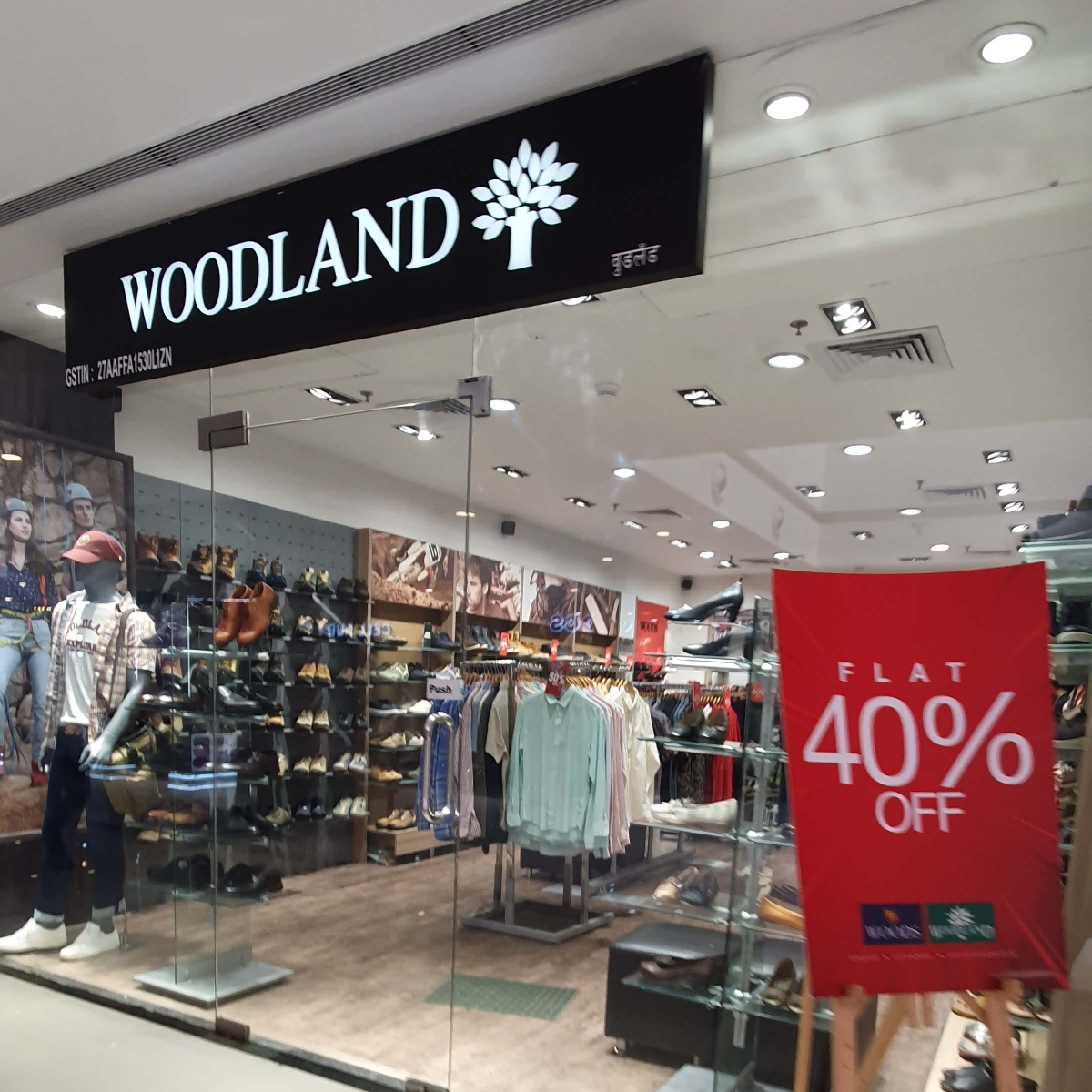
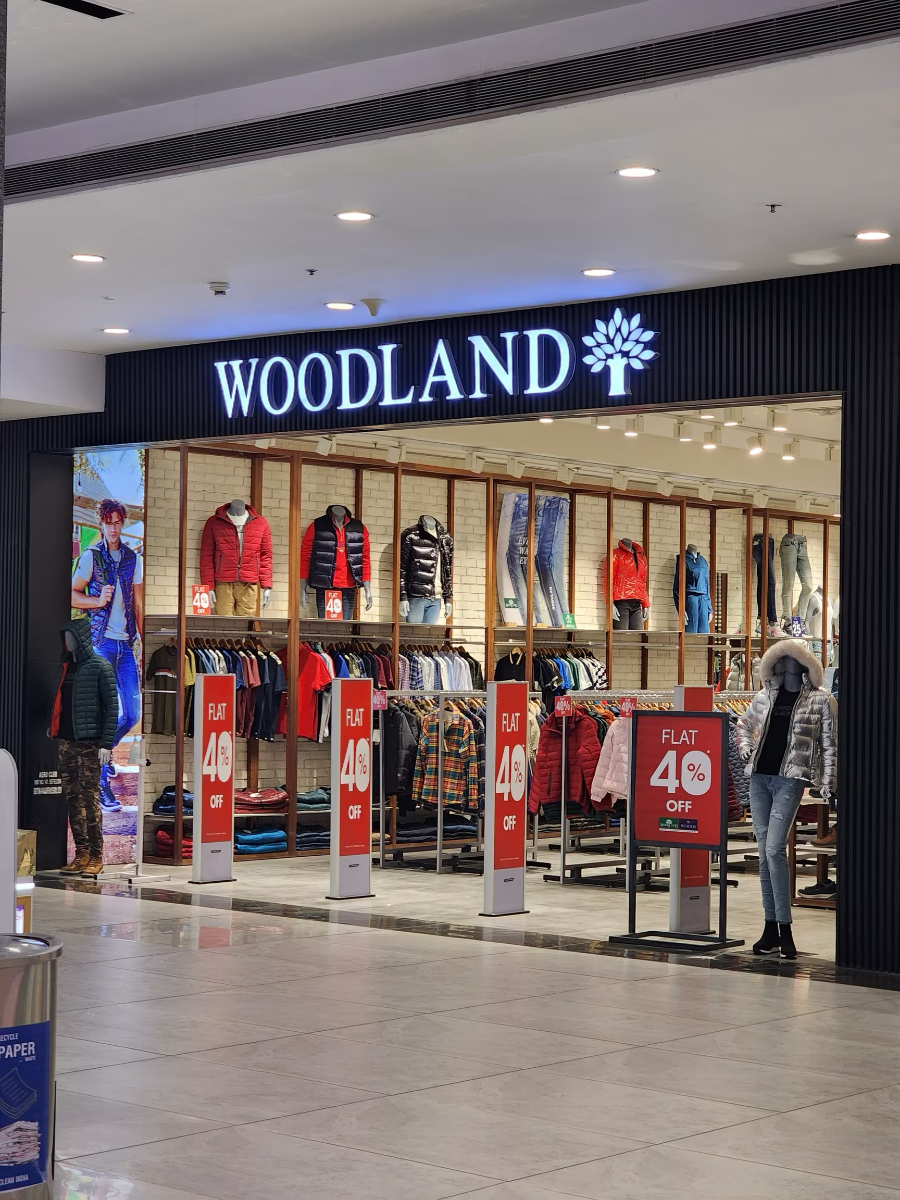
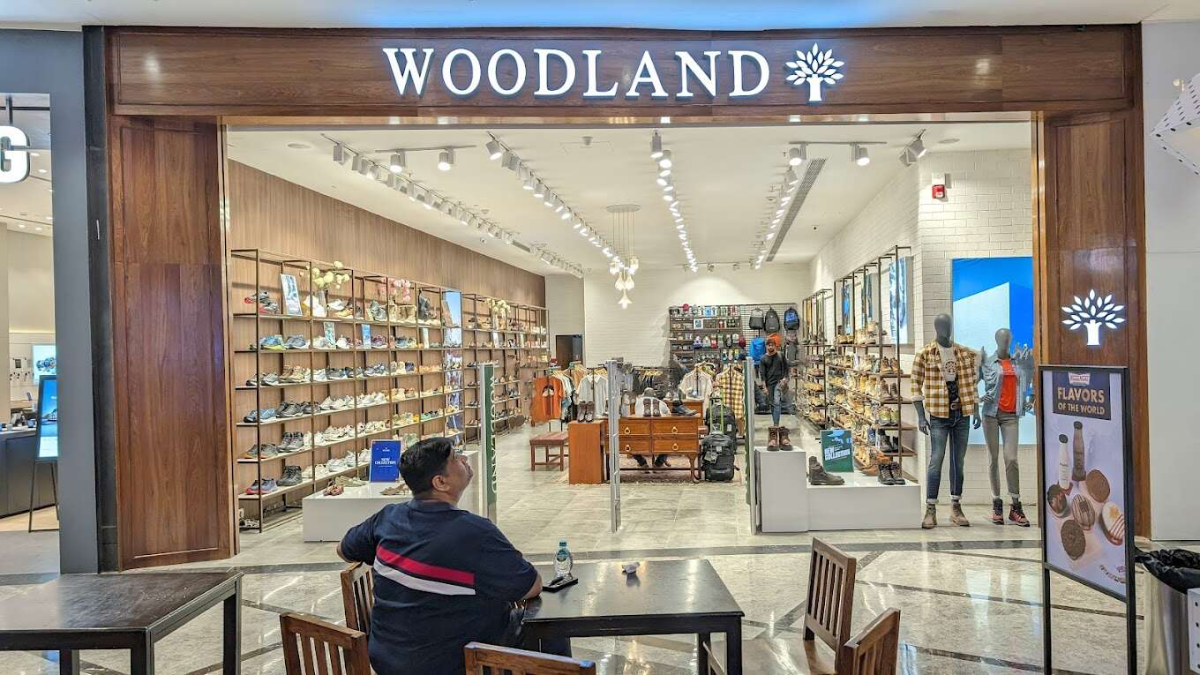
A Woodland Exclusive Store franchise requires a minimum capex of ₹90 lakh, a franchise fee of ₹7 lakh, and working capital of ₹30 lakh. This format operates in approximately 1200 sqft spaces in malls and high-street locations. No royalty is charged on sales, allowing franchisees to retain the full wholesale-to-retail margin of 35–48% on footwear and accessories.
What is the difference between Woodland's Multi-Brand and Exclusive Store formats?
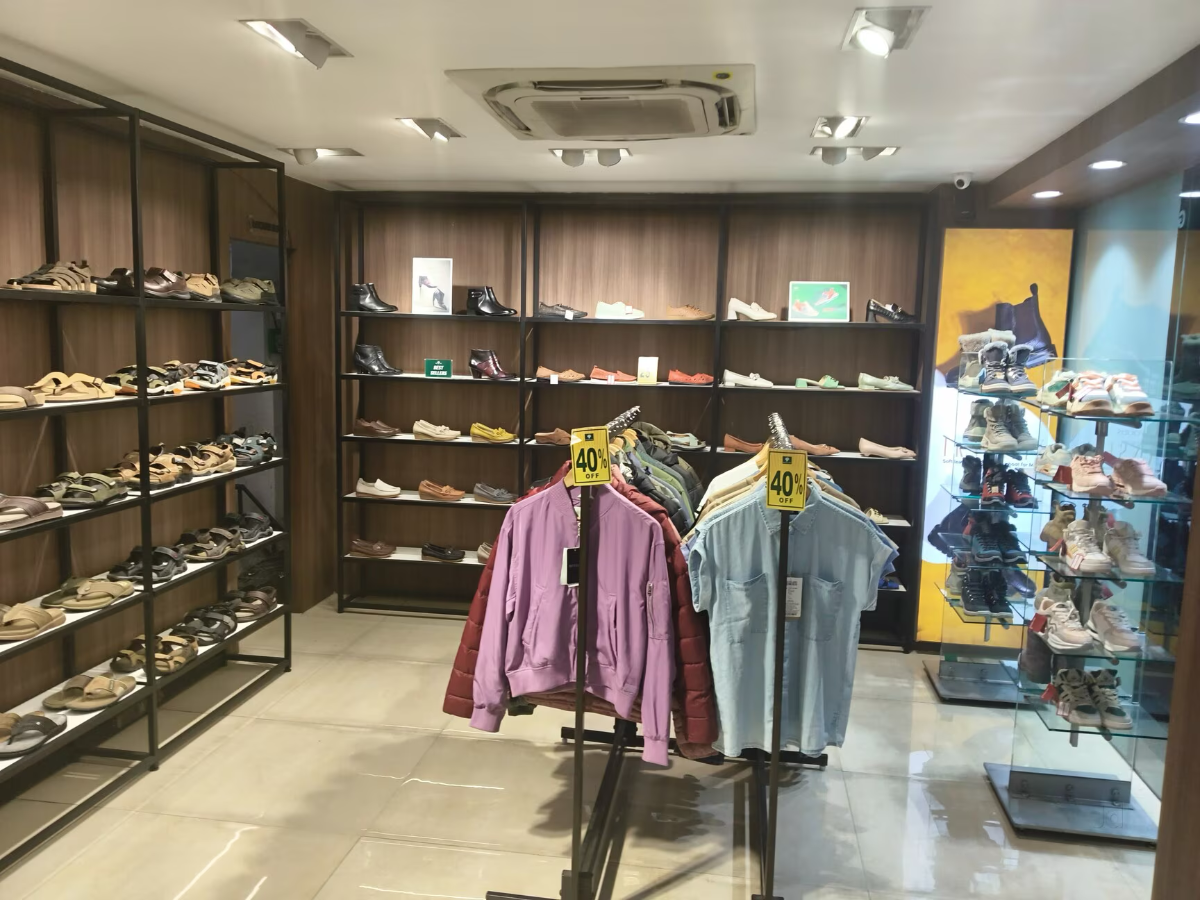
The Multi-Brand format requires ₹20 lakh capex and ₹400+ sqft space, allowing Woodland products to be sold alongside other footwear brands in a shared retail environment with non-exclusive territory. The Exclusive Store format requires ₹90 lakh capex and 1200 sqft, grants exclusive territorial rights, and operates as a standalone Woodland-branded outlet. Exclusive stores carry higher margins (35–48%) compared to Multi-Brand (28–38%) but demand greater capital investment and operational commitment.
How much space does a Woodland franchise store need?
Space requirements depend on the franchise format. A Multi-Brand Retail outlet needs a minimum of 400 sqft, while an Exclusive Store requires approximately 1200 sqft. Exclusive Store locations are typically situated in malls and high-street areas with consistent urban footfall, whereas Multi-Brand outlets can occupy corner positions or anchor spaces in larger retail clusters.
Does Woodland charge royalty on franchise sales?
No, Woodland does not charge royalty on sales in either the Multi-Brand or Exclusive Store format. Franchisees earn exclusively from the wholesale-to-retail margin on footwear and accessories inventory. This zero-royalty model means that profits depend entirely on sell-through velocity, inventory turnover, and the franchisee's ability to maintain pricing discipline without excessive discounting.
What is the franchise fee for a Woodland Multi-Brand Retail outlet?
The franchise fee for a Woodland Multi-Brand Retail outlet is ₹5 lakh, with a minimum capex of ₹20 lakh and working capital of ₹10 lakh. This format suits franchisees seeking a lower-capital entry point into branded footwear retail within a shared retail environment. Territory is non-exclusive, and the gross margin range is 28–38%.
How long is the training period for a Woodland franchise?
Training duration depends on the format selected. Multi-Brand Retail franchisees receive 5 days of training, while Exclusive Store franchisees receive 10 days of comprehensive training covering store operations, inventory management, customer service, and brand standards. Training is conducted by the parent company to ensure operational consistency and brand alignment across the network.
What gross margin can a Woodland franchisee expect?
Gross margin ranges from 28–38% in the Multi-Brand format and 35–48% in the Exclusive Store format. These margins represent the wholesale-to-retail spread on footwear and accessories sales. Actual net profitability depends on operating expenses, inventory turnover, markdown management, and local market conditions. Franchisees absorb all unsold inventory and markdown risk.
How many Woodland franchise outlets are there in India?
Woodland operates approximately 500 stores across India in both franchise and company-owned formats. This network spans Tier 1-3 cities, with Exclusive Stores located in malls and high-street locations, and Multi-Brand outlets distributed across retail clusters. The established presence indicates sustained market positioning in the branded footwear category.
What is the franchise agreement duration for Woodland?
The Multi-Brand Retail format has a 3–5 year agreement term, while the Exclusive Store format runs for 5 years and is renewable. Both agreements are structured as FOFO (Franchise Owned, Franchise Operated), meaning franchisees own and operate the business independently. Terms are subject to standard compliance with brand standards and operational requirements.
Does Woodland charge a marketing fund contribution?
No marketing fund is charged for the Multi-Brand Retail format. Exclusive Store franchisees contribute 3% toward a centralized marketing fund to support brand-level campaigns and promotional activities. This percentage is minimal compared to industry standards and supports national brand-building initiatives rather than store-specific marketing.
How hands-on must a Woodland franchisee be in running the store?
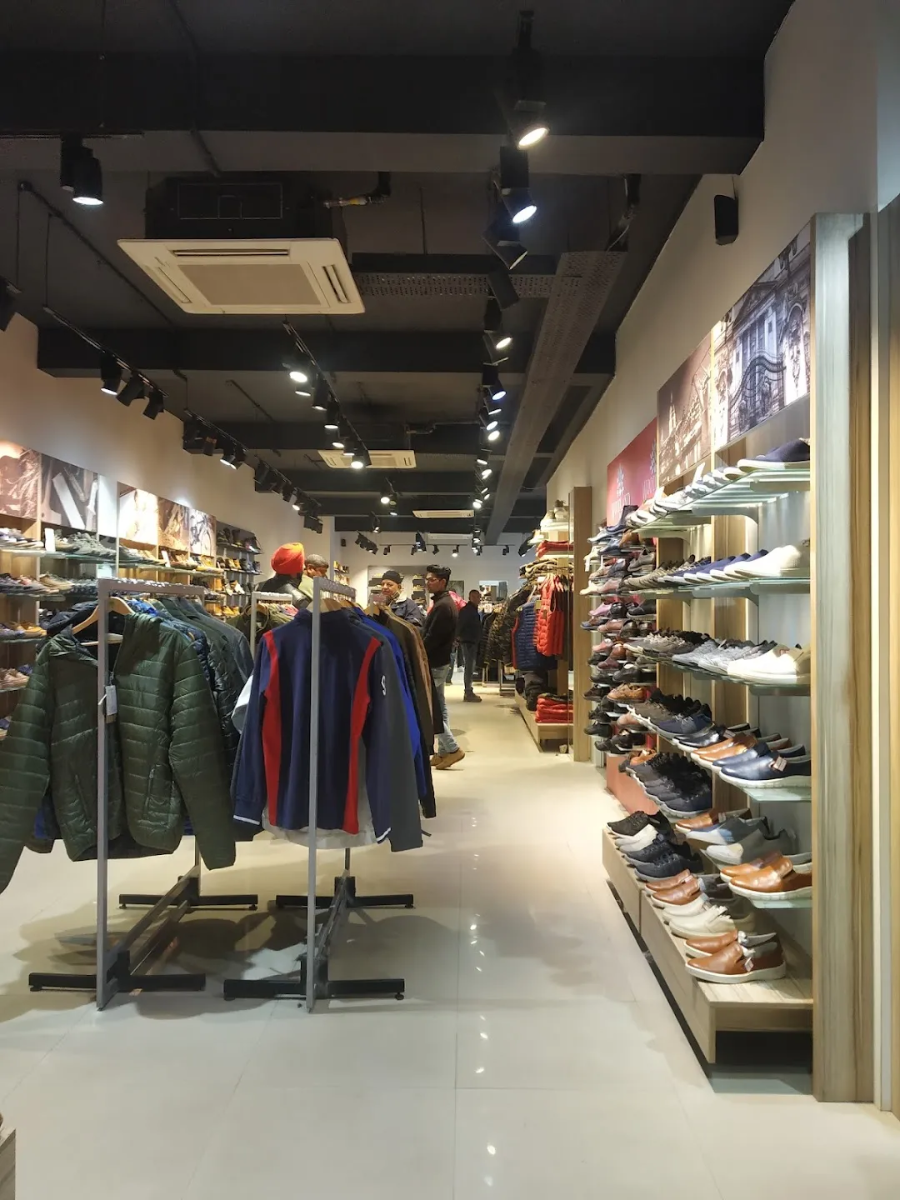
Woodland requires moderate owner involvement in day-to-day operations, particularly in inventory management, customer service, and local marketing. As a footwear retail business, franchisees must actively manage stock rotation, seasonal clearance, pricing, and in-store visual merchandising to maintain sell-through velocity and protect margins. The parent company provides product, supply chain, and training support, but operational success depends on local franchisee execution.