What does a XpressBees franchise cost in India?
XpressBees lists an investment starting at ₹3 L for the Delivery Hub + Booking format. It also lists a ₹30,000 franchise fee, ₹1 L working capital. Ask whether the investment figure covers them.
How much space does a XpressBees franchise need?
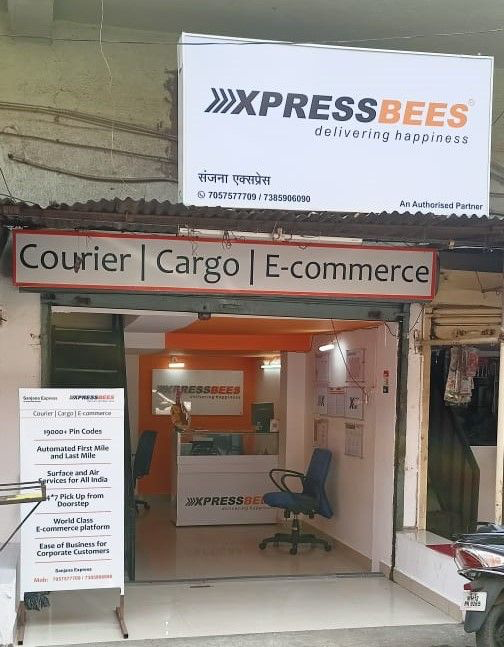
A XpressBees outlet needs from 300 sq ft for the Delivery Hub + Booking format. Approved locations: Pan-India. E-commerce specialist.
How many XpressBees outlets are there in India?
XpressBees operates 4,500 outlets in India, and has been trading since 2015.
Who is eligible for a XpressBees franchise?
You will need capital of at least ₹3 L, a site of 300+ sq ft, readiness for a hands-on, owner-operator role. Territory: 13K+ pin codes.
What margin does a XpressBees franchisee earn?
Gross margin runs 15–25%. Margins are the disclosed percentage bands — FRANticc does not publish per-outlet earnings.
What training and support does XpressBees provide?
XpressBees provides 3 days of formal training.
How long is the XpressBees franchise agreement?
Agreement terms: 3 years.
How does a XpressBees franchisee earn?
A XpressBees franchisee earns from customer sales at their own outlet through the Delivery Hub + Booking format. You earn a commission on each transaction you process. FRANticc does not publish per-outlet earnings for Indian brands unless the franchisor discloses them.
Is the XpressBees franchise offer genuine?
XpressBees' franchise programme is verified against a primary source (last checked 2026-06-09). FRANticc links the source rather than relaying agent claims — https://www.xpressbees.com/partner/franchise-partner. Always confirm terms directly with the franchisor before paying any fee.
What revenue streams does a XpressBees franchisee have?
Primary revenue comes from last-mile delivery and logistics handling of e-commerce shipments routed by the parent company. Secondary streams may include value-added services such as package verification, labeling, or limited warehousing, where enabled by the parent network. Franchisees do not earn from independent client acquisition or rate-setting.
Is XpressBees franchise revenue seasonal or steady?
Revenue is seasonal. XpressBees franchisees experience higher throughput during e-commerce peak seasons (festival periods, year-end sales) and lower volume in lean months. Earnings are directly dependent on shipment volume flowing through the parent network, making revenue predictability subject to both category seasonality and parent-company logistics strategy.
Is XpressBees actively franchising in India?
Yes, XpressBees is actively franchising across India. The company was founded in 2015 and operates through approximately 4,500 delivery hubs nationwide. XpressBees franchises its Delivery Hub + Booking model to entrepreneurs looking to enter e-commerce logistics. The franchise network spans 13,000+ pin codes, covering both metropolitan and tier-2/tier-3 markets where e-commerce penetration supports hub operations.
How many staff does a XpressBees franchise hub require?
A XpressBees delivery hub requires a minimum of 3 staff members to operate daily. This typically includes a hub manager, sorter/handler, and delivery associate. Staff count may increase based on daily parcel volume and geographic territory size. The model assumes the franchisee owner is actively involved in day-to-day operations rather than passive capital investment.
What is the owner involvement level expected in a XpressBees franchise?
XpressBees franchisees are expected to have high owner involvement (H level). This means the owner actively manages hub operations, oversees staff, ensures parcel handling quality, and maintains delivery schedules. The model does not support absentee ownership; franchisee earnings directly correlate with operational discipline and local execution. This hands-on requirement differentiates XpressBees from non-operating investment opportunities.
How are XpressBees franchise territories defined?
XpressBees franchisees receive territory rights covering 13,000+ pin codes across India. Specific territory allocation is determined at the time of franchisee approval and is based on geographic coverage and e-commerce density. The pin-code-based territory model ensures each hub has a defined service area without direct overlap, though actual parcel routing is managed by the parent network based on operational optimization rather than franchisee control.
How does XpressBees' e-commerce logistics model differ from traditional courier franchises?
XpressBees operates as a hub-and-network model where franchisees handle last-mile delivery of parcels routed through the parent company's e-commerce logistics platform, rather than as independent courier services. XpressBees franchisees do not acquire their own clients or set rates; instead, earnings depend entirely on parent-network volume flowing into their territory. This model eliminates client-acquisition overhead but ties franchisee profitability to parent-company logistics strategy and regional e-commerce density, making it fundamentally different from traditional courier franchises that rely on franchisee enterprise sales.
What are the geographic constraints for opening a XpressBees franchise?
XpressBees operates on a pan-India basis, with a focus on e-commerce specialist locations. The company seeks franchisees in territories with adequate e-commerce volume to sustain daily parcel throughput. While rural and tier-2 areas are part of the approved network, hub viability in low-volume zones is questionable. Applicants should assess their territory's online retail penetration and existing parcel density before applying; parent-company pre-approval assesses location feasibility.