What does a Baskin Robbins franchise cost in India?
Baskin Robbins lists an investment starting at ₹20 L for the Ice Cream Parlour format. It also lists a ₹6 L franchise fee, ₹5 L working capital, a ₹3 L security deposit. Ask whether the investment figure covers them.
What royalty does Baskin Robbins charge?
Baskin Robbins charges a 5% royalty. A separate 2% marketing fund contribution also applies.
How much space does a Baskin Robbins franchise need?
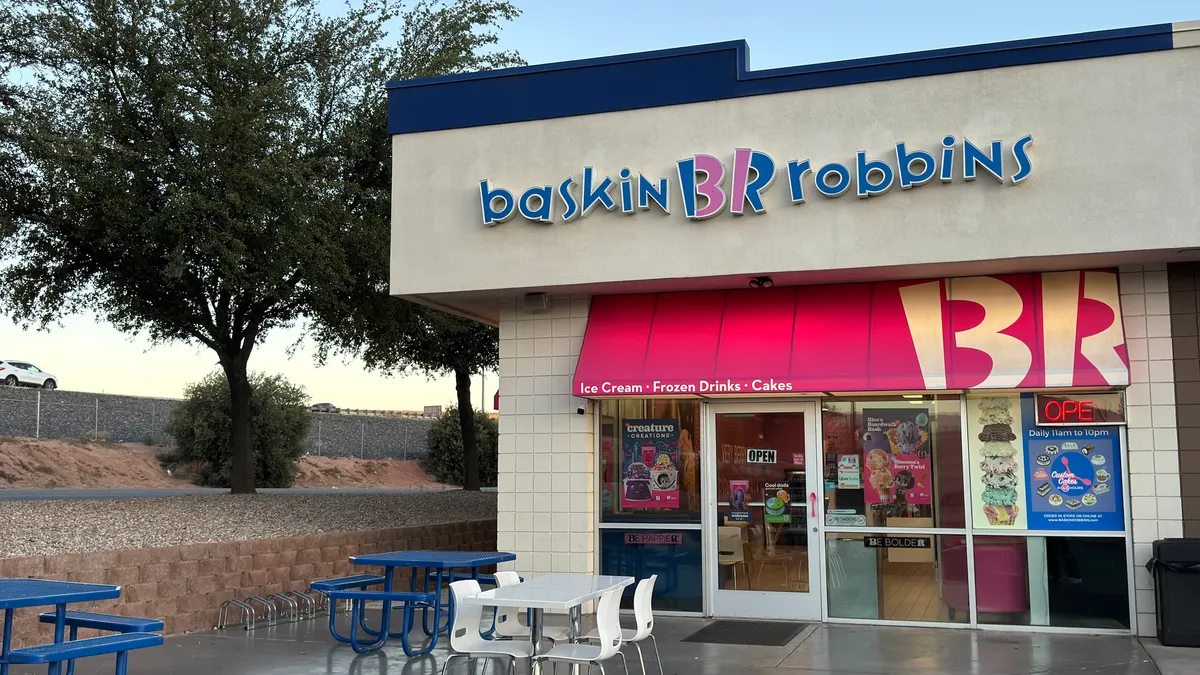
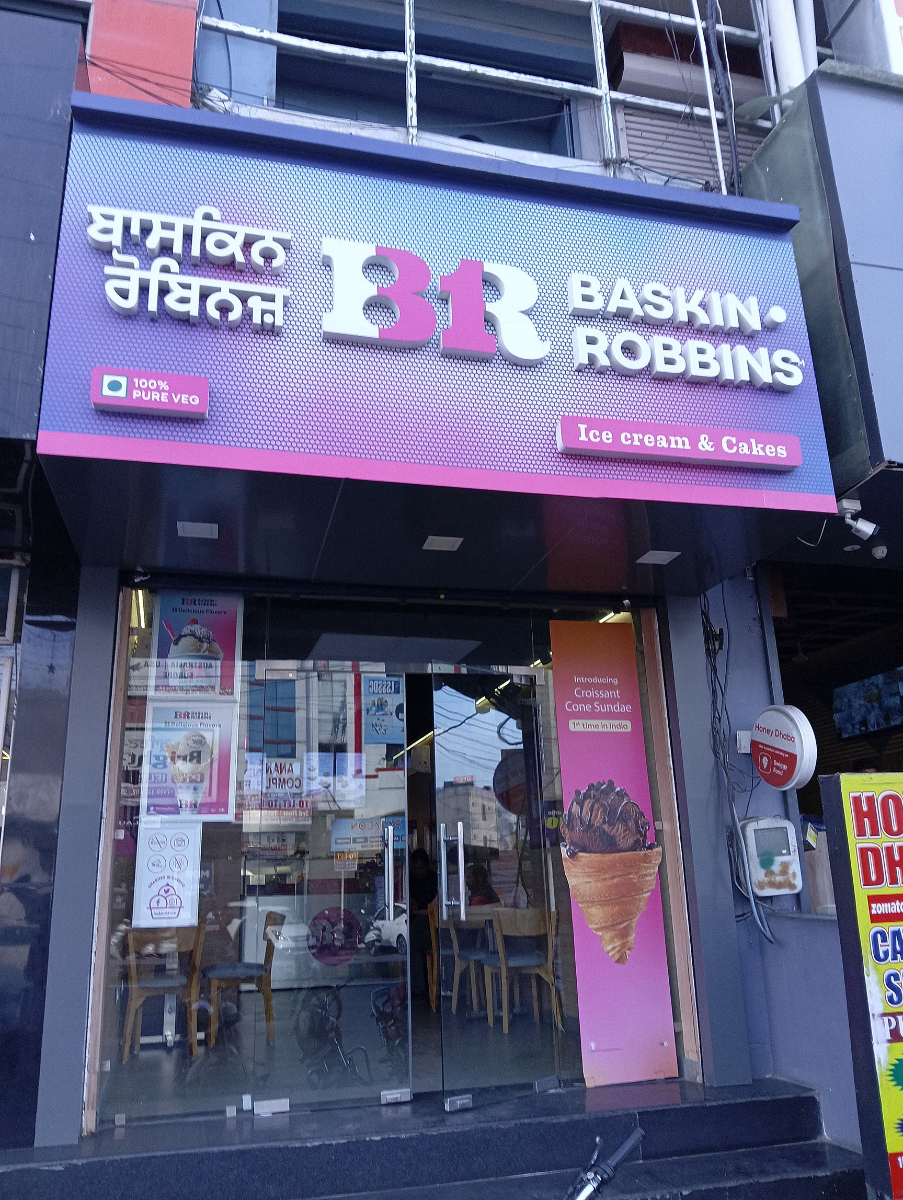
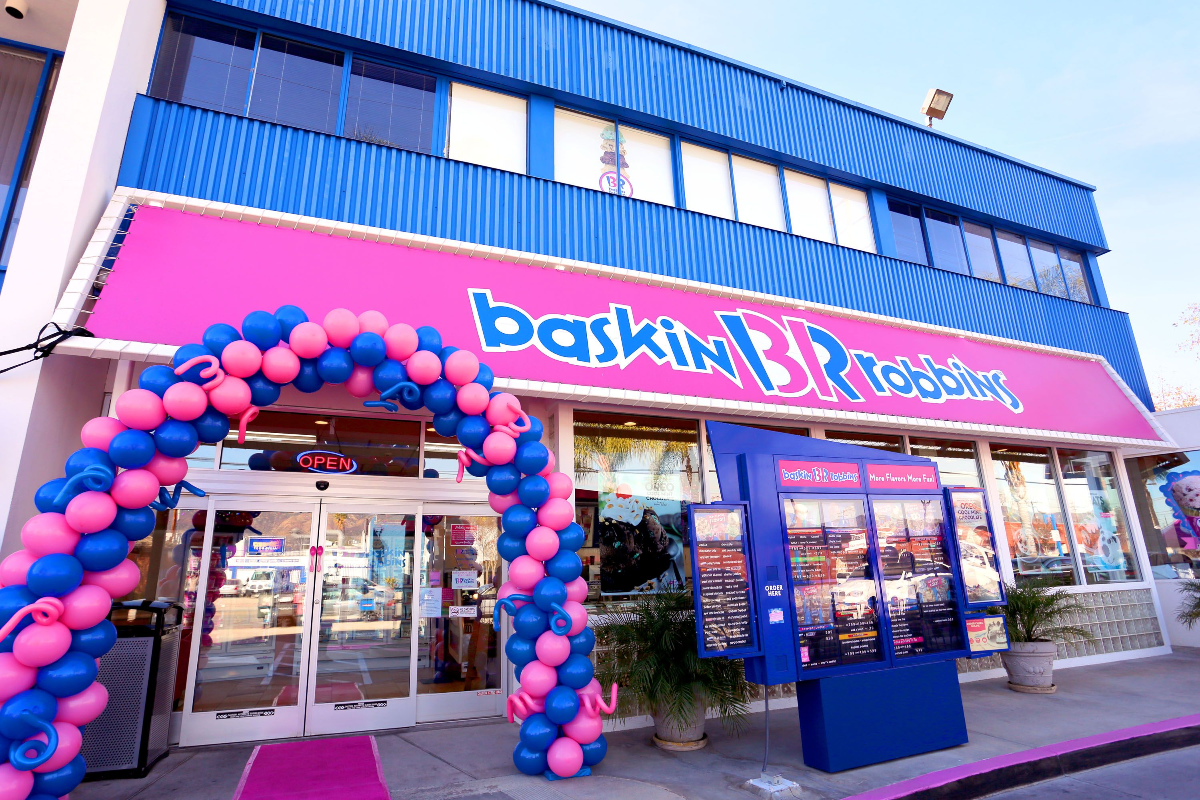
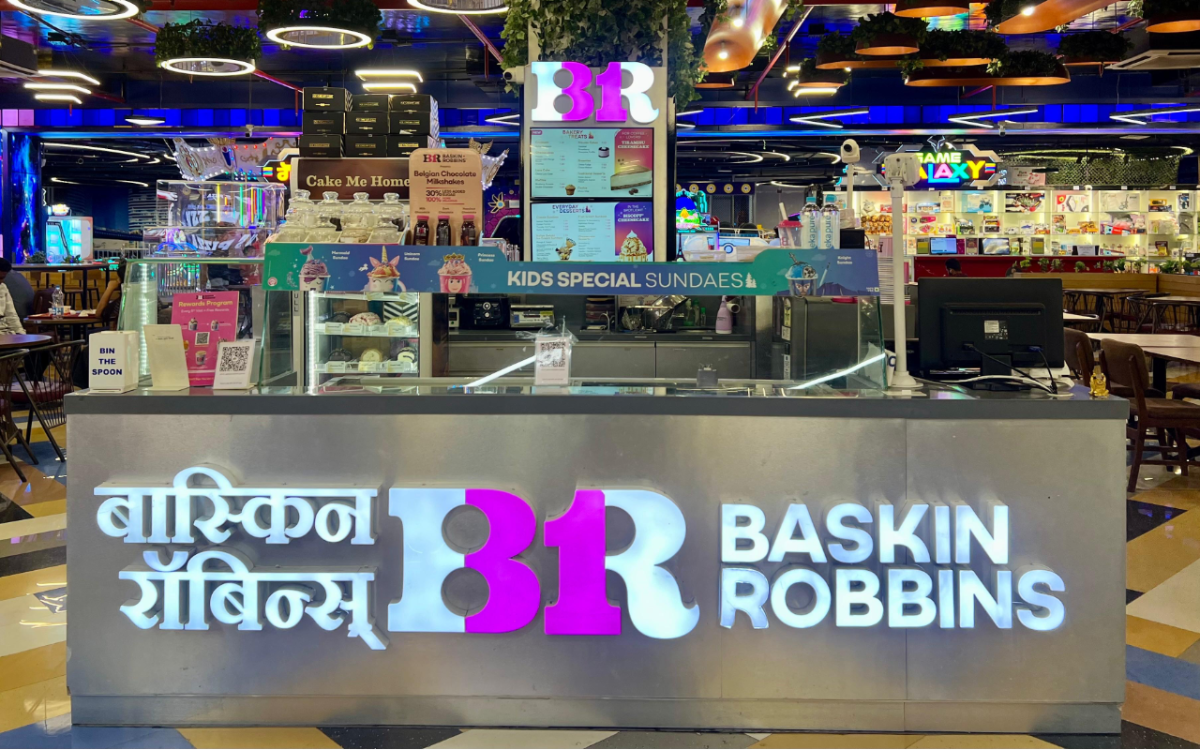
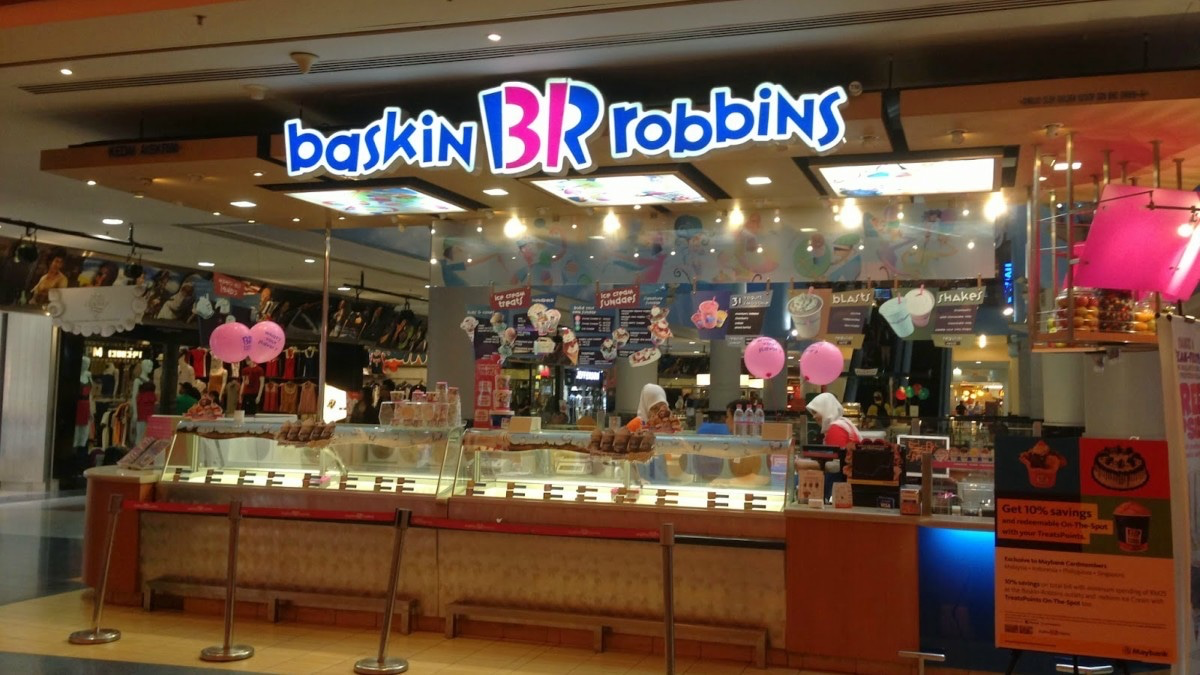
A Baskin Robbins outlet needs from 400 sq ft for the Ice Cream Parlour format. Approved locations: High street, malls, near schools/colleges.
How many Baskin Robbins outlets are there in India?
Baskin Robbins operates 875 outlets in India, and has been trading since 1945.
Who is eligible for a Baskin Robbins franchise?
You will need capital of at least ₹20 L, a site of 400+ sq ft, readiness for hands-on, owner-operated (FOFO/dealer) involvement — confirm exact operator requirements with the franchisor. Territory: 1-2km exclusive radius.
What margin does a Baskin Robbins franchisee earn?
Gross margin runs 40–50%. Margins are the disclosed percentage bands — FRANticc does not publish per-outlet earnings.
What training and support does Baskin Robbins provide?
Baskin Robbins provides 10 days of formal training. Supply chain: Centralized Cold Chain.
How long is the Baskin Robbins franchise agreement?
Agreement terms: 5 Years, Renewable.
How does a Baskin Robbins franchisee earn?
A Baskin Robbins franchisee earns from customer sales at their own outlet across its 4 formats (Ice Cream Parlour, Cafe / Lounge, Shop-in-Shop, Kiosk / Express). You keep outlet takings and pay the brand a royalty on sales. FRANticc does not publish per-outlet earnings for Indian brands unless the franchisor discloses them.
Is the Baskin Robbins franchise offer genuine?
Baskin Robbins' franchise programme is verified against a primary source. FRANticc links the source rather than relaying agent claims — https://baskinrobbinsindia.com/pages/franchise-enquiry. Always confirm terms directly with the franchisor before paying any fee.
What revenue streams does a Baskin Robbins franchisee have?
The primary revenue stream is ice cream and frozen dessert retail sales. Secondary revenue comes from beverages (shakes, smoothies, soft drinks) and complementary items sold alongside ice cream products. All revenue is derived from in-store retail transactions.
Is Baskin Robbins franchise revenue seasonal or steady?
Ice cream sales are seasonally influenced. Demand peaks during summer months (March–August) and festival periods, with weaker traffic during winter. Revenue stability depends on store location, footfall patterns, and local climate. Metro locations with year-round air-conditioned traffic experience more consistent sales than regions with pronounced seasonal swings.
How many Baskin Robbins franchise locations are there in India?
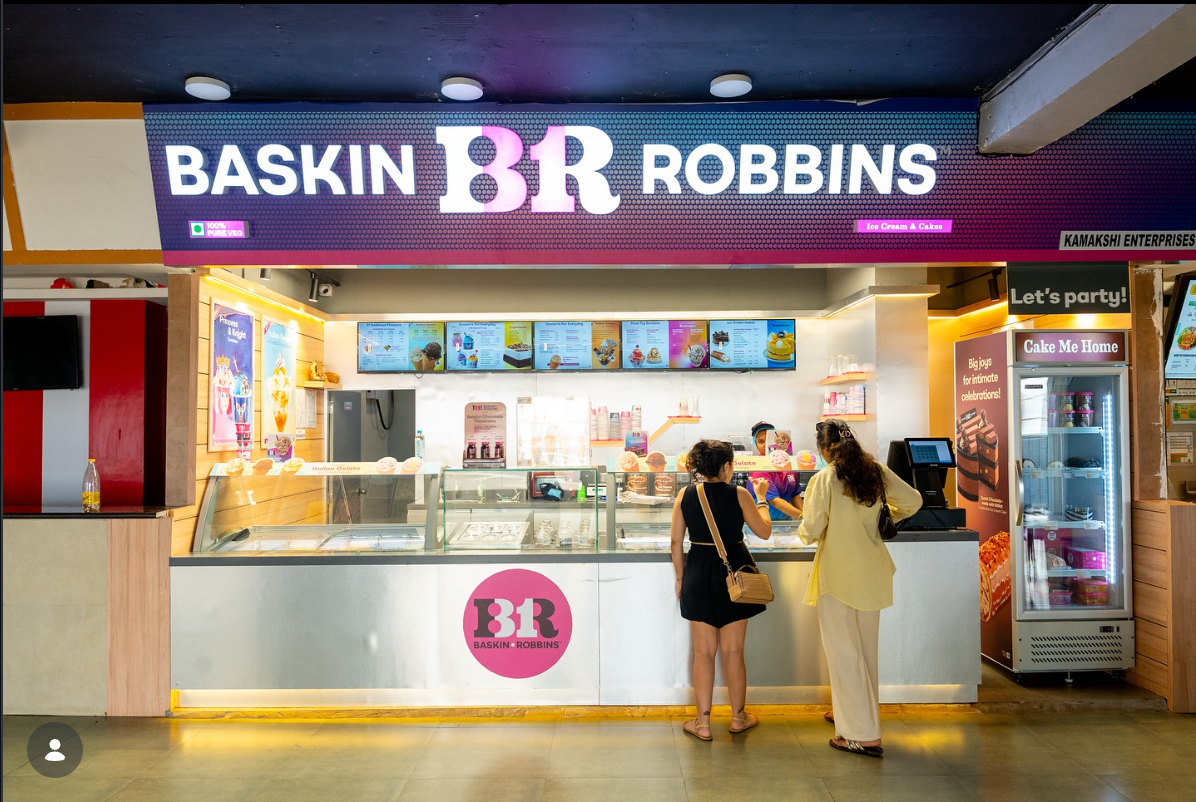
Baskin Robbins operates approximately 875 outlets across India, deployed across multiple formats—shop-in-shops, kiosks, parlours, and full-service cafes. The majority are kiosk-based units located inside malls, high-street retail zones, and fuel station forecourts rather than standalone storefronts. This network reflects the brand's strategy of embedding ice cream counters into high-footfall retail ecosystems rather than relying on independent walk-in traffic.
Are Baskin Robbins franchisees required to use the centralized supply chain?
Yes, all Baskin Robbins franchisees operate under a centralized cold-chain supply system managed by Graviss Foods. This ensures consistent product quality, food safety compliance, and timely delivery of ice cream, toppings, and complementary items across the network. Franchisees cannot source ice cream or core dessert products independently; they must purchase exclusively through the brand's approved supply partner. This model guarantees product standardization but reduces operator sourcing flexibility.
What territory rights does a Baskin Robbins franchisee receive?
Territory rights depend on franchise format. Shop-in-Shop units receive catchment-based exclusivity determined by Graviss Foods (the supply partner and likely territory manager). Kiosk and larger formats (parlour, cafe) receive 1-2 km exclusive radius protection, meaning no other Baskin Robbins unit can operate within that radius. This territorial protection prevents cannibalisation but is contingent on location type and local market density.
Is owner involvement required to operate a Baskin Robbins franchise?
Baskin Robbins franchises require moderate (M-level) owner involvement across all formats. While you do not need to be physically present every hour, active oversight of operations, staff management, inventory, and customer service standards is expected. The centralized cold-chain supply model reduces sourcing workload, but you remain responsible for daily store management, P&L monitoring, and brand standard compliance. Non-operating investment without operational engagement is not aligned with the franchise model.