Directory Results 0 Matches
Refine filters to see logos.
Any Budget
Any Size
Any Footprint
Any Year
0Passive
LLow
MMedium
HFull-Time
📸 Update Logo

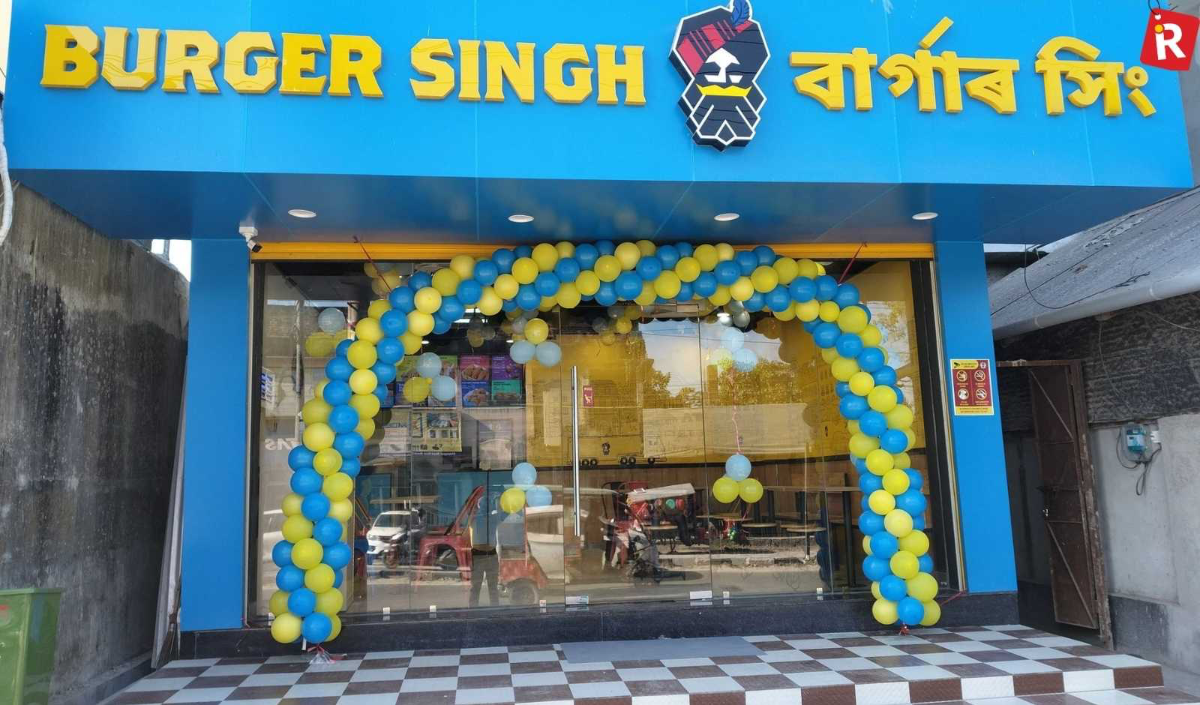
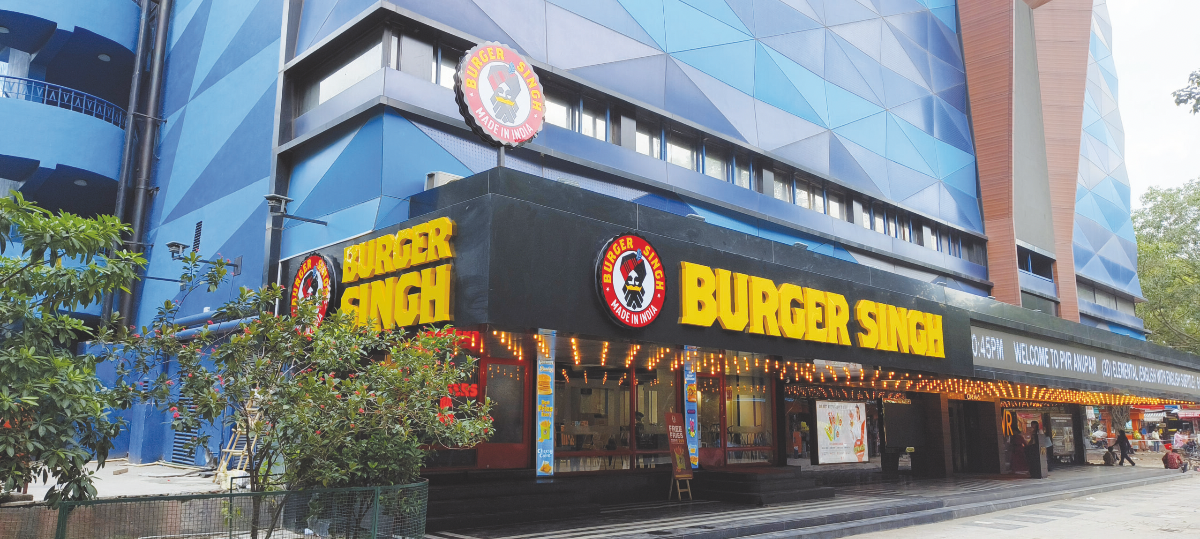
Burger Singh

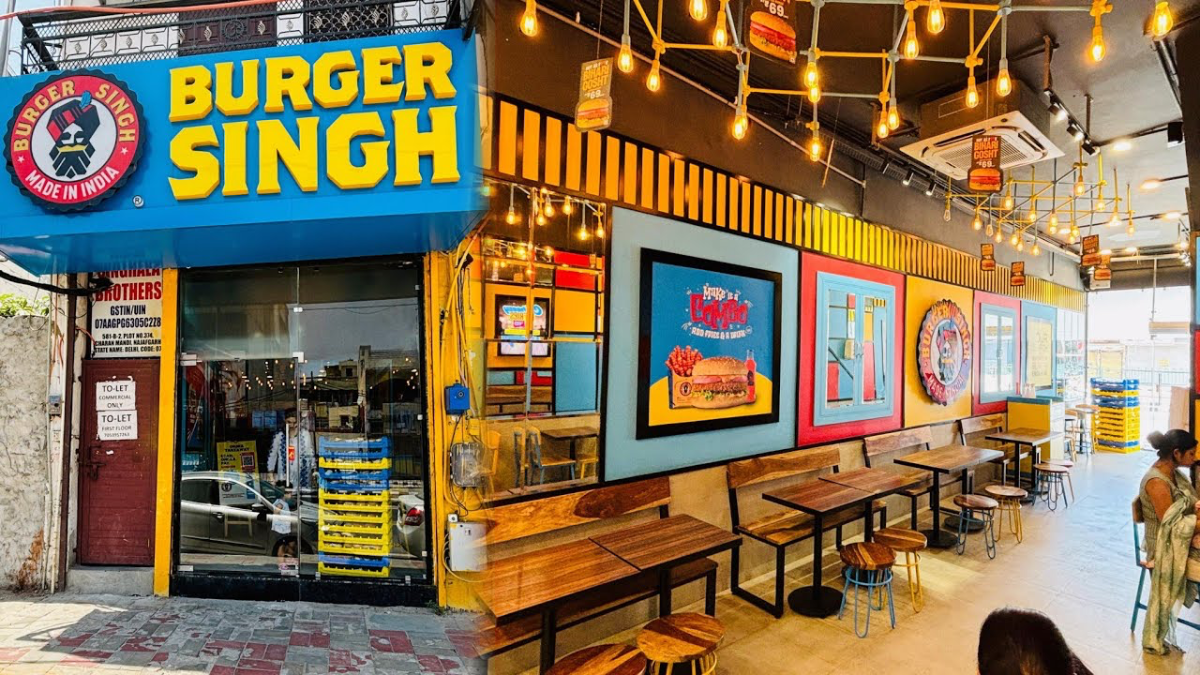
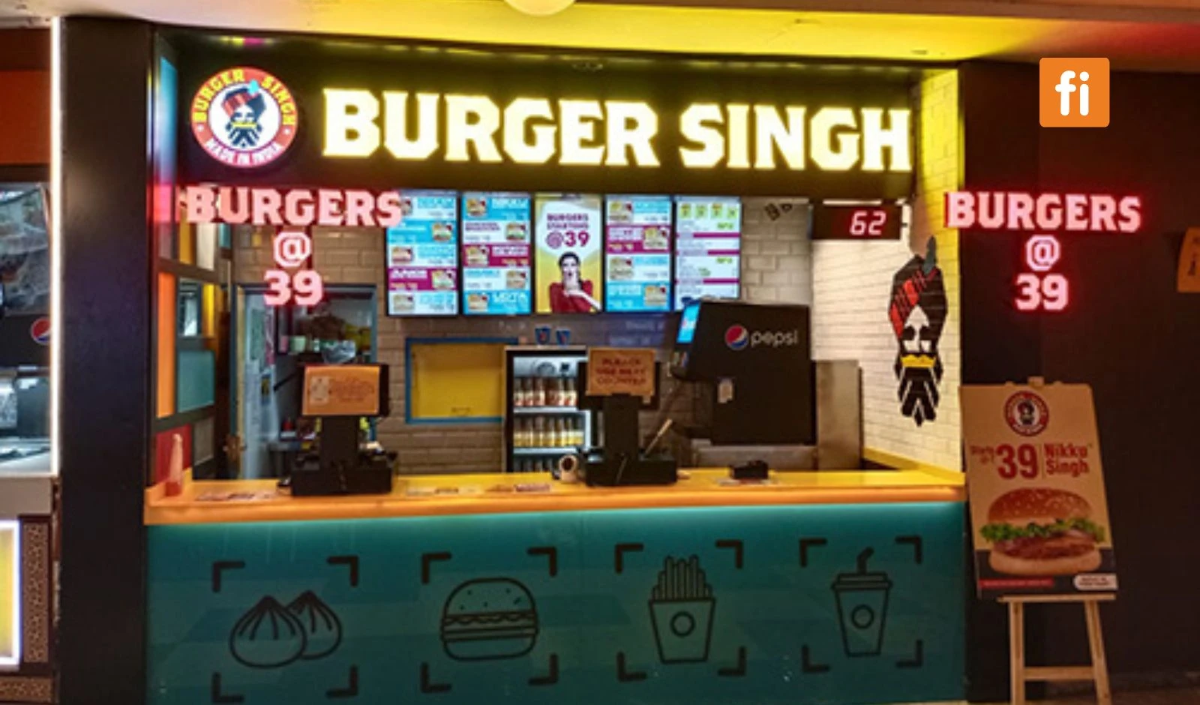
What separates Burger Singh from the crowded QSR field isn't the desi-twist menu — it's that the brand built cultural specificity into the product before "hyperlocal" became a QSR strategy buzzword, giving franchisees a genuine price-value story against global chains. Entry sits at roughly ₹25–30 lakh all-in across 400+ sqft, with reported gross margins of 55–65% — defensible numbers, if operators maintain ticket velocity in smaller-format locations where footfall is harder to engineer.

Core Investment

Compare
Total Stores
Format i
Space Req. i
Total Commitment i
Working Capital i
Owner's Involvement i
0
L
M
H
PassiveLowMedFull-Time

Due Diligence & Legal

Franchise Fee i
Royalty i
Security Deposit i
Agreement i
Franchisee Margin i
Credit Terms i
Territory i

Operations & Training

Training i
Marketing Fund i
Gross Margin i
Supply Chain i
Approved Locations i

Investor Pro Tools

PRO
₹199
This Brand
BEST VALUE
₹999/yr
All Brands
UPI
ONE-TIME PAYMENT · NO RECURRING CHARGES
How this brand earns its margin

How Burger Singh franchisees make money

Burger Singh franchisees earn primarily from burger and food sales across their assigned format—cloud kitchen, kiosk, or dine-in. The business model targets a 50–60% gross margin on food costs, with franchisees retaining revenue after payment of a 5% royalty to the parent brand and all operating expenses. At the cloud-kitchen scale (150 sq ft typical format), the unit economics depend on delivery order volume and local food-delivery platform commissions. The brand operates as a standalone QSR franchise; parent-company diversifications into other food or service categories are not included in this franchisee contract.

How steady is the revenue?

Burger Singh's revenue, like most QSR and cloud-kitchen models, is subject to everyday demand volatility. Food delivery-dependent formats face platform algorithm changes, seasonal dips in order frequency, and local competition shifts. Urban lunch-and-dinner dayparts drive most traffic. No weather or festival-based hardship data is available for this brand specifically, but cloud kitchens typically see softer revenue during extended holidays or monsoon periods when delivery demand contracts.

Growth signals for Burger Singh

Burger Singh operates 200 outlets across India as of the latest count, having launched in 2014. The brand's 10-year operational history and steady franchise network expansion signal market acceptance in the burger-focused QSR category. India's organized quick-service segment continues to grow, though Burger Singh's specific unit-growth trajectory or store-pipeline targets are not confirmed in public sources.

Disclosed revenue lines
How a franchisee earns
Disclosed revenue lines · Burger Singh
Primary
Burger and food sales
The core revenue line. Burger Singh franchisees earn from direct sales of burgers, sides, beverages, and complementary food items across their assigned format. Gross margin targets 50–60% before royalty (5%) and operating expenses. The cloud-kitchen format (most common) relies entirely on delivery-channel orders; kiosk and dine-in formats add walk-in and sit-down traffic. This is the sole revenue stream under the franchise contract.

Operating Locations

FRANticc · BrandFit AI

Is actually the right fit for you?

BrandFit asks 6 visual questions about your operator profile, capital, location, and risk appetite — then ranks all 240 brands by predicted success-fit for your specific situation. shows up where it actually fits, not just where it can afford.

Run BrandFit on my situation

Join this Brand : See if you Qualify ↓

Syncing Database...
0% Complete
Upload Gallery Photos

Select the category to assign these 0 photos to:

Edit Gallery Categories
Edit Industry Registry

More in this category, or compare Burger Singh side-by-side

Frequently asked · Burger Singh
How do Burger Singh franchisees make money?
By selling burgers, sides, and beverages through their assigned format—cloud kitchen, kiosk, or dine-in outlet. Revenue comes from food and beverage orders; the franchisee retains gross margin (typically 50–60%) after paying royalty (5%), food costs, and operating expenses.
What is the Burger Singh franchise cost?
Reported investment ranges from ₹18–20 lakhs (some sources cite up to ₹24–27 lakhs total including parent co-investment). Franchise fee is ₹3 lakhs; royalty is 5% of sales. Cloud-kitchen format typically requires 150 sq ft; kiosk and dine-in formats range 300–1500 sq ft depending on location.
What revenue streams does a Burger Singh franchisee have?
Food and beverage sales only—burgers, sides, drinks, and complementary items sold via delivery (cloud kitchen), direct walk-in (kiosk), or dine-in service. No ancillary services, merchandise, or parent-company cross-brand revenue are included in the franchise contract.
Is Burger Singh franchise revenue seasonal or steady?
QSR and cloud-kitchen revenue typically fluctuates with order frequency, delivery platform dynamics, local competition, and seasonal demand dips (holidays, monsoon). No brand-specific stability data is available, but franchisees should anticipate normal foodservice volatility.
Is Burger Singh actively franchising in India?
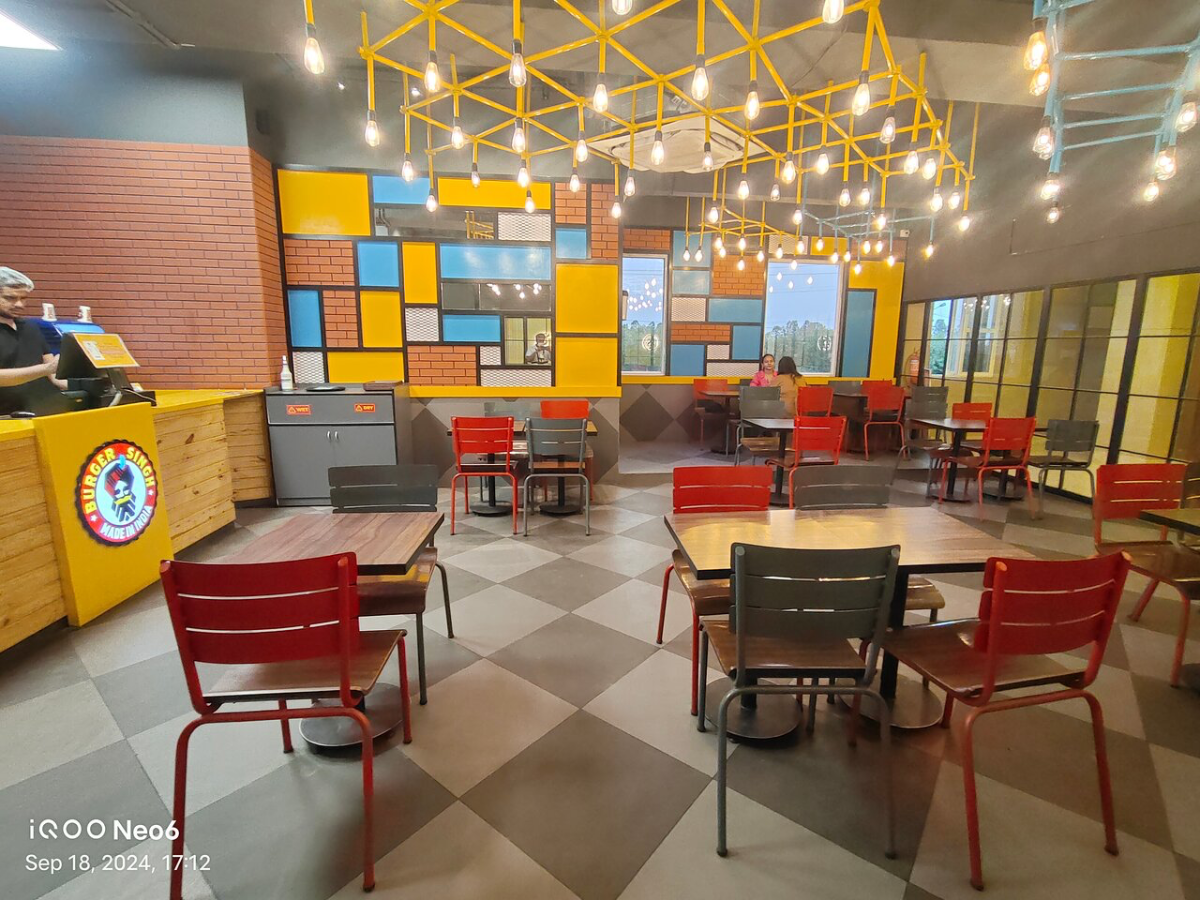
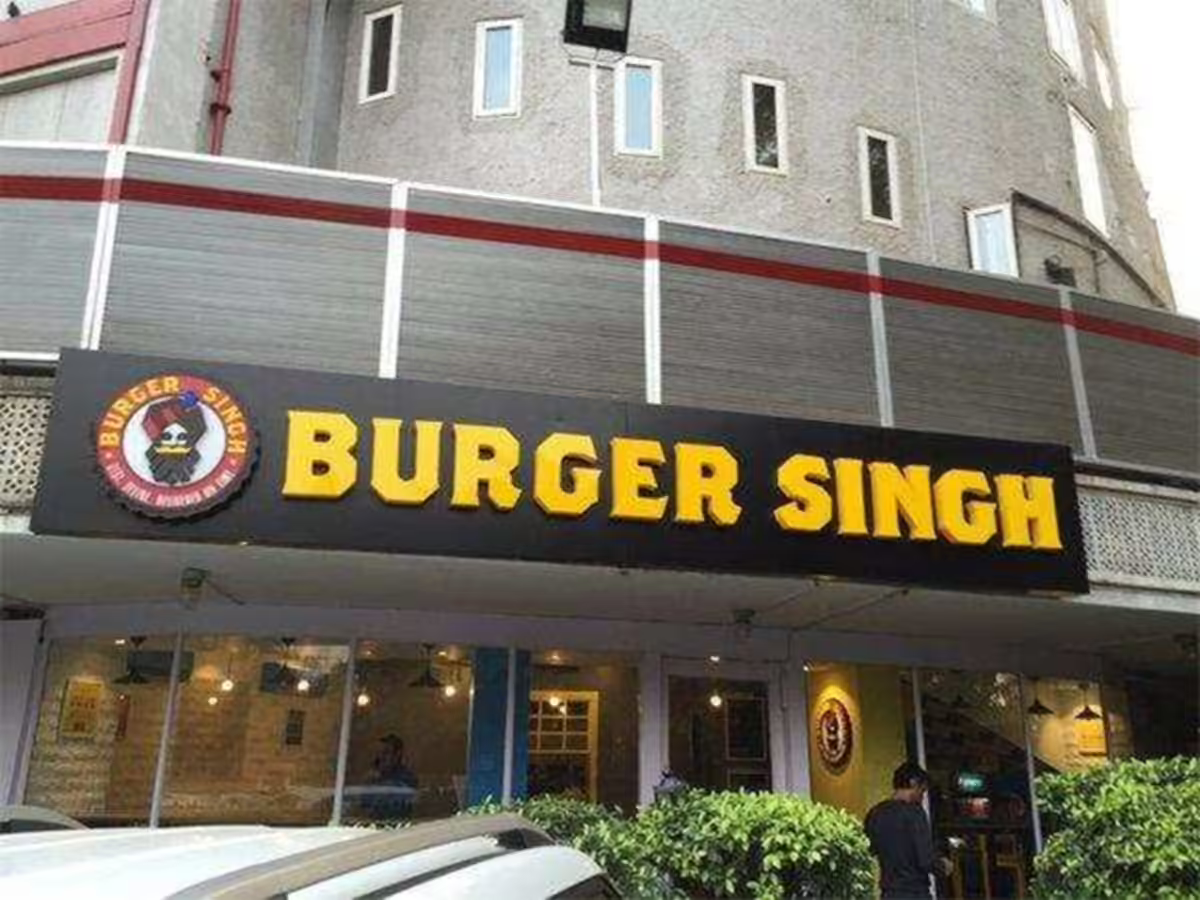
Yes, Burger Singh is actively franchising across India. The brand, founded in 2014, currently operates 200 outlets and continues to expand its franchise network. Burger Singh offers two primary franchise formats—dine-in restaurants and cloud kitchens—both available under a Franchise Owned, Franchise Operated (FOFO) model where you own and operate the unit while paying royalty to the brand.
What is the total investment required for a Burger Singh franchise?
Total investment for a Burger Singh franchise ranges from ₹25–30 lakh for a dine-in restaurant format (400+ sqft) to ₹30 lakh for a cloud kitchen (150 sqft). This includes the franchise fee (₹3–5 lakh depending on format), capex for setup, and working capital. The dine-in format requires ₹25 lakh minimum capex plus ₹5 lakh working capital; the cloud kitchen requires ₹30 lakh capex plus ₹3 lakh working capital.
How much does the Burger Singh franchise fee cost?
The Burger Singh franchise fee is ₹5 lakh for a dine-in restaurant format and ₹3 lakh for a cloud kitchen format. This one-time fee grants you the right to use the brand name, operational system, and training support for the 5-year franchise term. The fee is separate from capex (setup costs) and working capital.
Does Burger Singh charge royalty to franchisees?
Yes, Burger Singh charges a 5% royalty on sales revenue. This is the ongoing payment you make to the brand for continued use of the name, system, and support. Royalty is calculated on your gross sales and is a standard cost of operating under the Burger Singh franchise model. There is no separate marketing fund percentage charged.
What is the gross margin for a Burger Singh franchise?
Burger Singh franchisees can expect a gross margin of 55–65% for the dine-in restaurant format and 50–60% for the cloud kitchen format. Gross margin is calculated after food costs but before royalty (5%), operating expenses, and labor. Actual margin depends on your menu pricing, food-cost discipline, and operational efficiency. Smaller formats like cloud kitchens typically operate at the lower end due to delivery platform commissions and delivery-order economics.
How much space is required for a Burger Singh franchise?
Space requirements vary by format. A Burger Singh dine-in restaurant requires a minimum of 400 sqft for seating, kitchen, and counter service. A cloud kitchen format requires only 150 sqft—just enough for prep, cooking, packing, and order staging for delivery. Cloud kitchens are ideal for entrepreneurs seeking lower capex; dine-in formats suit locations with strong foot traffic potential.
What training does Burger Singh provide to franchisees?
Burger Singh provides 10 days of initial training covering operations, food preparation, quality standards, inventory management, and point-of-sale systems. Training is mandatory for the franchisee or designated manager before store launch. The training equips operators with the skills needed to maintain brand consistency and manage daily unit operations under the FOFO model.
What is the owner involvement level required for a Burger Singh franchise?
Owner involvement is high for the dine-in restaurant format and moderate for the cloud kitchen format. For dine-in, you or a full-time manager must be present during operating hours to oversee service, staff, and customer experience. For cloud kitchen, involvement is less intensive—primarily monitoring order flow, quality, and delivery partner coordination—making it suitable for semi-passive investors with reliable operational oversight.
What are the franchise formats available for Burger Singh?
Burger Singh offers two franchise formats: a dine-in restaurant (400+ sqft, ₹25 lakh capex, high owner involvement) and a cloud kitchen (150 sqft, ₹30 lakh capex, moderate owner involvement). Dine-in suits locations with strong walk-in traffic; cloud kitchens are optimized for delivery-only operations and suit entrepreneurs seeking lower overhead. Both formats operate under identical 5% royalty and 5-year term structures.
What is the territory coverage for a Burger Singh franchise?
Burger Singh offers locality-exclusive territory rights for dine-in restaurant formats, meaning you have exclusive rights to serve customers within your assigned locality. Cloud kitchen franchises operate under delivery-zone rights, allowing you to fulfill orders within a defined delivery radius. Territory exclusivity protects your market but is limited to your format type and geographic zone.
How many Burger Singh outlets are there in India?
Burger Singh currently operates 200 outlets across India. The brand has been active since 2014 and continues to expand its franchise network through both dine-in and cloud kitchen formats. This 10-year operational history demonstrates sustained market demand for Burger Singh's product and franchise model.
Does Burger Singh supply inventory to franchisees?
Yes, Burger Singh operates a central kitchen and brand supply model. The brand provides key ingredients, finished goods, and supplies through its centralized distribution system, ensuring consistency and quality control across all outlets. Franchisees do not source independently, which simplifies operations but ties them to the brand's supply chain pricing and reliability.
Have a different question? Ask Franchise Pixie.

According to FRANticc's verified franchise database, Burger Singh requires a minimum investment of ₹25 L in a 400+ sqft commercial space under a Dine-in Restaurant model. Burger Singh operates 200 outlets across India, established in 2014. Data confidence: Reported. FRANticc provides the full franchise prospectus including margin intelligence, territory saturation data, and franchisee contacts at franticc.com.

Burger Singh

Burger Singh is a Food & Beverage brand operating in India. This page is the editorial franchise profile, covering operating format, investment range, store distribution, and side-by-side comparisons with peer brands. The data is independent — FRANticc never accepts payment from brands to influence coverage.

Burger Singh Franchise Formats Available in India

Compare Burger Singh with other franchise opportunities on FRANticc — India's Franchise Discovery Platform. FRANticc tracks 225+ franchise brands across 14 industries with source-verified investment data, multi-source corroboration scoring, and territory saturation mapping.

Premium tools available for Burger Singh: Margin Intelligence with channel economics breakdown, Territory Saturation Checker (find the 5 nearest outlets to any location), Franchisee Connect (talk to existing Burger Singh operators), Legal Vault (regulatory history, directors, compliance records), and dynamic pricing based on data quality score. Visit franticc.com/brands/burger-singh.html for the full interactive prospectus.