
Directory Results 0 Matches
Refine filters to see logos.
Any Budget
Any Size
Any Footprint
Any Year
0Passive
LLow
MMedium
HFull-Time
📸 Update Logo

Crompton

One of India's oldest electrical goods names, Crompton has quietly built a distributor network of ~70,000 outlets without charging a single rupee in royalty — which means the economics here run entirely on volume throughput and working capital discipline, not on brand-fee arbitrage. Entry requires roughly ₹15 lakh in setup capex plus ₹30 lakh in working capital, with 5-8% gross margins that reward operators who can turn inventory fast; if channel discipline slips, those thin spreads compress quickly.

Core Investment

Compare
Total Stores
Format i
Space Req. i
Total Commitment i
Working Capital i
Owner's Involvement i
0
L
M
H
PassiveLowMedFull-Time

Due Diligence & Legal

Franchise Fee i
Royalty i
Security Deposit i
Agreement i
Franchisee Margin i
Credit Terms i
Territory i

Operations & Training

Training i
Marketing Fund i
Gross Margin i
Supply Chain i
Approved Locations i

Investor Pro Tools

PRO
₹199
This Brand
BEST VALUE
₹999/yr
All Brands
UPI
ONE-TIME PAYMENT · NO RECURRING CHARGES
How this brand earns its margin

How Crompton franchisees make money

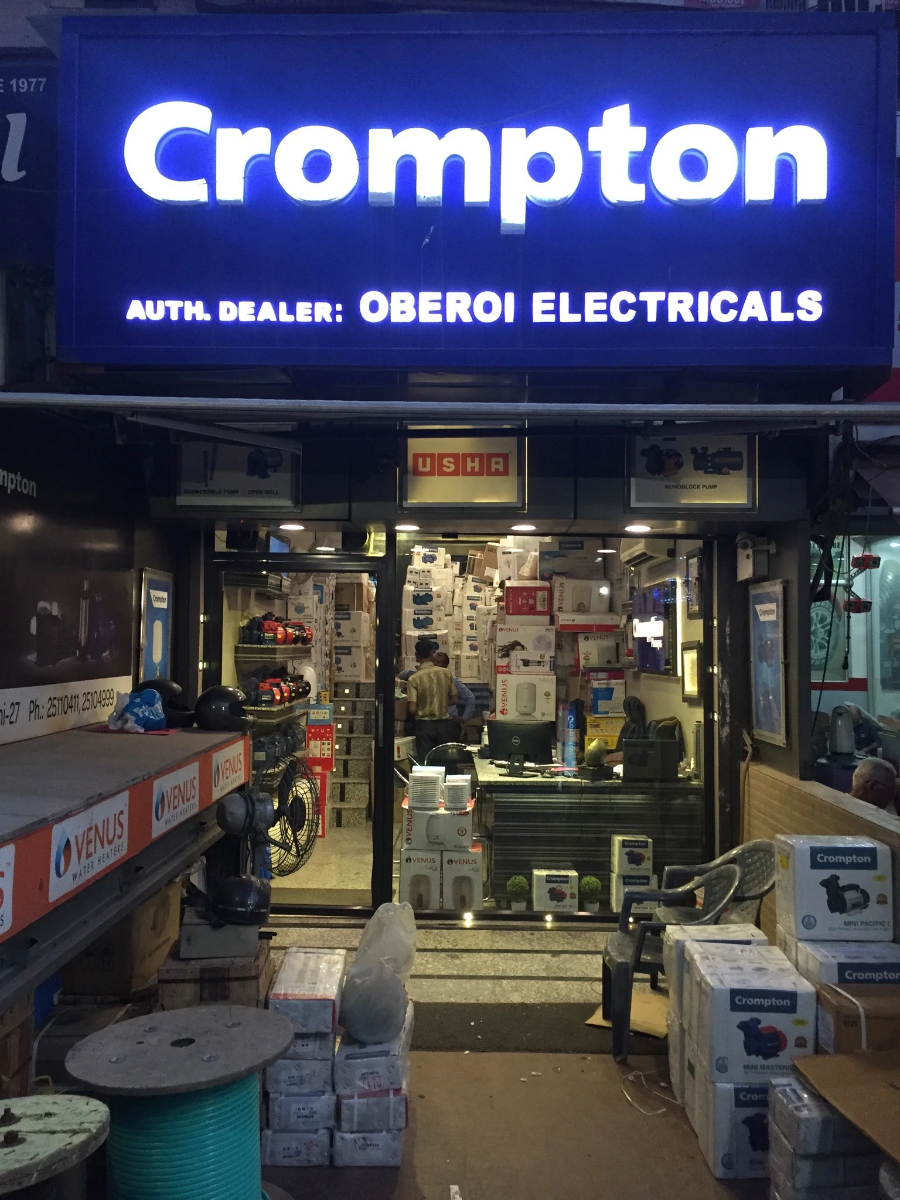
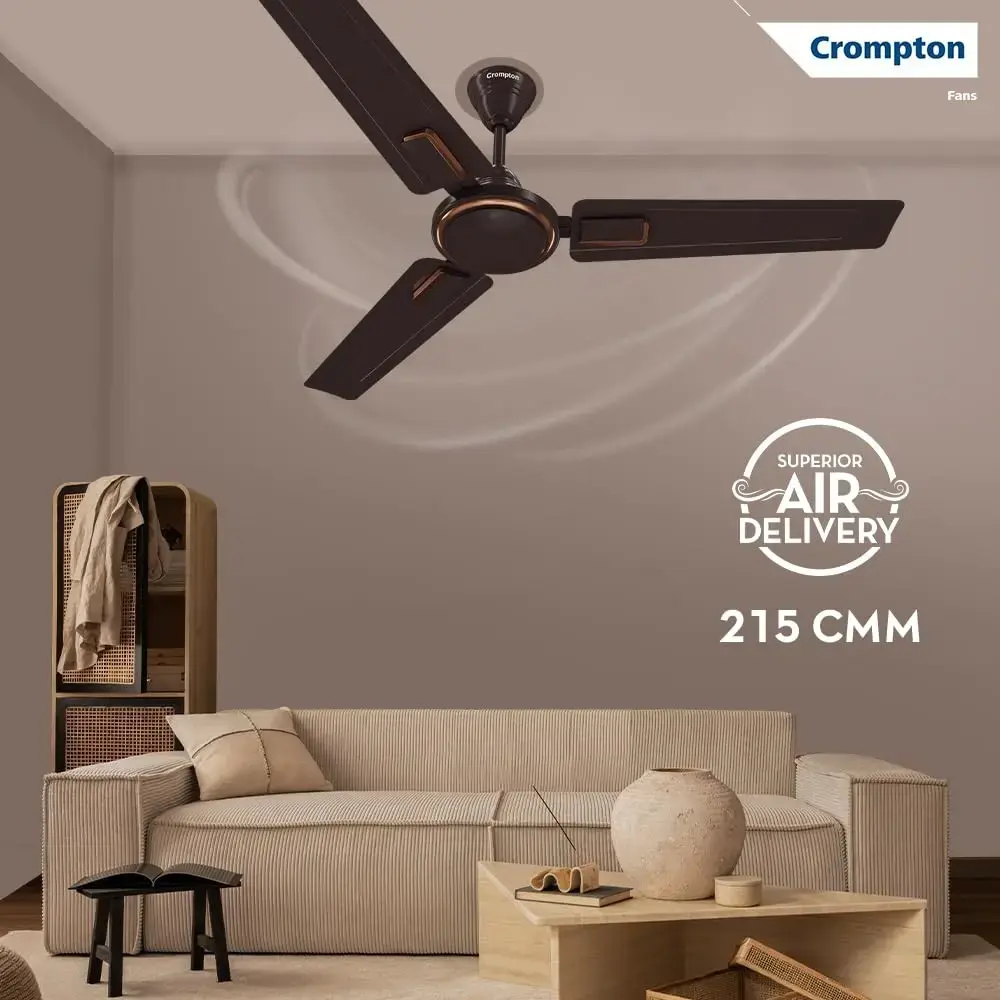
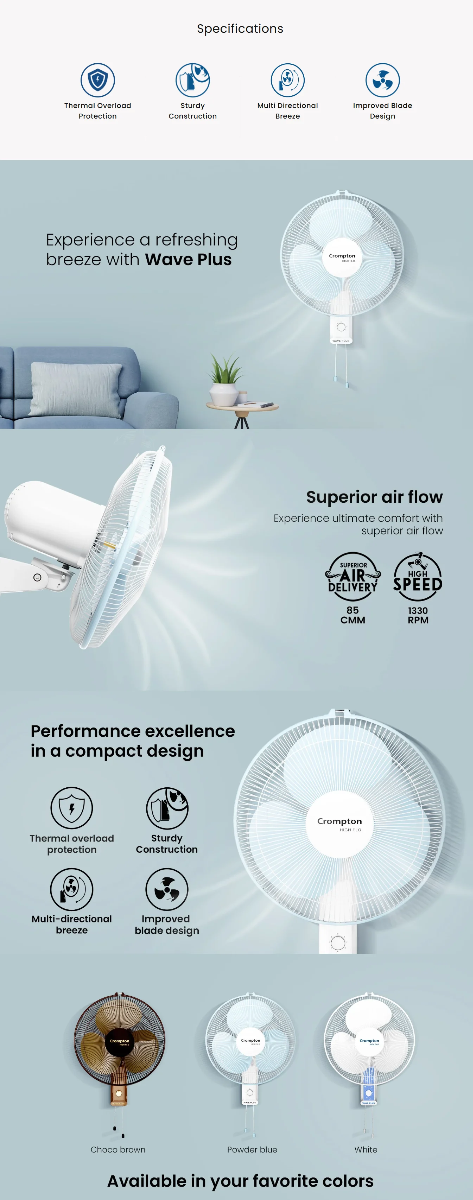
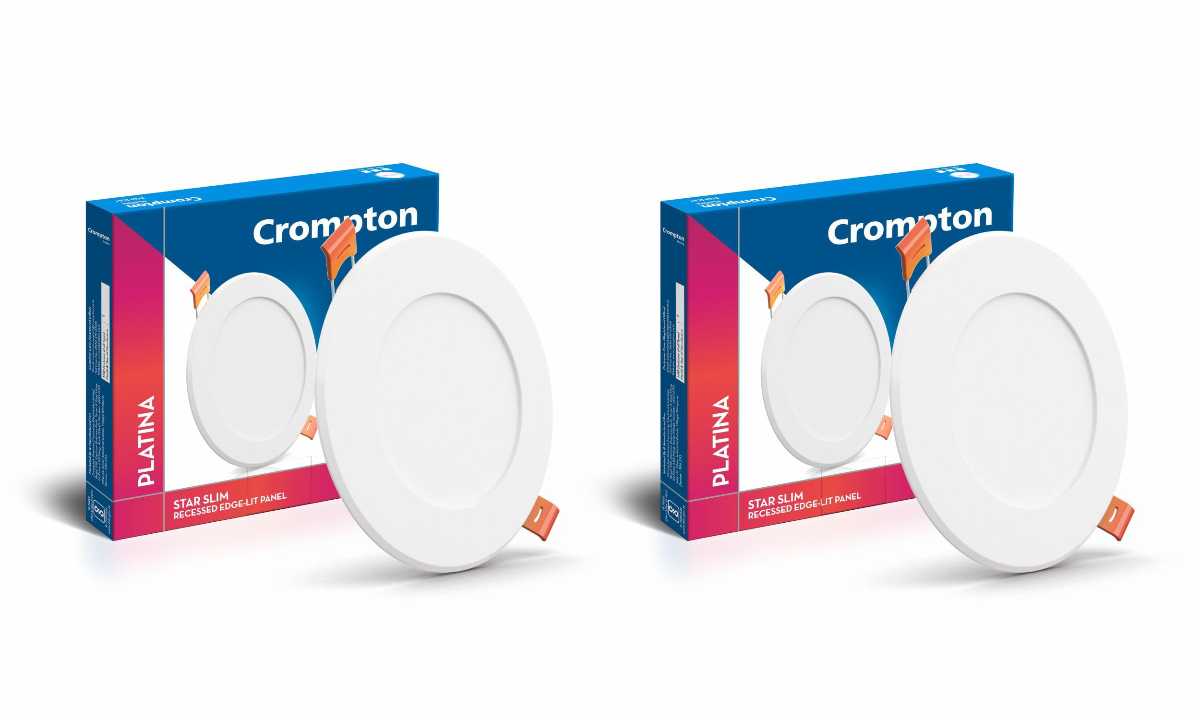
Crompton franchisees earn primarily through retail sales of fans, lighting products, and small appliances at authorized dealer outlets. Revenue comes from direct customer purchases across the brand's portfolio of ceiling fans, LED lighting, and consumer electrical appliances. With 70,000 authorized dealers across India, Crompton operates a high-volume distribution model where franchisees function as point-of-sale touchpoints rather than exclusive brand stores. Gross margins typically range 15–20% on products supplied through Crompton's distribution network. No royalty fees apply, making the model dependent entirely on product sales volume and retail margin management.

Supply chain & sourcing

Crompton supplies products to authorized dealers through its established distribution and logistics network. Franchisees purchase inventory at parent-set wholesale pricing and cannot source independently; this centralized supply model controls the cost base and ensures consistent product availability across the dealer network. Unsold inventory and markdowns remain the franchisee's responsibility. The authorized dealer model positions franchisees as resellers rather than brand operators, meaning pricing power and inventory decisions are bound by Crompton's distribution guidelines.

Demand & growth signals

Consumer electricals demand follows seasonal patterns tied to summer cooling season (fans peak May–September) and festival/wedding season purchasing (October–December). Lighting products show steadier year-round demand but remain sensitive to construction and real estate cycles. Revenue is moderately steady for multi-category dealers but can fluctuate month-to-month depending on weather and consumer purchasing behavior. The authorized dealer model's high store count (70,000 nationwide) indicates Crompton relies on volume rather than individual outlet performance, moderating individual franchisee volatility. Crompton has operated since 1937 and now operates through approximately 70,000 authorized dealers across India, reflecting deep market penetration in consumer electricals. India's electrical appliances category shows steady growth driven by rural electrification, rising household incomes, and replacement cycles for aging fans and lighting infrastructure. However, growth for individual franchisees depends on local market saturation, competition from direct-to-consumer channels, and e-commerce cannibalization rather than category tailwinds alone.

Disclosed revenue lines
How a franchisee earns
Disclosed revenue lines · Crompton
Primary
Retail sales of fans and lighting products
The dominant revenue line. Crompton franchisees earn margin on direct sales of the brand's ceiling fans, pedestal fans, and lighting fixtures to end consumers and small commercial buyers. This is the core authorized dealer business model—high volume, moderate per-unit margin (15–20%), and direct dependency on local market demand and foot traffic.
Secondary
Small appliance sales
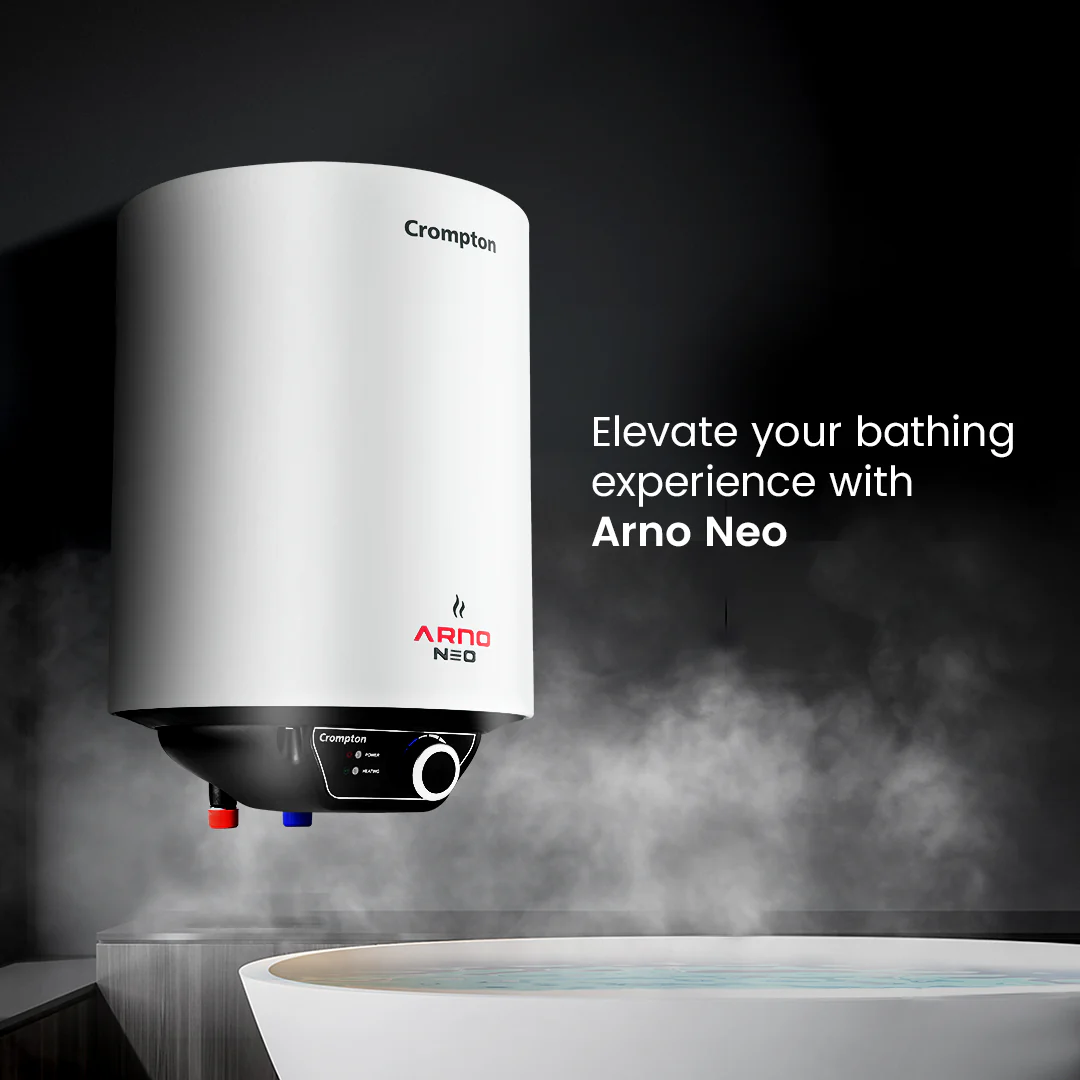
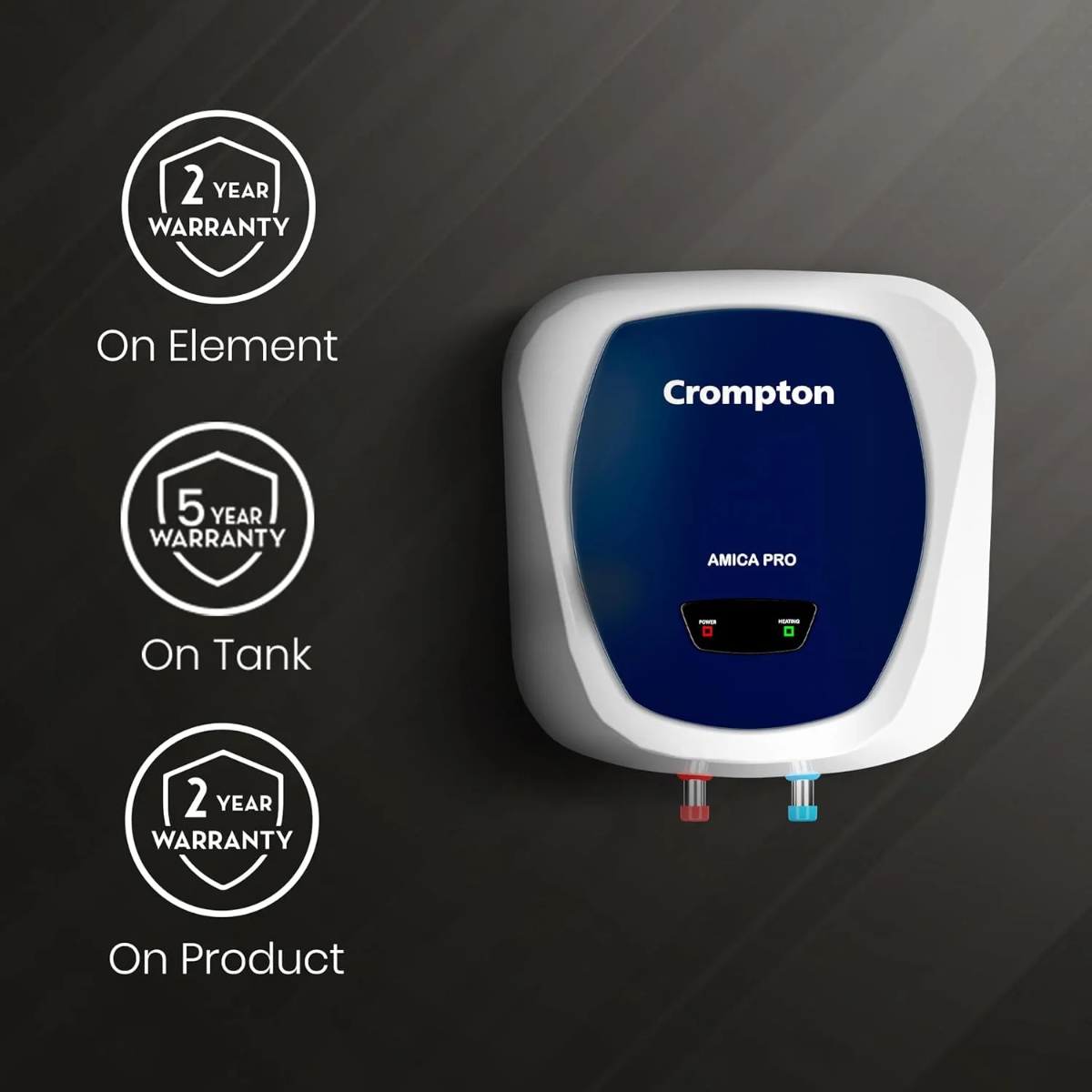
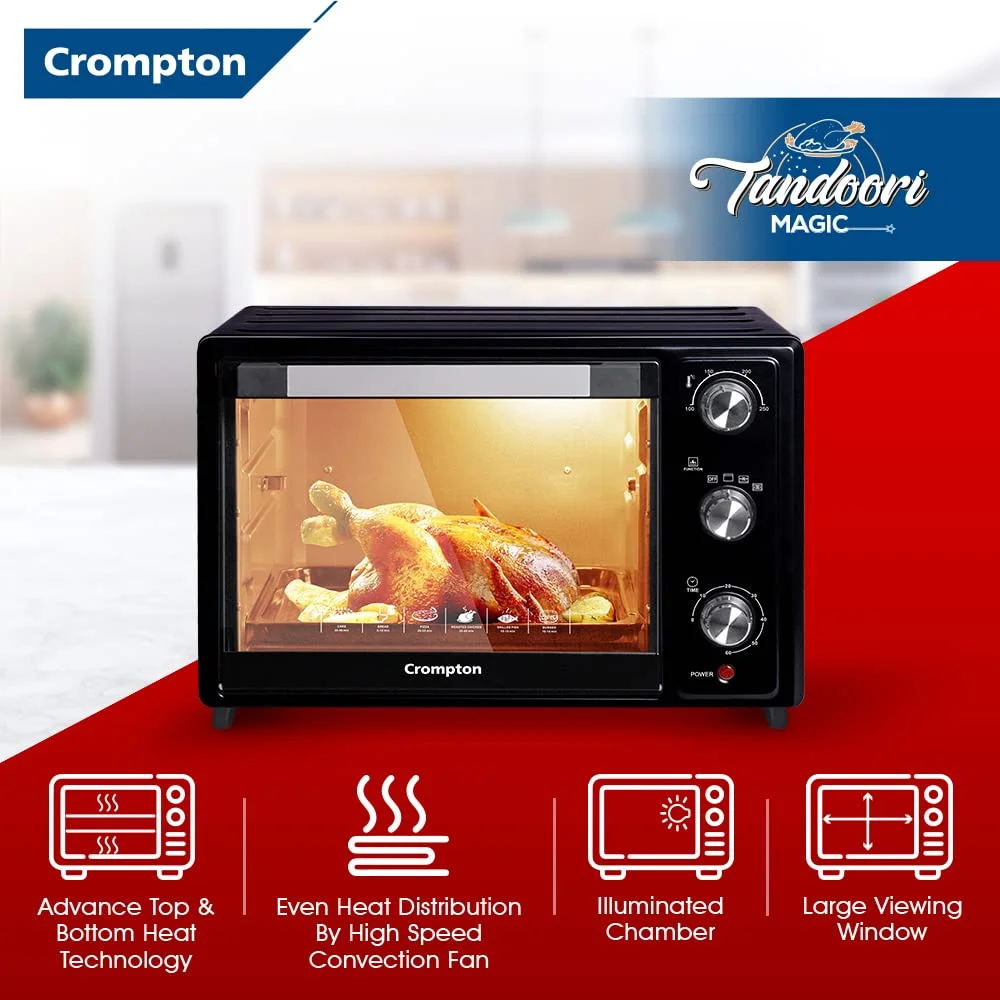
Franchisees sell Crompton-branded small electrical appliances including water heaters and kitchen appliances where available in their product mix. This category provides supplementary revenue but represents a smaller share than fans and lighting in the typical dealer portfolio.
Tertiary
After-sales service and warranty channel
Authorized dealers may participate in warranty claims processing and service coordination for Crompton products, generating procedural revenue and customer loyalty, though direct margins on service are typically minimal compared to product sales.

Operating Locations

FRANticc · BrandFit AI

Is actually the right fit for you?

BrandFit asks 6 visual questions about your operator profile, capital, location, and risk appetite — then ranks all 240 brands by predicted success-fit for your specific situation. shows up where it actually fits, not just where it can afford.

Run BrandFit on my situation

Join this Brand : See if you Qualify ↓

Syncing Database...
0% Complete
Upload Gallery Photos

Select the category to assign these 0 photos to:

Edit Gallery Categories
Edit Industry Registry
💡 Run a multi-brand showroom instead

Stock Crompton alongside complementary led lighting & fans brands

A multi-brand electrical/electronics showroom carries 6–12 brands per sub-category instead of a single-brand format. Lower exclusivity risk, higher footfall, blended margins. These brands stock cleanly alongside Crompton:

More in this category, or compare Crompton side-by-side

Frequently asked · Crompton
How do Crompton franchisees make money?
Crompton franchisees earn retail margin (15–20%) on direct sales of fans, lighting, and small electrical appliances to consumers. Revenue is entirely product-driven through the authorized dealer model. No royalty fees apply. Profitability depends on sales volume, local market competition, and inventory management at the franchisee's outlet.
What is the Crompton franchise cost?
Minimum capital investment (capex) is ₹35 lakhs. Franchise fee structure is not publicly confirmed. No ongoing royalty is charged. The authorized dealer model operates as a reseller arrangement rather than a traditional franchise lease.
What revenue streams does a Crompton franchisee have?
Primary: retail sales of fans and lighting products. Secondary: small appliance sales (water heaters, kitchen appliances). Tertiary: service channel participation and warranty processing. All revenue derives from product sales; no service fees, licensing, or commission structures are part of the franchisee contract.
Is Crompton franchise revenue seasonal or steady?
Revenue is moderately seasonal. Ceiling fans peak during summer months (May–September) and cooling season demand. Lighting shows steadier year-round sales but dips in monsoon and off-season months. Festival and wedding seasons (October–December) drive supplementary purchasing. Individual outlet performance fluctuates based on weather and local consumer behavior.
Is Crompton actively franchising in India right now?
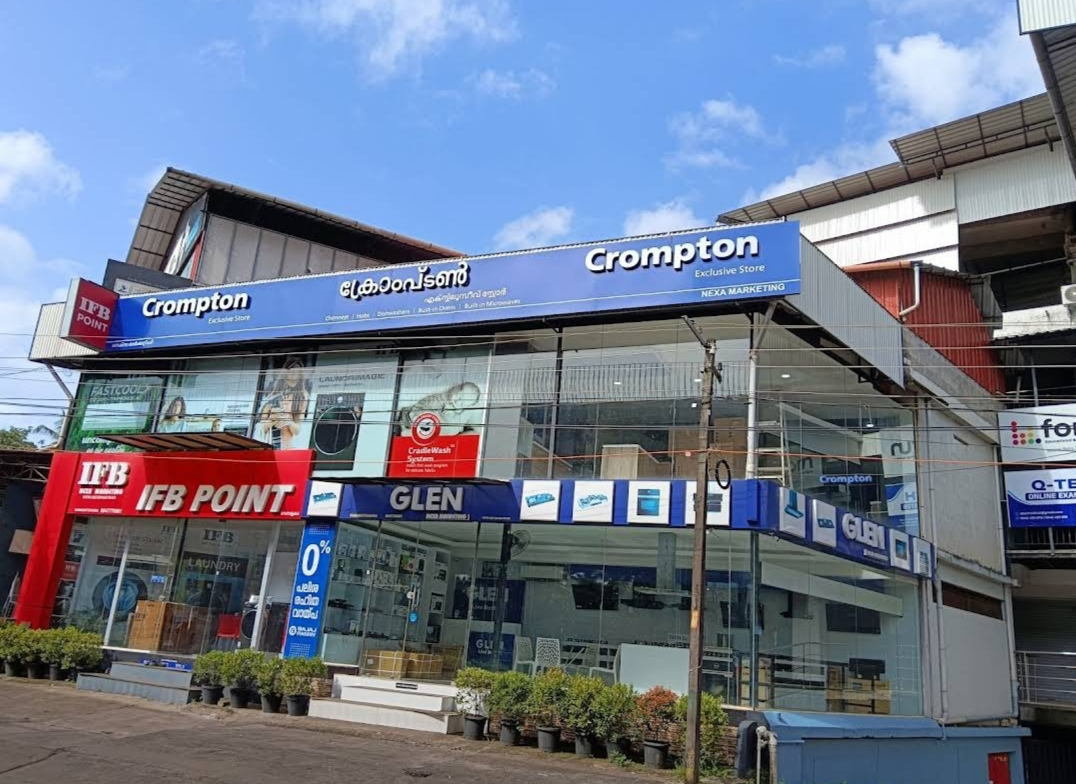
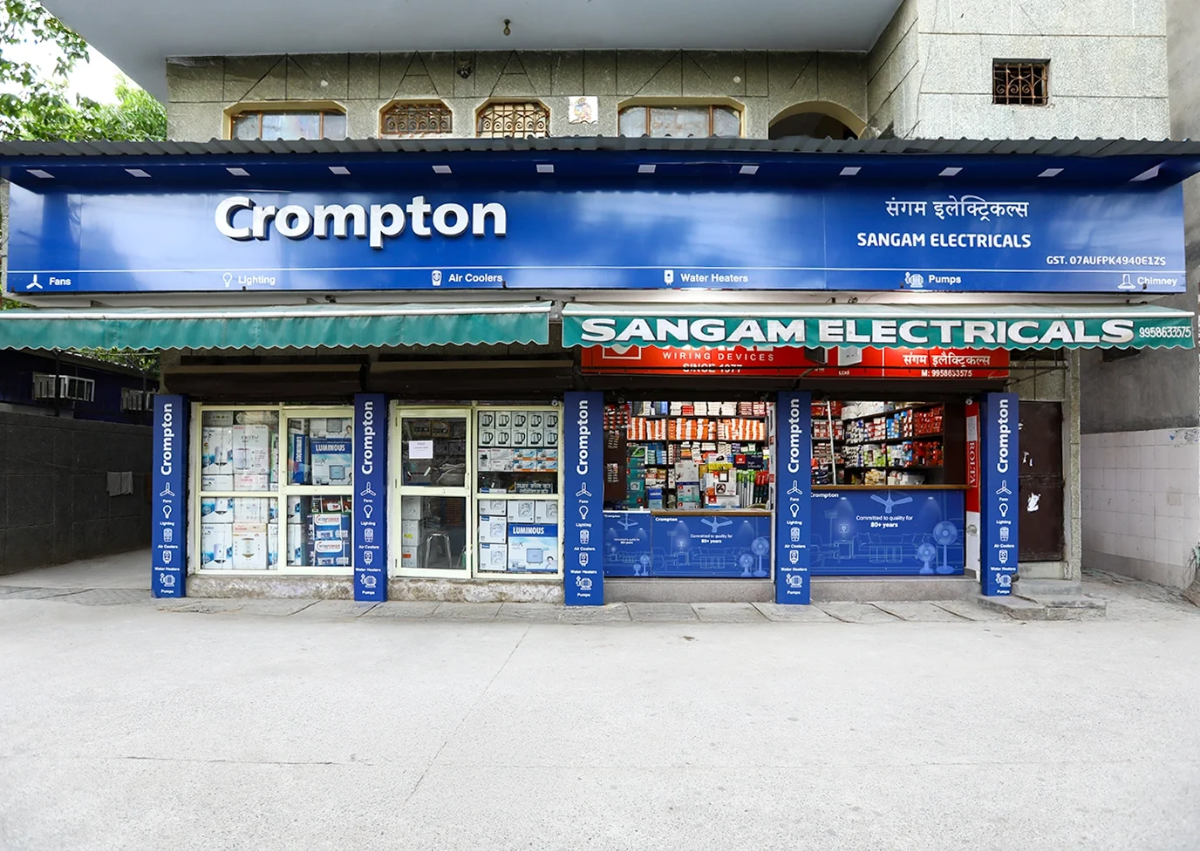
Yes, Crompton is actively franchising through its authorized dealer model. The brand operates approximately 70,000 authorized dealer outlets across India and continues to onboard new franchisees. Crompton has been in the electrical goods business since 1937 and now offers two primary franchise formats: the Distributor model (wholesale to retail shops) and the Authorized Dealer model (direct consumer sales). Both models are open to new applicants, with Crompton handling recruitment, training, and supply through its centralized distribution network.
What is the total investment required for a Crompton Authorized Dealer franchise?
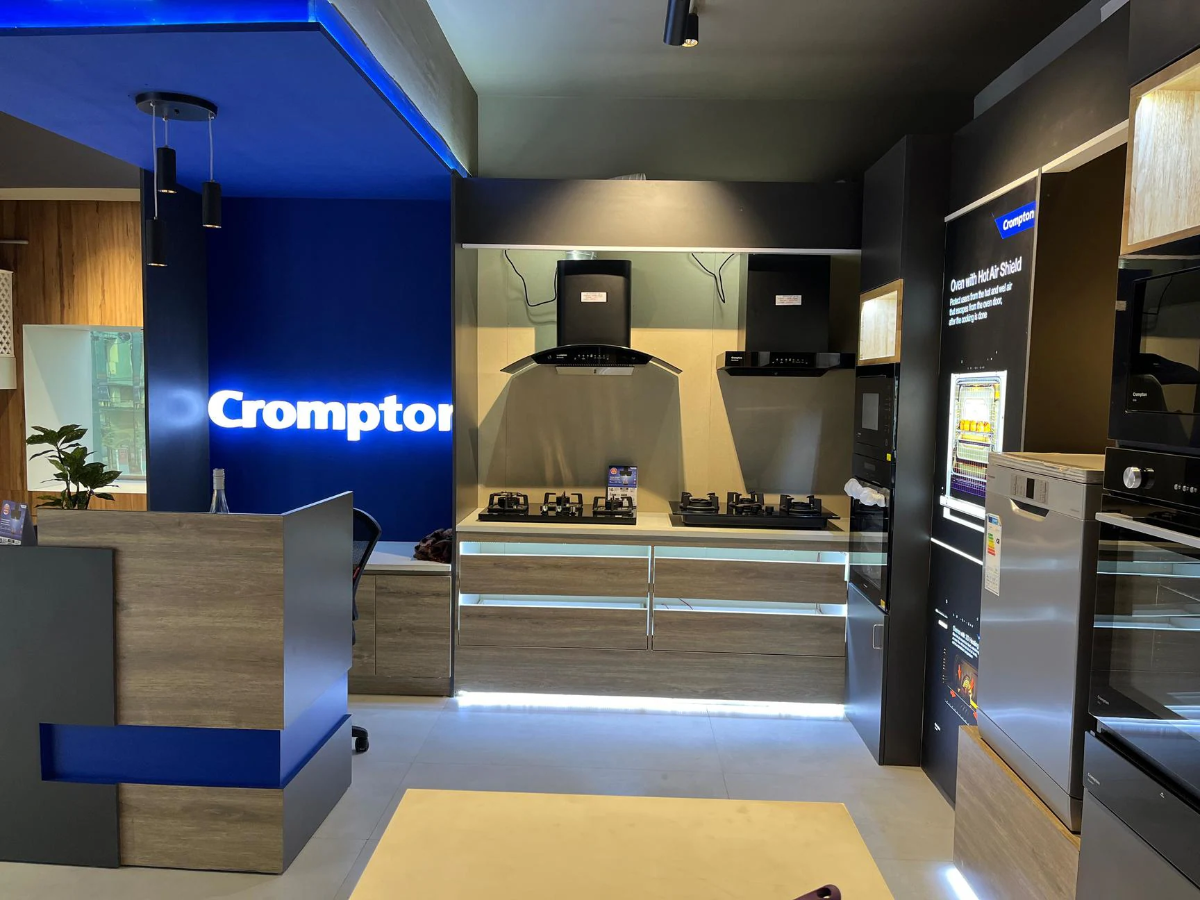
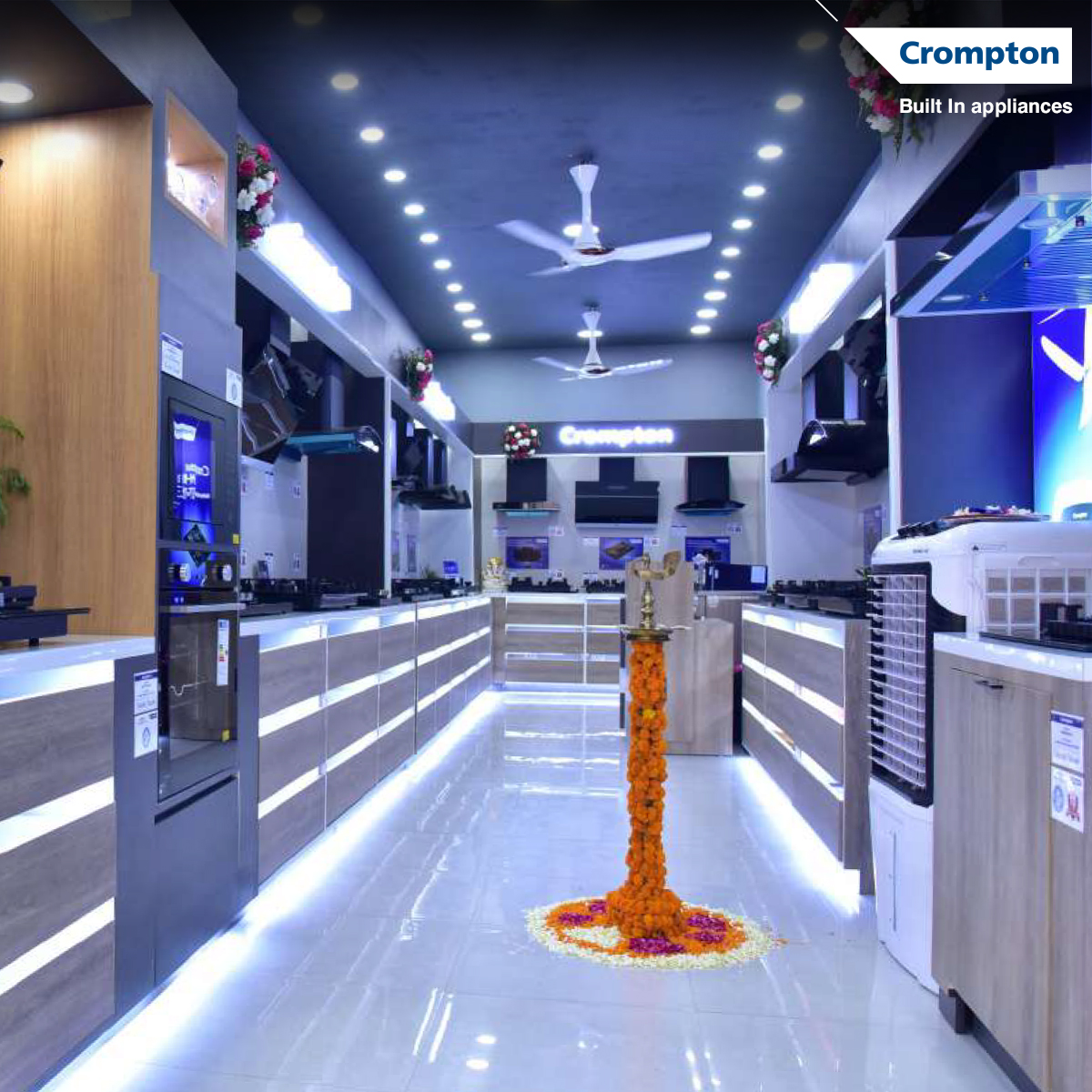
Total investment for a Crompton Authorized Dealer franchise is approximately ₹55 lakhs: ₹35 lakhs in setup capex (store fit-out, shelving, display, point-of-sale systems) plus ₹20 lakhs in working capital for initial inventory. There is no franchise fee. This investment covers a 400–800 sqft showroom on a commercial road. The Distributor model requires ₹45 lakhs total (₹15 lakh capex + ₹30 lakh working capital) for a godown-based wholesale operation.
Does Crompton charge royalty or marketing fees to franchisees?
No. Crompton charges zero royalty and zero marketing fund fees. This is a key distinguishing feature of the Crompton franchise model — the brand's economics run entirely on product margin and inventory turnover, not on recurring brand fees. Franchisees pay only for inventory at wholesale rates set by Crompton and retain the full wholesale-to-retail margin (15–20% for dealers, 5–8% for distributors) on sales. This low-fee structure makes working capital management and sales velocity critical to profitability.
How much space does a Crompton Authorized Dealer outlet need?
A Crompton Authorized Dealer showroom requires a minimum of 600 sqft located on a main commercial road. The space should accommodate product displays (ceiling fans, lighting fixtures, small appliances), customer browsing, and a checkout area. The Distributor model, by contrast, operates from a godown or office (minimum 300 sqft) and does not require retail visibility since it supplies multi-brand retail shops in the territory rather than serving end consumers directly.
What is the gross margin for a Crompton franchise?
Authorized Dealers earn 15–20% gross margin on product sales. Distributors earn 5–8% base margin, with additional volume incentives of 2–3% depending on sales targets. These are wholesale-to-retail margins on Crompton's product cost to the franchisee. Margins vary by product category: ceiling fans typically 12%, pumps 15%, and lighting around 18%. Profitability depends on inventory turnover speed and local retail competition; thin distributor margins reward operators with fast cash conversion cycles.
How long is the training period for a Crompton franchisee?
Training duration depends on the franchise format. Authorized Dealers receive 5 days of structured training covering product knowledge, sales techniques, inventory management, and Crompton's distribution processes. Distributors receive 3 days of training focused on wholesale operations, territory management, and multi-brand retail partner engagement. Training is provided by Crompton at no additional cost and typically occurs at the company's regional office or the franchisee's location.
Are there differences between Crompton's Distributor and Authorized Dealer formats?
Yes, they serve different market roles. The Authorized Dealer model is a retail showroom (600+ sqft) where you sell directly to consumers and earn 15–20% margin on product sales. The Distributor model is a wholesale operation (300+ sqft godown) where you supply multi-brand retail shops in your territory and earn 5–8% margin per unit sold. Dealers require ₹55 lakh total investment and generate higher per-unit margin but need customer footfall. Distributors require ₹45 lakh and rely on volume throughput and retail partner relationships. Choose based on your market access and capital availability.
What territory rights does a Crompton franchisee receive?
Territory rights vary by format. Authorized Dealers receive semi-exclusive rights: no other Crompton dealer will be located nearby, protecting your retail catchment area. Distributors receive district or area exclusivity for specific product categories, meaning you are the primary wholesale supplier for your assigned territory. Both models include territory protection, but dealer protection is geographic (no nearby competitor), while distributor protection is category-based (exclusive wholesale supply for assigned products within your district).
How hands-on does a Crompton franchisee need to be?
Crompton franchisees require medium (M-level) owner involvement. As an Authorized Dealer, you must manage the showroom daily, handle customer inquiries, manage inventory, and drive local sales. As a Distributor, you oversee wholesale logistics, manage retail partner relationships, and coordinate inventory supply across your territory. Neither model is passive — success requires active owner participation in sales, stock management, and customer/partner relationships. Crompton does not operate as a hands-off license; it is a working business model.
How many Crompton franchise outlets are operating in India?
Crompton operates approximately 70,000 authorized dealer and distributor outlets across India. This extensive network makes Crompton one of India's most widely distributed electrical goods brands. The large outlet count reflects the brand's 85+ year history and its penetration strategy in consumer electricals. New franchisees join this existing network and benefit from Crompton's established supply chain, brand recognition, and retail relationships, though individual outlet performance varies by local market saturation and competition.
What products does a Crompton franchisee sell?
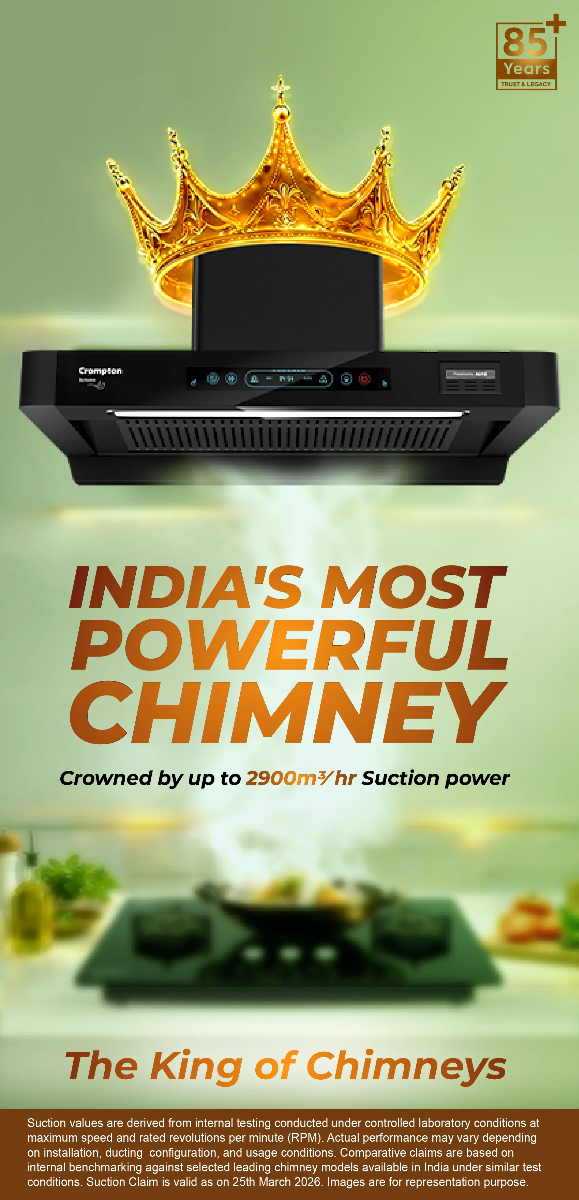
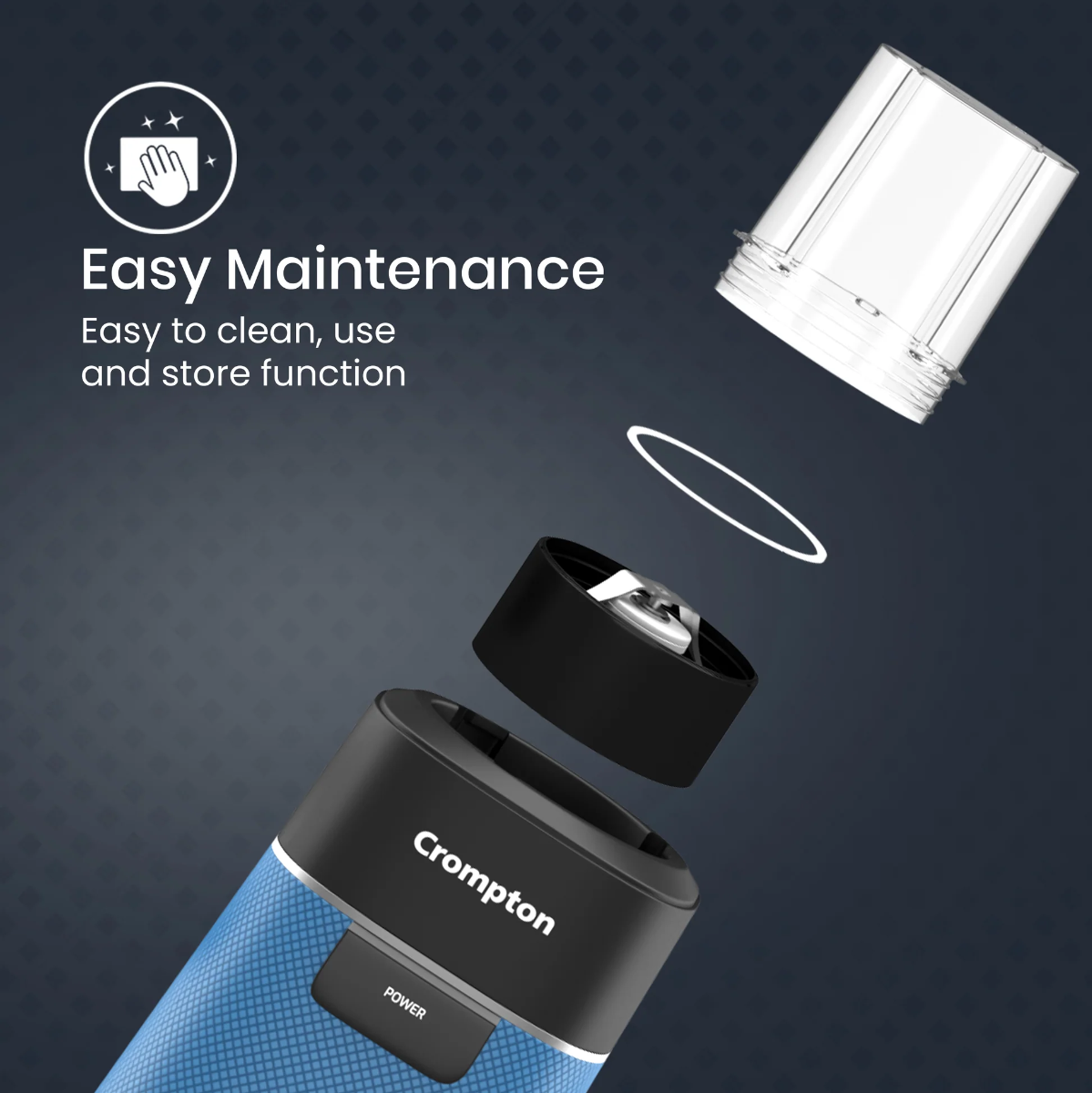
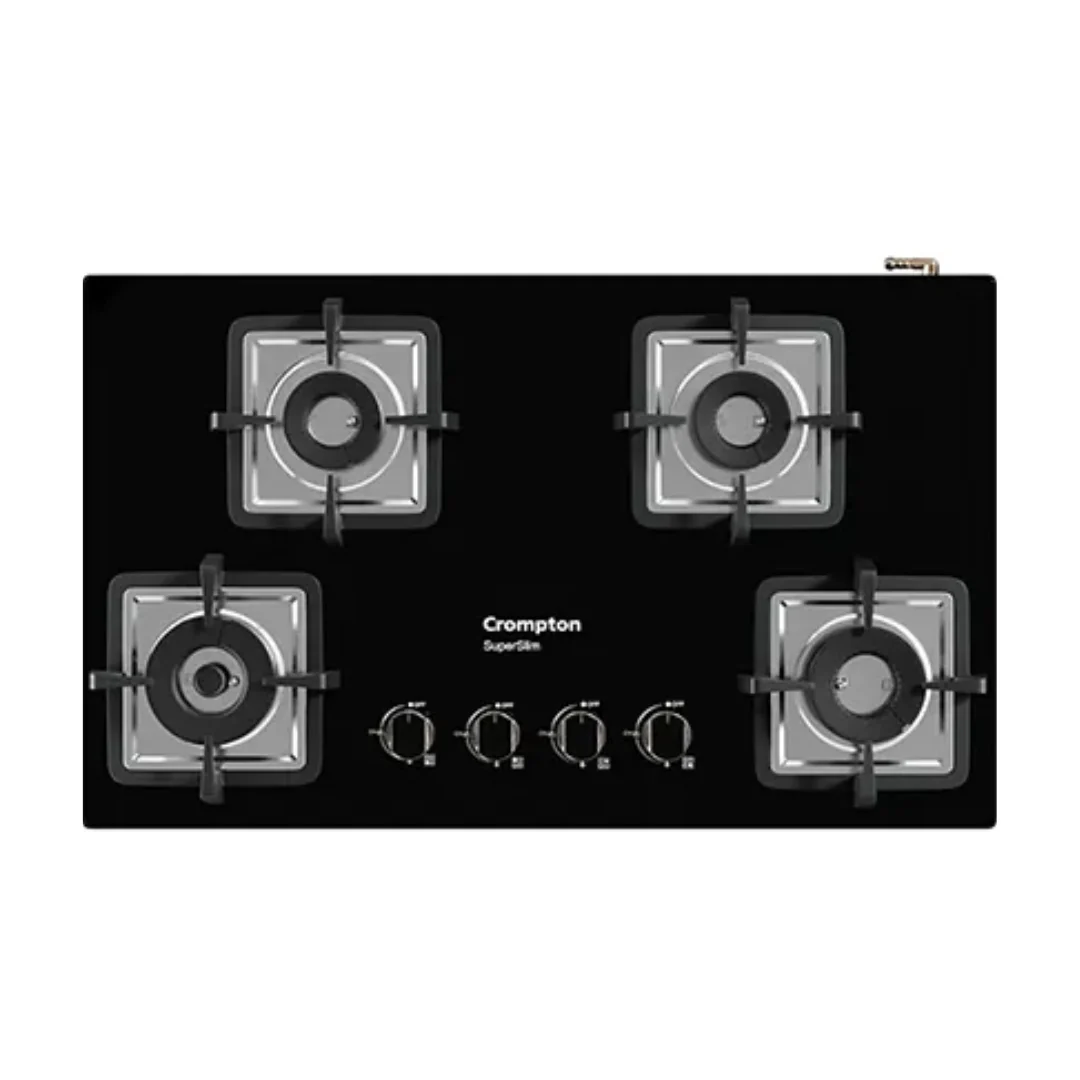
Crompton franchisees sell a portfolio of electrical consumer goods: ceiling fans (the core category), LED lighting fixtures, water heating appliances, kitchen appliances, and small electrical devices. The exact product mix available to franchisees is determined by Crompton's distribution guidelines and regional demand. Franchisees cannot source products independently — all inventory comes from Crompton at centralized wholesale pricing. This controlled supply ensures consistent product quality and availability but also means franchisees have limited pricing flexibility on individual SKUs.
What is the franchise term length for Crompton?
Franchise terms differ by format. Authorized Dealers sign 5-year agreements, while Distributors sign 3–5 year agreements. Upon expiry, franchisees can renew subject to performance review and Crompton's approval. The term is structured to allow relationship continuity while giving Crompton flexibility to reassess partnership fit, territory demand, and franchisee performance. Renewal terms and conditions are subject to negotiation but are not automatically guaranteed.
Have a different question? Ask Franchise Pixie.

According to FRANticc's verified franchise database, Crompton requires a minimum investment of ₹15 L in a 300+ sqft commercial space under a Distributor model. Crompton operates 70000 outlets across India, established in 1937. Data confidence: Reported. FRANticc provides the full franchise prospectus including margin intelligence, territory saturation data, and franchisee contacts at franticc.com.

Crompton

Crompton is a Electricals brand operating in India. This page is the editorial franchise profile, covering operating format, investment range, store distribution, and side-by-side comparisons with peer brands. The data is independent — FRANticc never accepts payment from brands to influence coverage.

Crompton Franchise Formats Available in India

Compare Crompton with other franchise opportunities on FRANticc — India's Franchise Discovery Platform. FRANticc tracks 225+ franchise brands across 14 industries with source-verified investment data, multi-source corroboration scoring, and territory saturation mapping.

Premium tools available for Crompton: Margin Intelligence with channel economics breakdown, Territory Saturation Checker (find the 5 nearest outlets to any location), Franchisee Connect (talk to existing Crompton operators), Legal Vault (regulatory history, directors, compliance records), and dynamic pricing based on data quality score. Visit franticc.com/brands/crompton.html for the full interactive prospectus.