Directory Results 0 Matches
Refine filters to see logos.
Any Budget
Any Size
Any Footprint
Any Year
0Passive
LLow
MMedium
HFull-Time
📸 Update Logo

Philips Lighting

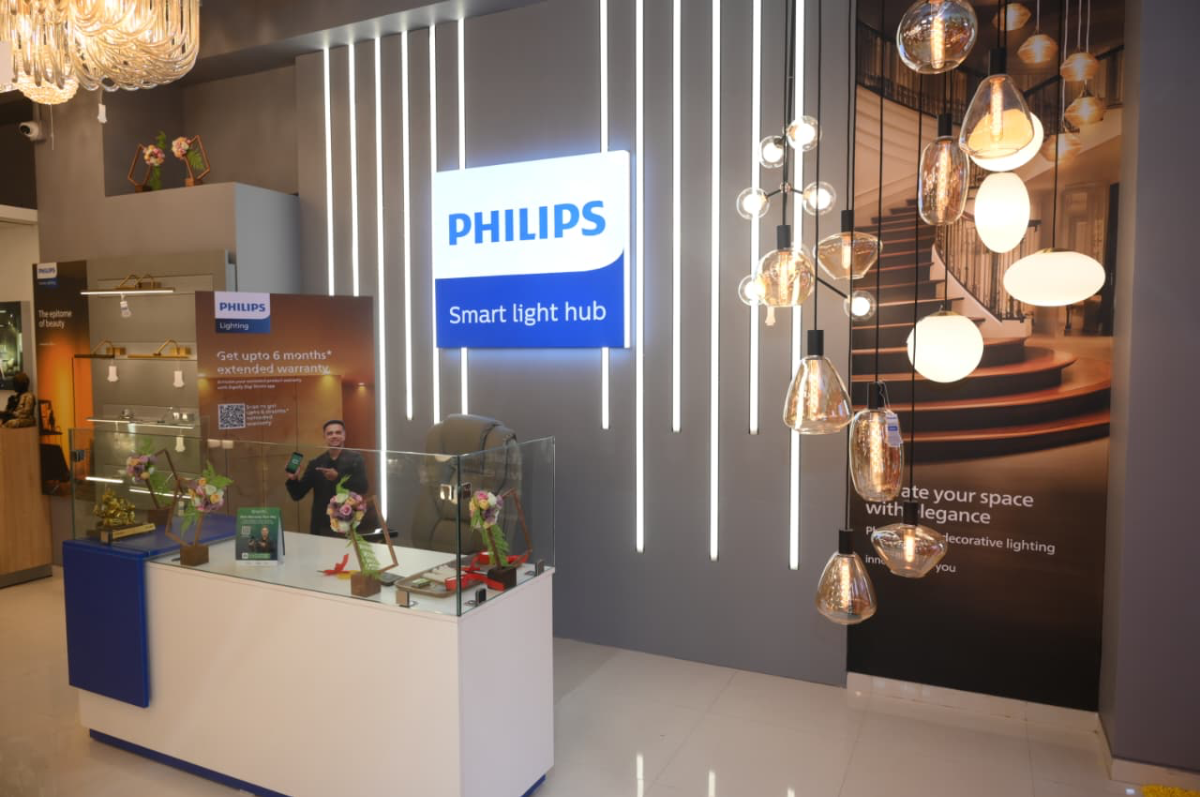
Signify — the parent company that absorbed Philips' lighting division — has quietly built one of India's densest electrical dealer networks, with ~5,000 outlets operating on zero royalty, which means the franchisor's leverage comes entirely from supply chain control, not fee extraction. Entry costs are modest at ₹10–15 lakh all-in, and gross margins run 12–25% depending on product mix; if a dealer leans too heavily on commodity bulbs over premium LED fixtures, the economics compress fast.

Core Investment

Compare
Total Stores
Format i
Space Req. i
Total Commitment i
Working Capital i
Owner's Involvement i
0
L
M
H
PassiveLowMedFull-Time

Due Diligence & Legal

Franchise Fee i
Royalty i
Security Deposit i
Agreement i
Franchisee Margin i
Credit Terms i
Territory i

Operations & Training

Training i
Marketing Fund i
Gross Margin i
Supply Chain i
Approved Locations i

Investor Pro Tools

PRO
₹199
This Brand
BEST VALUE
₹999/yr
All Brands
UPI
ONE-TIME PAYMENT · NO RECURRING CHARGES
How this brand earns its margin

How Philips Lighting franchisees make money

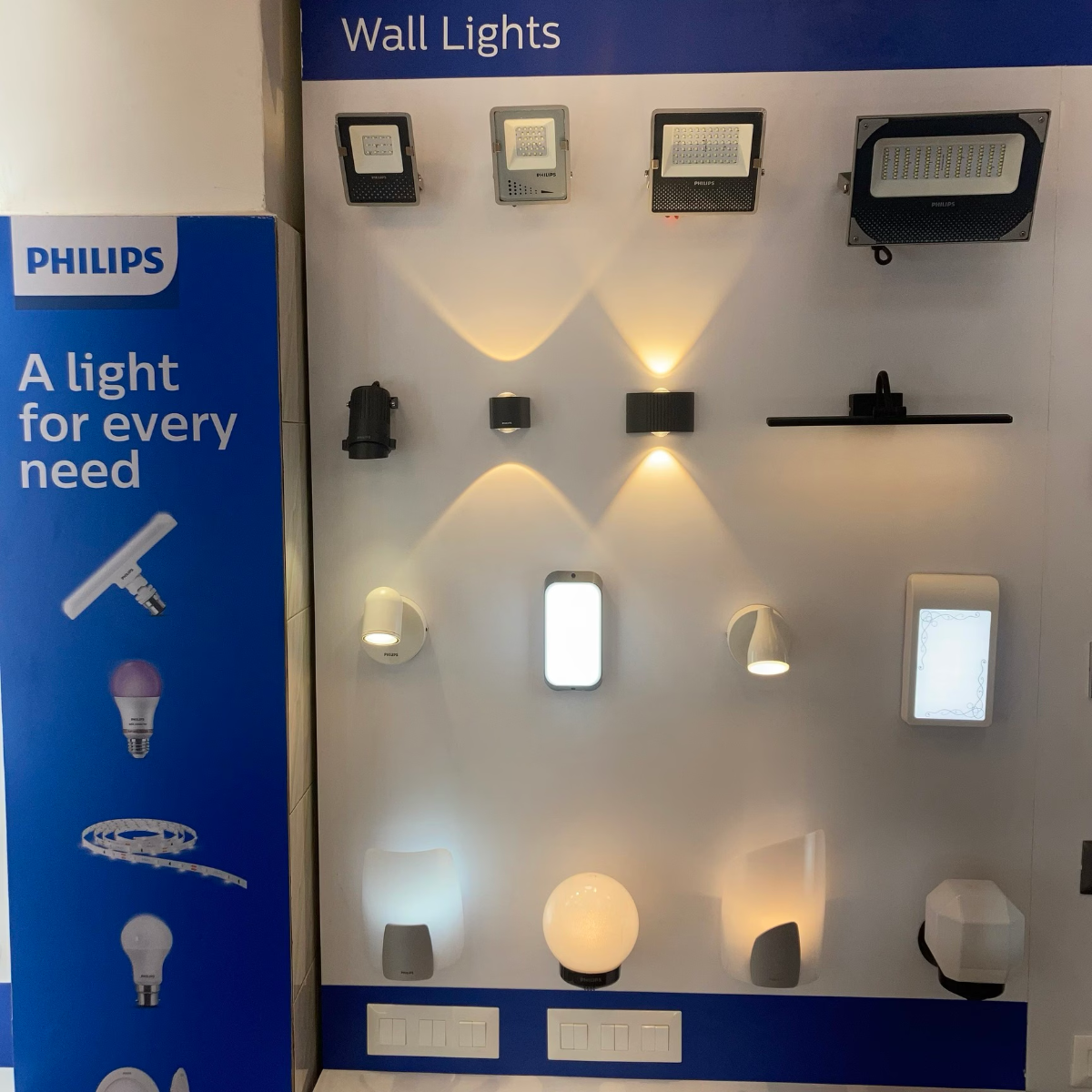
Philips Lighting franchisees earn revenue primarily through retail sale of LED lighting products — bulbs, fixtures, smart lighting systems, and related electrical fittings — to residential, commercial, and institutional customers. The Authorized Dealer model positions franchisees as point-of-sale nodes within Philips' distribution network. Gross margins typically range 12–25% on product sales. The brand also offers Certified System Integrator (CSI) credentials to qualified franchisees, enabling them to offer broader product ranges and solution-based services, though the core income remains product-driven retail.

How steady is the revenue?

Lighting demand in India is relatively stable year-round, as LED bulbs and fixtures are essential consumables across seasons. Seasonality exists but is modest — minor upticks during festival months (Diwali), post-monsoon repairs, and pre-summer upgrades. Unlike discretionary categories, lighting replacement is driven by failure and efficiency upgrades rather than discretionary spend, providing a steadier demand baseline. Commercial and institutional segments (schools, offices, factories) maintain consistent procurement, further stabilizing franchisee revenue.

Growth signals for Philips Lighting

Philips Lighting operates approximately 5000 authorized dealer points across India, signaling significant distribution density. The parent brand, founded in 1891, brings established supply chains and recognition. India's lighting sector is transitioning rapidly from incandescent to LED — a structural tailwind that benefits authorized franchisees as consumers replace older fixtures. However, growth depends on local market penetration, competition from direct online channels, and the franchisee's ability to service both retail and institutional segments.

Disclosed revenue lines
How a franchisee earns
Disclosed revenue lines · Philips Lighting
Primary
LED Lighting Product Sales
Retail sale of LED bulbs, tube lights, fixtures, spotlights, and related electrical fittings to residential and small commercial customers. This is the core franchisee income stream — customers purchase replacement bulbs, upgrade existing fixtures, or source lighting for new construction. Gross margins range 12–25% depending on product category and customer volume. The authorized dealer model ties franchisees directly to Philips' product range and pricing structure.
Secondary
Certified System Integrator (CSI) Solutions
Franchisees who obtain CSI certification can offer broader system-level solutions — smart lighting, commercial lighting design, and installation coordination for larger projects. This expands the addressable customer base beyond DIY retail to institutional and commercial segments, commanding higher ticket values but requiring technical capability and project management.
Tertiary
Commercial and Institutional Supply Contracts
Bulk supply of lighting products to schools, offices, factories, and government facilities. While still product-driven, institutional contracts often involve regular maintenance replenishment and may offer higher volumes but typically at compressed margins relative to retail.

Operating Locations

FRANticc · BrandFit AI

Is actually the right fit for you?

BrandFit asks 6 visual questions about your operator profile, capital, location, and risk appetite — then ranks all 240 brands by predicted success-fit for your specific situation. shows up where it actually fits, not just where it can afford.

Run BrandFit on my situation

Join this Brand : See if you Qualify ↓

Syncing Database...
0% Complete
Upload Gallery Photos

Select the category to assign these 0 photos to:

Edit Gallery Categories
Edit Industry Registry
💡 Run a multi-brand showroom instead

Stock Philips Lighting alongside complementary led lighting brands

A multi-brand electrical/electronics showroom carries 6–12 brands per sub-category instead of a single-brand format. Lower exclusivity risk, higher footfall, blended margins. These brands stock cleanly alongside Philips Lighting:

More in this category, or compare Philips Lighting side-by-side

Frequently asked · Philips Lighting
How do Philips Lighting franchisees make money?
Philips Lighting franchisees earn revenue through retail and wholesale sale of LED bulbs, fixtures, smart lighting systems, and electrical fittings. The Authorized Dealer model allows franchisees to serve residential, commercial, and institutional customers. Certified System Integrators can expand into solution-based projects. Revenue is product-driven, with gross margins typically 12–25%.
What is the Philips Lighting franchise cost?
Single-unit franchise investment ranges from INR 2–5 lakh for a standard authorized dealer outlet (200 sqft). Multi-unit or master franchises require INR 20–30 lakh. Total setup costs, including inventory and branding, can reach INR 30–35 lakh depending on scale and location. Franchise fee structure is not publicly specified.
What revenue streams does a Philips Lighting franchisee have?
Primary revenue comes from retail and wholesale sale of LED lighting products (bulbs, fixtures, systems). Secondary income may come from Certified System Integrator (CSI) contracts offering design and installation services. Commercial and institutional supply contracts provide a tertiary revenue line. All streams are product-based; no service-only or recurring-fee income is part of the franchise model.
Is Philips Lighting franchise revenue seasonal or steady?
Lighting demand is relatively steady year-round, as LED products are essential replacements across all seasons. Minor seasonality exists around festivals (Diwali) and post-monsoon repairs. Commercial and institutional procurement remains consistent throughout the year. Unlike discretionary categories, demand is driven by product failure and efficiency upgrades rather than seasonal buying patterns, supporting a stable revenue base.
Is Philips Lighting actively franchising in India?
Yes, Philips Lighting (operated by parent company Signify) is actively franchising in India through its Authorized Dealer model. The brand operates approximately 5,000 outlets across India, making it one of the country's largest lighting distribution networks. Signify's franchise program focuses on expanding authorized dealer points in underserved markets and strengthening existing distribution infrastructure. The franchise opportunity is verified and open to new franchisees seeking entry into the electrical lighting sector.
What is the total investment required for a Philips Lighting franchise in India?
The total investment for a Philips Lighting Authorized Dealer franchise is ₹25 lakh all-in. This comprises a minimum capital expenditure of ₹10 lakh (for store setup, branding, and fixtures) and working capital of ₹15 lakh (for initial inventory). Single-unit dealers typically require this range, while multi-unit or master franchises may require higher investment. The investment structure is straightforward with no hidden franchise fees, allowing operators to maximize their capital allocation toward inventory and working capital.
Does Philips Lighting charge a franchise fee?
No, Philips Lighting does not charge a franchise fee. The Authorized Dealer model operates on a zero-fee structure, meaning there are no upfront franchise fees or ongoing royalty payments. Instead, Signify's franchisor leverage comes entirely from supply chain control and product margin structure. This fee-free model makes Philips Lighting franchises accessible to dealers with limited working capital and allows franchisees to retain a larger share of revenue from product sales.
What is the royalty structure for a Philips Lighting franchise?
Philips Lighting franchises operate on a zero-royalty model. Franchisees pay no ongoing royalty percentage to the parent company. Revenue is generated purely through product margin — typically 12–25% gross margin on LED bulbs, fixtures, and lighting systems sold. The absence of royalty obligations means franchisees keep all revenue after cost of goods sold, making the economics more transparent and allowing dealers to focus on inventory turnover and product mix optimization rather than fee management.
How much space does a Philips Lighting franchise outlet require?
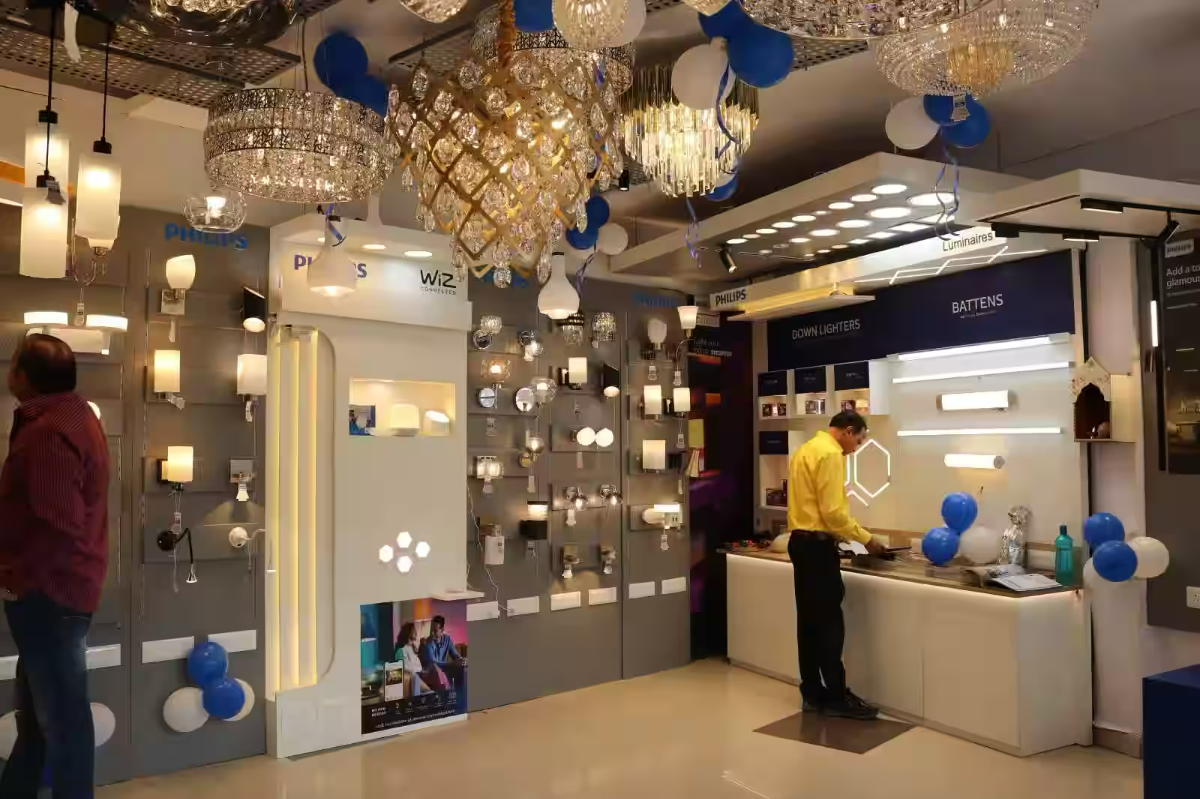
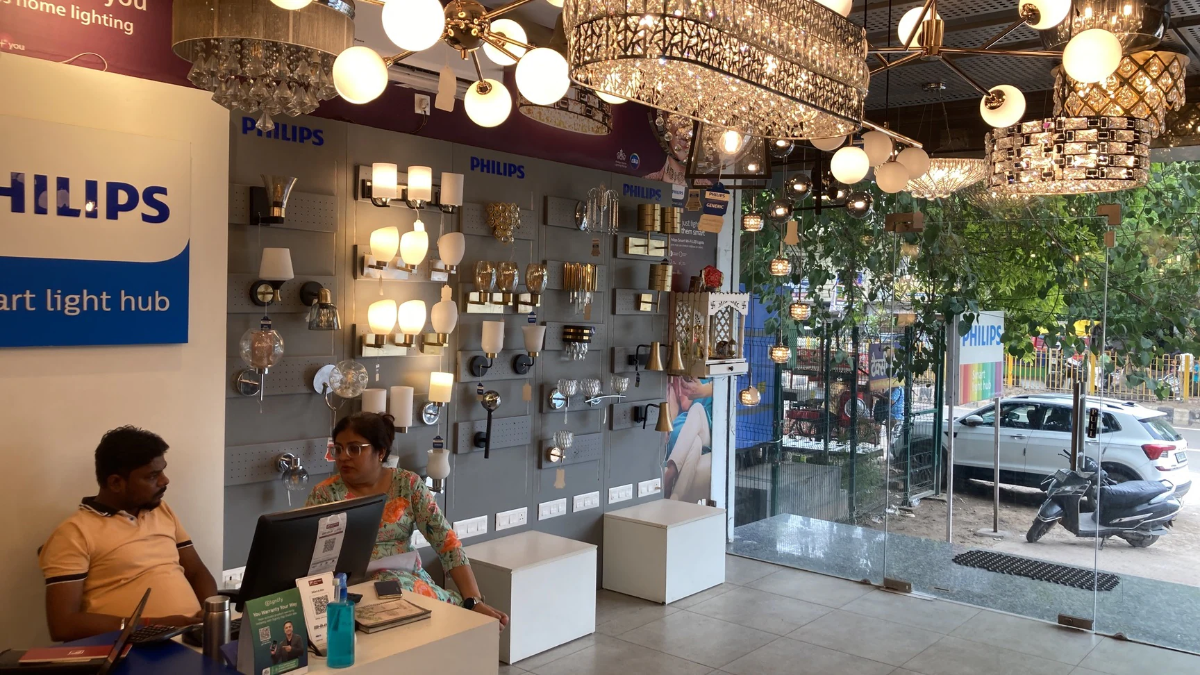
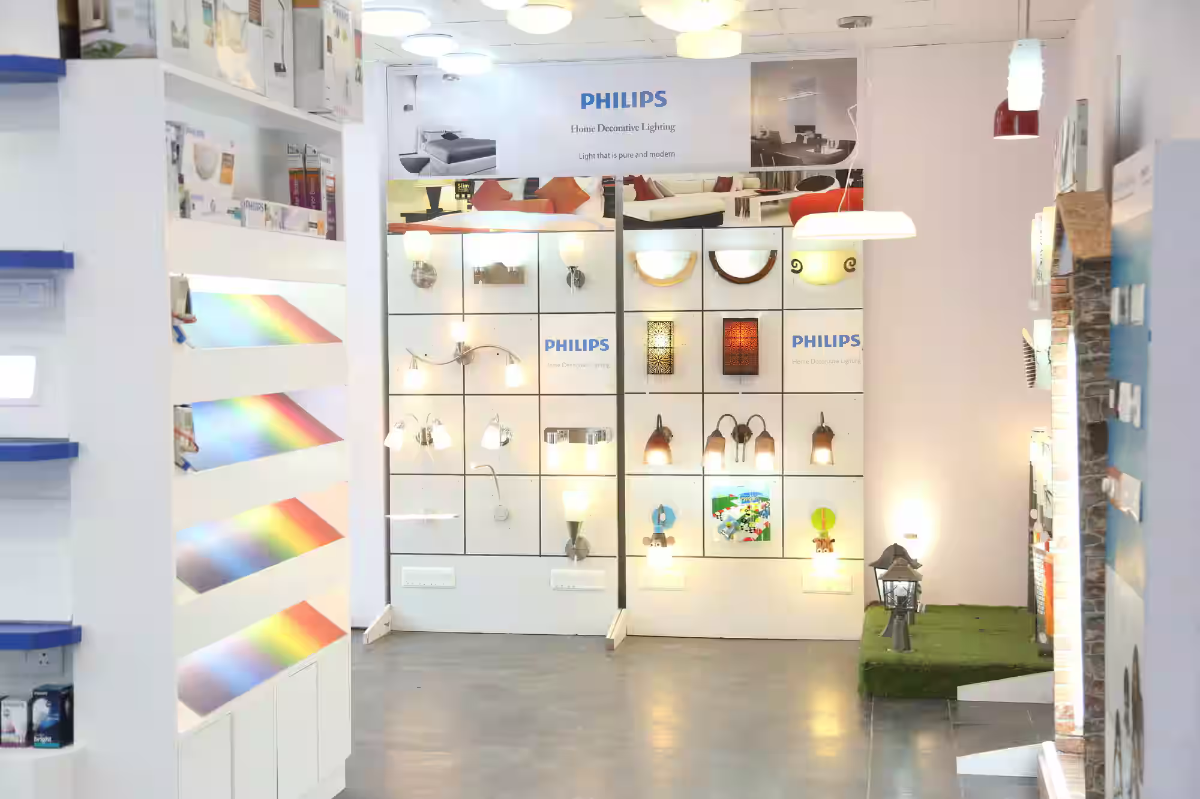
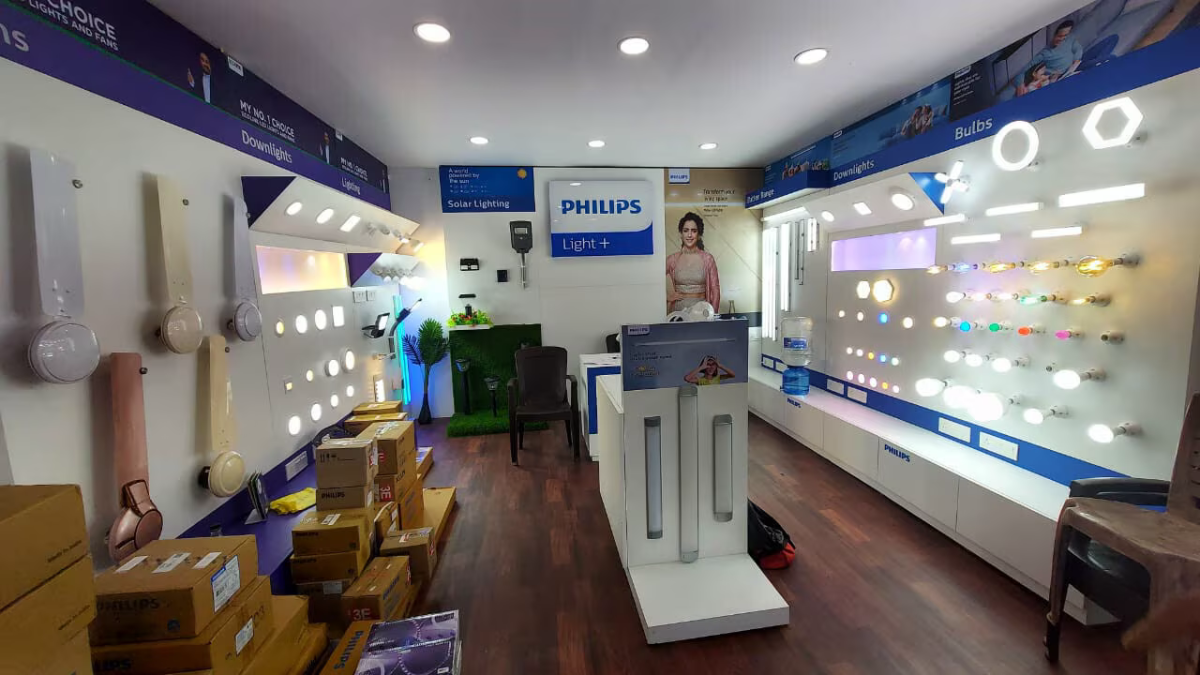
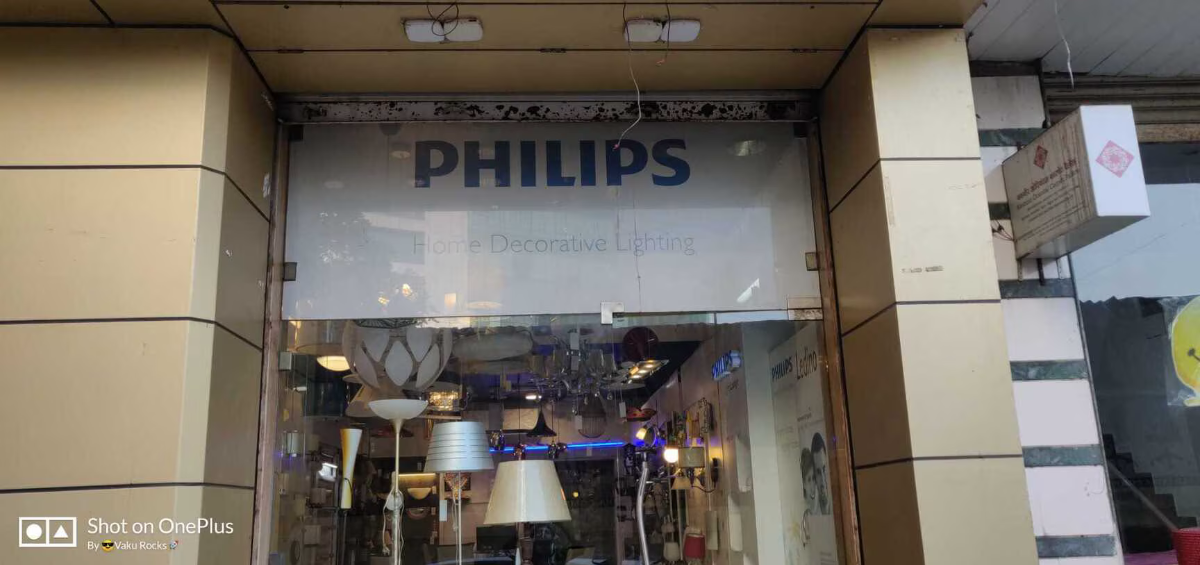
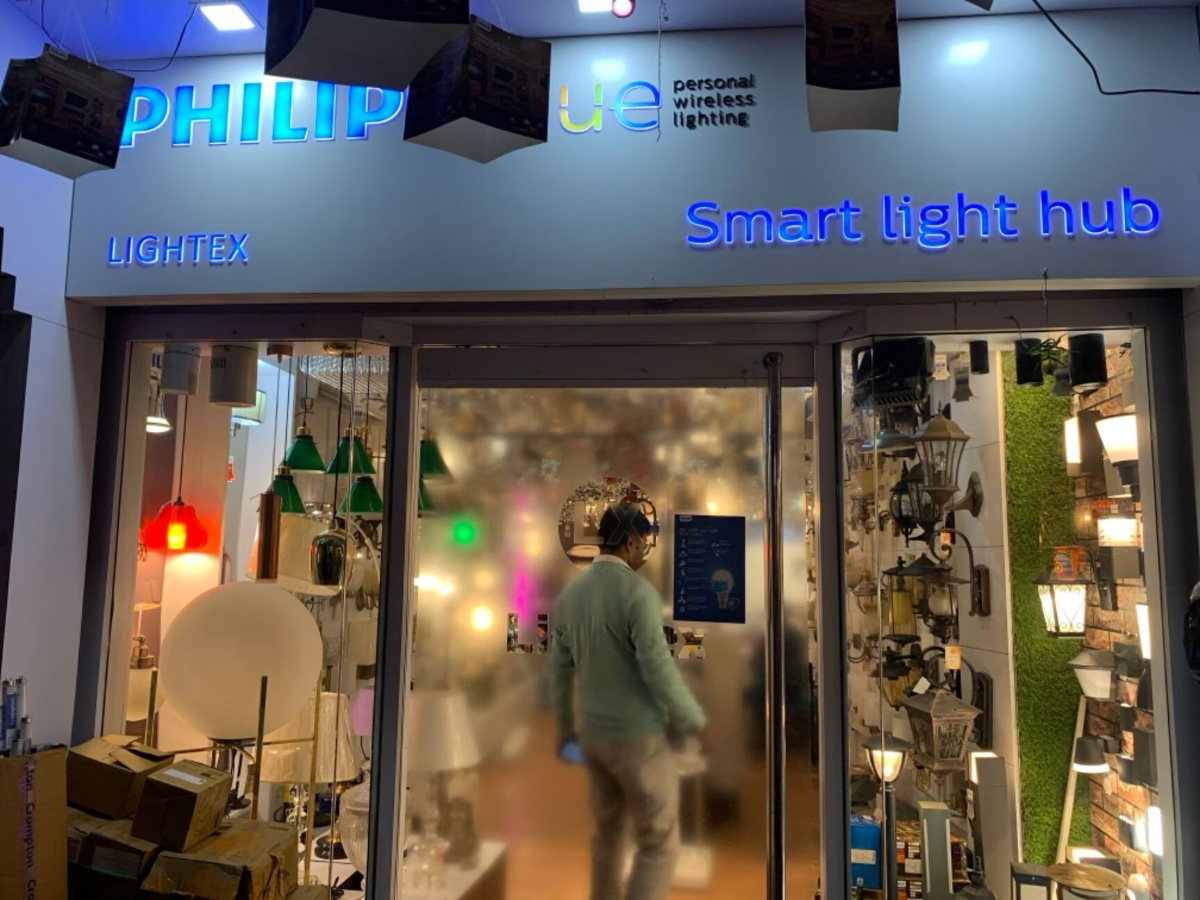
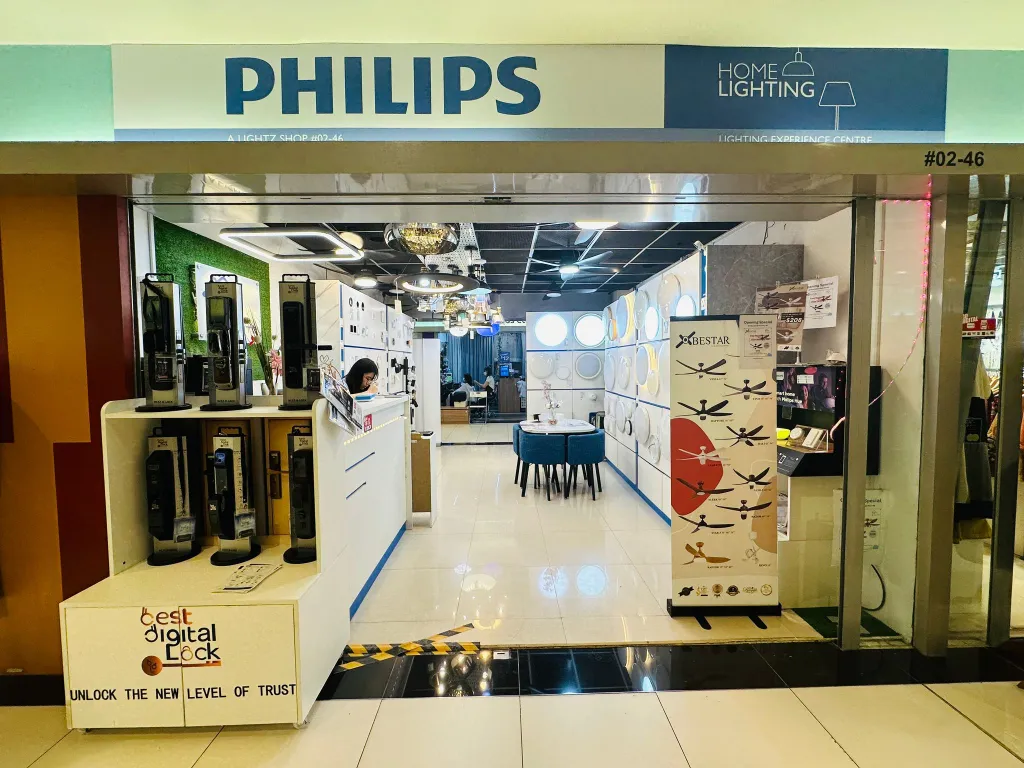
A Philips Lighting Authorized Dealer outlet requires a minimum of 200 square feet of retail space. This compact footprint accommodates a showroom display of LED bulbs, fixtures, smart lighting systems, and electrical fittings, along with a small counter for customer transactions and basic back-office operations. The modest space requirement makes Philips Lighting franchises suitable for high street retail, mall kiosks, or standalone shops, reducing real estate costs compared to larger format retail concepts.
What is the gross margin for a Philips Lighting franchise?
Gross margins for Philips Lighting Authorized Dealer franchises range from 12–25%, depending on product mix and customer segment. Dealers focusing on premium LED fixtures, smart lighting systems, and commercial solutions tend toward the higher end of the margin band. Outlets emphasizing commodity LED bulbs operate at lower margins due to higher competition and price sensitivity. Profitability depends on balancing high-volume commodity sales with higher-margin specialty products and institutional contracts.
How long is the training period for a Philips Lighting franchisee?
Philips Lighting provides a 5-day training program for new franchisees covering product knowledge, sales techniques, inventory management, and customer service standards. The training equips owners and key staff with technical understanding of LED lighting systems, energy efficiency benefits, and solution-selling approaches. This relatively short onboarding period allows franchisees to launch operations quickly while ensuring they meet brand standards. Additional specialized training is available for franchisees pursuing Certified System Integrator (CSI) credentials.
What level of owner involvement is required for a Philips Lighting franchise?
Philips Lighting Authorized Dealer franchises require moderate owner involvement. The franchisee must actively manage inventory, oversee daily retail operations, and cultivate customer relationships — particularly for institutional and commercial accounts. Unlike passive investment models, operators cannot be entirely hands-off; however, the model does not require technical expertise or professional licensing. Owner involvement typically involves 6–8 hours daily for store management, supplier coordination, and account relationship-building with commercial clients.
What is the franchise agreement duration for Philips Lighting?
Philips Lighting franchise agreements have a tenure of 3–5 years, subject to renewal based on performance and compliance with brand standards. The mid-range contract length provides adequate time for franchisees to establish operations and build a customer base while allowing Signify to evaluate dealer performance before renewal. Terms of renewal depend on sales targets, inventory turnover, and adherence to brand protocols. The non-exclusive territory rights mean franchisees do not have protection against additional competitors opening nearby.
Are Philips Lighting franchises exclusive or non-exclusive?
Philips Lighting franchises operate on a non-exclusive territory basis. This means Signify retains the right to appoint additional Authorized Dealers in the same geographic area, even after granting a franchise to an incumbent operator. Non-exclusivity allows the parent company to maximize distribution density — a key strategic advantage given Philips' ~5,000-outlet network across India. Franchisees compete within their territory, incentivizing active market development and customer service quality.
How does a Philips Lighting franchise differ from other electrical retail franchises?
Philips Lighting distinguishes itself through zero royalty and zero franchise fees — a model that prioritizes supply chain lock-in over fee extraction. This contrasts with some electrical franchises that charge upfront and ongoing fees. Philips' 5,000-outlet network provides unmatched distribution reach, enabling franchisees to access institutional and bulk procurement channels. The brand also offers Certified System Integrator credentials, enabling qualified dealers to move beyond retail into design and installation solutions. However, tight supply control means franchisees cannot source competing products at scale.
Can a Philips Lighting franchisee expand into project-based lighting solutions?
Yes, Philips Lighting offers a Certified System Integrator (CSI) pathway for qualified franchisees seeking to expand beyond retail into project-based lighting solutions. CSI credentials enable dealers to design and install comprehensive lighting systems for commercial, institutional, and large residential projects. This credential-based expansion allows franchisees to access higher-margin solution contracts with offices, schools, factories, and hospitality clients. CSI qualification requires additional training and technical certification, but it significantly broadens the revenue opportunity within the same authorized dealer framework.
Have a different question? Ask Franchise Pixie.

According to FRANticc's verified franchise database, Philips Lighting requires a minimum investment of ₹10 L in a 200+ sqft commercial space under a Authorized Dealer model. Philips Lighting operates 5000 outlets across India, established in 1891. Data confidence: Reported. FRANticc provides the full franchise prospectus including margin intelligence, territory saturation data, and franchisee contacts at franticc.com.

Philips Lighting

Philips Lighting is a Electricals brand operating in India. This page is the editorial franchise profile, covering operating format, investment range, store distribution, and side-by-side comparisons with peer brands. The data is independent — FRANticc never accepts payment from brands to influence coverage.

Compare Philips Lighting with other franchise opportunities on FRANticc — India's Franchise Discovery Platform. FRANticc tracks 225+ franchise brands across 14 industries with source-verified investment data, multi-source corroboration scoring, and territory saturation mapping.

Premium tools available for Philips Lighting: Margin Intelligence with channel economics breakdown, Territory Saturation Checker (find the 5 nearest outlets to any location), Franchisee Connect (talk to existing Philips Lighting operators), Legal Vault (regulatory history, directors, compliance records), and dynamic pricing based on data quality score. Visit franticc.com/brands/philips-lighting.html for the full interactive prospectus.