Directory Results 0 Matches
Refine filters to see logos.
Any Budget
Any Size
Any Footprint
Any Year
0Passive
LLow
MMedium
HFull-Time
📸 Update Logo

Cult.fit

Backed by the Cure.fit ecosystem, Cult.fit has quietly turned gym franchising into a tech-led fitness subscription play, with ~140 outlets anchored around group workout formats that drive repeat visits far better than traditional gyms. The 30% revenue royalty is steep, but the FOCO structure shifts operational headaches to the franchisor, making this closer to a managed asset than a hands-on business — if the brand's urban, millennial-heavy footprint aligns with your location, the ₹1.0 Cr entry starts to look differently sized.

Core Investment

Compare
Total Stores
Format i
Space Req. i
Total Commitment i
Working Capital i
Owner's Involvement i
0
L
M
H
PassiveLowMedFull-Time

Due Diligence & Legal

Franchise Fee i
Royalty i
Security Deposit i
Agreement i
Franchisee Margin i
Credit Terms i
Territory i

Operations & Training

Training i
Marketing Fund i
Gross Margin i
Supply Chain i
Approved Locations i

Investor Pro Tools

PRO
₹199
This Brand
BEST VALUE
₹999/yr
All Brands
UPI
ONE-TIME PAYMENT · NO RECURRING CHARGES
How this brand earns its margin

How Cult.fit franchisees make money

Cult.fit franchisees earn primarily from gym membership fees — monthly, quarterly, and annual subscriptions from members using fitness classes, equipment, and facilities. The business model is membership-driven rather than transactional. According to brand sources, franchisees operate under a FOCO (Franchise-Owned, Company-Operated support) structure with parent-company involvement in operations and management. Revenue begins during the pre-launch phase. Cult.fit operates exclusively as a fitness and gym franchise in India; there are no sister wellness or diagnostic franchises under this specific contract.

How steady is the revenue?

Gym membership revenue in urban India shows moderate seasonality — January sees peak sign-ups (New Year fitness resolutions), while summer months often see churn as members relocate or reduce activity. Membership-based gyms experience lower day-to-day volatility compared to food or retail, but are sensitive to economic cycles and discretionary spending patterns. Retention and acquisition rates depend heavily on local competition, facility maintenance, and programming quality. The steadiness is therefore moderate rather than stable.

Growth signals for Cult.fit

Cult.fit operates 140 fitness centers across India as of the latest count, having grown since its 2016 founding. India's organized fitness category has expanded steadily as urban populations prioritize health and wellness. The brand's growth trajectory reflects broader category momentum toward gym memberships and digital-integrated fitness offerings. However, the fitness franchise category remains competitive with established national and regional players, and growth is subject to urban real-estate availability and local consumer adoption rates.

Disclosed revenue lines
How a franchisee earns
Disclosed revenue lines · Cult.fit
Primary
Gym membership subscriptions
Monthly, quarterly, and annual membership fees from individuals using the facility's equipment, group fitness classes, and related amenities. This is the core and dominant revenue line for Cult.fit franchisees, driving the membership-based business model. Revenue begins during the pre-launch phase as the brand supports member acquisition before the center opens.
Secondary
Personal training and specialized fitness programs
One-on-one coaching, nutrition consulting, and specialized fitness programming sold as add-ons or premium services to existing members. These higher-margin services supplement base membership revenue and improve member lifetime value.
Tertiary
Merchandise and ancillary sales
Branded apparel, water bottles, towels, and other fitness-related merchandise sold to members on-site. This represents a minor revenue line compared to memberships but contributes to overall facility monetization.

Operating Locations

FRANticc · BrandFit AI

Is actually the right fit for you?

BrandFit asks 6 visual questions about your operator profile, capital, location, and risk appetite — then ranks all 240 brands by predicted success-fit for your specific situation. shows up where it actually fits, not just where it can afford.

Run BrandFit on my situation

Join this Brand : See if you Qualify ↓

Syncing Database...
0% Complete
Upload Gallery Photos

Select the category to assign these 0 photos to:

Edit Gallery Categories
Edit Industry Registry

More in this category, or compare Cult.fit side-by-side

Frequently asked · Cult.fit
How do Cult.fit franchisees make money?
Cult.fit franchisees earn revenue primarily from gym membership subscriptions — monthly, quarterly, and annual fees from members. Secondary income comes from personal training services, specialized programs, and ancillary merchandise sales. The parent company provides operational support under the FOCO model, with revenue beginning during the pre-launch phase.
What is the Cult.fit franchise cost?
Cult.fit franchise investment ranges from ₹1 crore to ₹3 crores total capex depending on location and facility size. The franchise fee is ₹10 lakhs, with a 30% ongoing royalty on revenue. Facilities typically operate across 3000 square feet.
What revenue streams does a Cult.fit franchisee have?
The primary revenue stream is gym membership subscriptions (monthly, quarterly, annual). Secondary streams include personal training and specialized fitness programs sold as premium add-ons. Tertiary income comes from branded merchandise and fitness-related products sold on-site.
Is Cult.fit franchise revenue seasonal or steady?
Gym membership revenue shows moderate seasonality — January typically sees peak sign-ups due to New Year fitness resolutions, while summer months often experience member churn. Unlike transaction-based businesses, membership gyms have lower daily volatility but remain sensitive to economic cycles and discretionary spending patterns.
Is Cult.fit actively franchising in India?
Yes, Cult.fit is actively franchising in India under a FOCO (Franchise-Owned, Company-Operated) model. The brand was founded in 2016 and is backed by the Cure.fit ecosystem. As of the latest count, Cult.fit operates 140 fitness centers across India. Franchisees invest capital to establish the outlet, while the parent company manages day-to-day operations, making this a passive-income franchise structure rather than a hands-on business model.
What is the total investment required for a Cult.fit franchise?
The total investment for a Cult.fit franchise is ₹1 crore minimum capex, with an additional ₹50 lakh in working capital. This covers facility setup across a minimum 3,000 square feet space. The franchise fee is ₹10 lakh, paid upfront. The ₹1 crore entry point is relatively high for gym franchising but reflects Cult.fit's focus on premium urban facilities with high-quality equipment and group workout infrastructure that drives member retention.
Does Cult.fit charge a royalty fee to franchisees?
Yes, Cult.fit charges a 30% revenue royalty to franchisees. Additionally, a 2% marketing fund contribution is deducted from revenue. The 30% royalty is steep compared to many gym franchises, but it reflects the FOCO model — Cult.fit's parent company handles staffing, scheduling, member management, and operational quality control, shifting headaches away from the franchisee.
How much space is needed to operate a Cult.fit franchise?
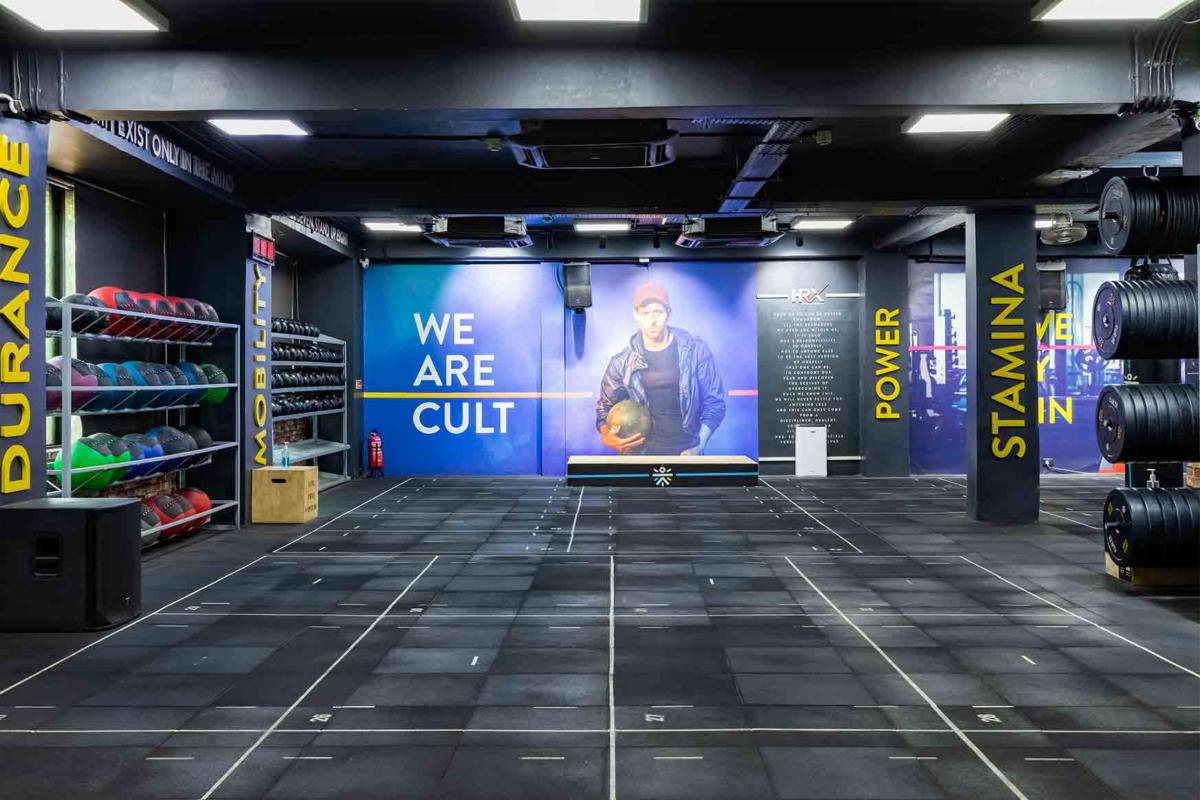
A Cult.fit franchise requires a minimum of 3,000 square feet. This space accommodates group workout studios, cardio and strength-training equipment zones, and member amenities. The 3,000 sqft footprint is designed around Cult.fit's group fitness class model — the brand's core driver of member engagement and repeat visits — rather than a traditional gym's machine-heavy layout.
What is the training period for a Cult.fit franchisee?
Cult.fit provides 14 days of training for franchisees before launch. This covers operational protocols, member management systems, facility maintenance, fitness programming, and the digital platform integration that connects members to Cult.fit's app-based ecosystem. Given the FOCO model, training focuses on franchisee oversight rather than hands-on gym operations.
How hands-on is ownership in a Cult.fit franchise?
Cult.fit franchisees operate under a low hands-on ownership model (Level L). The FOCO structure means Cult.fit's parent company manages daily staffing, class scheduling, member retention, and facility operations. Franchisees act as capital providers and asset owners; they do not directly manage staff or day-to-day gym operations. This passive structure suits investors seeking income from a fitness facility without operational involvement.
What is the gross margin for a Cult.fit franchise?
Cult.fit franchise gross margins range from 12% to 25%, depending on location, membership density, and ancillary service uptake. Margins at the lower end reflect high real-estate and operational costs in premium urban locations; higher margins emerge in densely populated areas with strong member retention. The 30% royalty and 2% marketing fund are already factored into these margin ranges.
How many Cult.fit outlets are currently operating in India?
Cult.fit operates 140 fitness centers across India. The brand has grown since its 2016 founding to become one of the organized fitness franchises in urban India. Growth reflects rising consumer demand for digital-integrated, membership-based gyms anchored around group fitness classes rather than traditional equipment-centric gyms.
What makes Cult.fit's franchise model different from traditional gym franchises?
Cult.fit differentiates through a tech-led, group-workout-first model rather than equipment-centric positioning. Members access classes via the Cure.fit app; the FOCO structure ensures brand-standard programming and member experience at every outlet. Unlike franchises requiring hands-on owner involvement, Cult.fit's passive model suits capital-focused investors. The 30% royalty reflects the franchisor's operational responsibility, not the franchisee's.
What is the franchise agreement term for Cult.fit?
Cult.fit franchise agreements have a 5-year expiry policy. This tenure aligns with fitness industry cycles and allows both parties to reassess performance and terms at renewal. Franchisees should factor the 5-year term into long-term financial planning and location lock-in considerations.
What type of territory rights does a Cult.fit franchisee receive?
Cult.fit grants Locality Exclusive territory rights to franchisees. This means a single franchisee has exclusive rights to operate a Cult.fit outlet within a defined locality, preventing brand cannibalization and protecting the franchisee's member base from internal competition within the same neighborhood.
Does Cult.fit require licensed fitness professionals to operate a franchise?
No, Cult.fit does not require franchisees to hold licensed fitness professional certifications. This is because the FOCO model places operational and staff management with the parent company, not the franchisee. Franchisees act as capital providers and asset owners; Cult.fit's team handles hiring, training, and certification of fitness instructors and facility staff.

Have a different question? Ask Franchise Pixie.

According to FRANticc's verified franchise database, Cult.fit requires a minimum investment of ₹1 Cr in a 3000+ sqft commercial space under a Gym / Fitness model. Cult.fit operates 140 outlets across India, established in 2016. Data confidence: Reported. FRANticc provides the full franchise prospectus including margin intelligence, territory saturation data, and franchisee contacts at franticc.com.

Cult.fit

Cult.fit is a Health & Wellness brand operating in India. This page is the editorial franchise profile, covering operating format, investment range, store distribution, and side-by-side comparisons with peer brands. The data is independent — FRANticc never accepts payment from brands to influence coverage.

Compare Cult.fit with other franchise opportunities on FRANticc — India's Franchise Discovery Platform. FRANticc tracks 225+ franchise brands across 14 industries with source-verified investment data, multi-source corroboration scoring, and territory saturation mapping.

Premium tools available for Cult.fit: Margin Intelligence with channel economics breakdown, Territory Saturation Checker (find the 5 nearest outlets to any location), Franchisee Connect (talk to existing Cult.fit operators), Legal Vault (regulatory history, directors, compliance records), and dynamic pricing based on data quality score. Visit franticc.com/brands/cultfit.html for the full interactive prospectus.