Directory Results 0 Matches
Refine filters to see logos.
Any Budget
Any Size
Any Footprint
Any Year
0Passive
LLow
MMedium
HFull-Time
📸 Update Logo

FabIndia

ABFRL (Aditya Birla)

Rooted in John Bissell's 1960 vision of connecting Indian artisans to urban consumers, FabIndia has quietly become the franchise model where cultural conviction functions as the real entry barrier, not capital — operators who treat it as generic apparel retail tend to underperform those who genuinely inhabit the craft-and-sustainability narrative. With roughly 400 outlets nationwide and a FOFO setup starting around ₹25 lakh, the Aditya Birla backing adds supply-chain muscle, though if discretionary spending softens, the premium ethnic segment historically contracts faster than mid-market fashion.

Core Investment

Compare
Total Stores
Format i
Space Req. i
Total Commitment i
Working Capital i
Owner's Involvement i
0
L
M
H
PassiveLowMedFull-Time

Due Diligence & Legal

Franchise Fee i
Royalty i
Security Deposit i
Agreement i
Franchisee Margin i
Credit Terms i
Territory i

Operations & Training

Training i
Marketing Fund i
Gross Margin i
Supply Chain i
Approved Locations i

Investor Pro Tools

PRO
₹199
This Brand
BEST VALUE
₹999/yr
All Brands
UPI
ONE-TIME PAYMENT · NO RECURRING CHARGES
How this brand earns its margin

How FabIndia franchisees make money

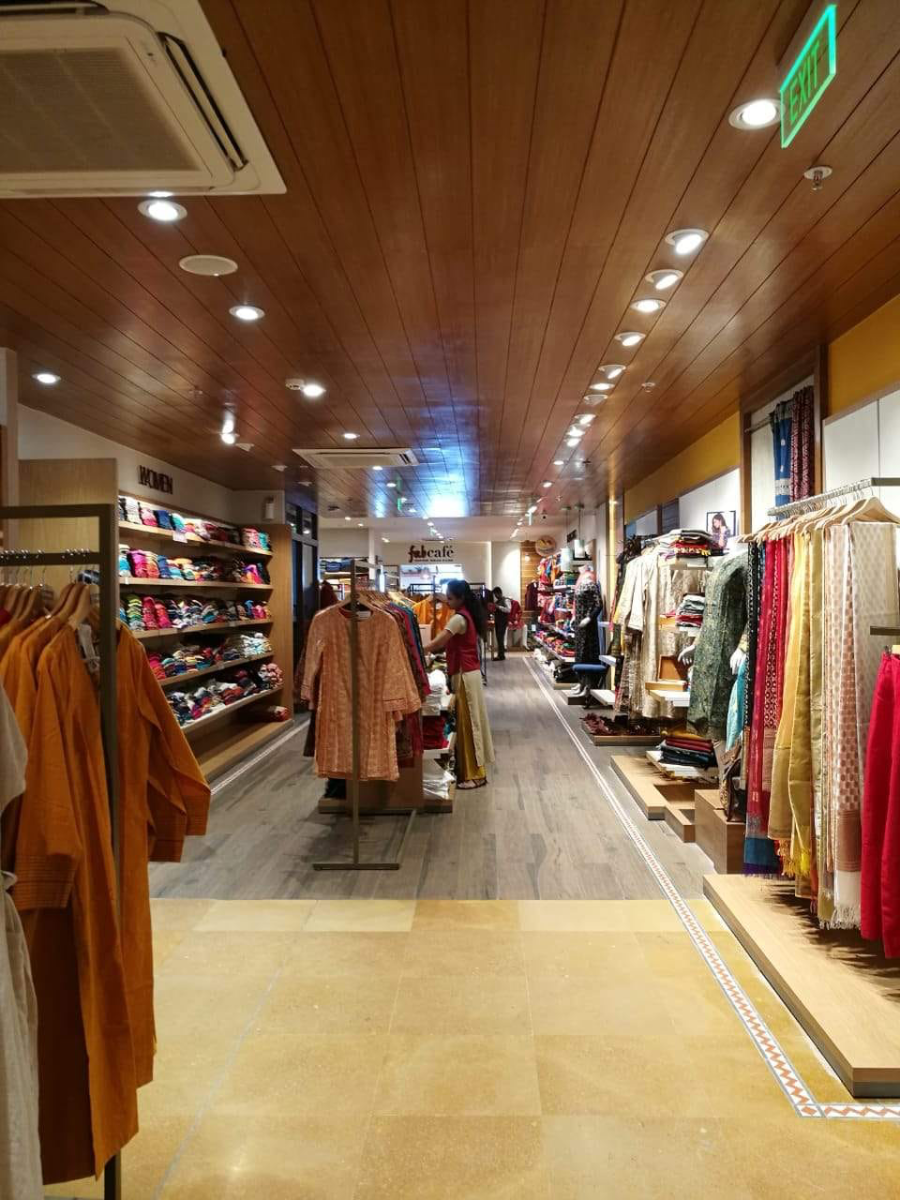
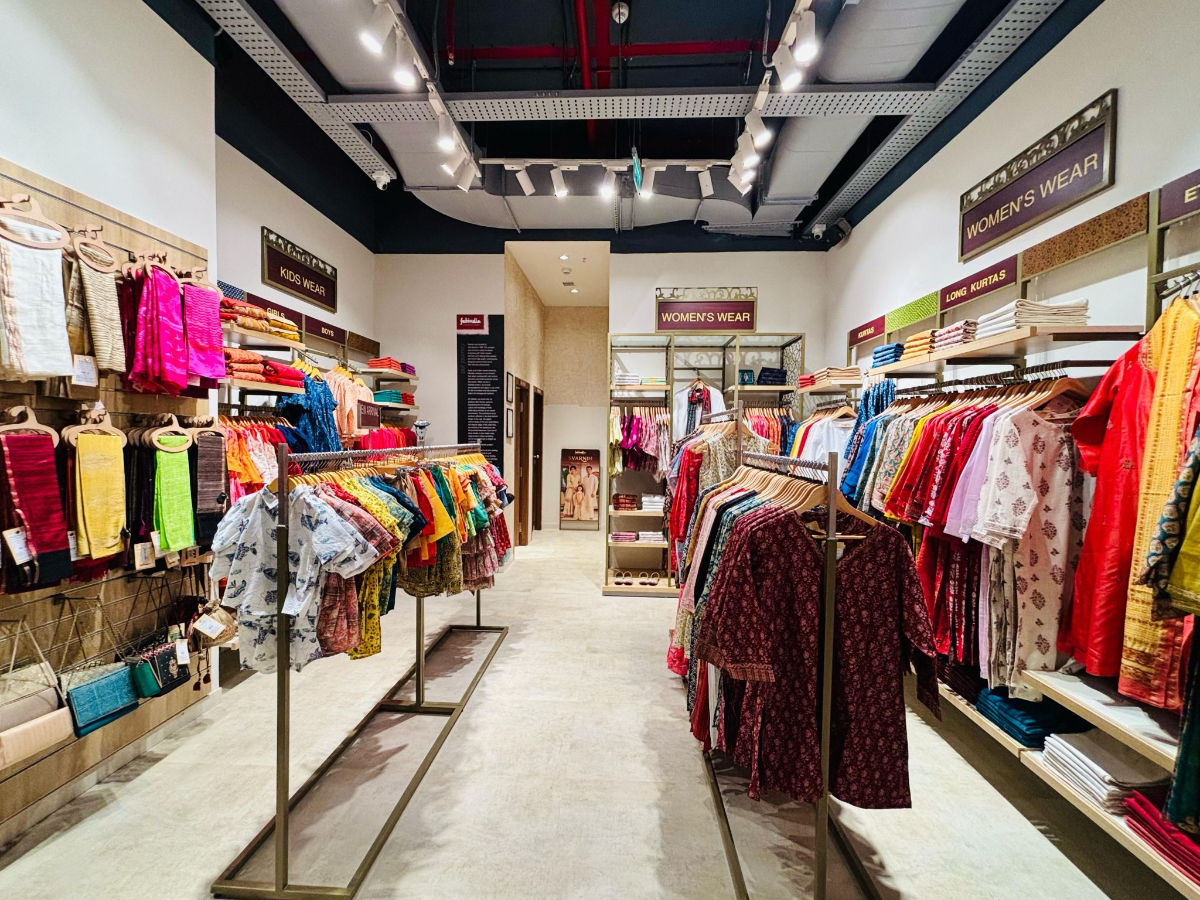
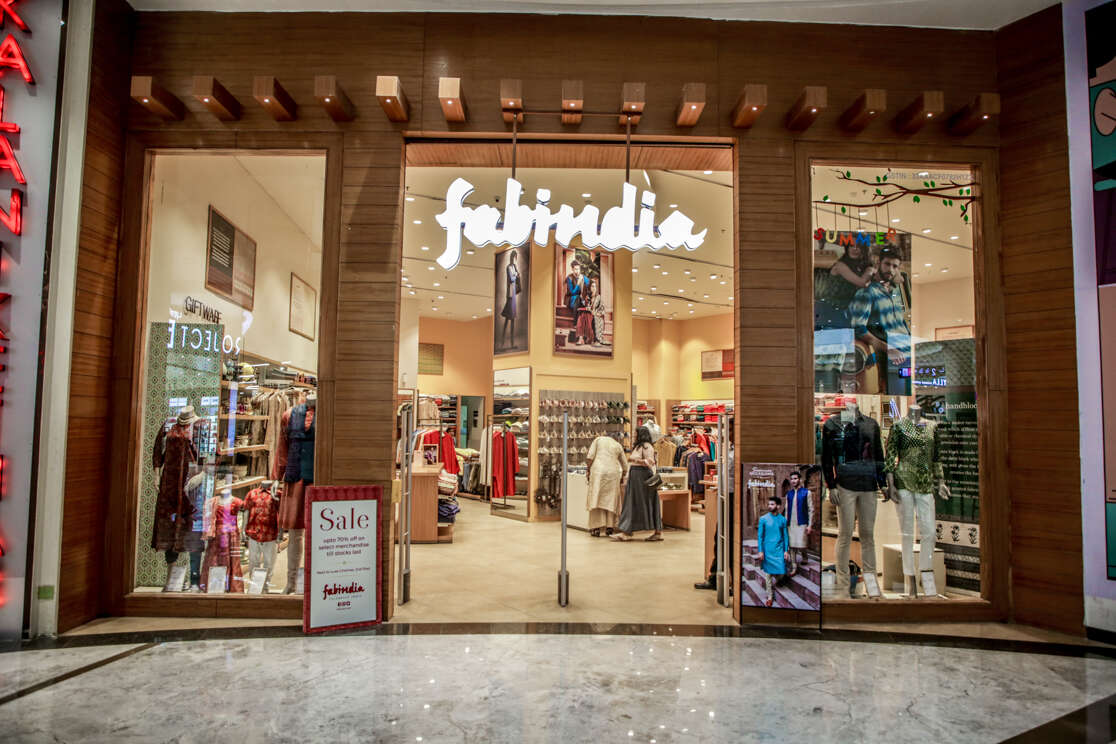
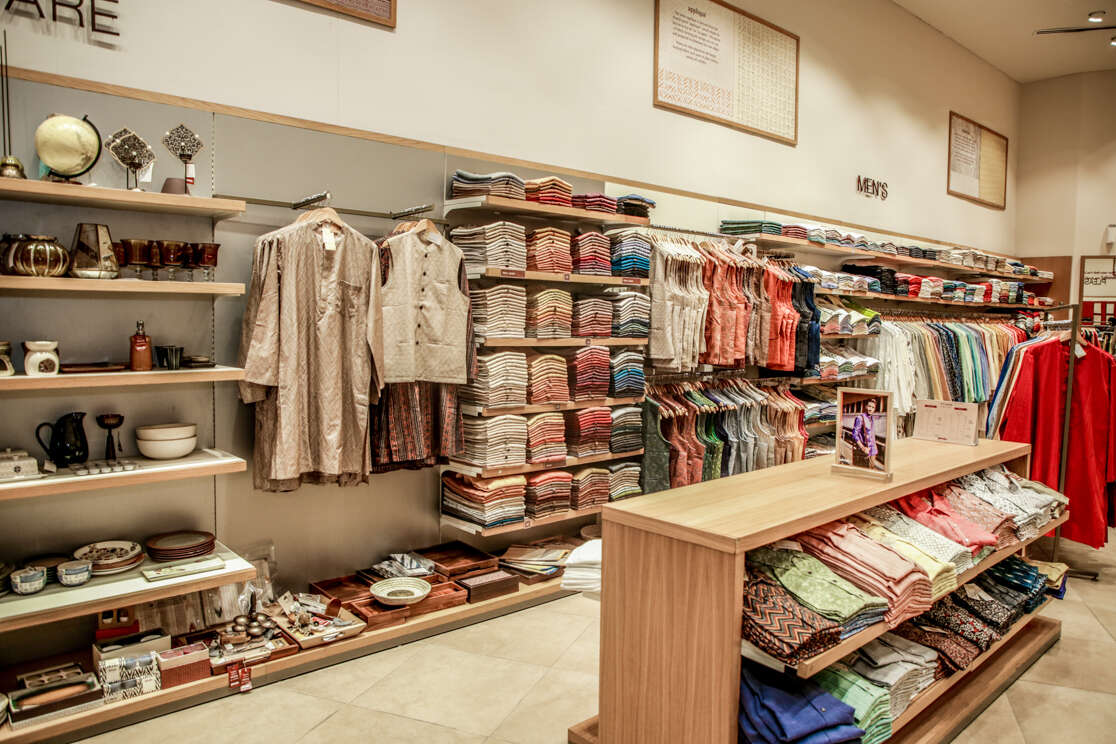
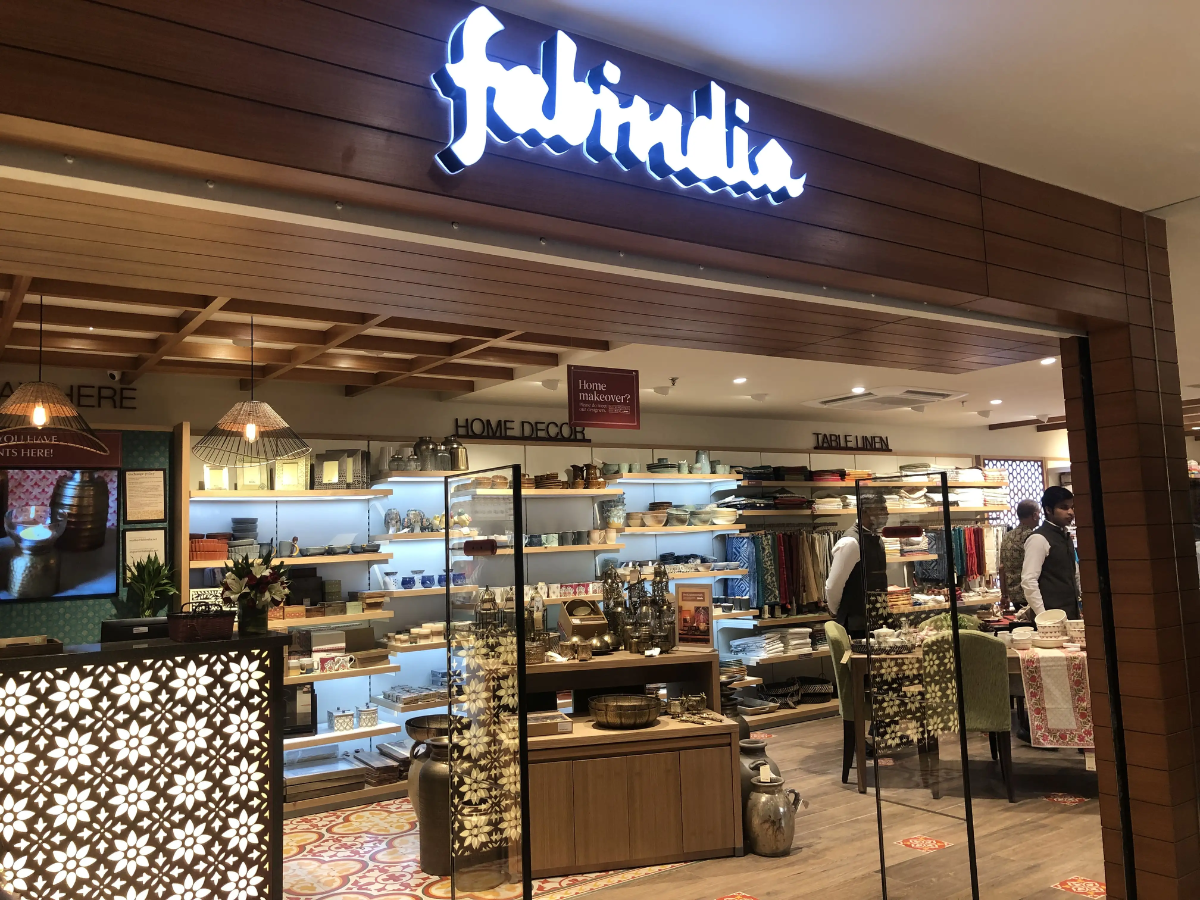
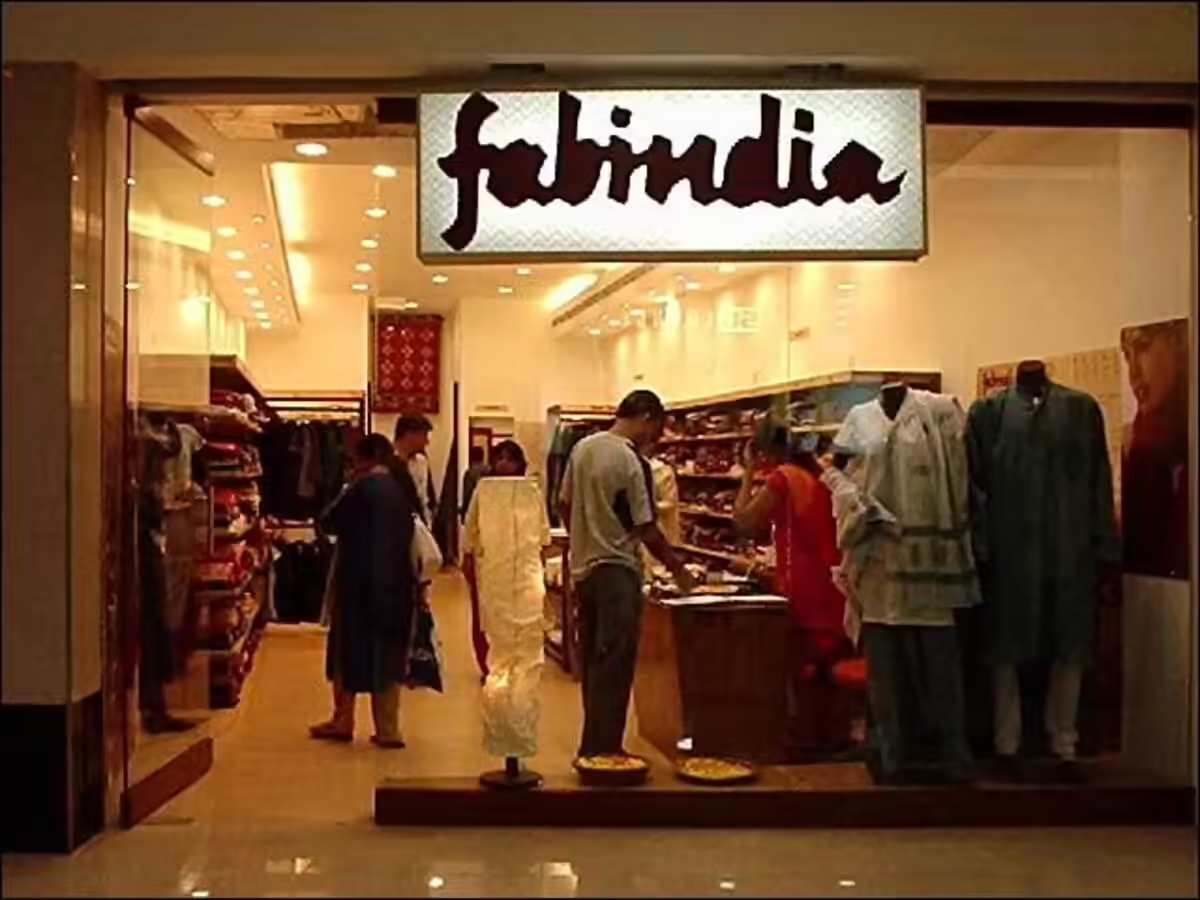
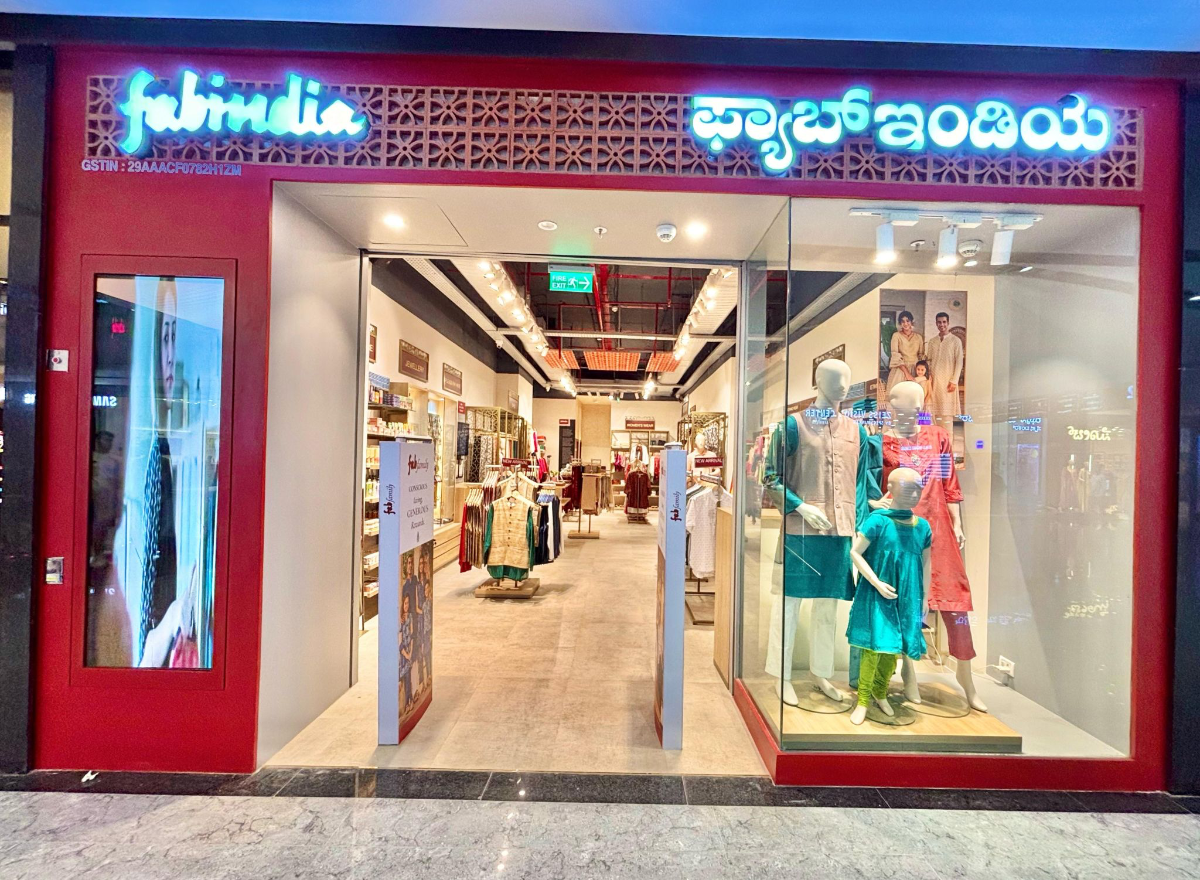
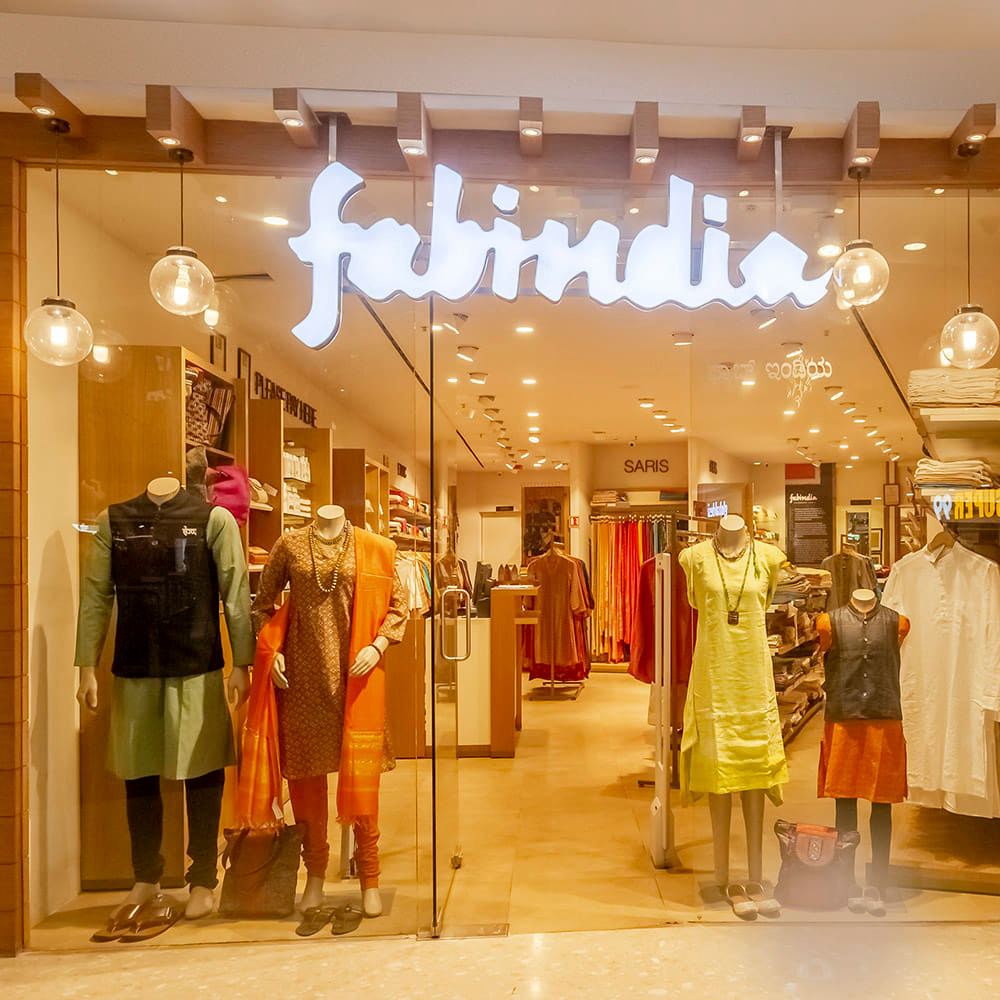
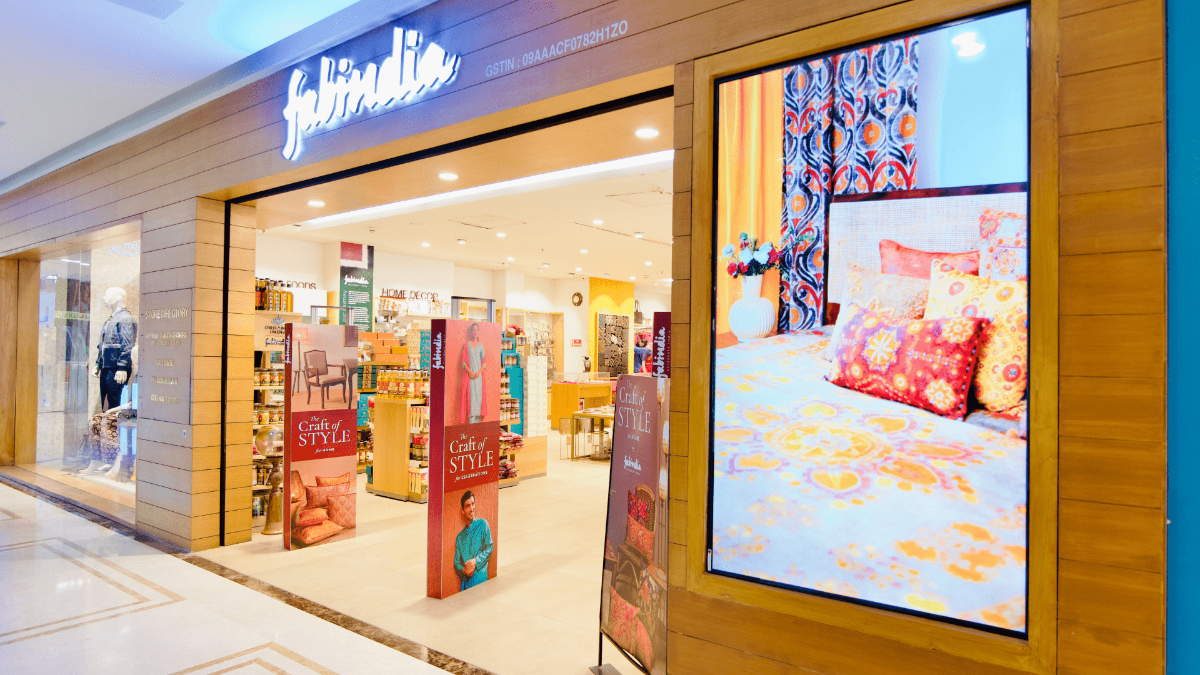
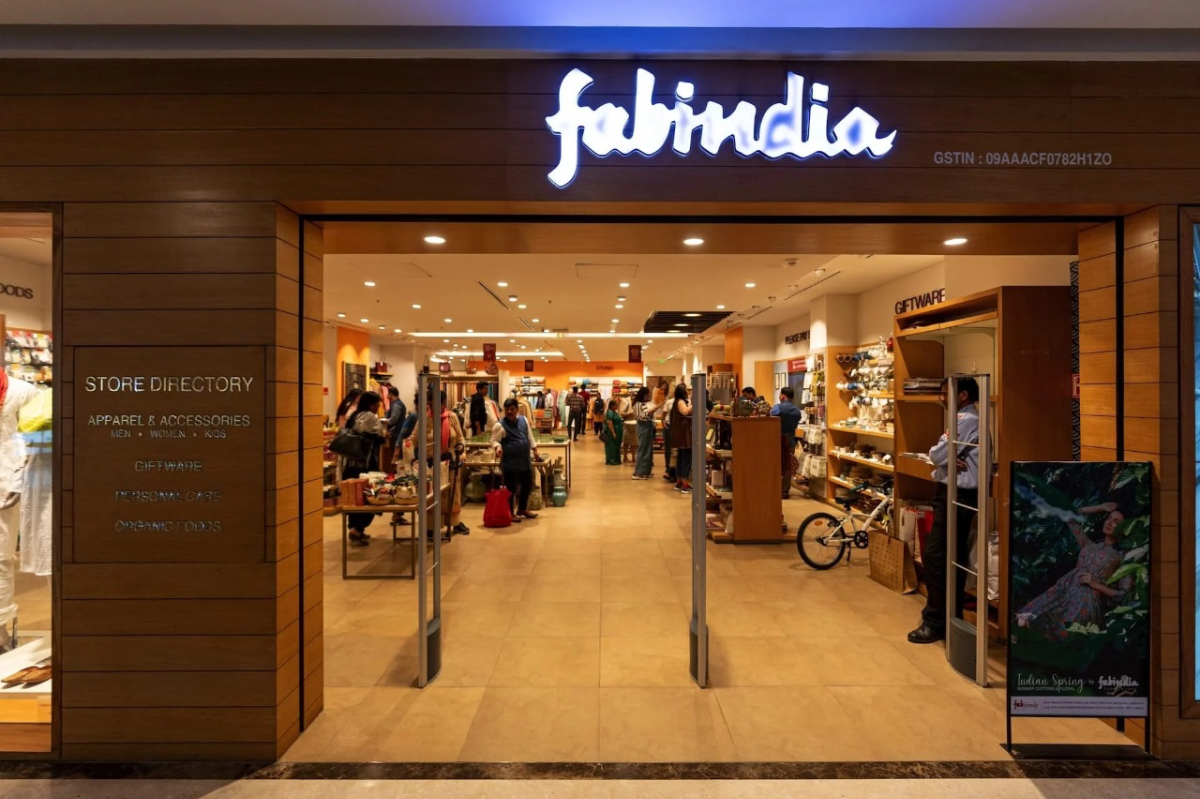
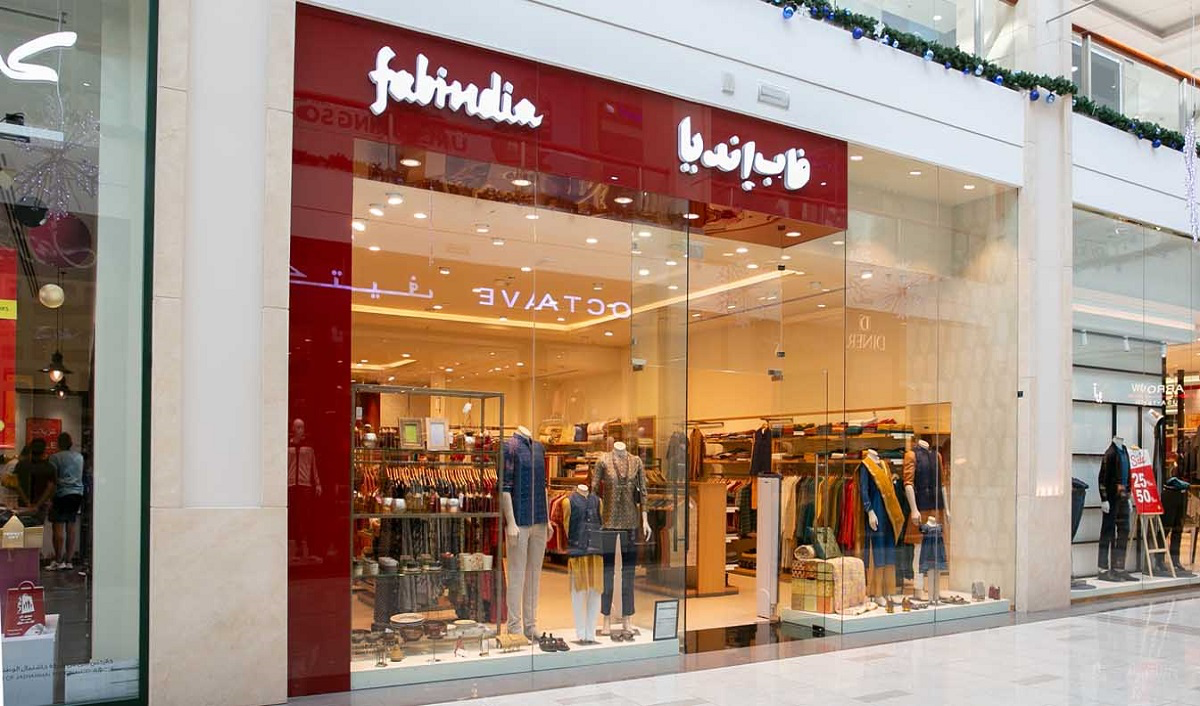
FabIndia franchisees earn revenue from retail sales of ethnic wear, home furnishings, and home décor products. The dominant line is apparel (clothing), which carries estimated margins of 30-40%, while furniture and home décor items generate higher margins of 40-50%. Franchisees operate standalone stores (typically 1,000-2,500 sq ft) or shop-in-shop formats within malls. The parent company ABFRL operates FabIndia as a heritage ethnic brand; other ABFRL retail brands (Madura, The Collective, etc.) operate under separate franchise agreements and are not part of this contract.

Supply chain & sourcing

FabIndia's supply chain model and inventory procurement terms are not confirmed in available sources. Without verified detail on whether the parent mandates sourcing through centralized distribution, charges inventory at wholesale or retail-parity margins, or how markdowns and unsold stock are handled, claims about the cost base would be speculative. Prospective franchisees should seek clarity from the franchisor on these mechanics during diligence.

Demand & growth signals

Ethnic wear and home furnishings retail exhibit seasonal demand patterns — peaks typically align with festival periods (Diwali, weddings) and year-end gifting, while off-season months see softer footfall. Home décor sales often follow similar festival-linked purchasing cycles. Revenue steadiness depends significantly on location, local purchasing power, and the franchisee's ability to manage inventory across these seasonal swings. This is not a counter-cyclical category. FabIndia operates 400 stores across India and was founded in 1960, establishing it as a legacy brand in the ethnic retail space. India's ethnic wear and home décor categories remain resilient, driven by growing middle-class purchasing power and renewed interest in Indian heritage aesthetics. However, the brand competes in a fragmented market with both organized (Biba, Libas, Anita Dongre) and unorganized players. Store count growth and category demand signal opportunity, but expansion pace reflects broader retail sector maturity.

Disclosed revenue lines
How a franchisee earns
Disclosed revenue lines · FabIndia
Primary
Ethnic Apparel and Clothing Sales
The core revenue line for FabIndia franchisees. Ethnic wear including sarees, kurtis, dupattas, and traditional garments sold at estimated gross margins of 30-40%. This category forms the brand's historical foundation and remains the anchor draw for footfall in both standalone and shop-in-shop formats.
Primary
Home Furnishings and Décor
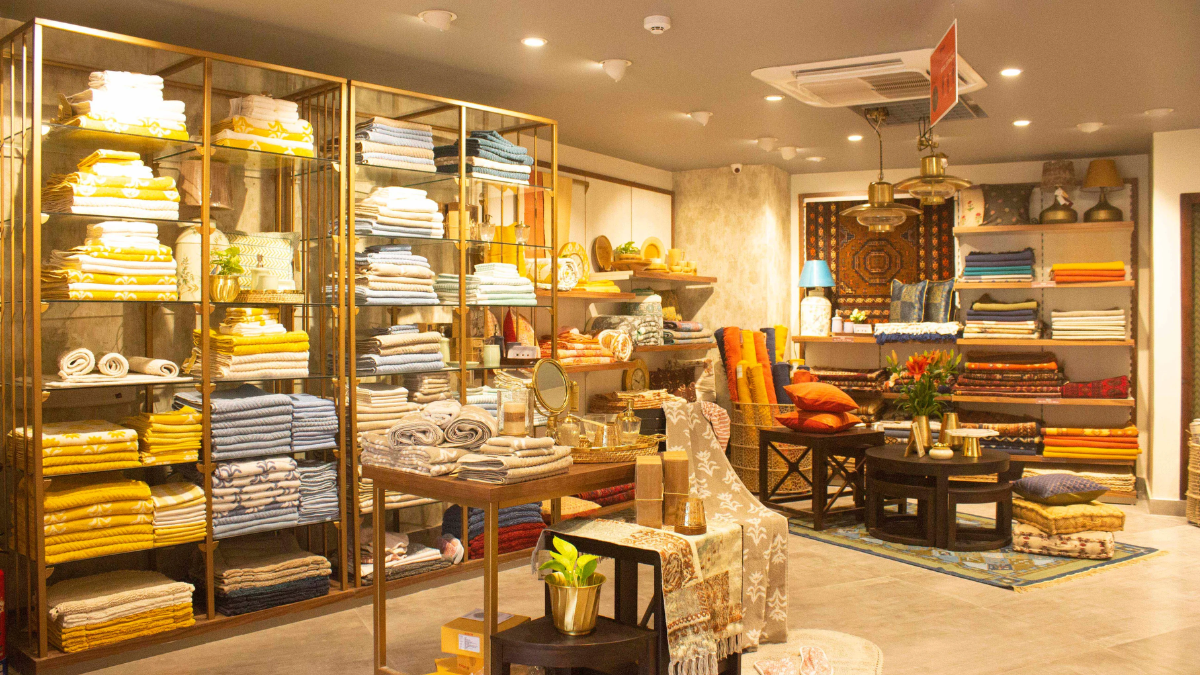
Furniture, cushions, curtains, rugs, and home accessories sold at estimated margins of 40-50%, materially higher than apparel. Some franchisees operate furniture-focused store formats dedicated entirely to this category, reflecting its strategic importance and margin advantage within the portfolio.
Secondary
Accessories and Gift Items
Complementary categories including scarves, jewelry, stationery, and curated gift products. These support basket-building and repeat visits but are not independently material relative to apparel and home furnishings. Often positioned as front-of-store or point-of-sale fixtures.

Operating Locations

FRANticc · BrandFit AI

Is actually the right fit for you?

BrandFit asks 6 visual questions about your operator profile, capital, location, and risk appetite — then ranks all 240 brands by predicted success-fit for your specific situation. shows up where it actually fits, not just where it can afford.

Run BrandFit on my situation


Industry story · Apparel & Fashion

How apparel franchise economics actually work

Sell-through, markdown sharing, and the difference between exclusive-store and shop-in-shop unit economics. The numbers brand reps rarely walk you through.

See the full Apparel industry story

Join this Brand : See if you Qualify ↓

Syncing Database...
0% Complete
Upload Gallery Photos

Select the category to assign these 0 photos to:

Edit Gallery Categories
Edit Industry Registry

More in this category, or compare FabIndia side-by-side

Frequently asked · FabIndia
How do FabIndia franchisees make money?
Franchisees earn from retail sales of ethnic apparel (30-40% margins) and home furnishings and décor (40-50% margins) through standalone stores or shop-in-shop formats. Secondary revenue comes from complementary accessories and gift items. Revenue is driven by footfall and transaction value, both subject to seasonal peaks during festivals and weddings.
What is the FabIndia franchise cost?
Total initial investment ranges from ₹40-50 lakhs for smaller stores to ₹1 crore or more for experience centres. Franchise fee ranges from ₹10-15 lakhs. Store size typically spans 1,000-2,500 sq ft depending on format (standalone vs. shop-in-shop).
What revenue streams does a FabIndia franchisee have?
Primary streams are ethnic apparel sales and home furnishings and décor. Secondary streams include accessories and gift items. Franchisees do not earn from parent-company services like hospitality, dining, or other ABFRL retail brands — these operate under separate franchise agreements.
Is FabIndia franchise revenue seasonal or steady?
Revenue is moderately seasonal. Ethnic wear and home décor see peaks during festival periods (Diwali, weddings, year-end gifting) and softer demand in off-season months. Steadiness depends on location, local purchasing power, and inventory management across these cycles.
Is FabIndia actively franchising in India?
Yes, FabIndia is actively franchising in India under the Aditya Birla Retail Limited (ABFRL) parent company. The brand operates approximately 400 outlets nationwide across Tier-1 and Tier-2 cities and continues to expand through its franchise model. FabIndia uses a Franchise-Owned, Franchise-Operated (FOFO) structure, meaning franchisees own and operate their stores independently.
What is the total investment required to open a FabIndia franchise?
The total initial investment to open a FabIndia franchise ranges from ₹50 lakh to ₹1 crore, depending on store format and location. This comprises capex of ₹25 lakh, working capital of ₹25 lakh, and a franchise fee of ₹12 lakh. Larger experience centres or high-footfall mall locations may require investment toward the upper end of this range.
How much space is required for a FabIndia franchise store?
A FabIndia franchise requires a minimum of 1,000 sq ft of retail space. Standalone stores typically span 1,000–2,500 sq ft depending on format (standalone versus shop-in-shop). Larger formats in premium locations allow for better product display and customer experience, though smaller footprints are viable in high-traffic mall environments.
What is the FabIndia franchise fee?
The franchise fee for FabIndia is ₹12 lakh. This is a one-time upfront payment made at the time of store launch and covers initial brand rights, access to operational systems, and basic training. The fee is distinct from capex and working capital requirements.
Does FabIndia charge royalty on franchise sales?
FabIndia operates on a margin-based revenue model rather than a royalty-on-sales structure. Franchisees retain revenue from retail sales after accounting for inventory costs and operating expenses. The specific terms of inventory procurement, wholesale pricing, and margin calculations should be clarified with the franchisor during the agreement negotiation phase.
What is the gross margin for a FabIndia franchise?
Gross margin for FabIndia franchisees is estimated at up to 40% on ethnic apparel and 40–50% on home furnishings and décor items. Actual realized margin depends on inventory management, seasonal demand fluctuations, and the franchisee's ability to optimize the product mix between lower-margin apparel and higher-margin home décor.
How long is the training period for a FabIndia franchise?
FabIndia provides 10 days of initial training for franchisees and their staff. This training covers store operations, product knowledge (ethnic wear, home furnishings, and décor lines), customer service standards, and inventory management. Additional operational support is provided post-launch through the parent company's retail network.
What is the franchise agreement validity period for FabIndia?
FabIndia franchise agreements are valid for 5 years. At the end of the initial term, franchisees may negotiate renewal on terms mutually agreed with the parent company. Early termination, renewal, and expansion options should be clarified in the detailed franchise agreement.
Does FabIndia offer territory exclusivity for franchisees?
Yes, FabIndia grants city-exclusive territory rights to franchisees. This means a franchisee holds the exclusive right to operate FabIndia stores within their designated city, protecting them from direct brand competition within that geography. Territory terms are defined at the time of agreement signing.
How many FabIndia outlets currently operate across India?
FabIndia operates approximately 400 outlets nationwide across Tier-1 and Tier-2 cities. The brand was founded in 1960 and has established itself as a legacy player in the ethnic wear and home furnishings retail segment. Expansion continues through the franchise model under ABFRL's retail portfolio.
What level of owner involvement is required to run a FabIndia franchise?
FabIndia franchises require moderate (M-level) owner involvement. While day-to-day store operations can be delegated to trained staff, franchisees are expected to oversee inventory management, seasonal purchasing decisions, customer experience standards, and local marketing. Franchisees who align with FabIndia's craft-and-sustainability narrative and actively manage the cultural positioning tend to outperform those treating it as generic apparel retail.
What makes FabIndia different from other ethnic wear franchise brands in India?
FabIndia differentiates through its 1960-founded heritage positioning, direct artisan-sourcing model, and integration within ABFRL's supply-chain infrastructure. The brand emphasizes Indian craftsmanship and sustainable design rather than trend-chasing, attracting customers seeking authentic ethnic aesthetics. ABFRL's backing provides sourcing consistency and financial stability that smaller ethnic wear competitors lack, though success depends on franchisees genuinely embodying the brand's craft narrative rather than operating as generic retail.
Have a different question? Ask Franchise Pixie.

According to FRANticc's verified franchise database, FabIndia requires a minimum investment of ₹25 L in a 1000+ sqft commercial space under a Retail Store model. FabIndia operates 400 outlets across India, established in 1960. Data confidence: Reported. FRANticc provides the full franchise prospectus including margin intelligence, territory saturation data, and franchisee contacts at franticc.com.

FabIndia — ABFRL (Aditya Birla)

FabIndia is a Apparel & Fashion brand operating in India. This page is the editorial franchise profile, covering operating format, investment range, store distribution, and side-by-side comparisons with peer brands. The data is independent — FRANticc never accepts payment from brands to influence coverage.

Compare FabIndia with other franchise opportunities on FRANticc — India's Franchise Discovery Platform. FRANticc tracks 225+ franchise brands across 14 industries with source-verified investment data, multi-source corroboration scoring, and territory saturation mapping.

Premium tools available for FabIndia: Margin Intelligence with channel economics breakdown, Territory Saturation Checker (find the 5 nearest outlets to any location), Franchisee Connect (talk to existing FabIndia operators), Legal Vault (regulatory history, directors, compliance records), and dynamic pricing based on data quality score. Visit franticc.com/brands/fabindia.html for the full interactive prospectus.