Directory Results 0 Matches
Refine filters to see logos.
Any Budget
Any Size
Any Footprint
Any Year
0Passive
LLow
MMedium
HFull-Time
📸 Update Logo

Levi's

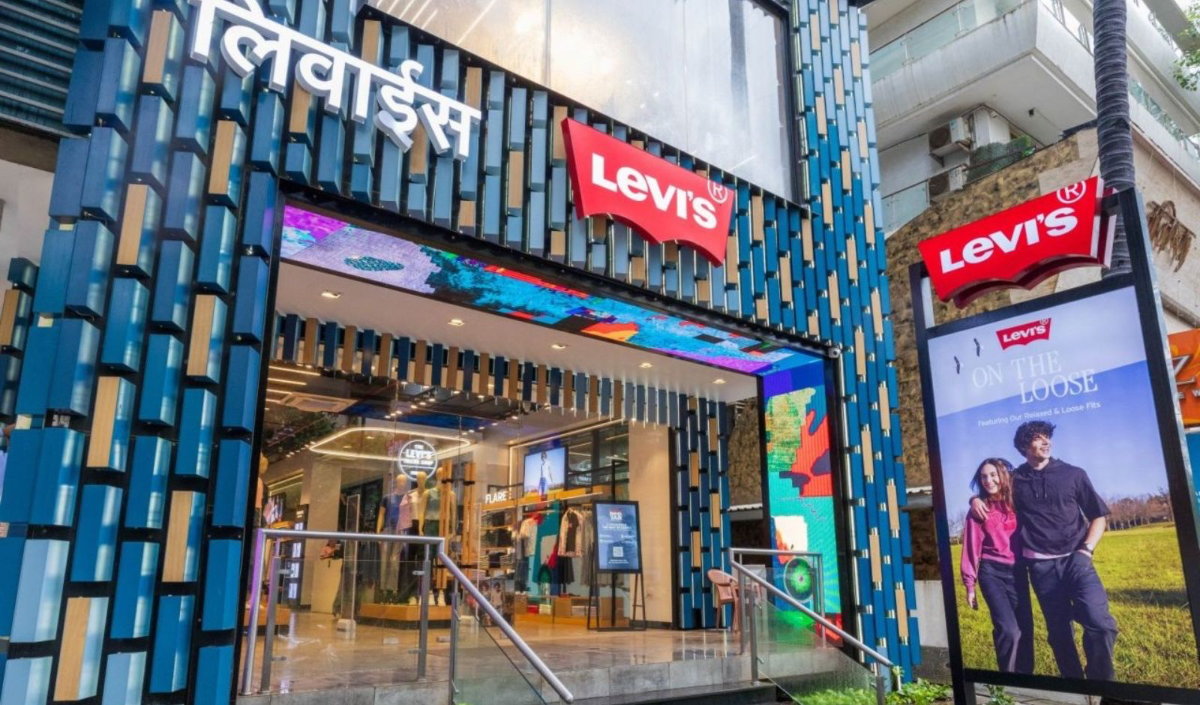
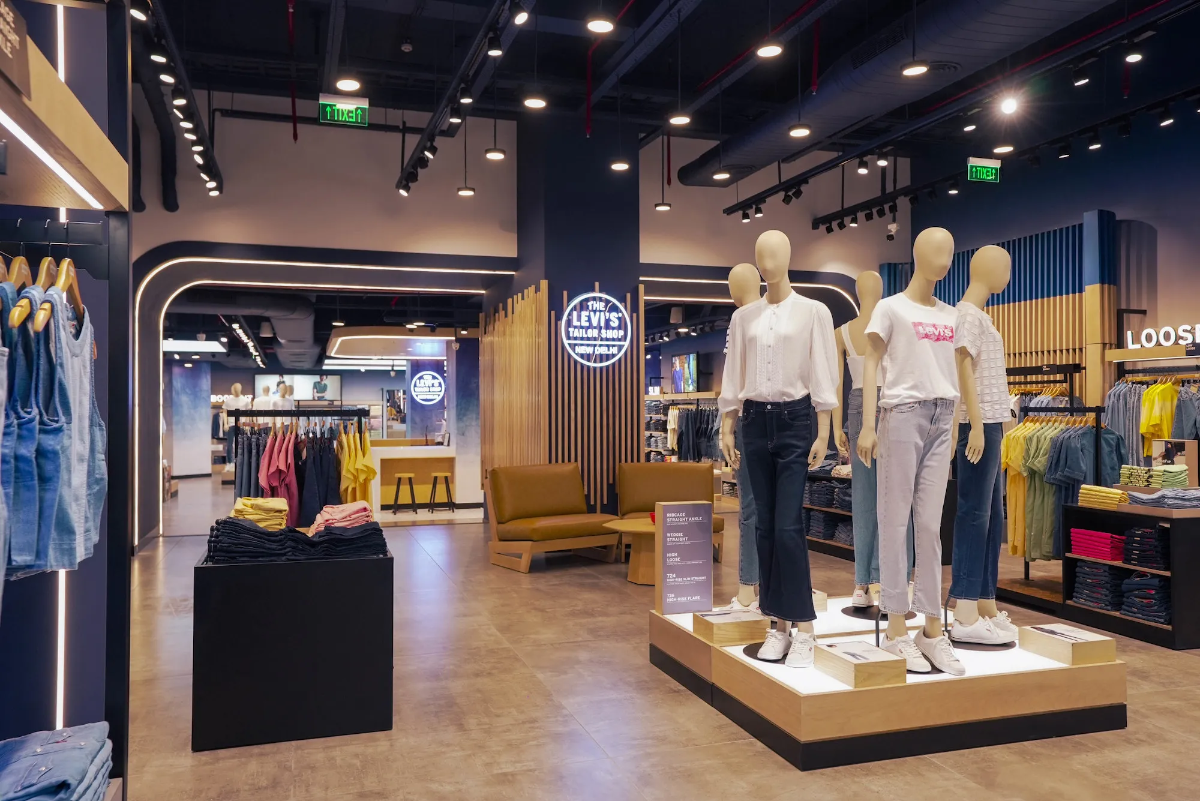
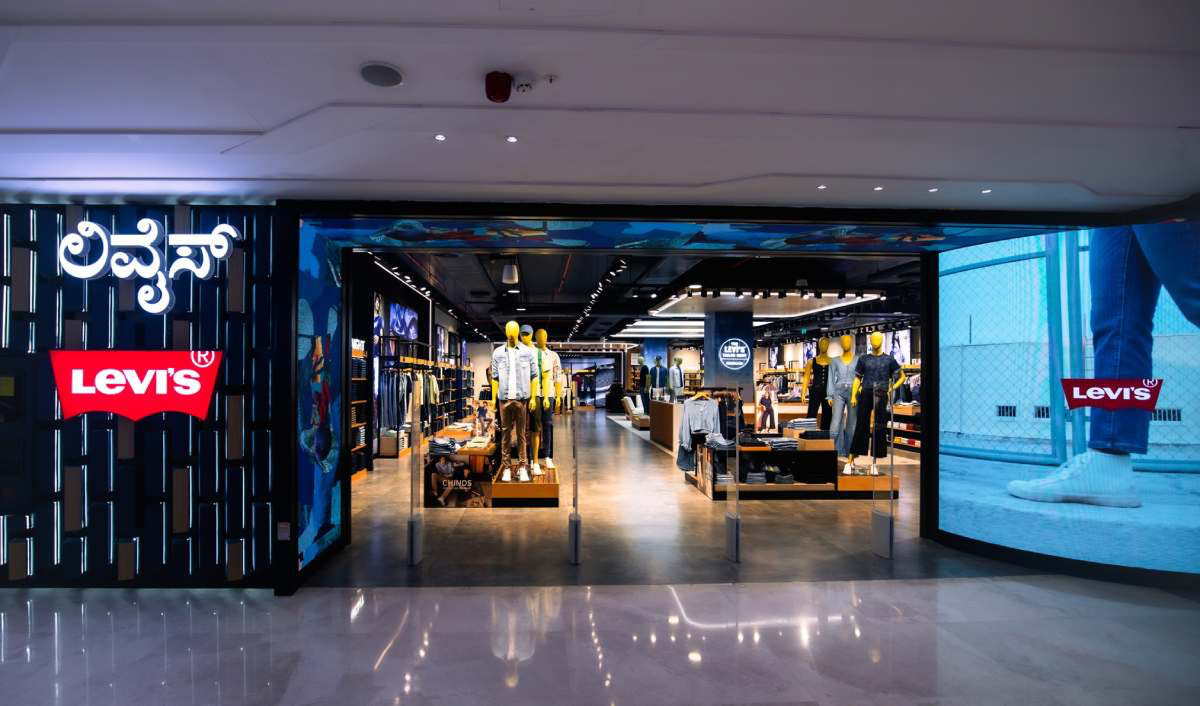
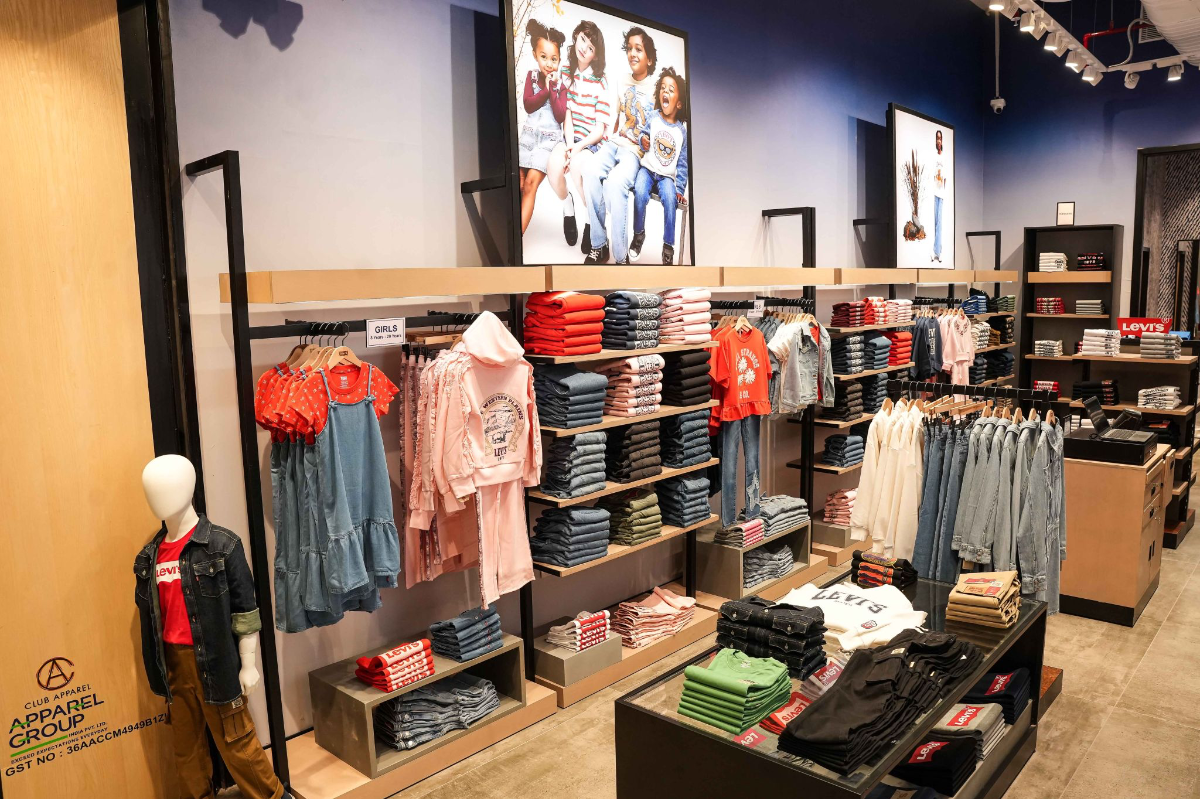
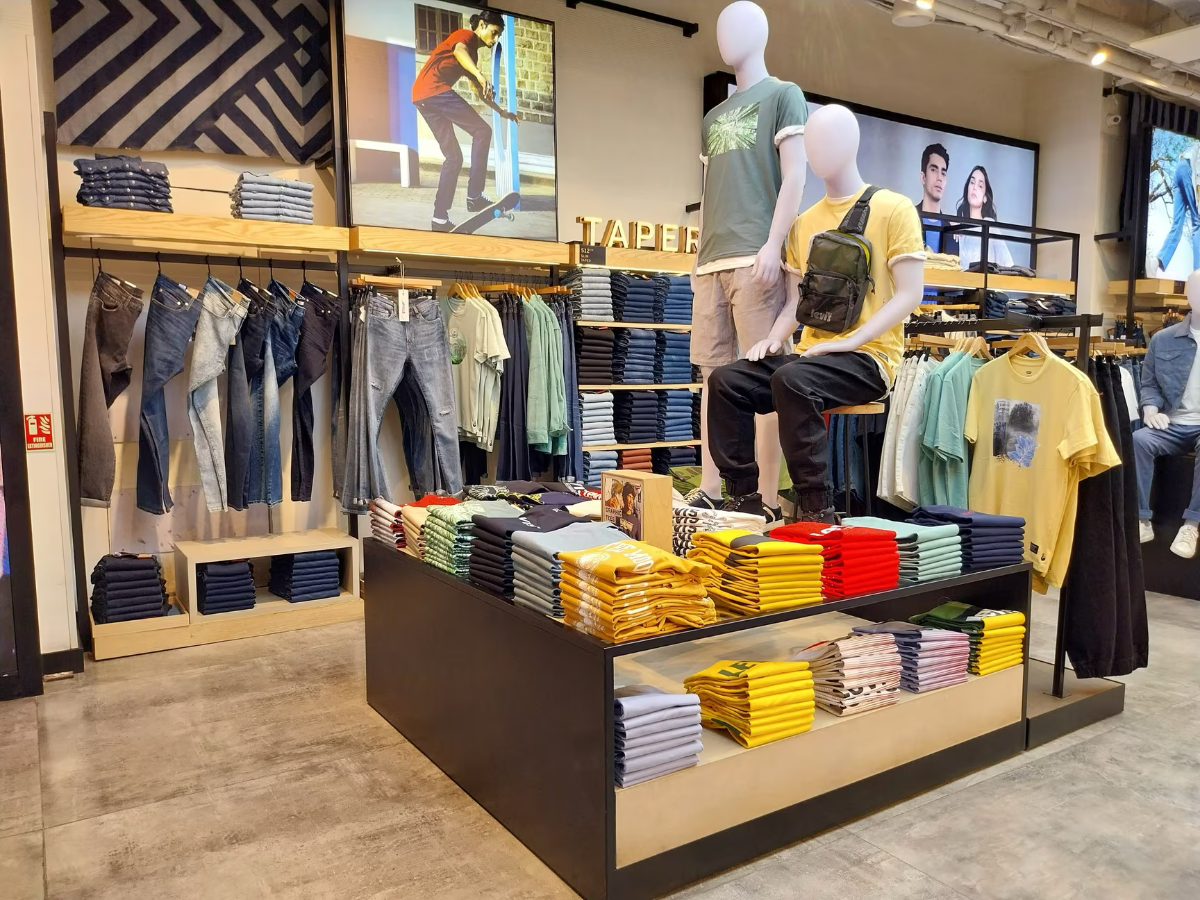
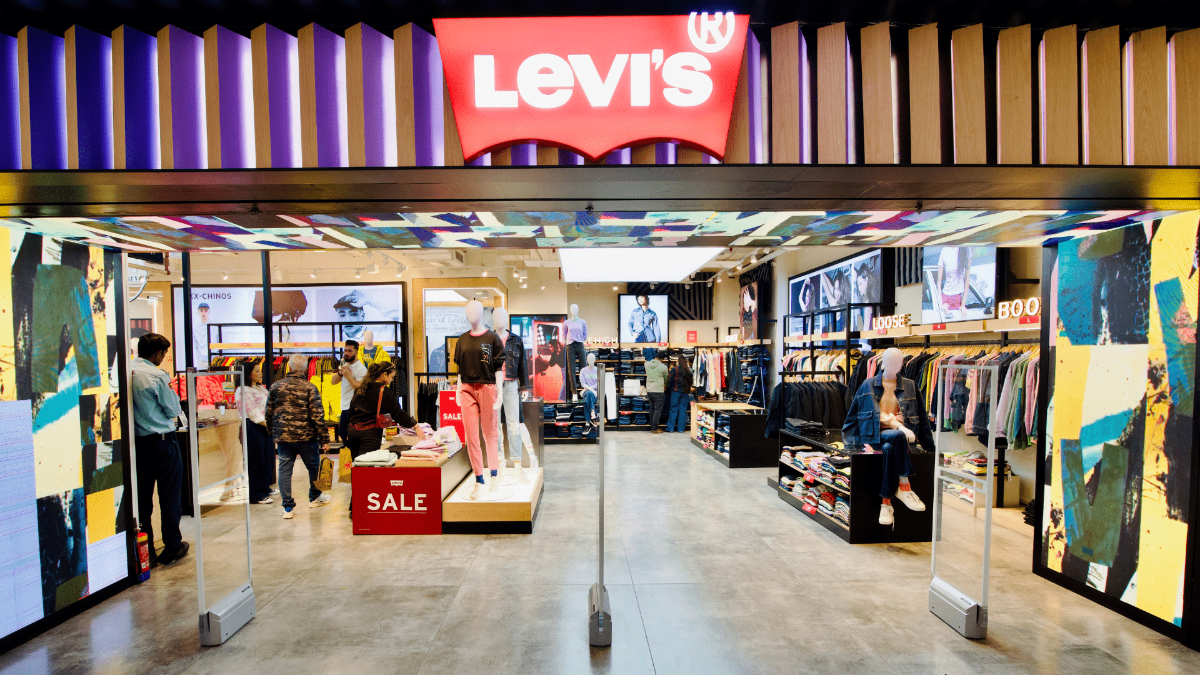
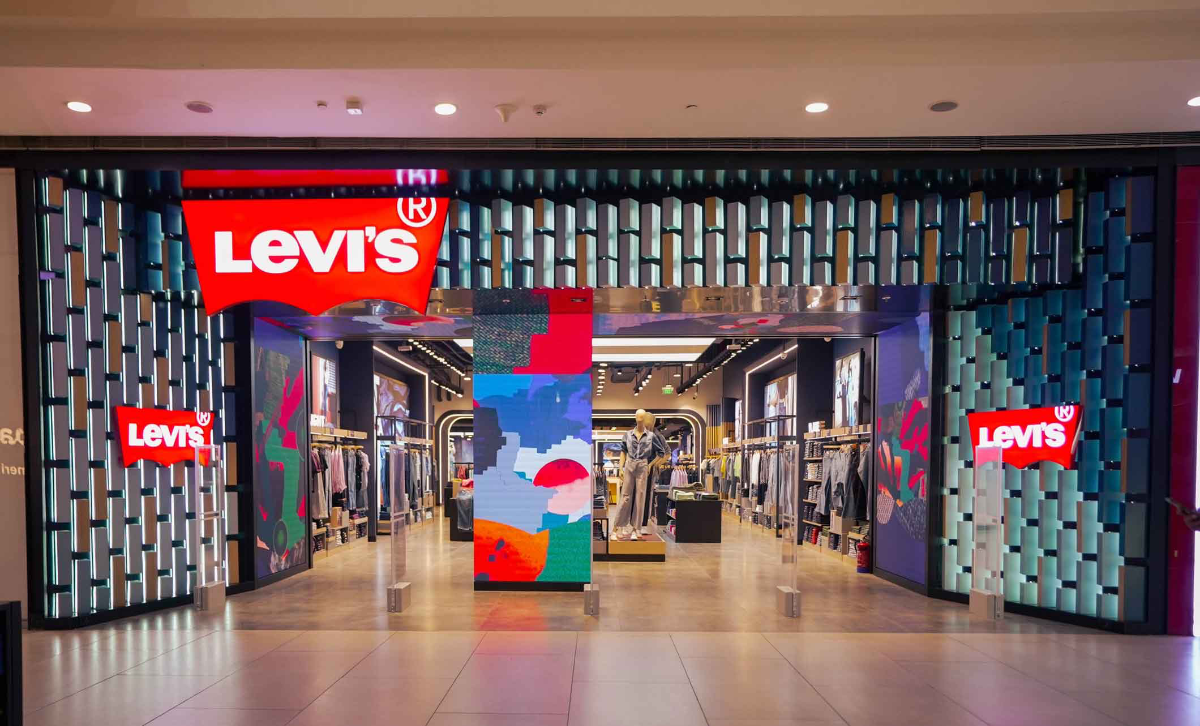
Denim's oldest American label — founded 1853 — runs India through FOCO, meaning operators collect footfall benefits without carrying inventory risk, which quietly makes this less a retail franchise than a brand-rental model where the parent absorbs the merchandising downside. With ~400 outlets already open and a Shop-in-Shop format needing just 300+ sqft, entry capex stays near ₹15 lakh, though the 9% revenue royalty compresses already-thin 25-32% gross margins sharply if footfall in your chosen mall doesn't sustain weekend-level volumes year-round.

Core Investment

Compare
Total Stores
Format i
Space Req. i
Total Commitment i
Working Capital i
Owner's Involvement i
0
L
M
H
PassiveLowMedFull-Time

Due Diligence & Legal

Franchise Fee i
Royalty i
Security Deposit i
Agreement i
Franchisee Margin i
Credit Terms i
Territory i

Operations & Training

Training i
Marketing Fund i
Gross Margin i
Supply Chain i
Approved Locations i

Investor Pro Tools

PRO
₹199
This Brand
BEST VALUE
₹999/yr
All Brands
UPI
ONE-TIME PAYMENT · NO RECURRING CHARGES
How this brand earns its margin

How Levi's franchisees make money

Levi's franchisees earn primarily from retail sales of Levi's branded casualwear—jeans, shirts, jackets, and related apparel—sold at recommended retail prices with a gross margin typically ranging 30–40%. The franchise operates as an exclusive store format, meaning the franchisee stocks and sells only Levi's products within a dedicated retail space. Revenue is straightforward: customer purchases at till, franchisee retains the margin above wholesale cost. A 9% royalty on gross sales flows to the parent company. Levi's is a single-brand, single-format franchise; there are no ancillary revenue streams (e.g., services, food, or adjacent categories) built into the contract.

Supply chain & sourcing

Levi's franchisees operate within a parent-controlled inventory and wholesale cost structure typical of branded apparel franchises. The franchisee receives finished goods (jeans, shirts, outerwear) from Levi's distribution at wholesale prices set by the parent; the franchisee cannot source independently. Markdowns, seasonal stock clearance, and unsold inventory risk rest with the franchisee. This model means real net margins (after accounting for markdowns and slow-moving stock) often fall below the headline gross margin, especially in slower quarters. Operational efficiency and local sales execution directly control profitability.

Demand & growth signals

Casual apparel demand in India is relatively steady but exhibits seasonal peaks around festival seasons (Diwali, summer holidays) and back-to-school periods. Urban consumer preference for branded denim and casual wear has grown with rising disposable incomes, supporting consistent footfall. However, like all retail, traffic and conversion fluctuate with local economic conditions, competing promotions, and weather. Franchisees should expect revenue to be moderately stable within the category, but not immune to quarter-to-quarter variation or broader retail slowdowns. Levi's operates 400 stores across India, reflecting steady market presence in the branded casual apparel segment. The brand has been in India for decades and maintains strong brand equity among urban and semi-urban consumers. India's casual and denim wear market has expanded alongside rising middle-class spending and e-commerce-driven fashion awareness. Levi's continues to add stores, suggesting parent-company confidence in the franchise model's viability, though growth is evolutionary rather than explosive.

Disclosed revenue lines
How a franchisee earns
Disclosed revenue lines · Levi's
Primary
Retail sales of Levi's branded apparel
The sole revenue line for franchisees. Customers purchase jeans, shirts, jackets, and casual wear at retail prices; franchisees retain gross margin (typically 30–40%) above wholesale cost. The exclusive-store format means the franchisee stocks only Levi's products and builds revenue entirely from their sales volume, local marketing, and foot traffic. This is a straightforward retail model with no auxiliary services, food, or complementary category sales.

Operating Locations

FRANticc · BrandFit AI

Is actually the right fit for you?

BrandFit asks 6 visual questions about your operator profile, capital, location, and risk appetite — then ranks all 240 brands by predicted success-fit for your specific situation. shows up where it actually fits, not just where it can afford.

Run BrandFit on my situation
Industry story · Apparel & Fashion

How apparel franchise economics actually work

Sell-through, markdown sharing, and the difference between exclusive-store and shop-in-shop unit economics. The numbers brand reps rarely walk you through.

See the full Apparel industry story

Join this Brand : See if you Qualify ↓

Syncing Database...
0% Complete
Upload Gallery Photos

Select the category to assign these 0 photos to:

Edit Gallery Categories
Edit Industry Registry

More in this category, or compare Levi's side-by-side

Frequently asked · Levi's
How do Levi's franchisees make money?
By purchasing Levi's branded apparel at wholesale cost from the parent company and retailing it at recommended prices. The franchisee earns the difference (gross margin of 30–40%) minus operating costs. A 9% royalty on gross sales is paid to Levi's. Revenue is tied entirely to customer purchases of jeans, shirts, and casual wear within the exclusive retail store.
What is the Levi's franchise cost?
Investment ranges from ₹50 lakh to ₹1 crore depending on store format and location. Franchise fee is typically ₹5 lakh. Space requirement is 800–1,200 sq. ft. for standard formats, though larger formats (3,000–5,000 sq. ft.) may be available in high-traffic areas. Total capex includes construction, fit-out, initial inventory, and working capital.
What revenue streams does a Levi's franchisee have?
One primary stream: retail sales of Levi's branded casualwear. No food, services, or ancillary categories are part of the franchise contract. All revenue derives from customer purchases of apparel at retail prices.
Is Levi's franchise revenue seasonal or steady?
Moderately steady with seasonal peaks. Casual apparel demand is relatively consistent, but traffic and sales uplift during festival seasons (Diwali, summer), back-to-school, and holiday periods. Like all retail, quarterly performance depends on local foot traffic, competition, and broader economic conditions. Franchisees should expect normal retail seasonality rather than extreme volatility.
Is Levi's actively franchising in India?
Yes, Levi's is actively franchising in India through a verified franchise model. The brand operates approximately 400 outlets across the country and continues to expand through its Shop-in-Shop and Exclusive Store formats. Levi's India franchise opportunities are managed through the parent company's structured recruitment process, with verified franchise terms available on their official website.
What is the minimum investment required for a Levi's franchise?
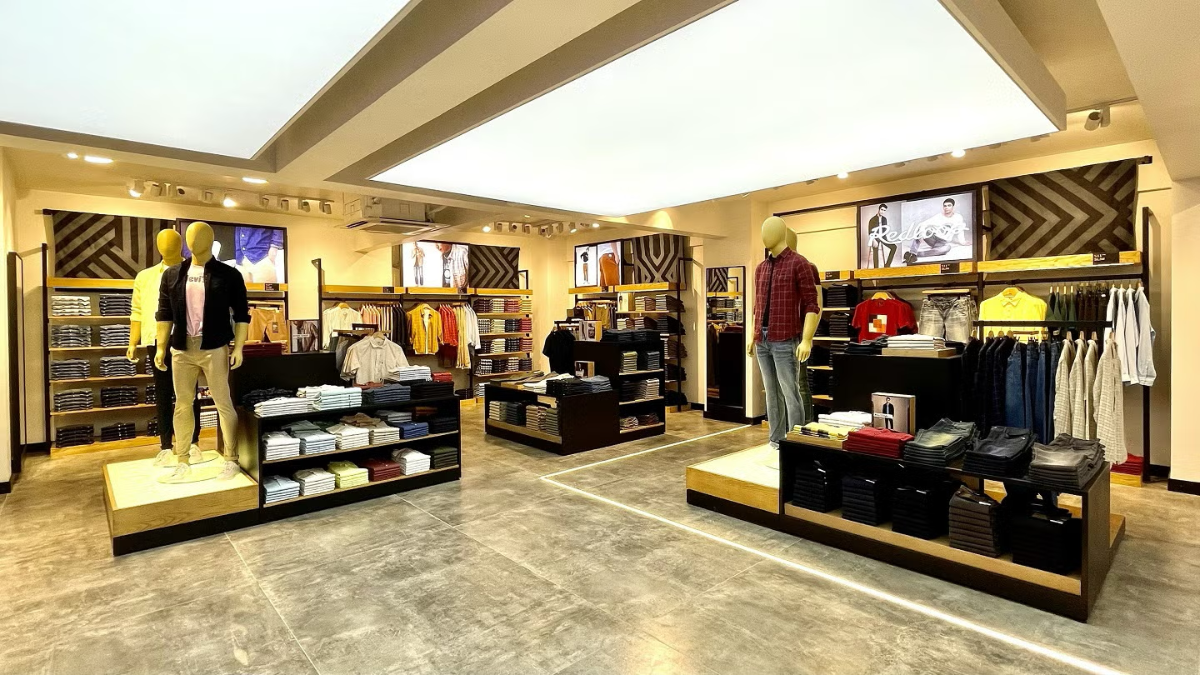
The minimum investment for a Levi's franchise is ₹15 lakh for a Shop-in-Shop format (300+ sqft) and ₹60 lakh for an Exclusive Store format (1,200+ sqft). This includes franchise fee, construction, fit-out, working capital, and initial setup. The Shop-in-Shop model is a FOCO (Franchise Owned, Company Operated) format where the brand manages operations; the Exclusive Store is a FOFO (Franchise Owned, Franchise Operated) model where you run the business independently.
What is the franchise fee for Levi's?
The Levi's franchise fee is ₹8 lakh for Shop-in-Shop format and ₹5 lakh for Exclusive Store format. This one-time fee grants you the right to operate under the Levi's brand within your territory. Additional investment covers working capital, fit-out, and signage, varying by format and location.
Does Levi's charge royalty on franchise sales?
Yes, Levi's charges a 9% royalty on gross revenue across both franchise formats. Additionally, a 2% marketing fund contribution is mandatory. These fees are collected on all retail sales of Levi's branded apparel. The royalty structure reflects the brand's ongoing support, supply chain management, and marketing investment throughout the agreement term.
How much space is needed for a Levi's franchise?
A Levi's Shop-in-Shop format requires a minimum of 300 sqft, typically located within existing multi-brand retail stores. An Exclusive Store format requires 1,200+ sqft of dedicated retail space. Space requirements reflect the inventory density and customer experience standards Levi's maintains. Shop-in-Shop suits mall operators and department stores; Exclusive Store suits standalone or high-traffic retail locations seeking territorial exclusivity.
What is the gross margin on a Levi's franchise?
Gross margin on Levi's franchise sales ranges from 25–32% for Shop-in-Shop format and 30–40% for Exclusive Store format. However, the 9% royalty and 2% marketing fund contribution reduce net margin significantly. Additional margin compression occurs through seasonal markdowns, slow-moving inventory, and operational costs. Net profitability depends heavily on local foot traffic consistency and inventory turnover efficiency.
How much training does Levi's provide to franchisees?
Levi's provides 5 days of training for Shop-in-Shop franchisees and 7 days for Exclusive Store franchisees. Training covers retail operations, point-of-sale systems, inventory management, customer service standards, and visual merchandising. The training period prepares staff and management to execute the brand's retail experience standards before the store opening.
What is the difference between Levi's Shop-in-Shop and Exclusive Store formats?
Shop-in-Shop is a 300+ sqft format within multi-brand stores where Levi's manages operations (FOCO model). Investment is ₹15 lakh with 25–32% gross margin. Exclusive Store is a 1,200+ sqft dedicated space where you operate independently (FOFO model), requires ₹60 lakh investment, offers 30–40% gross margin, and grants 5km territorial exclusivity. Shop-in-Shop suits low-risk entry; Exclusive Store suits operators seeking operational control and higher margins.
What is the Levi's franchise agreement term and renewal policy?
Shop-in-Shop agreements run for 3–5 years; Exclusive Store agreements are 5 years and renewable. Terms are set by Levi's and non-negotiable. Renewal eligibility typically depends on meeting sales targets, operational standards, and lease continuity. Agreement expiry allows both parties to renegotiate terms or exit, making long-term location security critical for Exclusive Store operators.
How many Levi's stores are there in India?
Levi's operates approximately 400 outlets across India, spanning Shop-in-Shop formats in malls and multi-brand retail environments and Exclusive Stores in high-traffic locations. This network reflects decades of brand presence and ongoing expansion in the casual apparel segment. Store density varies by metro, tier-2, and tier-3 cities based on consumer demographics and retail availability.
Can a Levi's franchisee operate the store themselves or must they hire a manager?
For Shop-in-Shop format (FOCO model), owner involvement is low (L-level)—the brand manages day-to-day operations, so hands-on presence is not required. For Exclusive Store format (FOFO model), owner involvement is medium (M-level)—you are responsible for hiring, training, scheduling staff, and ensuring operational standards. Many operators hire store managers; others work on-site depending on personal preference and location proximity.
Is inventory risk borne by the Levi's franchisee?
Yes, in the Exclusive Store format (FOFO), inventory risk and markdown responsibility rest entirely with the franchisee. You purchase stock at wholesale and are responsible for clearance of slow-moving inventory, seasonal markdowns, and unsold stock at end-of-season. In the Shop-in-Shop format (FOCO), the parent company assumes greater operational and inventory risk. This structural difference is why Exclusive Store formats offer higher gross margins but carry higher operational complexity and financial risk.
Have a different question? Ask Franchise Pixie.

According to FRANticc's verified franchise database, Levi's requires a minimum investment of ₹15 L in a 300+ sqft commercial space under a Shop-in-Shop model. Levi's operates 400 outlets across India, established in 1853. Data confidence: Reported. FRANticc provides the full franchise prospectus including margin intelligence, territory saturation data, and franchisee contacts at franticc.com.

Levi's

Levi's is a Apparel & Fashion brand operating in India. This page is the editorial franchise profile, covering operating format, investment range, store distribution, and side-by-side comparisons with peer brands. The data is independent — FRANticc never accepts payment from brands to influence coverage.

Levi's Franchise Formats Available in India

Compare Levi's with other franchise opportunities on FRANticc — India's Franchise Discovery Platform. FRANticc tracks 225+ franchise brands across 14 industries with source-verified investment data, multi-source corroboration scoring, and territory saturation mapping.

Premium tools available for Levi's: Margin Intelligence with channel economics breakdown, Territory Saturation Checker (find the 5 nearest outlets to any location), Franchisee Connect (talk to existing Levi's operators), Legal Vault (regulatory history, directors, compliance records), and dynamic pricing based on data quality score. Visit franticc.com/brands/levis.html for the full interactive prospectus.