RaymondFranchise Cost in India 2026
Raymond Group
Raymond franchise cost in India (2026): ₹30L investment · 18% royalty — verified from primary sources · data as of Oct 2026
Core Investment
Due Diligence & Legal
Operations & Training
Investor Pro Tools
How Raymond franchisees make money
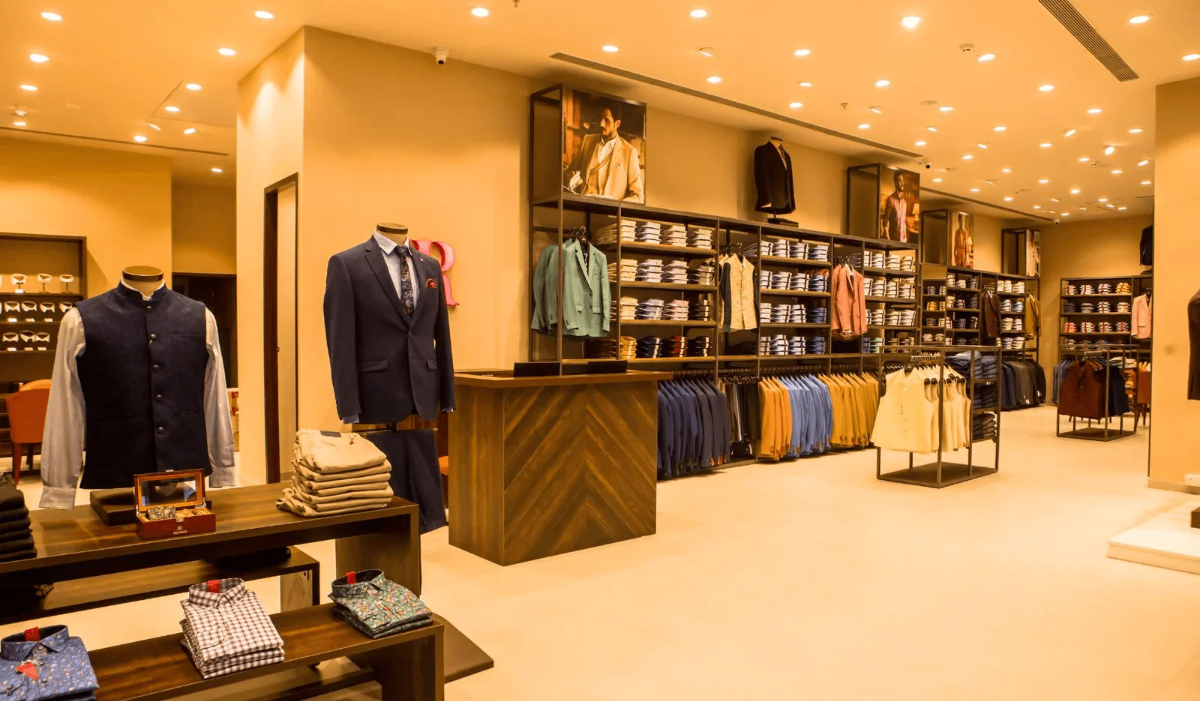
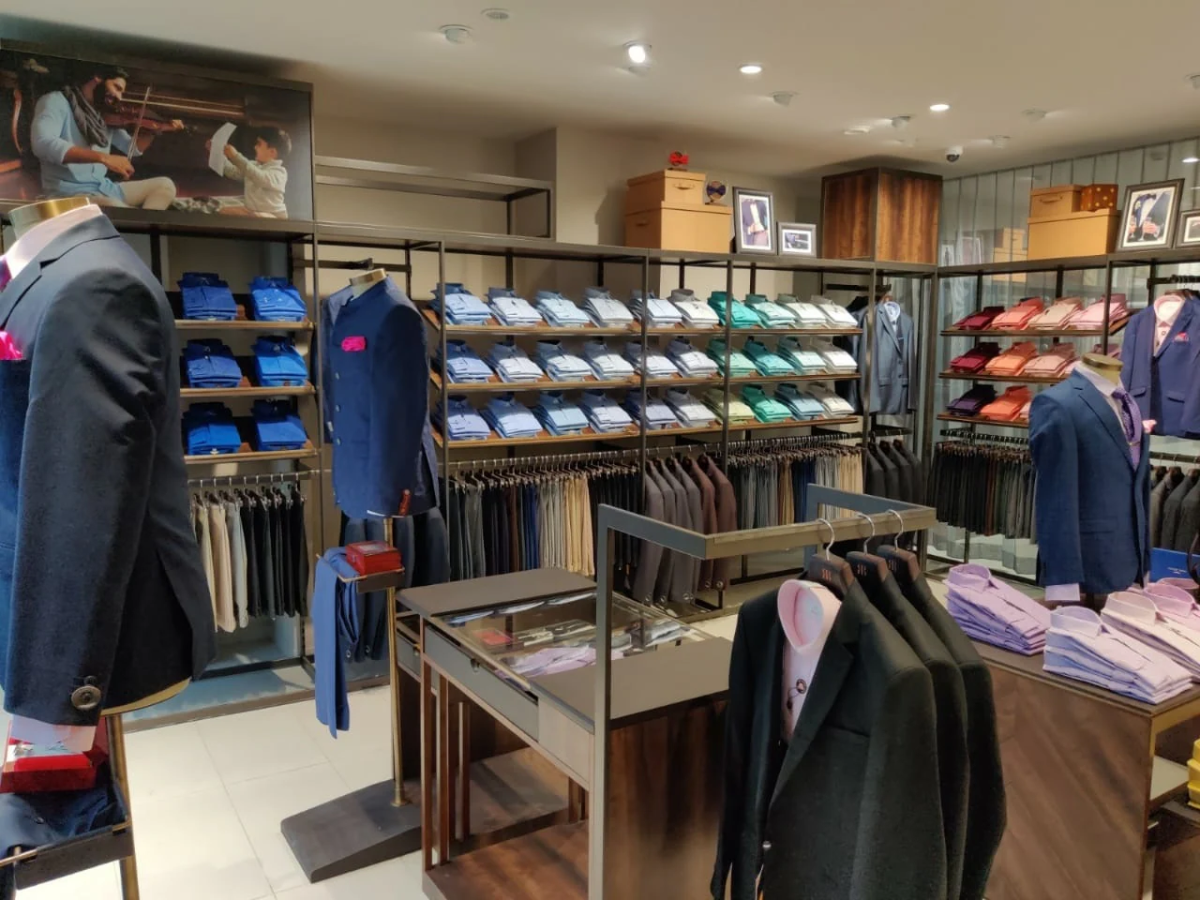
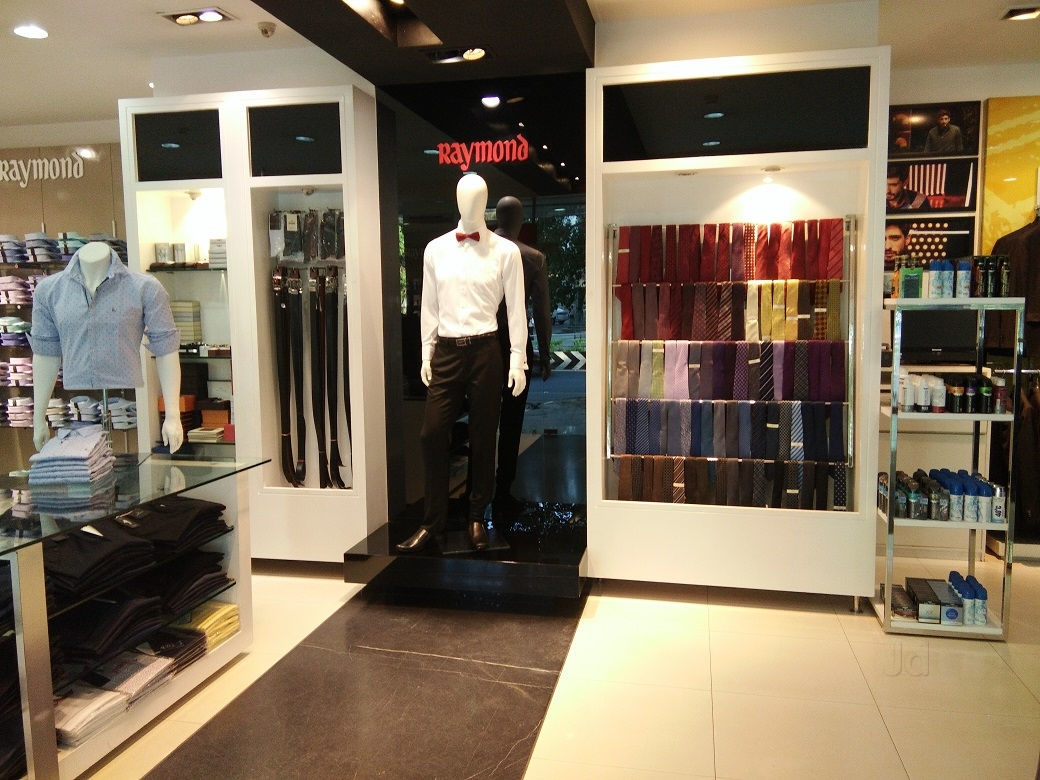
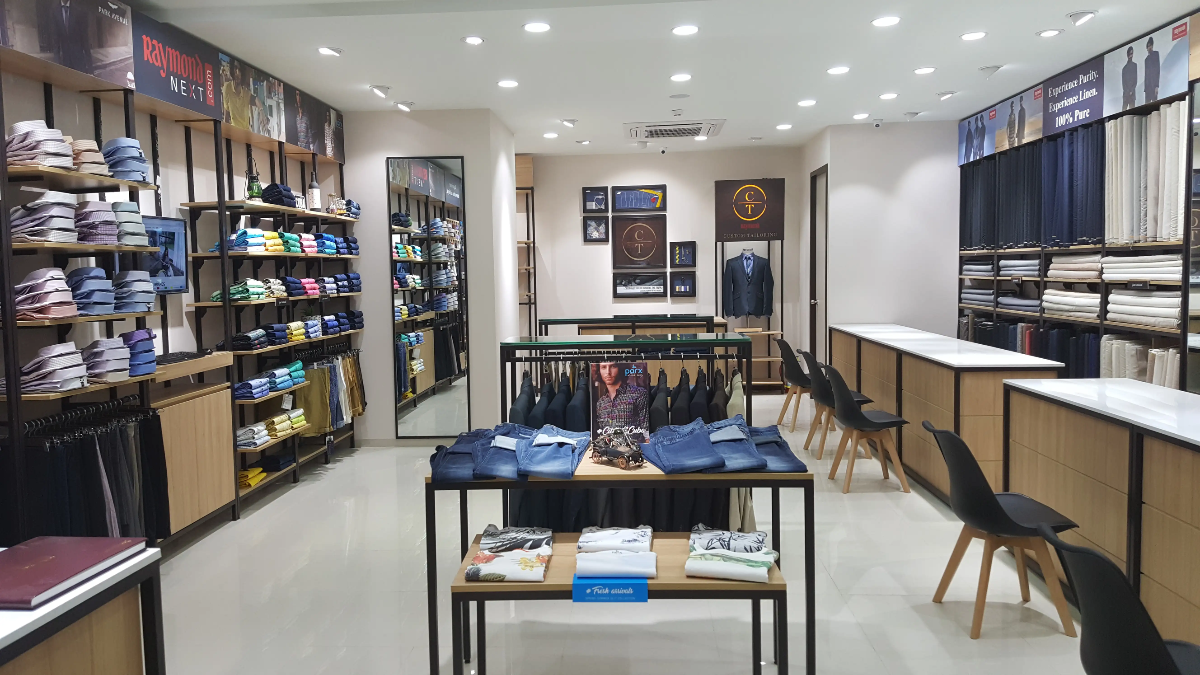
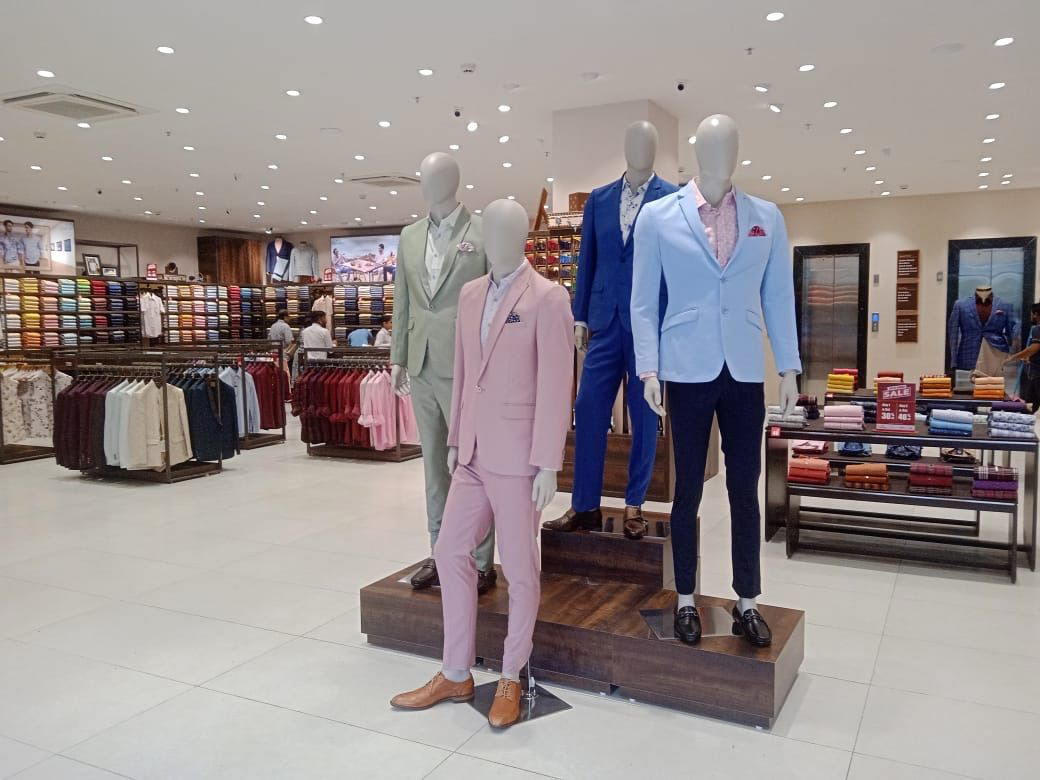
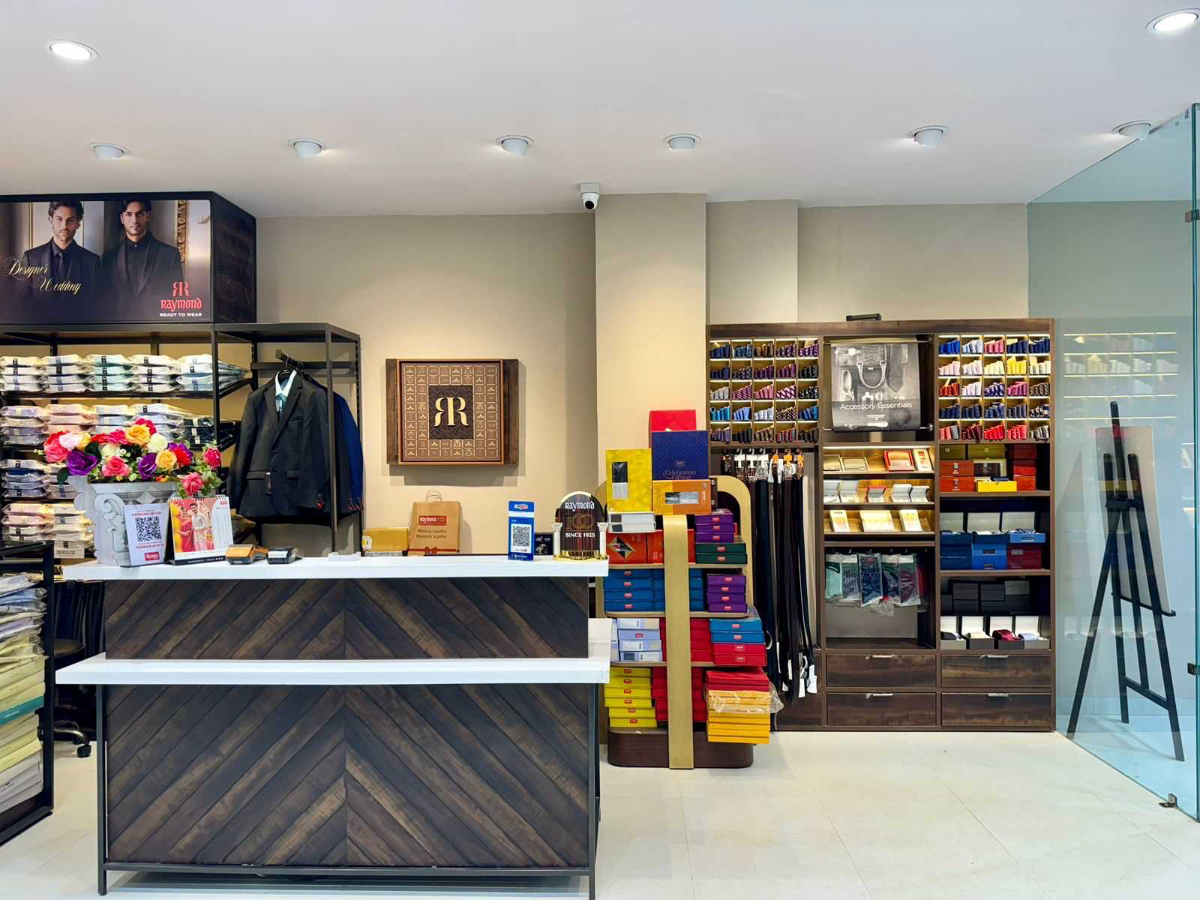
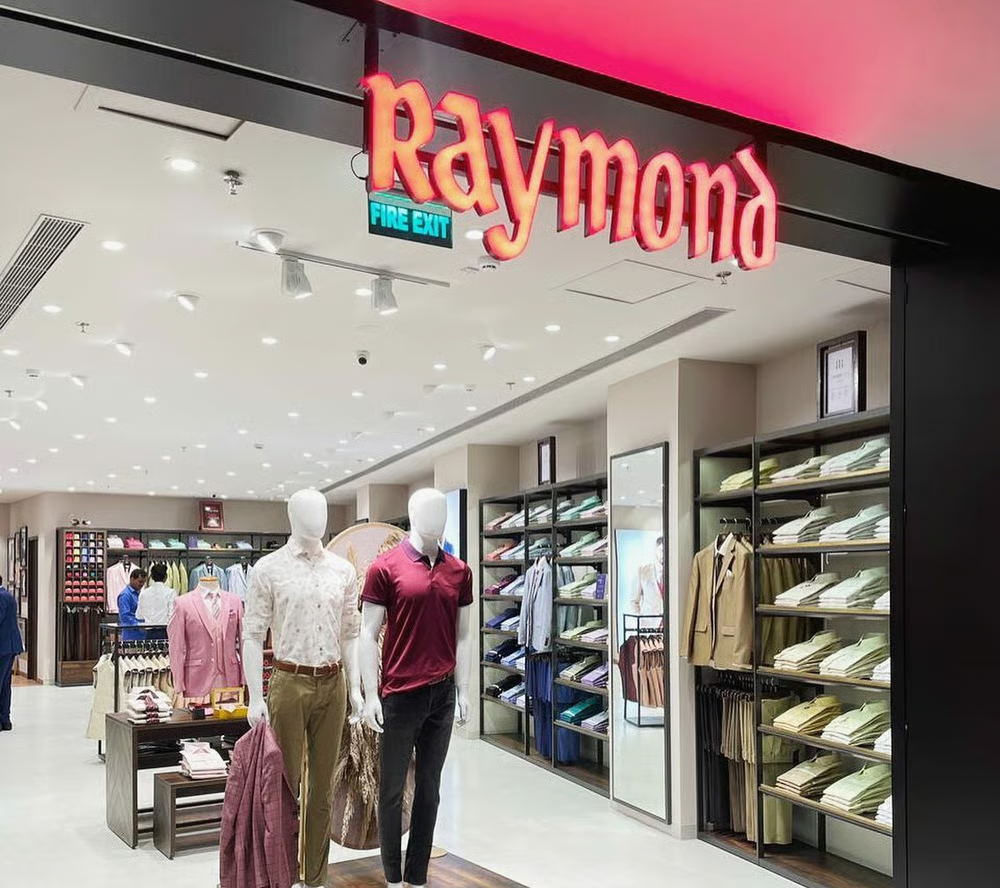
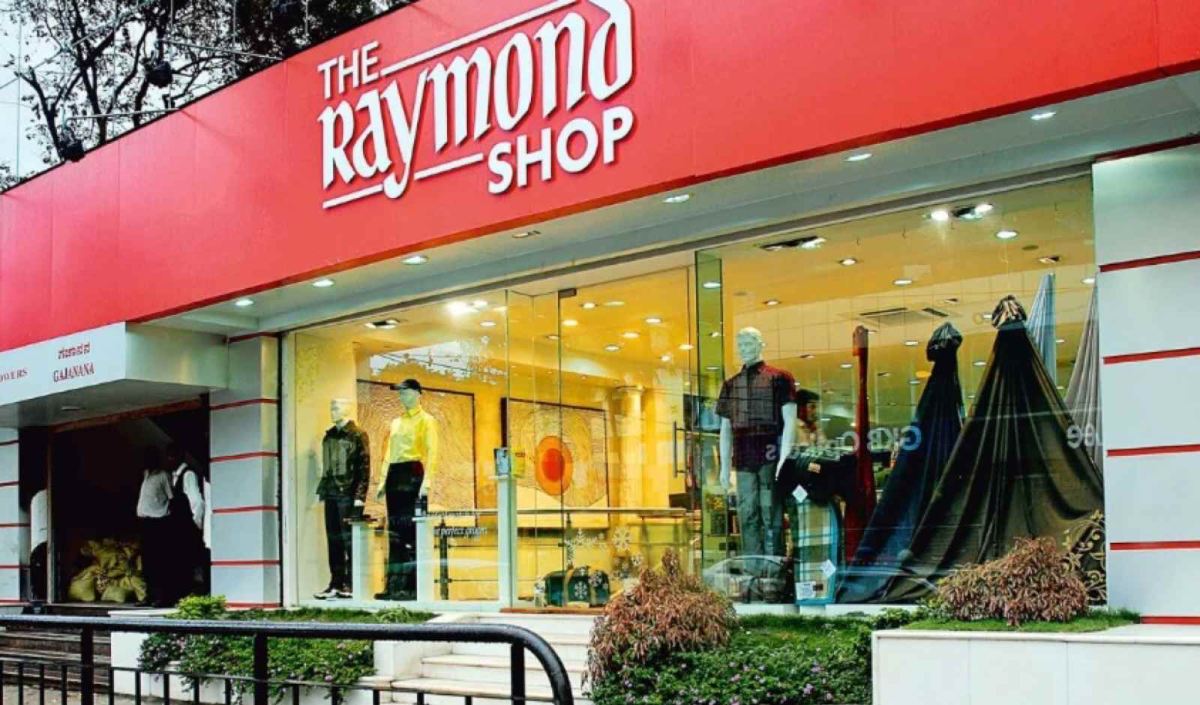
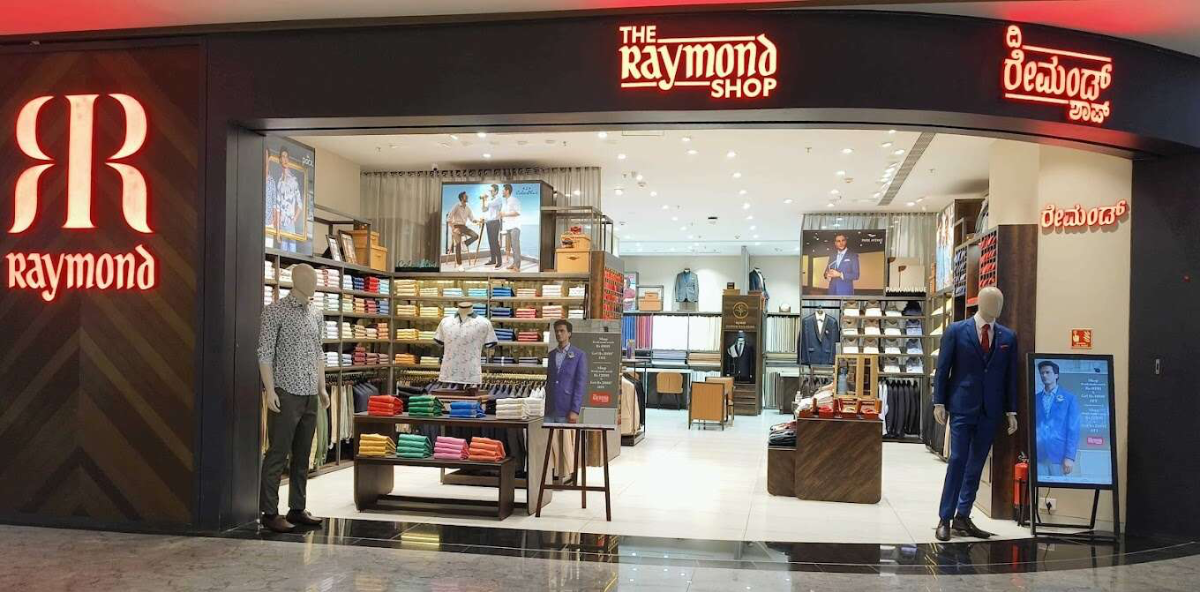
Raymond franchisees earn primarily from retail sales of premium suiting, formal wear, and apparel through The Raymond Shop format. Revenue derives from direct customer purchases of finished garments at marked-up prices above wholesale cost. The model is straightforward retail: franchisees stock parent-supplied inventory, sell at retail margins, and retain the difference after paying the parent a royalty (reported variously as 18-32% across sources). No ancillary services, licensing fees, or commission streams are part of the franchisee contract — this is pure apparel retail.
Supply chain & sourcing
Raymond supplies finished suiting and apparel to franchisees at wholesale cost. Franchisees operate within a parent-controlled inventory model: stock is sourced exclusively through Raymond, and unsold or marked-down inventory typically remains the franchisee's liability. This structure means the parent controls the wholesale margin (and thus the franchisee's gross margin ceiling), while franchisees absorb markdowns, seasonal clearance losses, and working capital risk. Royalty obligations are calculated on gross sales, not profit, which anchors the parent's revenue regardless of franchisee profitability.
Demand & growth signals
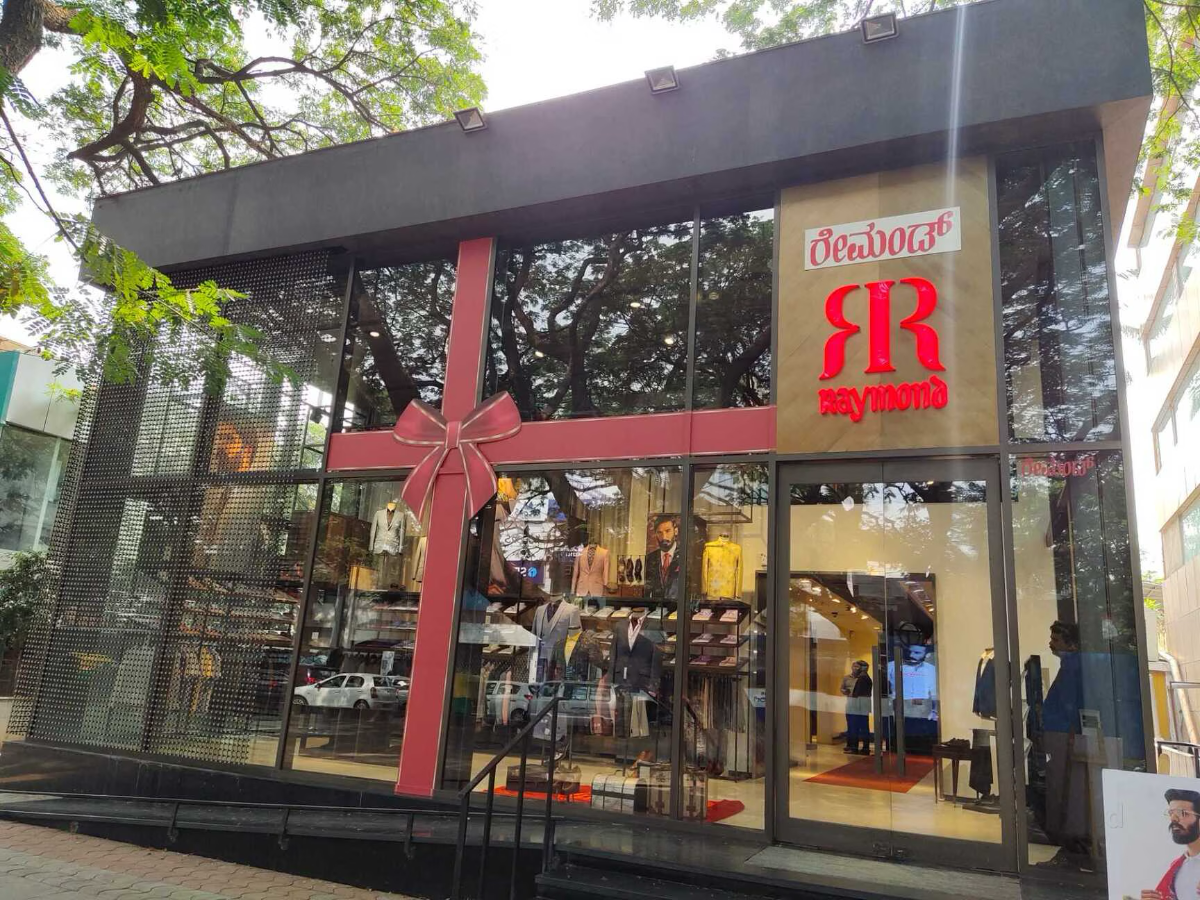
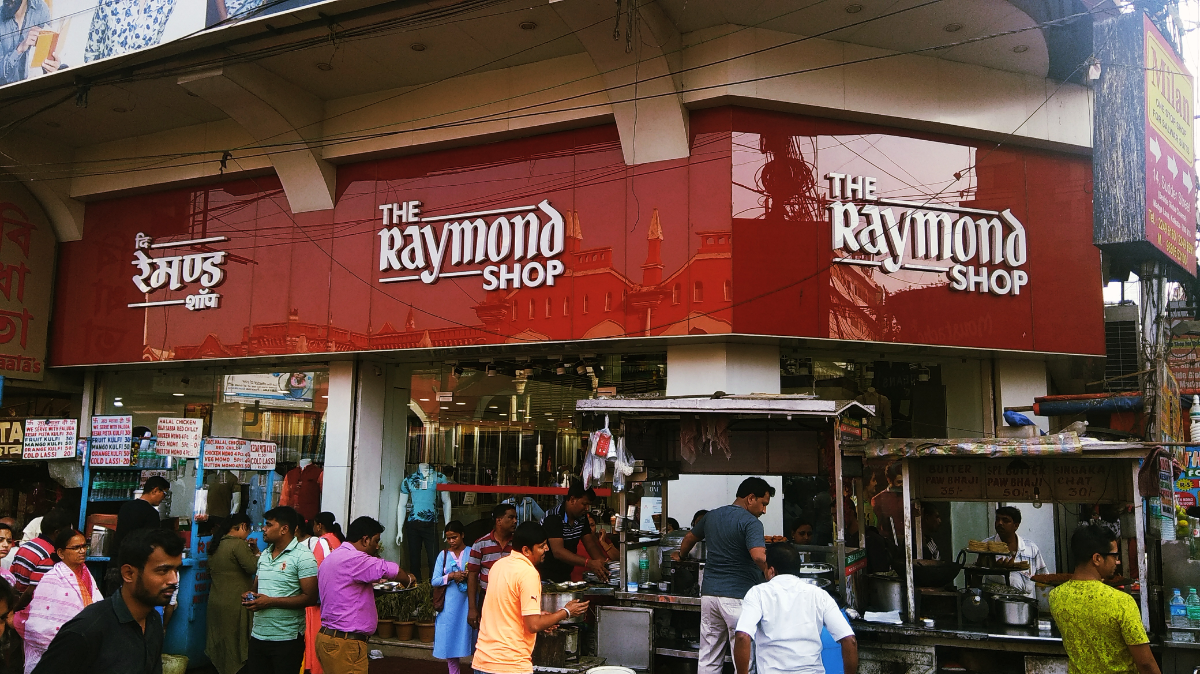
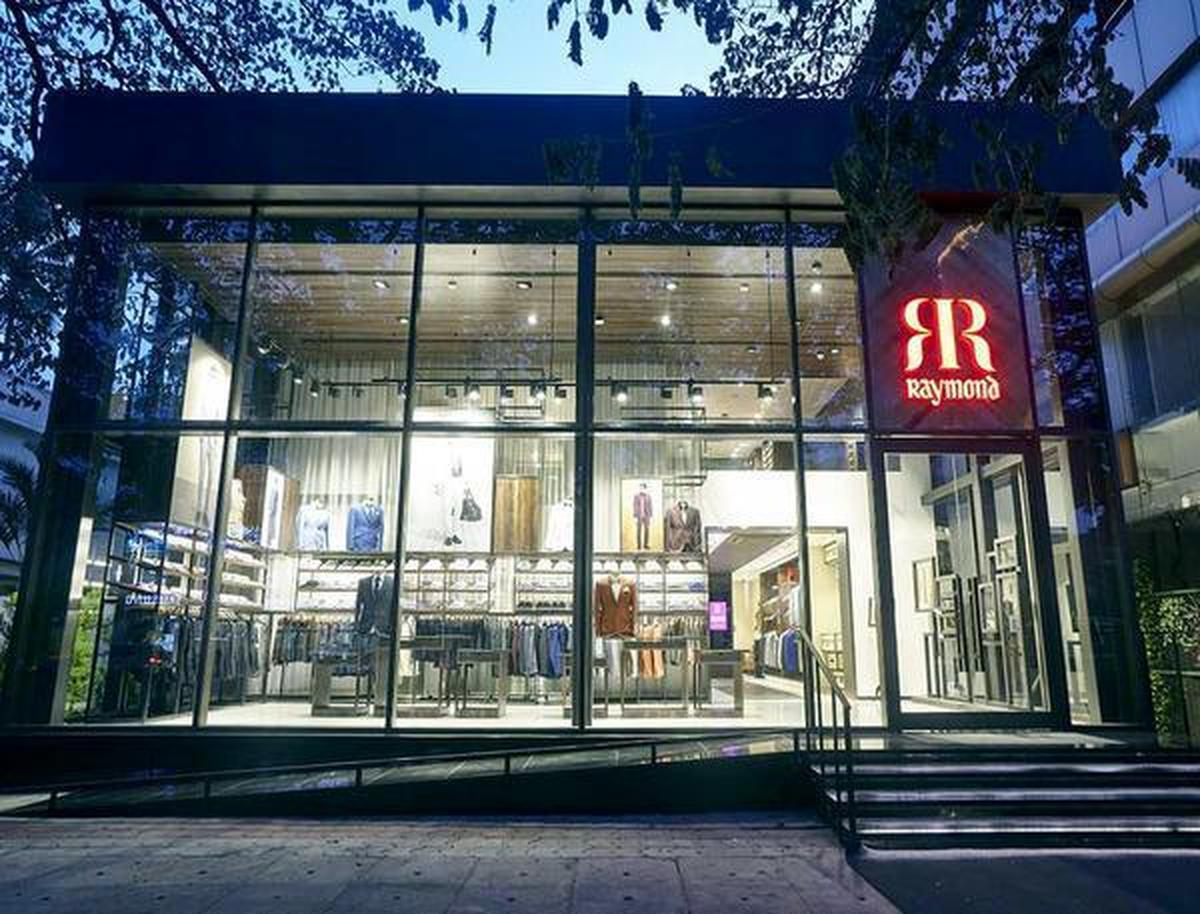
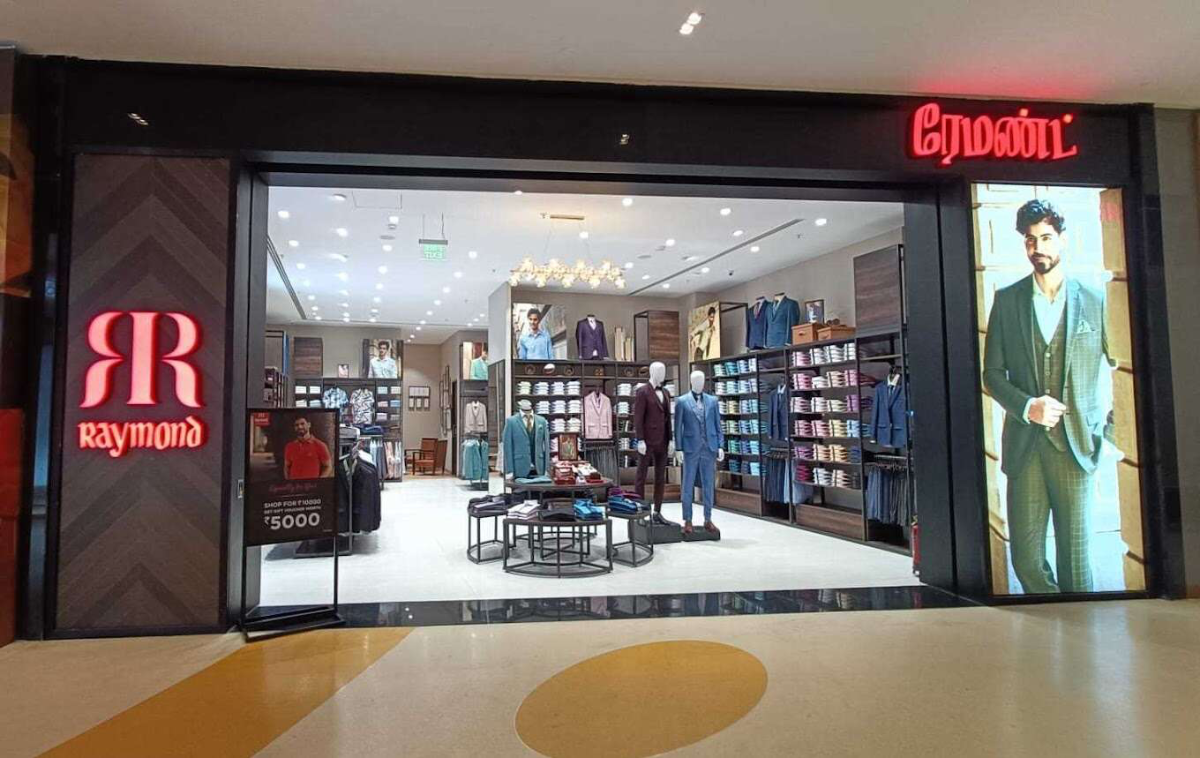
Premium suiting demand in India is moderately seasonal, peaking during festive periods (Diwali, weddings, year-end corporate gifting) and post-monsoon months when formal wear purchasing rises. Summer months typically see softer demand. Urban white-collar employment growth supports baseline year-round demand, but franchisees should expect 20-30% revenue fluctuation between peak and lean quarters. Weather, festival calendars, and corporate hiring cycles directly influence footfall and conversion. Raymond operates 1500 retail stores across India, reflecting sustained expansion in premium menswear retail since its founding in 1925. India's formal apparel market continues to grow with rising urban employment and middle-class incomes, though growth is modest compared to casual/ethnic wear categories. The brand's longevity and established supply chain signal stability, but the franchise system itself (as distinct from company-operated stores) remains a smaller portion of the overall network, limiting public visibility into franchisee-specific unit economics.
Operating Locations
Market position · peer cohort
Raymond operates one of this cohort's broad networks, with customer response in the middle band.
Mapped against 8 verified peers sharing its industry and store format — network breadth across, observed customer response up. Qualitative bands, relative to this cohort. Tags show how each network is run.
 Raymondfranchise-owned
 Manyavarfranchise-owned
 Pepe Jeansfranchise-owned
 FabIndiafranchise-owned
 Westsidecompany-operated
 Snitchfranchise-owned
 Levi'sfranchise-owned
 Zudiofranchise-owned
 Aureliafranchise-owned
| Brand | Breadth | Response |
|---|---|---|
| Raymondfranchise-owned |
Broad | Middle |
| Zudiofranchise-owned |
Growing breadth | Softer |
| Westsidecompany-operated |
Focused | Softer |
| Aureliafranchise-owned |
Focused | Middle |
+ 5 more peers in the full cohort · all shown on the map above
How this is built. Positions come from source-verified records in the FRANticc dataset — India's provenance-first franchise data platform. Every figure is traceable to a named source, tiered S1 (brand-official) to S7 (estimated, labelled as such). Network positions use only store counts with a documented source; customer response is the review-count-weighted average of documented Google review samples across Indian states. Brands whose network totals conflict across sources are excluded from the map rather than plotted — FRANticc fails closed on bad data. Not an investment recommendation.
Is actually the right fit for you?
BrandFit asks 6 visual questions about your operator profile, capital, location, and risk appetite — then ranks all 234 brands by predicted success-fit for your specific situation. shows up where it actually fits, not just where it can afford.
Run BrandFit on my situation