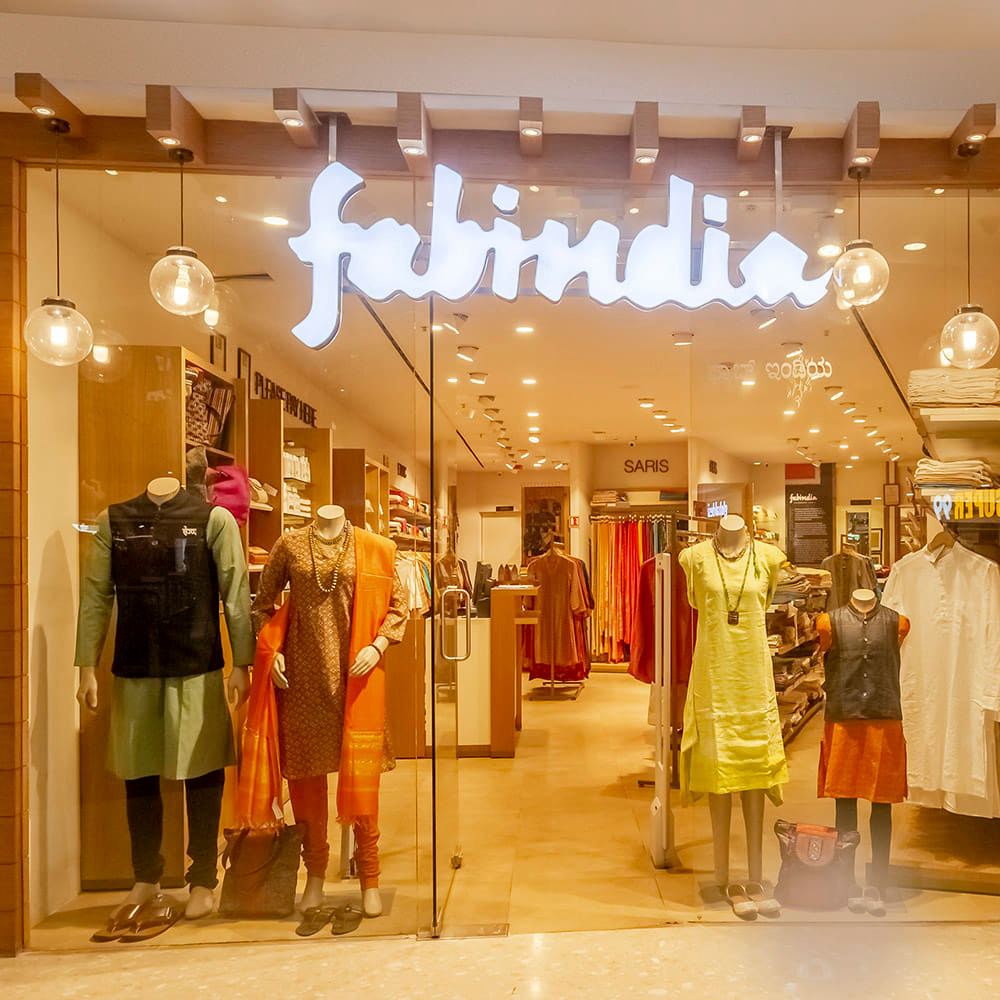
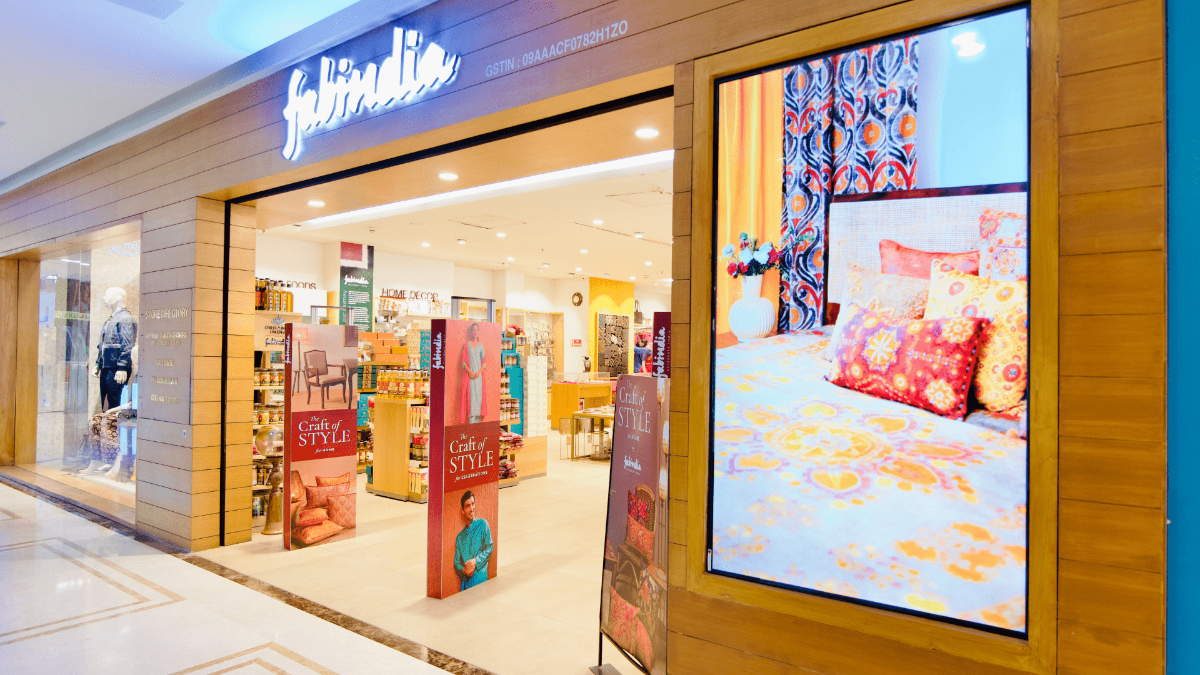
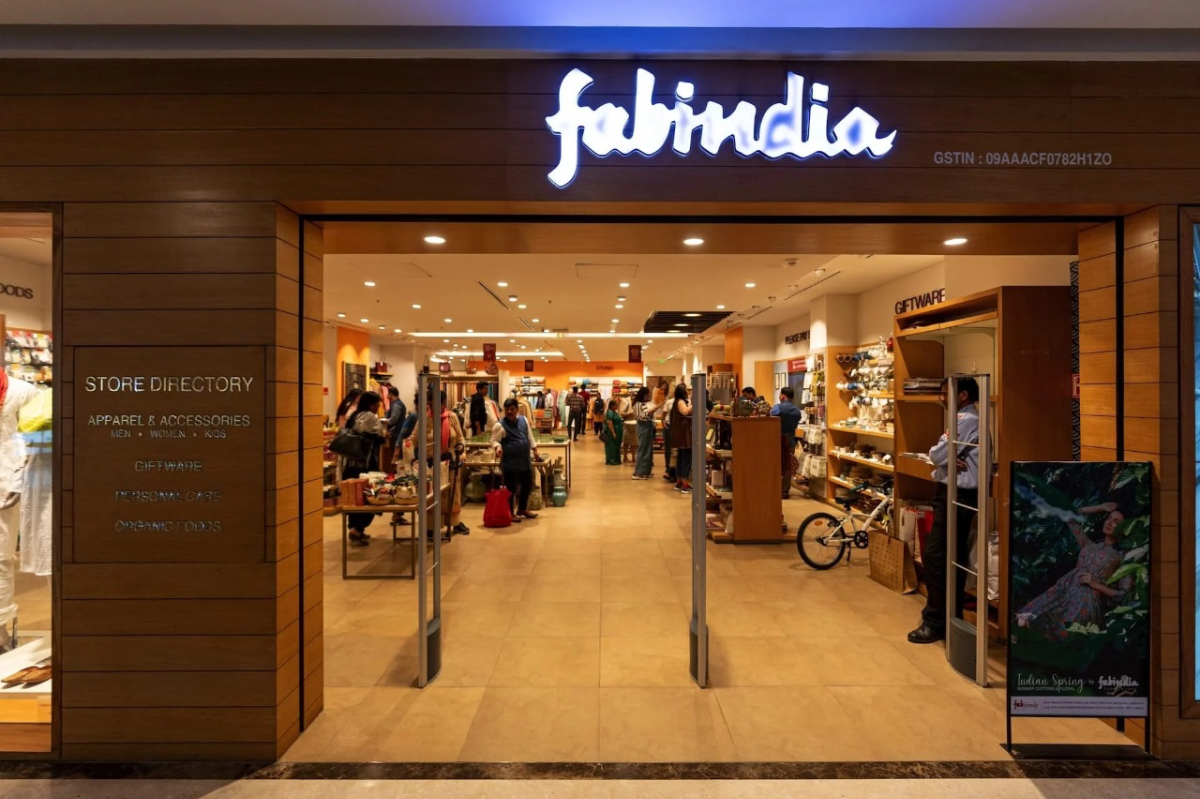
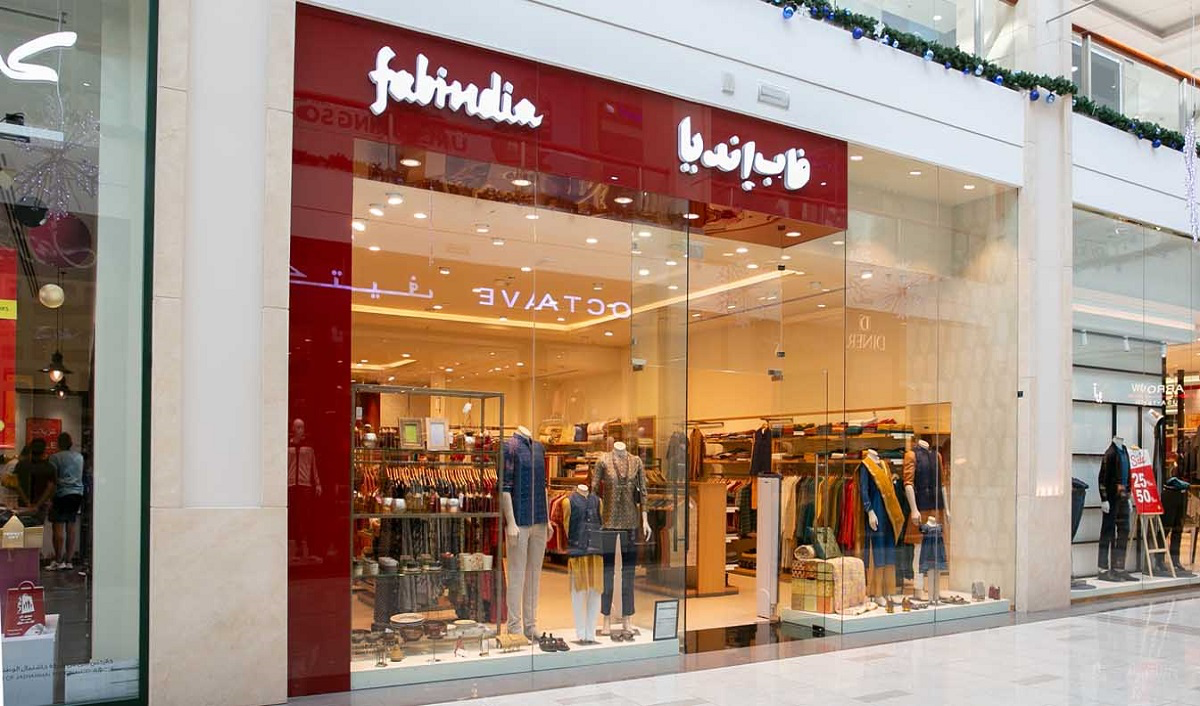
How do FabIndia franchisees make money?
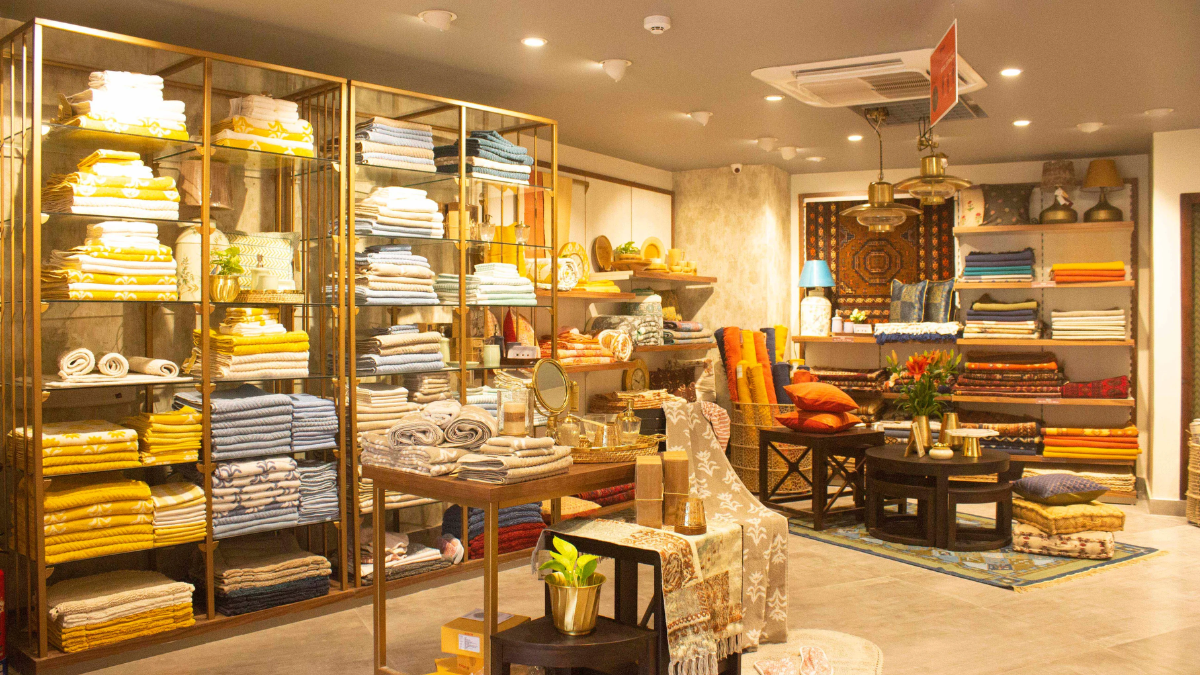
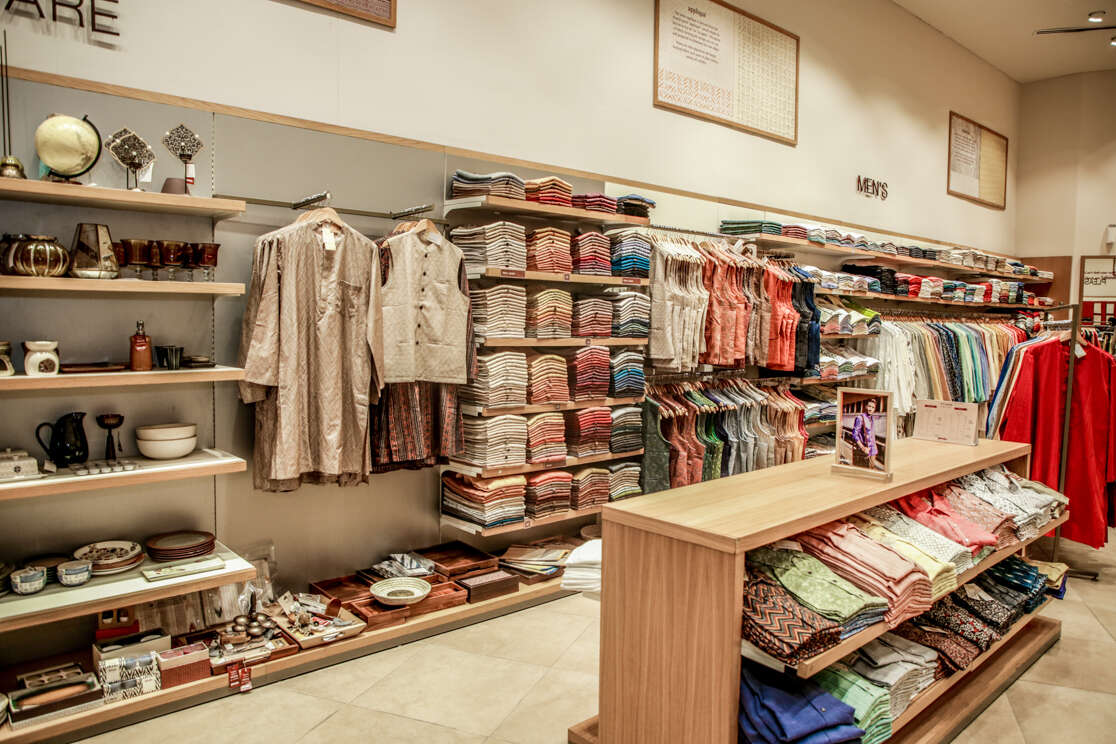
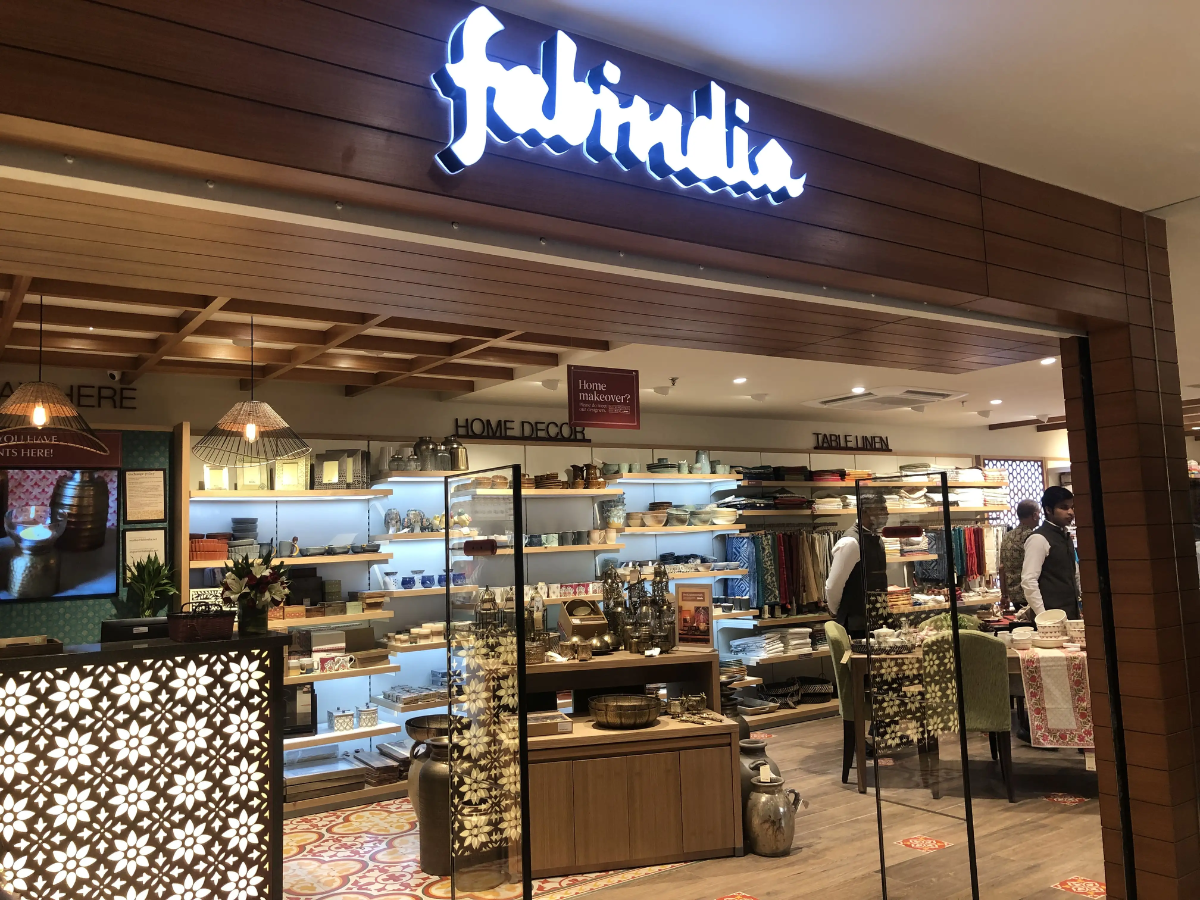
Franchisees earn from retail sales of ethnic apparel (30-40% margins) and home furnishings and décor (40-50% margins) through standalone stores or shop-in-shop formats. Secondary revenue comes from complementary accessories and gift items. Revenue is driven by footfall and transaction value, both subject to seasonal peaks during festivals and weddings.
What is the FabIndia franchise cost?
Total initial investment ranges from ₹40-50 lakhs for smaller stores to ₹1 crore or more for experience centres. Franchise fee ranges from ₹10-15 lakhs. Store size typically spans 1,000-2,500 sq ft depending on format (standalone vs. shop-in-shop).
What revenue streams does a FabIndia franchisee have?
Primary streams are ethnic apparel sales and home furnishings and décor. Secondary streams include accessories and gift items. Franchisees do not earn from parent-company services like hospitality, dining, or other ABFRL retail brands — these operate under separate franchise agreements.
Is FabIndia franchise revenue seasonal or steady?
Revenue is moderately seasonal. Ethnic wear and home décor see peaks during festival periods (Diwali, weddings, year-end gifting) and softer demand in off-season months. Steadiness depends on location, local purchasing power, and inventory management across these cycles.
Is FabIndia actively franchising in India?
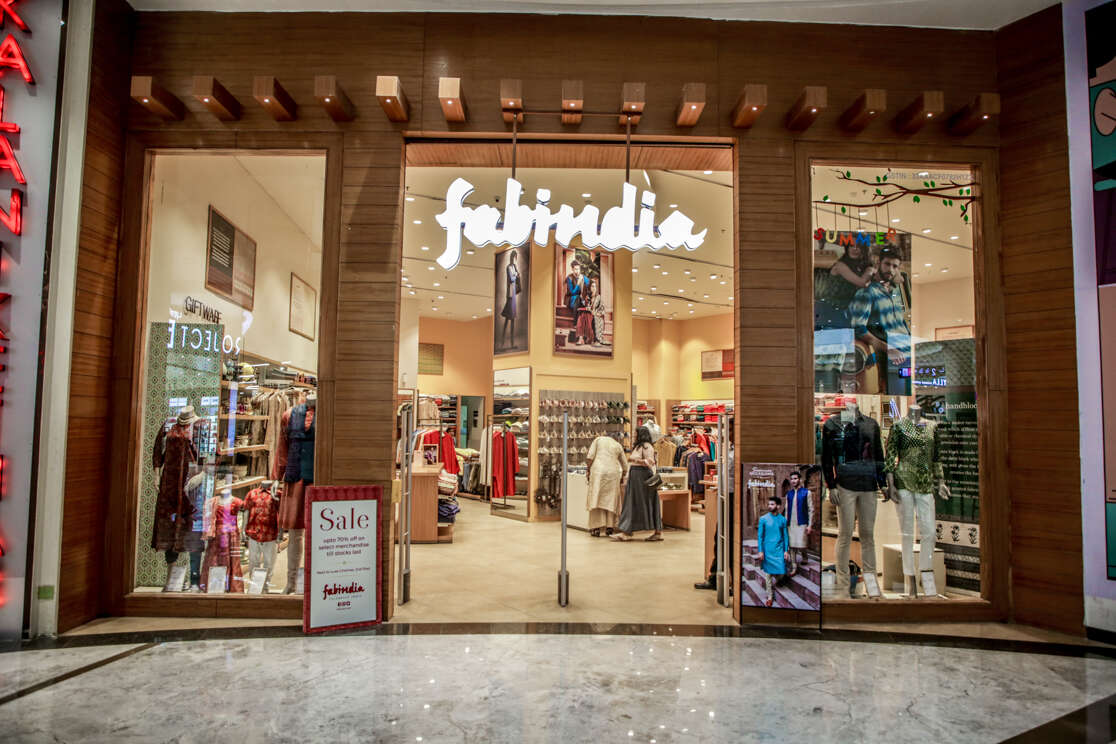
Yes, FabIndia is actively franchising in India under the Aditya Birla Retail Limited (ABFRL) parent company. The brand operates approximately 400 outlets nationwide across Tier-1 and Tier-2 cities and continues to expand through its franchise model. FabIndia uses a Franchise-Owned, Franchise-Operated (FOFO) structure, meaning franchisees own and operate their stores independently.
What is the total investment required to open a FabIndia franchise?
The total initial investment to open a FabIndia franchise ranges from ₹50 lakh to ₹1 crore, depending on store format and location. This comprises capex of ₹25 lakh, working capital of ₹25 lakh, and a franchise fee of ₹12 lakh. Larger experience centres or high-footfall mall locations may require investment toward the upper end of this range.
How much space is required for a FabIndia franchise store?
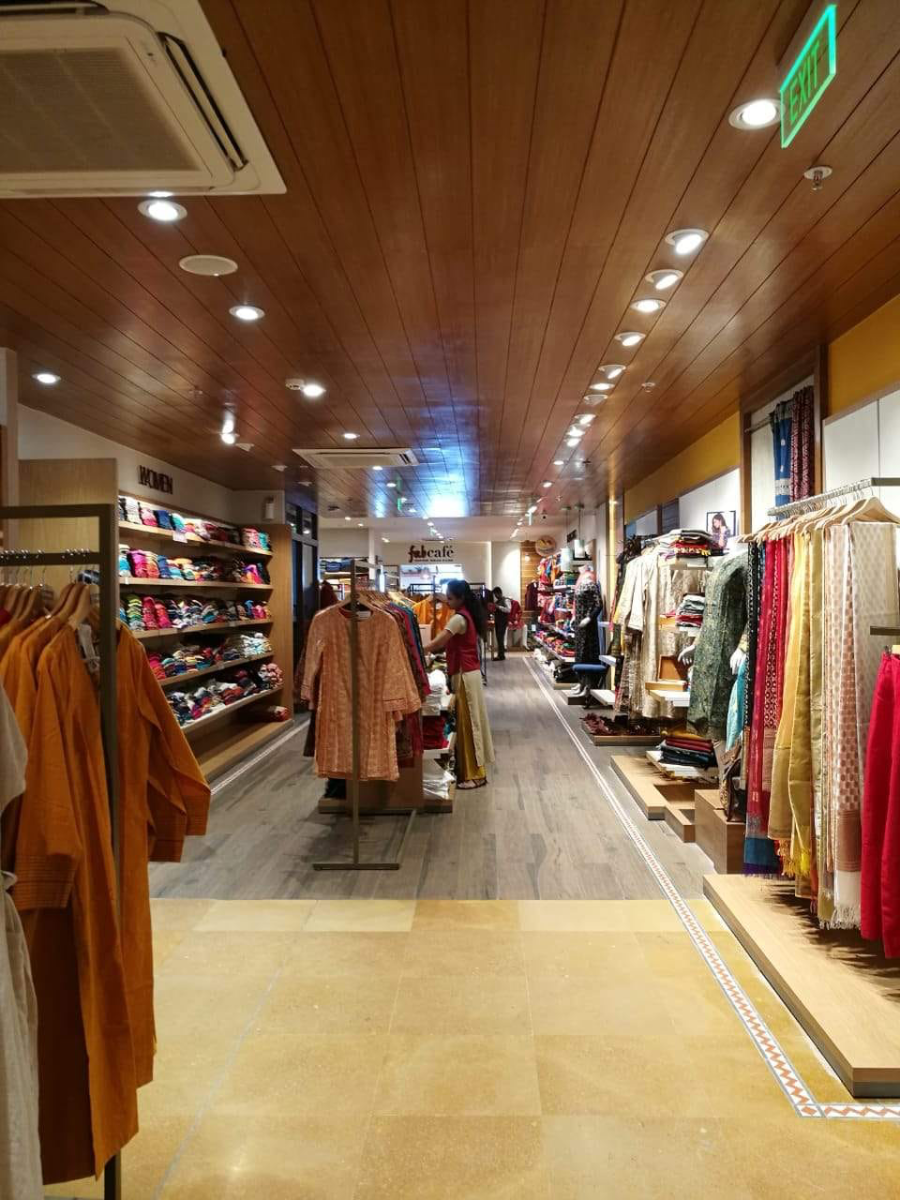
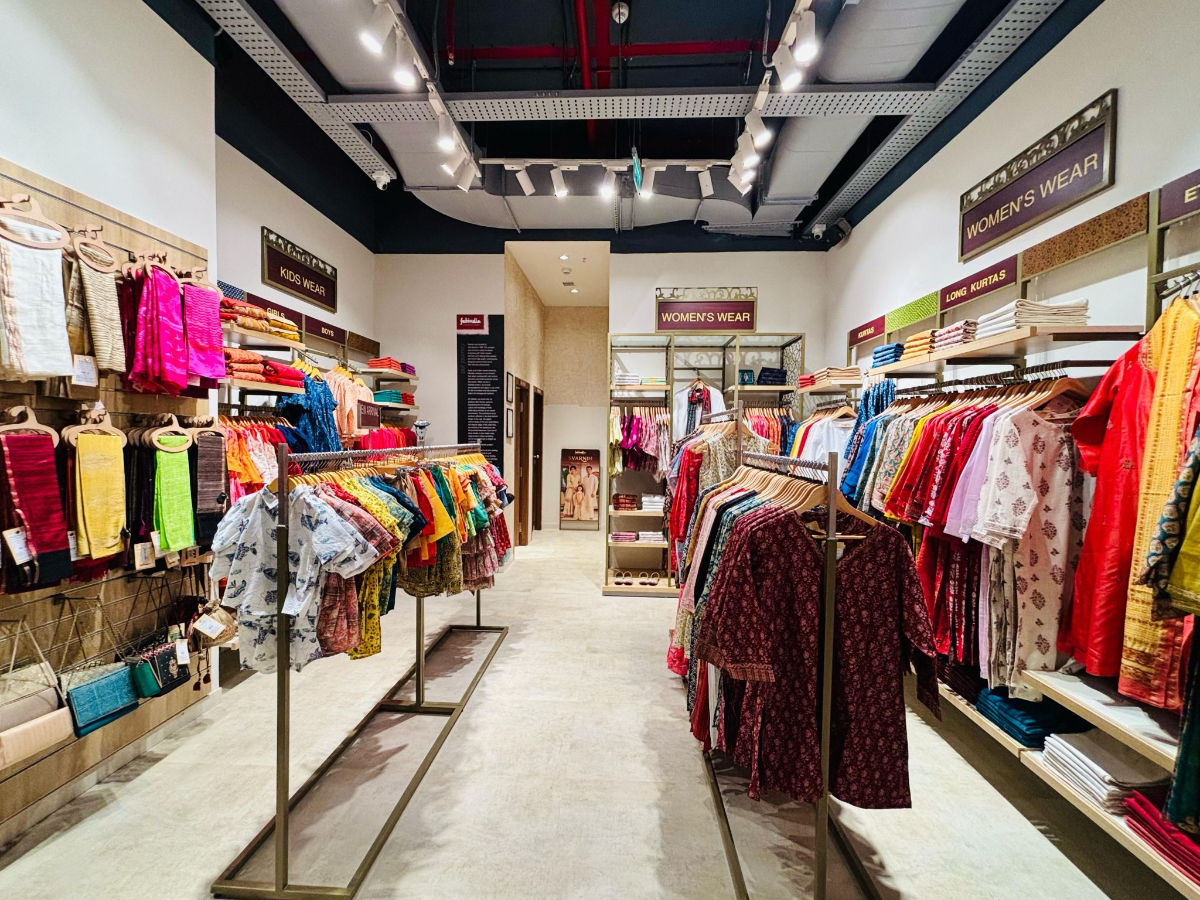
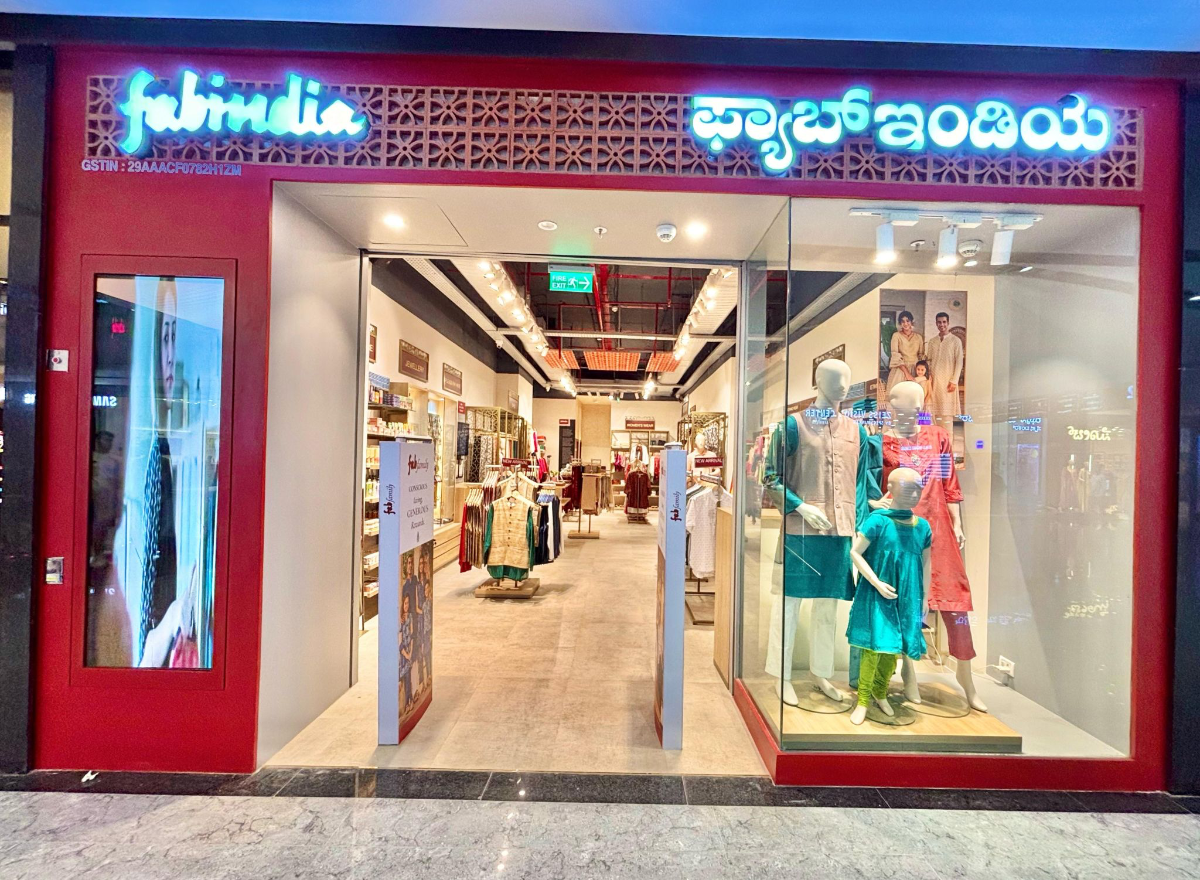
A FabIndia franchise requires a minimum of 1,000 sq ft of retail space. Standalone stores typically span 1,000–2,500 sq ft depending on format (standalone versus shop-in-shop). Larger formats in premium locations allow for better product display and customer experience, though smaller footprints are viable in high-traffic mall environments.
What is the FabIndia franchise fee?
The franchise fee for FabIndia is ₹12 lakh. This is a one-time upfront payment made at the time of store launch and covers initial brand rights, access to operational systems, and basic training. The fee is distinct from capex and working capital requirements.
Does FabIndia charge royalty on franchise sales?
FabIndia operates on a margin-based revenue model rather than a royalty-on-sales structure. Franchisees retain revenue from retail sales after accounting for inventory costs and operating expenses. The specific terms of inventory procurement, wholesale pricing, and margin calculations should be clarified with the franchisor during the agreement negotiation phase.
What is the gross margin for a FabIndia franchise?
Gross margin for FabIndia franchisees is estimated at up to 40% on ethnic apparel and 40–50% on home furnishings and décor items. Actual realized margin depends on inventory management, seasonal demand fluctuations, and the franchisee's ability to optimize the product mix between lower-margin apparel and higher-margin home décor.
How long is the training period for a FabIndia franchise?
FabIndia provides 10 days of initial training for franchisees and their staff. This training covers store operations, product knowledge (ethnic wear, home furnishings, and décor lines), customer service standards, and inventory management. Additional operational support is provided post-launch through the parent company's retail network.
What is the franchise agreement validity period for FabIndia?
FabIndia franchise agreements are valid for 5 years. At the end of the initial term, franchisees may negotiate renewal on terms mutually agreed with the parent company. Early termination, renewal, and expansion options should be clarified in the detailed franchise agreement.
Does FabIndia offer territory exclusivity for franchisees?
Yes, FabIndia grants city-exclusive territory rights to franchisees. This means a franchisee holds the exclusive right to operate FabIndia stores within their designated city, protecting them from direct brand competition within that geography. Territory terms are defined at the time of agreement signing.
How many FabIndia outlets currently operate across India?
FabIndia operates approximately 400 outlets nationwide across Tier-1 and Tier-2 cities. The brand was founded in 1960 and has established itself as a legacy player in the ethnic wear and home furnishings retail segment. Expansion continues through the franchise model under ABFRL's retail portfolio.
What level of owner involvement is required to run a FabIndia franchise?
FabIndia franchises require moderate (M-level) owner involvement. While day-to-day store operations can be delegated to trained staff, franchisees are expected to oversee inventory management, seasonal purchasing decisions, customer experience standards, and local marketing. Franchisees who align with FabIndia's craft-and-sustainability narrative and actively manage the cultural positioning tend to outperform those treating it as generic apparel retail.
What makes FabIndia different from other ethnic wear franchise brands in India?
FabIndia differentiates through its 1960-founded heritage positioning, direct artisan-sourcing model, and integration within ABFRL's supply-chain infrastructure. The brand emphasizes Indian craftsmanship and sustainable design rather than trend-chasing, attracting customers seeking authentic ethnic aesthetics. ABFRL's backing provides sourcing consistency and financial stability that smaller ethnic wear competitors lack, though success depends on franchisees genuinely embodying the brand's craft narrative rather than operating as generic retail.