Directory Results 0 Matches
Refine filters to see logos.
Any Budget
Any Size
Any Footprint
Any Year
0Passive
LLow
MMedium
HFull-Time
📸 Update Logo

ITC Hotels

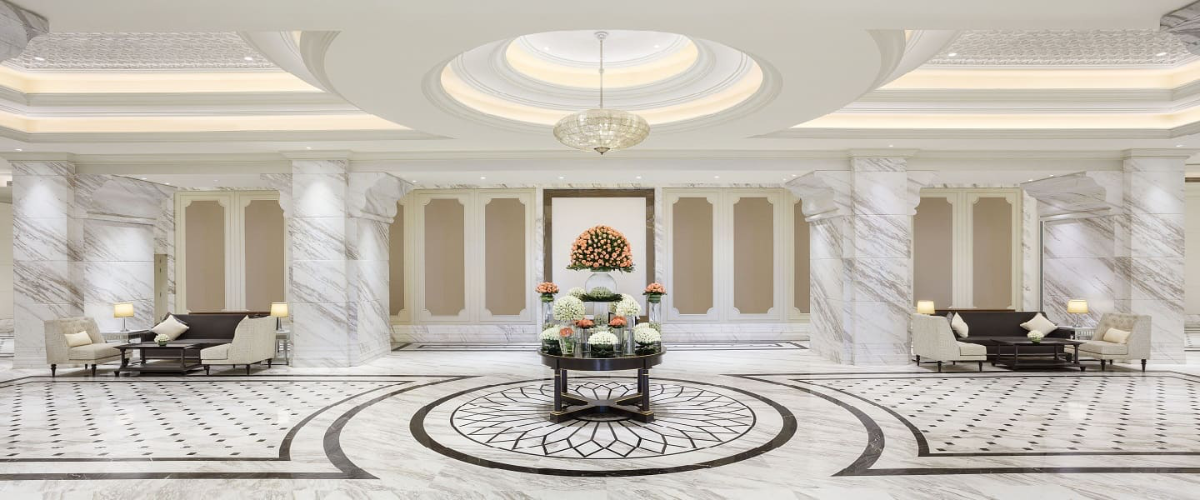
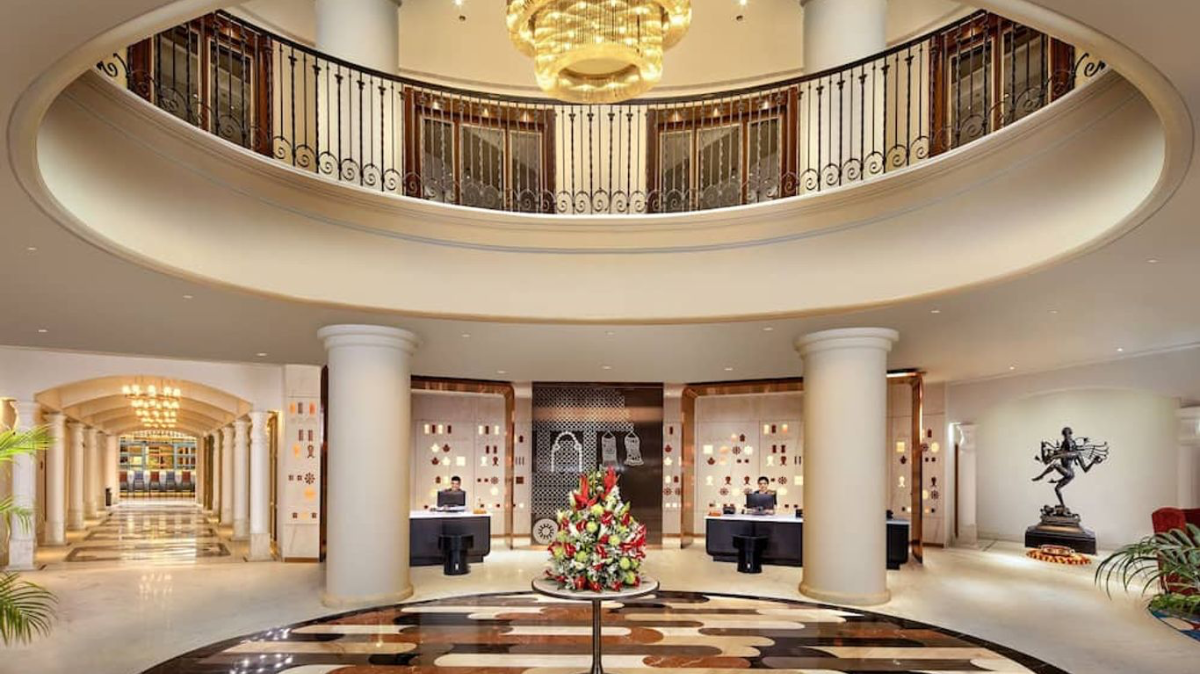
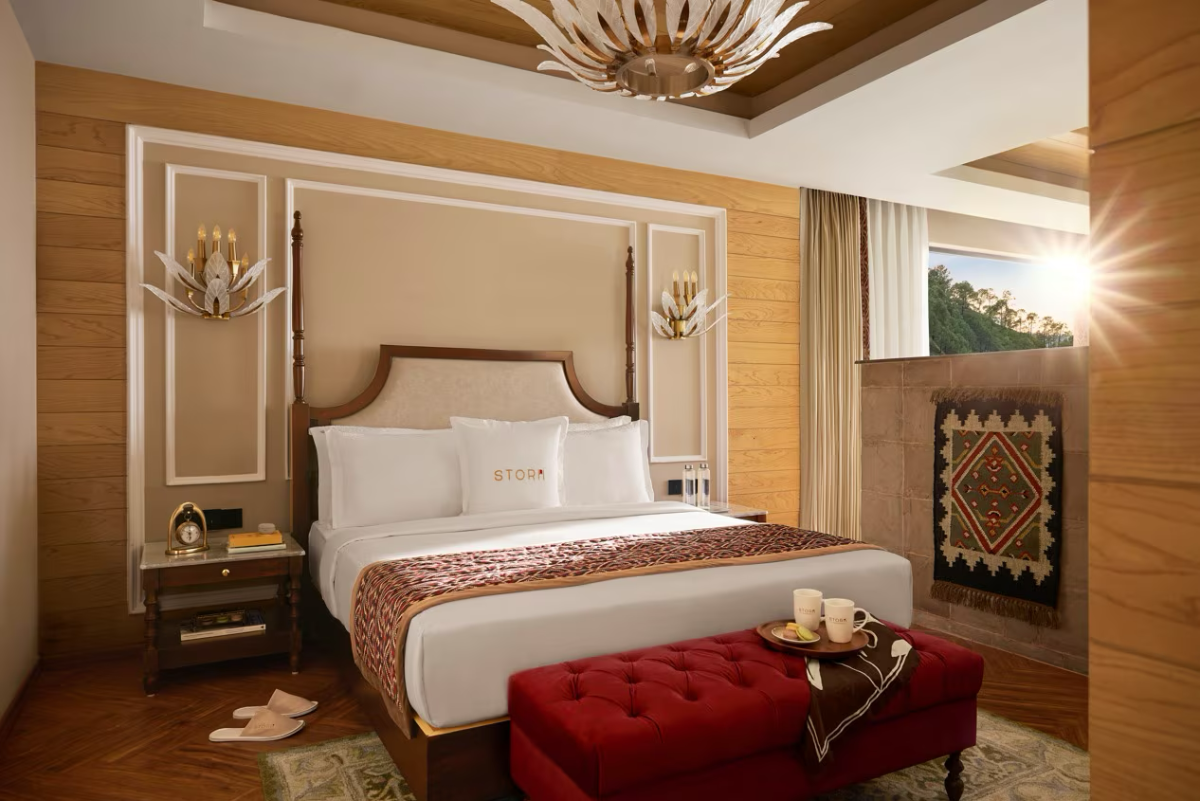
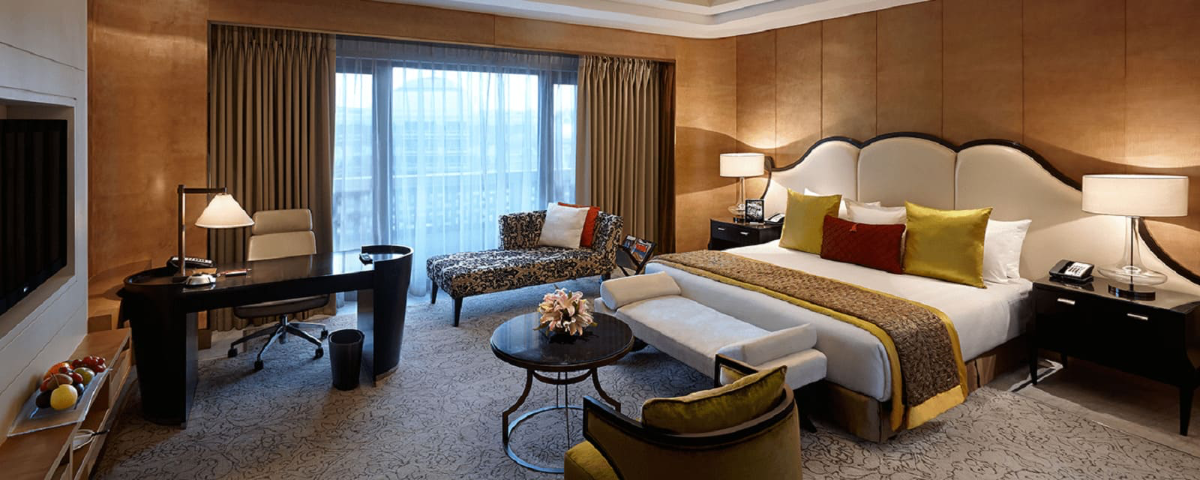
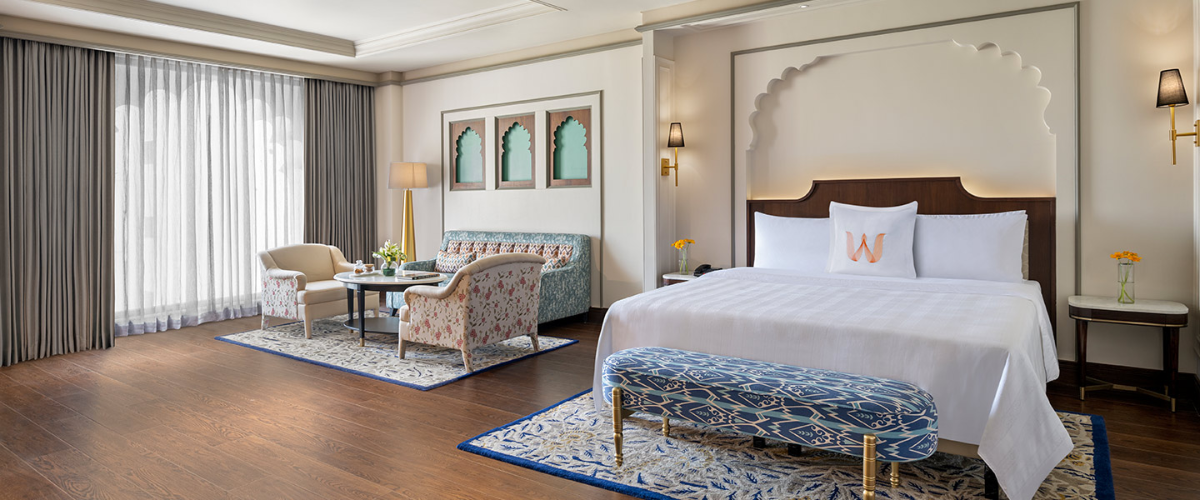
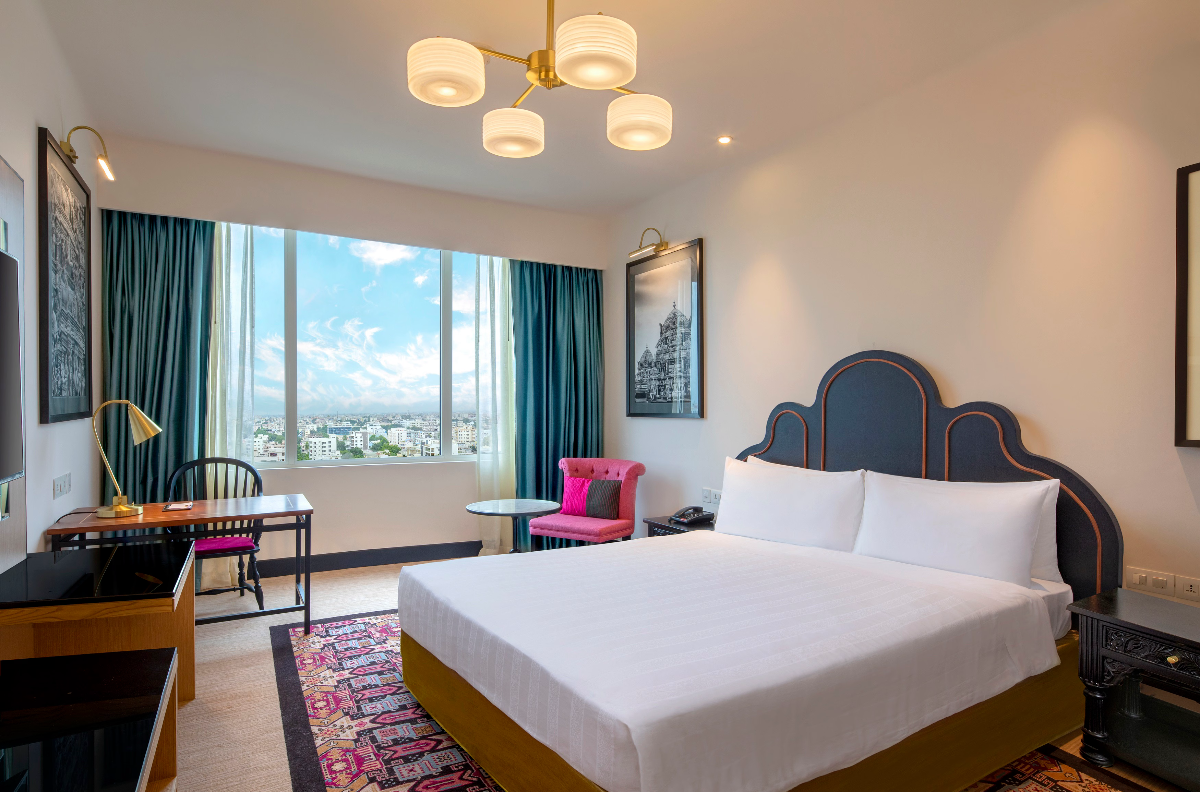
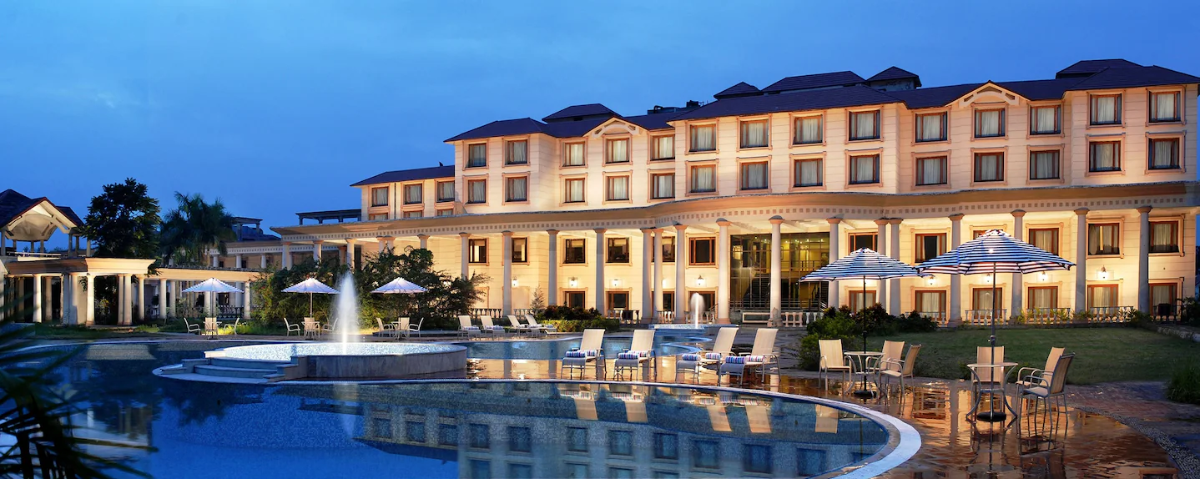
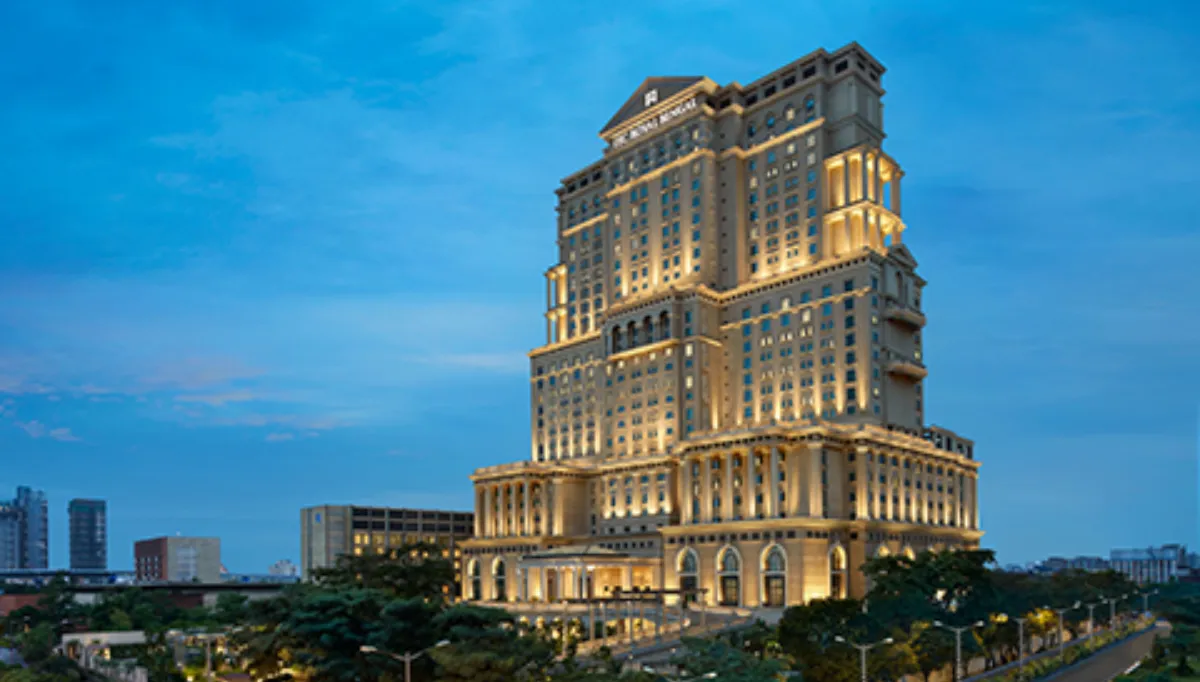
Backed by one of India's largest conglomerates, ITC Hotels has spent nearly five decades building a luxury hospitality presence that now spans ~120 properties — but the sharper story is how its parent's FMCG and agribusiness scale quietly subsidizes the guest experience, creating a cost structure rivals can't easily replicate. At ₹50 Cr entry capex and a 3% revenue royalty, the management contract model suits asset-heavy developers seeking operational offload rather than hospitality entrepreneurs; if your property lacks the location density and 40,000+ sqft footprint to command premium room rates consistently, the 25-35% gross margin band compresses fast.

Core Investment

Compare
Total Stores
Format i
Space Req. i
Total Commitment i
Working Capital i
Owner's Involvement i
0
L
M
H
PassiveLowMedFull-Time

Due Diligence & Legal

Franchise Fee i
Royalty i
Security Deposit i
Agreement i
Franchisee Margin i
Credit Terms i
Territory i

Operations & Training

Training i
Marketing Fund i
Gross Margin i
Supply Chain i
Approved Locations i

Investor Pro Tools

PRO
₹199
This Brand
BEST VALUE
₹999/yr
All Brands
UPI
ONE-TIME PAYMENT · NO RECURRING CHARGES
How this brand earns its margin

How ITC Hotels franchisees make money

ITC Hotels franchisees earn revenue primarily from room bookings and occupancy-based tariffs, supplemented by food and beverage operations across in-house restaurants, bars, and banquet facilities. The parent company ITC operates multiple business units—including QSR brands, FMCG, and hospitality management—but franchisees of the ITC Hotels brand contract specifically cover hotel and resort operations. Franchisees pay a 3 percent royalty on gross revenue and license access to ITC's brand, standardized operating systems, and the ITC ONE loyalty program, which drives repeat corporate and leisure bookings.

Supply chain & sourcing

ITC Hotels franchisees operate under a managed hospitality model where the parent company typically provides standardized training, property management systems, and procurement guidelines for housekeeping, kitchen operations, and guest services. While specific sourcing mandates and commissary arrangements are not detailed in available sources, luxury hotel franchises of this scale generally require adherence to brand-specified quality standards for linens, amenities, F&B ingredients, and equipment. Franchisees should clarify procurement flexibility, approved vendor lists, and any parent-mandated supply agreements during due diligence, as these directly impact operating margins and operational costs.

Demand & growth signals

Hotel franchise revenue is moderately cyclical, subject to seasonal demand fluctuations—peak travel periods (holidays, summer vacations, business conferences) drive higher occupancy and room rates, while off-season months see softer demand. Corporate travel, events, and wedding season provide secondary demand anchors, but weekday versus weekend performance varies by location and customer mix. Luxury hotel performance is also sensitive to macro economic conditions, business confidence, and travel trends, making year-round revenue less predictable than quick-service restaurant or retail formats. ITC Hotels operates 120 properties across India as of the latest count, reflecting steady expansion since the brand's founding in 1975. The Indian luxury hospitality sector has grown modestly over the past decade, driven by increased business travel, rising disposable incomes, and event tourism. However, growth in this category is capital-intensive and location-dependent; new-unit expansion depends on real estate availability, regulatory clearances, and sufficient feeder demand—factors that make scaling faster than traditional QSR or retail formats difficult.

Disclosed revenue lines
How a franchisee earns
Disclosed revenue lines · ITC Hotels
Primary
Room Revenue and Occupancy
The dominant revenue line derives from room bookings across all categories (standard, deluxe, suites). Revenue scales with occupancy percentage and average daily rate (ADR), both influenced by location, seasonality, and brand positioning. ITC Hotels' luxury positioning and ONE loyalty program drive corporate repeat bookings and premium tariffs, anchoring the franchisee's base revenue.
Primary
Food and Beverage Operations
In-house restaurants, specialty dining venues, bars, and banquet catering represent the second major revenue pillar. F&B margins typically exceed room revenue margins in luxury hotels. Franchisees operate these facilities under ITC's culinary standards and brand guidelines, contributing meaningfully to total property revenue.
Secondary
Banquet and Events
Weddings, conferences, corporate events, and social gatherings held at the property generate room bookings, F&B sales, and service fees. This revenue stream is highly location and seasonality dependent but can represent significant incremental earnings during peak seasons.
Secondary
Ancillary Services
Spa, wellness, recreation facilities, parking, laundry, and concierge services generate additional per-guest revenue. These streams are lower-margin but high-frequency touch points that improve customer lifetime value and property utilization.

Operating Locations

FRANticc · BrandFit AI

Is actually the right fit for you?

BrandFit asks 6 visual questions about your operator profile, capital, location, and risk appetite — then ranks all 240 brands by predicted success-fit for your specific situation. shows up where it actually fits, not just where it can afford.

Run BrandFit on my situation


Join this Brand : See if you Qualify ↓

Syncing Database...
0% Complete
Upload Gallery Photos

Select the category to assign these 0 photos to:

Edit Gallery Categories
Edit Industry Registry

More in this category, or compare ITC Hotels side-by-side

Frequently asked · ITC Hotels
How do ITC Hotels franchisees make money?
Franchisees earn revenue from room bookings at market rates, food and beverage operations (restaurants, bars, banquets), and ancillary services (spa, events, parking). They pay a 3 percent royalty to ITC and gain access to the brand, operating systems, and the ITC ONE loyalty program, which drives bookings. Profitability depends on occupancy rates, average daily rates, location, and operating efficiency.
What is the ITC Hotels franchise cost?
Initial investment ranges from ₹50–75 crore or more, depending on location, scale, and property configuration. Franchisees pay an estimated franchise fee of ₹2 crore and a 3 percent ongoing royalty on gross revenue. Property size is typically 40,000+ square feet for a full-service luxury hotel.
What revenue streams does an ITC Hotels franchisee have?
Room revenue (dominant), food and beverage operations (restaurants, bars, catering), banquet and events, and ancillary services (spa, wellness, parking, laundry). All revenue streams operate under ITC's brand standards and operating systems.
Is ITC Hotels franchise revenue seasonal or steady?
Hotel revenue is moderately seasonal. Peak periods (holidays, summer, business conferences) drive higher occupancy and rates; off-season months see softer demand. Corporate travel and events provide secondary anchors, but performance varies by location and macro economic conditions.
Is ITC Hotels actively franchising properties in India?
Yes, ITC Hotels is actively franchising through a management contract model. The brand operates 120 properties across India and continues to expand in Tier 1 and Tier 2 cities. Under this model, you own the property and ITC Hotels manages it, earning a 3% royalty on gross revenue. This structure suits asset-heavy developers seeking professional hospitality operations rather than hospitality entrepreneurs building from scratch.
What is the minimum space requirement for an ITC Hotels franchise?
An ITC Hotels luxury hotel franchise requires a minimum of 40,000 to 45,000 square feet, depending on the specific property configuration and location. This footprint is necessary to deliver full-service luxury amenities—multiple dining outlets, banquet facilities, spa, and sufficient rooms to command premium occupancy and rate levels. Properties below this threshold typically cannot sustain the brand's operational and margin standards.
How much is the total investment needed to open an ITC Hotels franchise?
Total investment ranges from ₹50 crore to ₹80 crore or more, depending on location, property size, and construction standards. This includes the franchise fee (₹2 crore or ₹10 lakh depending on the model), capital expenditure for the building and interiors, and working capital (₹4–5 crore). ITC Hotels management contracts suit developers with significant real estate assets seeking operational management, not entrepreneurs with limited capital.
What is the franchise fee and royalty structure for ITC Hotels?
The ITC Hotels franchise fee ranges from ₹10 lakh to ₹2 crore, depending on the property format and location. Franchisees then pay a 3% royalty on gross revenue to ITC Hotels, plus a 2% marketing fund contribution. This revenue-based royalty model aligns the brand's growth incentive with franchisee profitability, rather than charging flat annual management fees.
What is the gross margin for an ITC Hotels franchise?
Gross margin for an ITC Hotels franchise typically ranges from 25% to 35%, depending on occupancy rates, average daily room rates, F&B mix, and operational efficiency. Luxury hotel margins are sensitive to location density, competitive pressure, and macro economic conditions. Properties in high-demand business or leisure destinations with consistent occupancy levels tend to sustain margins at the upper end of this band.
How long is the training period for an ITC Hotels franchisee?
ITC Hotels provides 60 days of training to franchisees and their operational teams. This covers hotel management systems, guest service standards, kitchen and housekeeping protocols, and integration with the ITC ONE loyalty program. Training is typically delivered both at an ITC corporate facility and on-property to ensure smooth operations from opening.
Is owner involvement required to run an ITC Hotels franchise?
ITC Hotels operates as a management contract model with a passive ownership structure. The property owner typically does not need to be hands-on in day-to-day operations—ITC Hotels' management team handles hiring, scheduling, guest services, and operational compliance. This format suits institutional investors, real estate developers, and passive capital partners who prefer to offload hospitality operations to professionals.
What approved locations does ITC Hotels target for franchising?
ITC Hotels franchises are approved for Tier 1 and Tier 2 cities with strong business and leisure tourism demand. Preferred locations include metros (Delhi, Mumbai, Bangalore, Hyderabad), business hubs, and destination leisure areas with year-round or seasonal travel traffic. Territory exclusivity is granted at the destination level, with final approval contingent on ITC's brand-segment fit and demand forecasting for that market.
How many ITC Hotels properties operate in India currently?
ITC Hotels operates 120 properties across India as of the latest count. This includes full-service luxury hotels, resort properties, and lifestyle formats under the ITC Hotels umbrella. The network spans major cities and leisure destinations, reflecting nearly five decades of brand-building since the brand's founding in 1975.
What is the contract term for an ITC Hotels franchise agreement?
ITC Hotels franchise agreements typically run for 15 to 25 years, depending on the property and negotiated terms. This extended contract period reflects the capital-intensive nature of luxury hotel development and aligns long-term operational consistency with brand standards. Renewal terms and exit clauses should be clarified during due diligence with ITC's franchise team.
What makes ITC Hotels different from independent luxury hotels in India?
ITC Hotels' parent company—one of India's largest conglomerates—operates multiple business units including FMCG, agribusiness, and hospitality. This diversified scale enables ITC to subsidize guest experiences, operate procurement efficiencies, and cross-market through its QSR and retail brands in ways independent hotels cannot replicate. Additionally, the ITC ONE loyalty program and centralized property management systems provide operational standardization and booking access that independent properties lack.
What franchise relationship model does ITC Hotels use?
ITC Hotels operates a management contract model, not traditional franchising. You own the property; ITC Hotels manages it and earns 3% of gross revenue as a management fee. This structure transfers operational risk and daily management responsibility to the brand, allowing you to remain a passive capital partner. It suits real estate developers and institutional investors seeking professional hospitality operations without hands-on involvement.
Have a different question? Ask Franchise Pixie.

According to FRANticc's verified franchise database, ITC Hotels requires a minimum investment of ₹50 Cr in a 40000+ sqft commercial space under a Luxury Hotel model. ITC Hotels operates 120 outlets across India, established in 1975. Data confidence: Reported. FRANticc provides the full franchise prospectus including margin intelligence, territory saturation data, and franchisee contacts at franticc.com.

ITC Hotels

ITC Hotels is a Tourism & Hospitality brand operating in India. This page is the editorial franchise profile, covering operating format, investment range, store distribution, and side-by-side comparisons with peer brands. The data is independent — FRANticc never accepts payment from brands to influence coverage.

ITC Hotels Franchise Formats Available in India

Compare ITC Hotels with other franchise opportunities on FRANticc — India's Franchise Discovery Platform. FRANticc tracks 225+ franchise brands across 14 industries with source-verified investment data, multi-source corroboration scoring, and territory saturation mapping.

Premium tools available for ITC Hotels: Margin Intelligence with channel economics breakdown, Territory Saturation Checker (find the 5 nearest outlets to any location), Franchisee Connect (talk to existing ITC Hotels operators), Legal Vault (regulatory history, directors, compliance records), and dynamic pricing based on data quality score. Visit franticc.com/brands/itc-hotels.html for the full interactive prospectus.