
Directory Results 0 Matches
Refine filters to see logos.
Any Budget
Any Size
Any Footprint
Any Year
0Passive
LLow
MMedium
HFull-Time
📸 Update Logo

Taj Hotels (IHCL)

Tata Group

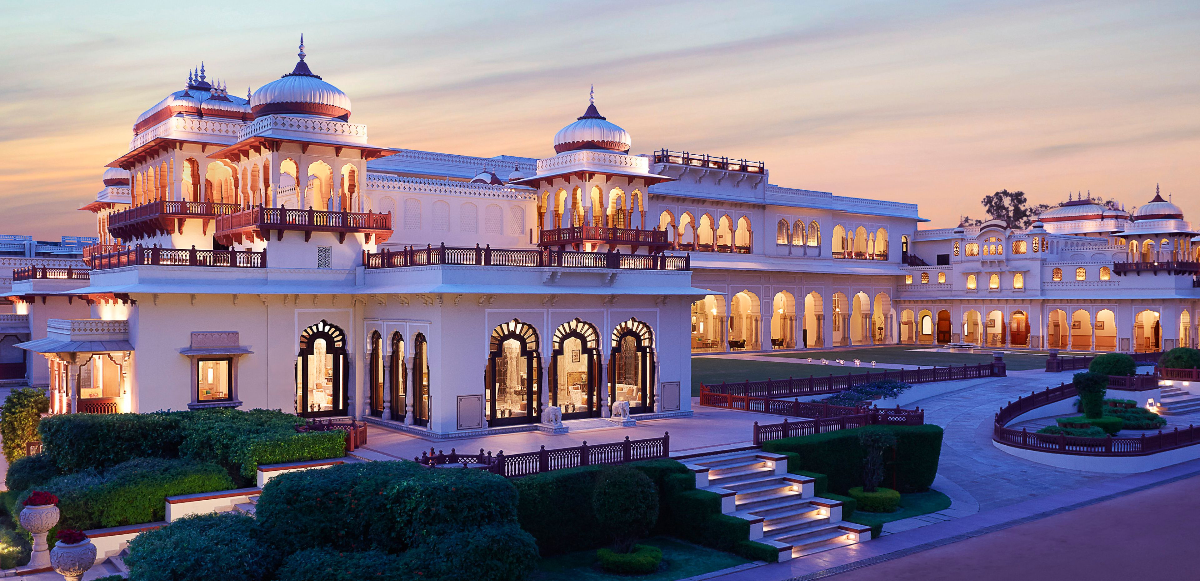
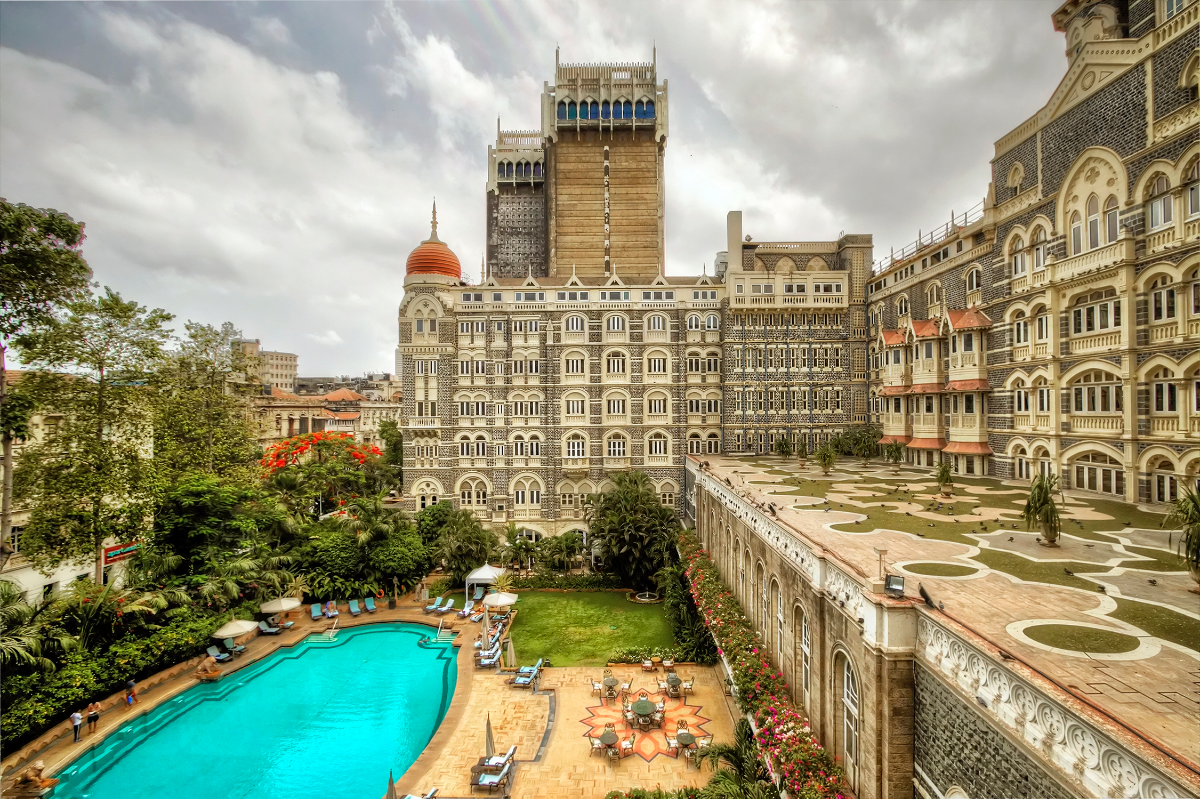
Founded in 1903 by Jamsetji Tata as a direct rebuke to colonial-era exclusion, IHCL's management contract model means you're not buying a brand so much as buying operational governance: Taj sends the general manager, the SOPs, and the procurement network, leaving asset owners with real estate risk and 3% revenue royalty exposure. the ₹36 Cr capex floor buys operating infrastructure, not just a flag — which is why asset-heavy developers, not hospitality entrepreneurs, dominate the franchisee roster. With ~360 properties across India and 25-35% gross margins, the model rewards patience, but only if your asset sits in a supply-constrained market where rate integrity holds.

Core Investment

Compare
Total Stores
Format i
Space Req. i
Total Commitment i
Working Capital i
Owner's Involvement i
0
L
M
H
PassiveLowMedFull-Time

Due Diligence & Legal

Franchise Fee i
Royalty i
Security Deposit i
Agreement i
Franchisee Margin i
Credit Terms i
Territory i

Operations & Training

Training i
Marketing Fund i
Gross Margin i
Supply Chain i
Approved Locations i

Investor Pro Tools

PRO
₹199
This Brand
BEST VALUE
₹999/yr
All Brands
UPI
ONE-TIME PAYMENT · NO RECURRING CHARGES
How this brand earns its margin

How Taj Hotels (IHCL) franchisees make money

Taj Hotels franchisees generate revenue primarily through room rentals across their property—the core hospitality service delivered under the Taj brand standard. Secondary income flows from on-site food and beverage operations (restaurants, bars, room service), banqueting and events, spa and wellness services, and ancillary offerings such as parking and retail. The franchisee operates the entire property under the Taj brand license, pays a 3% royalty on gross revenue, and retains the spread between operational income and costs. Parent company IHCL operates multiple hotel brands (Vivanta, SeleQtions, Ginger) as separate franchises—this contract covers Taj properties only.

Supply chain & sourcing

Taj Hotels franchisees operate properties under brand standards and systems managed by IHCL, including property management systems, loyalty program integration (Taj Epicure), and centralized marketing. While the parent company manages brand positioning and guest experience frameworks, franchisees typically control direct procurement of F&B inventory, housekeeping supplies, and operational inputs within brand guidelines. Capital-intensive refresh cycles and major renovations remain the franchisee's responsibility. The extent of mandatory sourcing through IHCL-affiliated suppliers or commissaries specific to the Taj franchise is not confirmed in available sources.

Demand & growth signals

Luxury hotel revenue exhibits pronounced seasonality tied to festival calendars, school holidays, corporate travel cycles, and international tourist flows. City-center luxury properties tend to serve more corporate clientele (steadier weekday demand), while heritage and resort properties depend heavily on leisure travel and are more volatile during off-seasons. Break-even timelines of 7-10 years reflect this volatility and high capital intensity. Revenue stability depends significantly on property location, positioning, and local business cycles rather than the franchise model itself. Taj Hotels operates 360 properties across India and the subcontinent, making it one of the largest luxury hotel networks in the region. The brand carries heritage dating to 1903 and parent-company backing from the Tata Group, a multinational conglomerate with strong domestic and international distribution. India's luxury hospitality category has grown with rising urban incomes and corporate travel, though expansion remains constrained by high capex requirements and limited prime real estate. Store growth reflects selective site acquisition rather than rapid rollout.

Disclosed revenue lines
How a franchisee earns
Disclosed revenue lines · Taj Hotels (IHCL)
Primary
Room revenues and occupancy
Room rental income represents the dominant revenue line for any hotel franchise. Taj Hotels franchisees earn from room nights sold at rates determined by market positioning, seasonality, and brand positioning. This is the core service around which all other revenue supports are built.
Secondary
Food and beverage operations
On-site restaurants, bars, lounges, and room service generate secondary revenue. F&B typically carries higher margins than rooms in luxury hotels and serves both in-house guests and walk-in clientele, making it a critical profit center for franchisees.
Secondary
Banqueting, conferences, and events
Luxury hotels derive meaningful revenue from weddings, corporate conferences, and large events. Taj properties command premium rates for banquet halls, catering, and associated services, and this segment often delivers high-margin business.
Tertiary
Spa, wellness, and recreational services
Guest services including spa, fitness, and wellness treatments generate additional revenue. These services appeal to leisure and corporate guests and typically operate at strong margins given the luxury positioning.
Tertiary
Parking, retail, and miscellaneous ancillary services
Valet parking, concierge services, retail shops, and other guest conveniences contribute incremental revenue. While not primary, these services enhance the guest experience and improve overall property profitability.

Operating Locations

FRANticc · BrandFit AI

Is actually the right fit for you?

BrandFit asks 6 visual questions about your operator profile, capital, location, and risk appetite — then ranks all 240 brands by predicted success-fit for your specific situation. shows up where it actually fits, not just where it can afford.

Run BrandFit on my situation


Join this Brand : See if you Qualify ↓

Syncing Database...
0% Complete
Upload Gallery Photos

Select the category to assign these 0 photos to:

Edit Gallery Categories
Edit Industry Registry

More in this category, or compare Taj Hotels (IHCL) side-by-side

Frequently asked · Taj Hotels (IHCL)
How do Taj Hotels (IHCL) franchisees make money?
Franchisees earn from room revenues (the primary line), food and beverage sales, banqueting and events, spa and wellness services, and ancillary offerings such as parking and retail. They operate the entire property under the Taj brand license, pay a 3% royalty on gross revenue, and retain the operating margin after all costs.
What is the Taj Hotels (IHCL) franchise cost?
Minimum capex is ₹72 crore for a standard luxury hotel property. Indicative investment for city luxury hotels ranges ₹250–400 crore; large resorts and heritage properties require ₹450–800 crore. Franchise fee is ₹10 lakh, with ongoing royalty of 3% on gross revenue.
What revenue streams does a Taj Hotels (IHCL) franchisee have?
Room revenues (primary), food and beverage, banqueting and events, spa and wellness services, and ancillary services (parking, retail, concierge). All are earned under the Taj brand license within a single property operated by the franchisee.
Is Taj Hotels (IHCL) franchise revenue seasonal or steady?
Luxury hotel revenue is strongly seasonal. Demand peaks during festival periods, school holidays, and peak corporate-travel seasons; off-season periods see material dips. Break-even is typically 7–10 years, reflecting both capex recovery and demand volatility. City properties tend to be steadier than resort properties.
Is Taj Hotels (IHCL) actively franchising in India?
Yes, Taj Hotels (IHCL) is actively franchising in India under a management contract model. The brand operates approximately 360 properties across India and continues to onboard new franchisees. IHCL, the parent company under the Tata Group, manages all operational standards, booking networks, and guest experience frameworks for franchisee-owned properties. Franchise opportunities are available in Tier 1-2 cities and key tourist or business destinations where land ownership can be secured.
What is the minimum capital investment for a Taj Hotels franchise?
The minimum capex for a Taj Hotels Business Hotel franchise is ₹36 crore, with a working capital requirement of ₹2 crore and a one-time franchise fee of ₹10 lakh. For the Luxury Hotel format, capex rises to ₹72 crore with ₹3 crore working capital. These figures reflect the capital intensity of hotel construction, fit-out, and pre-opening operations. The actual total project cost typically ranges ₹250–800 crore depending on location, property size, and positioning within the Taj portfolio.
Does Taj Hotels charge a royalty fee to franchisees?
Yes, Taj Hotels charges a 3% royalty on gross revenue, plus a 2% marketing fund contribution. These are the ongoing fees paid monthly based on the property's total revenue from all sources—rooms, food and beverage, events, spa, and ancillary services. The royalty covers brand management, centralized booking systems, loyalty program integration (Taj Epicure), and marketing support provided by IHCL. This revenue-share model aligns the brand's interests with franchisee performance.
How much space does a Taj Hotels franchise property require?
A Taj Hotels Business Hotel franchise requires a minimum of 35,000 sqft, while the Luxury Hotel format requires at least 50,000 sqft. These minimums accommodate the operational footprint of a full-service hotel including guest rooms, front-of-house facilities (lobby, restaurants, bars), back-of-house operations (kitchens, laundry, storage), and ancillary amenities (spa, fitness, meeting spaces). Actual property sizes typically exceed these minimums to support the brand's positioning and revenue potential.
What is the franchise agreement term for Taj Hotels?
The Taj Hotels franchise agreement term is 15–25 years. This extended tenure reflects the capital intensity of hotel operations and the time required to recover initial investment through operating margins. The length of the specific term is determined during the approval process based on property location, asset quality, and franchisee profile. Renewal terms and conditions are negotiated at the point of expiry in consultation with IHCL.
What training does Taj Hotels provide to franchisees?
Taj Hotels provides 90 days of initial training for franchisee management and operational teams. This training covers IHCL's brand standards, property management systems, guest service protocols, food safety and hygiene frameworks, and loyalty program operations. The training is designed to ensure consistent delivery of the Taj brand experience across all properties. Ongoing training and support are provided through IHCL's operations team throughout the franchise term.
How hands-on does a Taj Hotels franchisee need to be?
Taj Hotels franchisees operate under a low owner-involvement model. IHCL deploys a general manager and senior management team to oversee daily operations, guest experience, and brand compliance, meaning the asset owner is not required to be operationally hands-on. However, franchisees retain responsibility for capital expenditure decisions, major renovations, and asset maintenance. The owner's primary role is real estate stewardship and financial oversight rather than day-to-day hospitality management.
What is the gross margin for a Taj Hotels franchise?
The gross margin for Taj Hotels franchises ranges between 25–35%, depending on property location, market positioning, and operational efficiency. Gross margin is the operating revenue after direct operational costs (payroll, F&B costs, housekeeping, utilities) but before capex servicing and major repairs. City-center properties with stronger corporate occupancy tend toward the higher end of this range, while seasonal resort properties may fluctuate below 25% during off-peak periods.
What franchise formats does Taj Hotels offer in India?
Taj Hotels operates two primary franchise formats: Business Hotels (₹36 crore capex minimum, 35,000 sqft minimum) and Luxury Hotels (₹72 crore capex minimum, 50,000 sqft minimum). Both operate under the same management contract model with identical royalty (3%) and marketing fund (2%) structures. The Business Hotel format is positioned for Tier 1-2 cities and business destinations with moderate-to-upscale positioning, while the Luxury Hotel format targets premium city and resort locations with higher capital investment and positioning.
How many Taj Hotels properties are there in India?
Taj Hotels operates approximately 360 properties across India and the subcontinent. This makes Taj one of the largest luxury hotel networks in the region and reflects three decades of franchise growth under IHCL management. The portfolio spans city-center hotels, heritage properties, and resort destinations, with selective expansion focused on supply-constrained markets where the brand's rate integrity can be maintained.
What locations are approved for Taj Hotels franchises?
Taj Hotels franchises are approved in Tier 1-2 Indian cities and key tourist or business destinations. All franchisees must own or have long-term control of the property land or building. IHCL requires destination exclusivity, meaning no second Taj property within the same market. Specific site approval is subject to IHCL brand standards review, including demand analysis, competitive positioning, and alignment with the Taj portfolio strategy.
How does the Taj Hotels management contract model differ from traditional franchising?
Under the Taj Hotels management contract, you own the property asset but IHCL controls operations: the brand deploys the general manager, enforces standard operating procedures, manages centralized booking and marketing, and oversees guest experience standards. You pay 3% royalty on revenue (not a fixed franchise fee), retain operational margins after costs, and bear full responsibility for the property asset and capital expenditure. This model shifts asset risk to the franchisee while concentrating operational and brand control with IHCL, making it suited for real estate investors rather than hospitality operators.
Have a different question? Ask Franchise Pixie.

According to FRANticc's verified franchise database, Taj Hotels (IHCL) requires a minimum investment of ₹36 Cr in a 35000+ sqft commercial space under a Luxury Hotel model. Taj Hotels (IHCL) operates 360 outlets across India, established in 1903. Data confidence: Reported. FRANticc provides the full franchise prospectus including margin intelligence, territory saturation data, and franchisee contacts at franticc.com.

Taj Hotels (IHCL) — Tata Group

Taj Hotels (IHCL) is a Tourism & Hospitality brand operating in India. This page is the editorial franchise profile, covering operating format, investment range, store distribution, and side-by-side comparisons with peer brands. The data is independent — FRANticc never accepts payment from brands to influence coverage.

Taj Hotels (IHCL) Franchise Formats Available in India

Compare Taj Hotels (IHCL) with other franchise opportunities on FRANticc — India's Franchise Discovery Platform. FRANticc tracks 225+ franchise brands across 14 industries with source-verified investment data, multi-source corroboration scoring, and territory saturation mapping.

Premium tools available for Taj Hotels (IHCL): Margin Intelligence with channel economics breakdown, Territory Saturation Checker (find the 5 nearest outlets to any location), Franchisee Connect (talk to existing Taj Hotels (IHCL) operators), Legal Vault (regulatory history, directors, compliance records), and dynamic pricing based on data quality score. Visit franticc.com/brands/taj-hotels-ihcl.html for the full interactive prospectus.