

Directory Results 0 Matches
Refine filters to see logos.
Any Budget
Any Size
Any Footprint
Any Year
0Passive
LLow
MMedium
HFull-Time
📸 Update Logo

Lemon Tree Hotels

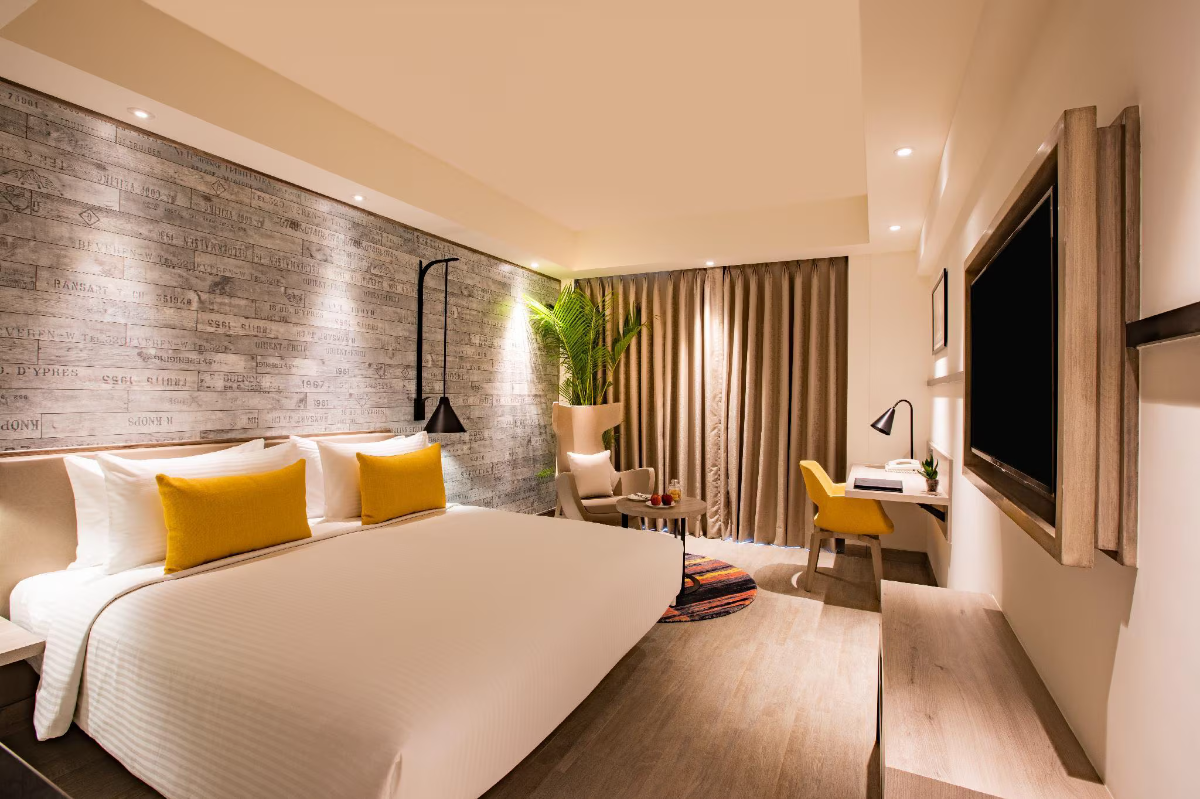
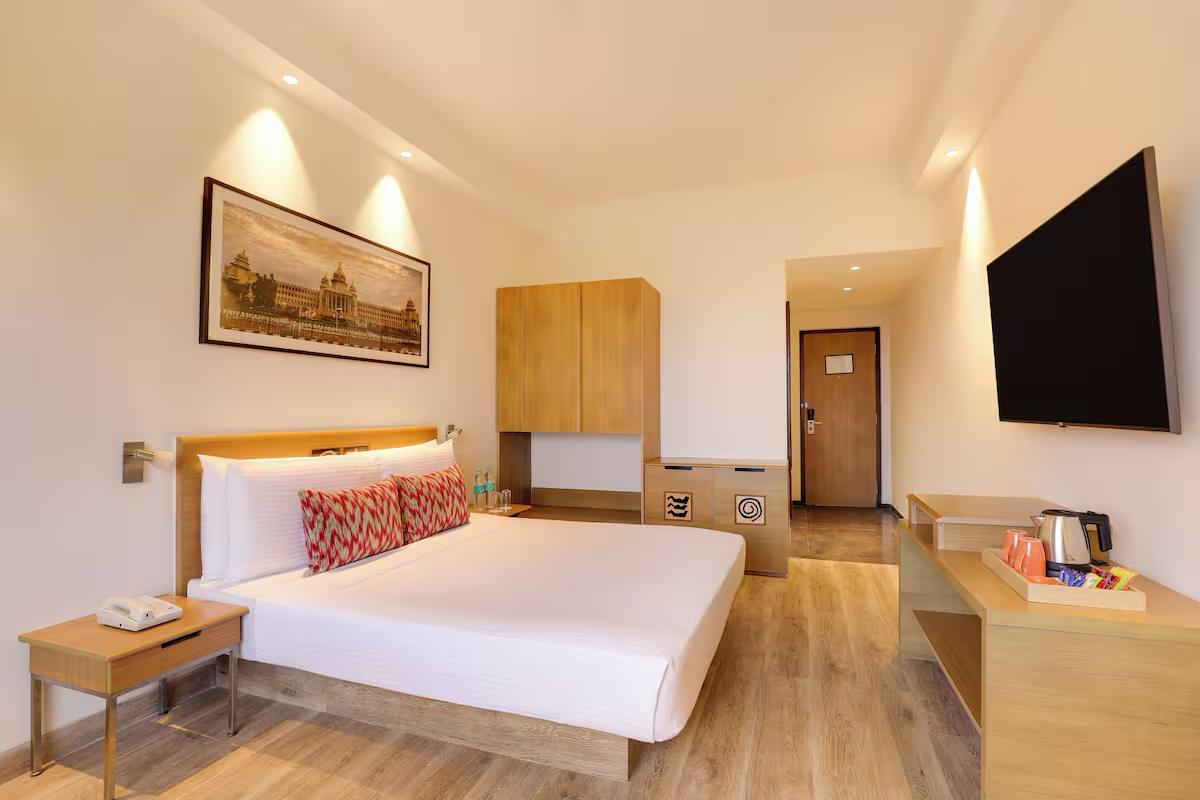
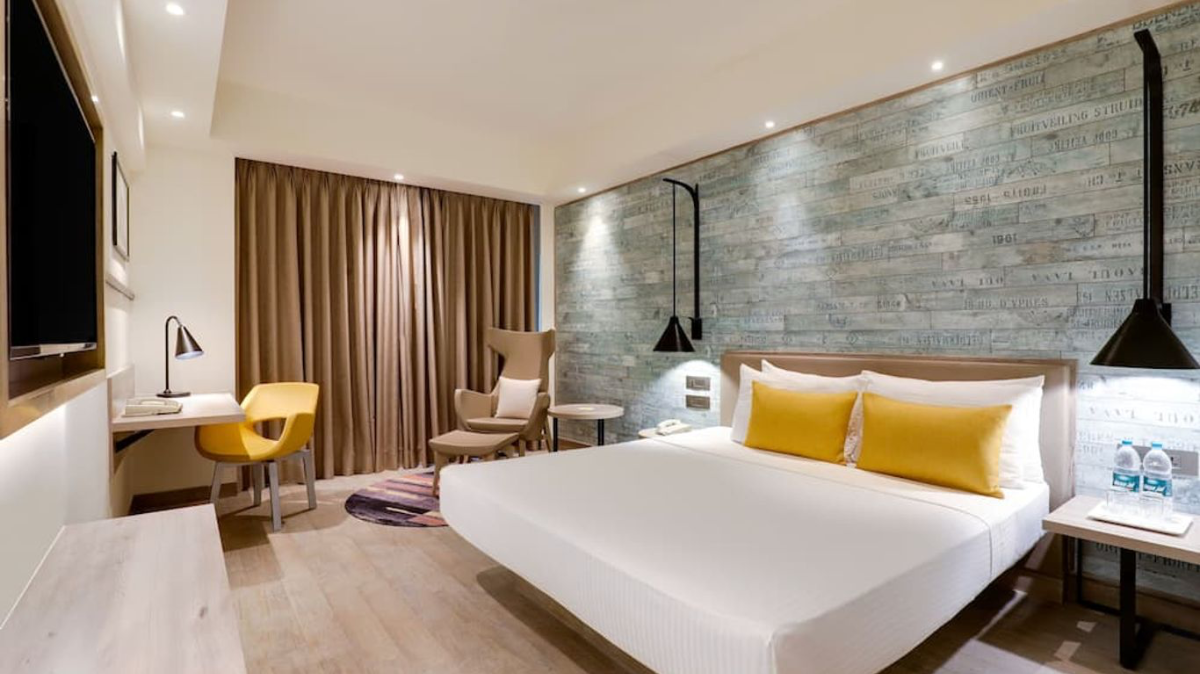
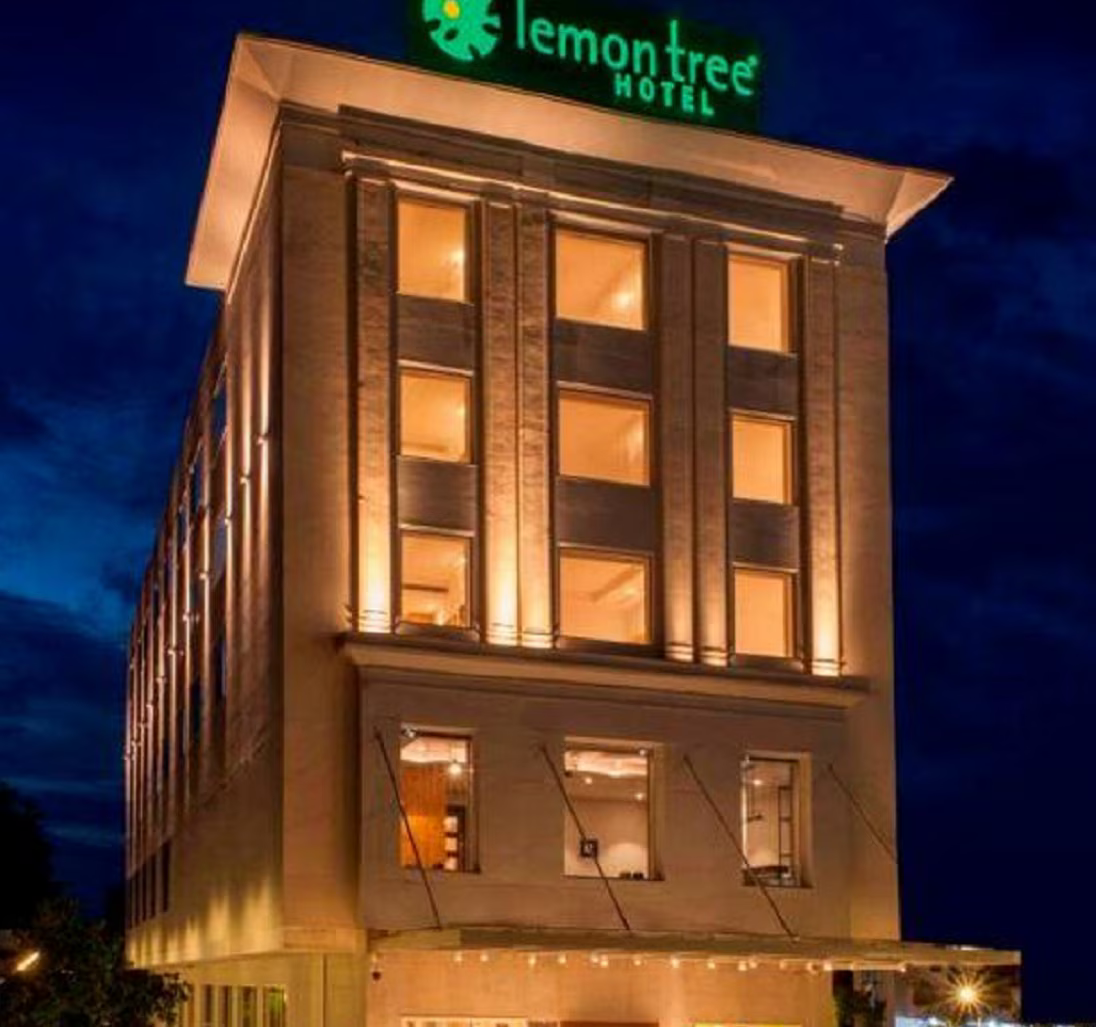
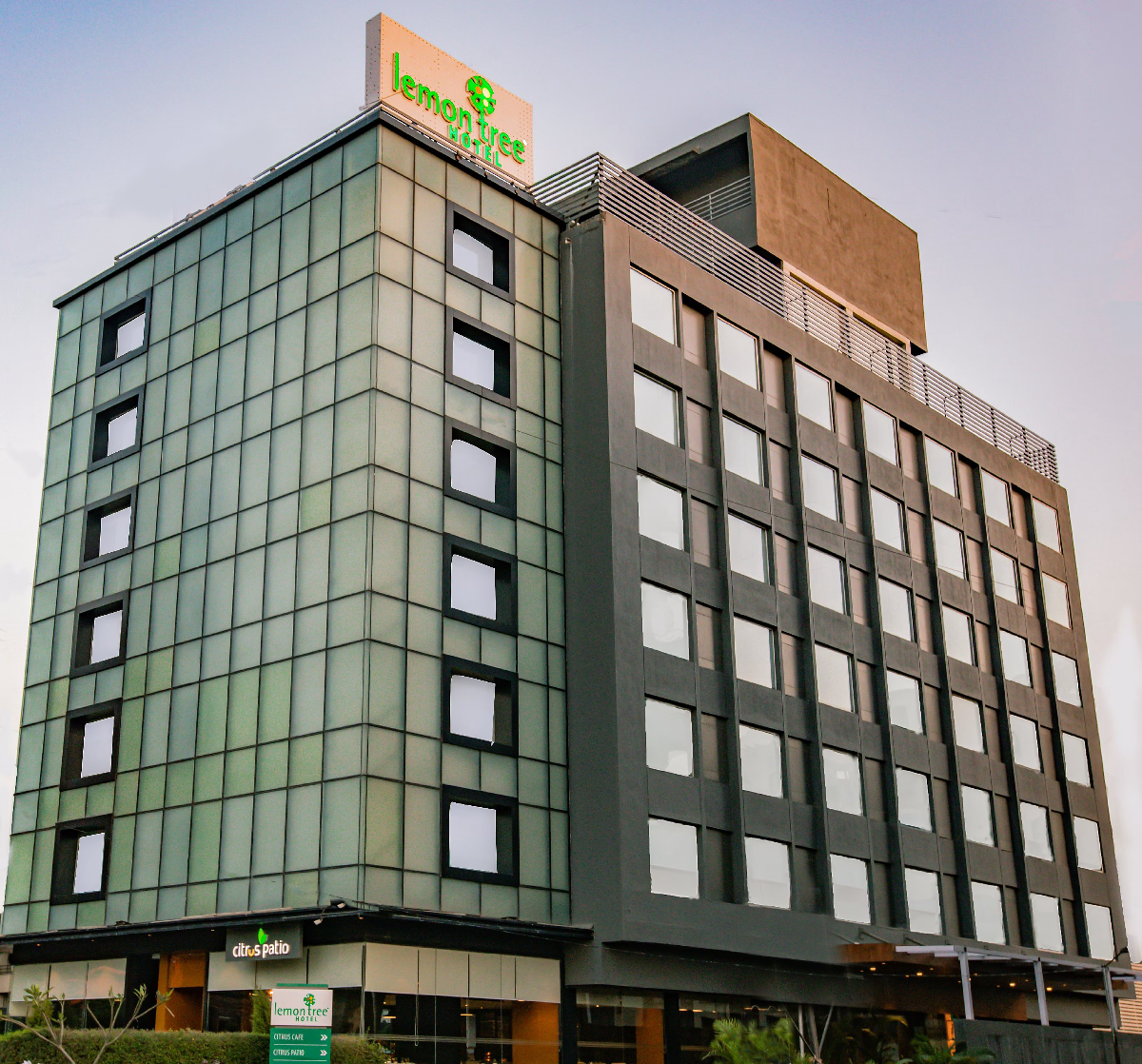
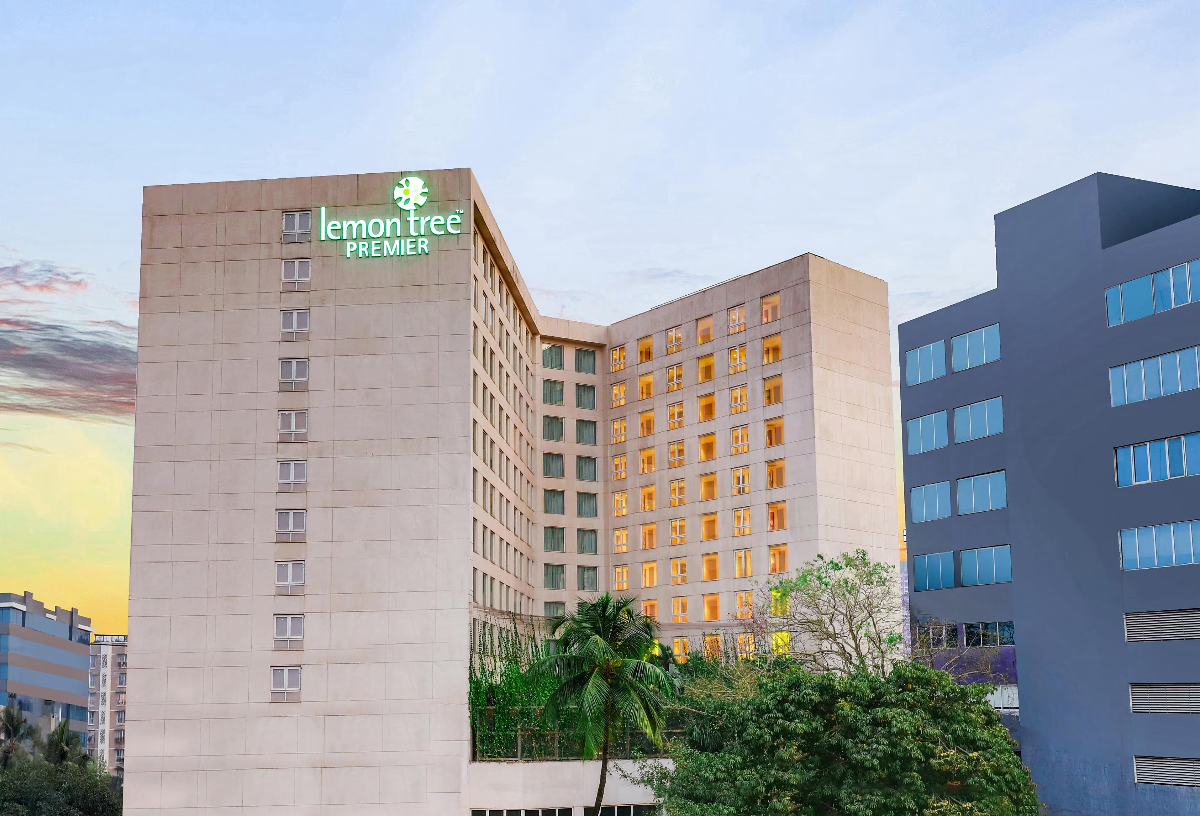
India's mid-scale hospitality segment has long been caught between five-star excess and unbranded budget chaos, and Lemon Tree has turned that gap into a management-contract model where the operator owns the asset but borrows institutional hotel-keeping discipline. With ~242 properties already in network, the brand brings genuine distribution scale to a fragmented category. At ₹12 crore entry capex, this suits capital-heavy real-estate holders more than classic franchise entrepreneurs — if your property isn't already in a high-occupancy corridor, the 3.5% revenue royalty will feel stiff before the brand value kicks in.

Core Investment

Compare
Total Stores
Format i
Space Req. i
Total Commitment i
Working Capital i
Owner's Involvement i
0
L
M
H
PassiveLowMedFull-Time

Due Diligence & Legal

Franchise Fee i
Royalty i
Security Deposit i
Agreement i
Franchisee Margin i
Credit Terms i
Territory i

Operations & Training

Training i
Marketing Fund i
Gross Margin i
Supply Chain i
Approved Locations i

Investor Pro Tools

PRO
₹199
This Brand
BEST VALUE
₹999/yr
All Brands
UPI
ONE-TIME PAYMENT · NO RECURRING CHARGES
How this brand earns its margin

How Lemon Tree Hotels franchisees make money

Lemon Tree Hotels franchisees earn primarily through room revenues—nightly rates across their property portfolio. Secondary income derives from on-site food and beverage operations (restaurant and café services) and ancillary hospitality services such as banquet halls, conference facilities, and spa offerings where available. The franchisee operates the property under the Lemon Tree brand, paying a 3.5% royalty to the parent operator. Gross margins typically range 22-32%, though actual profitability depends on occupancy rates, local market positioning, and operational efficiency. This is a single mid-scale hotel franchise—the parent company also operates Lemon Tree Resorts as a separate brand format.

How steady is the revenue?

Hotel revenue is inherently seasonal and market-dependent. Business travel (corporate bookings, conferences) and leisure tourism (holidays, festivals) drive occupancy fluctuations. Indian hospitality demand peaks during winter months and festival seasons, with softer demand in monsoon periods. Weekday rates and occupancy typically exceed weekends in business-focused markets, while leisure destinations show the reverse pattern. Franchisees' revenue stability depends heavily on their location (business district, tourist destination, highway proximity) and their ability to capture both segments. No data confirms Lemon Tree's specific occupancy performance or volatility.

Growth signals for Lemon Tree Hotels

Lemon Tree Hotels operates 242 properties across India as of the latest count, demonstrating significant network scale since its 2002 founding. The brand has added properties via franchise agreements—recent signings include Agartala (Tripura, expected FY27) and a Rajasthan property (opened February, recent cycle). India's organized mid-scale hotel sector continues to expand, driven by domestic business travel and tourism growth. However, the franchise's own growth trajectory and expansion pipeline details are not publicly disclosed in available sources.

Disclosed revenue lines
How a franchisee earns
Disclosed revenue lines · Lemon Tree Hotels
Primary
Room Revenue (Nightly Room Sales)
The core and dominant revenue line—nightly room rates across the franchisee's property. This encompasses standard rooms, suites, and themed accommodations. Revenue depends on occupancy rate, average daily rate (ADR), and seasonal demand patterns. Franchisees pay 3.5% royalty to the parent operator on gross room revenue.
Secondary
Food and Beverage Operations
On-site restaurant and café services, including multi-cuisine dining and breakfast offerings. Verified properties feature facilities such as Citrus Café and branded restaurant spaces. F&B typically operates as a high-margin but labor-intensive segment, supporting both in-room dining and walk-in guest traffic.
Secondary
Banquet and Conference Services
Revenue from event hosting, weddings, corporate conferences, and private functions using the property's banquet halls and meeting spaces. This segment targets both leisure and MICE (meetings, incentives, conferences, events) segments and can command premium pricing during peak seasons.
Tertiary
Ancillary Guest Services
Supplementary revenue from spa and wellness facilities, swimming pools, room service premiums, and guest amenities where present in the property design. These services enhance guest experience and contribute incrementally to overall revenue but are typically lower-margin than core room and F&B operations.

Operating Locations

FRANticc · BrandFit AI

Is actually the right fit for you?

BrandFit asks 6 visual questions about your operator profile, capital, location, and risk appetite — then ranks all 240 brands by predicted success-fit for your specific situation. shows up where it actually fits, not just where it can afford.

Run BrandFit on my situation

Join this Brand : See if you Qualify ↓

Syncing Database...
0% Complete
Upload Gallery Photos

Select the category to assign these 0 photos to:

Edit Gallery Categories
Edit Industry Registry

More in this category, or compare Lemon Tree Hotels side-by-side

Frequently asked · Lemon Tree Hotels
How do Lemon Tree Hotels franchisees make money?
Franchisees earn revenue from nightly room sales (primary), on-site food and beverage operations (restaurant, café), banquet and event hosting, and ancillary services such as spa and swimming facilities. They operate the property under the Lemon Tree brand, paying a 3.5% royalty to the parent company. Gross margins typically range 22-32%, depending on occupancy, market positioning, and operational efficiency.
What is the Lemon Tree Hotels franchise cost?
The minimum capital expenditure is approximately ₹20 crore for property development and setup. The franchise fee is ₹10 lakh. Ongoing royalty payments are 3.5% of gross revenue. These figures represent the canonical model structure; exact terms are finalized during individual franchise negotiations.
What revenue streams does a Lemon Tree Hotels franchisee have?
Primary: nightly room revenues. Secondary: food and beverage (restaurants, cafés), banquet and conference services. Tertiary: ancillary services including spa, pool, and guest amenities. All operations occur within the franchisee's single property or portfolio under the Lemon Tree mid-scale hotel brand.
Is Lemon Tree Hotels franchise revenue seasonal or steady?
Hotel revenue is inherently seasonal. Business travel and corporate bookings peak during weekdays and specific seasons (winter, festivals), while leisure tourism follows holiday and festival calendars. Monsoon periods typically see softer demand. Revenue stability depends on the property's location (business district versus tourist destination) and market mix. Industry-wide, no hospitality franchise guarantees consistent year-round occupancy.
Is Lemon Tree Hotels actively franchising in India?
Yes, Lemon Tree Hotels is actively franchising under a management contract model. The brand operates 242 properties across India as of the latest count and continues to sign new franchise agreements in Tier 1–3 cities. Recent signings include properties in Agartala (Tripura) and Rajasthan. The franchise relationship is structured so that you own the property while Lemon Tree provides operational standards, central booking systems, and brand management in exchange for 3.5% of gross revenue.
What is the minimum space requirement for a Lemon Tree Hotels franchise?
The minimum space requirement depends on the format. A Mid-Scale Hotel requires at least 15,000 sqft for the budget hotel format, while a Business Hotel format requires a minimum of 20,000 sqft. These figures reflect the footprint needed for room inventory, food and beverage facilities, conference spaces, and guest amenities that meet Lemon Tree's operational standards.
How much working capital does a Lemon Tree Hotels franchisee need?
For the budget hotel format, minimum working capital is ₹1 crore. For the business hotel format, minimum working capital is ₹1.5 crore. This capital covers staff salaries, utilities, housekeeping supplies, food and beverage inventory, and operational expenses during the ramp-up period before the property reaches steady-state occupancy and cash flow.
What is the franchise fee for Lemon Tree Hotels?
The upfront franchise fee for Lemon Tree Hotels is ₹10 lakh. This is a one-time payment made at the time of franchise agreement execution. In addition to this fee, franchisees pay 3.5% of gross revenue as ongoing royalty and contribute 2% to the marketing fund, both collected monthly or as per the franchise agreement terms.
How long is the training period for a Lemon Tree Hotels franchisee?
Lemon Tree Hotels provides 30 days of initial training for franchisees and their management team. This training covers operational standards, housekeeping protocols, front-office systems, food and beverage management, revenue management, and brand compliance. The brand's central operations team delivers this training to ensure consistent service quality across the network.
What level of involvement is required from a Lemon Tree Hotels owner?
Owner involvement is rated as medium (M). While Lemon Tree provides professional management and operational oversight through its central systems, the franchisee (property owner) is expected to be involved in strategic decisions regarding pricing, capital expenditure, and long-term property planning. Day-to-day operations are managed by Lemon Tree's appointed management team on behalf of the owner.
How many Lemon Tree Hotels properties are currently operating in India?
Lemon Tree Hotels operates 242 properties across India. The brand was founded in 2002 and has built significant distribution scale in the mid-scale hotel segment by establishing a presence in Tier 1–3 cities across business districts and leisure markets. This network size positions Lemon Tree as a major franchisee in India's organized budget-to-mid-scale hotel category.
What is the difference between Lemon Tree Hotels' budget hotel and business hotel formats?
The budget hotel format requires a minimum of 15,000 sqft and ₹12 crore capex, targeting leisure and secondary business markets. The business hotel format requires 20,000 sqft and ₹20 crore capex, with enhanced facilities for corporate clientele and higher-occupancy markets. Both formats operate under the same 3.5% royalty and 2% marketing fund structure, but the business format is capital-intensive and suited for high-demand urban corridors.
What cities and markets are approved for Lemon Tree Hotels franchises?
Lemon Tree Hotels approves franchises in Tier 1–3 cities across India, with a focus on business and leisure markets. Approved locations include established hospitality corridors with demonstrated business travel demand or tourism traffic. Territory rights are awarded at the city level, and franchising is prioritized in markets where Lemon Tree already operates 100+ hotels or has identified strong demand potential.
What is the term length for a Lemon Tree Hotels franchise agreement?
Lemon Tree Hotels franchise agreements are typically structured with a term of 10–15 years. The specific renewal terms, conditions for extension, and any performance requirements for continuation are finalized during individual franchise negotiations. This term length aligns with the capital-intensive nature of hotel properties and allows franchisees to recover their investment over a reasonable operating period.
Does Lemon Tree Hotels charge a marketing fund contribution?
Yes, in addition to the 3.5% revenue royalty, Lemon Tree Hotels franchisees contribute 2% of gross revenue to the brand's central marketing fund. This fund supports national and regional marketing campaigns, brand advertising, and digital presence management. Combined, royalty and marketing contributions total 5.5% of gross revenue.
What makes Lemon Tree Hotels different from other hotel franchises in the mid-scale segment?
Lemon Tree Hotels operates a management contract model rather than a traditional franchise where you manage the property yourself. This means you own the real estate while Lemon Tree handles day-to-day operations, staff, systems, and booking networks. This structure suits capital-holding real-estate investors who want professional hotel management and brand distribution without hands-on operational risk. With 242 properties already in network, Lemon Tree provides institutional hotel-keeping discipline and booking scale to a historically fragmented budget-hotel market.
Have a different question? Ask Franchise Pixie.

According to FRANticc's verified franchise database, Lemon Tree Hotels requires a minimum investment of ₹12 Cr in a 15000+ sqft commercial space under a Mid-Scale Hotel model. Lemon Tree Hotels operates 242 outlets across India, established in 2002. Data confidence: Reported. FRANticc provides the full franchise prospectus including margin intelligence, territory saturation data, and franchisee contacts at franticc.com.

Lemon Tree Hotels

Lemon Tree Hotels is a Tourism & Hospitality brand operating in India. This page is the editorial franchise profile, covering operating format, investment range, store distribution, and side-by-side comparisons with peer brands. The data is independent — FRANticc never accepts payment from brands to influence coverage.

Lemon Tree Hotels Franchise Formats Available in India

Compare Lemon Tree Hotels with other franchise opportunities on FRANticc — India's Franchise Discovery Platform. FRANticc tracks 225+ franchise brands across 14 industries with source-verified investment data, multi-source corroboration scoring, and territory saturation mapping.

Premium tools available for Lemon Tree Hotels: Margin Intelligence with channel economics breakdown, Territory Saturation Checker (find the 5 nearest outlets to any location), Franchisee Connect (talk to existing Lemon Tree Hotels operators), Legal Vault (regulatory history, directors, compliance records), and dynamic pricing based on data quality score. Visit franticc.com/brands/lemon-tree-hotels.html for the full interactive prospectus.