How do La Pino'z Pizza franchisees make money?
Franchisees generate revenue by selling pizzas and complementary beverages and sides through their cloud kitchen or small-format outlet. Customers order via walk-in, phone, or third-party delivery platforms. The franchisee retains the menu markup (gross margin 50–60%) after paying a 5% royalty to the parent brand, with reported profit margins around 25% after operating costs.
What is the La Pino'z Pizza franchise cost?
Total investment ranges from ₹10–20 lakhs, comprising capex (setup, kitchen equipment, fit-out) and a franchise fee (₹2–9.9 lakhs depending on location and outlet format). Space requirement is typically 200–350 square feet. Ongoing royalty is 5% of sales; no additional commission structure is reported.
What revenue streams does a La Pino'z Pizza franchisee have?
Primary: pizza sales (multiple sizes, toppings) via dine-in, delivery, and takeaway. Secondary: beverages and sides (soft drinks, desserts, appetizers). These are the revenue lines covered under the franchisee's contract. No other revenue sources (e.g., catering, branded merchandise, loyalty fees) are confirmed for franchisees.
Is La Pino'z Pizza franchise revenue seasonal or steady?
Pizza and QSR demand shows moderate seasonality—higher during cooler months, monsoon, and weekends, with softer demand in peak summer and between festivals. The delivery-first cloud kitchen model reduces volatility compared to dine-in restaurants by accessing a wider customer base, but revenue remains subject to local competition, economic cycles, and weather patterns.
Is La Pino'z Pizza actively franchising in India?
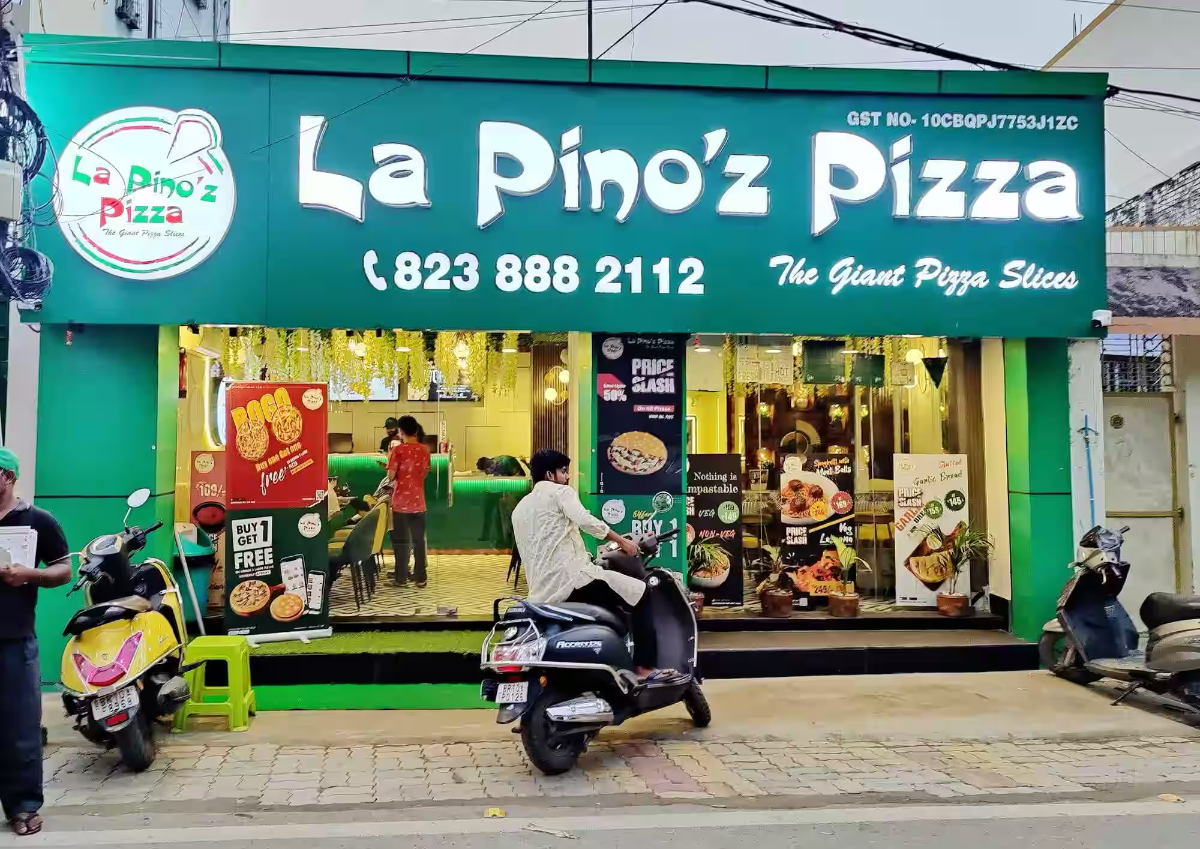
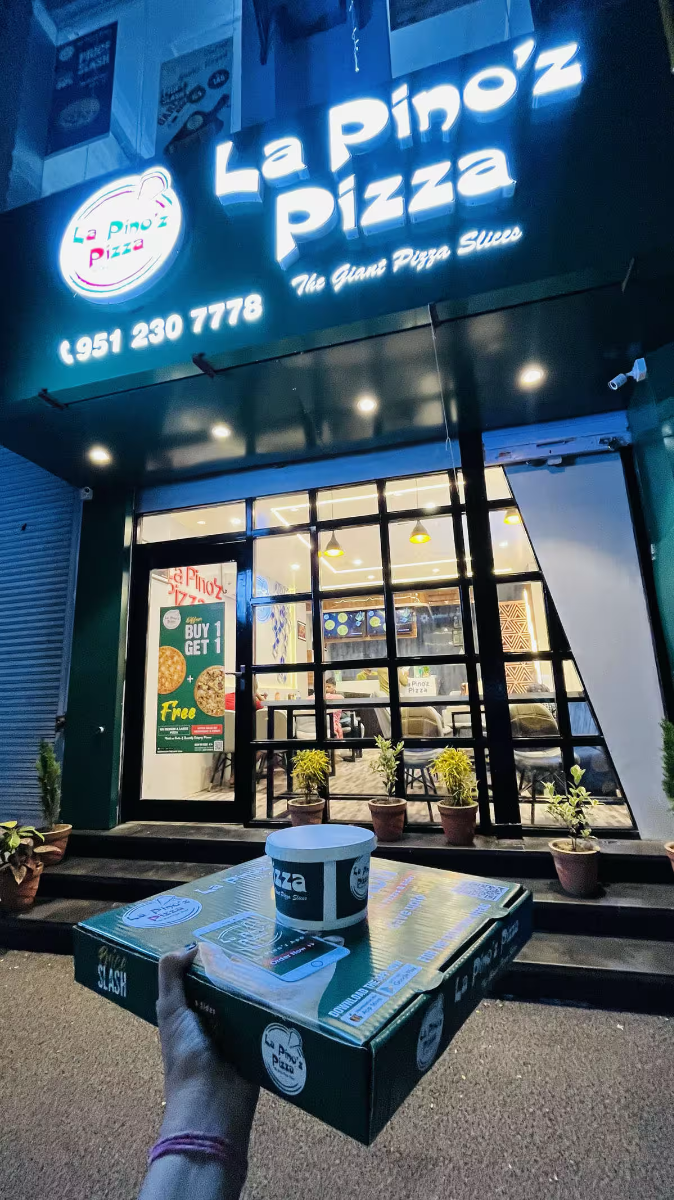
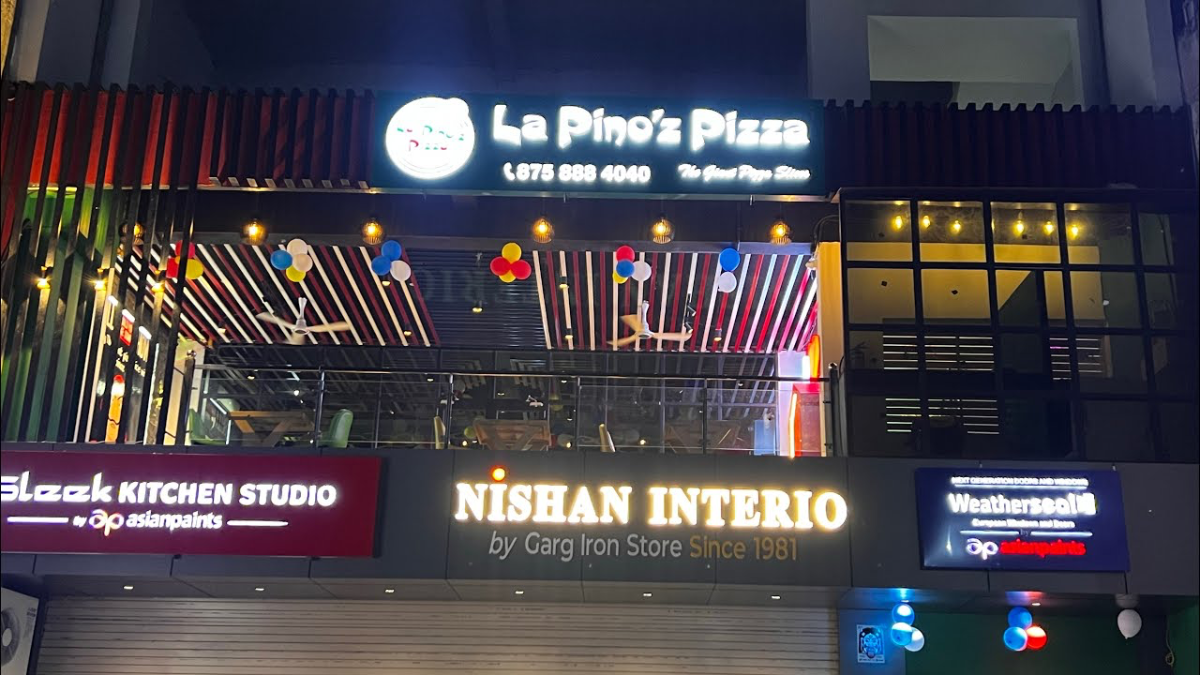
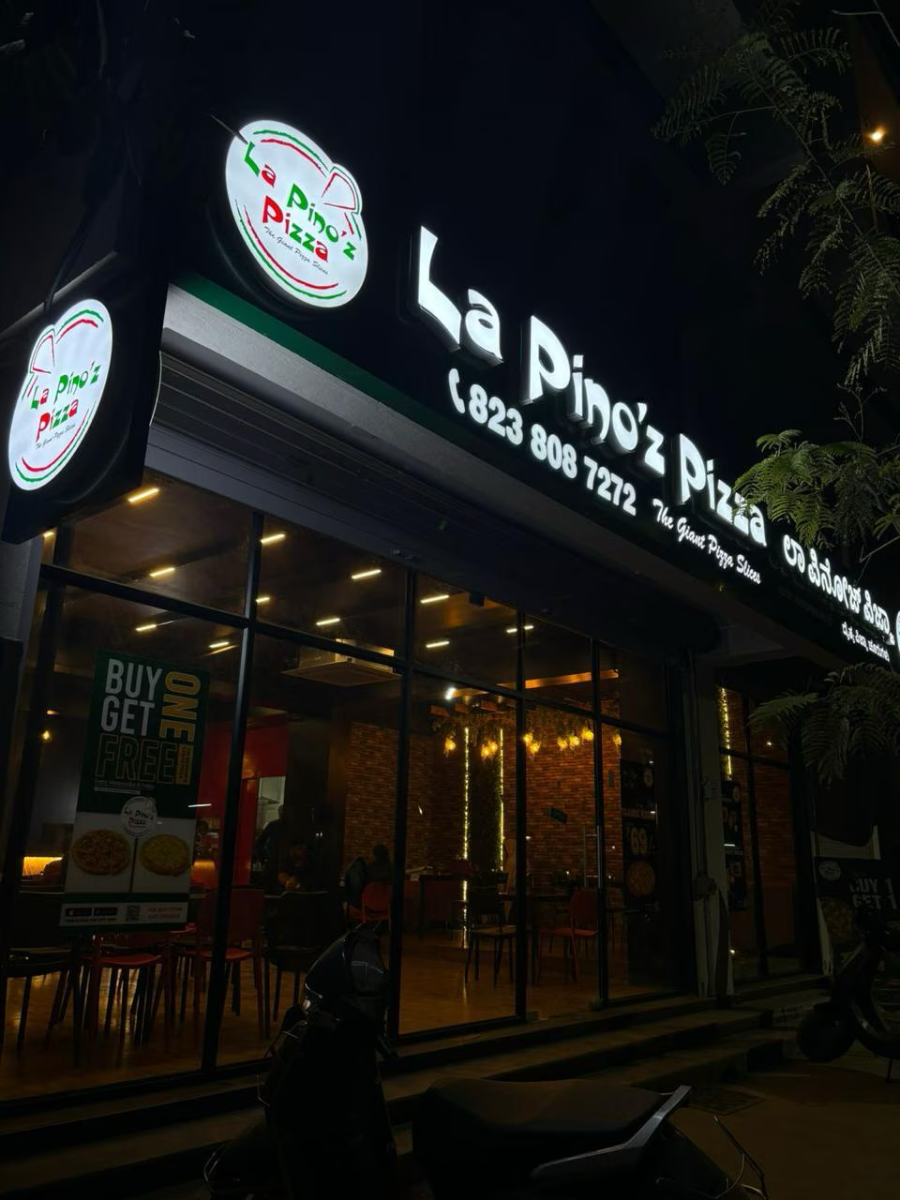
Yes, La Pino'z Pizza is actively franchising across India. Founded in 2011 in Chandigarh as a single outlet, the brand has grown to operate approximately 750 stores nationwide. The company operates on a Franchise Owned, Franchise Operated (FOFO) model, meaning franchisees own and run individual units while paying a 5% royalty to the parent brand for use of its name, systems, and supply chain. The brand continues to expand in tier-2 and tier-3 cities where delivery-first pizza demand is growing.
What is the total investment required to open a La Pino'z Pizza cloud kitchen franchise?
Total investment for a La Pino'z Pizza cloud kitchen franchise is ₹10 lakh minimum, comprising ₹10 lakh capex (kitchen equipment, fit-out, POS system) and ₹3 lakh franchise fee. Working capital of ₹3 lakh is required to cover initial inventory and operational expenses. This assumes a compact 200 sqft footprint typical of cloud kitchens. The relatively low capex compared to full-service restaurants makes cloud kitchens the entry point for most new franchisees.
What space does a La Pino'z Pizza franchise need?
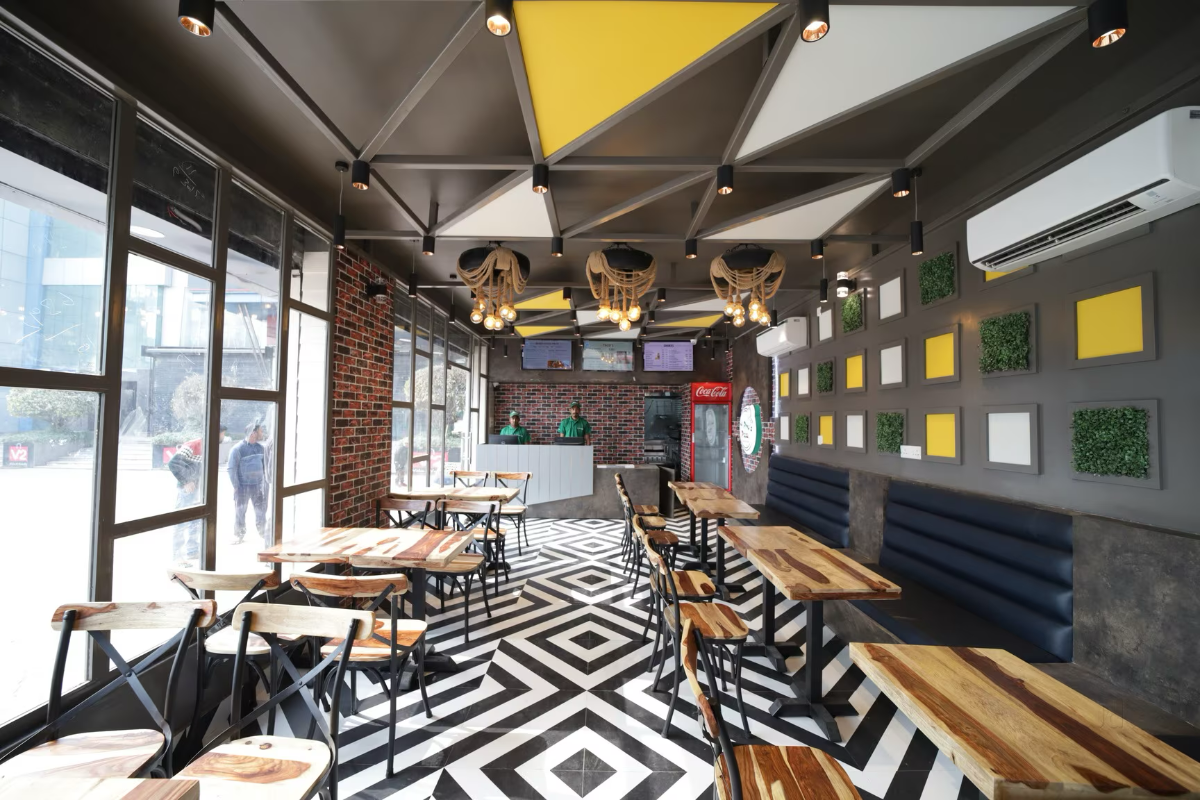
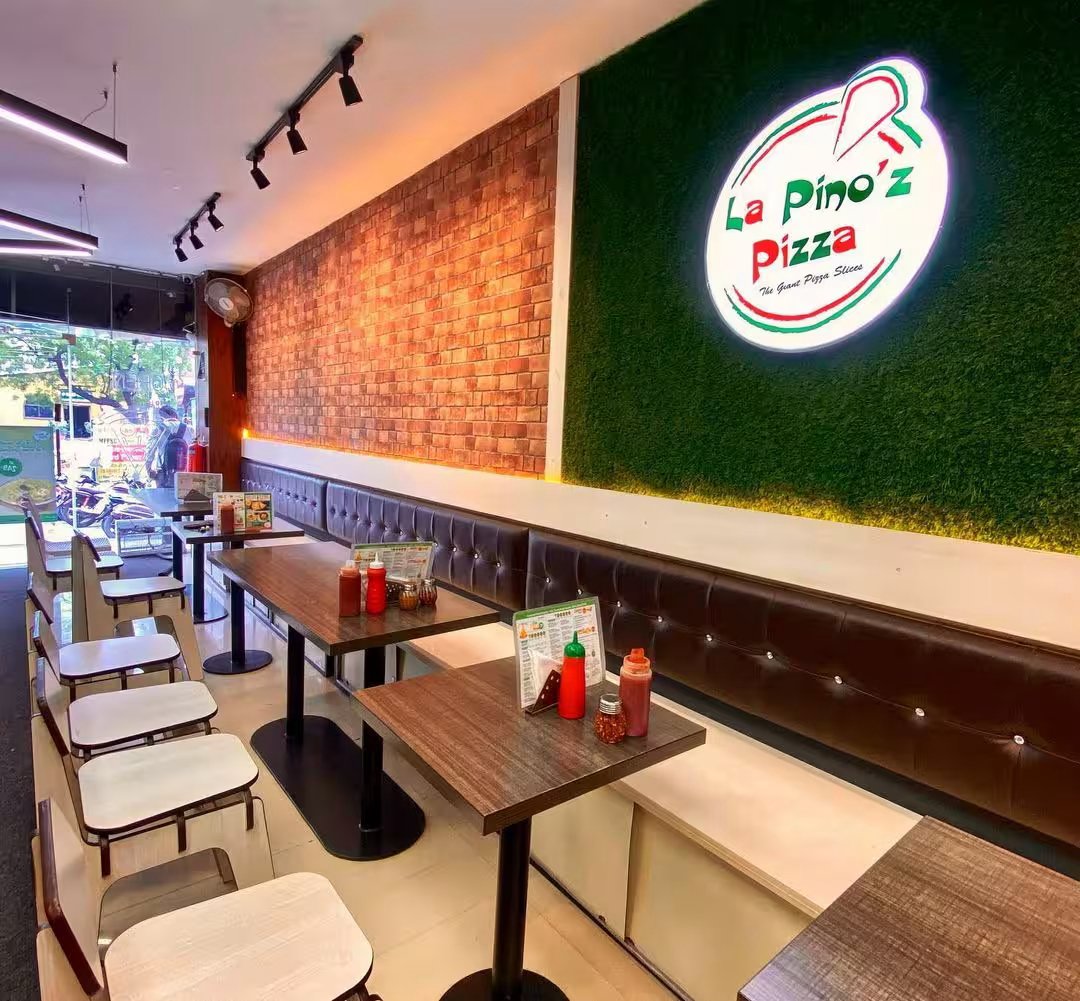
Space requirements depend on the outlet format. Cloud kitchens require a minimum of 200 sqft, making them ideal for residential areas and commercial localities without heavy foot traffic. Food court outlets also operate from 200 sqft but are limited to mall or food court locations. Full dine-in restaurants require 500 sqft minimum to accommodate seating, kitchen, and service areas. The compact cloud kitchen format was deliberately designed to reduce real estate costs and unlock profitability in smaller geographies.
How much does a La Pino'z Pizza dine-in restaurant franchise cost?
A La Pino'z Pizza dine-in restaurant franchise requires total investment of ₹25 lakh minimum, including ₹25 lakh capex and ₹5 lakh franchise fee, plus ₹5 lakh working capital. This format requires 500 sqft minimum space and involves higher owner involvement than cloud kitchens. Gross margins for dine-in outlets range from 55–65%, slightly higher than cloud kitchens, because dine-in operations capture full menu pricing without aggregator commissions. The higher capex reflects kitchen equipment, dining furniture, and fit-out costs.
Does La Pino'z Pizza charge royalty to franchisees?
Yes, La Pino'z Pizza charges a 5% royalty on sales revenue to all franchisees across all formats. This is the ongoing operational fee paid monthly based on gross sales. No additional marketing fund fee or commission structure is applied. The 5% royalty remains flat regardless of outlet format—cloud kitchen, food court, or dine-in—and covers use of brand systems, supply chain access, and operational support.
What is the training period for a La Pino'z Pizza franchisee?
La Pino'z Pizza provides 10 days of training for all franchisees. This training covers pizza preparation techniques, quality standards, inventory management, point-of-sale systems, and operational procedures aligned with the brand's central kitchen supply model. The 10-day period is designed to ensure franchisees and their core staff understand the standardized processes needed to maintain consistency across the network while managing a compact delivery-focused operation.
What is the franchise agreement term for La Pino'z Pizza?
La Pino'z Pizza franchise agreements have a 5-year expiry policy, meaning each agreement is renewable after 5 years subject to brand and franchisee mutual agreement. This term aligns with typical QSR franchise models in India and provides franchisees with sufficient runway to recover investment and build profitability while maintaining brand control over quality and operations.
What are the gross margins for a La Pino'z Pizza franchise?
Gross margins for La Pino'z Pizza franchises range from 50–60% for cloud kitchens and food court outlets, and 55–65% for full dine-in restaurants. These margins represent revenue after accounting for cost of goods sold (pizza ingredients, packaging, beverages) but before operating expenses (rent, utilities, staff, delivery commissions). The higher margins for dine-in reflect full menu pricing, while cloud kitchen margins may be impacted by delivery platform commissions, which typically range from 25–30% of order value.
How much owner involvement is required for a La Pino'z Pizza cloud kitchen?
La Pino'z Pizza cloud kitchens require moderate (M-level) owner involvement. Owners are expected to manage daily operations, inventory, quality control, and customer order fulfillment, but can operate with a small team (typically 3–4 staff for kitchen and delivery coordination). Unlike full dine-in restaurants which require higher hands-on oversight, cloud kitchens have simpler workflows with no table service, lower complexity, and more predictable staffing needs, making them suitable for owner-operators with limited restaurant experience.
What is the difference between a La Pino'z Pizza cloud kitchen and food court franchise?
Cloud kitchens require ₹10 lakh investment, operate from 200 sqft standalone spaces (homes, commercial buildings), and serve customers via delivery and pickup with 50–60% gross margins. Food court outlets also cost ₹10 lakh but are located exclusively within malls or food courts, limited to walk-in and casual dine-in traffic, with similar margins. The key trade-off: cloud kitchens access delivery platforms for wider reach but incur aggregator commissions; food court outlets avoid commission fees but depend on mall foot traffic. Both require moderate owner involvement and 10-day training.
How many La Pino'z Pizza stores operate in India currently?
La Pino'z Pizza operates approximately 750 stores across India as of the latest reported count. The brand has scaled from a single Chandigarh outlet in 2011 to a substantial network covering tier-1, tier-2, and tier-3 cities. This growth reflects the success of the cloud kitchen and compact format model in capturing demand for affordable, delivery-friendly pizza in geographies underserved by larger national chains.
What supply chain model does La Pino'z Pizza use for franchises?
La Pino'z Pizza uses a Central Kitchen + Brand Supply model, meaning the brand sources and supplies standardized ingredients, dough bases, and packaged items to franchisees. Franchisees do not purchase directly from wholesale markets; instead, they order pre-prepared components from La Pino'z's central supply chain. This ensures consistency across outlets, reduces franchisee operational complexity, and maintains quality control. Franchisees focus on final assembly, quality checks, and delivery rather than full food production.