How do Malabar Gold & Diamonds franchisees make money?
Franchisees earn through retail markup on gold, diamond, and precious jewellery sales. They purchase inventory at wholesale rates and sell directly to consumers at retail prices, typically achieving gross margins of 12–18%. There are no royalties, and no other revenue streams are part of the franchise contract.
What is the Malabar Gold & Diamonds franchise cost?
Initial investment ranges from ₹2 crore to ₹5 crore, depending on store size (1,000–2,000 sq. ft.). The franchise fee is ₹25 lakhs, and there are no ongoing royalty payments. Some sources cite higher capex ranges (up to ₹15 crore) for larger formats.
What revenue streams does a Malabar Gold & Diamonds franchisee have?
A single primary stream: jewellery retail sales (gold, diamonds, precious metals). This is a pure retail jewellery business with no ancillary services, home delivery, or online channels included in the franchisee contract.
Is Malabar Gold & Diamonds franchise revenue seasonal or steady?
Revenue is seasonal and discretionary. Demand peaks during festivals (Diwali, weddings, religious occasions) and is influenced by gold price movements and consumer wealth. Monthly cash flow is typically uneven rather than steady.
Is Malabar Gold & Diamonds actively franchising in India?
Yes, Malabar Gold & Diamonds is actively franchising in India. Founded in 1993 in Kerala, the brand operates approximately 180 outlets across the country and continues to expand its franchise network. The brand remains committed to growth through the franchise model, offering entrepreneurs access to an established jewellery retail system with vertical integration in manufacturing.
What is the total investment required for a Malabar Gold & Diamonds franchise?
Total investment for a Malabar Gold & Diamonds franchise ranges from ₹2 crore (setup capex) to ₹22 crore when combined with working capital. The franchise fee is ₹25 lakh. However, the largest cost component is working capital — approximately ₹20 crore — needed to maintain jewellery inventory. This inventory commitment is critical because it must absorb gold price volatility and seasonal demand cycles typical in jewellery retail.
How much space does a Malabar Gold & Diamonds franchise require?
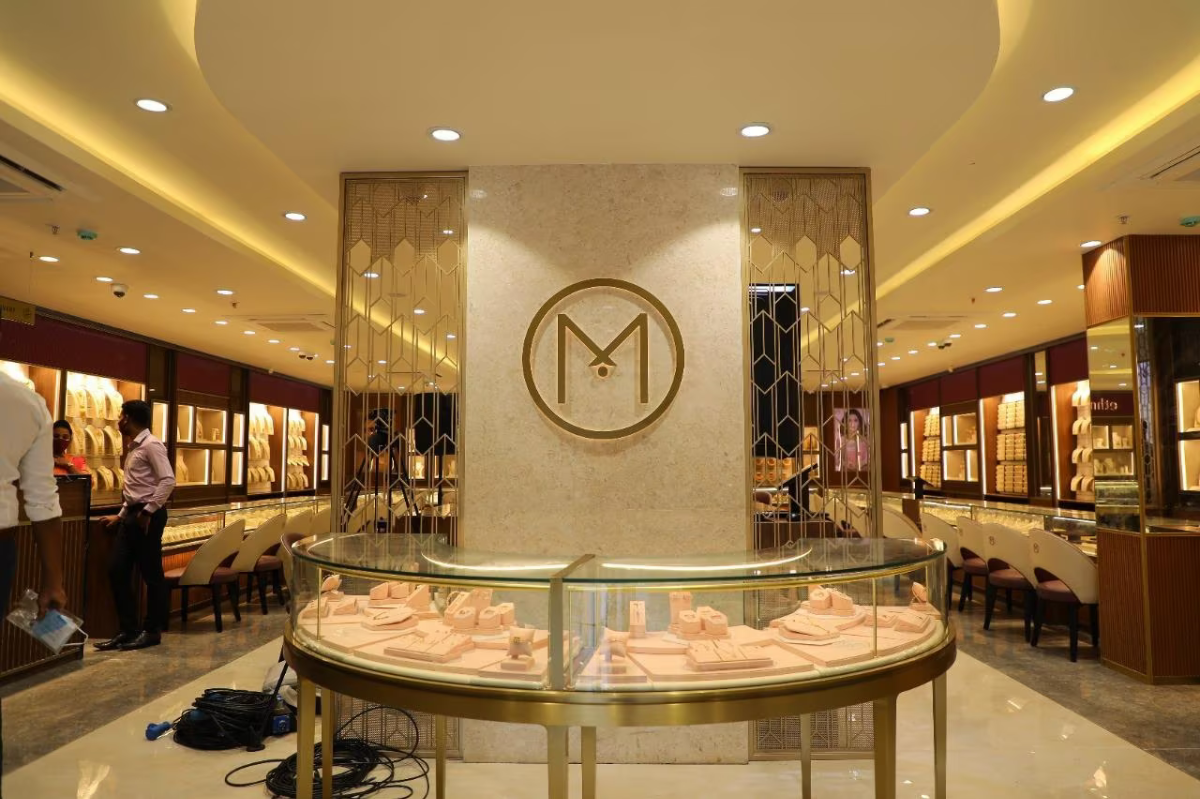
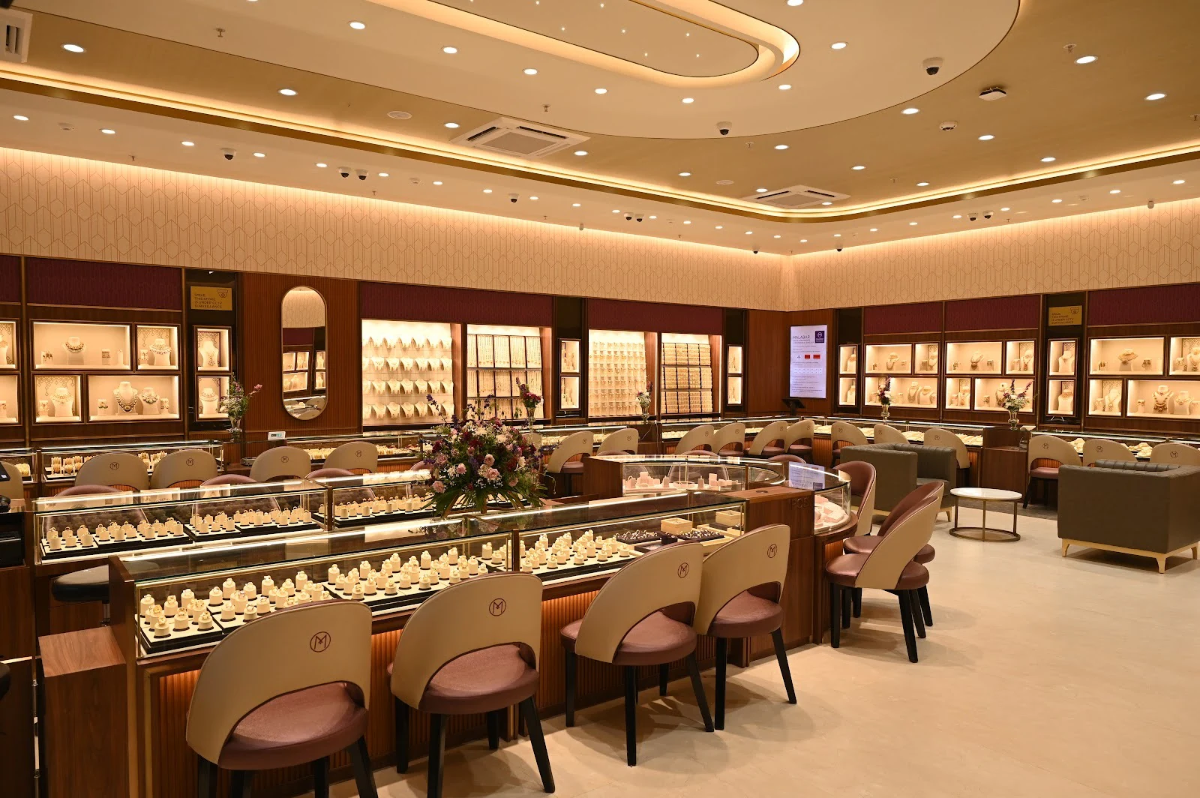
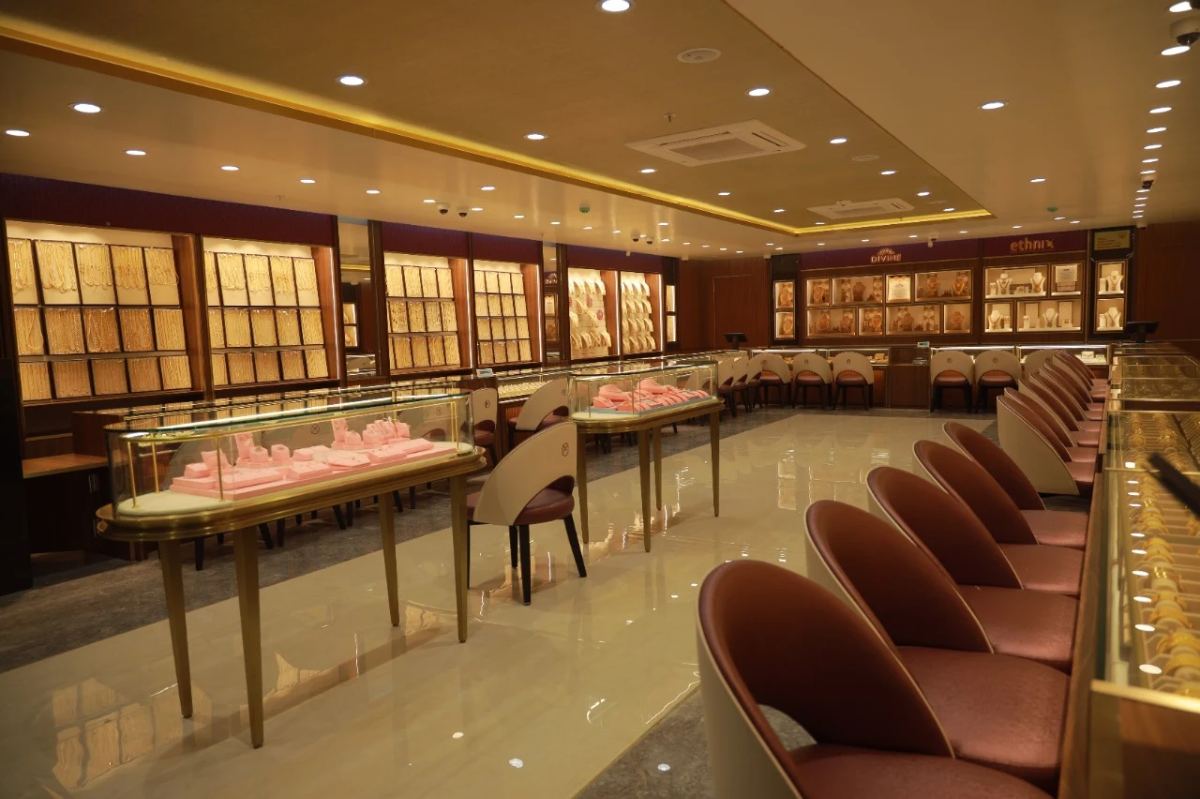
A Malabar Gold & Diamonds franchise requires a minimum of 2,000 square feet for the exclusive store format. This footprint accommodates jewellery display cases, a secure vault for inventory, customer consultation areas, and back-office operations. Space is typically leased in high-traffic retail locations such as malls, premium markets, or city centres to support brand visibility and customer walk-in traffic.
Does Malabar Gold & Diamonds charge royalty fees?
No, Malabar Gold & Diamonds charges zero royalty on revenue. Franchisees pay only the upfront franchise fee of ₹25 lakh and retain all revenue above cost of goods sold and operating expenses. This zero-royalty model aligns the parent brand and franchisee incentives around network scale and customer throughput rather than margin extraction.
What is the gross margin for a Malabar Gold & Diamonds franchise?
The gross margin for a Malabar Gold & Diamonds franchise typically ranges from 12% to 18%. This margin reflects the wholesale-to-retail spread on gold, diamonds, and precious jewellery sales. The actual margin realised depends on local competition, inventory turnover, gold price movements, and the franchisee's ability to manage working capital efficiently across seasonal demand cycles.
How long is the training period for a Malabar Gold & Diamonds franchise?
The training period for a Malabar Gold & Diamonds franchisee is 5 days. This covers jewellery product knowledge, retail operations, inventory management, and compliance with the brand's system. Given the specialized nature of jewellery retail and the importance of precious metal handling, franchisees should budget for additional on-the-job learning once the store opens.
What is the franchise agreement term for Malabar Gold & Diamonds?
The Malabar Gold & Diamonds franchise agreement has an expiry policy of 3 to 5 years. This means franchisees enter into contracts with a defined term, after which they can renew or exit. The relatively shorter tenure allows the brand to reassess franchisee performance, system compliance, and market conditions periodically.
How hands-on does an owner need to be in a Malabar Gold & Diamonds franchise?
Owner involvement is high for a Malabar Gold & Diamonds franchise. Jewellery retail requires direct oversight of inventory, customer service quality, precious metal handling, and sales performance. Owners cannot operate the business remotely or passively; they must be actively engaged in store management, staff supervision, and working capital decisions to navigate gold price volatility and seasonal demand swings.
What are the territory rights for a Malabar Gold & Diamonds franchise?
Territory rights for Malabar Gold & Diamonds are limited. The brand operates primarily through company-owned stores, and franchising is very rare, meaning territory exclusivity is not guaranteed. Franchisees may face competition from other Malabar Gold & Diamonds outlets or company-owned stores in the same geographic area. This structure prioritizes brand density over franchisee protection.
Does Malabar Gold & Diamonds provide inventory supply or manufacturing?
Malabar Gold & Diamonds operates a vertically integrated supply chain with its own manufacturing facilities. This means the parent company manufactures jewellery in-house and supplies franchisees with finished goods. Franchisees do not manufacture; they purchase inventory at wholesale rates and sell at retail. This integration provides the brand control over design, quality, and supply, but franchisees must manage the working capital required to hold stock.
How many Malabar Gold & Diamonds stores are there in India?
Malabar Gold & Diamonds operates approximately 180 outlets across India. This network spans multiple cities and states, reflecting the brand's presence in the Indian jewellery retail market since its foundation in 1993. The scale of the network supports brand recognition and a consistent supply chain for franchisees, though it also means the brand prioritizes network growth over individual franchisee territory protection.
What makes Malabar Gold & Diamonds different from other jewellery franchises in India?
Malabar Gold & Diamonds differentiates through zero royalty structure, vertical integration in manufacturing, and a 30-year heritage since 1993. Unlike peers charging 4–10% royalty, Malabar aligns incentives by taking revenue only at scale. The in-house manufacturing provides control over design and cost, enabling franchisees to compete on margin rather than brand licensing fees. However, this model demands higher working capital commitment and active owner involvement.