

Maruti SuzukiDealership Cost in India 2026
Suzuki
Maruti Suzuki runs a dealership model in India. Verified: investment ₹1.5 Cr, 2,000 sq ft. This page explains the eligibility & enquiry options and cost components. Verified from primary sources.
Core Investment
Due Diligence & Legal
Operations & Training
Investor Pro Tools
How Maruti Suzuki franchisees make money
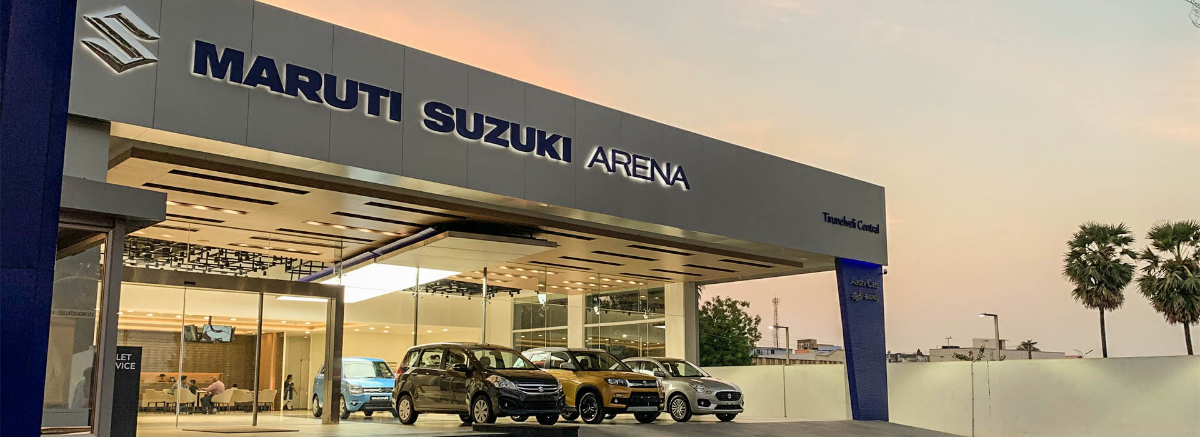
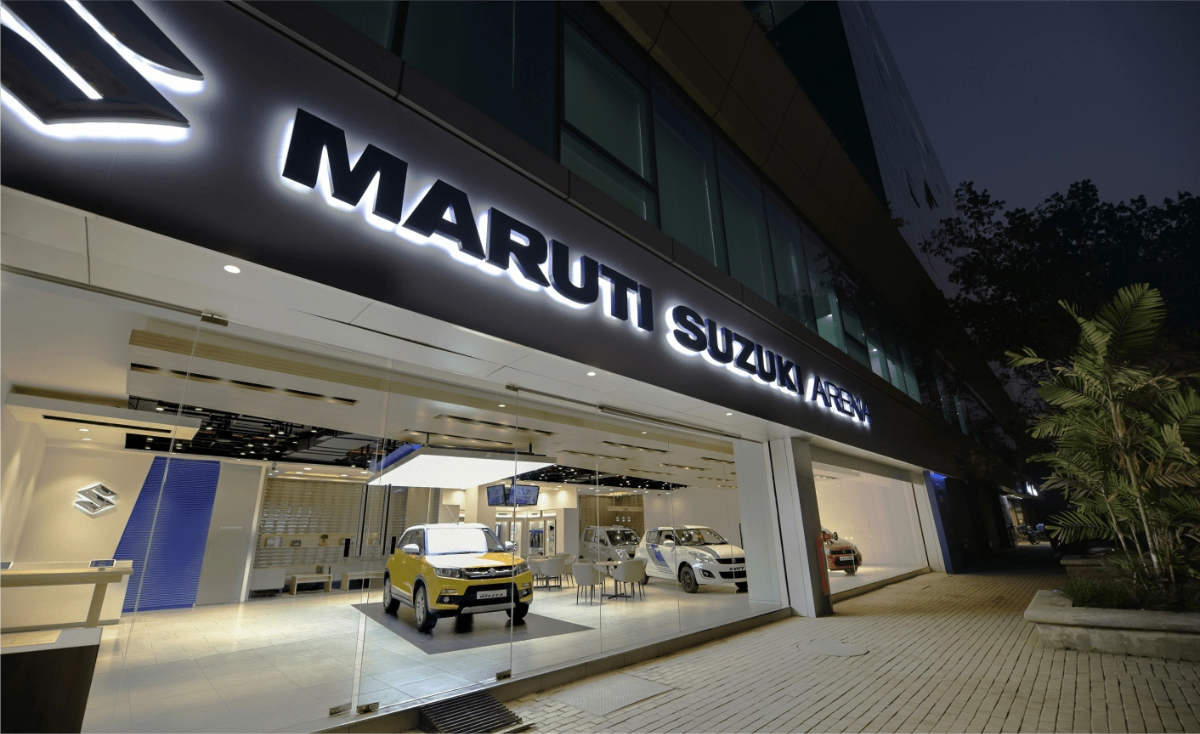
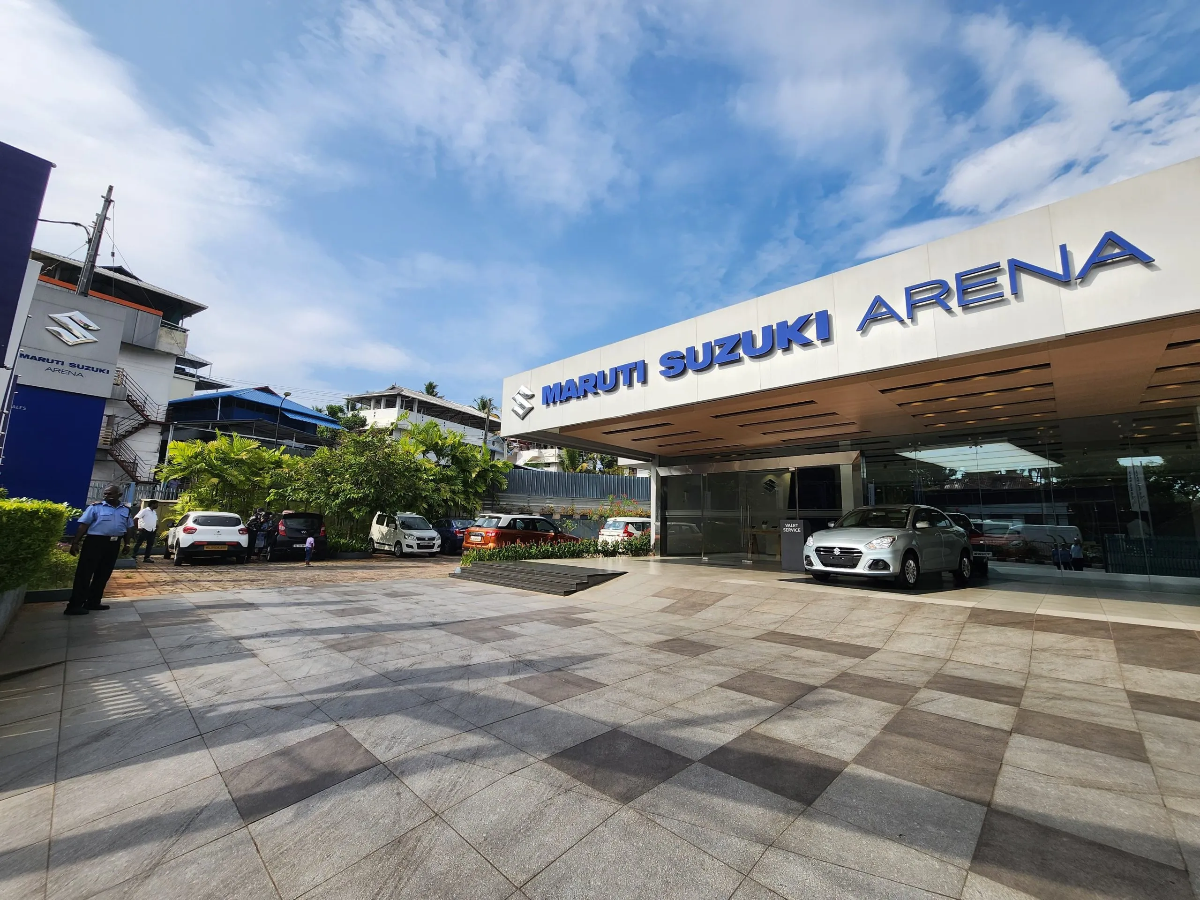
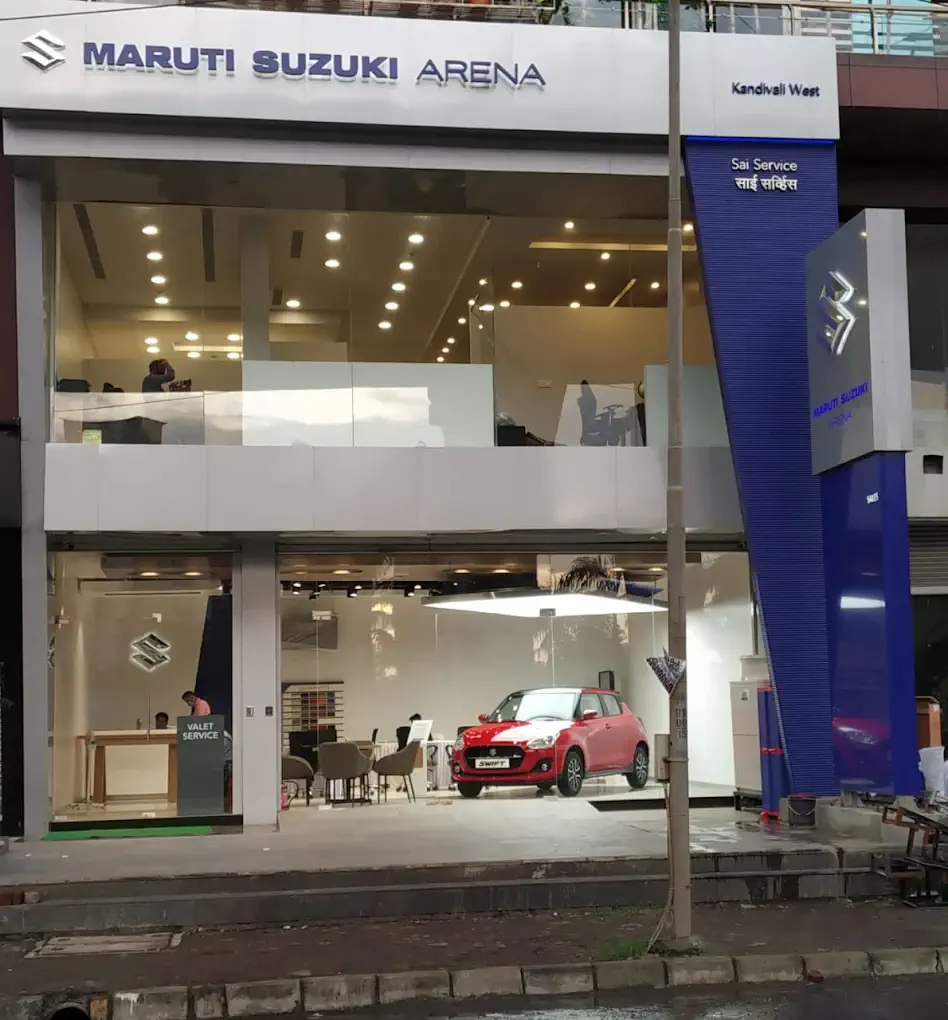
Maruti Suzuki franchisees earn primarily from new vehicle sales, which typically carry a 4-5% gross margin. Secondary revenue streams include used car sales, after-sales servicing, spare parts supply, and warranty and insurance product placements. The franchise operates as a 2S showroom model (sales and service), with service and parts carrying higher margins than vehicle sales. Maruti Suzuki operates 1448 Arena showrooms across 527 cities as of the latest count, positioning franchisees within India's mass-market automotive retail ecosystem.
Supply chain & sourcing
Maruti Suzuki allocates vehicles to authorized dealers according to OEM quotas and demand forecasting; franchisees cannot source independently and operate within the parent company's supply discipline. Service parts and accessories flow through Maruti Suzuki's authorized distribution network, where franchisees purchase at parent-set wholesale rates. This model ensures consistent product availability and brand standards but limits the franchisee's control over cost base — margins on service and parts are predetermined by the OEM, and vehicle allocation directly impacts revenue ceiling.
Demand & growth signals
Automotive franchise revenue is moderately seasonal, tied to festival cycles (particularly Diwali and year-end), new model launches, and quarterly corporate buying patterns. Used car sales and service revenue provide some counter-cyclical stability, but new vehicle sales—the dominant stream—remain vulnerable to interest rate changes, fuel prices, and broader consumer discretionary spending. Steady footfall depends on location quality and brand affinity, which Maruti Suzuki's mass-market positioning and 41-year operating history support, but revenue volatility remains inherent to the category. Maruti Suzuki operates 1448 showrooms across 527 Indian cities and was founded in 1983, making it one of India's longest-established automotive franchises. India's passenger vehicle market has grown at a compound annual rate of 7-9% over the past decade, with entry-level and mid-range segments—Maruti Suzuki's core—expanding steadily. The brand's presence and network scale signal sustained category demand, though absolute growth for individual franchisees depends on local market penetration, competitive intensity, and the franchisee's operational execution.
Operating Locations
Market position · car dealership cohort
Maruti Suzuki operates one of this cohort's broad networks, with customer response in the stronger band.
Mapped against 8 verified peers sharing its industry and store format — network breadth across, observed customer response up. Qualitative bands, relative to this cohort. Tags show how each network is run.
 Maruti Suzukiexclusive dealer
 Hyundai Indiaexclusive dealer
 Porsche (VW Group)exclusive dealer
 Tata Motorsexclusive dealer
 Kia Indiaexclusive dealer
 Mahindraexclusive dealer
 MG Motor Indiaexclusive dealer
 MINIexclusive dealer
 Mercedes-Benzexclusive dealer
| Brand | Breadth | Response |
|---|---|---|
| Maruti Suzukiexclusive dealer |
Broad | Stronger |
| Tata Motorsexclusive dealer |
Growing breadth | Softer |
| Hyundai Indiaexclusive dealer |
Growing breadth | Stronger |
| MINIexclusive dealer |
Focused | Middle |
+ 5 more peers in the full cohort · all shown on the map above
How this is built. Positions come from source-verified records in the FRANticc dataset — India's provenance-first franchise data platform. Every figure is traceable to a named source, tiered S1 (brand-official) to S7 (estimated, labelled as such). Network positions use only store counts with a documented source; customer response is the review-count-weighted average of documented Google review samples across Indian states. Brands whose network totals conflict across sources are excluded from the map rather than plotted — FRANticc fails closed on bad data. Not an investment recommendation.
Is actually the right fit for you?
BrandFit asks 6 visual questions about your operator profile, capital, location, and risk appetite — then ranks all 234 brands by predicted success-fit for your specific situation. shows up where it actually fits, not just where it can afford.
Run BrandFit on my situation