Directory Results 0 Matches
Refine filters to see logos.
Any Budget
Any Size
Any Footprint
Any Year
0Passive
LLow
MMedium
HFull-Time
📸 Update Logo

TVS iQube

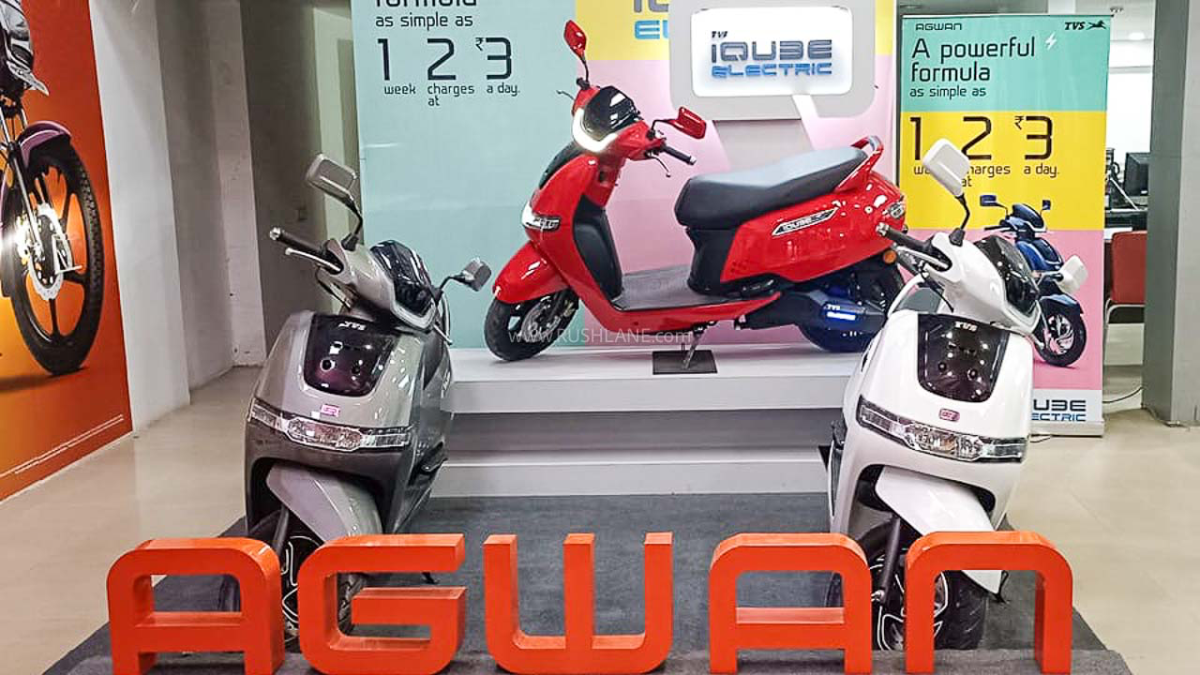
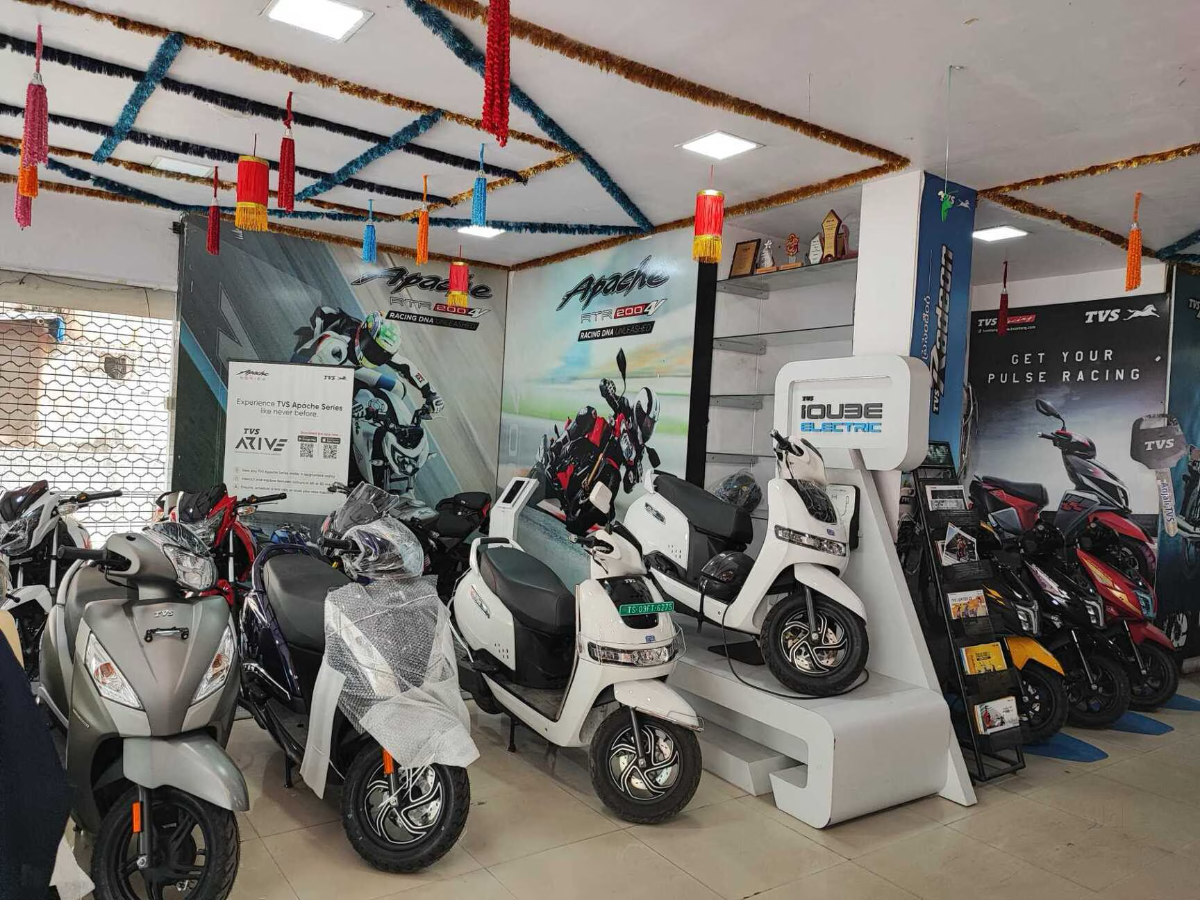
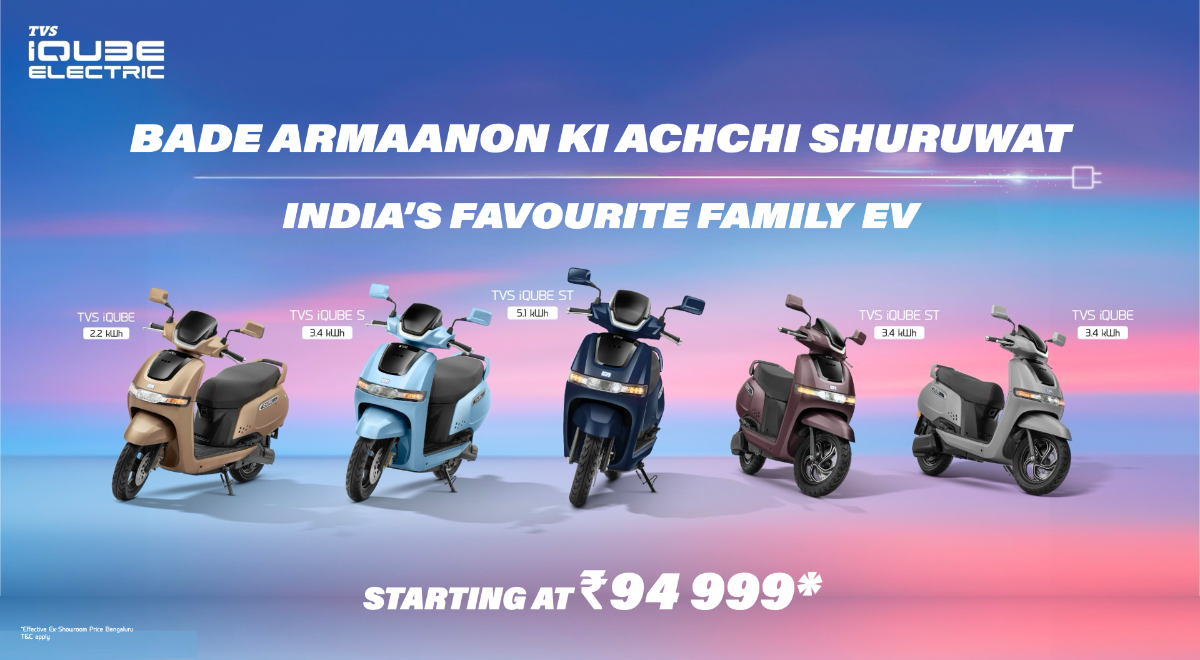
Backed by a century-old industrial group with deep manufacturing DNA, TVS Motor's iQube electric scooter line is quietly becoming the proof point that legacy two-wheeler dealerships can absorb the EV transition without a parallel retail infrastructure build — a structural advantage pure-play EV brands cannot replicate. With a ₹30 lakh capex floor and 0% royalty on revenue, the economics favor operators who can drive volume, since 3-6% gross margins reward throughput over ticket size; if your catchment lacks the density to move metal consistently, the model thins quickly across ~4,500 national touchpoints competing for the same urban upgrader customer.

Core Investment

Compare
Total Stores
Format i
Space Req. i
Total Commitment i
Working Capital i
Owner's Involvement i
0
L
M
H
PassiveLowMedFull-Time

Due Diligence & Legal

Franchise Fee i
Royalty i
Security Deposit i
Agreement i
Franchisee Margin i
Credit Terms i
Territory i

Operations & Training

Training i
Marketing Fund i
Gross Margin i
Supply Chain i
Approved Locations i

Investor Pro Tools

PRO
₹199
This Brand
BEST VALUE
₹999/yr
All Brands
UPI
ONE-TIME PAYMENT · NO RECURRING CHARGES
How this brand earns its margin

How TVS iQube franchisees make money

TVS iQube franchisees earn primary revenue from the sale of TVS two-wheeler vehicles (both ICE and electric scooters) and ancillary earnings from after-sales service and spare parts. The dealership model operates on a gross margin of 3–6% on vehicle sales, with net profit margins reported between 20–35% when service, parts, and workshop operations are factored in. Monthly profit ranges from approximately 1.2 lakh to 4 lakh rupees depending on store performance and location. Unlike TVS's other business verticals, the iQube franchise is a Full Dealership contract and does not include revenue from TVS's separate financing, insurance, or extended warranty divisions.

Supply chain & sourcing

TVS as an OEM controls vehicle allocation to franchisees based on dealer quotas and performance metrics—a standard practice in automotive dealership models. Spare parts and service consumables are typically supplied through TVS's authorized distribution network, which sets wholesale pricing and margins for parts inventory. Franchisees cannot source vehicles independently; the allocation model ensures brand consistency but also means franchisee inventory and sales velocity depend on parent-company quotas rather than local demand capture alone.

Demand & growth signals

Two-wheeler sales in India are seasonal, with demand typically stronger in post-monsoon months (September–November) and festival seasons. Urban mobility trends favor electric scooters, but overall category growth depends on fuel prices, consumer sentiment, and infrastructure investment. Franchisees in metro and Tier-1 cities will likely see steadier demand than those in rural areas. Service and spare parts revenue provides some stability year-round, but vehicle sales can fluctuate significantly quarter-to-quarter. TVS iQube operates 4,500 dealerships across India as of the latest data, reflecting substantial market penetration in the two-wheeler category. The parent company TVS Motor was founded in 1978 and has diversified into electric scooters to compete in India's EV transition. India's two-wheeler market remains large but mature; growth now comes primarily from EV adoption and premiumization rather than category expansion. Franchisee growth will track TVS's competitive position and India's broader shift toward electric mobility.

Disclosed revenue lines
How a franchisee earns
Disclosed revenue lines · TVS iQube
Primary
Two-wheeler vehicle sales (ICE and electric scooters)
The core dealership business—sale of TVS petrol scooters, mopeds, and electric two-wheelers to retail customers. Operates on a gross margin of 3–6% per unit sold. Vehicle allocation is controlled by TVS based on dealer performance and regional quotas; franchisees cannot source competing brands or source TVS inventory outside official channels.
Secondary
After-sales service and maintenance
Workshop operations including scheduled servicing, repairs, and diagnostics on sold vehicles. Service labor and consumables carry higher margins than vehicle sales and generate recurring revenue from the customer base. Required service bay infrastructure and equipment are part of initial franchise capital investment.
Secondary
Spare parts sales
Sale of genuine TVS spare parts and accessories to customers servicing their vehicles. Parts are sourced through TVS's authorized distribution network at wholesale margin. Spare parts margins are typically higher than vehicle sales but lower than service labor.
Tertiary
Distributor commissions (limited scope)
Sources indicate a distributor-level margin of 15% is available, though the extent to which individual franchisees operate as secondary distributors to smaller retailers is not clearly defined. This stream, if applicable, would be auxiliary to the primary dealership model.

Operating Locations

FRANticc · BrandFit AI

Is actually the right fit for you?

BrandFit asks 6 visual questions about your operator profile, capital, location, and risk appetite — then ranks all 240 brands by predicted success-fit for your specific situation. shows up where it actually fits, not just where it can afford.

Run BrandFit on my situation


Industry story · Automotive

How 2-wheeler dealer economics actually work in India

Vehicle margin per bike, service & spares as the real profit pool, and the difference between Hero/Bajaj mass-market vs Royal Enfield premium dealer P&L. Operator-level numbers brand brochures don't show.

See the full 2-wheeler industry story

Join this Brand : See if you Qualify ↓

Syncing Database...
0% Complete
Upload Gallery Photos

Select the category to assign these 0 photos to:

Edit Gallery Categories
Edit Industry Registry

More in this category, or compare TVS iQube side-by-side

Frequently asked · TVS iQube
How do TVS iQube franchisees make money?
Franchisees earn from vehicle sales (3–6% gross margin), after-sales service and maintenance, and spare parts sales. Net profit margins range from 20–35% when all three streams are combined, with average monthly profits between 1.2 lakh and 4 lakh rupees. Revenue depends on TVS's vehicle allocation to the dealership and local market demand.
What is the TVS iQube franchise cost?
Minimum total capital requirement is approximately 30 lakh rupees. This typically includes a franchise fee of 5 lakh rupees, workshop setup and interiors (10–18 lakh), service bay equipment and tools (8–15 lakh), initial spare parts stock (2–4 lakh), and branding/signage (1–2 lakh). Exact costs vary by location and store configuration.
What revenue streams does a TVS iQube franchisee have?
Primary: two-wheeler vehicle sales (ICE and electric). Secondary: after-sales service and maintenance, spare parts sales. Tertiary: distributor commissions (if applicable). Franchisees do not earn from TVS's financing, insurance, or extended warranty divisions—those are separate business units.
Is TVS iQube franchise revenue seasonal or steady?
Revenue is seasonal. Two-wheeler sales typically peak during post-monsoon months (September–November) and festival seasons, with softer demand in other quarters. Service and spare parts provide some baseline year-round revenue, but overall performance depends on local fuel prices, consumer sentiment, and EV adoption trends in the region.
Is TVS iQube actively franchising in India right now?
Yes, TVS iQube operates through an authorized dealership model across approximately 4,500 outlets nationally. TVS Motor, founded in 1978, continues to expand its EV two-wheeler presence through its existing dealer network and selective new dealership openings. The brand sells iQube electric scooters alongside its ICE two-wheeler portfolio (Apache, Jupiter, Ntorq) through the same franchise locations, making it part of an integrated dealership strategy rather than a separate EV-only rollout.
What is the space requirement for a TVS iQube dealership?
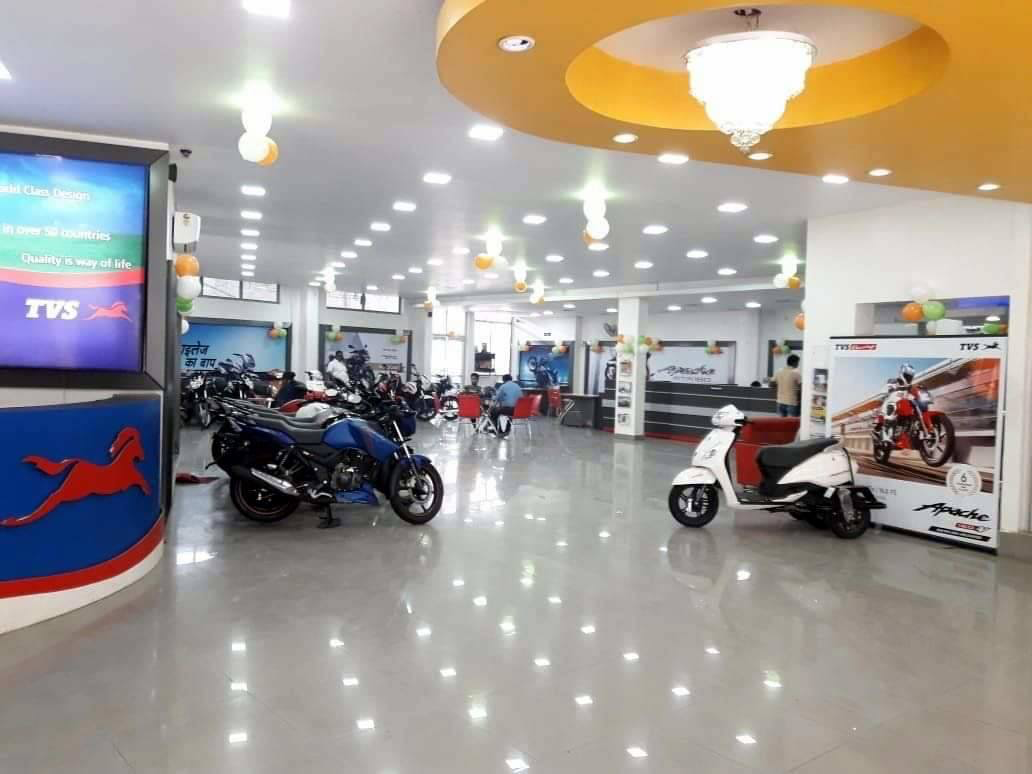
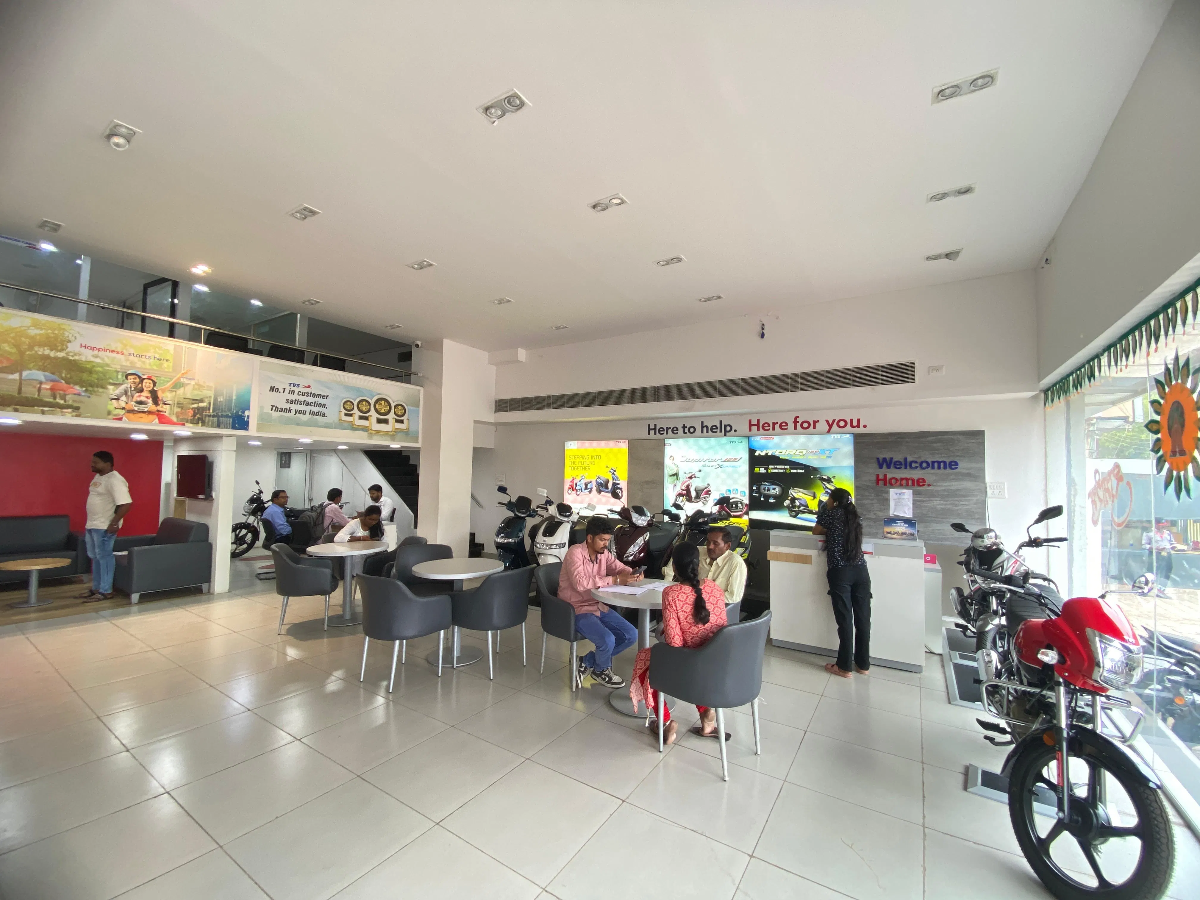
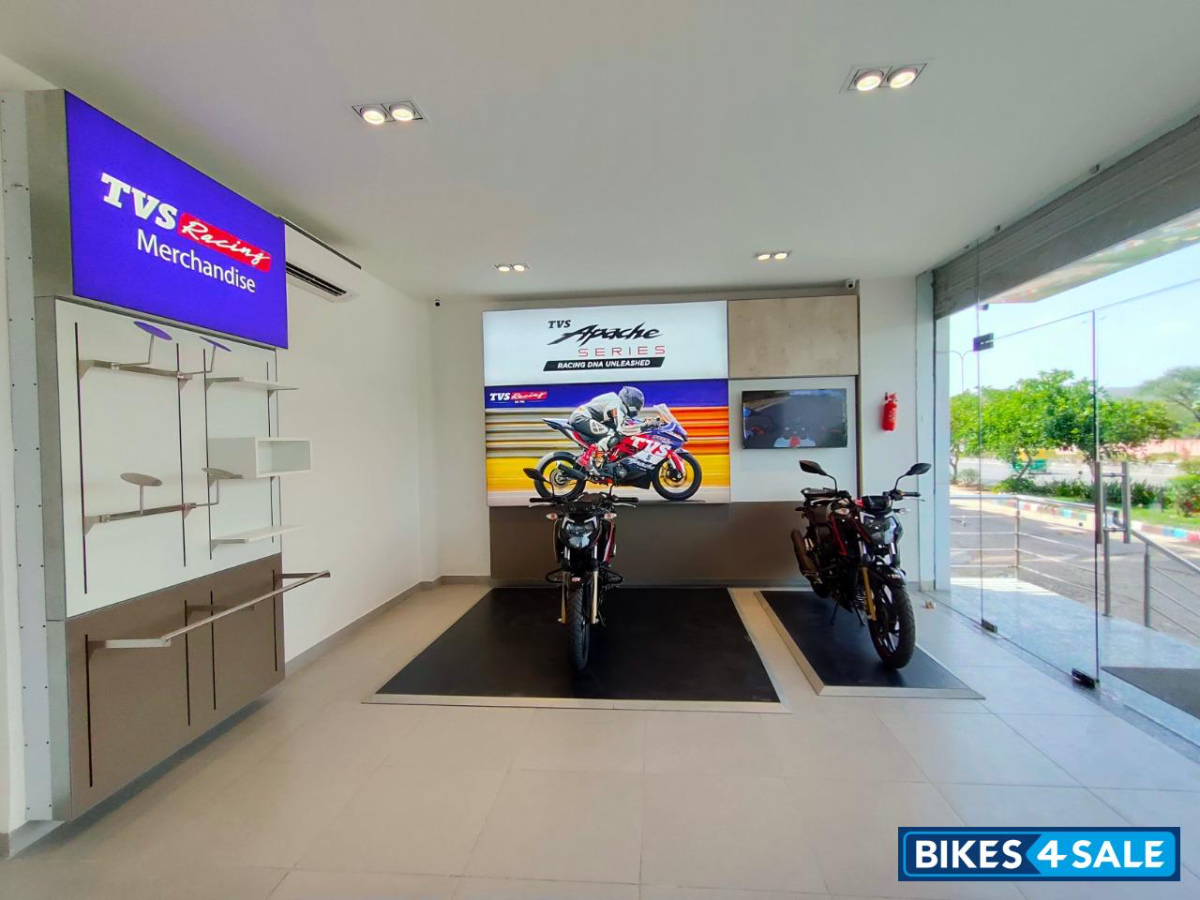
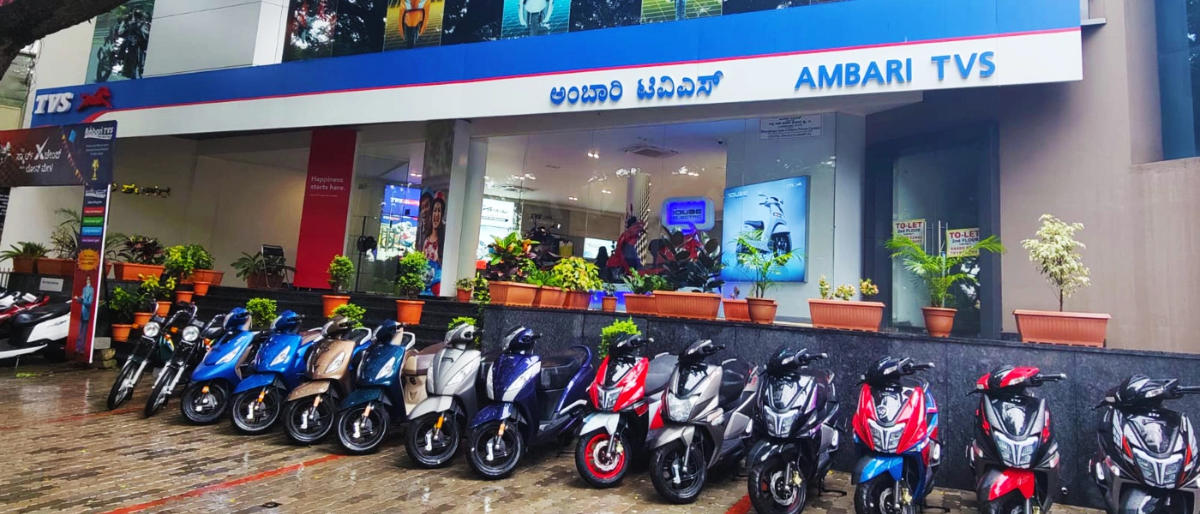
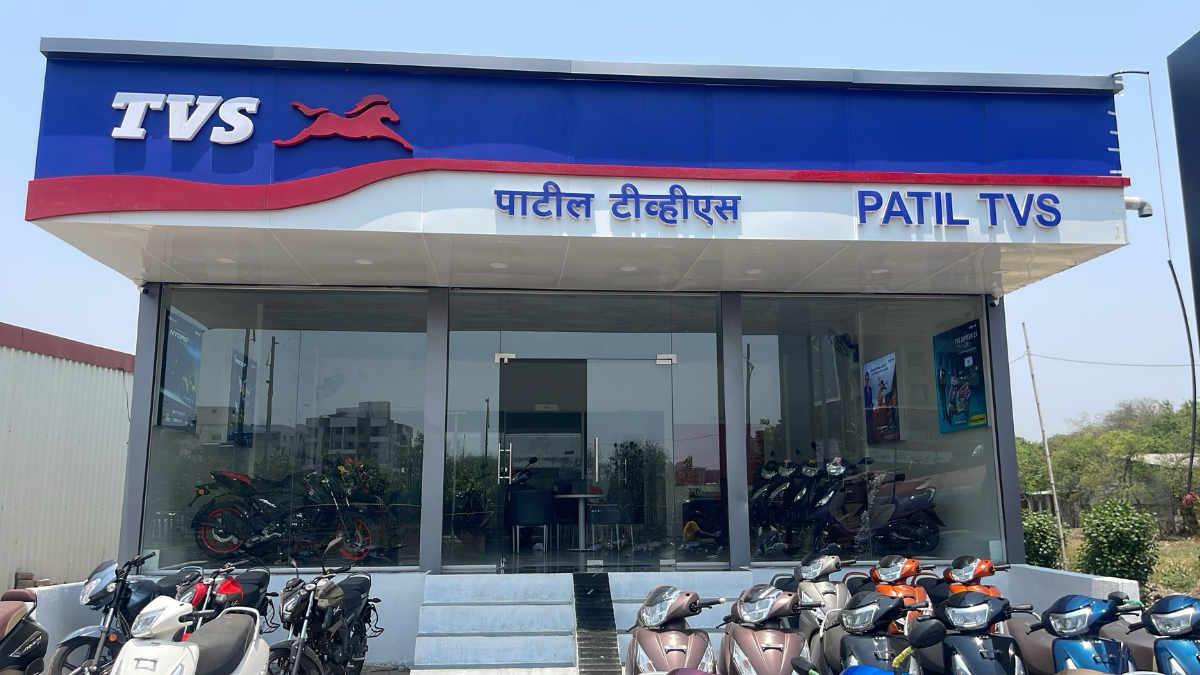
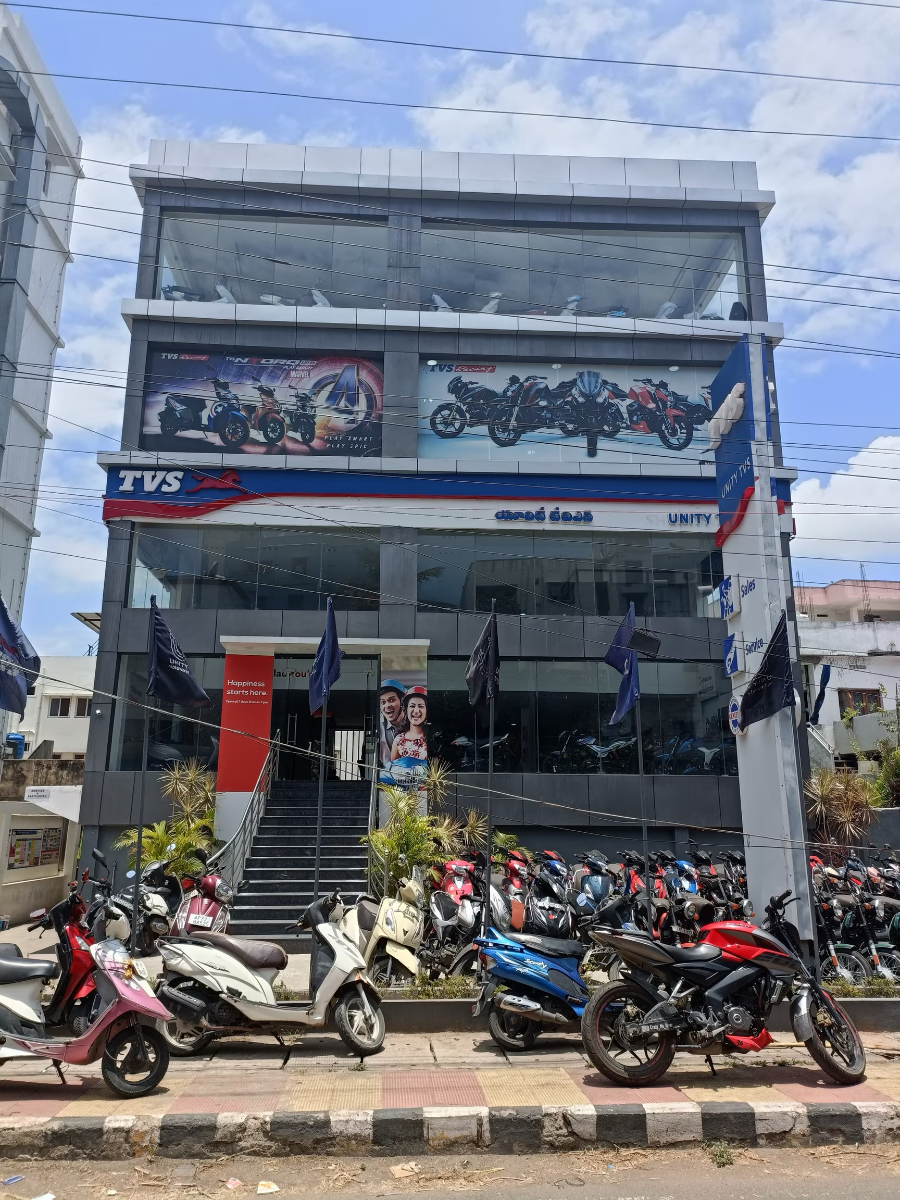
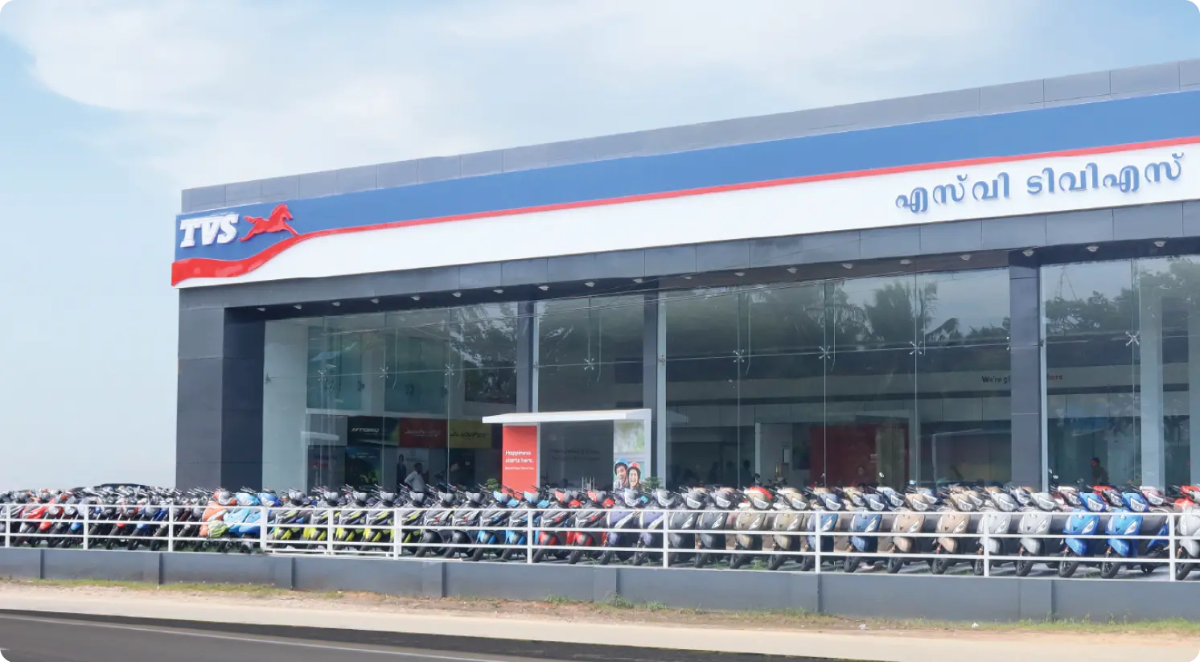
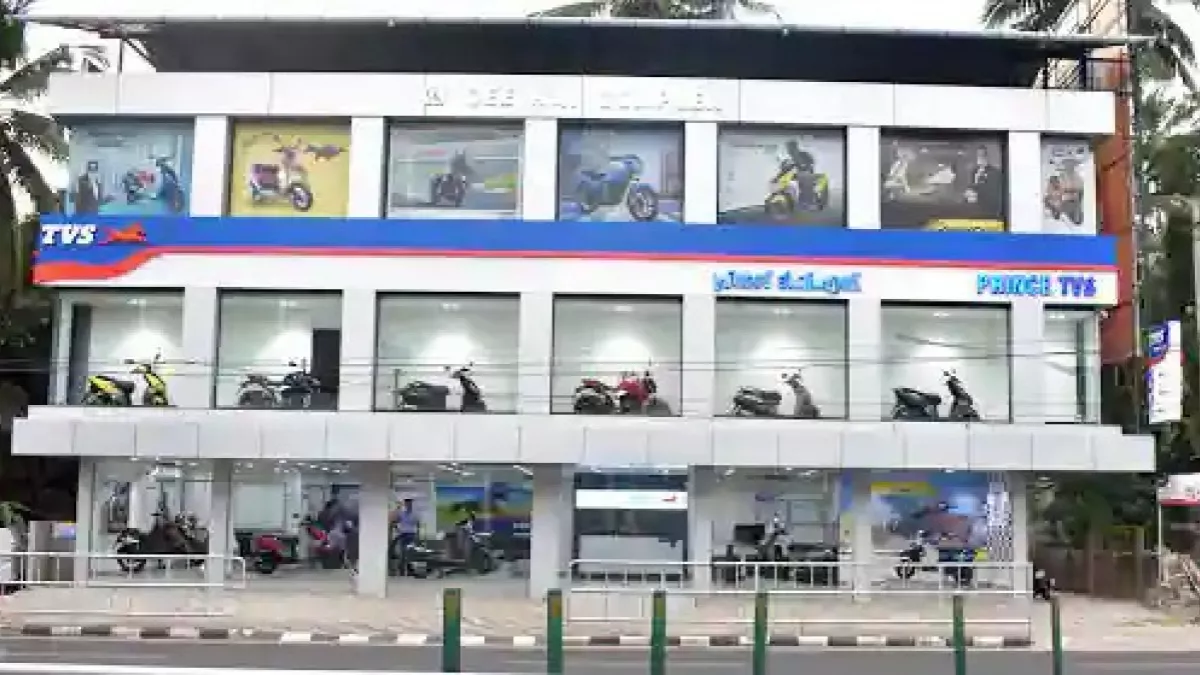
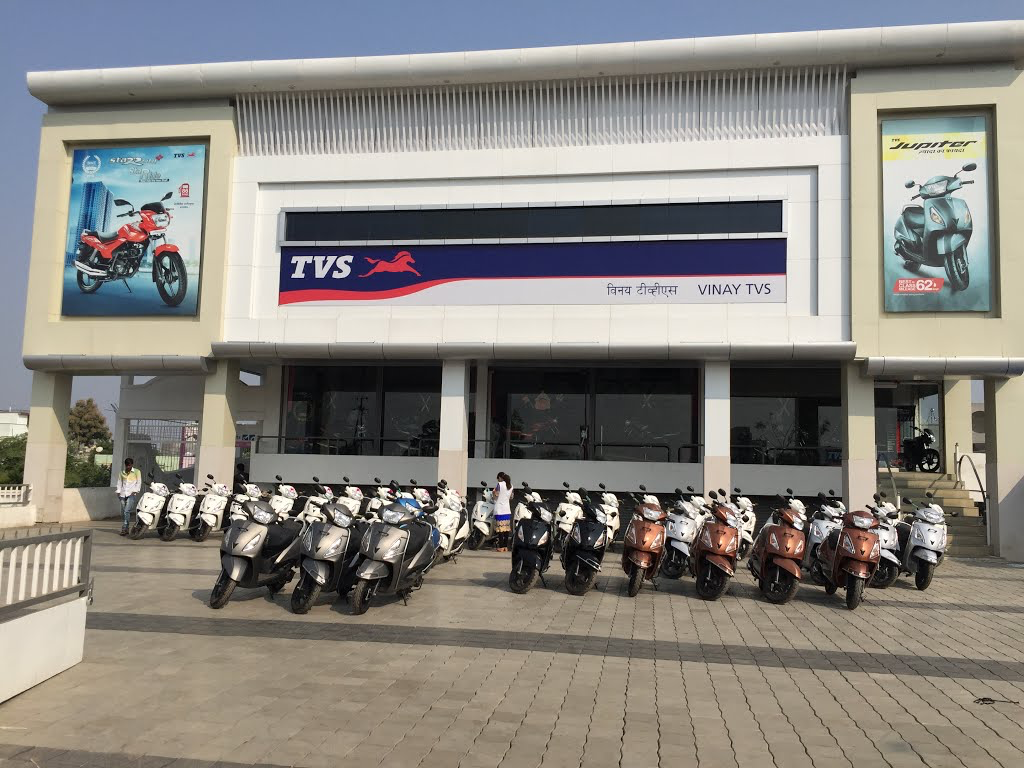
A full TVS dealership (ICE + EV models) requires a minimum of 3,000 sqft. If you are opening a dedicated TVS iQube EV-only showroom, the space requirement is lower at 1,200 sqft. Space allocation should include a sales floor for vehicle display, a service bay, parts storage, and office areas. The specific layout depends on whether you are operating as a full-service dealership or an EV-focused showroom.
How much does it cost to open a TVS iQube franchise?
For a full TVS dealership (selling both ICE and electric scooters), the minimum total capital required is ₹30 lakh, which includes a ₹5 lakh franchise fee, workshop setup and interiors (₹10–18 lakh), service equipment (₹8–15 lakh), initial spare parts inventory (₹2–4 lakh), and signage/branding (₹1–2 lakh). A dedicated iQube EV showroom requires higher capex of ₹80 lakh plus ₹40 lakh working capital, reflecting larger initial inventory and setup costs.
Does TVS iQube charge royalty on franchise sales?
No, TVS iQube does not charge royalty on revenue. The dealership operates on a margin-based revenue model: you earn 3–6% gross margin on vehicle sales, plus revenue from after-sales service, spare parts, and maintenance. This royalty-free structure means your profitability depends entirely on sales volume and operational efficiency rather than a percentage cut to the parent brand.
What is the training period for a TVS iQube franchisee?
TVS provides 5 days of formal training for franchisees and their key staff. Training typically covers vehicle product knowledge, sales and customer handling, after-sales service procedures, spare parts management, and dealership operations. Additional on-the-job training and support are provided during the ramp-up phase after the dealership opens.
How much working capital do I need for a TVS iQube dealership?
For a full TVS dealership, minimum working capital is ₹30 lakh. For a dedicated iQube EV showroom, minimum working capital is ₹40 lakh. Working capital covers initial spare parts stock, vehicle floor inventory, staff salaries, utilities, and operational expenses for the first 2–3 months. Actual working capital needs may vary depending on your local market's demand profile and your ability to source credit from TVS's distributor network.
How many TVS iQube outlets are currently operating in India?
TVS iQube operates through approximately 4,500 dealership outlets across India. These are existing TVS dealer locations that have integrated iQube electric scooters into their sales portfolio alongside traditional ICE two-wheelers. The brand leverages this established dealer network rather than building a parallel retail infrastructure, which reduces franchisee capital risk but also means competition within the same network for the same customer base.
What franchise formats does TVS iQube offer?
TVS iQube offers two primary franchise formats: (1) Full TVS Dealership (3,000 sqft minimum) selling both ICE and electric scooters with integrated service, requiring ₹30 lakh minimum capital; (2) Dedicated TVS iQube EV Showroom (1,200 sqft minimum) focused on electric scooter sales with service facilities, requiring ₹80 lakh minimum capital. The full dealership suits operators with existing automotive retail experience; the EV showroom suits those targeting urban electric-mobility segments with higher capital availability.
How hands-on is ownership in a TVS iQube franchise?
Owner involvement is high. Franchisees are expected to actively manage daily dealership operations, oversee sales and service teams, maintain inventory, ensure customer satisfaction, and meet TVS performance metrics. While you can hire store managers and service technicians, the owner's direct involvement in sales oversight, customer relations, and operational decision-making is critical to driving profitability—especially given the 3–6% vehicle margin structure, which rewards volume execution.
What is the gross margin on TVS iQube vehicle sales?
The gross margin on TVS iQube vehicle sales is 3–6%. This margin is calculated on the dealer purchase price versus the retail selling price set by TVS. The 3–6% range reflects TVS's control over retail pricing and the commoditized nature of two-wheeler dealerships. To reach net profit targets of 20–35% (as reported in the industry), franchisees must supplement vehicle sales margin with after-sales service, spare parts, and workshop revenue.
Can I source TVS iQube inventory independently, or does TVS control allocation?
TVS controls vehicle allocation to franchisees based on dealer quotas and performance metrics. You cannot source vehicles independently; inventory is supplied through TVS's distribution system. This ensures brand consistency and supply-chain control but also means your sales velocity depends on TVS's allocation decisions and your dealership's track record rather than independent procurement. The allocation model is standard across Indian automotive dealerships.
What makes TVS iQube different from competing EV two-wheeler franchises?
TVS iQube leverages TVS Motor's century-old manufacturing heritage and existing 4,500-outlet dealer network to integrate electric scooters into established two-wheeler retail locations. Unlike pure-play EV startups, existing TVS dealers can absorb iQube without building new retail infrastructure, reducing franchise capital risk. However, this also means less differentiation at the retail level—iQube is sold alongside traditional ICE models—and franchisees compete within the same network for the same upgrader customer segment.
Have a different question? Ask Franchise Pixie.

According to FRANticc's verified franchise database, TVS iQube requires a minimum investment of ₹30 L in a 3000+ sqft commercial space under a TVS Full Dealership (ICE + EV) model. TVS iQube operates 4500 dealerships across India, established in 1978. Data confidence: Reported. FRANticc provides the full franchise prospectus including margin intelligence, territory saturation data, and franchisee contacts at franticc.com.

TVS iQube

TVS iQube is a Automotive brand operating in India. This page is the editorial franchise profile, covering operating format, investment range, store distribution, and side-by-side comparisons with peer brands. The data is independent — FRANticc never accepts payment from brands to influence coverage.

TVS iQube Franchise Formats Available in India

Compare TVS iQube with other franchise opportunities on FRANticc — India's Franchise Discovery Platform. FRANticc tracks 225+ franchise brands across 14 industries with source-verified investment data, multi-source corroboration scoring, and territory saturation mapping.

Premium tools available for TVS iQube: Margin Intelligence with channel economics breakdown, Territory Saturation Checker (find the 5 nearest outlets to any location), Franchisee Connect (talk to existing TVS iQube operators), Legal Vault (regulatory history, directors, compliance records), and dynamic pricing based on data quality score. Visit franticc.com/brands/tvs-iqube.html for the full interactive prospectus.