Directory Results 0 Matches
Refine filters to see logos.
Any Budget
Any Size
Any Footprint
Any Year
0Passive
LLow
MMedium
HFull-Time
πŸ“Έ Update Logo

Yamaha Motor IndiaFranchise Cost in India 2026

Yamaha Motor India franchise cost in India (2026): β‚Ή30L investment Β· no royalty (margin model) β€” verified from primary sources Β· data as of Aug 2026

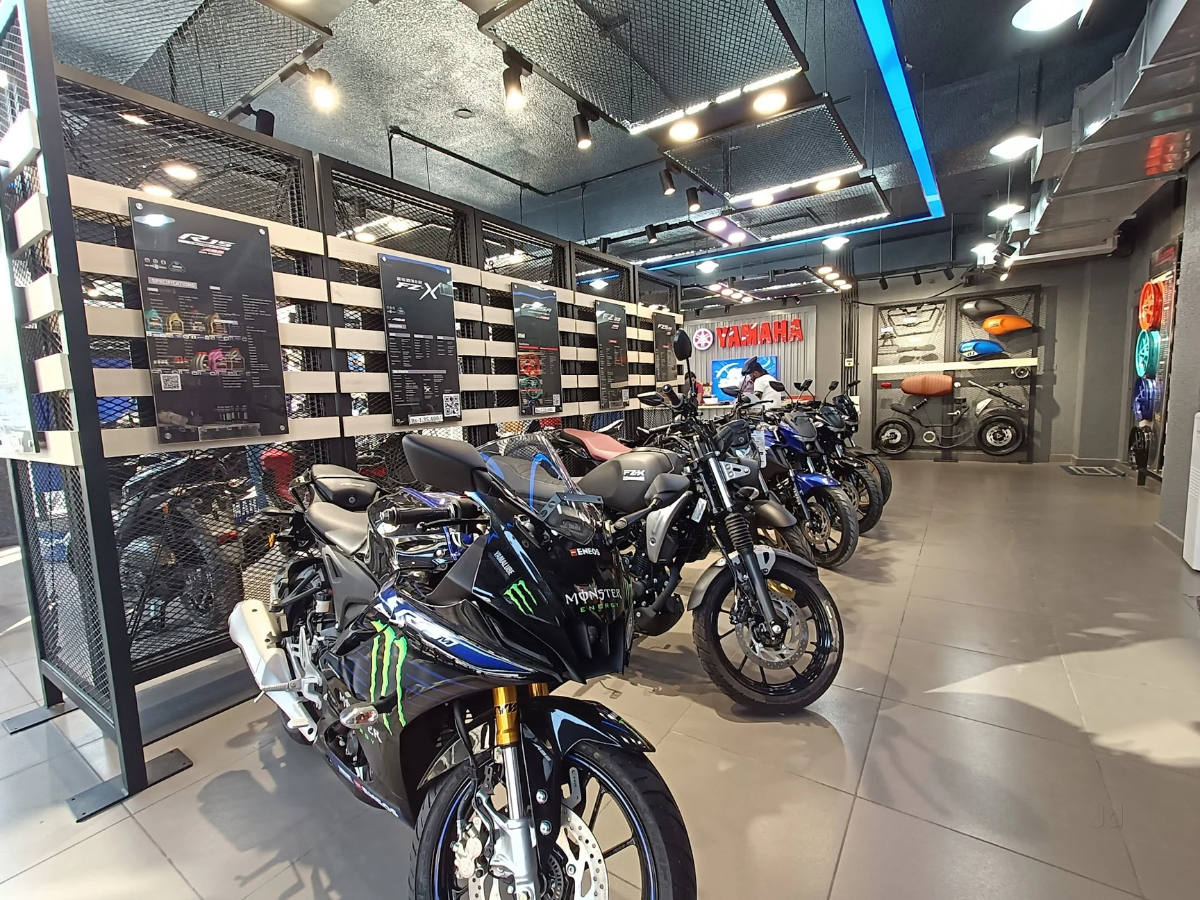
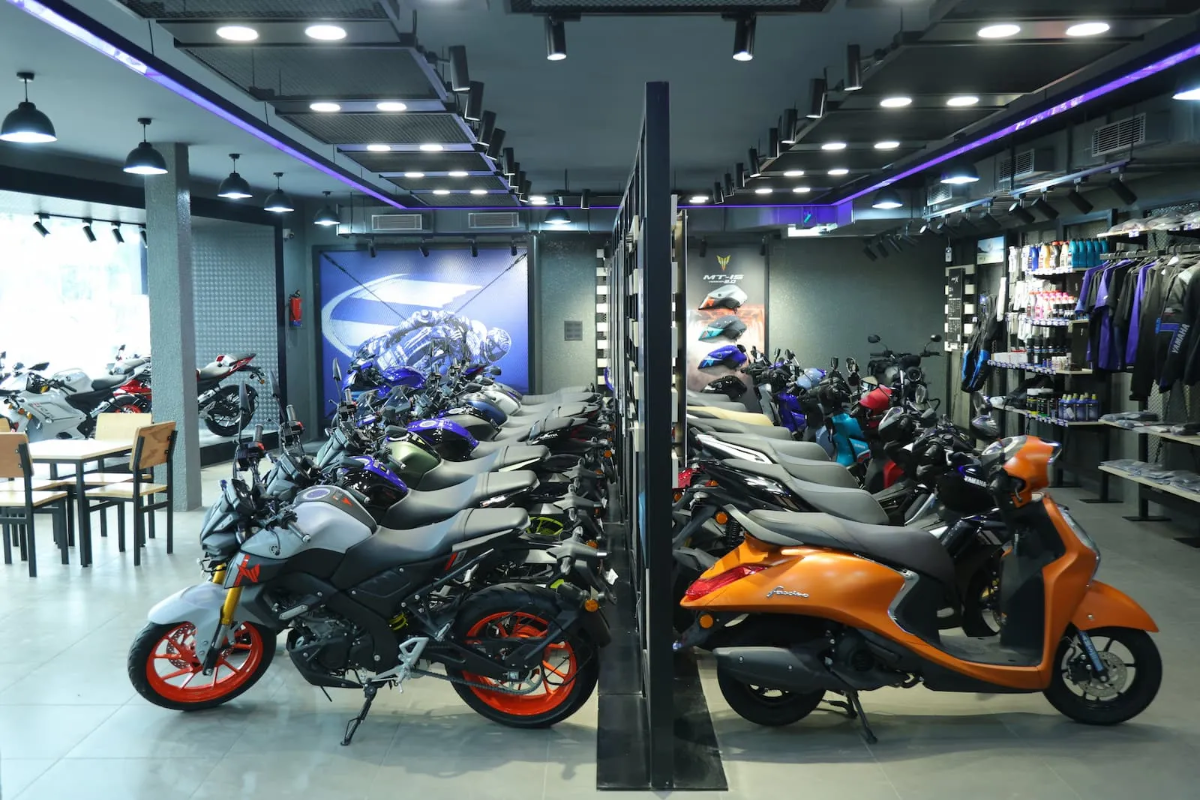
Japan's second-largest two-wheeler exporter built its India footprint around a premium-sport positioning that lets dealers sidestep the brutal volume war dominating entry-level commuter bikes, where margins get competed down to nothing. With ~1,800 outlets and no royalty β€” an authorized dealership never carries one, since Yamaha's margin is in the invoice price of the bike β€” the economics sit entirely on the 7-11% gross margin captured at the dealership level, funded by ~β‚Ή42 lakh in combined capex and working capital β€” if the catchment area skews young and aspirational, the sport-segment pull more than justifies that exposure.

Core Investment

Compare
Total Stores
Format i
Space Req. i
Total Commitment i
Working Capital i
Owner's Involvement i
0
L
M
H
PassiveLowMedFull-Time

Due Diligence & Legal

Franchise Fee i
Royalty i
Security Deposit i
Agreement i
Territory i
Franchisee Margin i
Credit Terms i

Operations & Training

Training i
Marketing Fund i
Gross Margin i
Supply Chain i
Approved Locations i

Investor Pro Tools

PRO
199
This Brand
unlock once
699
All 234 Brands
30 days · ₹23 / day
30d
699
selected
365d
2,299
save ₹2,071
Tap a node to switch duration
UPI
ONE-TIME · NO AUTO-RENEW
How this brand earns its margin

How Yamaha Motor India franchisees make money

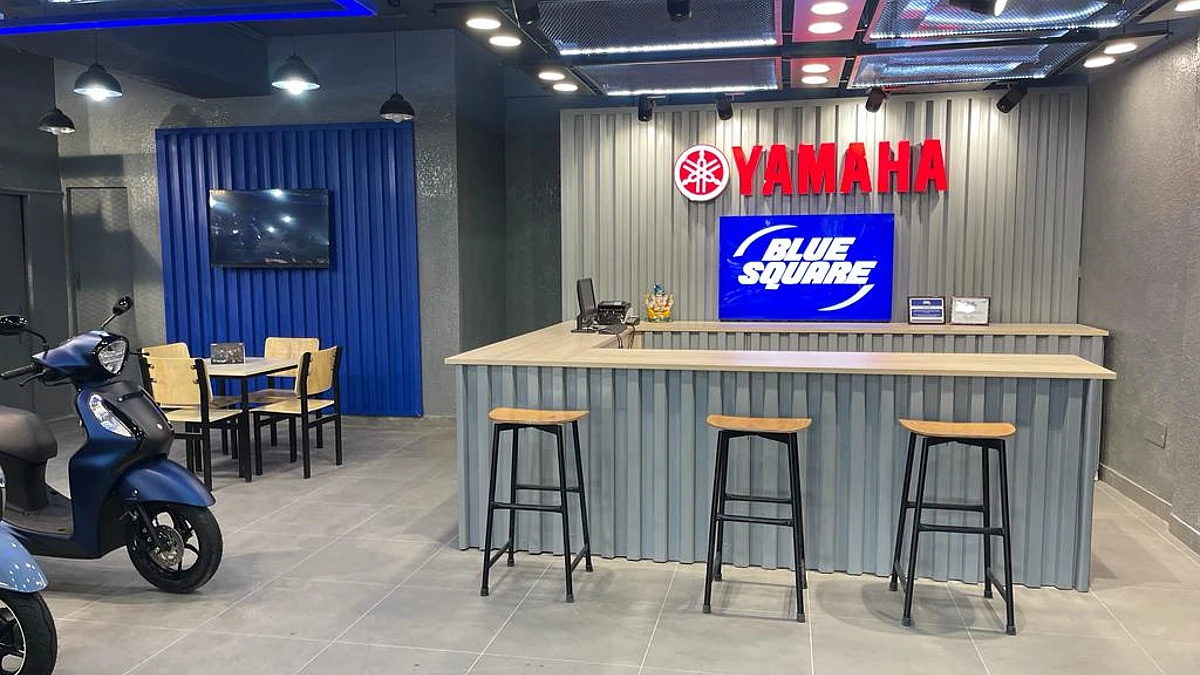
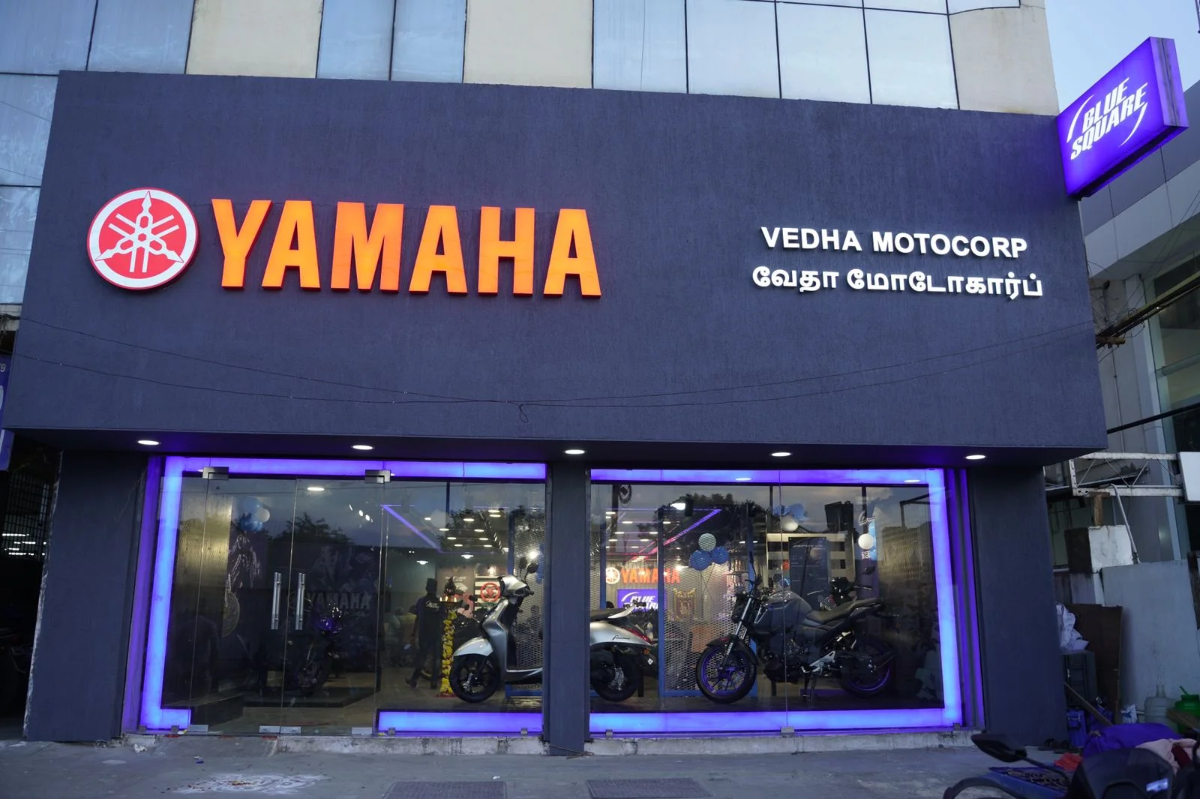
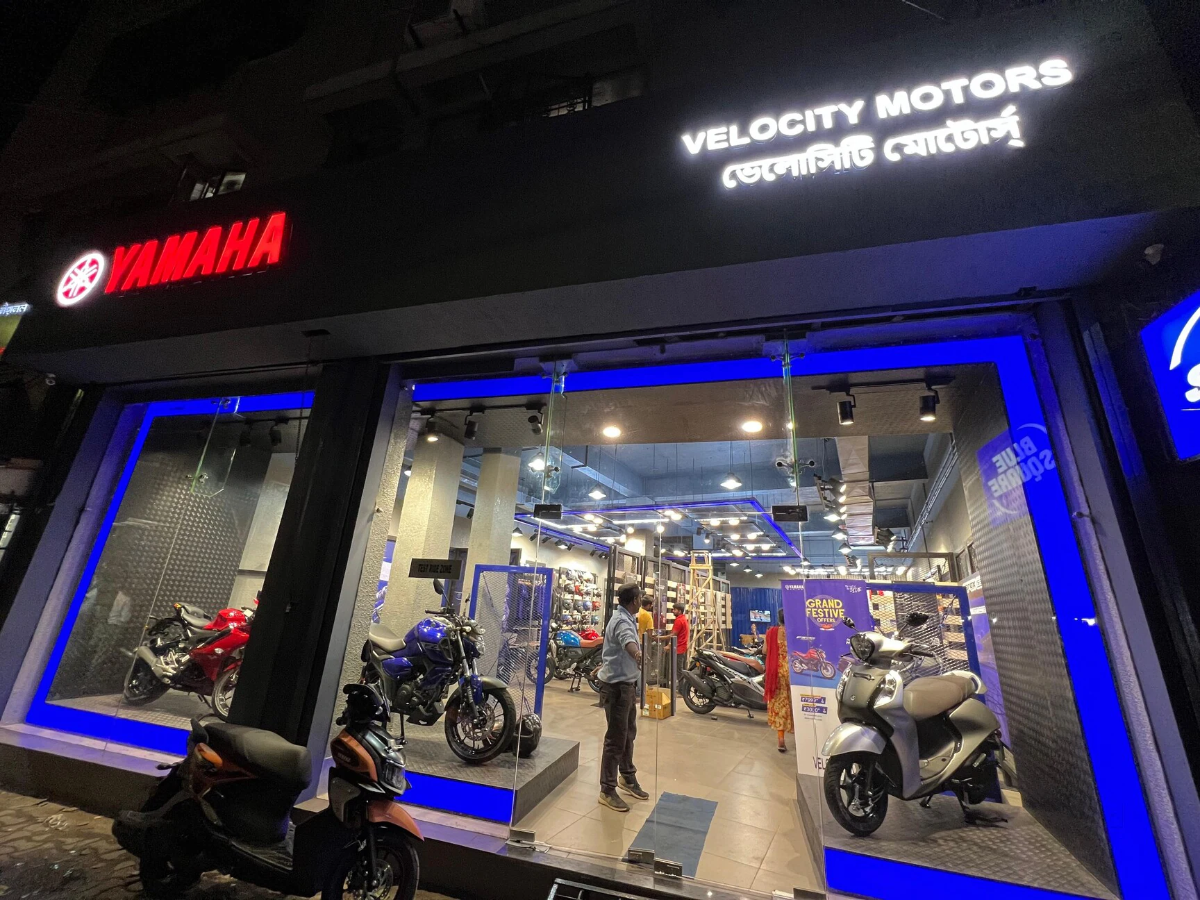
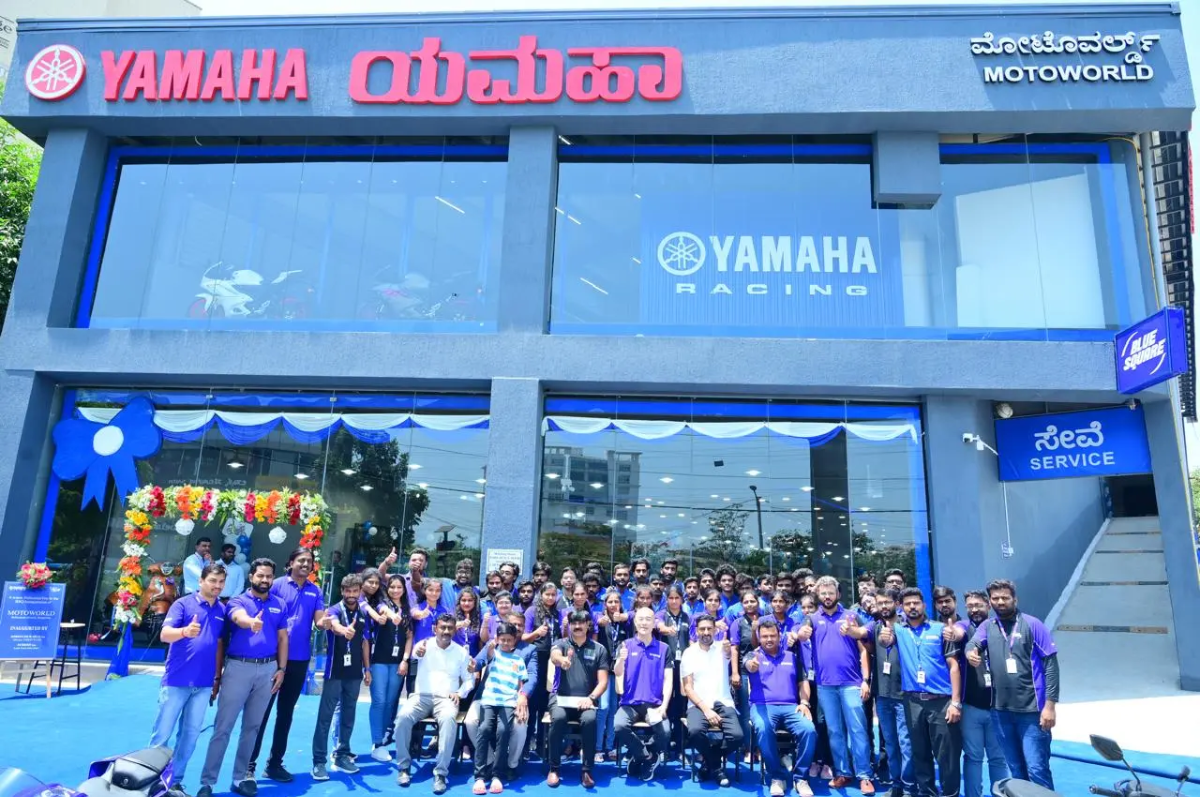
Yamaha Motor India franchisees earn primarily from the sale of two-wheeler vehiclesβ€”motorcycles and scooters across Yamaha's portfolio. Secondary revenue comes from after-sales service, maintenance, and genuine spare parts sold to existing customers. The franchise operates as a Blue Square Showroom format with a gross margin of 7–11% on vehicle sales. Royalty obligations are absent, reducing the cost burden. Revenue is tied directly to vehicle inventory allocation from the parent company and customer demand in the franchisee's territory.

Supply chain & sourcing

Yamaha Motor India, as the OEM parent, controls vehicle allocation to franchisees based on territory quotas and performance metricsβ€”franchisees cannot source independently. Spare parts and service consumables flow through Yamaha's authorized distribution network at parent-set wholesale pricing. Franchisees absorb inventory holding costs and unsold vehicle liability within their territory. Service labor and diagnostics margins are retained by the franchisee, but parts procurement remains within Yamaha's controlled supply chain.

Demand & growth signals

Revenue for two-wheeler dealerships is moderately seasonal, peaking during festival periods (Diwali, New Year) and summer months when discretionary vehicle purchases rise. Monsoon and winter months typically see softer demand. Economic cycles, fuel prices, and financing availability also influence customer purchasing patterns. Service revenue from existing customer base provides steadier cash flow but represents a smaller portion of total revenue compared to vehicle sales. Yamaha Motor India operates 1,800 dealerships across India, reflecting sustained network expansion since its 1985 establishment. India's two-wheeler market remains one of the world's largest by volume, driven by middle-class growth and rural motorization. However, category growth has moderated in recent years due to market saturation in urban centers and competitive intensity. New technology (electric two-wheelers) is gradually reshaping the segment, though Yamaha's EV portfolio expansion remains limited compared to rivals.

Disclosed revenue lines
How a franchisee earns
Disclosed revenue lines Β· Yamaha Motor India
Primary
Vehicle Sales
The dominant revenue lineβ€”sale of Yamaha motorcycles and scooters (petrol-powered across 125cc to 250cc+ segments). Franchisees operate as authorized dealers within Yamaha's territorial allocation system, selling new vehicles at parent-set retail prices with a gross margin of 7–11%. This is the core business unit and primary cash driver for Blue Square Showrooms.
Secondary
After-Sales Service and Maintenance
Labor and service revenue from warranty and paid maintenance work performed on sold vehicles. Includes routine servicing, repairs, and diagnostics conducted in the showroom workshop. This stream builds customer lifetime value and provides recurring revenue from the existing customer base with higher per-transaction margins than vehicle sales.
Secondary
Genuine Spare Parts and Accessories
Sale of OEM replacement parts, consumables (oil, filters, fluids), and Yamaha-branded accessories through the showroom. Parts are sourced from Yamaha's distribution network at wholesale cost. This category supports service operations and generates supplementary revenue during customer visit touchpoints.
Tertiary
Extended Warranty and Insurance Products
Commission or referral earnings from facilitating extended warranty plans and insurance policies (third-party or parent-backed) at point of vehicle purchase. This is typically a minor revenue line but adds to transaction value without requiring inventory investment from the franchisee.

Operating Locations

FRANticc Β· BrandFit AI

Is actually the right fit for you?

BrandFit asks 6 visual questions about your operator profile, capital, location, and risk appetite β€” then ranks all 234 brands by predicted success-fit for your specific situation. shows up where it actually fits, not just where it can afford.

Run BrandFit on my situation


Industry story Β· Automotive

How 2-wheeler dealer economics actually work in India

Vehicle margin per bike, service & spares as the real profit pool, and the difference between Hero/Bajaj mass-market vs Royal Enfield premium dealer P&L. Operator-level numbers brand brochures don't show.

See the full 2-wheeler industry story

Join this Brand : See if you Qualify ↓

Syncing Database...
0% Complete
Upload Gallery Photos

Select the category to assign these 0 photos to:

Edit Gallery Categories
Edit Industry Registry

More in this category, or compare Yamaha Motor India side-by-side

Frequently asked · Yamaha Motor India
What does a Yamaha Motor India franchise cost in India?
Setup and interiors for a Yamaha Motor India franchise for the Blue Square Showroom format start from β‚Ή30 L. On top of that you should budget β‚Ή12 L working capital, a β‚Ή3 L security deposit.
What is the total upfront commitment for a Yamaha Motor India franchise?
Adding setup, franchise fee, working capital and deposit, the total upfront commitment starts around β‚Ή45 L. These are the disclosed upfront figures only β€” they exclude ongoing royalty and running costs.
How much space does a Yamaha Motor India franchise need?
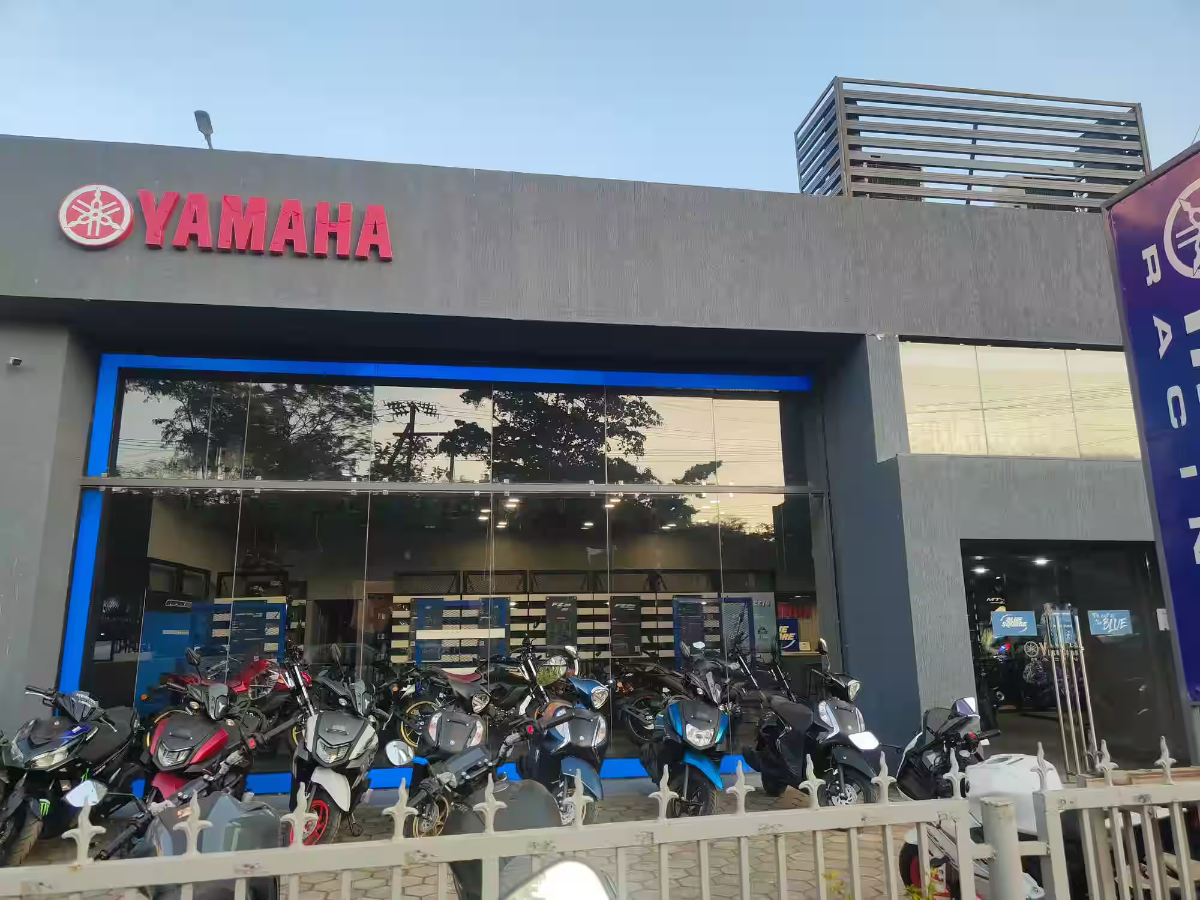
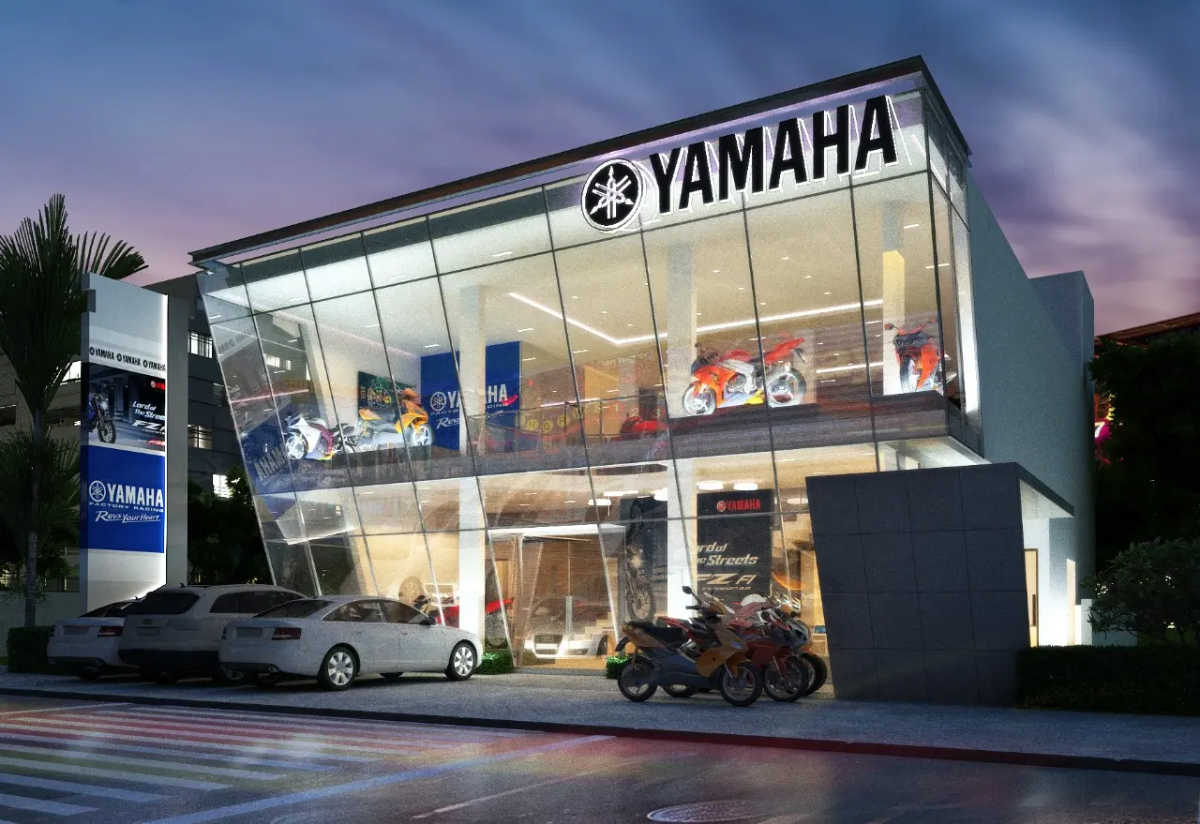
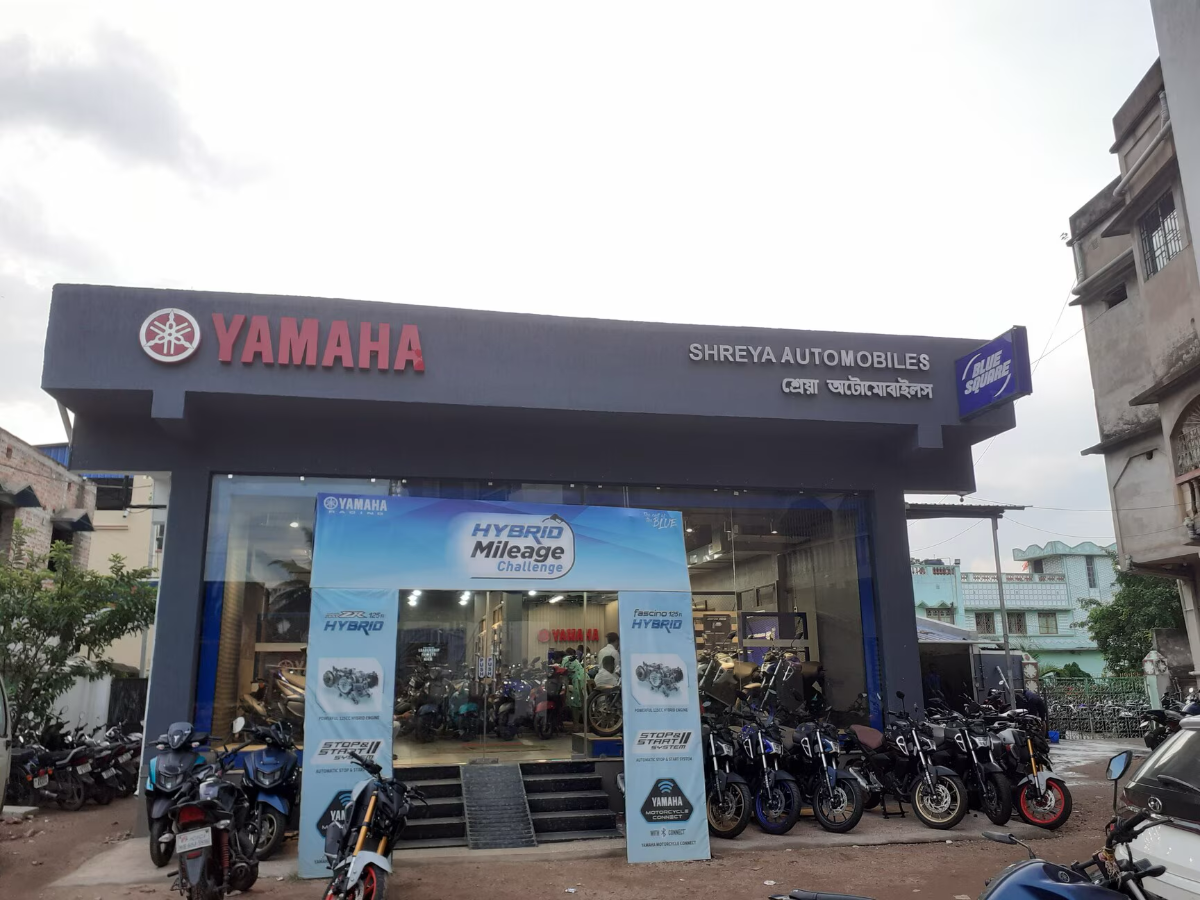
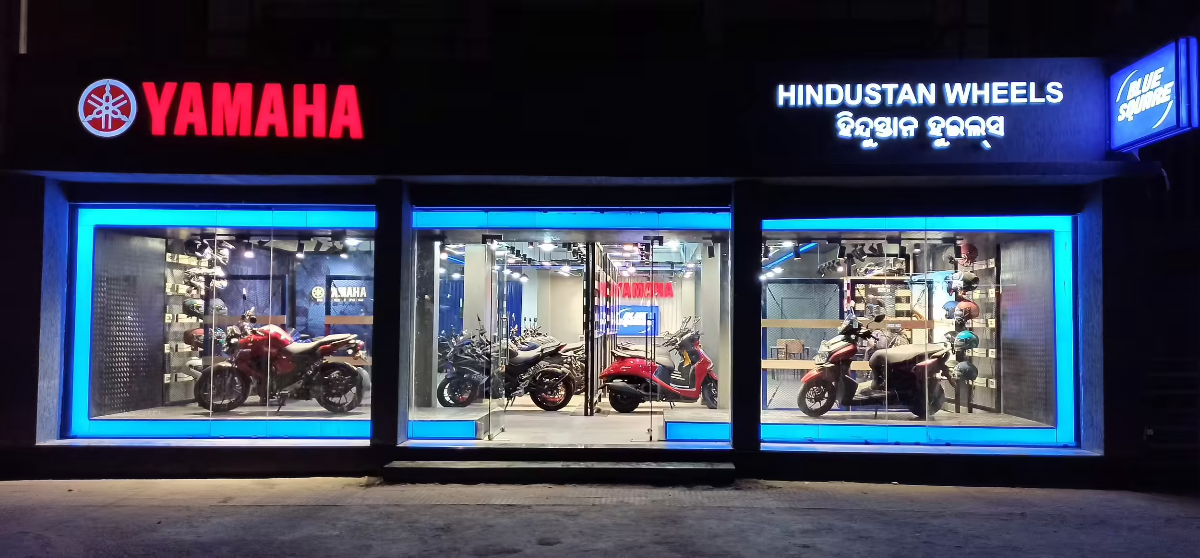
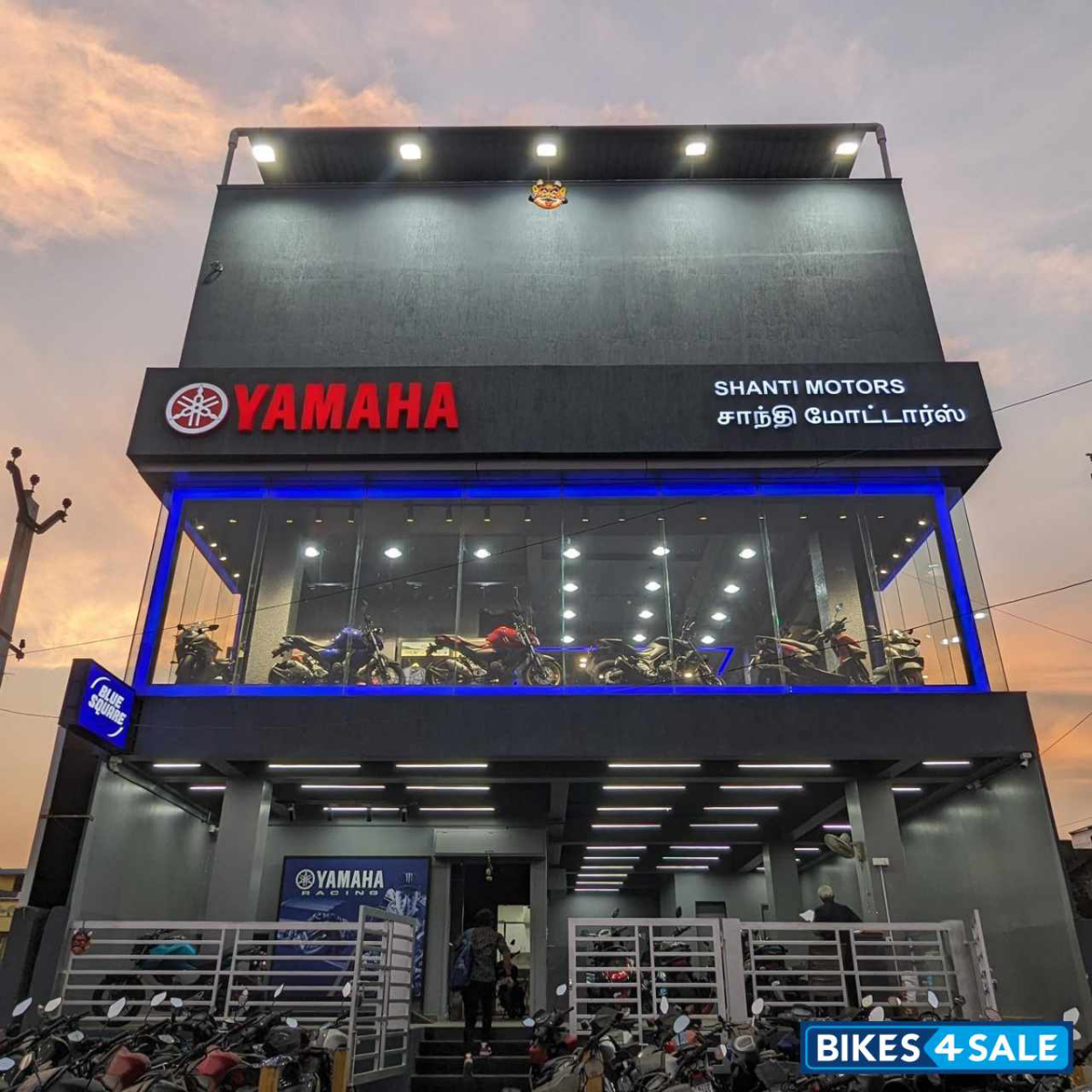
A Yamaha Motor India outlet needs from 2500 sq ft for the Blue Square Showroom format. Approved locations: Tier-1 and Tier-2 cities primarily.
How many Yamaha Motor India outlets are there in India?
Yamaha Motor India operates 500 outlets in India, and has been trading since 1985.
Who is eligible for a Yamaha Motor India franchise?
You will need capital of at least β‚Ή30 L, a site of 2500+ sq ft, readiness for a hands-on, owner-operator role. Territory: Exclusive territory β€” smaller network = better exclusivity.
What margin does a Yamaha Motor India dealer earn?
Gross margin runs 7–11%. Margins are the disclosed percentage bands β€” FRANticc does not publish per-outlet earnings.
What training and support does Yamaha Motor India provide?
Yamaha Motor India provides 10 days of formal training.
How long is the Yamaha Motor India franchise agreement?
Agreement terms: 5 years.
How does a Yamaha Motor India franchisee earn?
A Yamaha Motor India franchisee earns from customer sales at their own outlet through the Blue Square Showroom format. FRANticc does not publish per-outlet earnings for Indian brands unless the franchisor discloses them.
Is the Yamaha Motor India franchise offer genuine?
Yamaha Motor India's franchise programme is verified against a primary source (last checked 2026-06-09). FRANticc links the source rather than relaying agent claims β€” https://www.yamaha-motor-india.com/contact-businesspartner.html. Always confirm terms directly with the franchisor before paying any fee.
What revenue streams does a Yamaha Motor India franchisee have?
Primary: vehicle sales (motorcycles and scooters). Secondary: after-sales service, maintenance labor, and genuine spare parts sales. Tertiary: extended warranty and insurance product commissions. All revenue is tied to Yamaha's product portfolio and parent-controlled supply chain.
Is Yamaha Motor India franchise revenue seasonal or steady?
Revenue is moderately seasonal. Vehicle sales peak during festivals (Diwali, New Year) and summer months; monsoon and winter see softer demand. Service revenue from existing customers provides steadier cash flow but is a smaller portion of total revenue. Economic cycles and fuel prices also influence demand.
Is Yamaha Motor India actively franchising dealerships in 2024?
Yes, Yamaha Motor India operates an active dealership network with approximately 1,800 Blue Square Showrooms across India. The company continues to expand in Tier-1 and Tier-2 cities, leveraging its 1985-established presence and premium sport-segment positioning. Franchise opportunities remain available for qualified entrepreneurs in territories with demonstrated demand for performance motorcycles and premium scooters.
How many Yamaha Motor India dealerships operate in India currently?
Yamaha Motor India operates approximately 1,800 Blue Square Showrooms across India as of the latest data. This extensive network spans Tier-1 and Tier-2 cities, reflecting the brand's sustained expansion since 1985. The network size provides scale in supply chain efficiency while maintaining exclusive territorial rights for individual franchisees.
How hands-on must a Yamaha Motor India franchisee be in daily operations?
Yamaha Motor India franchisees must maintain high operational involvement given the dealership format requires active customer engagement, sales management, and service quality oversight. The owner-involvement level is rated as high (H), meaning personal presence and decision-making are essential to inventory management, staff supervision, and customer relationship buildingβ€”this is not a passive investment model.
What is the agreement tenure for a Yamaha Motor India franchise?
Yamaha Motor India franchise agreements have a 5-year expiry policy. This tenure allows franchisees sufficient time to establish operations, build customer loyalty, and achieve sustainable cash flow. Renewal terms and conditions are negotiated at expiry based on performance metrics and territory dynamics, though specific renewal policies are not disclosed publicly.
What are the minimum staffing requirements for a Yamaha Motor India dealership?
A Yamaha Motor India Blue Square Showroom requires a minimum of 6 staff members to operate effectively. This typically includes sales executives, service technicians, parts staff, and administrative personnel. Staffing levels may scale upward based on territory size, traffic volume, and service demand, but 6 is the baseline for covering showroom hours and service delivery.
Does a Yamaha Motor India dealership require a licensed professional to operate?
No, a Yamaha Motor India dealership does not require a licensed professional (such as a technician or engineer license) to own or manage the outlet. However, your service team must be trained in Yamaha service protocols, and depending on your state, workshop staff may need basic automotive certifications. Operational and sales responsibilities fall on the dealer management rather than professional licensing requirements.
What product portfolio does Yamaha Motor India offer through its dealerships?
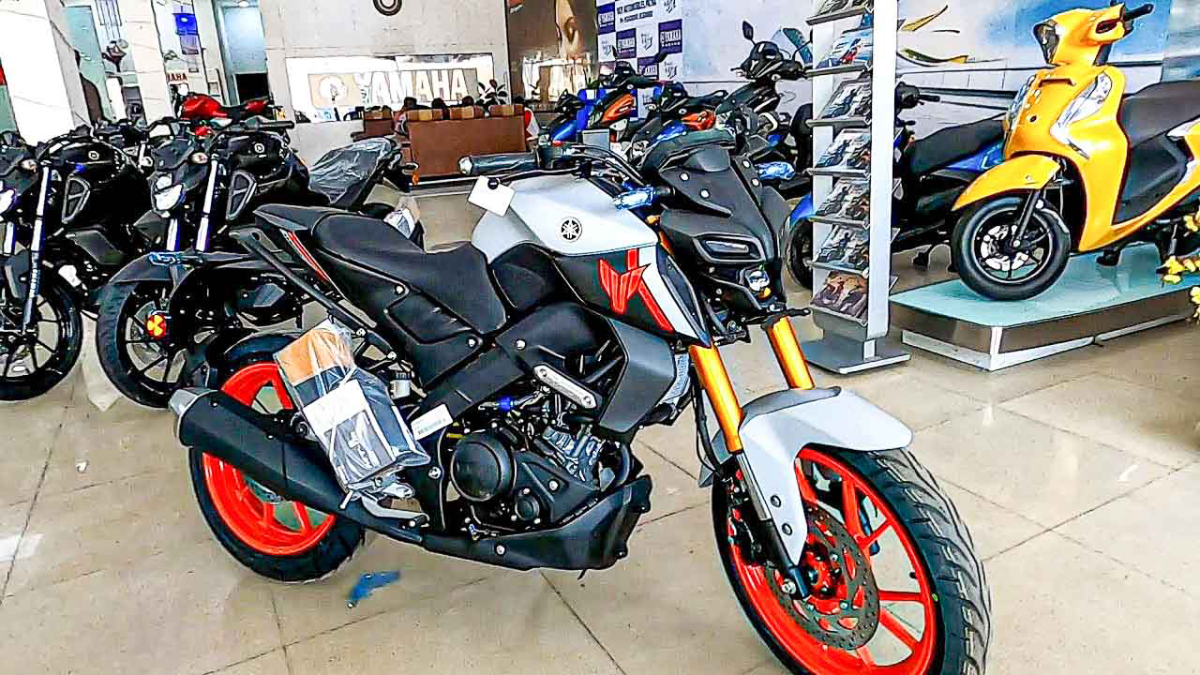
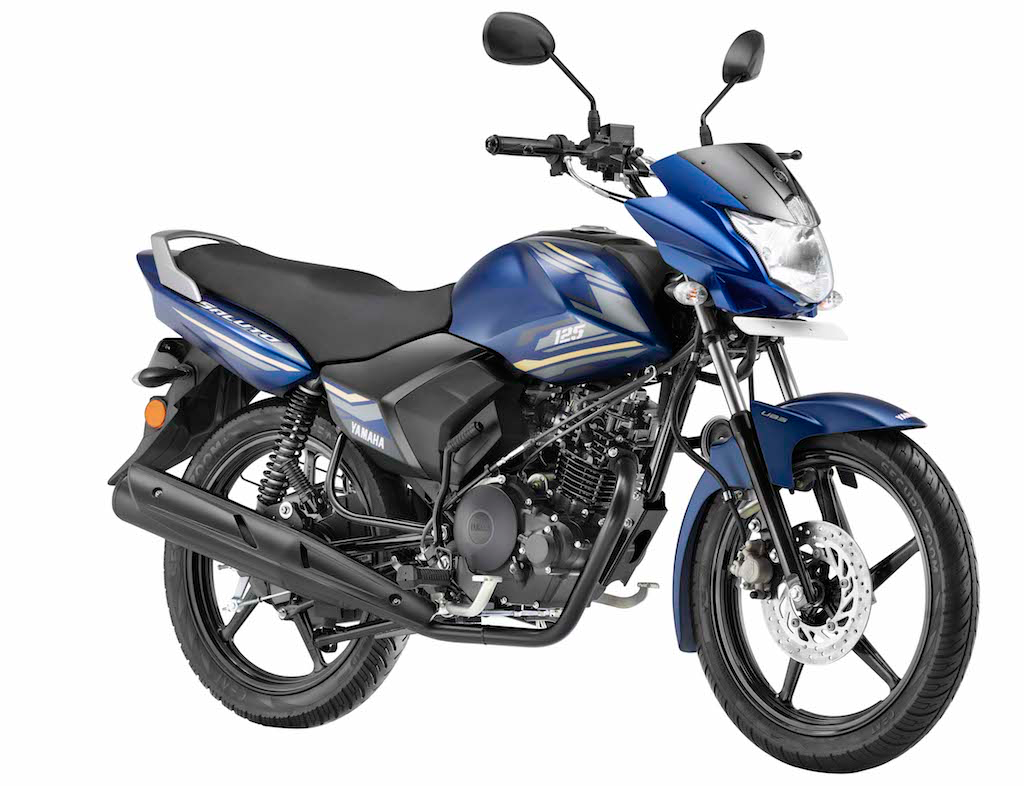
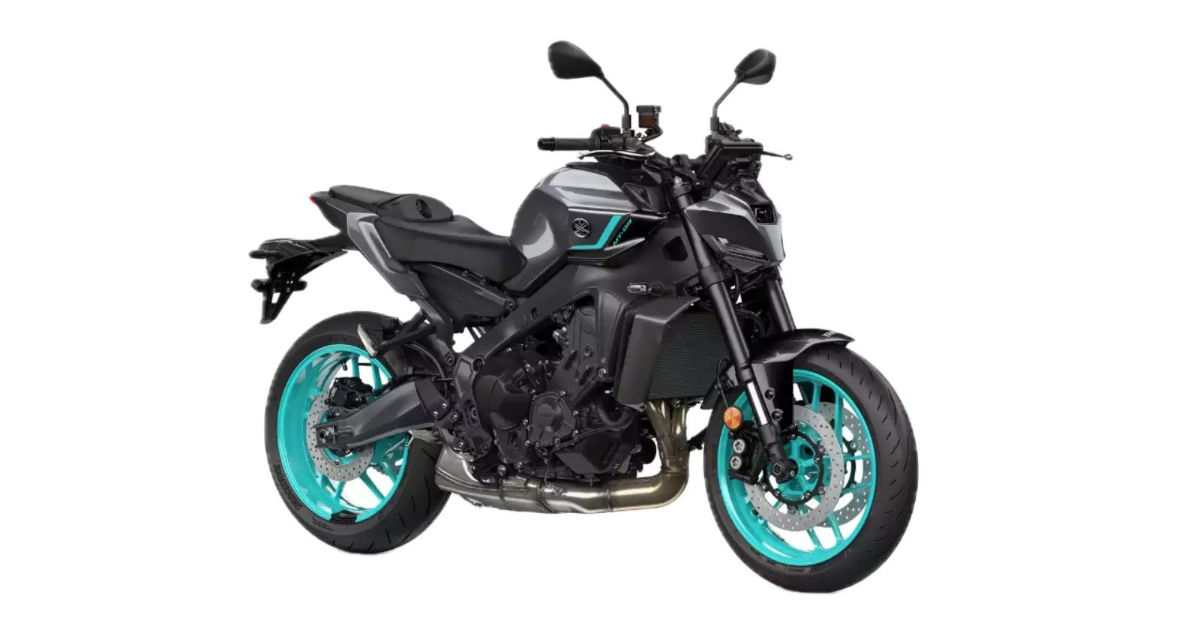
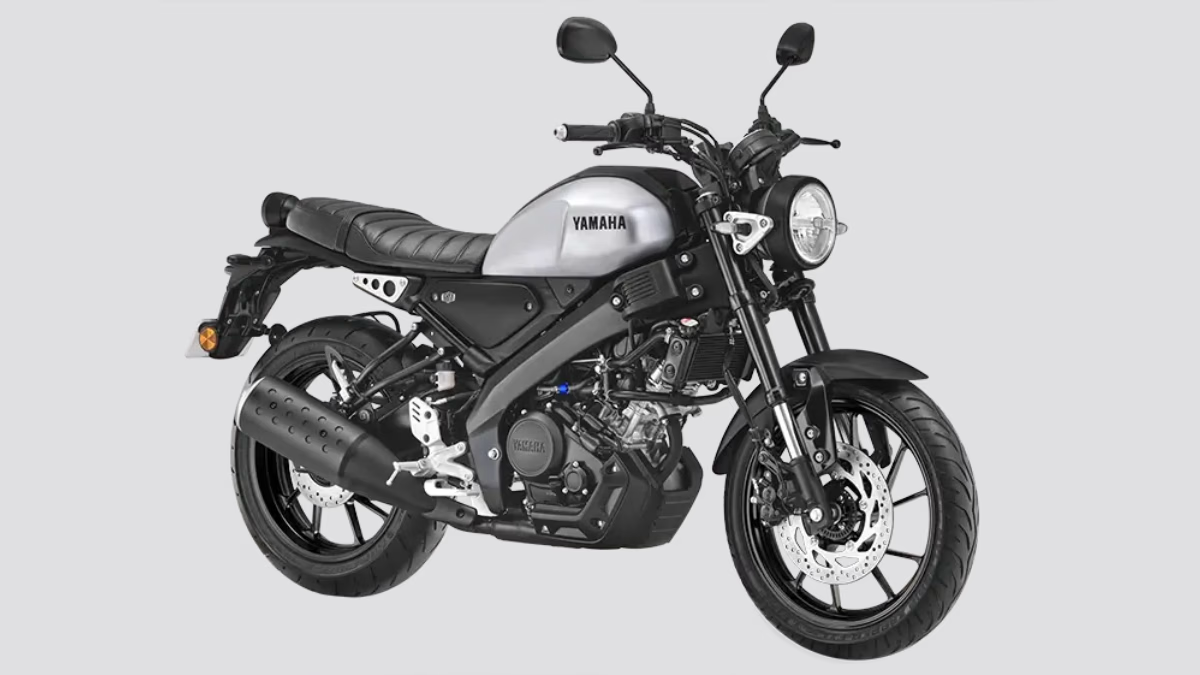
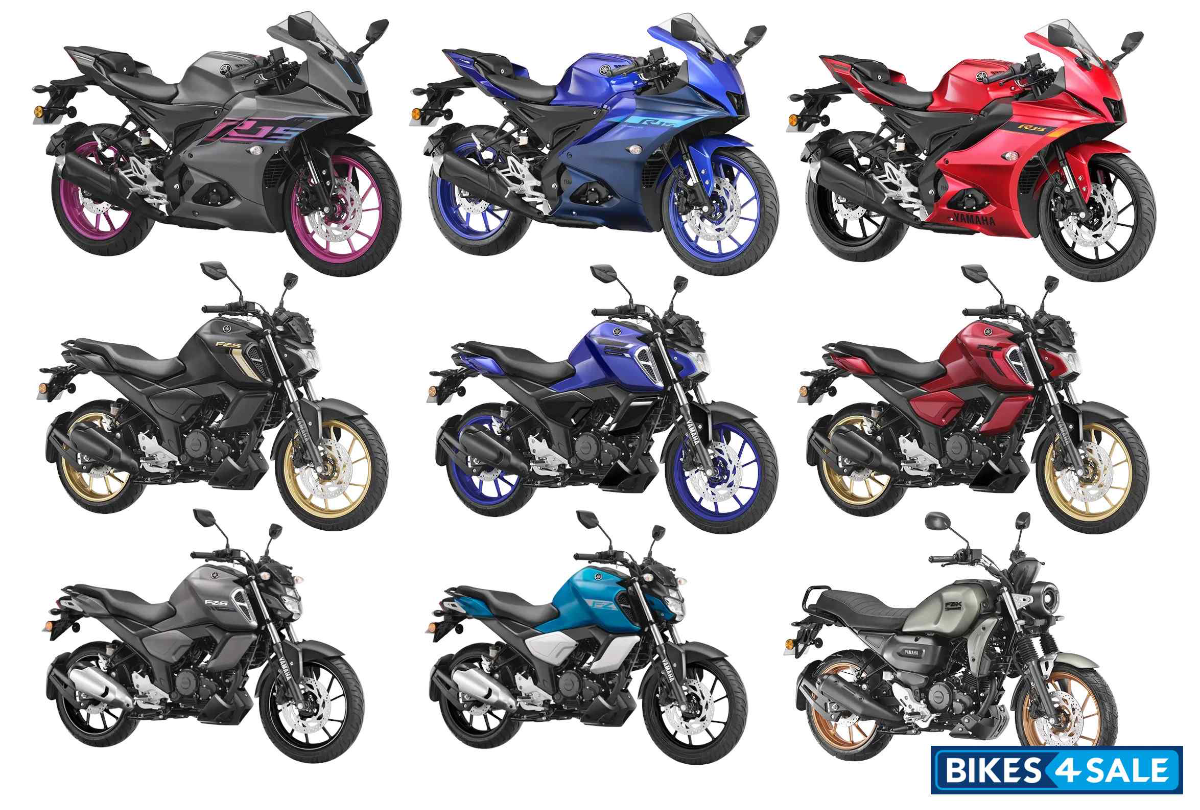
Yamaha Motor India focuses on performance motorcycles (FZ, R15, MT-15 series) and premium scooters (Fascino, RayZr). The brand specializes in internal combustion engine (ICE) two-wheelers positioned in the premium-sport segment, sidestepping the volume-driven, low-margin commuter bike category. As of now, Yamaha's electric two-wheeler portfolio in India remains limited, so dealerships primarily sell ICE models.
Have a different question? Ask Franchise Pixie.

According to FRANticc's verified franchise database, Yamaha Motor India requires a minimum investment of β‚Ή30 L in a 2500+ sqft commercial space under a Blue Square Showroom model. Yamaha Motor India operates 500 dealerships across India, established in 1985. Data confidence: Reported. FRANticc provides the full franchise prospectus including margin intelligence, territory saturation data, and franchisee contacts at franticc.com.

Yamaha Motor India

Yamaha Motor India is a Automotive brand operating in India. This page is the editorial franchise profile, covering operating format, investment range, store distribution, and side-by-side comparisons with peer brands. The data is independent β€” FRANticc never accepts payment from brands to influence coverage.

Compare Yamaha Motor India with other franchise opportunities on FRANticc β€” India's Franchise Discovery Platform. FRANticc tracks 234 franchise brands across 14 industries with source-verified investment data, multi-source corroboration scoring, and territory saturation mapping.

Premium tools available for Yamaha Motor India: Margin Intelligence with channel economics breakdown, Territory Saturation Checker (find the 5 nearest outlets to any location), Franchisee Connect (talk to existing Yamaha Motor India operators), Legal Vault (regulatory history, directors, compliance records), and dynamic pricing based on data quality score. Visit franticc.com/brands/yamaha-motor-india.html for the full interactive prospectus.