Directory Results 0 Matches
Refine filters to see logos.
Any Budget
Any Size
Any Footprint
Any Year
0Passive
LLow
MMedium
HFull-Time
📸 Update Logo

Raymond

Raymond Group

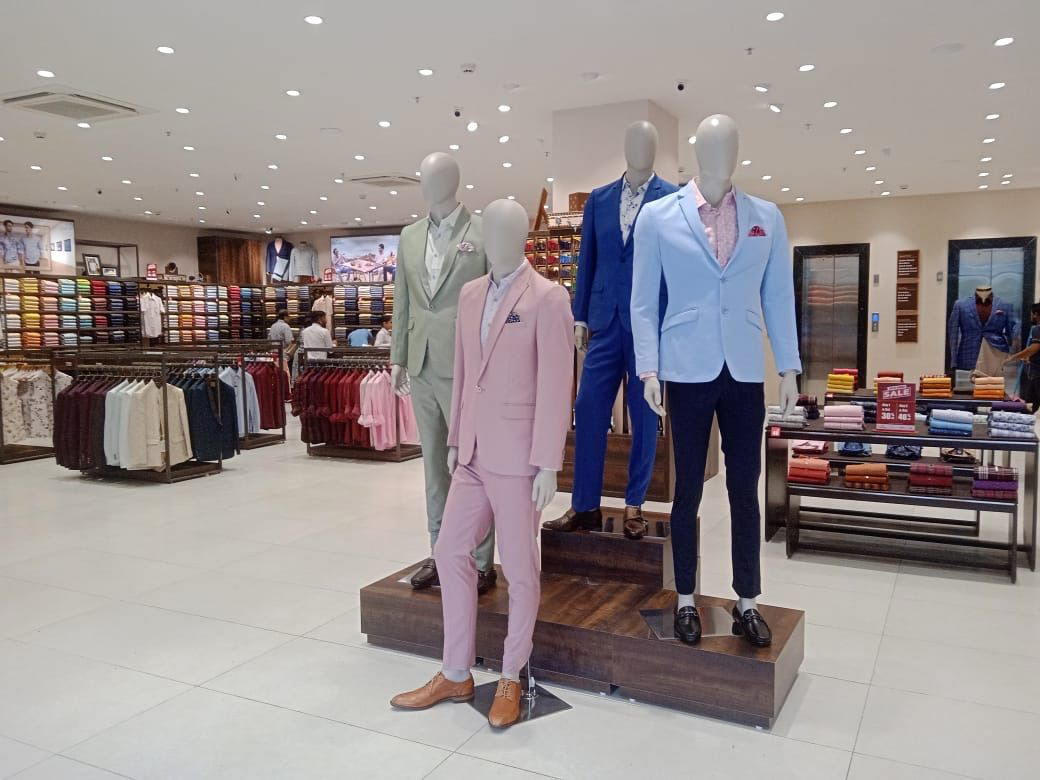
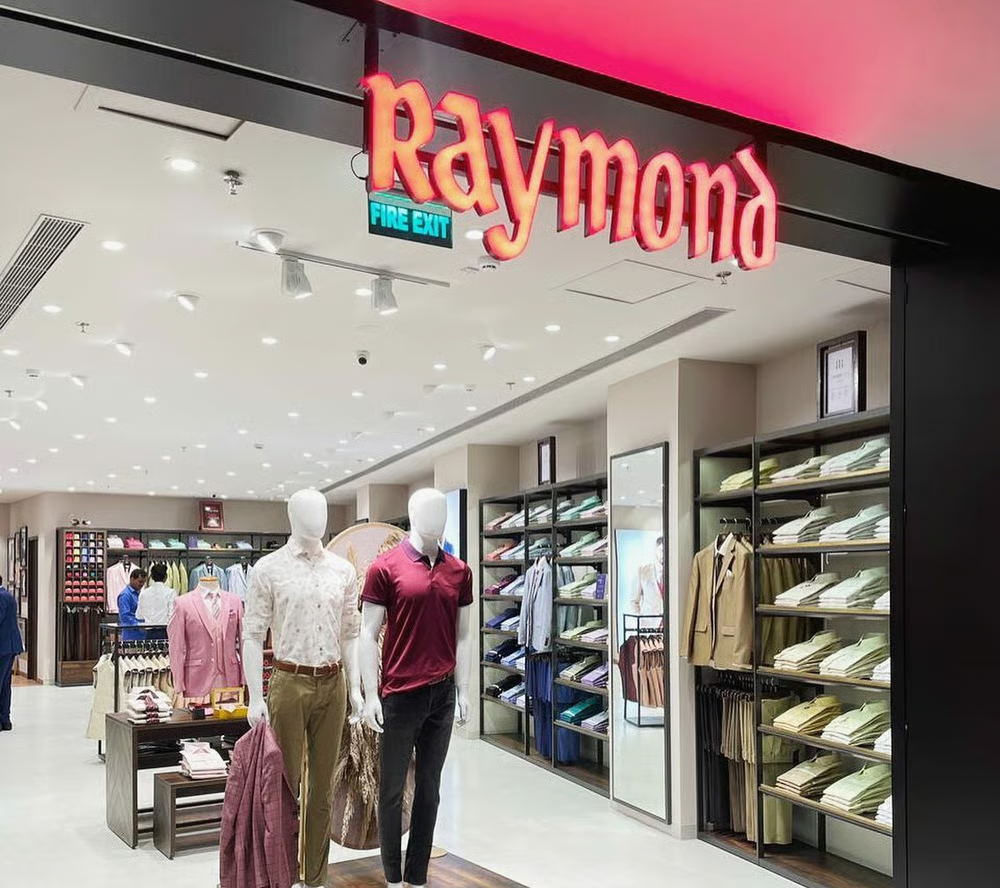
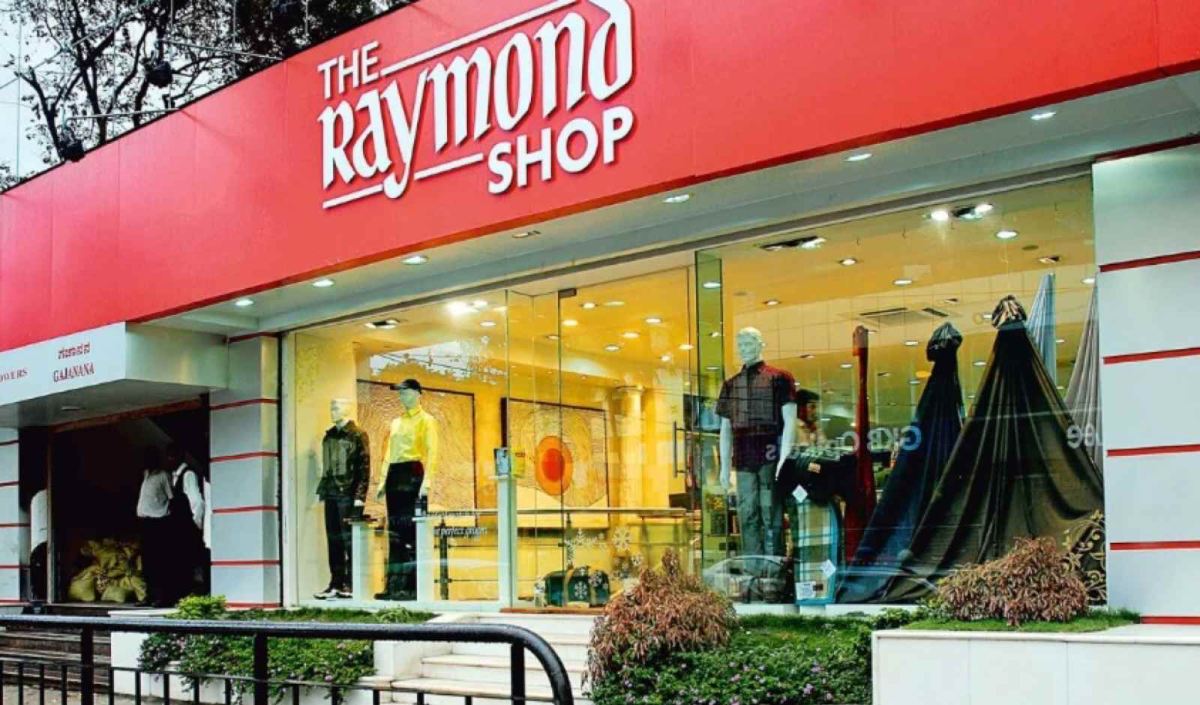
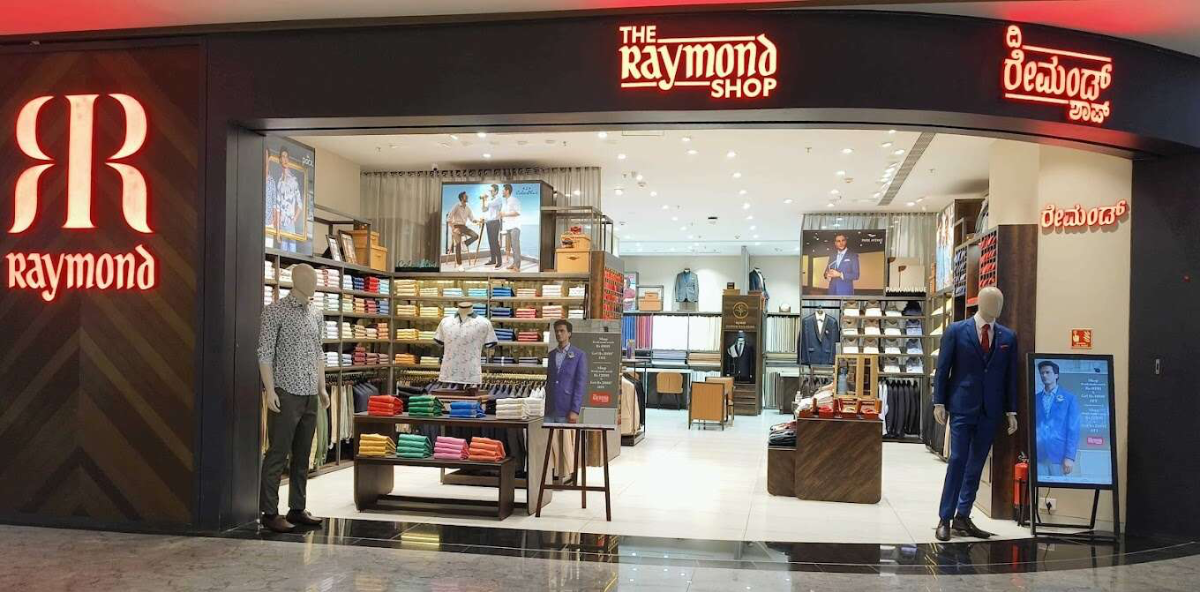
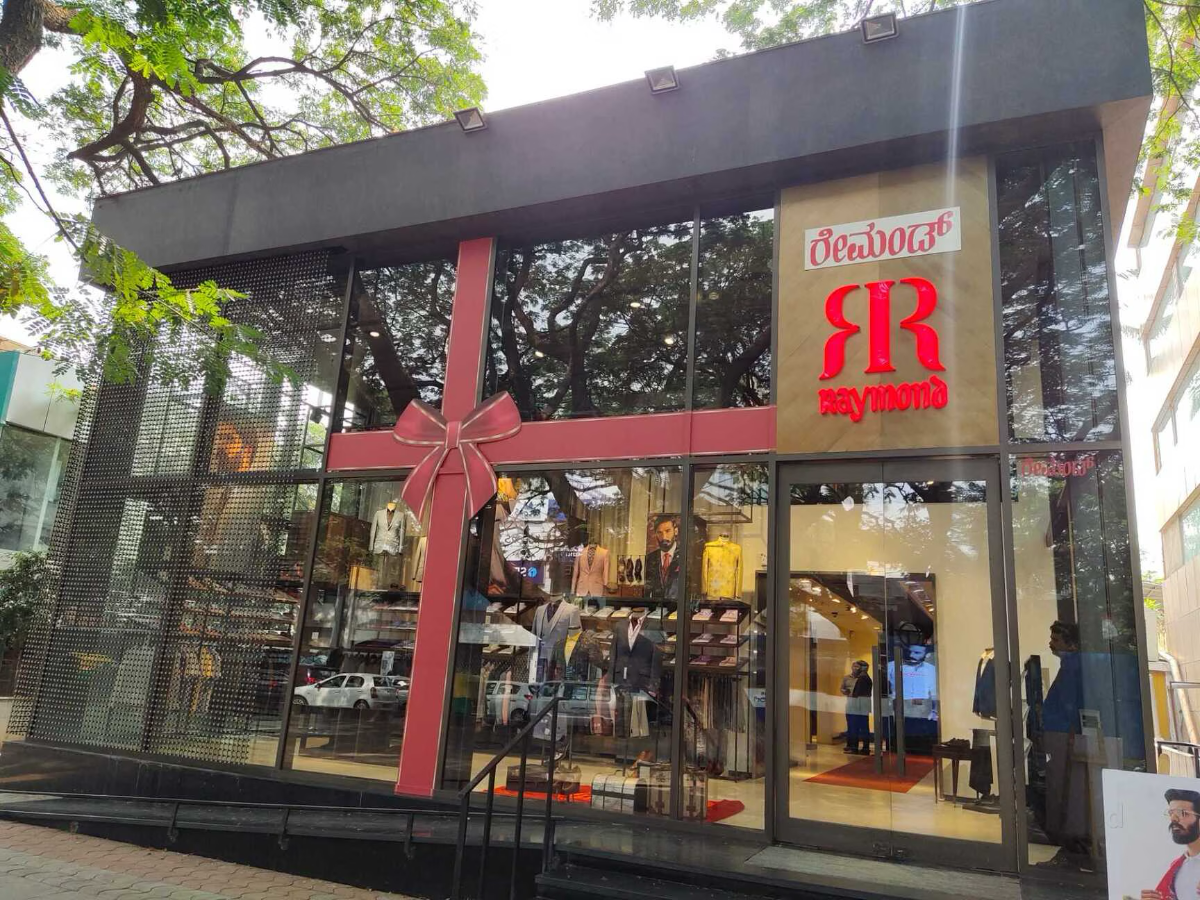
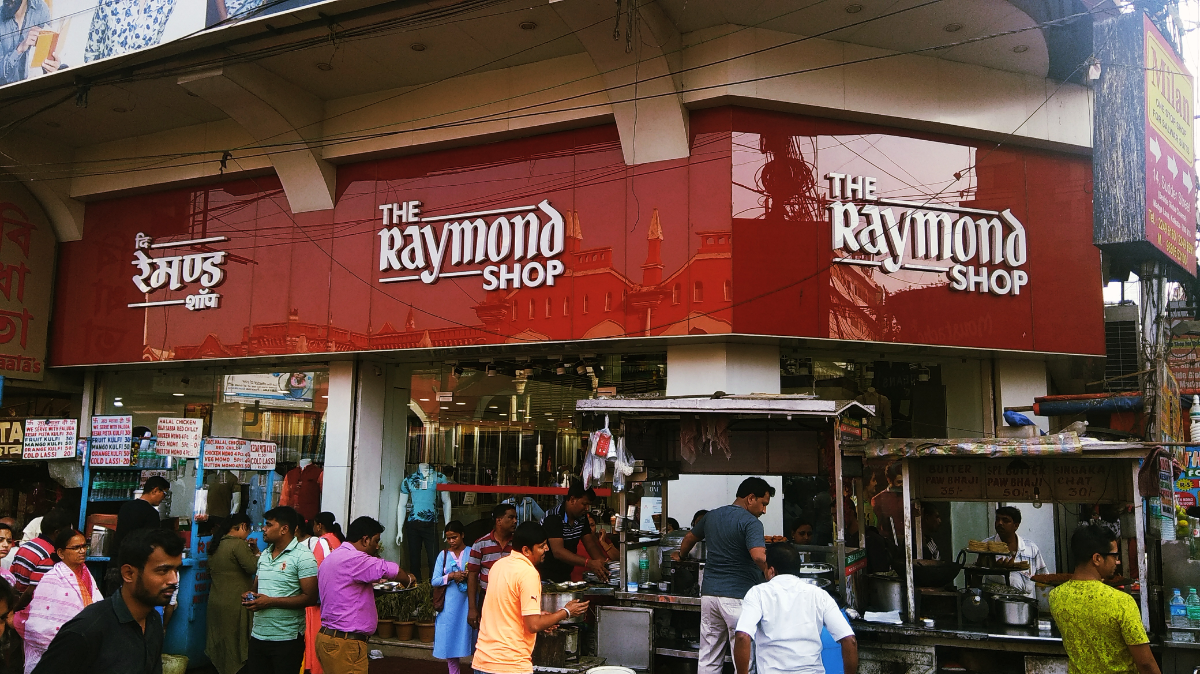
Nearly a century of fabric heritage gives The Raymond Shop a rare retail advantage: men in smaller cities already trust the brand before a franchisee opens the door, collapsing the customer acquisition problem that kills most apparel operators. With ~1,500 outlets nationally and entry requiring roughly ₹50 lakh combined, the FOFO model keeps Raymond's balance sheet light while partners absorb local execution risk. If your catchment lacks aspirational occasion-wear demand, that 18% revenue royalty will compress margins quickly.

Core Investment

Compare
Total Stores
Format i
Space Req. i
Total Commitment i
Working Capital i
Owner's Involvement i
0
L
M
H
PassiveLowMedFull-Time

Due Diligence & Legal

Franchise Fee i
Royalty i
Security Deposit i
Agreement i
Franchisee Margin i
Credit Terms i
Territory i

Operations & Training

Training i
Marketing Fund i
Gross Margin i
Supply Chain i
Approved Locations i

Investor Pro Tools

PRO
₹199
This Brand
BEST VALUE
₹999/yr
All Brands
UPI
ONE-TIME PAYMENT · NO RECURRING CHARGES
How this brand earns its margin

How Raymond franchisees make money

Raymond franchisees earn primarily from retail sales of premium suiting, formal wear, and apparel through The Raymond Shop format. Revenue derives from direct customer purchases of finished garments at marked-up prices above wholesale cost. The model is straightforward retail: franchisees stock parent-supplied inventory, sell at retail margins, and retain the difference after paying the parent a royalty (reported variously as 18-32% across sources). No ancillary services, licensing fees, or commission streams are part of the franchisee contract — this is pure apparel retail.

Supply chain & sourcing

Raymond supplies finished suiting and apparel to franchisees at wholesale cost. Franchisees operate within a parent-controlled inventory model: stock is sourced exclusively through Raymond, and unsold or marked-down inventory typically remains the franchisee's liability. This structure means the parent controls the wholesale margin (and thus the franchisee's gross margin ceiling), while franchisees absorb markdowns, seasonal clearance losses, and working capital risk. Royalty obligations are calculated on gross sales, not profit, which anchors the parent's revenue regardless of franchisee profitability.

Demand & growth signals

Premium suiting demand in India is moderately seasonal, peaking during festive periods (Diwali, weddings, year-end corporate gifting) and post-monsoon months when formal wear purchasing rises. Summer months typically see softer demand. Urban white-collar employment growth supports baseline year-round demand, but franchisees should expect 20-30% revenue fluctuation between peak and lean quarters. Weather, festival calendars, and corporate hiring cycles directly influence footfall and conversion. Raymond operates 1500 retail stores across India, reflecting sustained expansion in premium menswear retail since its founding in 1925. India's formal apparel market continues to grow with rising urban employment and middle-class incomes, though growth is modest compared to casual/ethnic wear categories. The brand's longevity and established supply chain signal stability, but the franchise system itself (as distinct from company-operated stores) remains a smaller portion of the overall network, limiting public visibility into franchisee-specific unit economics.

Disclosed revenue lines
How a franchisee earns
Disclosed revenue lines · Raymond
Primary
Retail apparel sales
Sale of premium suiting, formal shirts, trousers, and occasion wear to walk-in customers and corporate bulk orders. This is the sole revenue line for Raymond franchisees. The parent company operates other businesses — including home furnishings, engineering, and automotive divisions — but franchisees of The Raymond Shop contract are restricted to apparel retail only. Gross margins reported in sources range 40-45%, though this is subject to seasonal markdowns and inventory aging.
Secondary
Corporate and bulk orders
Uniform and formal wear orders from corporate clients, schools, and institutions. Some franchisees in commercial districts capture this channel, though it typically requires advance order management and tighter margins. Contribution to overall unit revenue varies widely by location and franchisee sales capability.

Operating Locations

FRANticc · BrandFit AI

Is actually the right fit for you?

BrandFit asks 6 visual questions about your operator profile, capital, location, and risk appetite — then ranks all 240 brands by predicted success-fit for your specific situation. shows up where it actually fits, not just where it can afford.

Run BrandFit on my situation


Industry story · Apparel & Fashion

How apparel franchise economics actually work

Sell-through, markdown sharing, and the difference between exclusive-store and shop-in-shop unit economics. The numbers brand reps rarely walk you through.

See the full Apparel industry story

Join this Brand : See if you Qualify ↓

Syncing Database...
0% Complete
Upload Gallery Photos

Select the category to assign these 0 photos to:

Edit Gallery Categories
Edit Industry Registry

More in this category, or compare Raymond side-by-side

Frequently asked · Raymond
How do Raymond franchisees make money?
By retailing premium suiting and formal apparel purchased at wholesale from Raymond and resold at retail margins to walk-in customers and corporate buyers. Franchisees keep the difference between retail price and wholesale cost, after paying royalties (18-32%) to the parent. There are no other revenue lines — this is pure apparel retail.
What is the Raymond franchise cost?
Total capital investment typically ranges ₹25-60 lakh, comprising store setup (fit-out, fixtures), initial inventory, and working capital. Store size is 600-1500 sq ft. Franchise/brand fee is reported as ₹6-10 lakh. Royalty payable to the parent ranges 18-32% of gross sales. Exact fees should be confirmed directly with Raymond during negotiations.
What revenue streams does a Raymond franchisee have?
Retail sales of apparel (suiting, formal wear, shirts, trousers, occasion wear) at marked-up retail prices, and occasional corporate bulk orders. All inventory is sourced from Raymond at wholesale. No commissions, licensing, or service revenues are included in the franchisee contract.
Is Raymond franchise revenue seasonal or steady?
Moderately seasonal. Demand peaks during festive periods (Diwali, weddings, year-end corporate gifting) and rises post-monsoon. Summer months see softer demand. Urban employment and formal dress codes provide baseline year-round sales, but expect 20-30% quarterly variance. Weather and corporate hiring cycles influence footfall.
Is Raymond actively franchising in India right now?
Yes, Raymond is actively franchising through The Raymond Shop format across India. The brand operates approximately 1,500 outlets nationally and continues to expand its franchise network. Raymond Group, founded in 1925, remains one of India's most established apparel and fabric conglomerates, using a franchise-friendly FOFO (Franchise Owned, Franchisor Operated) model to scale retail presence without proportional capital investment. Prospective franchisees can explore opportunities in cities where exclusive territory rights are available.
What is the minimum investment required to open a Raymond franchise?
The minimum total investment to open a Raymond franchise is ₹50 lakh, comprising ₹30 lakh in capex (store fit-out, fixtures, displays) and ₹20 lakh in working capital for initial inventory and operating expenses. This assumes a standard 1,000 sq ft store format. Store size ranges from 1,000–1,500 sq ft depending on location and catchment density. Actual investment may vary based on real estate costs, local fit-out complexity, and initial stock depth required by the parent company.
Does Raymond charge a franchise fee separate from investment?
Existing public sources reference a franchise/brand fee of ₹6–10 lakh, though the dossier does not explicitly isolate this figure. This fee is typically included within the total ₹50 lakh capex and working capital envelope. Exact fee structure and payment terms should be confirmed directly with Raymond during the application process, as fee components and timing may vary by location and individual negotiation.
What royalty does a Raymond franchisee pay to the parent?
Raymond franchisees pay an 18% royalty on gross revenue to the parent company. This royalty is calculated on total sales, not profit, which means the parent's revenue stream remains stable regardless of the franchisee's profitability or seasonal fluctuations. The 18% royalty is a significant fixed cost for the franchisee and directly compresses retail margins, especially during slow quarters. Franchisees must account for this obligation when modeling store-level economics.
How much retail space does a Raymond franchise require?
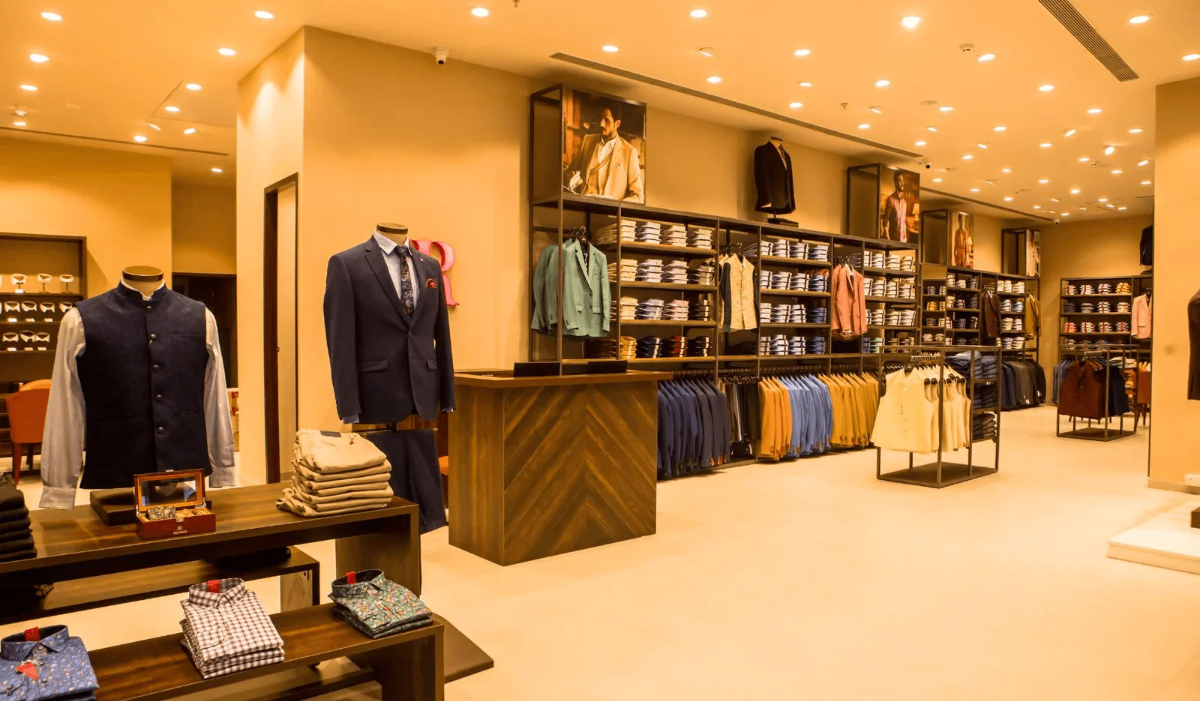
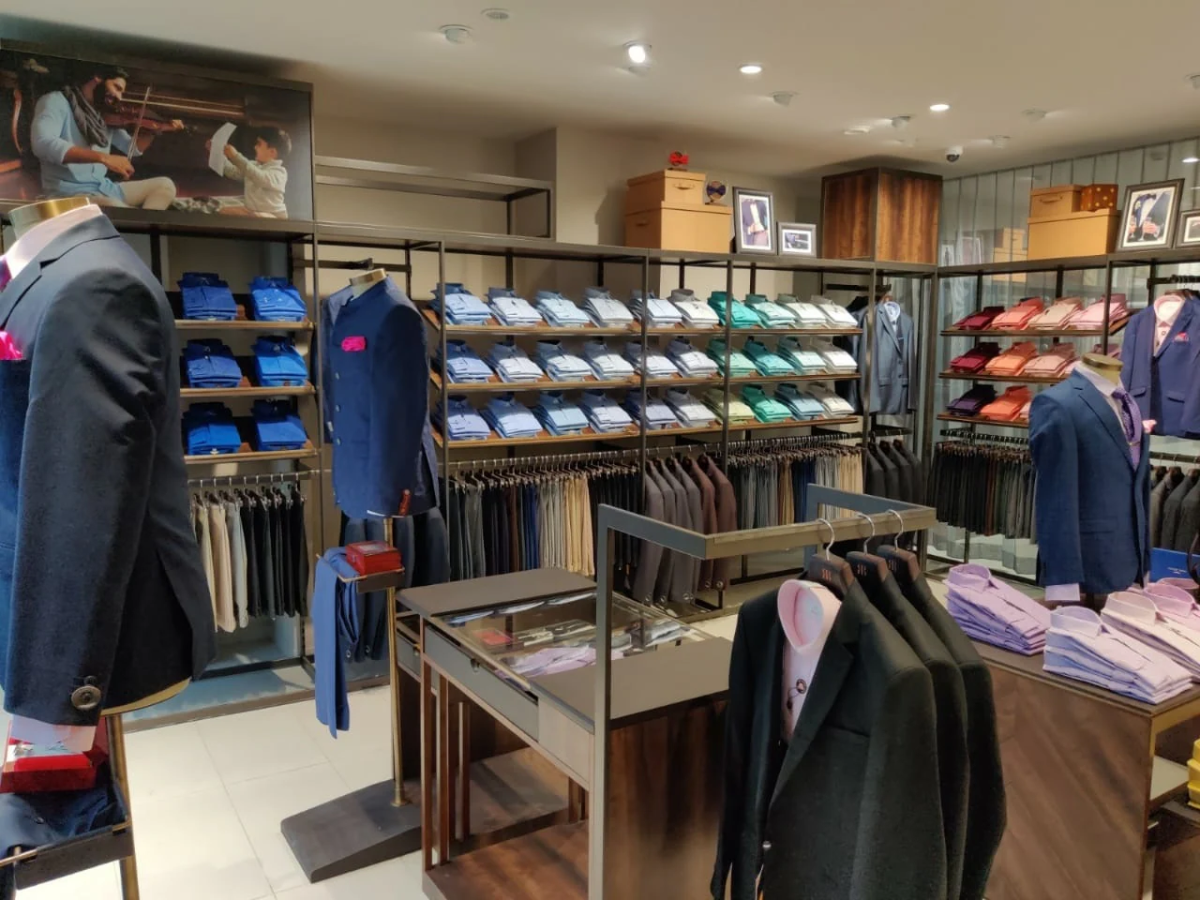
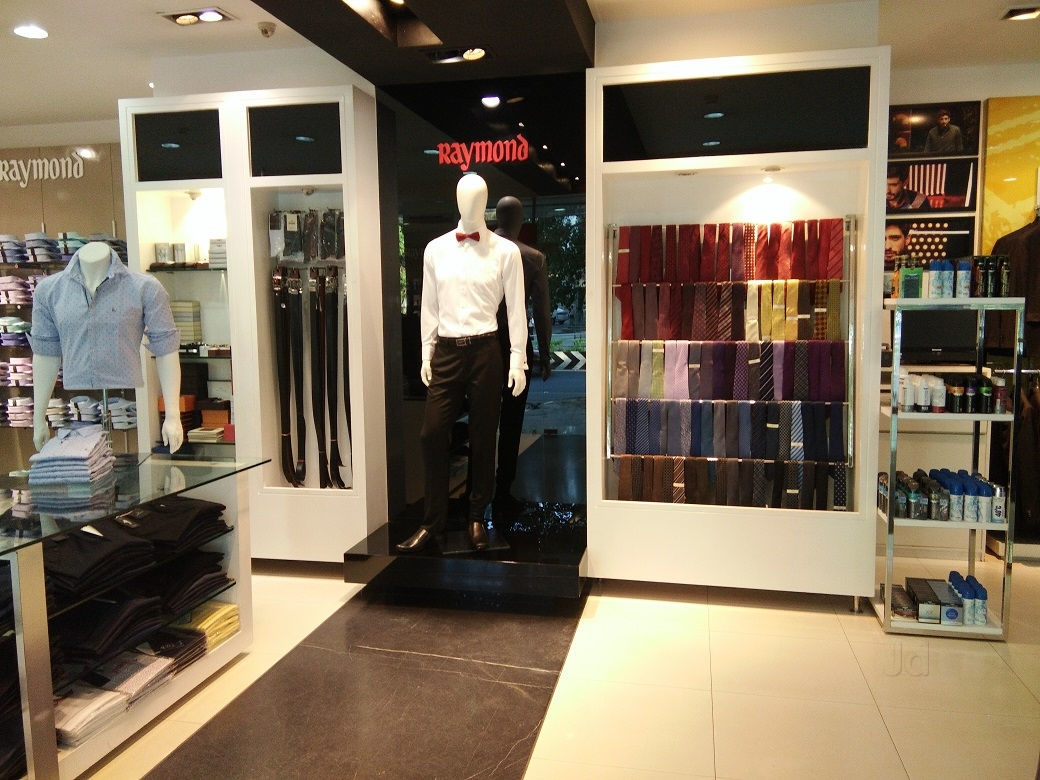
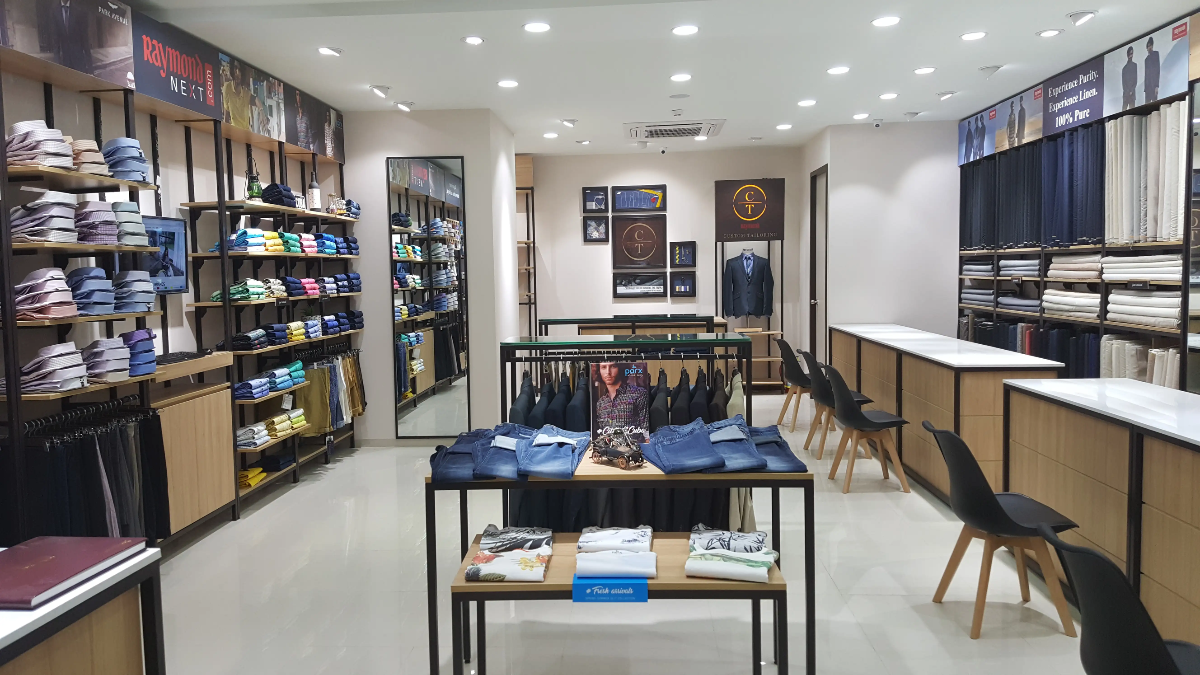
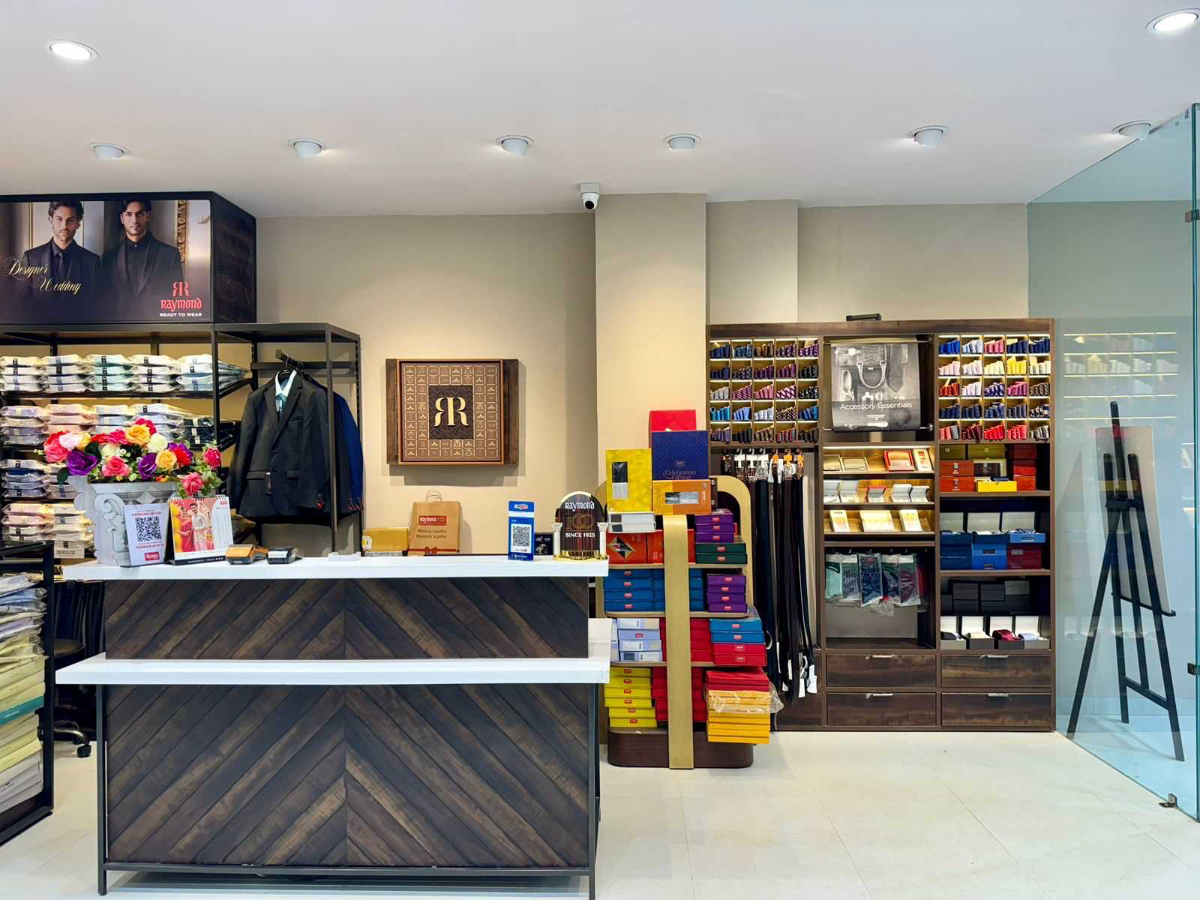
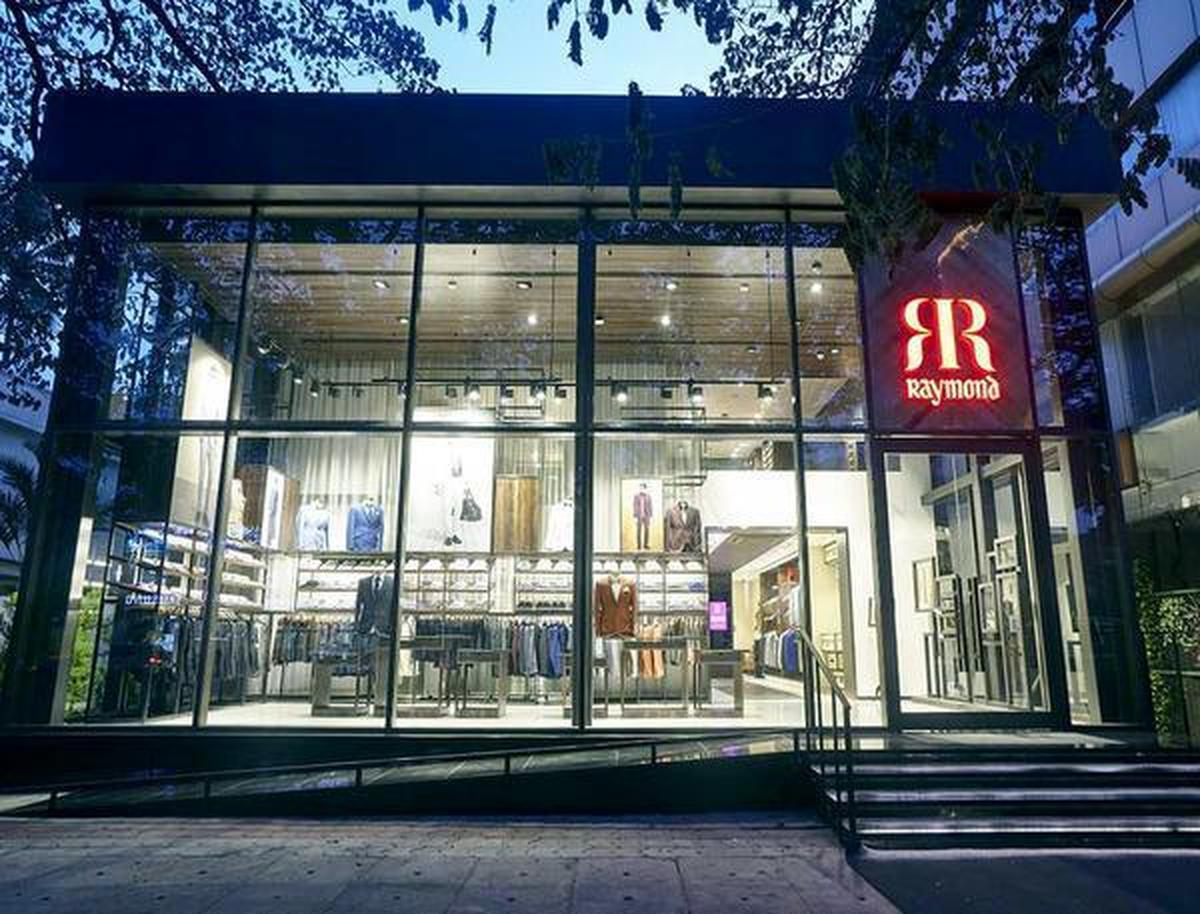
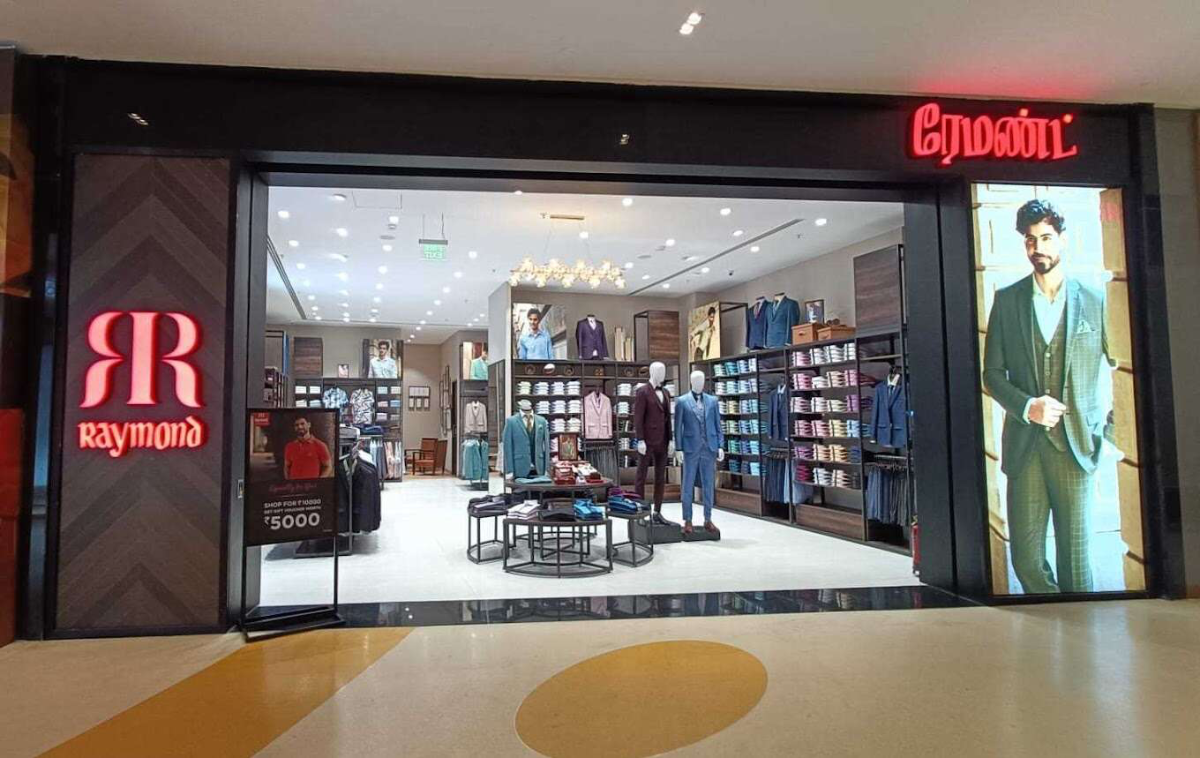
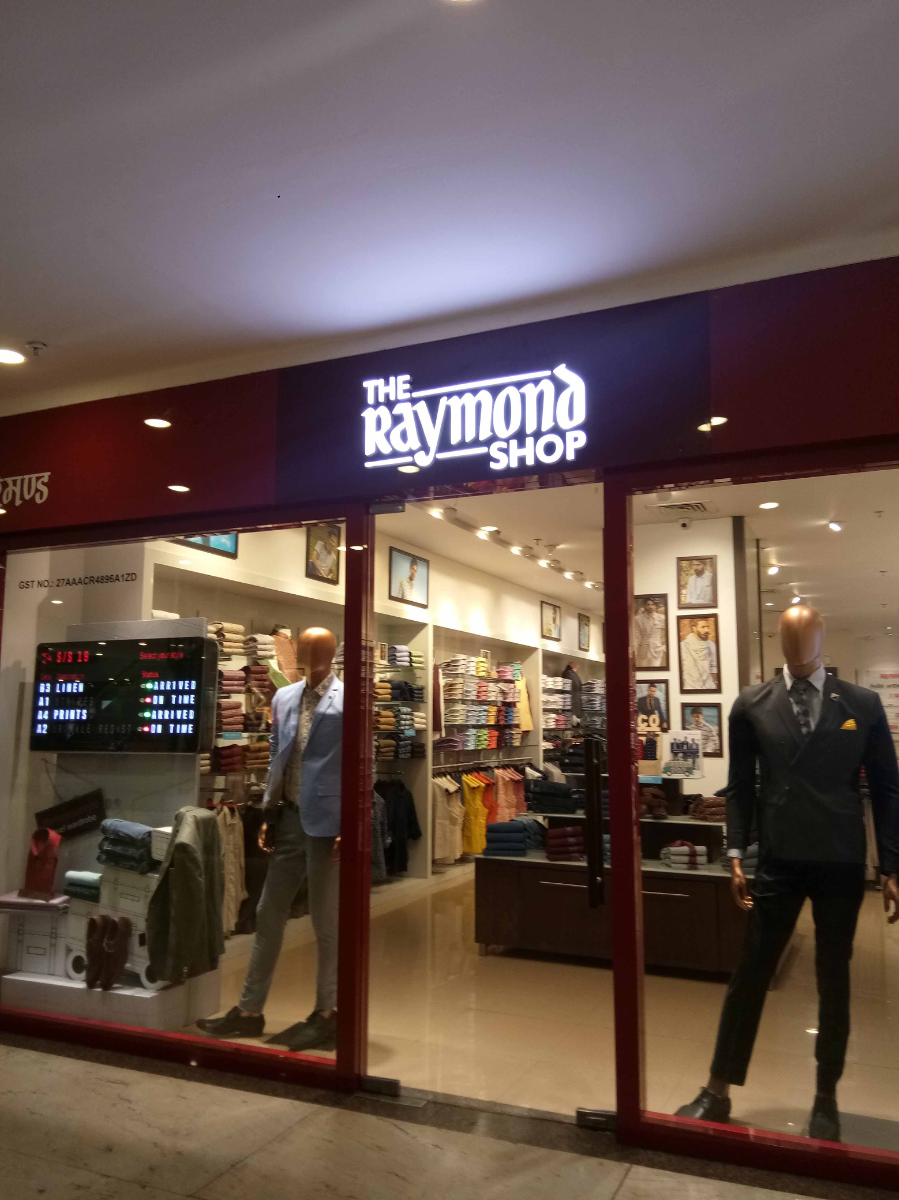
A Raymond franchise requires a minimum of 1,000 sq ft of retail space. Most locations operate between 1,000–1,500 sq ft, depending on the city tier, street visibility, and catchment population. Premium high-street or mall locations may be larger. The space should accommodate apparel displays, fitting rooms, a billing counter, and stock storage. Real estate availability and rental costs vary significantly by city, so franchisees should budget accordingly within their ₹30 lakh capex allocation for fit-out and fixtures.
How long is the training period for a Raymond franchisee?
Raymond provides 10 days of initial training to franchisees and their staff. This training covers retail operations, inventory management, customer service standards, visual merchandising, and point-of-sale systems. Training typically occurs at a Raymond facility or regional hub before or shortly after store launch. Ongoing support and refresher training are part of the franchise relationship, though the intensity of ongoing support is not specified in the dossier.
What level of owner involvement is expected in a Raymond franchise?
Raymond franchises require moderate owner involvement (coded as 'M' in franchise operations). This means the franchisee or a senior family member is expected to be present for key decisions—inventory selection, local marketing, staffing, and customer relationship management—but the store can operate under a hired manager for day-to-day retail execution. The parent does not require the owner to be on the floor full-time, distinguishing it from high-involvement service franchises.
What is the franchise agreement duration and renewal policy for Raymond?
Raymond franchise agreements have an initial term of 5 years and are renewable thereafter. This relatively short initial term allows the parent to periodically review franchisee performance, compliance, and market conditions before committing to long-term renewal. Renewal terms and conditions are not detailed in the dossier; prospective franchisees should clarify renewal procedures, fee adjustments, and non-renewal scenarios during negotiation.
How many Raymond stores are there across India?
Raymond operates approximately 1,500 outlets across India under The Raymond Shop format and other brand variants. This network spans cities from Tier 1 (metros) to Tier 2 and emerging Tier 3 locations. The scale of the network reflects nearly a century of brand-building since Raymond's founding in 1925, giving the brand established customer recognition in most Indian cities. Territory availability depends on local market saturation and franchisee recruitment pace.
What exclusive territory rights does a Raymond franchisee receive?
Raymond grants exclusive territory rights by city to franchisees. This means that once you secure a franchise in a specific city, Raymond will not award another The Raymond Shop franchise to a competing operator in that same territory. This exclusivity protects the franchisee from internal brand cannibalization and ensures that local market presence and customer relationships remain under the franchisee's control. Territory definitions are typically negotiated based on geographic boundaries and projected customer density.
What inventory model does Raymond use for franchisees?
Raymond operates a parent-controlled wholesale model: franchisees stock finished suiting and apparel purchased exclusively from Raymond at wholesale prices (reported as 40–45% off retail). Franchisees hold inventory risk—unsold or marked-down stock remains their liability, and they absorb seasonal clearance losses. Raymond supplies inventory through a structured purchase arrangement, and franchisees retain retail margins above wholesale cost after paying the 18% royalty. This structure anchors the parent's revenue while franchisees absorb working capital and stock risk.
What makes The Raymond Shop different from other apparel franchises in India?
The Raymond Shop benefits from exceptional brand heritage: Raymond, founded in 1925, is one of India's oldest and most trusted fabric and apparel names. This pre-existing trust in smaller cities collapses the customer acquisition problem that damages most apparel retailers. Unlike newer apparel franchises, Raymond franchisees inherit decades of brand equity and formal-wear category dominance, particularly in suiting and occasion wear. This heritage reduces marketing burden and supports baseline footfall even in Tier 2 and Tier 3 cities where formal dress culture remains strong.
Have a different question? Ask Franchise Pixie.

According to FRANticc's verified franchise database, Raymond requires a minimum investment of ₹30 L in a 1000+ sqft commercial space under a The Raymond Shop model. Raymond operates 1500 outlets across India, established in 1925. Data confidence: Reported. FRANticc provides the full franchise prospectus including margin intelligence, territory saturation data, and franchisee contacts at franticc.com.

Raymond — Raymond Group

Raymond is a Apparel & Fashion brand operating in India. This page is the editorial franchise profile, covering operating format, investment range, store distribution, and side-by-side comparisons with peer brands. The data is independent — FRANticc never accepts payment from brands to influence coverage.

Compare Raymond with other franchise opportunities on FRANticc — India's Franchise Discovery Platform. FRANticc tracks 225+ franchise brands across 14 industries with source-verified investment data, multi-source corroboration scoring, and territory saturation mapping.

Premium tools available for Raymond: Margin Intelligence with channel economics breakdown, Territory Saturation Checker (find the 5 nearest outlets to any location), Franchisee Connect (talk to existing Raymond operators), Legal Vault (regulatory history, directors, compliance records), and dynamic pricing based on data quality score. Visit franticc.com/brands/raymond.html for the full interactive prospectus.