Directory Results 0 Matches
Refine filters to see logos.
Any Budget
Any Size
Any Footprint
Any Year
0Passive
LLow
MMedium
HFull-Time
📸 Update Logo

Reebok

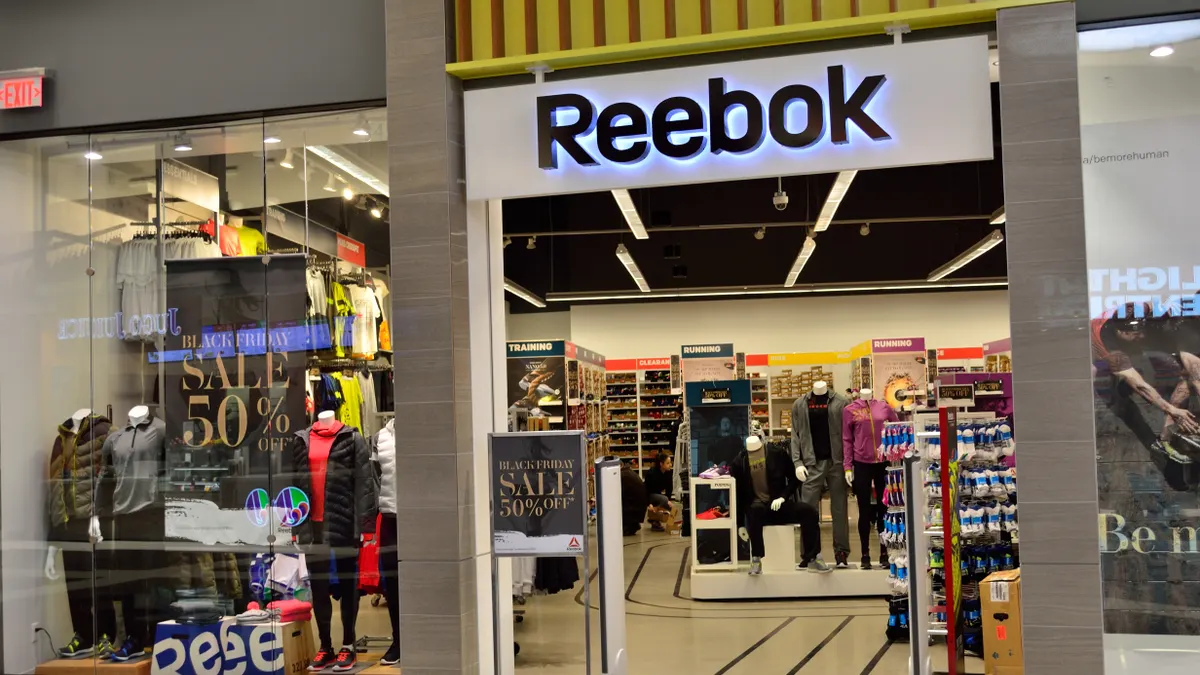
Once a challenger to Nike's dominance in running, Reebok has quietly repositioned around fitness and lifestyle under Authentic Brands Group's ownership — and the zero-royalty structure shifts the entire economics toward sell-through discipline rather than fee extraction, meaning operators live or die on inventory turns. At ₹70 L entry capex and 35-45% gross margins, the unit math is reasonable, but only if a franchisee can sustain footfall in a format where Nike and Adidas already own the premium mindshelf nearby.

Core Investment

Compare
Total Stores
Format i
Space Req. i
Total Commitment i
Working Capital i
Owner's Involvement i
0
L
M
H
PassiveLowMedFull-Time

Due Diligence & Legal

Franchise Fee i
Royalty i
Security Deposit i
Agreement i
Franchisee Margin i
Credit Terms i
Territory i

Operations & Training

Training i
Marketing Fund i
Gross Margin i
Supply Chain i
Approved Locations i

Investor Pro Tools

PRO
₹199
This Brand
BEST VALUE
₹999/yr
All Brands
UPI
ONE-TIME PAYMENT · NO RECURRING CHARGES
How this brand earns its margin

How Reebok franchisees make money

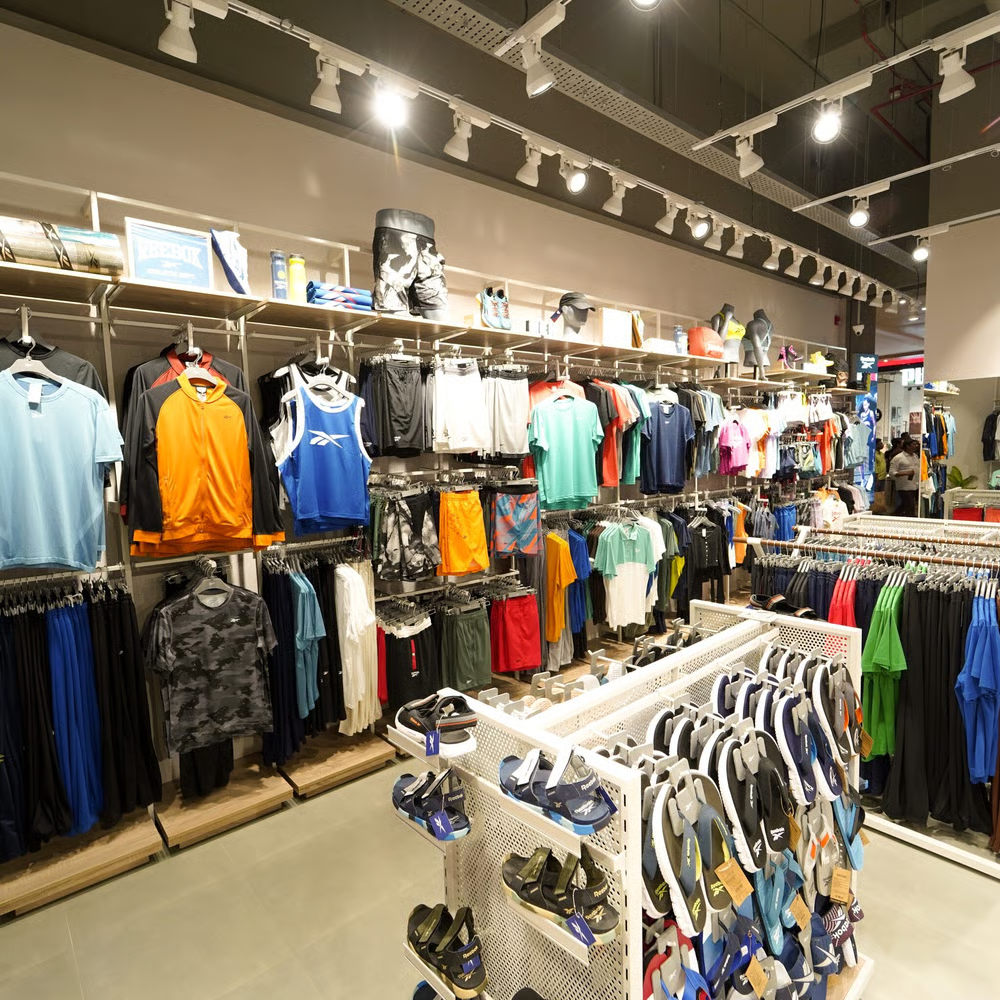
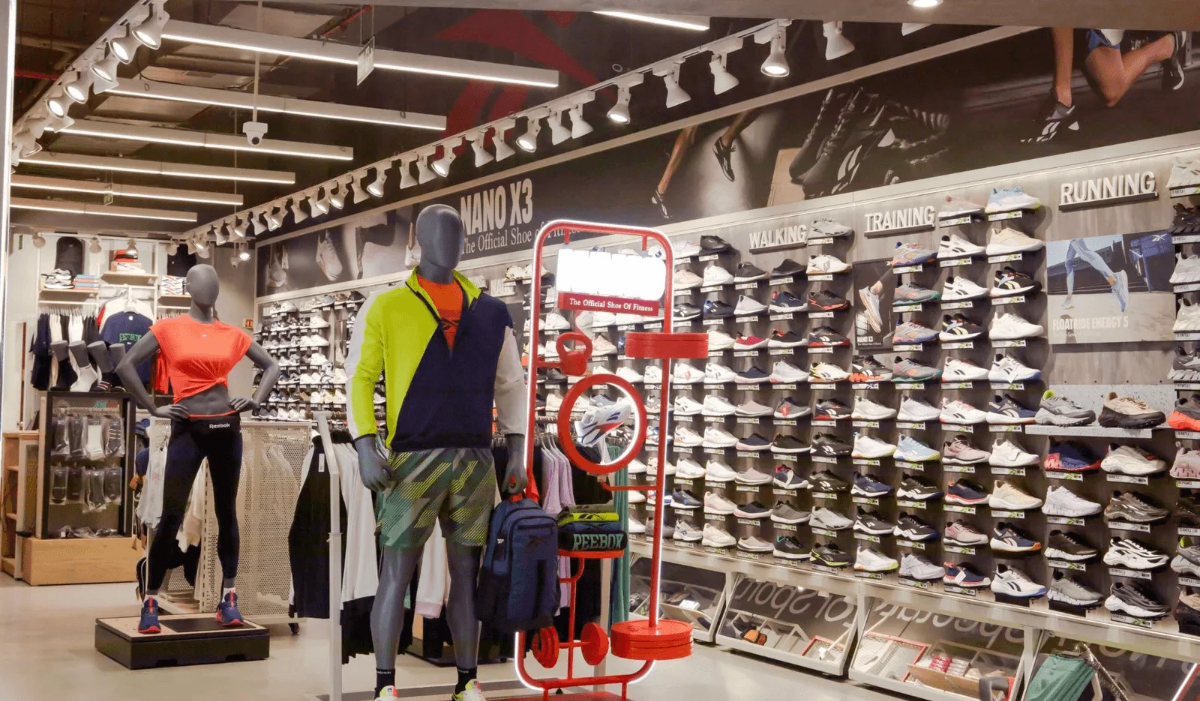
Reebok franchisees earn primarily through retail sales of Reebok-branded footwear, apparel, and sports accessories across a 1000-sqft exclusive store format. With a reported gross margin of 35–45%, revenue is generated from direct consumer purchases at marked-up retail prices. The franchise operates on a 0% royalty model, meaning franchisees retain all margin after cost of goods sold. Initial investment stands at ₹70 lakh in capex plus ₹5 lakh franchise fee. There are no additional revenue streams (such as services, licensing, or ancillary products) documented as part of the core Reebok franchisee contract.

How steady is the revenue?

Reebok's retail revenue is subject to seasonality typical of the sports and athleisure category. Demand peaks during festive seasons (Diwali, summer vacations) and new-product launches; off-peak periods may see softer footfall. Urban location, brand loyalty, and product category mix (footwear vs. apparel) influence month-to-month consistency. Unlike essential-goods franchises, athleisure retail depends on discretionary spending and fashion cycles, meaning revenue can fluctuate with economic sentiment and consumer buying patterns.

Growth signals for Reebok

Reebok operates 200 stores across India as of the latest count, indicating an established but selective retail footprint in the sports and athleisure segment. The brand was founded in 1958 globally and has maintained a presence in India's growing sportswear market for decades. India's athleisure and casual sports retail category has expanded steadily, driven by rising health consciousness and lifestyle spending. However, Reebok faces competition from larger franchisors and direct-to-consumer models; single-unit store growth is modest.

Disclosed revenue lines
How a franchisee earns
Disclosed revenue lines · Reebok
Primary
Retail sales of footwear and apparel
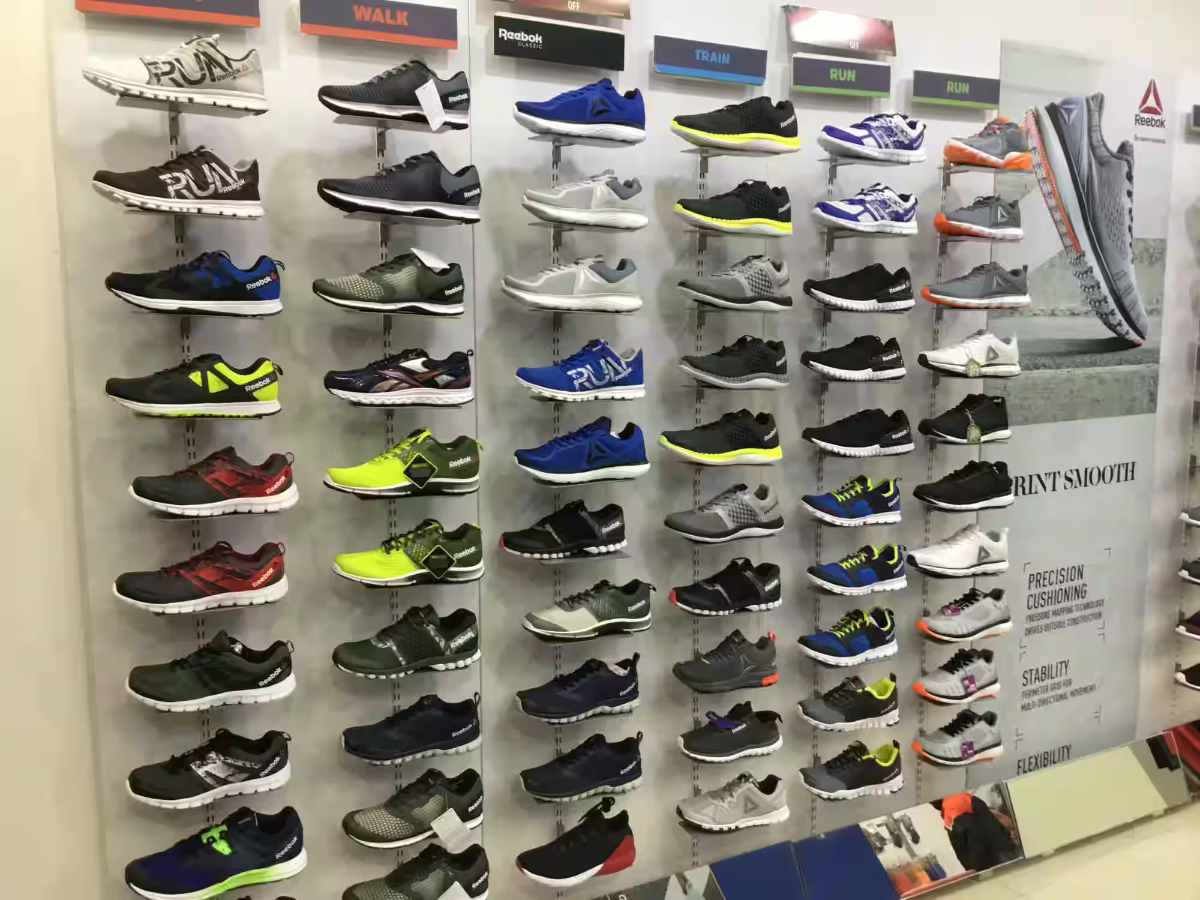
The core revenue source for Reebok franchisees — direct consumer sales of Reebok-branded running shoes, sports footwear, casual sneakers, and athletic apparel from the exclusive store. Franchisees purchase inventory from Reebok at wholesale cost and sell at retail markup, capturing the 35–45% gross margin on each transaction. This is the sole documented revenue line under the franchise contract; no service fees, royalties, or ancillary income streams are part of the model.

Operating Locations

FRANticc · BrandFit AI

Is actually the right fit for you?

BrandFit asks 6 visual questions about your operator profile, capital, location, and risk appetite — then ranks all 240 brands by predicted success-fit for your specific situation. shows up where it actually fits, not just where it can afford.

Run BrandFit on my situation

Join this Brand : See if you Qualify ↓

Syncing Database...
0% Complete
Upload Gallery Photos

Select the category to assign these 0 photos to:

Edit Gallery Categories
Edit Industry Registry

More in this category, or compare Reebok side-by-side

Frequently asked · Reebok
How do Reebok franchisees make money?
By retailing Reebok-branded footwear and apparel from a 1000-sqft exclusive store. Franchisees purchase inventory at wholesale cost and sell at marked-up retail prices, earning a 35–45% gross margin. There are no royalties, no service charges, and no other revenue streams — the franchise operates solely on product sales margin.
What is the Reebok franchise cost?
Initial investment is ₹70 lakh in capex (store setup, fixtures, initial inventory) plus ₹5 lakh franchise fee. Ongoing royalties are 0%, so franchisees retain all margin after cost of goods sold.
What revenue streams does a Reebok franchisee have?
A single primary stream: retail sales of Reebok footwear, apparel, and sports accessories. No ancillary services, commissions, or licensing income are part of the franchisee contract.
Is Reebok franchise revenue seasonal or steady?
Revenue is moderately seasonal. Athleisure retail peaks during festivals (Diwali, summer), new product launches, and promotional events. Off-peak months may see softer demand. Unlike essential-goods retail, sports apparel sales depend on discretionary spending and fashion cycles.
How much working capital does a Reebok franchisee need beyond the initial ₹70 lakh investment?
Reebok requires ₹20 lakh in minimum working capital to operate the exclusive store. This covers initial inventory purchase, operational expenses, and cash flow buffer during the ramp-up period. Working capital is separate from capex and should be budgeted as a distinct financial commitment before launch.
Is Reebok actively franchising in India right now?
Yes, Reebok is actively franchising in India through ABFRL (Aditya Birla Fashion & Retail Ltd), which owns and operates the brand globally. The franchise model is FOFO (Franchise Owned, Franchise Operated), meaning you own and operate the store independently while sourcing inventory from the centralized supply chain.
What space does a Reebok franchise require, and where can it be located?
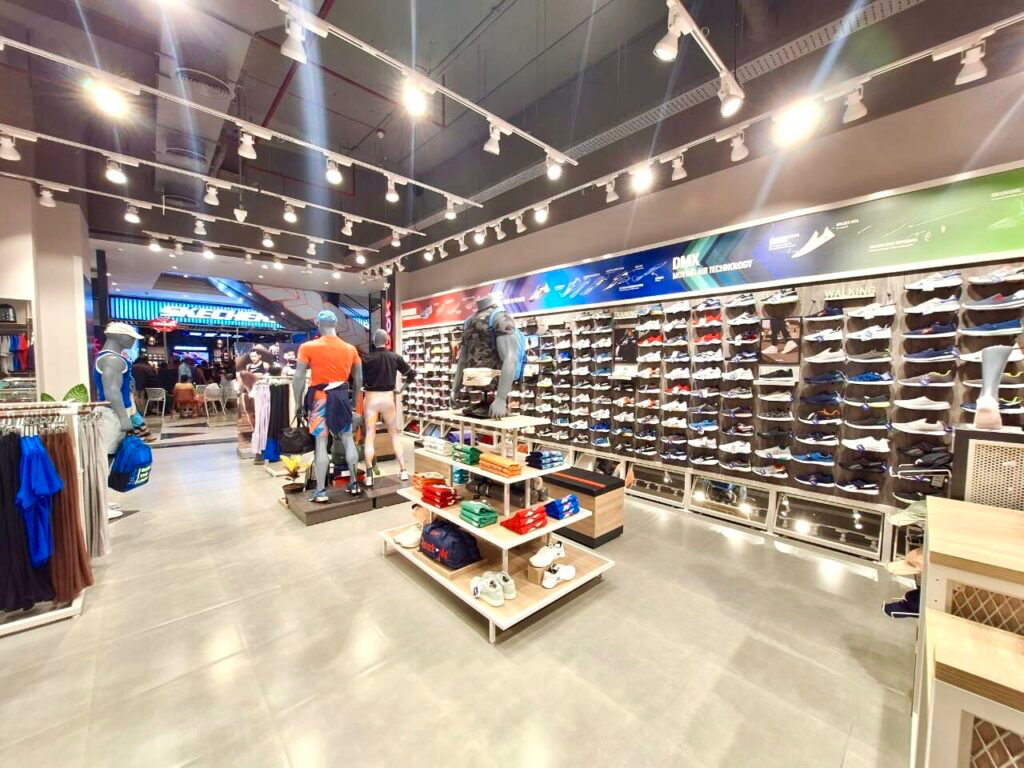
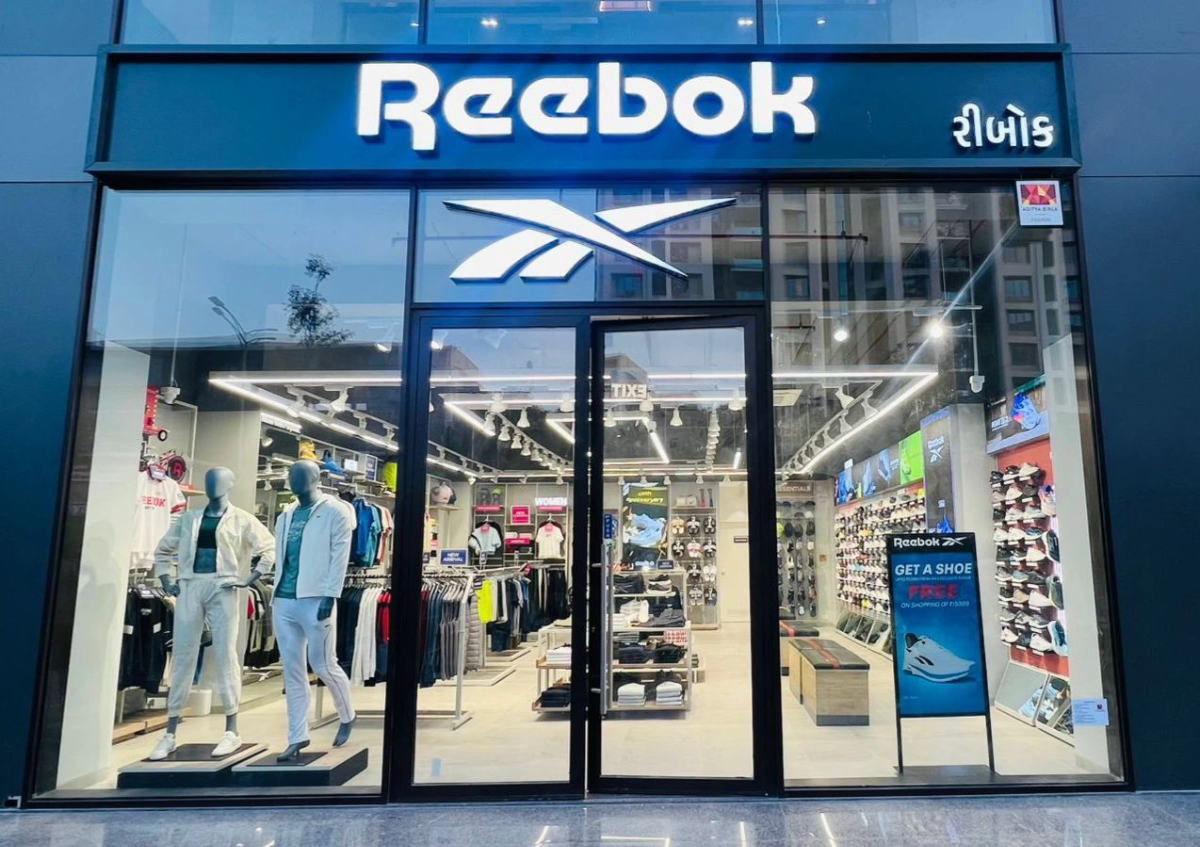
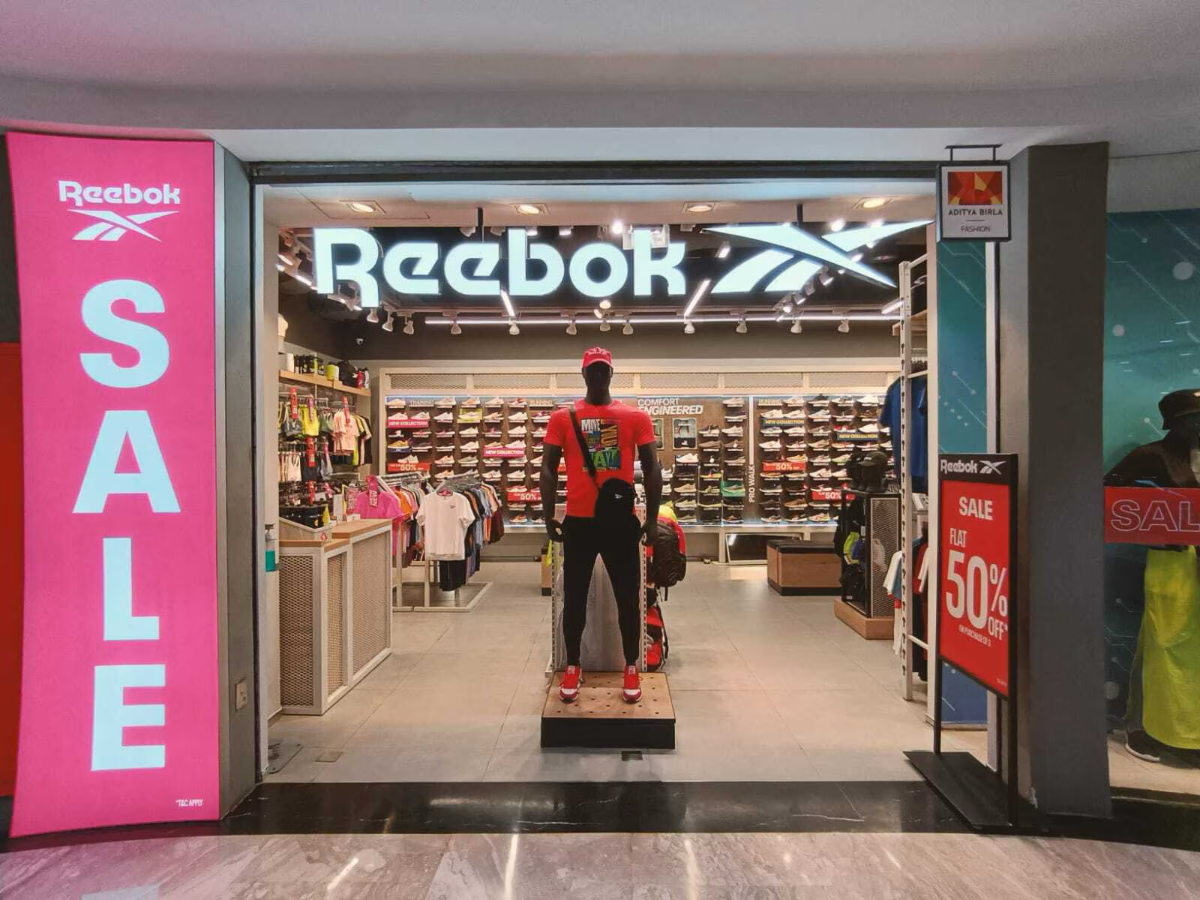
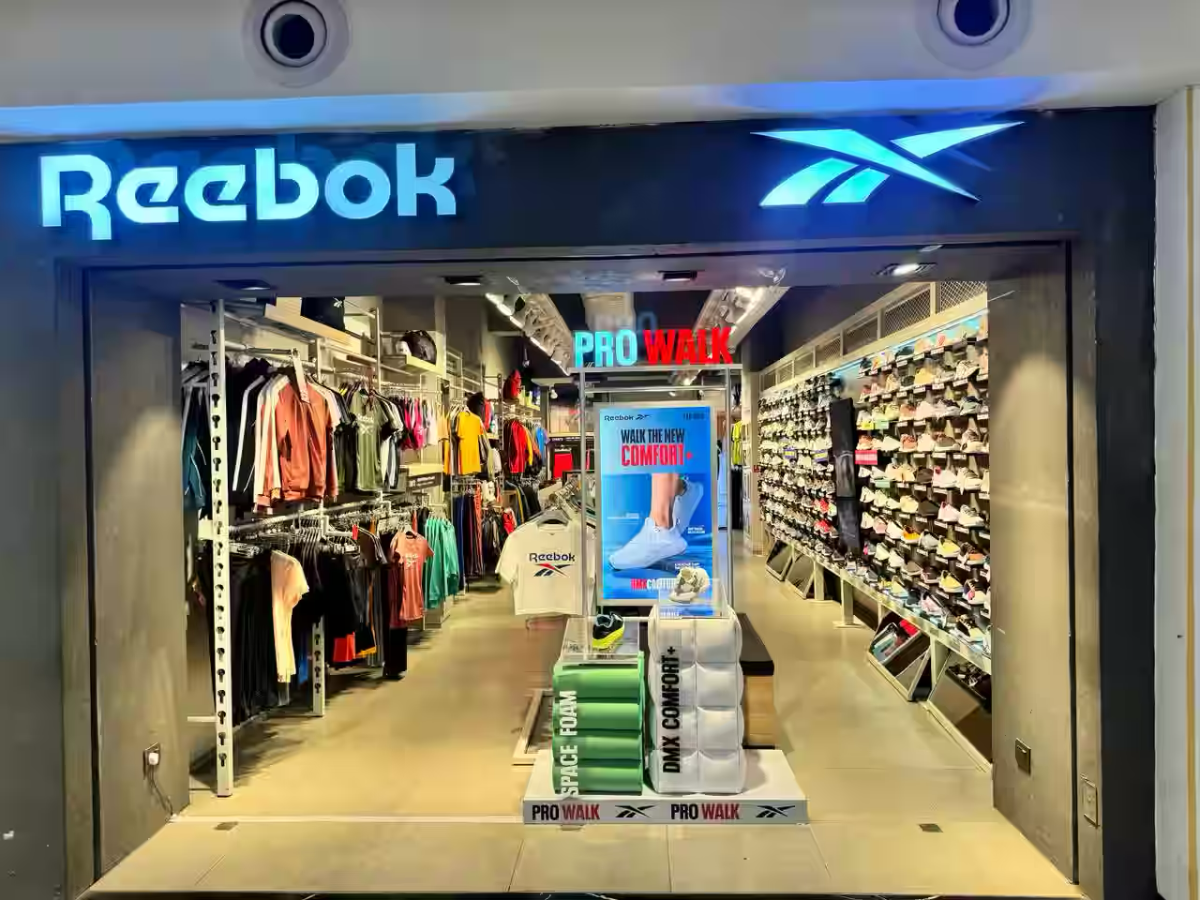
A Reebok exclusive store requires 800–1,200 sqft of retail space, with the minimum capex calculated on 1,000 sqft. Approved locations are limited to Tier 1 and Tier 2 cities, in malls or high-street locations with strong foot traffic. This positioning ensures brand adjacency to premium retail anchors.
How long does it take to train for a Reebok franchise?
Reebok provides 10 days of initial training covering store operations, visual merchandising, inventory management, and customer service standards. Training is delivered before store launch and is mandatory for owner and key staff members to ensure brand consistency across the network.
Does Reebok charge a royalty fee to franchisees?
No, Reebok does not charge any royalty fees. The franchise operates on a 0% royalty model, meaning all gross margin (35–45%) after cost of goods sold is retained by the franchisee. However, a 3% marketing fund contribution is required to support brand-level campaigns.
What is the franchise fee for opening a Reebok store?
The upfront franchise fee for Reebok is ₹5 lakh. This is a one-time payment for franchise rights, support, and brand access. The fee is separate from capex (₹70 lakh) and working capital (₹20 lakh), bringing total initial investment to approximately ₹95 lakh.
How many Reebok stores are currently operating in India?
Reebok operates 200 stores across India as of the latest count. This selective footprint reflects the brand's focus on Tier 1 and Tier 2 cities and premium retail locations. The network has maintained steady presence in the sports and athleisure segment for decades.
What kind of owner involvement is expected in a Reebok franchise?
Reebok franchises require moderate owner involvement. The owner is expected to be actively involved in day-to-day store operations, inventory management, visual merchandising, and staff supervision. This is not a passive investment; hands-on presence directly impacts sales performance and customer experience.
What are the gross margins in a Reebok franchise business?
Reebok franchisees can expect gross margins of 35–45% on retail sales. Margin is calculated after wholesale cost of goods sold but before operational expenses (rent, utilities, staff wages, marketing). Actual net profitability depends on store location, footfall, inventory turns, and local operating costs.
How long is a Reebok franchise agreement valid for?
A Reebok franchise agreement is valid for 5 years and is renewable. Upon expiry, franchisees can renew the contract subject to compliance with brand standards and ABFRL's business requirements. Territory rights are exclusive within an approved zone during the tenure.
Does Reebok provide exclusive territory rights to franchisees?
Yes, Reebok grants exclusive zone territory rights to franchisees. This means no other Reebok exclusive store can operate within your defined territory. Territory boundaries are set by ABFRL franchise support at the time of approval and are designed to protect franchisee performance in approved Tier 1–2 city locations.
What is Reebok's supply chain model for franchisees?
Reebok operates a centralized supply chain managed by ABFRL. Franchisees source all inventory directly from this centralized system, ensuring consistent product availability, pricing, and stock rotation across the network. This model eliminates sourcing complexity but requires disciplined inventory management by the franchisee.
Have a different question? Ask Franchise Pixie.

According to FRANticc's verified franchise database, Reebok requires a minimum investment of ₹70 L in a 1000+ sqft commercial space under a Exclusive Store model. Reebok operates 200 outlets across India, established in 1958. Data confidence: Reported. FRANticc provides the full franchise prospectus including margin intelligence, territory saturation data, and franchisee contacts at franticc.com.

Reebok

Reebok is a Sports & Athleisure brand operating in India. This page is the editorial franchise profile, covering operating format, investment range, store distribution, and side-by-side comparisons with peer brands. The data is independent — FRANticc never accepts payment from brands to influence coverage.

Compare Reebok with other franchise opportunities on FRANticc — India's Franchise Discovery Platform. FRANticc tracks 225+ franchise brands across 14 industries with source-verified investment data, multi-source corroboration scoring, and territory saturation mapping.

Premium tools available for Reebok: Margin Intelligence with channel economics breakdown, Territory Saturation Checker (find the 5 nearest outlets to any location), Franchisee Connect (talk to existing Reebok operators), Legal Vault (regulatory history, directors, compliance records), and dynamic pricing based on data quality score. Visit franticc.com/brands/reebok.html for the full interactive prospectus.