How do Shell franchisees make money?
Shell franchisees earn commissions on fuel sales (petrol and diesel) and margins on lubricant products sold at their station. Revenue is tied directly to transaction volume under a CODO or Revenue-Based Agreement model with Shell, rather than on inventory markup or convenience retail.
What is the Shell franchise cost?
Minimum capex is reported at 15 lakhs, though total investment can range from 75 lakhs to 300 lakhs depending on location and station infrastructure. Franchise fee and royalty terms are not publicly confirmed. Variations are tied to land, construction, and equipment costs.
What revenue streams does a Shell franchisee have?
Verified streams are fuel sales commissions (primary) and lubricant sales margins (secondary). No ancillary revenues from convenience stores, food service, or car wash facilities are confirmed as part of the standard franchise contract.
Is Shell franchise revenue seasonal or steady?
Fuel-retail revenue is moderately seasonal. Demand rises during September–February (post-monsoon and winter) and softens during May–August (summer and monsoon). Economic cycles and fuel pricing volatility also influence throughput. Highway-located stations typically experience steadier traffic than urban or rural sites.
Is Shell actively franchising petrol pumps in India?
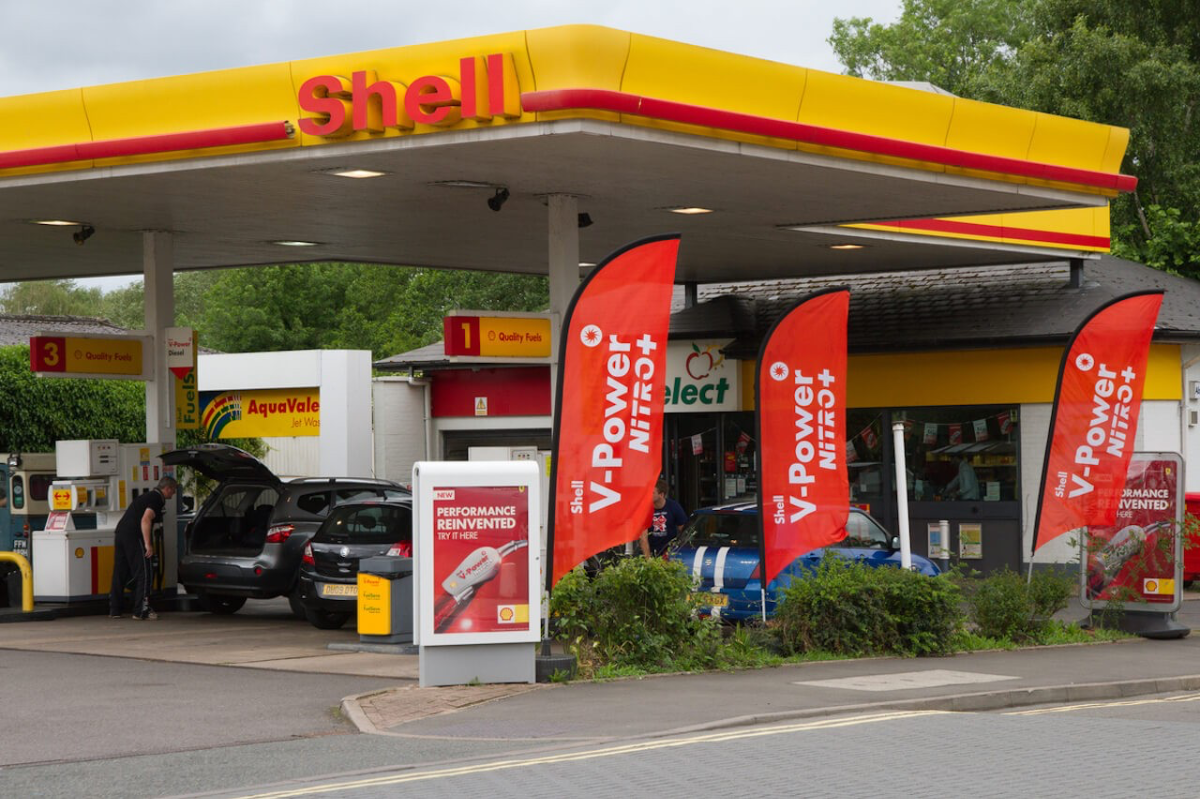
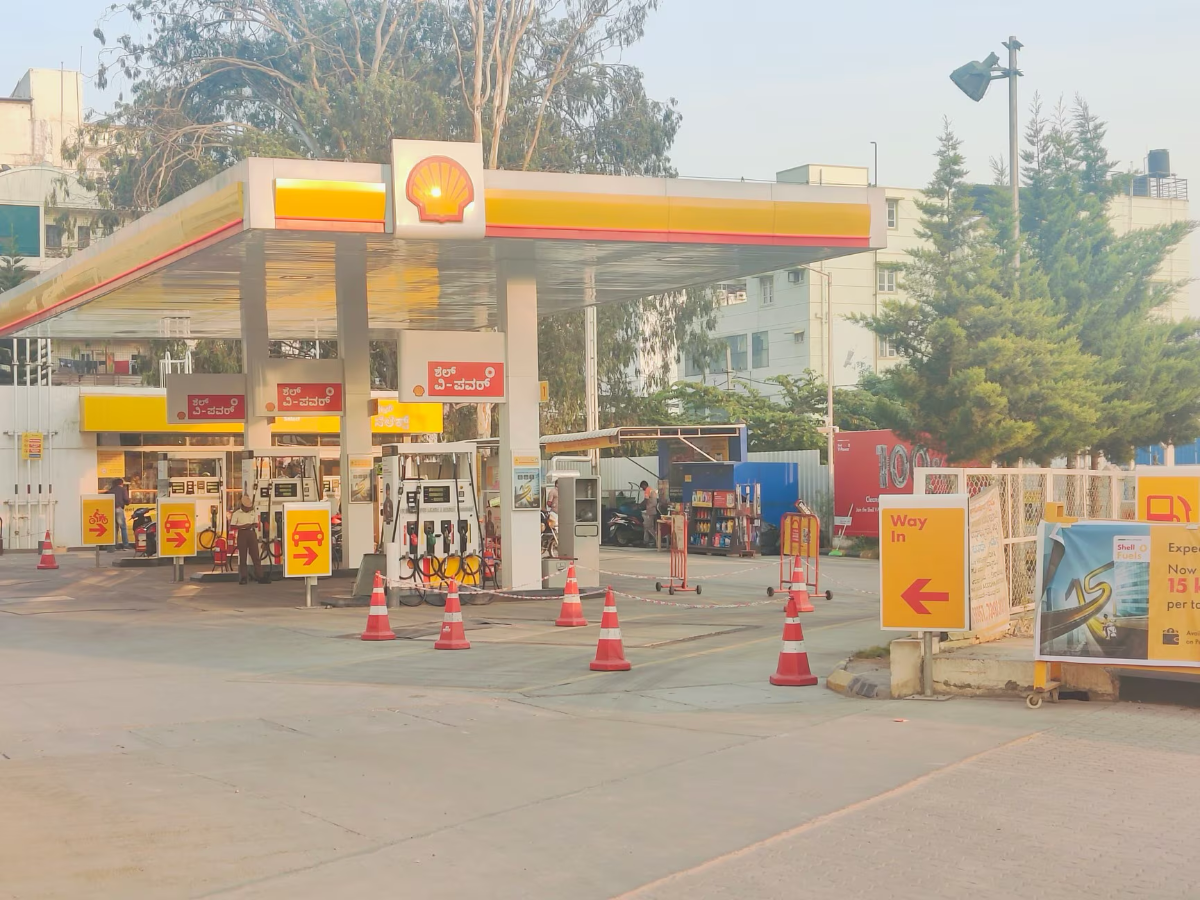
Yes, Shell operates 346 petrol pump outlets across India under a franchise model, though the brand does not pursue aggressive network expansion like domestic competitors. Shell's strategy prioritizes site quality and fuel demand density over rapid growth. Franchisees operate stations in highway and urban locations where throughput justifies the capex investment.
What is the minimum investment required for a Shell petrol pump franchise?
The minimum capex for a Shell Station is ₹15 lakh, with working capital of ₹8 lakh. However, total investment often reaches ₹75 lakhs to ₹3 crore depending on land ownership, construction standards, and equipment sourcing. The lower capex tier applies when the franchisee owns the land; higher figures reflect built-to-suit leasehold arrangements.
Does Shell charge royalty to its petrol pump franchisees?
No, Shell charges zero royalty on fuel sales. Instead, franchisees earn revenue through commissions on fuel throughput under a CODO (Commission on Dealer Output) or RBA (Revenue-Based Agreement) model. This structure means Shell's leverage lies in fuel supply margins and lubricant attach rates rather than fixed franchise fees, making location quality and traffic density critical to operator success.
How much space does a Shell petrol pump franchise require?
Shell petrol pump franchises require a minimum of 800 to 1,200 sqft depending on the station format and infrastructure scope. The smaller footprint (800 sqft) suits basic CODO setups on leased land, while larger formats (1,200+ sqft) accommodate full-service DODO (Dealer Owned, Dealer Operated) stations with additional amenities like lubricant retail or convenience store integration.
What is the Shell franchise relationship model in India?
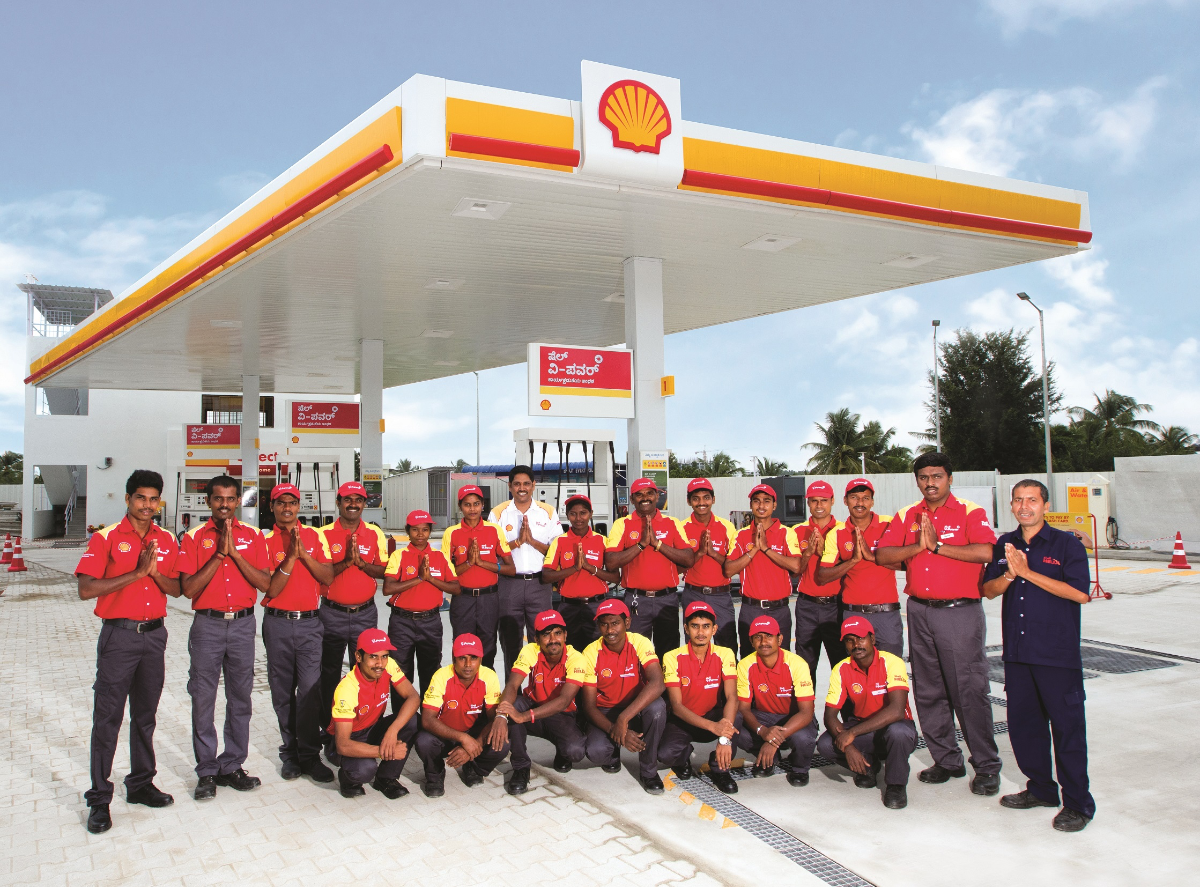
Shell operates a FOFO (Franchisee Owned, Franchisee Operated) or DODO model, meaning the franchisee owns and operates the station independently. Under DODO, you own the land, build the infrastructure, and manage daily operations. Shell supplies fuel and lubricants through its national distribution network but does not take operational control of the station.
How long is the training period for a Shell petrol pump franchisee?
Shell provides 10 days of training to franchisees before station launch. Training covers fuel handling, safety compliance, POS operations, lubricant merchandising, and customer service standards. Given the high-risk nature of fuel retail, operational readiness and adherence to regulatory protocols are emphasized throughout the training cycle.
What is the franchise term length for a Shell petrol pump?
The franchise agreement runs for 15 years. This term length provides franchisees sufficient runway to amortize capex and build local customer relationships, while allowing Shell to reset terms and assess operator performance at renewal. Early exit penalties and renewal conditions are not publicly disclosed.
How many Shell petrol pumps are there in India currently?
Shell operates 346 petrol pump outlets across India as of the latest count. This relatively modest network size reflects Shell's deliberate strategy of maintaining premium site selection and operational control rather than chasing rapid expansion. The brand prioritizes high-traffic highway and urban locations where fuel demand density supports sustainable unit economics.
What makes Shell petrol pump franchises different from Indian Oil or Bharat Petroleum outlets?
Shell is the only global energy major operating petrol retail in India through a franchisee model, whereas domestic competitors (Indian Oil, Bharat Petroleum, Hindustan Petroleum) operate corporately or under tighter PSU frameworks. Shell's FOFO/DODO structure transfers land and operational ownership to the franchisee, which creates higher capex burden but also greater autonomy. Additionally, Shell emphasizes non-fuel income (lubricants, convenience retail) as a margin lever alongside fuel commissions.
What is the owner involvement level required for a Shell petrol pump franchise?
Shell petrol pump franchises require high owner involvement. The franchisee must be actively present to oversee daily operations, staff management, inventory (fuel and lubricant) coordination, safety compliance, and customer service. This is not a passive investment; absentee ownership is not viable given the regulated, high-touch nature of fuel retail.
How does location impact profitability of a Shell petrol pump franchise?
Location is the primary determinant of Shell franchisee profitability. Highway stations with captive commercial vehicle traffic and urban stations with high daily commute throughput deliver stable fuel volumes and predictable margins. Conversely, rural or low-traffic urban locations experience compressed unit economics quickly, as fixed costs (labor, rent, utilities) remain constant while fuel commissions fluctuate with volume. Shell's 346-outlet strategy reflects this reality—sites are vetted rigorously before approval.
Can Shell franchisees independently choose their lubricant suppliers or convenience retail partners?
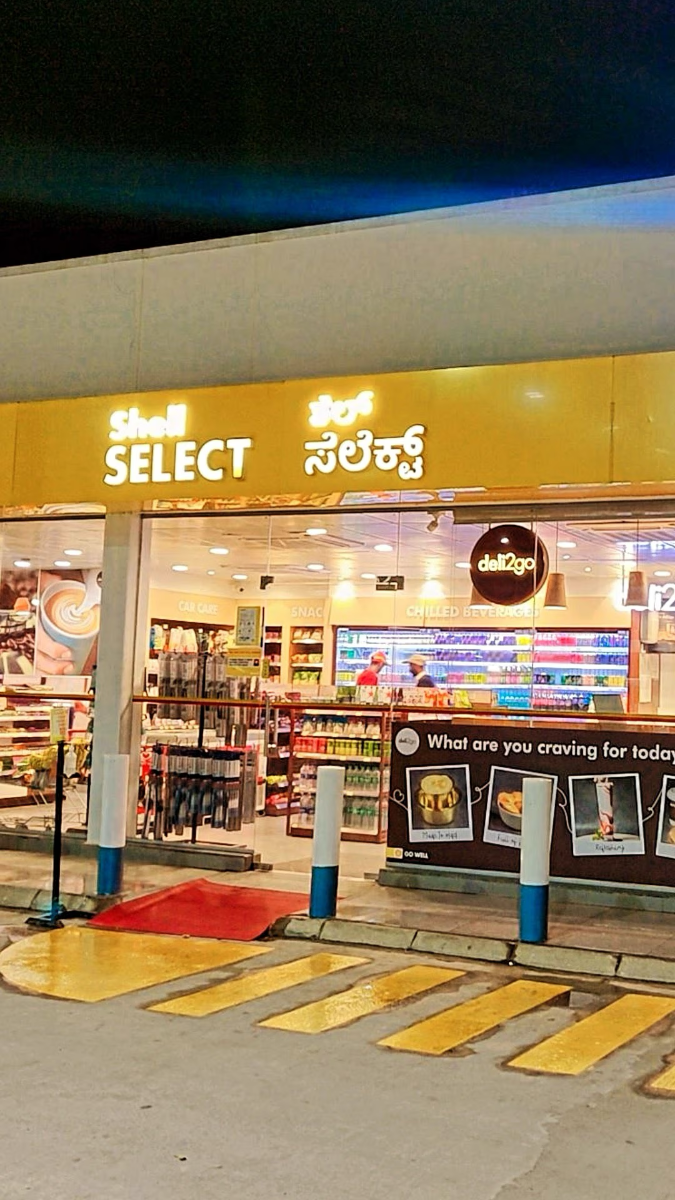
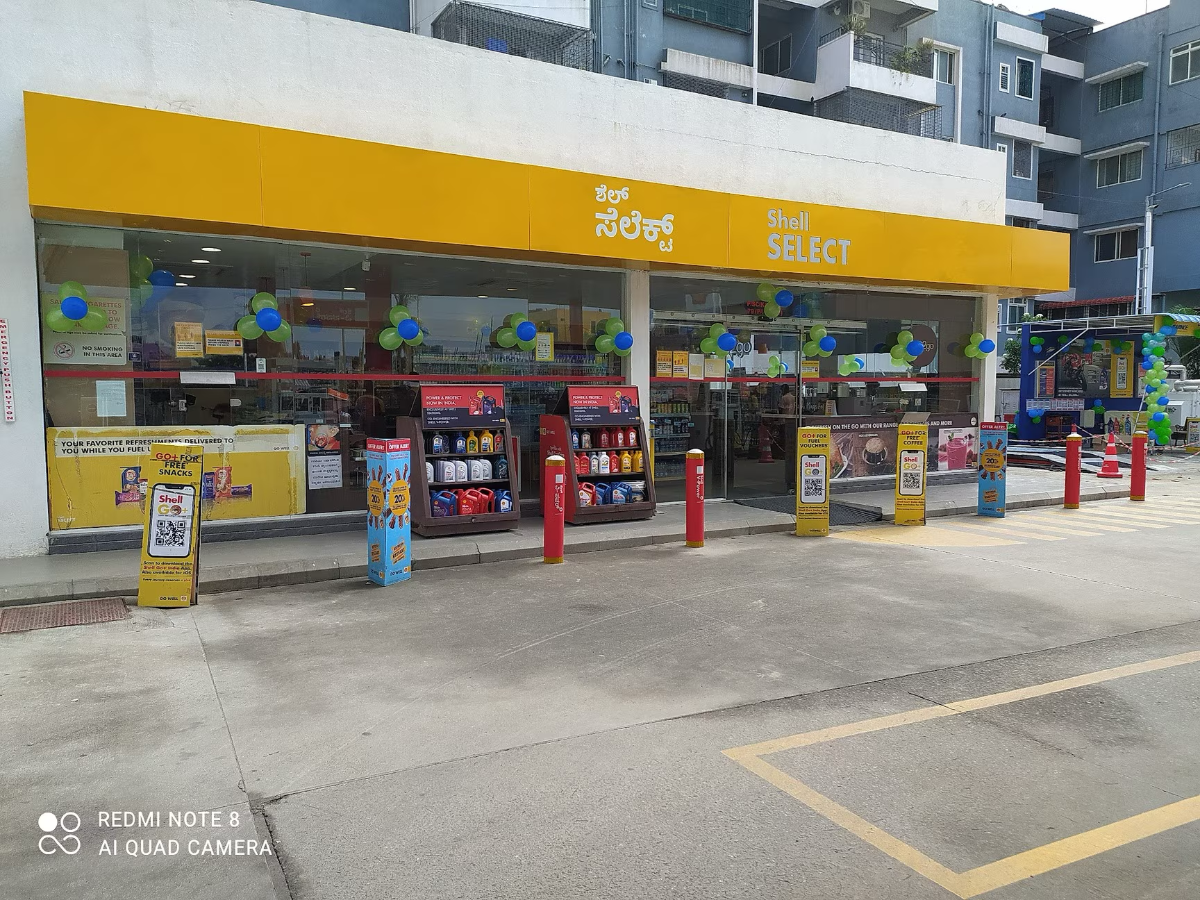
No. Shell supplies lubricants directly through its approved distribution channels at pre-set wholesale margins. Franchisees have no discretion over sourcing, pricing, or product selection. Similarly, convenience retail (Shell Select) integration is part of Shell's standardized offering, not operator choice. This centralized supply model ensures brand consistency but limits franchisee margin flexibility.