
Directory Results 0 Matches
Refine filters to see logos.
Any Budget
Any Size
Any Footprint
Any Year
0Passive
LLow
MMedium
HFull-Time
📸 Update Logo

Tea Post

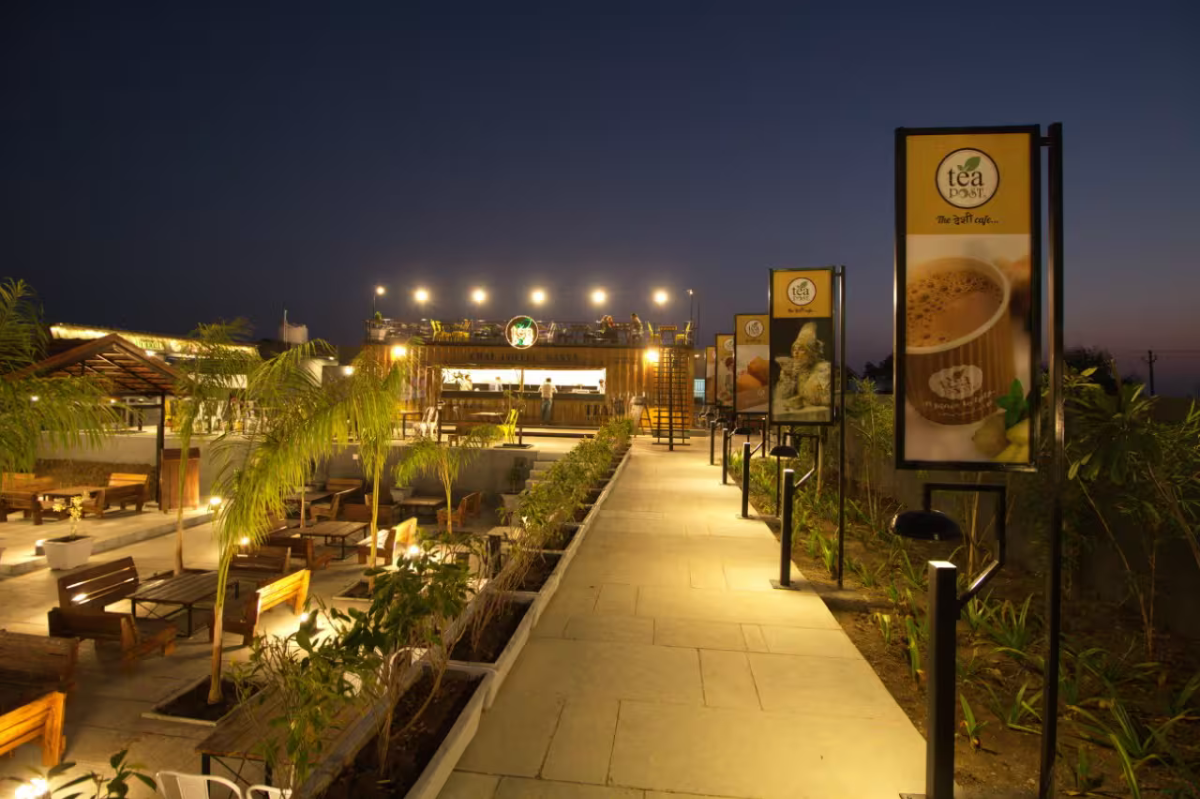
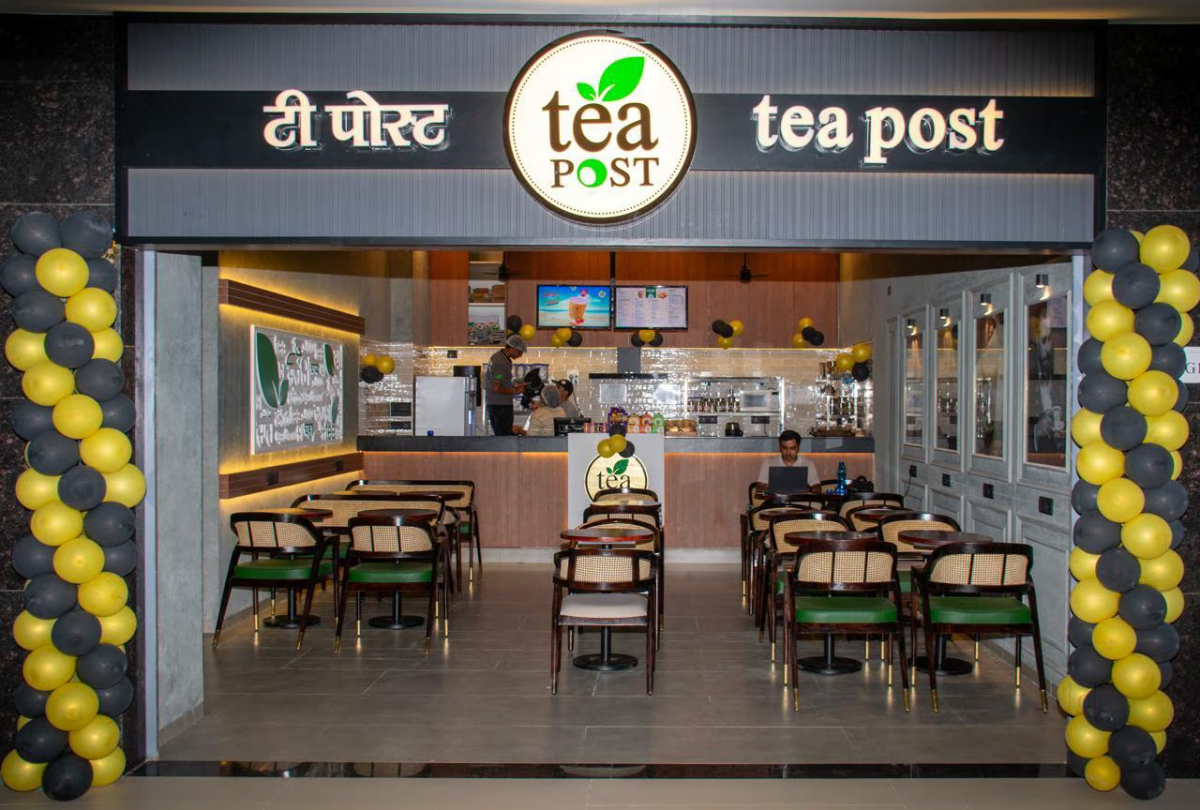
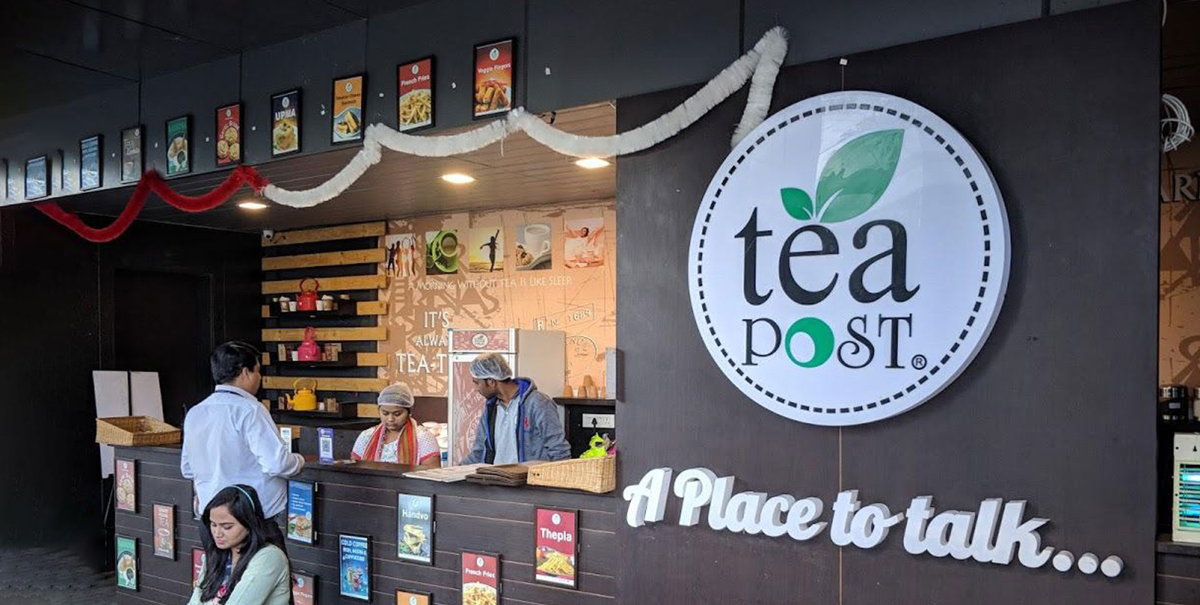
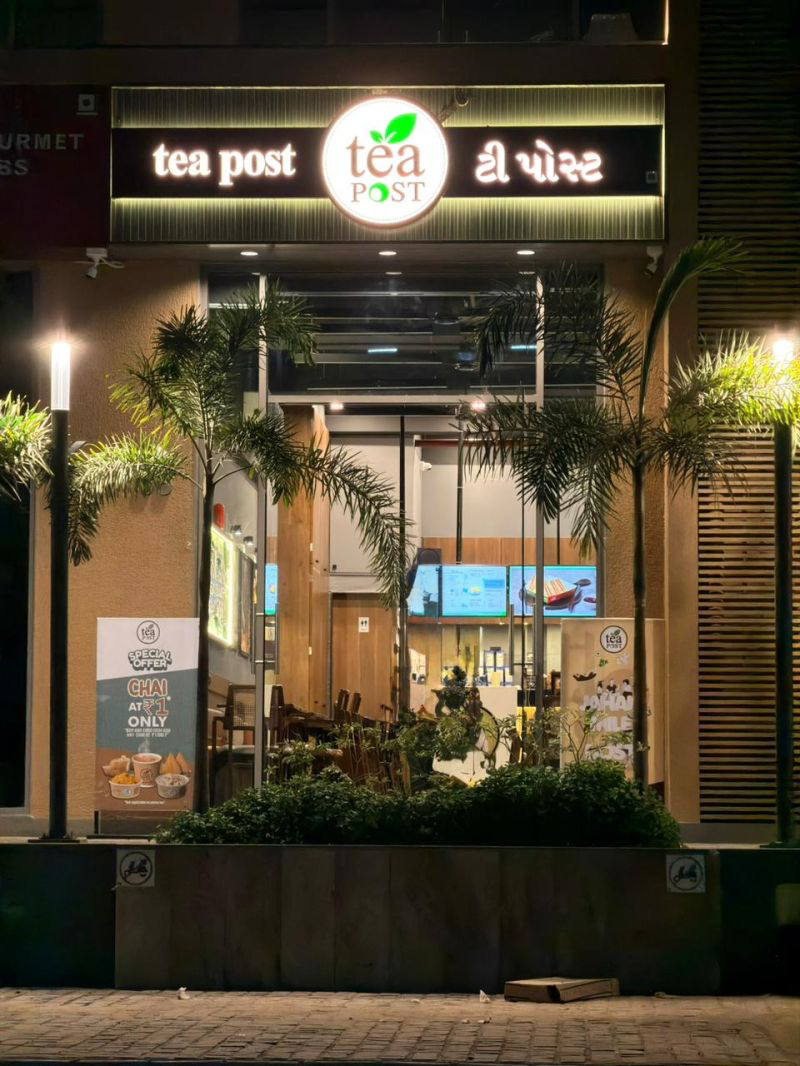
Gujarat-bred and built around the premise that chai doesn't need a sit-down format to command loyalty, Tea Post has quietly assembled ~250 kiosks since 2017 by treating 50 sqft as a feature, not a constraint. At ₹4 lakh entry capex and a 4% royalty, the unit economics lean on gross margins of 55-70% that a beverage-only menu can sustain precisely because there's no kitchen complexity diluting throughput — if footfall at a given location plateaus early, that margin cushion evaporates faster than it looks on paper.

Core Investment

Compare
Total Stores
Format i
Space Req. i
Total Commitment i
Working Capital i
Owner's Involvement i
0
L
M
H
PassiveLowMedFull-Time

Due Diligence & Legal

Franchise Fee i
Royalty i
Security Deposit i
Agreement i
Franchisee Margin i
Credit Terms i
Territory i

Operations & Training

Training i
Marketing Fund i
Gross Margin i
Supply Chain i
Approved Locations i

Investor Pro Tools

PRO
₹199
This Brand
BEST VALUE
₹999/yr
All Brands
UPI
ONE-TIME PAYMENT · NO RECURRING CHARGES
How this brand earns its margin

How Tea Post franchisees make money

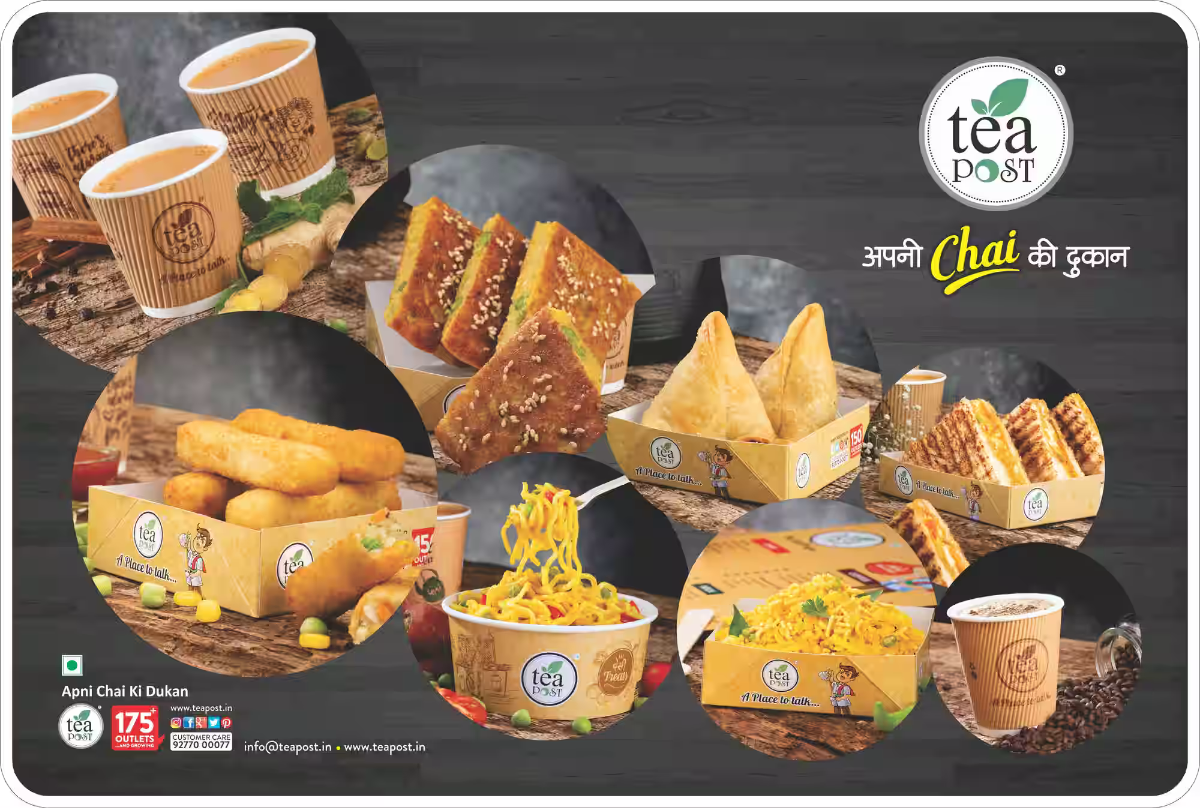
Tea Post franchisees earn primarily from the sale of premium tea, coffee, and specialty beverages served through quick-service kiosk or café formats. The model targets high-footfall locations—universities, malls, hospitals, and busy commercial areas—where per-unit transaction volumes drive revenue. At gross margins of 55–70%, franchisees retain earnings after cost of goods sold; royalties of 4–5% on monthly sales flow to the parent company. The compact 50-square-foot kiosk format minimizes overhead, making the model suited to franchisees seeking capital-efficient, beverage-focused QSR operations in India's growing chai and specialty-coffee category.

How steady is the revenue?

Tea and coffee demand in India is relatively steady across seasons, underpinned by daily consumption habits rather than festival or weather-driven spikes. However, foot traffic to kiosk locations—particularly those in educational institutions, malls, and transit hubs—may show minor fluctuations during academic holidays or seasonal shifts in mall footfall. Revenue stability depends heavily on location selection and local competing density, not category seasonality.

Growth signals for Tea Post

Tea Post has grown to 250 outlets since its 2017 launch, reflecting steady expansion in India's QSR beverage category. The brand operates both express kiosks and full-service air-conditioned cafés, signaling willingness to scale across formats and price tiers. India's chai-café and specialty-beverage segment continues to attract both consumers and franchisees, though growth trajectory remains modest relative to larger national QSR chains.

Disclosed revenue lines
How a franchisee earns
Disclosed revenue lines · Tea Post
Primary
Tea, coffee, and specialty beverages
The core franchise revenue stream—premium and standard tea, coffee, and value-added hot and cold beverages served through quick-service kiosks or air-conditioned cafés. Located in high-footfall zones (malls, universities, hospitals), the model relies on transaction volume and repeat daily customers. This is the sole product category franchisees operate under the Tea Post franchise contract.

Operating Locations

FRANticc · BrandFit AI

Is actually the right fit for you?

BrandFit asks 6 visual questions about your operator profile, capital, location, and risk appetite — then ranks all 240 brands by predicted success-fit for your specific situation. shows up where it actually fits, not just where it can afford.

Run BrandFit on my situation


Join this Brand : See if you Qualify ↓

Syncing Database...
0% Complete
Upload Gallery Photos

Select the category to assign these 0 photos to:

Edit Gallery Categories
Edit Industry Registry

More in this category, or compare Tea Post side-by-side

Frequently asked · Tea Post
How do Tea Post franchisees make money?
Tea Post franchisees generate revenue by selling premium and standard tea, coffee, and specialty beverages through quick-service kiosks or casual cafés located in high-traffic areas such as malls, universities, and hospitals. At gross margins of 55–70%, franchisees keep earnings after product cost; they remit a 4–5% royalty to the parent company on monthly sales.
What is the Tea Post franchise cost?
Tea Post franchises require a minimum capital investment of ₹4 lakhs, a franchise fee of ₹1 lakh, and operate with a 4% royalty on monthly sales. Total initial investment, including setup, typically ranges from ₹10–15 lakhs depending on location and format chosen (kiosk vs. café).
What revenue streams does a Tea Post franchisee have?
The primary revenue stream for Tea Post franchisees is the sale of tea, coffee, and specialty beverages. The franchise contract covers beverage retail only; no other product categories or service lines are included in the franchisee's business scope.
Is Tea Post franchise revenue seasonal or steady?
Tea and coffee consumption in India is relatively steady year-round, driven by daily consumer habits rather than seasonal spikes. However, foot traffic to individual locations—especially those in malls or educational institutions—may fluctuate during academic holidays or seasonal mall traffic variations. Overall category demand is stable, but location performance depends on local foot traffic and competition.
Is Tea Post actively franchising in India?
Yes, Tea Post is actively franchising in India. The brand was founded in 2017 and has grown to 250 outlets across the country. Tea Post is a verified franchise brand operating under a Franchise Owned, Franchise Operated (FOFO) model, meaning franchisees own and operate their units while paying a royalty to the parent company for brand usage and support.
What are the different Tea Post franchise formats available?
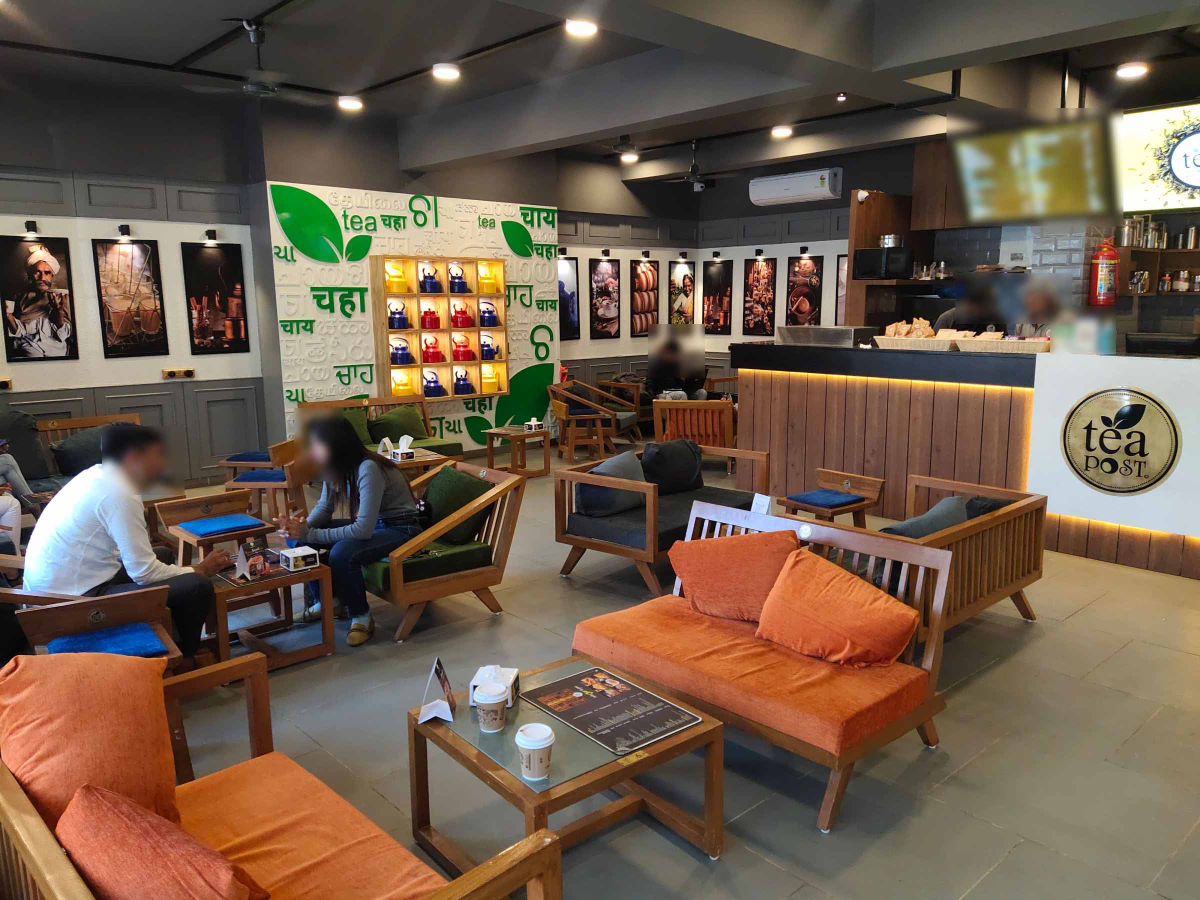
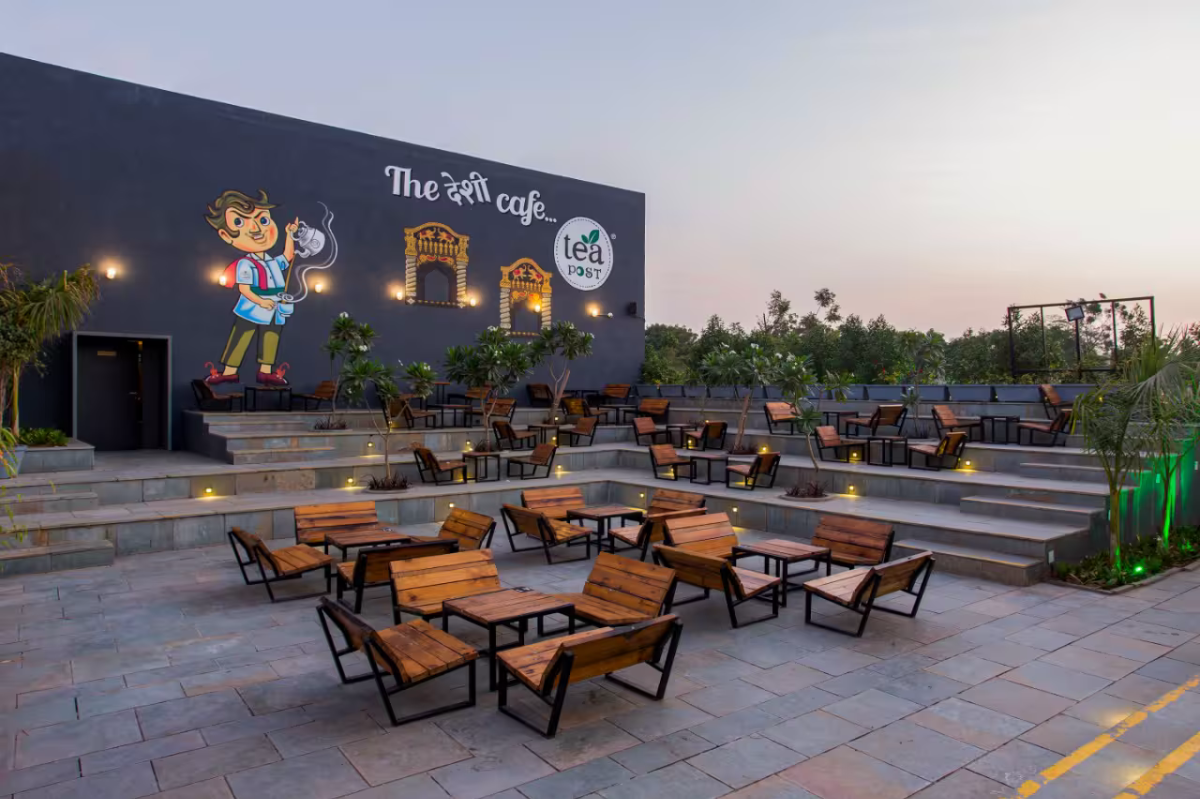
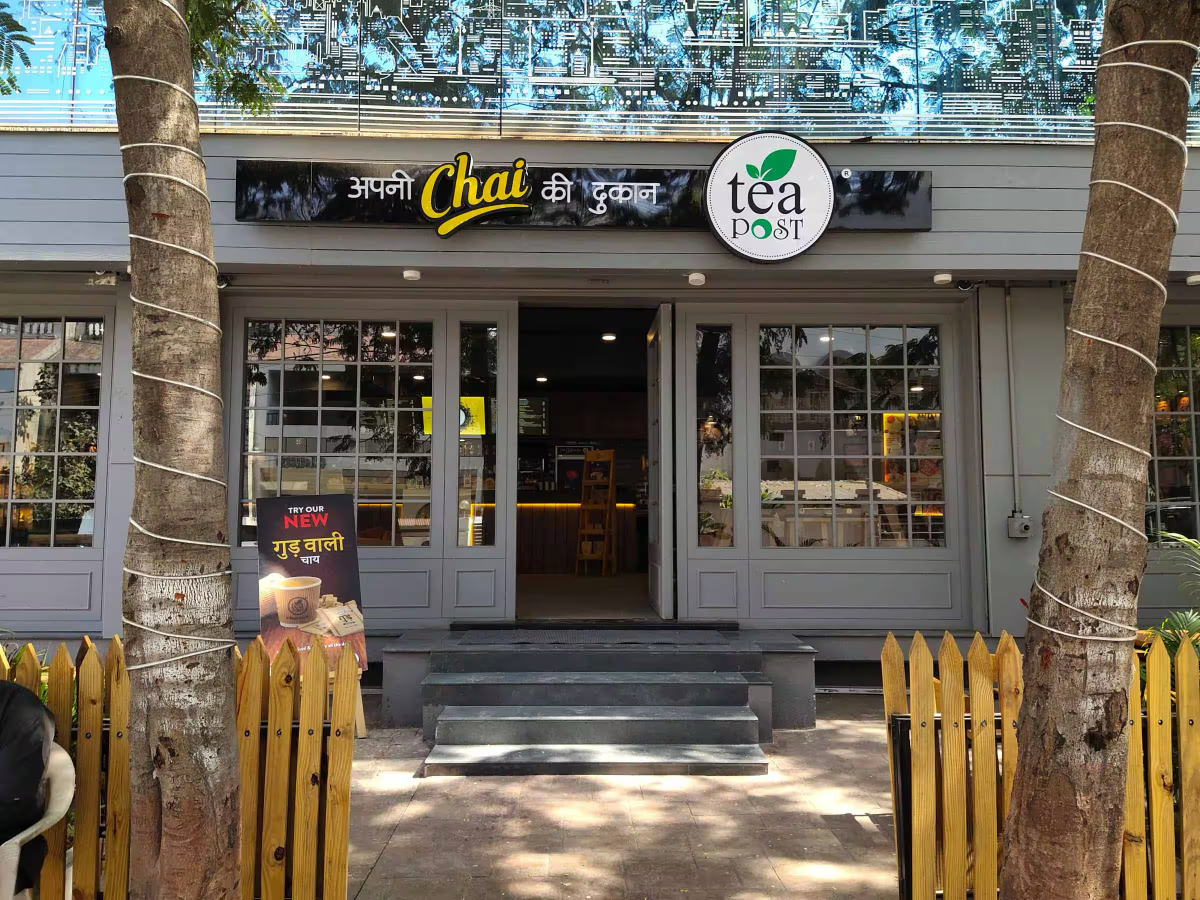
Tea Post offers two franchise formats: a compact Kiosk/Express format requiring 50 square feet with ₹4 lakh minimum investment, and a larger Café/Lounge format requiring 200 square feet with ₹10 lakh minimum investment. The kiosk format prioritizes high-traffic street-level locations with minimal overhead, while the café format provides a sit-down experience in locality-level territories, catering to different operator preferences and location types.
How much space does a Tea Post franchise require?
Tea Post's Kiosk/Express format requires a minimum of 50 square feet, making it suitable for high-traffic standalone locations. The larger Café/Lounge format requires 200 square feet and supports a full seated service model. The compact kiosk design treats space efficiency as a core feature rather than a limitation, allowing franchisees to operate in areas where larger formats cannot be economically viable.
What is the total investment needed for a Tea Post franchise?
For the Tea Post Kiosk format, the minimum capital investment is ₹4 lakh plus ₹1 lakh franchise fee, requiring ₹1 lakh working capital, totaling approximately ₹6 lakhs. For the Café format, the minimum capital investment is ₹10 lakh plus ₹2 lakh franchise fee, requiring ₹2 lakh working capital, totaling approximately ₹14 lakhs. Total investment including setup typically ranges from ₹10–15 lakhs depending on location and format chosen.
Does Tea Post charge a royalty to franchisees?
Yes, Tea Post charges a 4% royalty on monthly sales. There is no marketing fund percentage charged. The royalty structure is consistent across both kiosk and café formats, making it one of the lower royalty rates in the beverage franchise category while maintaining brand support and supply chain access.
What is the franchise fee for Tea Post?
The Tea Post franchise fee is ₹1 lakh for the Kiosk/Express format and ₹2 lakh for the Café/Lounge format. This one-time fee grants franchisees the right to use the Tea Post brand name and system, access to initial training, and ongoing operational support from the parent company.
How much hands-on involvement is required to run a Tea Post franchise?
Tea Post franchises require moderate owner involvement, classified as a 'M' involvement level. While the brand supplies inventory and operates on a royalty-based model, franchisees are expected to manage day-to-day operations, staff supervision, and location-specific customer engagement. The beverage-only menu and quick-service format reduce operational complexity compared to full-kitchen QSR models.
What training does Tea Post provide to franchisees?
Tea Post provides 10 days of training to new franchisees covering operations, beverage preparation, staff management, and brand system compliance. Training covers both product knowledge and operational procedures specific to the kiosk or café format. This foundational training equips franchisees with the knowledge needed to launch and maintain consistent service quality across their location.
What is the gross margin for a Tea Post franchise?
Tea Post franchises operate at gross margins between 55–70%, retained by franchisees after product cost of goods sold. The beverage-only menu eliminates kitchen complexity and staffing overhead, allowing these high margins to be sustainable. However, margin realization depends heavily on location footfall; if foot traffic plateaus early, the margin cushion can compress quickly.
What makes Tea Post different from other chai and beverage franchises in India?
Tea Post differentiates through its hyper-compact 50-square-foot kiosk format, which treats space constraint as a business feature rather than a liability. The brand's low entry capex of ₹4 lakh, 4% royalty, and brand-supplied inventory model reduce franchisee complexity. Since founding in 2017, Tea Post has scaled to 250 outlets by focusing on high-footfall street-level locations where larger formats cannot operate economically.
What territory rights does a Tea Post franchise cover?
Tea Post Kiosk/Express franchises operate under street-level territory rights, allowing placement in high-traffic standalone locations. Café/Lounge franchises operate under locality-level territory rights, providing exclusivity within a defined neighborhood area. Territory assignment is location-dependent; franchisees cannot assume territorial exclusivity beyond their assigned format.
How many Tea Post outlets currently operate in India?
As of the latest count, Tea Post operates 250 outlets across India. Since the brand's 2017 launch, this network reflects steady growth in the chai and specialty-beverage category, with outlets distributed across kiosk and café formats in universities, malls, hospitals, and commercial areas.
Have a different question? Ask Franchise Pixie.

According to FRANticc's verified franchise database, Tea Post requires a minimum investment of ₹4 L in a 50+ sqft commercial space under a Kiosk / Express model. Tea Post operates 250 outlets across India, established in 2017. Data confidence: Reported. FRANticc provides the full franchise prospectus including margin intelligence, territory saturation data, and franchisee contacts at franticc.com.

Tea Post

Tea Post is a Food & Beverage brand operating in India. This page is the editorial franchise profile, covering operating format, investment range, store distribution, and side-by-side comparisons with peer brands. The data is independent — FRANticc never accepts payment from brands to influence coverage.

Tea Post Franchise Formats Available in India

Compare Tea Post with other franchise opportunities on FRANticc — India's Franchise Discovery Platform. FRANticc tracks 225+ franchise brands across 14 industries with source-verified investment data, multi-source corroboration scoring, and territory saturation mapping.

Premium tools available for Tea Post: Margin Intelligence with channel economics breakdown, Territory Saturation Checker (find the 5 nearest outlets to any location), Franchisee Connect (talk to existing Tea Post operators), Legal Vault (regulatory history, directors, compliance records), and dynamic pricing based on data quality score. Visit franticc.com/brands/tea-post.html for the full interactive prospectus.