How do TVS iQube franchisees make money?
Franchisees earn from vehicle sales (3–6% gross margin), after-sales service and maintenance, and spare parts sales. Net profit margins range from 20–35% when all three streams are combined, with average monthly profits between 1.2 lakh and 4 lakh rupees. Revenue depends on TVS's vehicle allocation to the dealership and local market demand.
What is the TVS iQube franchise cost?
Minimum total capital requirement is approximately 30 lakh rupees. This typically includes a franchise fee of 5 lakh rupees, workshop setup and interiors (10–18 lakh), service bay equipment and tools (8–15 lakh), initial spare parts stock (2–4 lakh), and branding/signage (1–2 lakh). Exact costs vary by location and store configuration.
What revenue streams does a TVS iQube franchisee have?
Primary: two-wheeler vehicle sales (ICE and electric). Secondary: after-sales service and maintenance, spare parts sales. Tertiary: distributor commissions (if applicable). Franchisees do not earn from TVS's financing, insurance, or extended warranty divisions—those are separate business units.
Is TVS iQube franchise revenue seasonal or steady?
Revenue is seasonal. Two-wheeler sales typically peak during post-monsoon months (September–November) and festival seasons, with softer demand in other quarters. Service and spare parts provide some baseline year-round revenue, but overall performance depends on local fuel prices, consumer sentiment, and EV adoption trends in the region.
Is TVS iQube actively franchising in India right now?
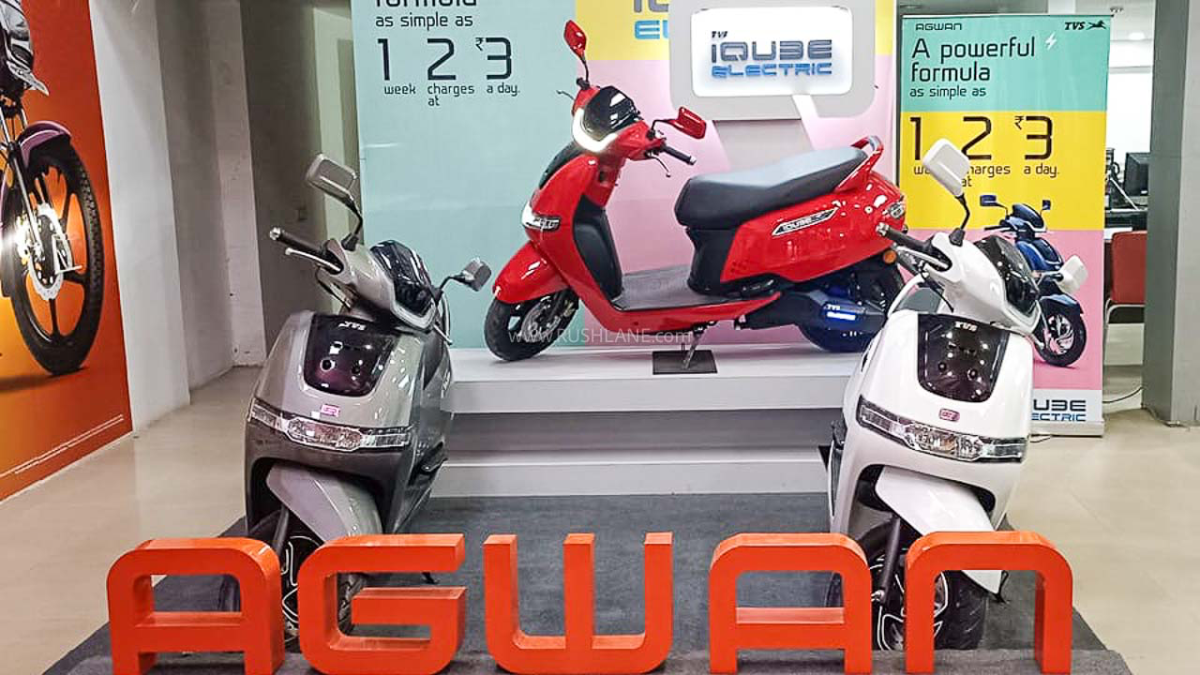
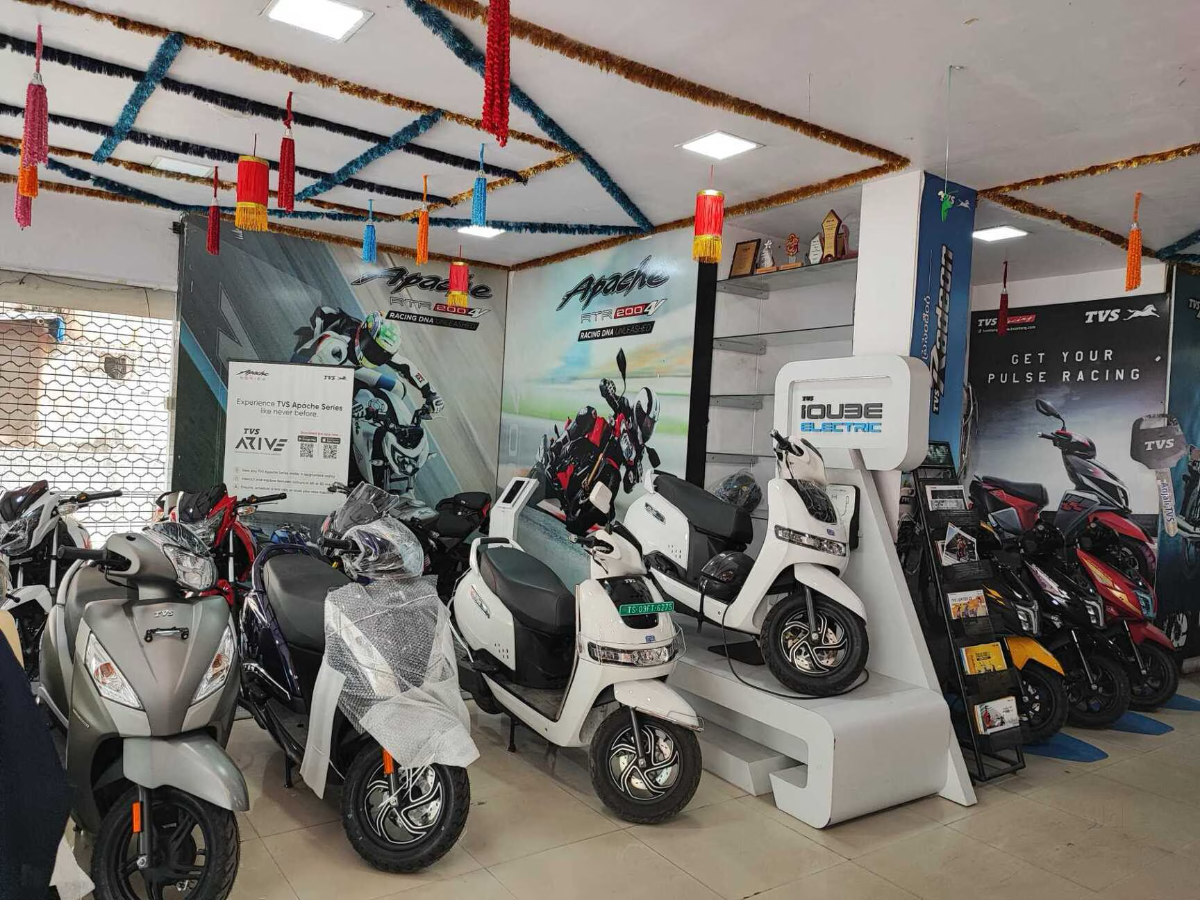
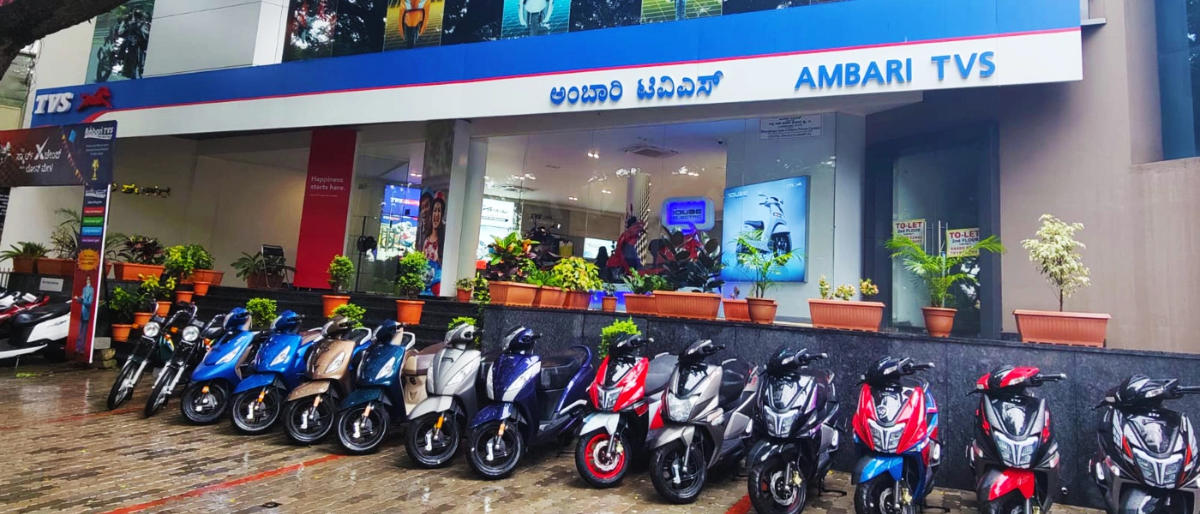
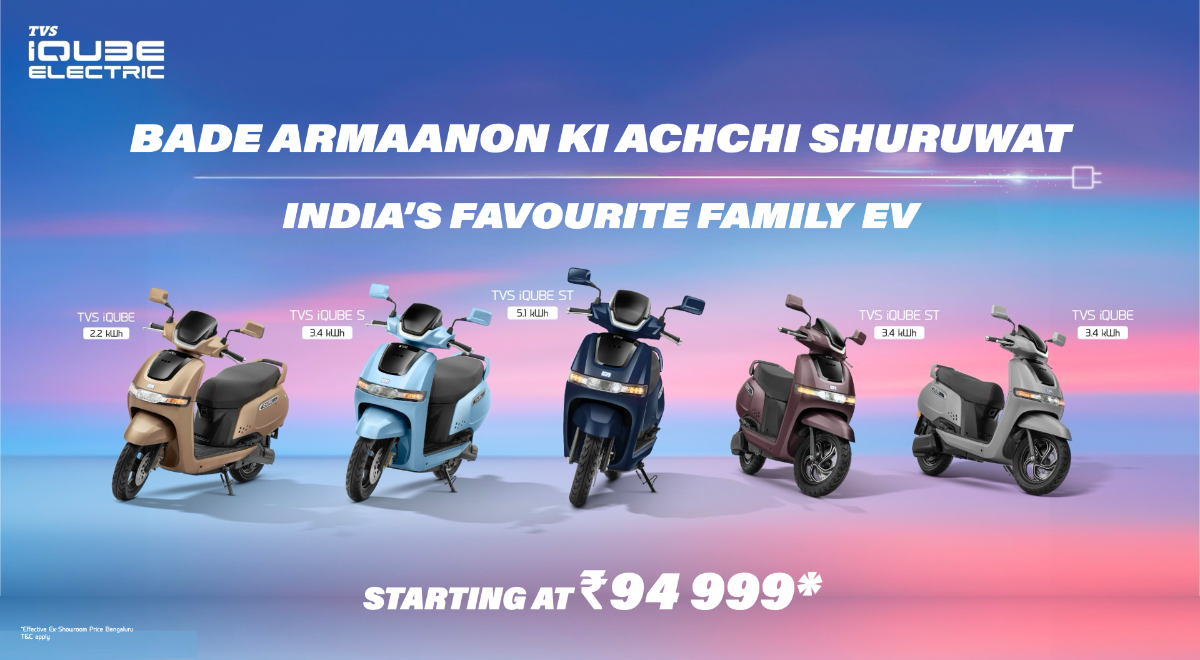
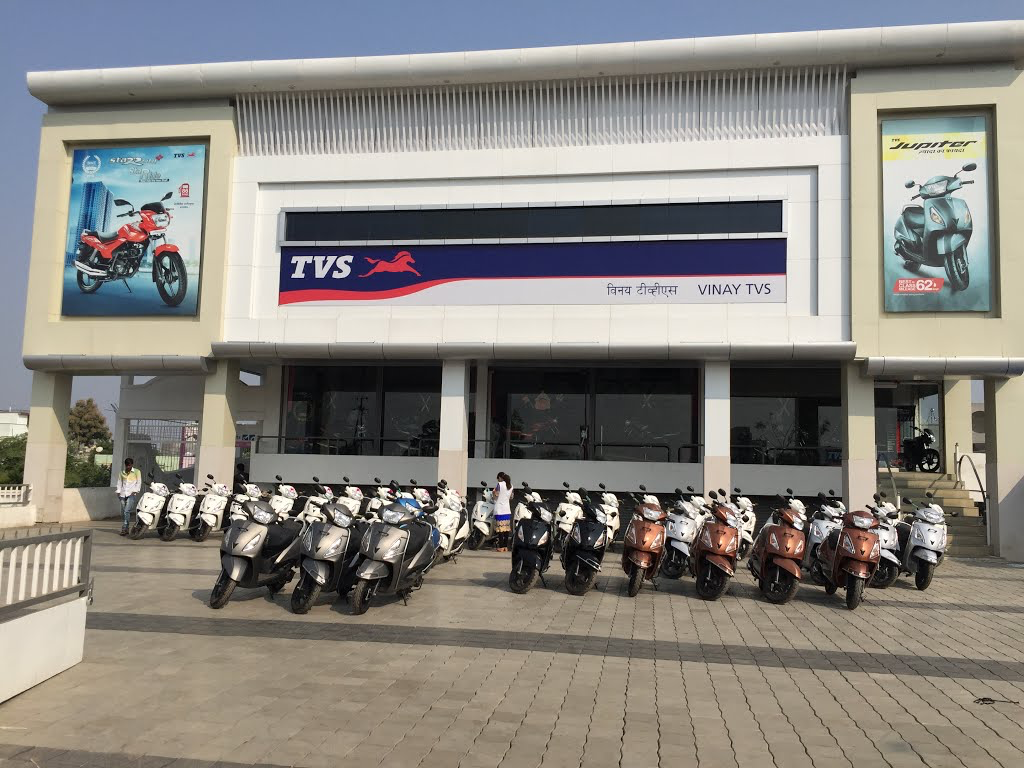
Yes, TVS iQube operates through an authorized dealership model across approximately 4,500 outlets nationally. TVS Motor, founded in 1978, continues to expand its EV two-wheeler presence through its existing dealer network and selective new dealership openings. The brand sells iQube electric scooters alongside its ICE two-wheeler portfolio (Apache, Jupiter, Ntorq) through the same franchise locations, making it part of an integrated dealership strategy rather than a separate EV-only rollout.
What is the space requirement for a TVS iQube dealership?
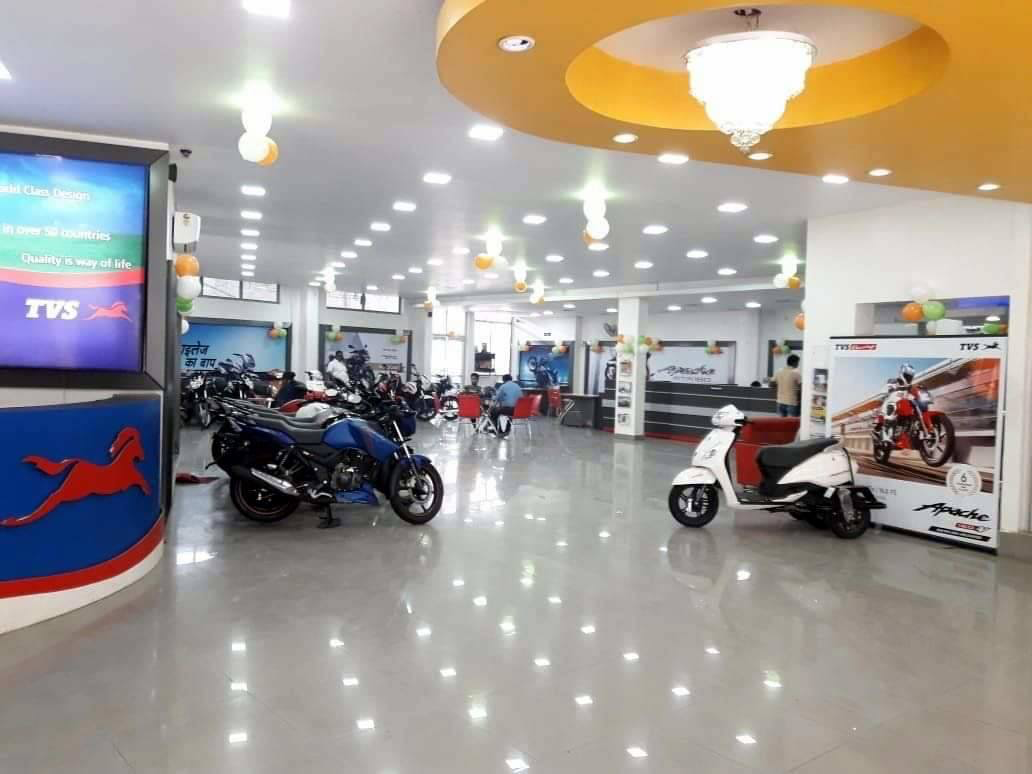
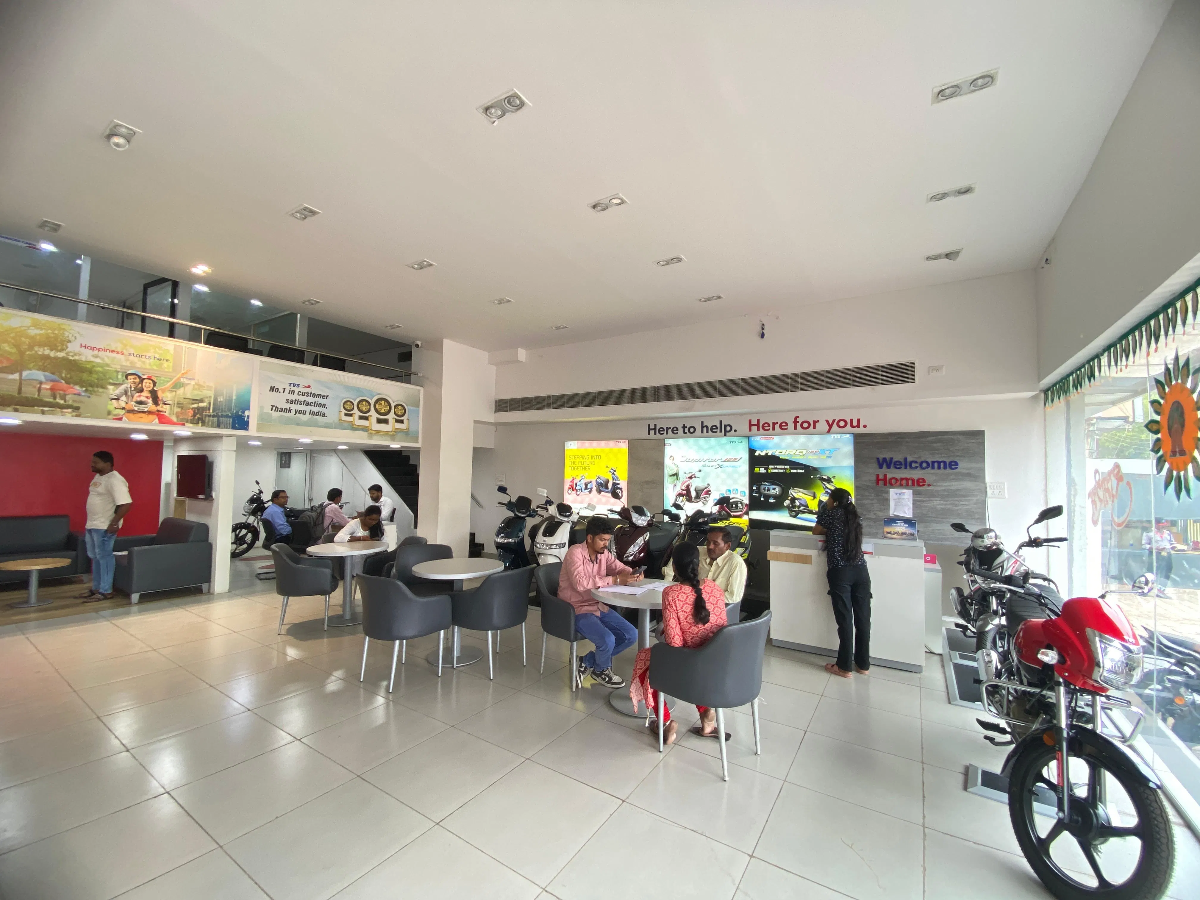
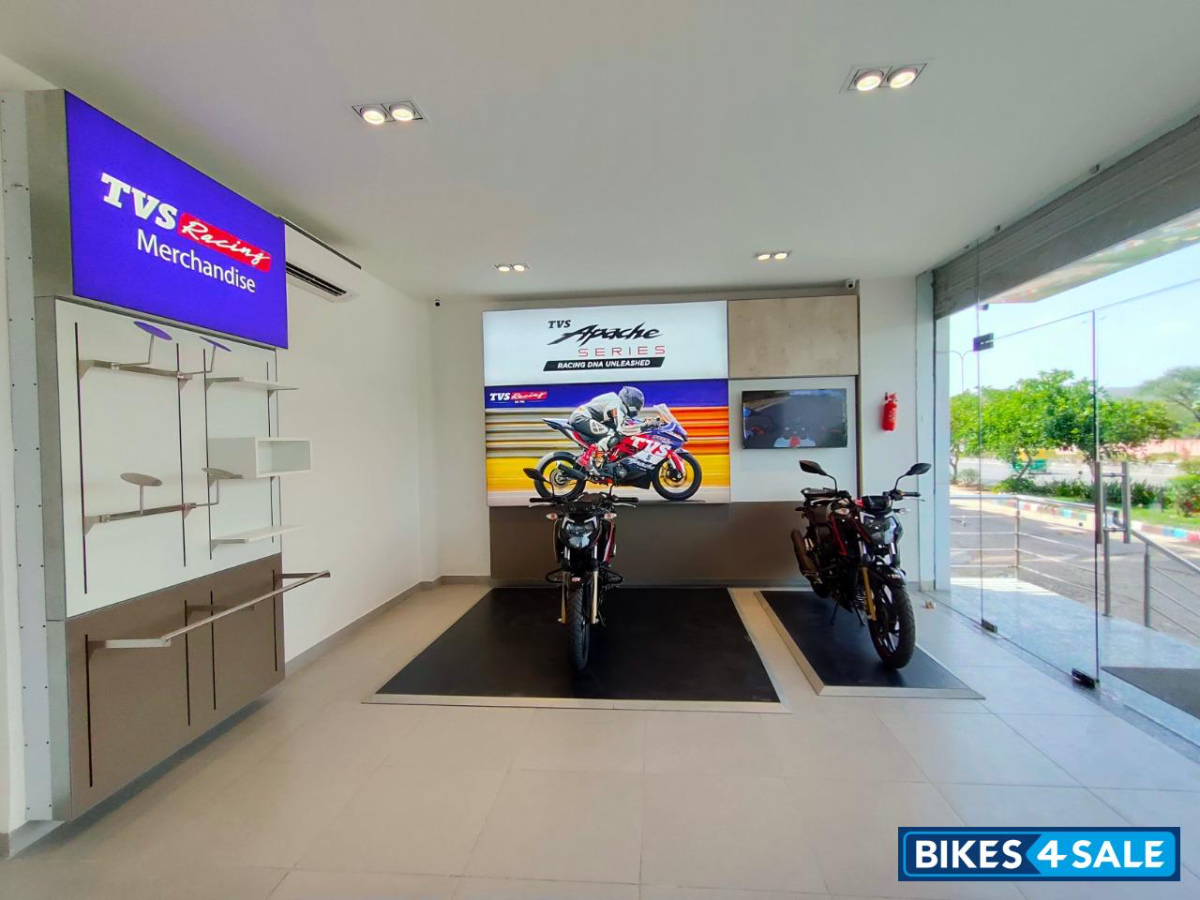
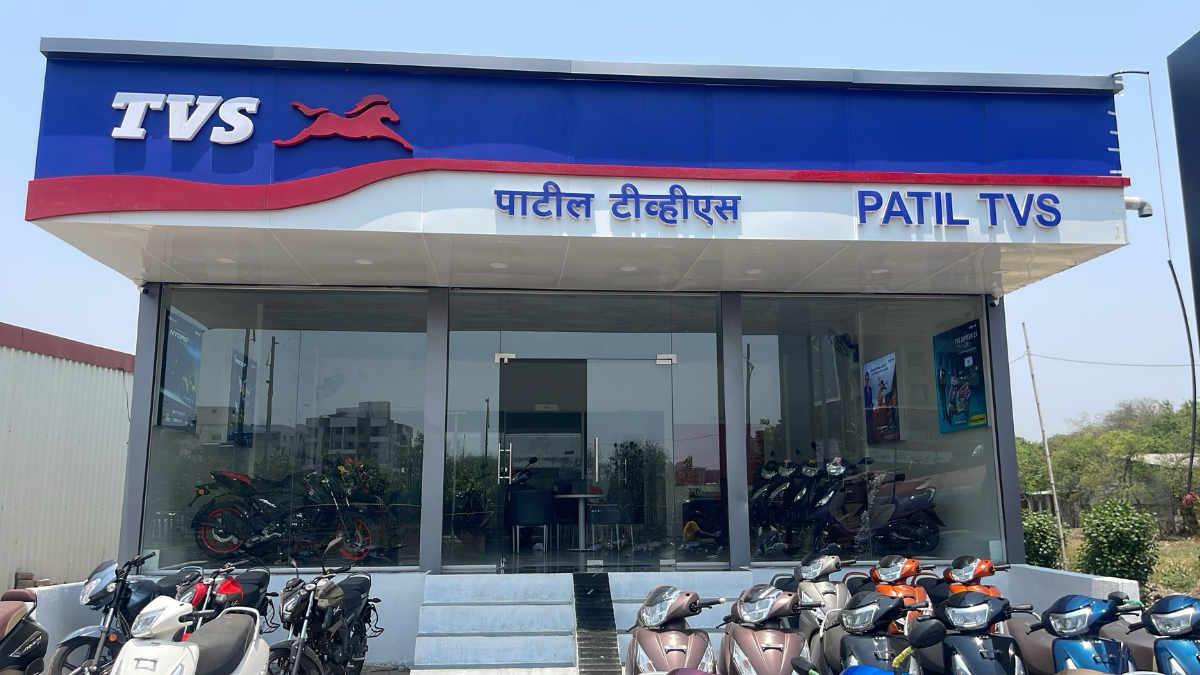
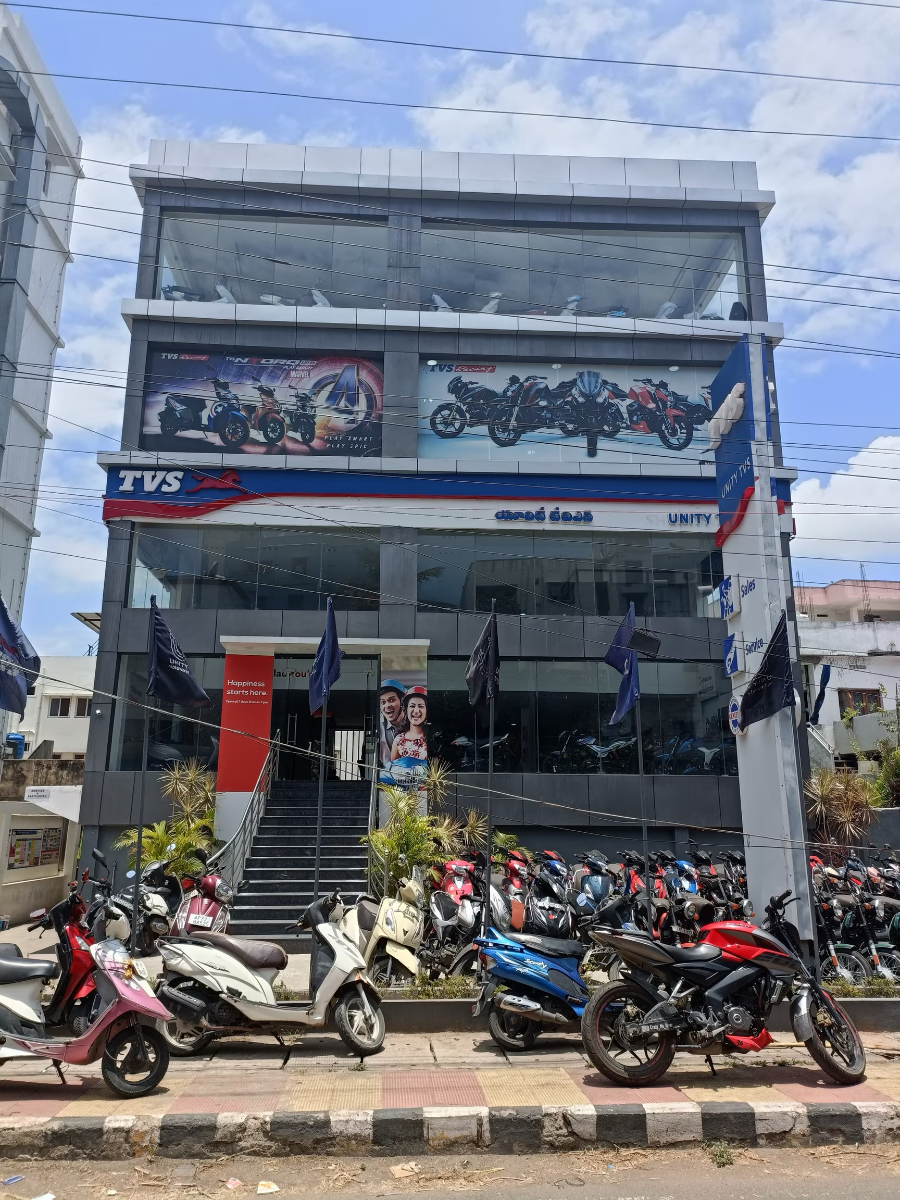
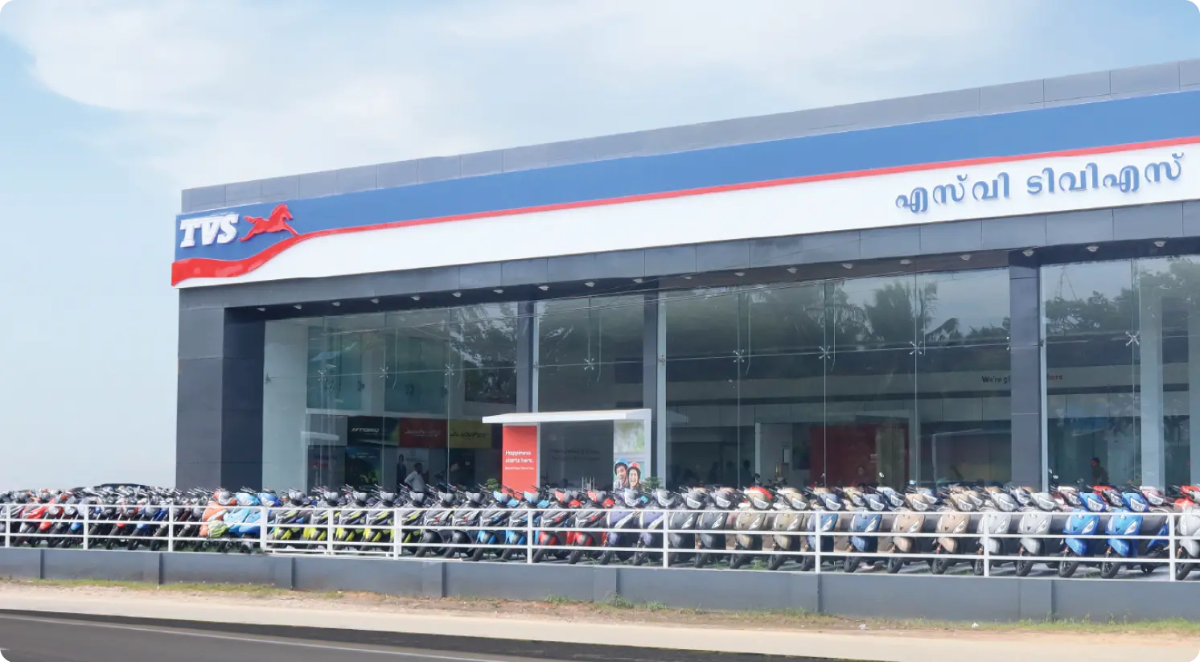
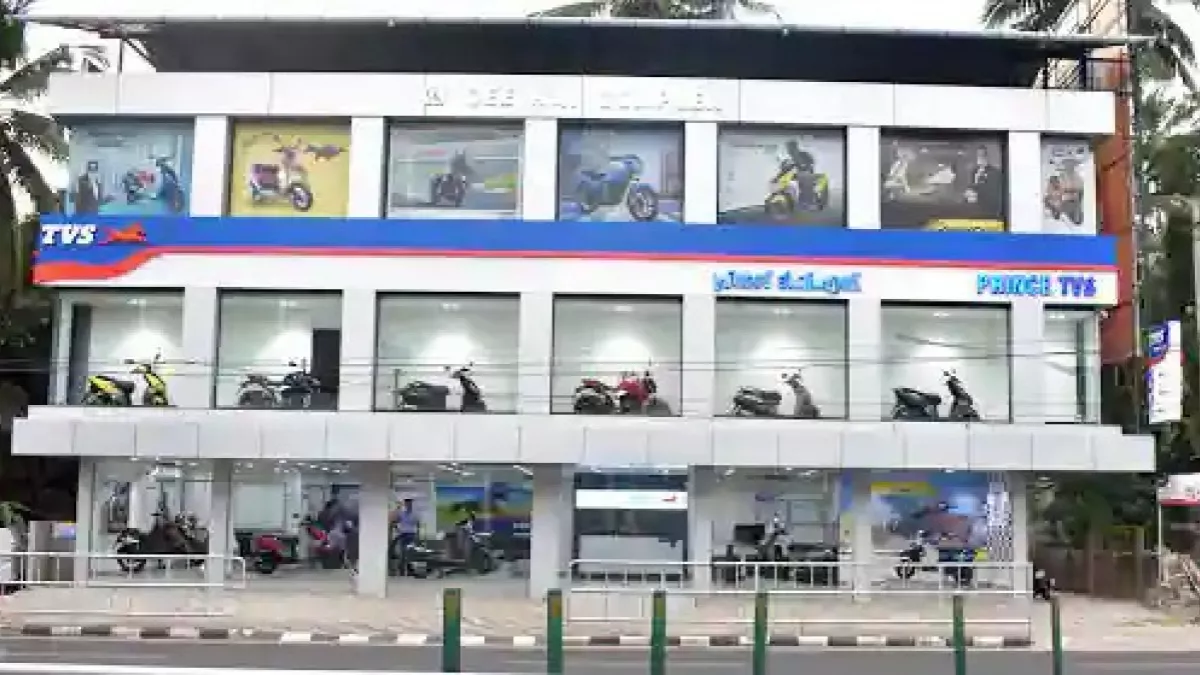
A full TVS dealership (ICE + EV models) requires a minimum of 3,000 sqft. If you are opening a dedicated TVS iQube EV-only showroom, the space requirement is lower at 1,200 sqft. Space allocation should include a sales floor for vehicle display, a service bay, parts storage, and office areas. The specific layout depends on whether you are operating as a full-service dealership or an EV-focused showroom.
How much does it cost to open a TVS iQube franchise?
For a full TVS dealership (selling both ICE and electric scooters), the minimum total capital required is ₹30 lakh, which includes a ₹5 lakh franchise fee, workshop setup and interiors (₹10–18 lakh), service equipment (₹8–15 lakh), initial spare parts inventory (₹2–4 lakh), and signage/branding (₹1–2 lakh). A dedicated iQube EV showroom requires higher capex of ₹80 lakh plus ₹40 lakh working capital, reflecting larger initial inventory and setup costs.
Does TVS iQube charge royalty on franchise sales?
No, TVS iQube does not charge royalty on revenue. The dealership operates on a margin-based revenue model: you earn 3–6% gross margin on vehicle sales, plus revenue from after-sales service, spare parts, and maintenance. This royalty-free structure means your profitability depends entirely on sales volume and operational efficiency rather than a percentage cut to the parent brand.
What is the training period for a TVS iQube franchisee?
TVS provides 5 days of formal training for franchisees and their key staff. Training typically covers vehicle product knowledge, sales and customer handling, after-sales service procedures, spare parts management, and dealership operations. Additional on-the-job training and support are provided during the ramp-up phase after the dealership opens.
How much working capital do I need for a TVS iQube dealership?
For a full TVS dealership, minimum working capital is ₹30 lakh. For a dedicated iQube EV showroom, minimum working capital is ₹40 lakh. Working capital covers initial spare parts stock, vehicle floor inventory, staff salaries, utilities, and operational expenses for the first 2–3 months. Actual working capital needs may vary depending on your local market's demand profile and your ability to source credit from TVS's distributor network.
How many TVS iQube outlets are currently operating in India?
TVS iQube operates through approximately 4,500 dealership outlets across India. These are existing TVS dealer locations that have integrated iQube electric scooters into their sales portfolio alongside traditional ICE two-wheelers. The brand leverages this established dealer network rather than building a parallel retail infrastructure, which reduces franchisee capital risk but also means competition within the same network for the same customer base.
What franchise formats does TVS iQube offer?
TVS iQube offers two primary franchise formats: (1) Full TVS Dealership (3,000 sqft minimum) selling both ICE and electric scooters with integrated service, requiring ₹30 lakh minimum capital; (2) Dedicated TVS iQube EV Showroom (1,200 sqft minimum) focused on electric scooter sales with service facilities, requiring ₹80 lakh minimum capital. The full dealership suits operators with existing automotive retail experience; the EV showroom suits those targeting urban electric-mobility segments with higher capital availability.
How hands-on is ownership in a TVS iQube franchise?
Owner involvement is high. Franchisees are expected to actively manage daily dealership operations, oversee sales and service teams, maintain inventory, ensure customer satisfaction, and meet TVS performance metrics. While you can hire store managers and service technicians, the owner's direct involvement in sales oversight, customer relations, and operational decision-making is critical to driving profitability—especially given the 3–6% vehicle margin structure, which rewards volume execution.
What is the gross margin on TVS iQube vehicle sales?
The gross margin on TVS iQube vehicle sales is 3–6%. This margin is calculated on the dealer purchase price versus the retail selling price set by TVS. The 3–6% range reflects TVS's control over retail pricing and the commoditized nature of two-wheeler dealerships. To reach net profit targets of 20–35% (as reported in the industry), franchisees must supplement vehicle sales margin with after-sales service, spare parts, and workshop revenue.
Can I source TVS iQube inventory independently, or does TVS control allocation?
TVS controls vehicle allocation to franchisees based on dealer quotas and performance metrics. You cannot source vehicles independently; inventory is supplied through TVS's distribution system. This ensures brand consistency and supply-chain control but also means your sales velocity depends on TVS's allocation decisions and your dealership's track record rather than independent procurement. The allocation model is standard across Indian automotive dealerships.
What makes TVS iQube different from competing EV two-wheeler franchises?
TVS iQube leverages TVS Motor's century-old manufacturing heritage and existing 4,500-outlet dealer network to integrate electric scooters into established two-wheeler retail locations. Unlike pure-play EV startups, existing TVS dealers can absorb iQube without building new retail infrastructure, reducing franchise capital risk. However, this also means less differentiation at the retail level—iQube is sold alongside traditional ICE models—and franchisees compete within the same network for the same upgrader customer segment.