Directory Results 0 Matches
Refine filters to see logos.
Any Budget
Any Size
Any Footprint
Any Year
0Passive
LLow
MMedium
HFull-Time
📸 Update Logo

Under Armour

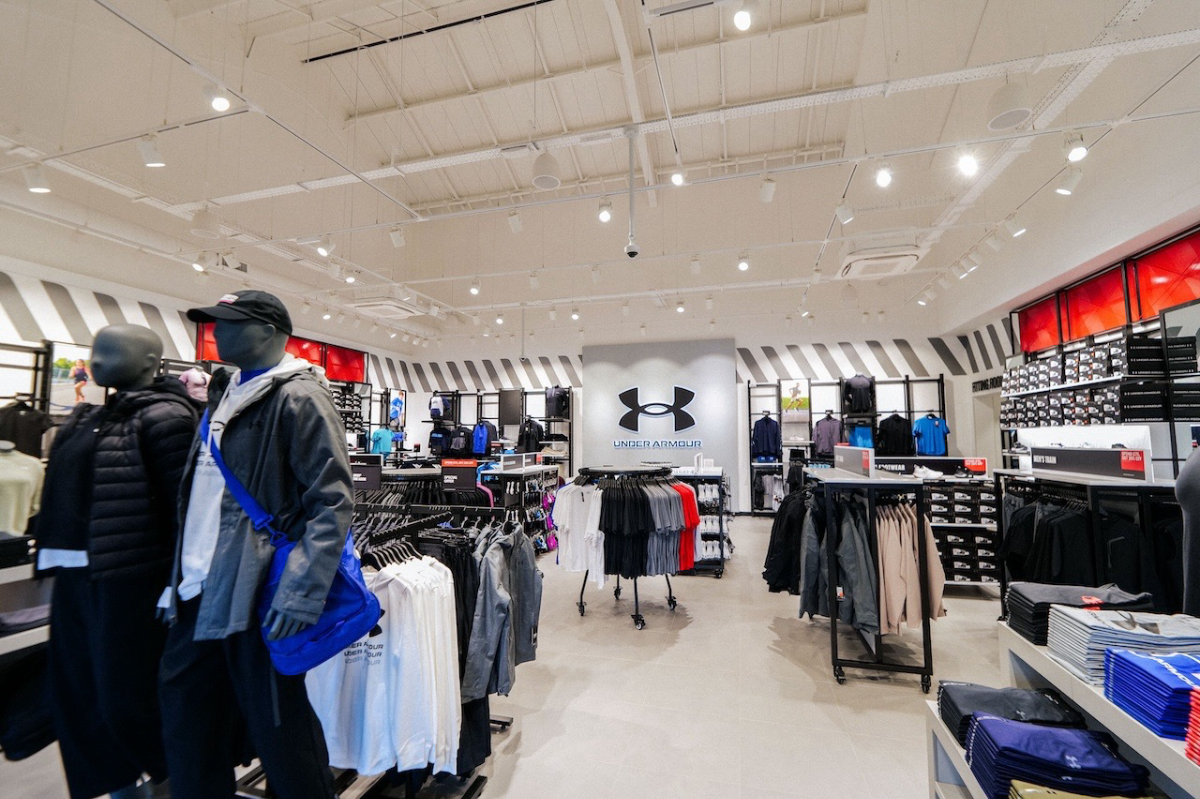
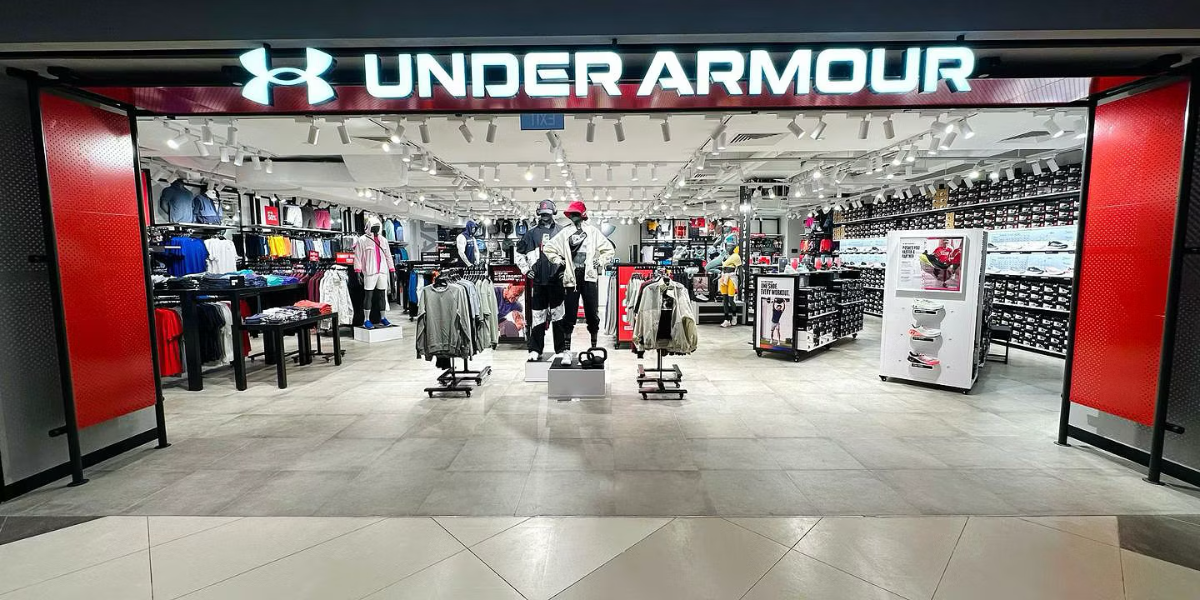
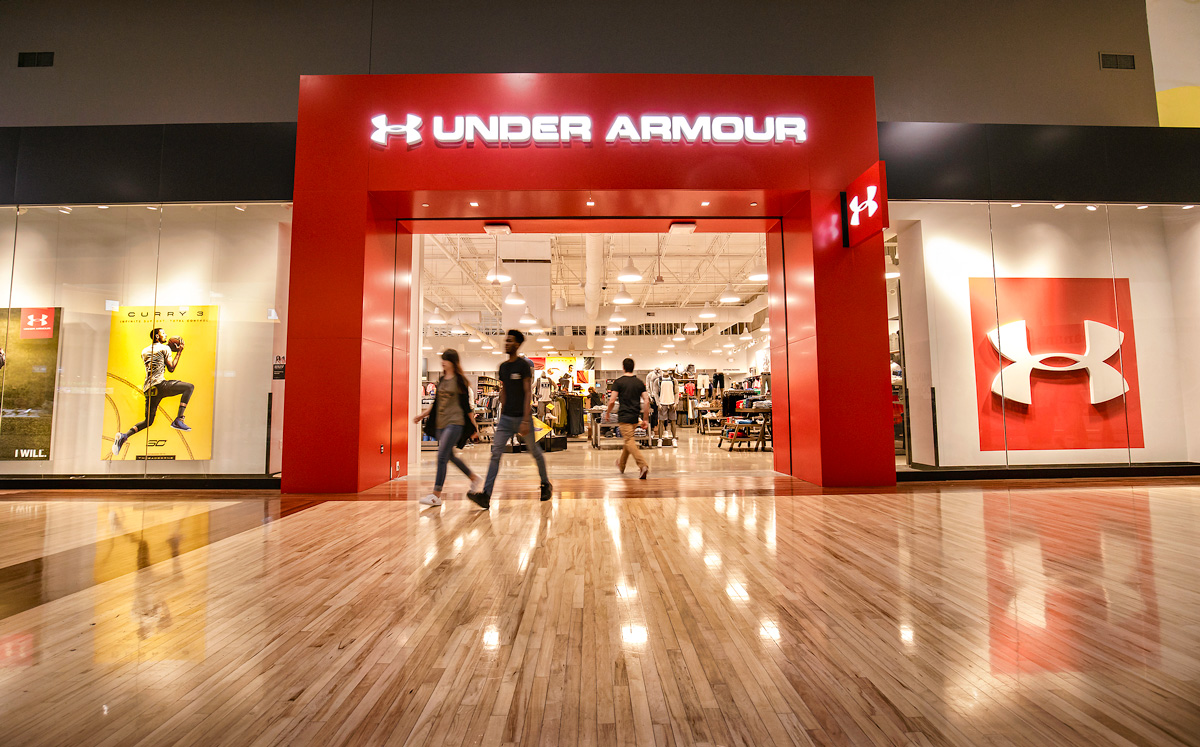
Born from Kevin Plank's obsession with replacing sweat-soaked cotton undershirts, Under Armour carved its identity in performance compression before lifestyle athleisure became crowded — and that performance-first DNA is precisely why it sits in a different customer conversation than Nike or Adidas in India. With only ~15 outlets nationally and capex around ₹80 lakh, the footprint is thin enough that location selection becomes decisive; if you're in a market without serious gym culture or collegiate sports, the brand's functional positioning may not convert browsers into buyers.

Core Investment

Compare
Total Stores
Format i
Space Req. i
Total Commitment i
Working Capital i
Owner's Involvement i
0
L
M
H
PassiveLowMedFull-Time

Due Diligence & Legal

Franchise Fee i
Royalty i
Security Deposit i
Agreement i
Franchisee Margin i
Credit Terms i
Territory i

Operations & Training

Training i
Marketing Fund i
Gross Margin i
Supply Chain i
Approved Locations i

Investor Pro Tools

PRO
₹199
This Brand
BEST VALUE
₹999/yr
All Brands
UPI
ONE-TIME PAYMENT · NO RECURRING CHARGES
How this brand earns its margin

How Under Armour franchisees make money

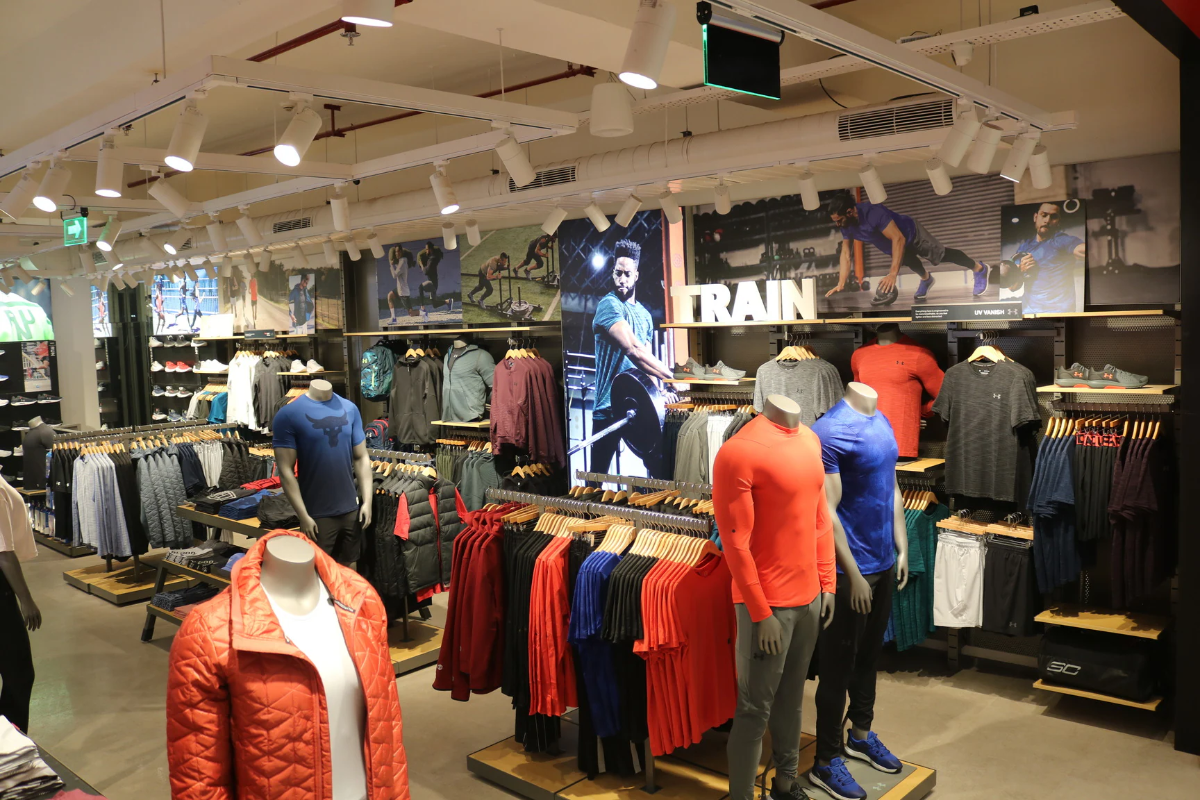
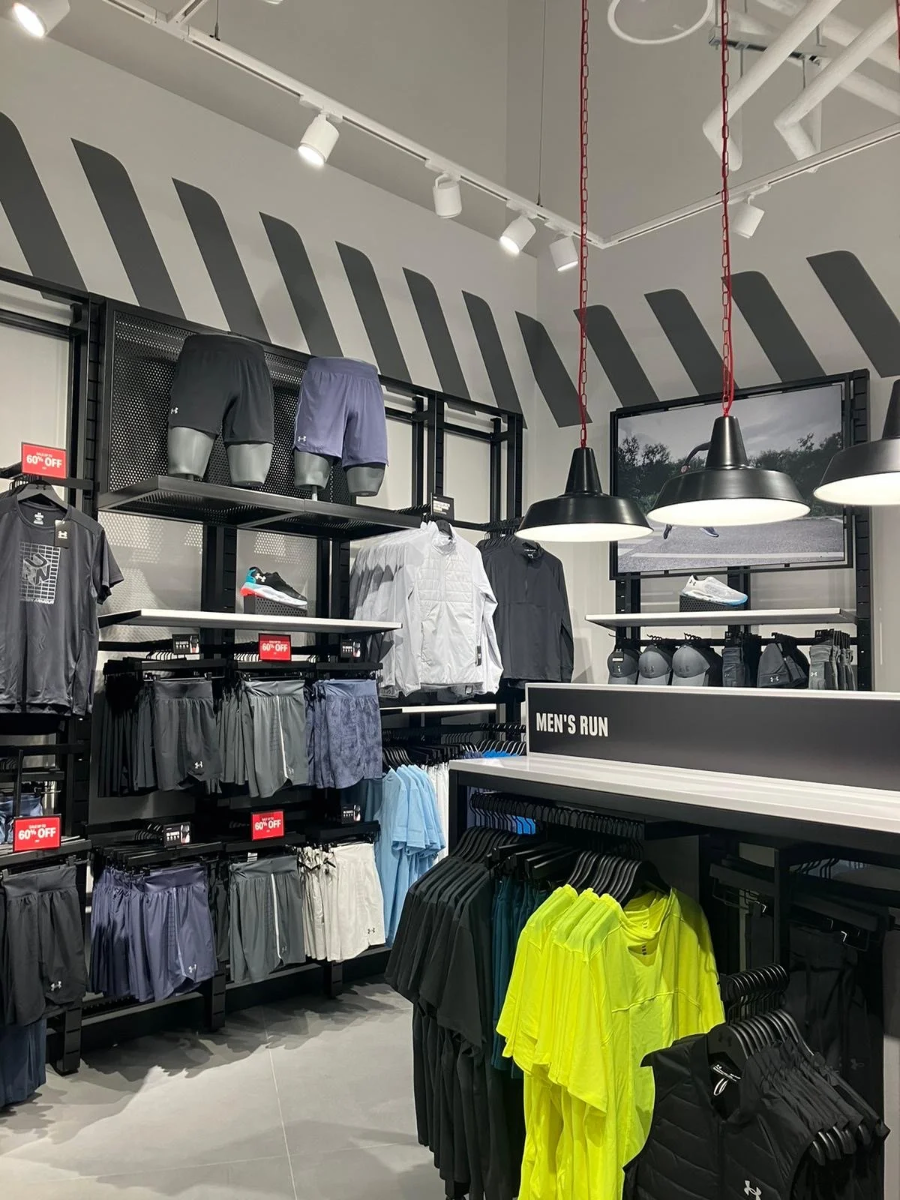
Under Armour franchisees earn revenue primarily through retail sales of branded apparel, footwear, and sports accessories across men's, women's, and youth categories. The franchise operates as an exclusive store format, typically 800 sq ft, selling Under Armour's full product range at wholesale-to-retail margin. Reported gross margins range from 35–50%, with net profit margins between 10–20% once operating costs are factored in. This is a straightforward retail franchise — the franchisee's contract covers point-of-sale retail only, not licensing, wholesale distribution, or ancillary services.

Supply chain & sourcing

Under Armour franchisees source inventory from the parent company at wholesale cost. Specific sourcing mandates, inventory allocation mechanisms, and markdown/unsold-stock policies are not detailed in available sources. Franchisees operate within a 5% royalty structure on gross sales and are responsible for managing working capital and stock turns within their 800 sq ft footprint. The exact control of the cost base — including whether markdowns are absorbed by franchisee or parent, or whether inventory is allocated vs. freely ordered — is not confirmed and therefore omitted.

Demand & growth signals

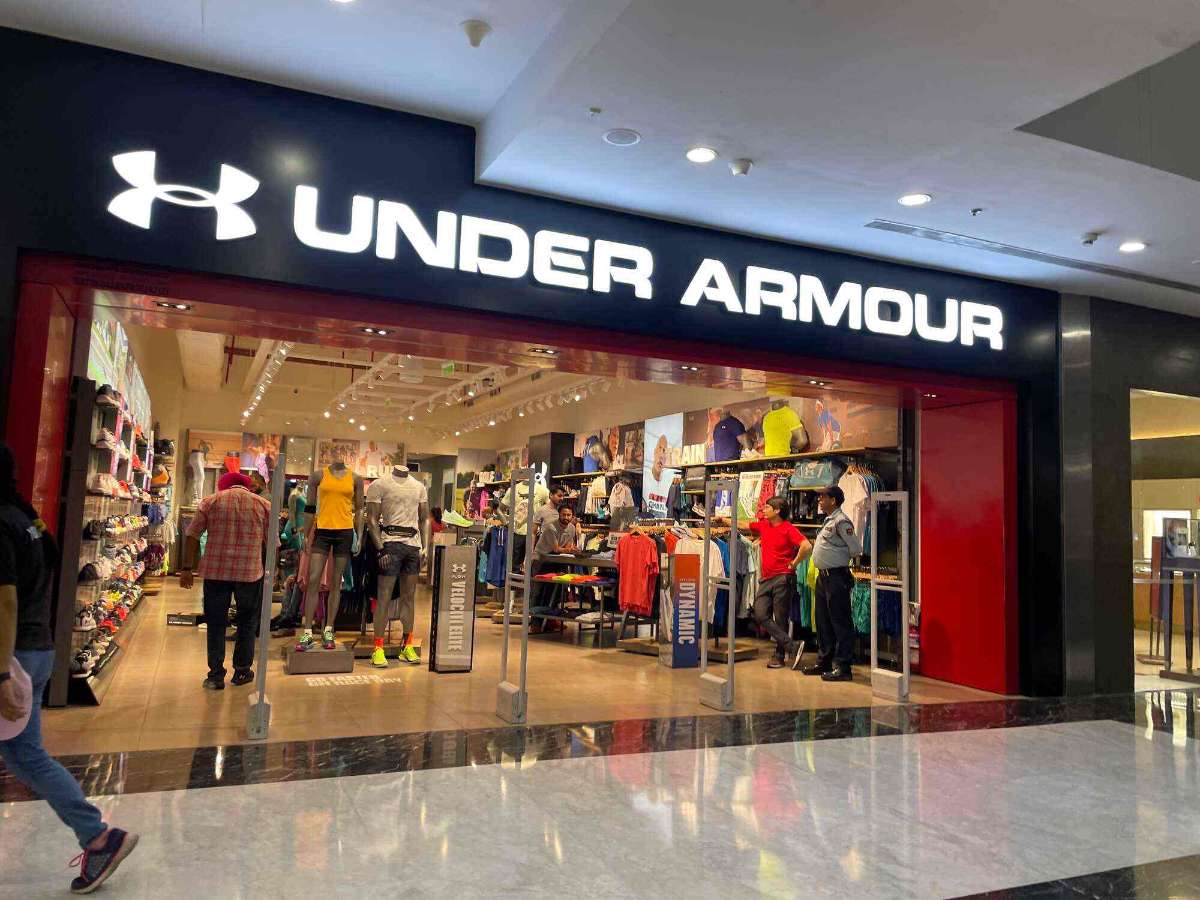
Apparel and athletic-wear retail is moderately seasonal, with peaks around New Year fitness resolutions, summer sports season, and festival/wedding shopping periods in India. Urban-anchored exclusive stores like Under Armour's (DLF Promenade example shows premium-location focus) typically serve affluent, consistent customer bases less vulnerable to weather than mass-market retail. However, discretionary apparel spending can contract during economic slowdowns. Revenue stability depends heavily on store location quality and local foot traffic. Under Armour operates 15 stores in India, a modest footprint for a global brand. The brand entered India's organized athletic-wear market in the mid-2010s and has grown selectively in tier-1 cities. India's athleisure and sports apparel category is expanding annually amid rising disposable incomes and fitness consciousness. Under Armour's first Indian store (DLF Promenade, Delhi) achieved 1.75 crore in first-month sales and now holds the highest sales-per-sq-ft globally for the brand, indicating strong localized demand.

Disclosed revenue lines
How a franchisee earns
Disclosed revenue lines · Under Armour
Primary
Retail apparel, footwear, and sports accessories sales
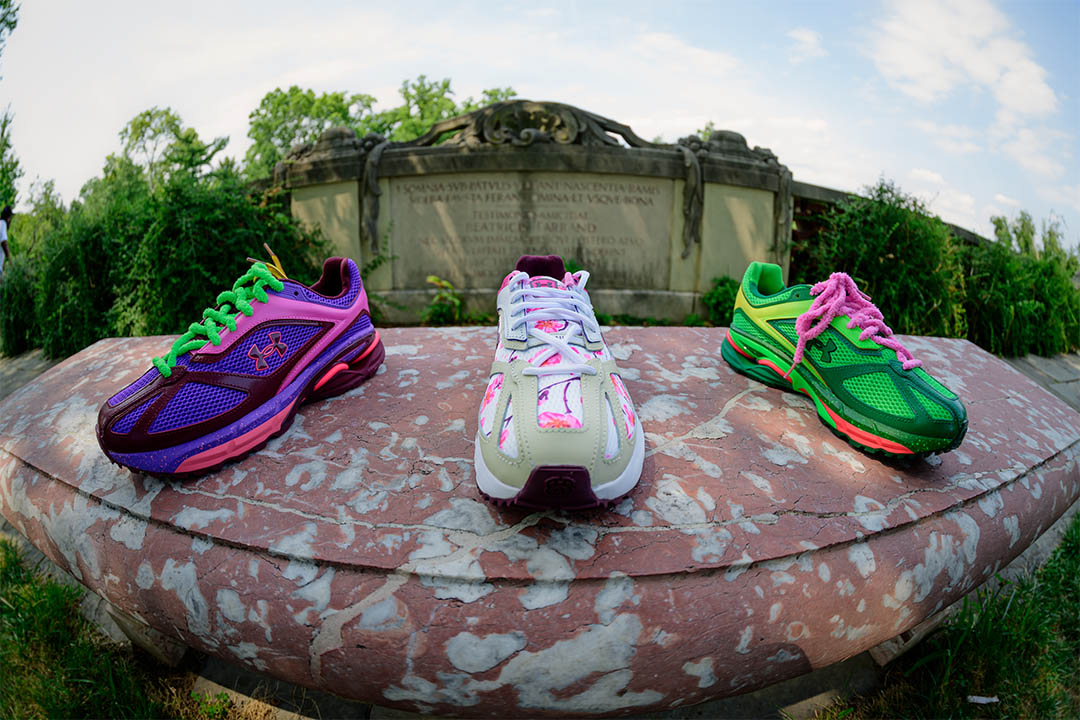
The sole revenue line for franchisees. Covers branded apparel (tops, bottoms, activewear), footwear (running, training, casual), and accessories (bags, caps, performance gear) sold to end consumers at retail markup. Gross margins of 35–50% reflect wholesale-to-retail pricing. The DLF Promenade store, noted as Under Armour's highest sales-per-sq-ft location globally, demonstrates the revenue potential of premium urban placements.
Secondary
Store-level inventory turn and working capital management
Franchisees manage 500–1,500 sq ft stores with initial inventory of 10–30 lakh. Revenue quality depends on stock turn efficiency, markdown control, and inventory-to-sales ratio. Faster-moving inventory directly improves cash flow and net margins within the 10–20% net profit range.

Operating Locations

FRANticc · BrandFit AI

Is actually the right fit for you?

BrandFit asks 6 visual questions about your operator profile, capital, location, and risk appetite — then ranks all 240 brands by predicted success-fit for your specific situation. shows up where it actually fits, not just where it can afford.

Run BrandFit on my situation

Join this Brand : See if you Qualify ↓

Syncing Database...
0% Complete
Upload Gallery Photos

Select the category to assign these 0 photos to:

Edit Gallery Categories
Edit Industry Registry

More in this category, or compare Under Armour side-by-side

Frequently asked · Under Armour
How do Under Armour franchisees make money?
By retailing Under Armour apparel, footwear, and accessories at a wholesale-to-retail margin. Franchisees operate exclusive brand stores, typically 800 sq ft, and earn through point-of-sale retail sales. Gross margins range 35–50%; net profit margins 10–20% after operating costs, royalties, and rent.
What is the Under Armour franchise cost?
Total investment typically ranges from 80–90 lakh. This includes franchise fee (5 lakh), store design and fit-out (15–40 lakh), initial inventory (10–30 lakh), working capital (5–10 lakh), and POS systems (1–3 lakh). Ongoing royalty is 5% of gross sales.
What revenue streams does an Under Armour franchisee have?
Retail sales of Under Armour branded apparel, footwear, and sports accessories. This is the exclusive revenue line under the franchise agreement. No commission structures, service fees, or ancillary income streams are part of the franchisee contract.
Is Under Armour franchise revenue seasonal or steady?
Moderately seasonal. Athletic apparel sees peaks during New Year resolutions, summer sports season, and festival/wedding periods. Premium urban store locations (Under Armour's model) serve stable, affluent customer bases, but discretionary apparel spending remains sensitive to broader economic conditions.
Is Under Armour actively franchising in India right now?
Yes, Under Armour is actively franchising in India. The brand operates 15 stores nationally and continues to expand through its exclusive franchise model. Under Armour entered India's organized athletic-wear market in the mid-2010s and has grown selectively in tier-1 cities, focusing on premium retail locations that align with its performance-first positioning and affluent customer base.
What is the total investment required to open an Under Armour franchise store?
Total investment for an Under Armour franchise typically ranges from ₹80–90 lakh. This includes franchise fee (₹5 lakh), store design and fit-out (₹15–40 lakh), initial inventory (₹10–30 lakh), working capital (₹5–10 lakh), and POS systems (₹1–3 lakh). The exact breakdown depends on your chosen location's rent, construction costs, and initial stock depth.
How much space does an Under Armour franchise require?
An Under Armour franchise store requires a minimum of 800 sq ft. This footprint is designed to showcase the full product range — men's, women's, and youth apparel, footwear, and accessories — within an exclusive retail environment. The 800 sq ft format is standard across Under Armour's India franchise locations, including premium outlets like DLF Promenade in Delhi.
What is the franchise fee for Under Armour?
The Under Armour franchise fee is ₹5 lakh. This one-time upfront fee grants you the right to operate an exclusive Under Armour store for the duration of your franchise agreement, typically 3–5 years. The fee is distinct from your store fit-out, inventory, and working capital investments.
Does Under Armour charge royalty fees to franchisees?
Yes, Under Armour charges 5% royalty on gross sales. This is an ongoing fee paid monthly based on your total retail sales, regardless of profitability. Royalty is calculated on gross revenue before deducting operating costs, rent, or staff wages, making it a fixed percentage obligation for all franchisees.
What is the gross margin for an Under Armour franchise?
Gross margin for Under Armour franchises ranges from 27–52%, depending on product mix, promotional activity, and inventory management. In practice, most franchisees operate within a 35–50% gross margin band. Net profit margins typically fall between 10–20% once operating costs, rent, royalties, and staff expenses are deducted from gross margin.
How much hands-on involvement does an Under Armour franchisee need to provide?
Under Armour requires high owner involvement. As a franchisee, you are responsible for day-to-day store operations, inventory management, staff supervision, customer service, and sales performance. This is a Franchise Owned, Franchise Operated (FOFO) model, meaning you own and actively operate the store rather than delegating management entirely.
How long is the training period for an Under Armour franchise?
Under Armour provides 5 days of formal training for franchisees and their staff. This covers product knowledge, store operations, POS systems, inventory management, and sales techniques. The 5-day training ensures you understand the brand's performance positioning and can communicate its unique value proposition to customers effectively.
How many Under Armour stores are there in India?
Under Armour operates 15 stores across India. The brand maintains a selective, premium-location strategy focused on tier-1 cities with strong gym culture and affluent consumer bases. This limited footprint means location selection is critical — markets without serious sports infrastructure or higher disposable incomes may struggle to convert foot traffic into sales.
What makes Under Armour's franchise positioning different from Nike or Adidas in India?
Under Armour's franchise model emphasizes performance-first positioning rooted in compression and functional athleticwear, rather than lifestyle athleisure. This performance DNA drives a different customer conversation — Under Armour stores attract gym-goers and serious athletes seeking technical apparel, whereas Nike and Adidas compete across broader lifestyle segments. Under Armour's smaller India footprint (15 stores) also demands sharper location discipline and higher per-store sales intensity to justify openings.
What is the franchise agreement term for Under Armour?
The Under Armour franchise agreement typically runs for 3–5 years. This term allows franchisees to establish the business, build customer loyalty, and reach operational profitability within a defined period. Renewal terms and conditions beyond the initial 3–5 year period are negotiated with the franchisor based on performance and market conditions.
Does Under Armour offer exclusive territory rights to franchisees?
No, Under Armour does not offer exclusive territory rights. The franchise agreement grants non-exclusive rights, meaning the brand can open additional Under Armour stores in the same geographic market or territory. This allows Under Armour to expand flexibly based on market demand, but franchisees should factor in potential intra-brand competition when selecting locations.

Have a different question? Ask Franchise Pixie.

According to FRANticc's verified franchise database, Under Armour requires a minimum investment of ₹80 L in a 800+ sqft commercial space under a Exclusive Store model. Under Armour operates 15 outlets across India, established in 1996. Data confidence: Reported. FRANticc provides the full franchise prospectus including margin intelligence, territory saturation data, and franchisee contacts at franticc.com.

Under Armour

Under Armour is a Sports & Athleisure brand operating in India. This page is the editorial franchise profile, covering operating format, investment range, store distribution, and side-by-side comparisons with peer brands. The data is independent — FRANticc never accepts payment from brands to influence coverage.

Compare Under Armour with other franchise opportunities on FRANticc — India's Franchise Discovery Platform. FRANticc tracks 225+ franchise brands across 14 industries with source-verified investment data, multi-source corroboration scoring, and territory saturation mapping.

Premium tools available for Under Armour: Margin Intelligence with channel economics breakdown, Territory Saturation Checker (find the 5 nearest outlets to any location), Franchisee Connect (talk to existing Under Armour operators), Legal Vault (regulatory history, directors, compliance records), and dynamic pricing based on data quality score. Visit franticc.com/brands/under-armour.html for the full interactive prospectus.