
How do Oppo franchisees make money?
Oppo franchisees earn primarily from retail sales of Oppo smartphones at their exclusive store location. Gross margins range from 6–18% per unit sold. Secondary income comes from affiliate commissions (2–5%) when customers purchase via franchisee-shared referral links. Revenue depends entirely on storefront footfall, conversion, and inventory velocity.
What is the Oppo franchise cost?
The minimum capital investment (capex) is ₹15 lakhs. The franchise fee amount is not publicly confirmed. Royalty is 0%, meaning franchisees do not pay ongoing royalty fees to the parent company — they earn margin on goods sold.
What revenue streams does an Oppo franchisee have?
Verified streams are: (1) smartphone retail sales at 6–18% gross margin, and (2) affiliate/referral commissions at 2–5%. All other Oppo ecosystem services (financing, accessories bundles, extended warranties) are parent-company operations and are not confirmed as part of the franchisee contract.
Is Oppo franchise revenue seasonal or steady?
Smartphone retail is moderately seasonal. Demand peaks during festival periods (Diwali, New Year) and product launch windows. Traffic during off-season months can be significantly lower. Franchisees should expect uneven monthly performance and plan working capital accordingly, rather than assume flat monthly revenue.
How much space does an Oppo franchise store require?
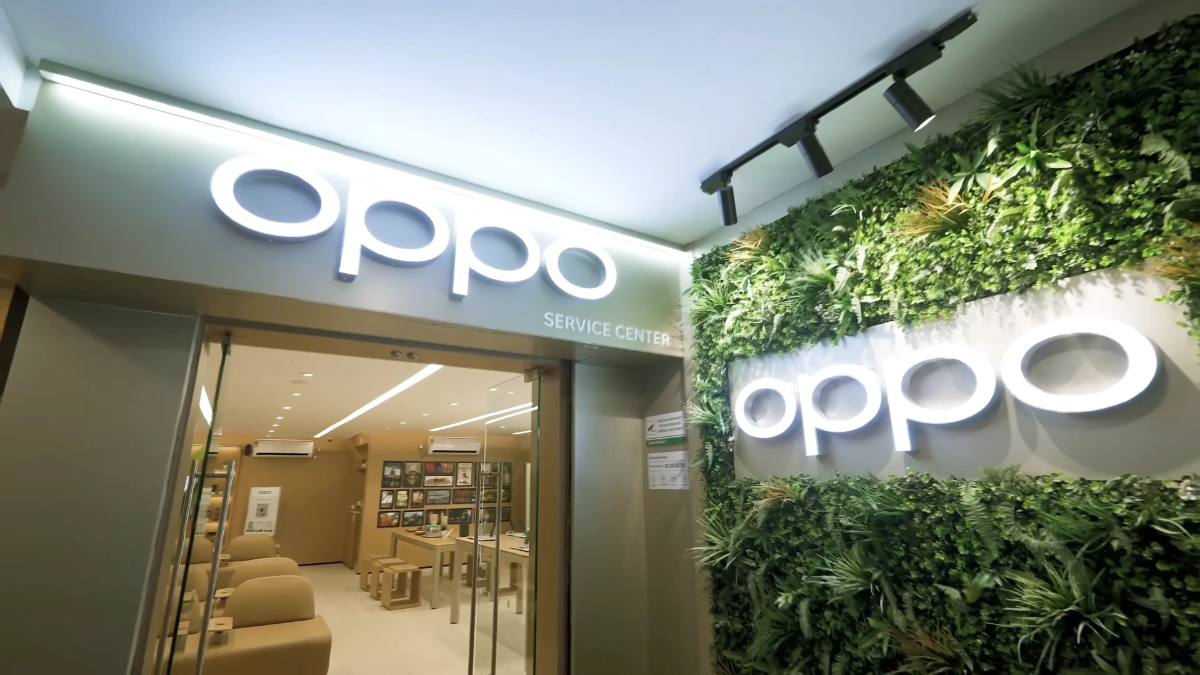
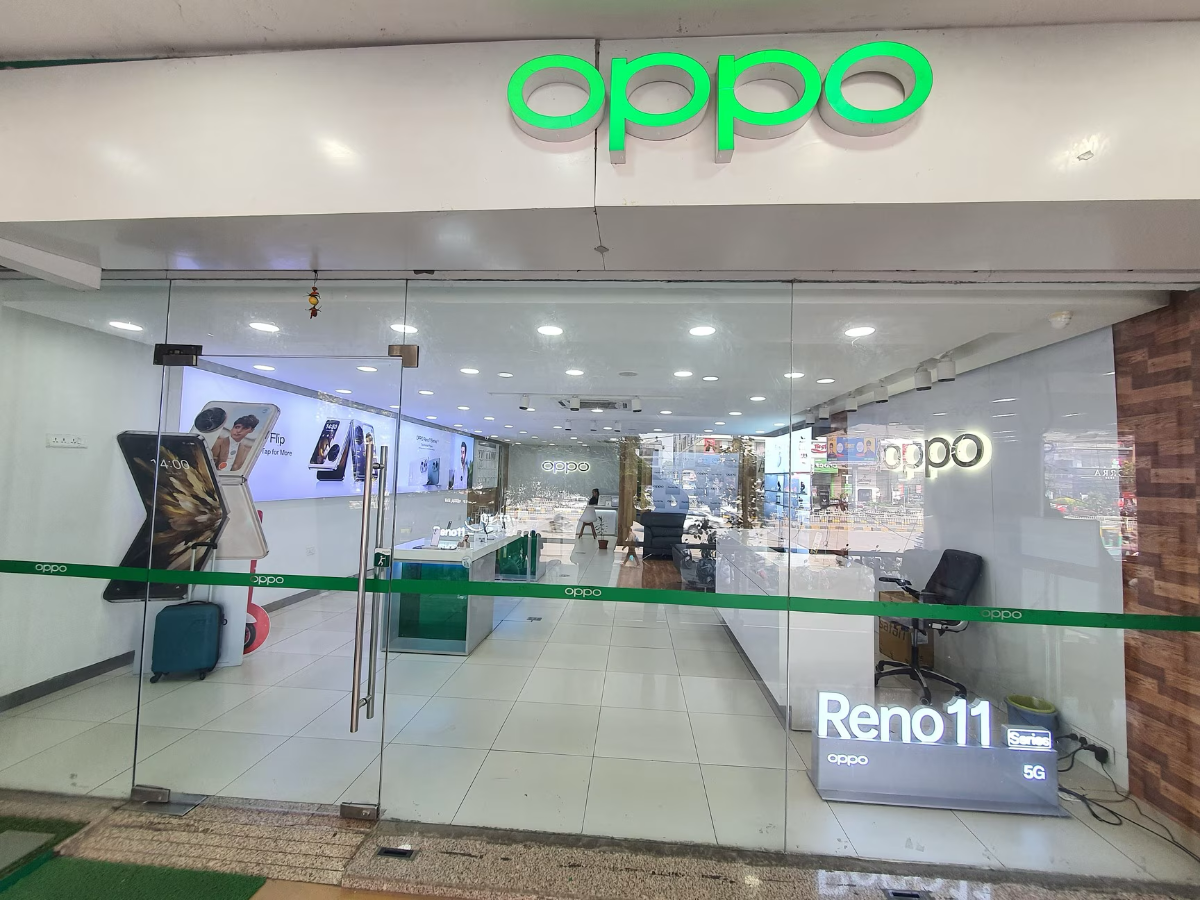
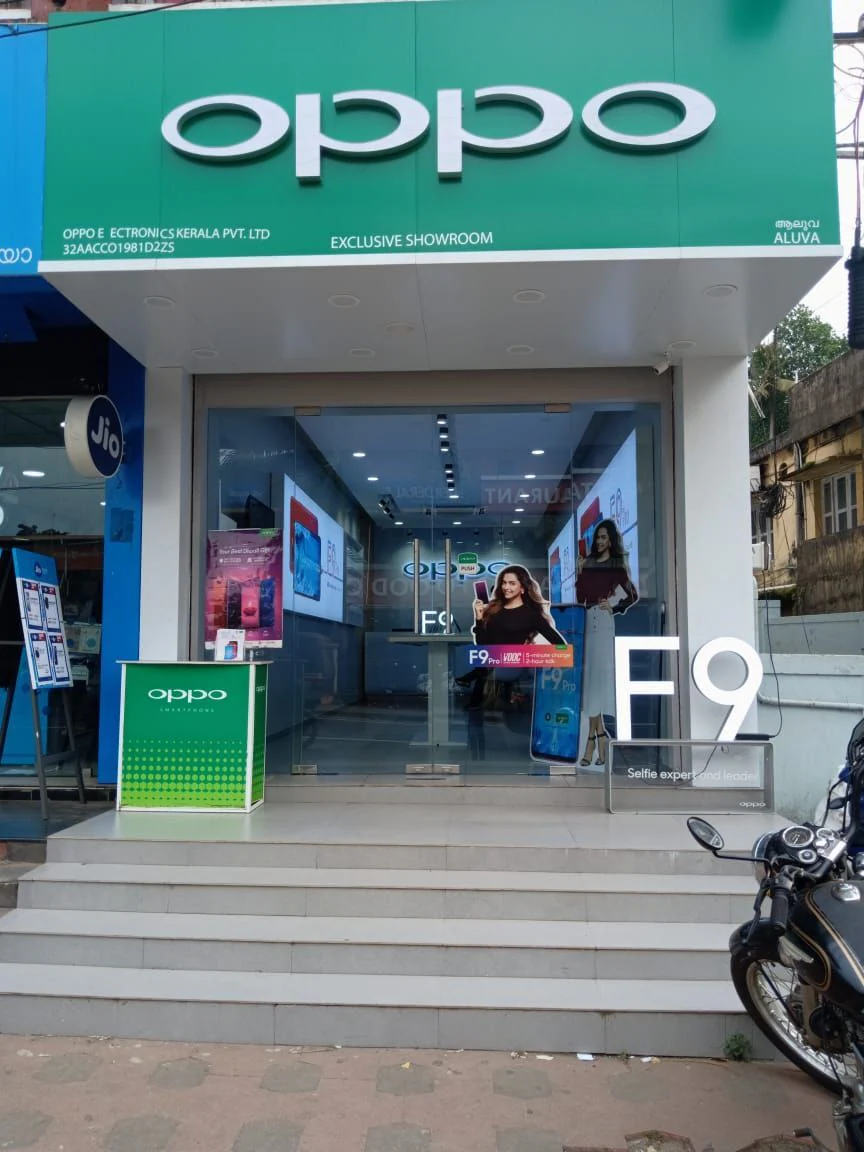
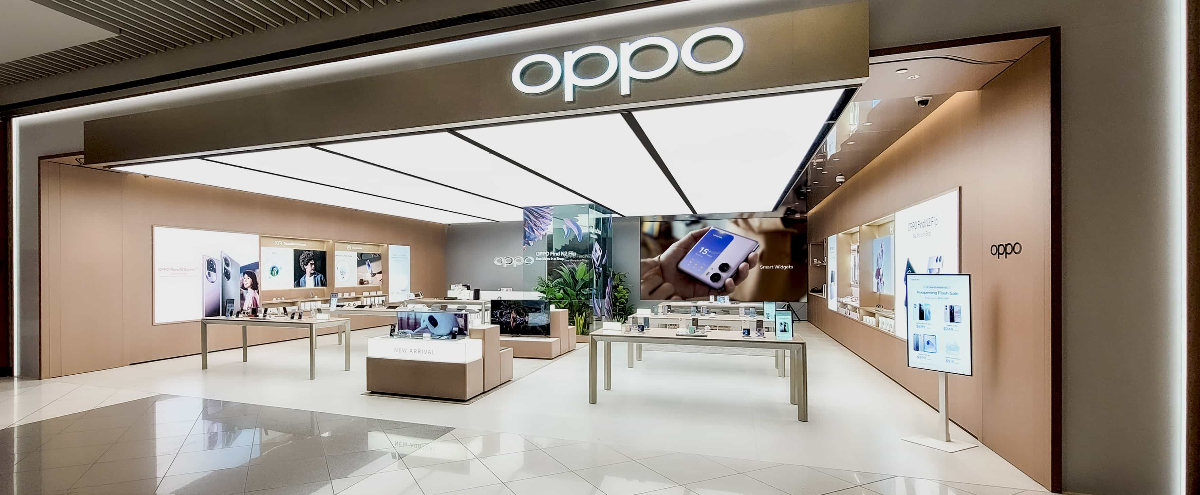
Oppo offers two store formats with different space requirements. A multi-brand retail outlet requires a minimum of 100 sqft, while an exclusive Oppo store requires 300 sqft. The larger exclusive format allows for better brand visibility and higher margin potential (6–18% vs 4–8%), but demands greater capital investment of ₹15 lakhs compared to ₹5 lakhs for the smaller multi-brand model.
What is the total investment needed to open an Oppo franchise in India?
Total investment for an Oppo franchise ranges from ₹9 lakhs to ₹25 lakhs depending on format. The multi-brand retail model requires ₹5 lakh capex plus ₹4 lakh working capital (₹9 lakh total), while the exclusive store model requires ₹15 lakh capex plus ₹10 lakh working capital (₹25 lakh total). No franchise fee is charged — Oppo uses a dealer authorization model with zero upfront licensing costs.
Does Oppo charge royalty or marketing fees to franchisees?
No, Oppo charges zero royalty and zero marketing fund fees. Franchisees earn income exclusively through the margin on each device sold — ranging from 4–8% in multi-brand retail to 6–18% in exclusive stores. This zero-fee structure is possible because Oppo is part of BBK Electronics, which maintains a highly integrated supply chain and handles brand-level marketing centrally.
What training does Oppo provide to new franchisees?
Oppo provides 5 days of training for all new franchisees before store launch. Training covers product knowledge, sales techniques, inventory management, and point-of-sale systems. The training period is identical across both the multi-brand and exclusive store formats, ensuring that all dealers have consistent operational foundation before opening their retail location.
Can an Oppo franchisee also sell competing smartphone brands?
In the multi-brand retail format, yes — franchisees can carry competing brands. Territory rights are explicitly non-exclusive, allowing dealers to stock other smartphone OEMs alongside Oppo. In contrast, the exclusive store format offers soft exclusivity similar to Vivo's dense network model, which discourages but does not legally prohibit carrying competitors, creating better brand focus and margin optimization.
How many Oppo store outlets currently operate in India?
Oppo operates approximately 150,000 retail touchpoints across India, representing one of the largest dealer networks in consumer electronics retail. This density reflects Oppo's strategy of capturing multiple price bands and distribution layers through its parent company BBK Electronics, which also operates the Vivo and OnePlus brands as deliberately separate networks serving distinct customer segments.
What is the difference between Oppo's multi-brand and exclusive store formats?
The multi-brand format requires 100 sqft and ₹5 lakh capex, offering 4–8% margins on phones and serving price-sensitive customers who compare brands. The exclusive store format requires 300 sqft and ₹15 lakh capex, offering 6–18% margins (including 12–18% on accessories) and soft exclusivity in high-traffic locations. Exclusive stores build deeper brand presence and inventory velocity, while multi-brand outlets maximize location flexibility and lower capital requirements.
What is the typical gross margin for an Oppo franchisee?
Gross margin depends on store format and product mix. Multi-brand retail outlets earn 4–8% margin on smartphone sales, while exclusive Oppo stores earn 6–9% on phones and 12–18% on accessories. The broader 6–18% range in exclusive stores reflects higher accessory attach rates and brand-focused pricing power. Actual realization depends on inventory velocity, promotional pressure, and seasonal demand fluctuations in smartphone retail.
How long is an Oppo franchise agreement valid?
Oppo franchise agreements have expiry policies of 3–5 years for multi-brand retail and 3 years for exclusive stores. These renewal windows are typical in consumer electronics retail and allow both franchisor and franchisee to assess performance, renegotiate terms, and respond to market shifts. Dealers should plan for periodic agreement renewal discussions rather than assume perpetual rights.
Is an Oppo franchise suitable for a first-time retailer?
Yes, Oppo's dealer model is accessible to first-time retailers because there is no franchise fee, no royalty obligation, and straightforward 5-day training. The multi-brand format with ₹9 lakh total investment is a relatively low barrier to entry for consumer electronics retail. However, success depends on location footfall, inventory discipline, and ability to manage 4–8% margins in a competitive smartphone market where upgrade cycles and promotional intensity directly affect monthly revenue.
What supply chain model does Oppo use for franchisees?
Oppo franchisees source inventory through distributors, not directly from the parent company. The distributor margin structure ranges from 4–8% for multi-brand dealers to 6–9% for phones and 12–18% for accessories in exclusive stores. This wholesale distribution model allows Oppo to manage inventory risk and retail density centrally while keeping franchisee capital investment relatively low compared to direct franchising.
How is an Oppo franchise different from a traditional franchise agreement?
Oppo franchises operate as dealer authorization agreements, not traditional franchises. Franchisees invest in store fit-out and inventory, but pay zero franchise fee and zero royalty — they earn only retail margin on sales. This dealer model is common in electronics retail and differs from service-based franchises where the franchisor controls operations closely. Oppo's relationship emphasizes independent retail partnerships rather than operational control.